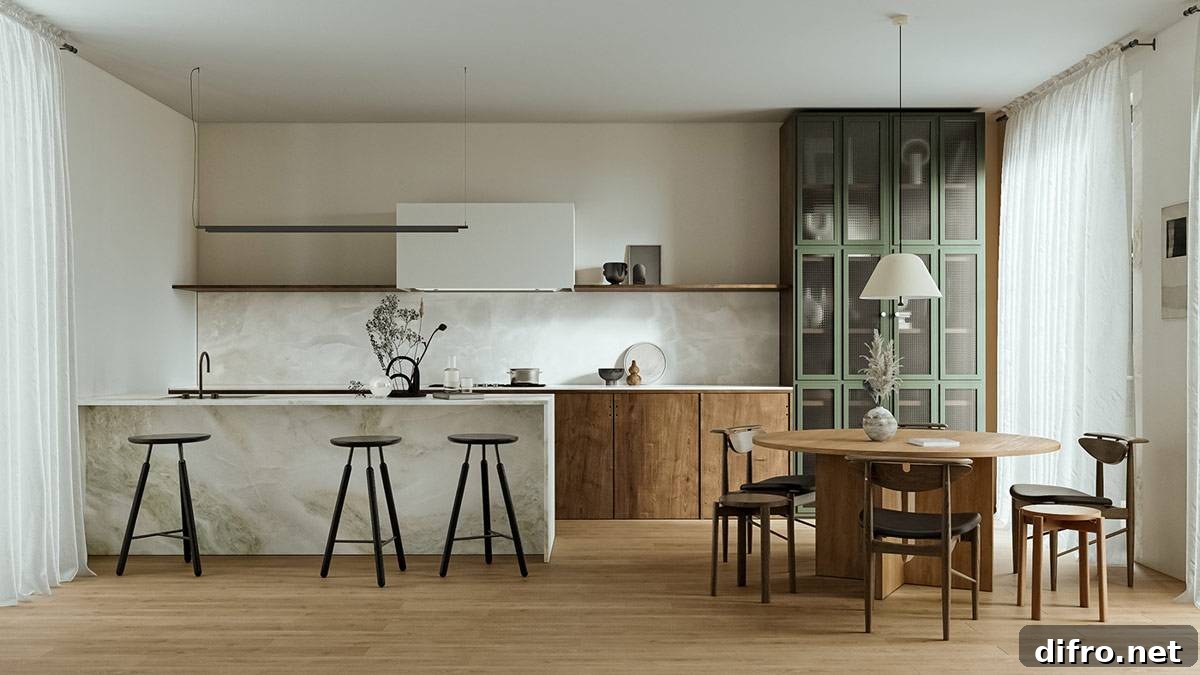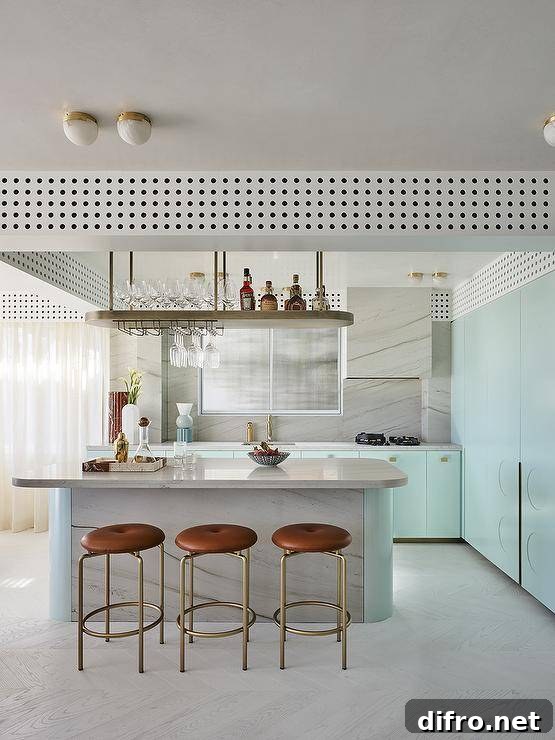
Mid-century modern kitchen design remains a popular choice for homeowners who want a timeless, functional, and stylish cooking space. Defined by clean lines, practical layouts, and a careful balance of form and function, this aesthetic adapts easily to contemporary homes while preserving its characteristic warmth and clarity.
Whether you are remodeling an existing kitchen or planning a new build, mid-century modern principles can help you create a kitchen that is both attractive and highly usable. Below we summarize the style’s defining features, offer practical design tips, and answer common questions to help you bring this look into your home.
Mid-century modern kitchens are known for a handful of consistent design cues: simple geometric forms, minimal ornamentation, and an emphasis on natural materials such as wood, stone, and brick. These kitchens balance bold color choices—like mustard, avocado, and burnt orange—with neutral backdrops and functional storage solutions. Smart, efficient layouts and integrated appliances support everyday living without sacrificing style.
Key Elements
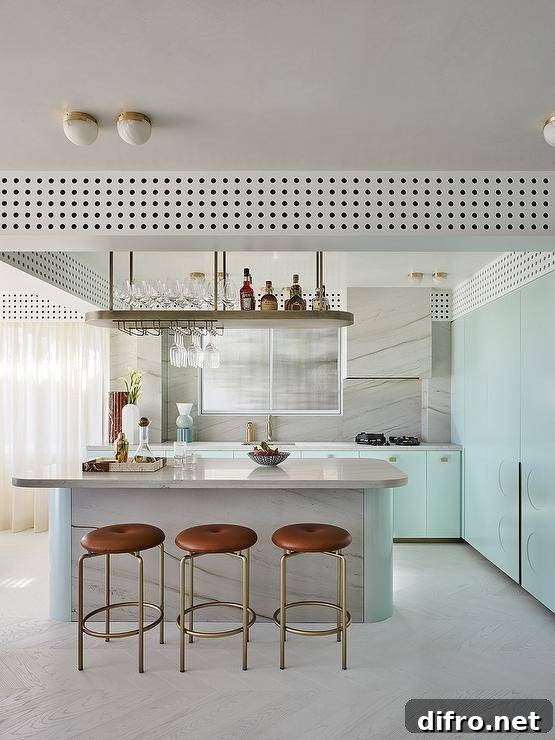
Mid-century modern kitchens typically include these defining elements:
- Clean lines: Minimal ornamentation and geometric shapes keep the kitchen feeling open and orderly.
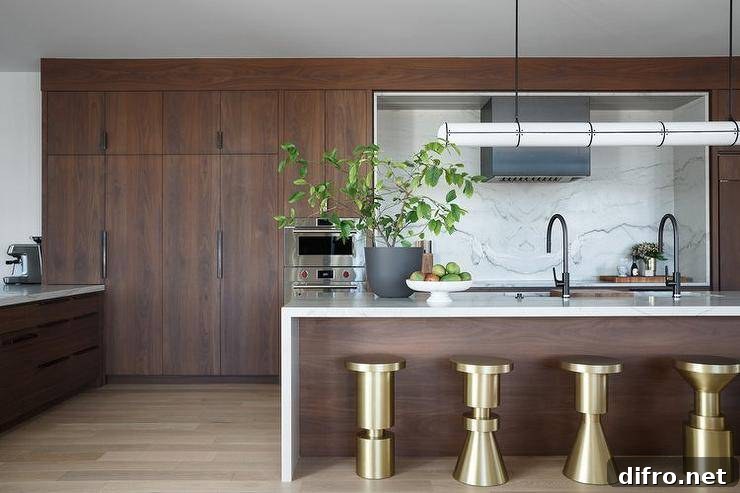
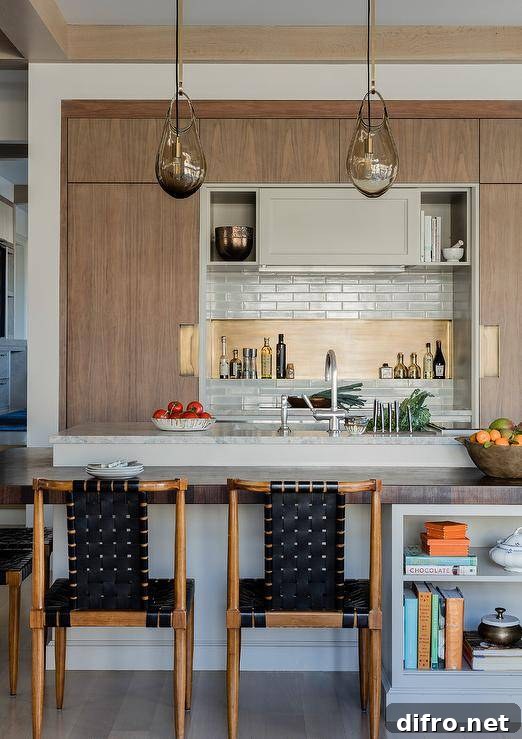
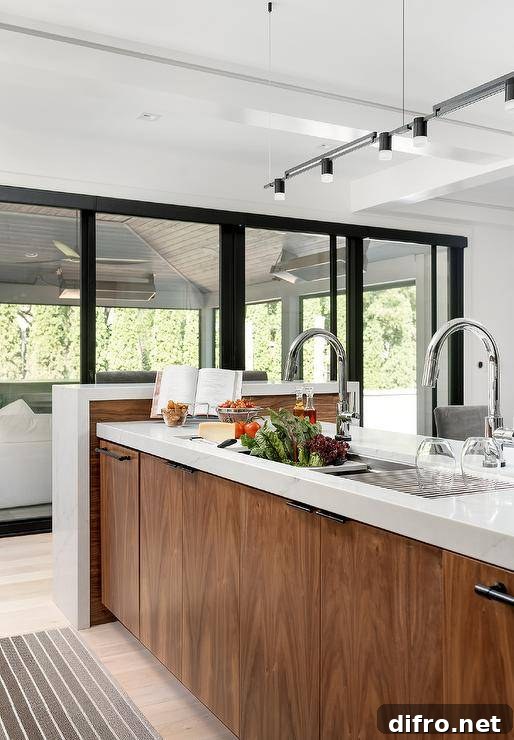
- Natural materials: Wood, stone, and sometimes brick bring warmth and texture to cabinets, floors, and countertops.
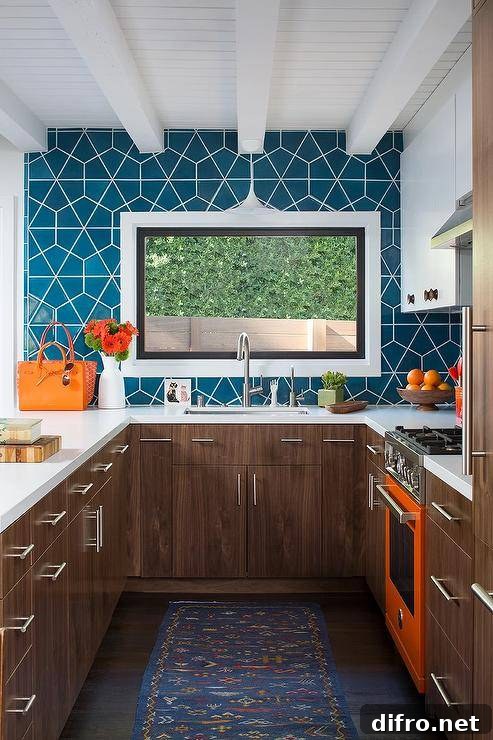
- Vivid color accents: Use bold hues like mustard, teal, and terracotta selectively—on an island, backsplash, or appliance—to create a retro yet modern palette.
- Function and storage: Efficient cabinetry, thoughtful pull-outs, and integrated appliances emphasize usability and reduce clutter.
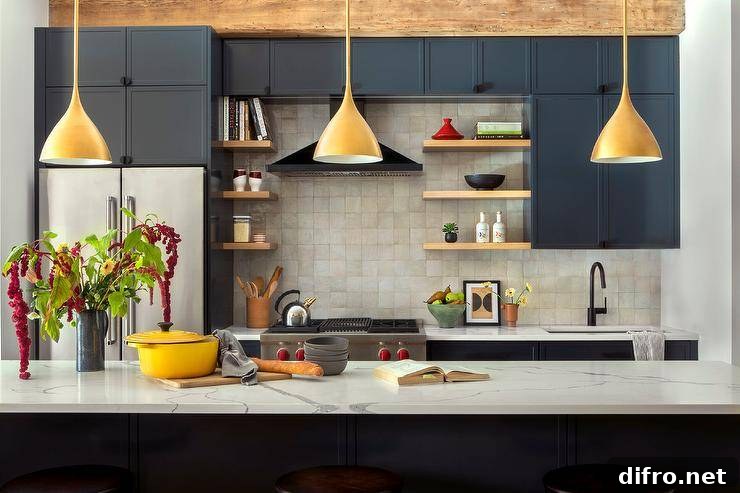
- Minimalist hardware and fixtures: Sleek handles, streamlined faucets, and subtle lighting maintain the style’s restrained look.
Design Tips
To create an authentic mid-century modern kitchen that works for contemporary living, focus on a curated set of decisions rather than trying to incorporate every retro trend. Here are practical design tips to guide your project:
- Choose a strategic color palette: Anchor the room with neutral walls and natural wood tones, then introduce bold accents on the island, cabinetry, or appliances. Mustard, teal, olive, and burnt orange work well as accent colors.
- Prioritize clean, simple silhouettes: Opt for flat-front cabinets, streamlined open shelving, and furniture with tapered legs to maintain the era’s signature geometry.
- Use authentic materials: Integrate teak, walnut, or oak for cabinets and furniture. Pair wood with stone or quartz countertops and consider textured tile backsplashes that reference mid-century patterns.
- Select retro-inspired appliances wisely: Vintage-style refrigerators and ranges can be striking focal points. If true vintage is not practical, choose modern appliances with retro finishes or bold colors.
- Layer lighting: Combine ambient, task, and accent lighting. Pendant lights over an island, under-cabinet task lighting, and a statement fixture can all coexist while maintaining a clean aesthetic.
- Maximize storage and workflow: Design for everyday use—efficient storage, dedicated zones for prep, cooking, and cleanup, and integrated organizers make the kitchen feel effortless.
- Add graphic patterns sparingly: Consider patterned tile, geometric flooring, or textiles to introduce visual interest without overwhelming the space.
- Mix old and new: Balance vintage pieces or mid-century-inspired furniture with modern finishes and durable materials for a space that’s both stylish and resilient.
- Stay budget-conscious: Refinish or refinish existing cabinetry, swap hardware, and focus accent investments (like unique lighting or a high-quality countertop) for maximum impact.
Frequently Asked Questions (FAQs)
What is mid-century modern design?
Mid-century modern is a design movement from the mid-20th century, celebrated for its clean lines, organic shapes, and emphasis on functionality. The style blends minimalist aesthetics with comfortable, human-centered design.
What features define a mid-century modern kitchen?
Typical features include flat-front cabinetry, modest hardware, natural wood finishes, bold accent colors, integrated storage solutions, and furniture with simple, geometric forms.
How do I bring this style into my kitchen without a full renovation?
Small updates—like swapping cabinet hardware, painting the island a bold color, installing a retro-inspired light fixture, or adding period-appropriate barstools—can deliver a mid-century feel without a major remodel.
Which colors work best in this style?
Rich, saturated colors such as mustard, avocado, turquoise, and burnt orange pair beautifully with neutral wood tones, warm whites, and muted grays.
Are mid-century modern kitchens expensive to create?
Costs vary widely. You can achieve the look on a budget by making targeted changes—paint, hardware, lighting, and furniture—or invest in higher-end finishes for a long-lasting, authentic result.