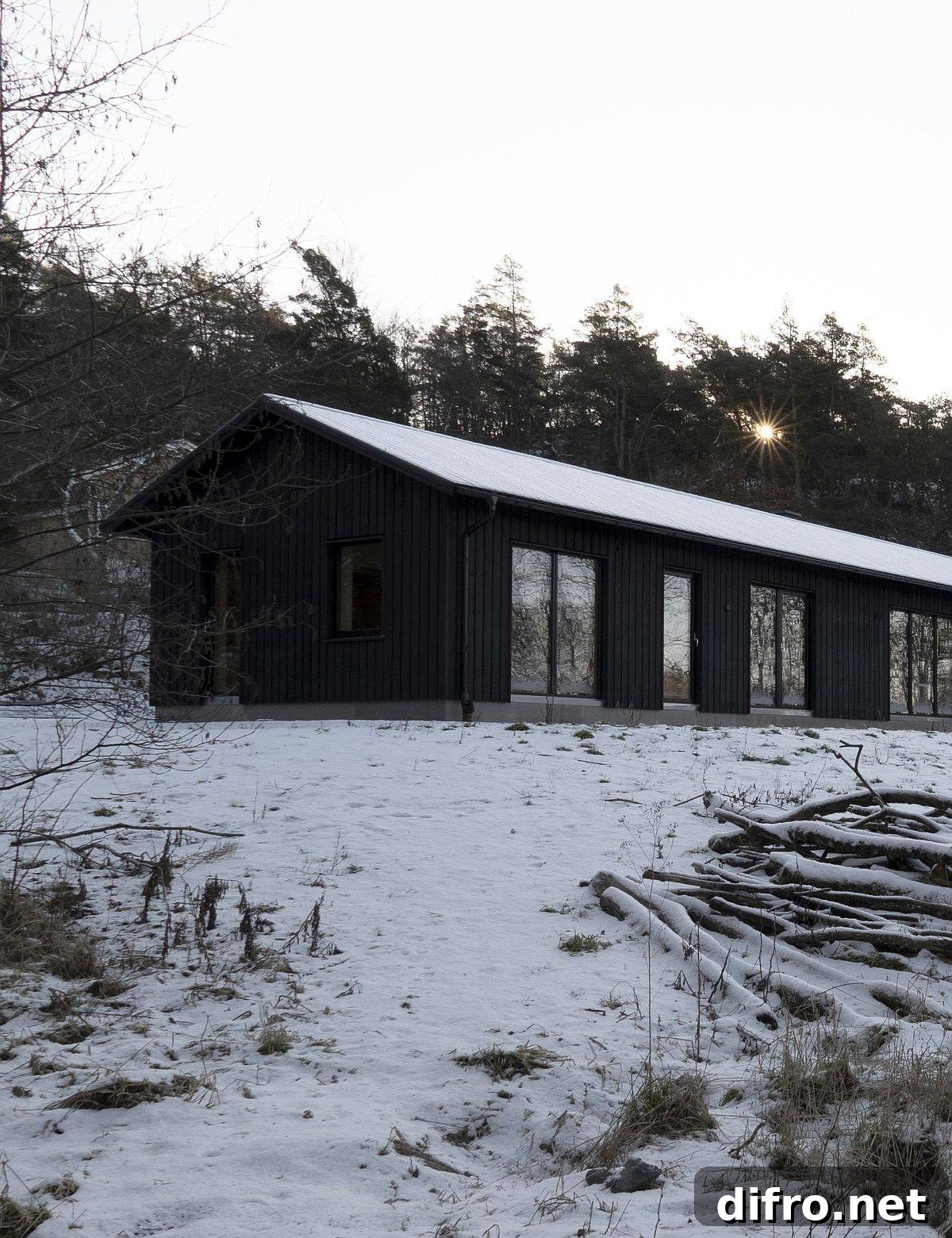
If you have noticed that private country homes often grow larger and larger even for small families, you are not alone. Over the past decade, many homeowners have equated size with comfort and status, but bigger is not always better. For a single-family home, an unnecessarily large footprint can waste resources, increase maintenance costs and disconnect the dwelling from the surrounding landscape. The Vallda House in Sweden offers a deliberate alternative: a compact, carefully considered single-family residence that feels generous without excess.
Vallda House — a compact Swedish home with generous feel
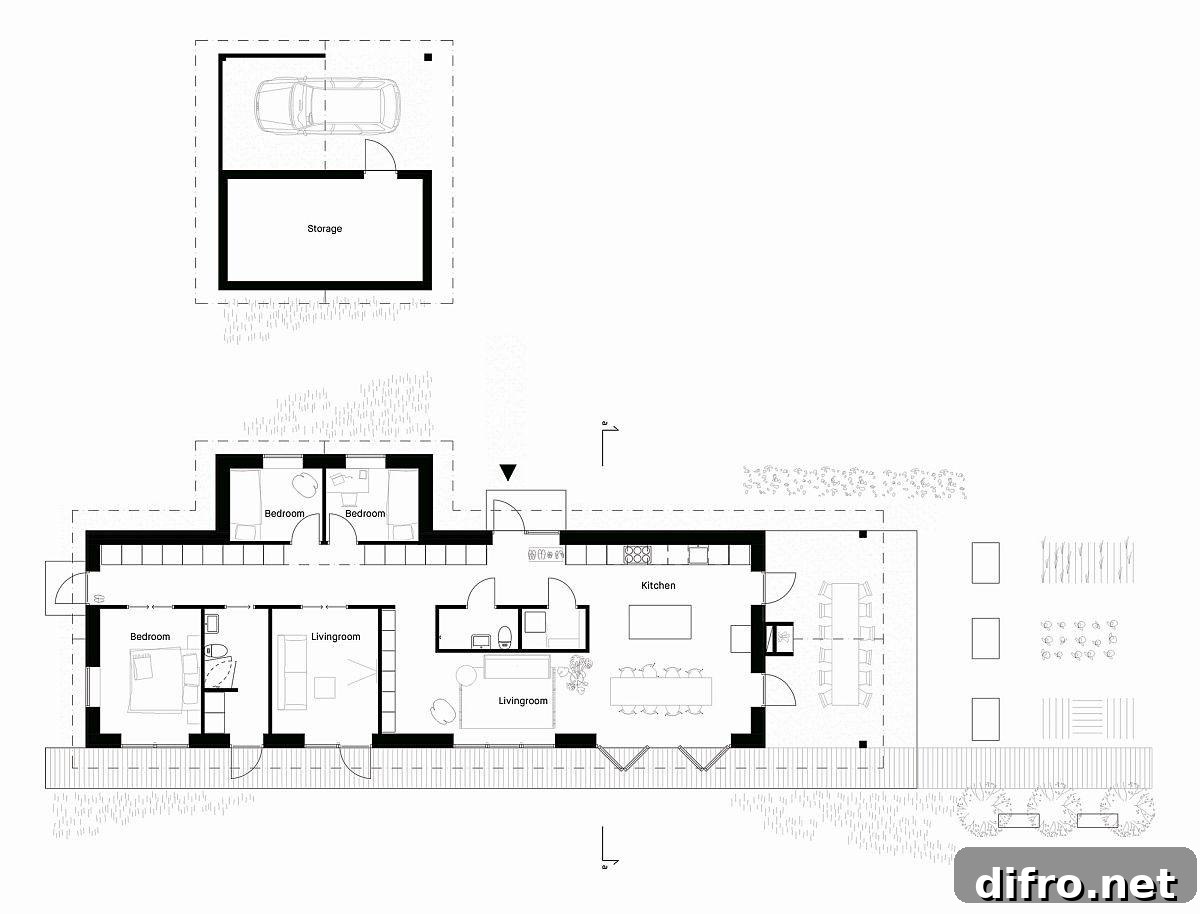
Designed by Fabel Arkitektur, the Vallda House measures just 163 square meters yet manages to feel open and airy. The plan prioritizes quality of space and relationship to the landscape rather than sheer area. An open-plan living area, a large kitchen and a dining room arranged to take advantage of views deliver the living qualities a family needs while keeping the overall footprint modest and efficient.
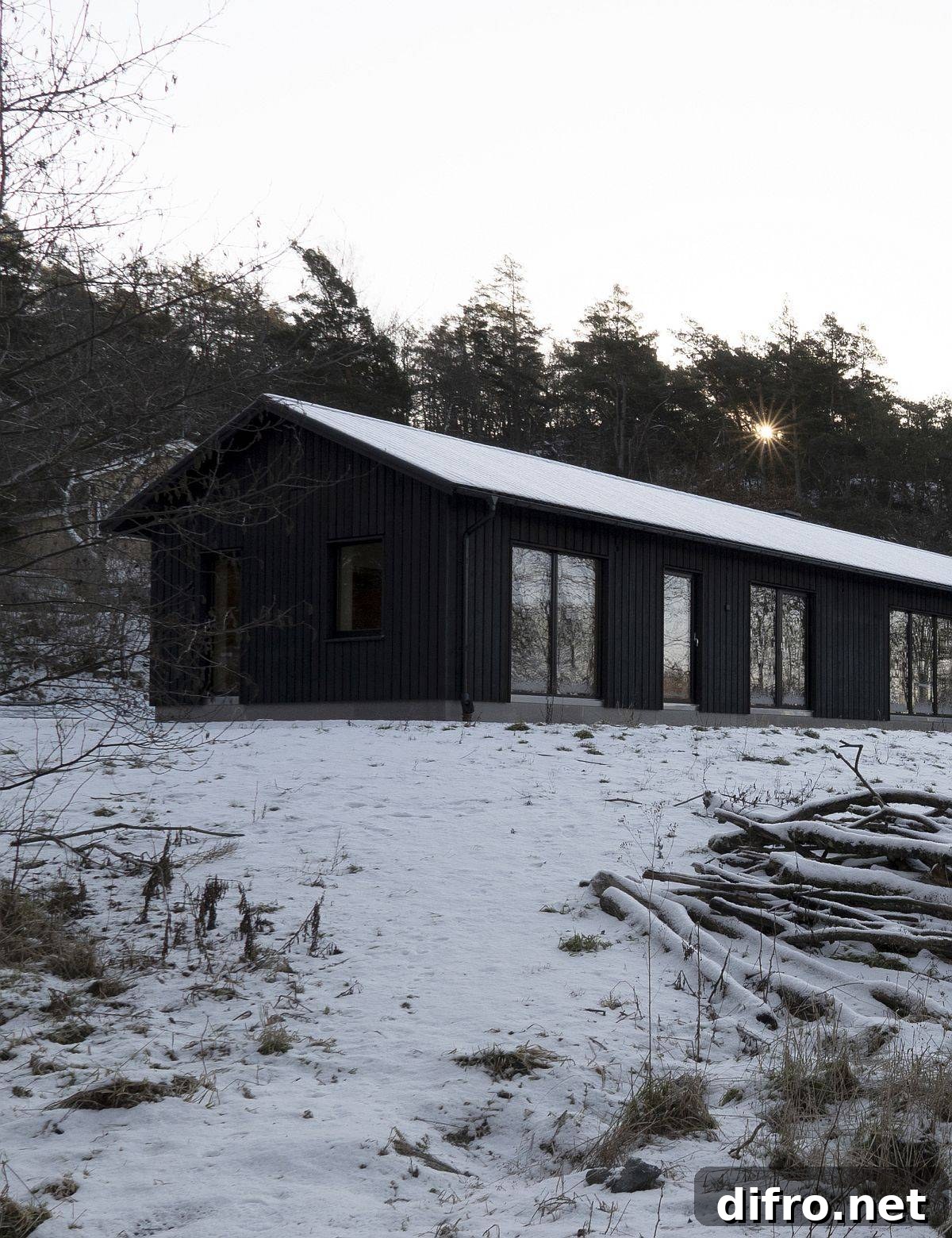
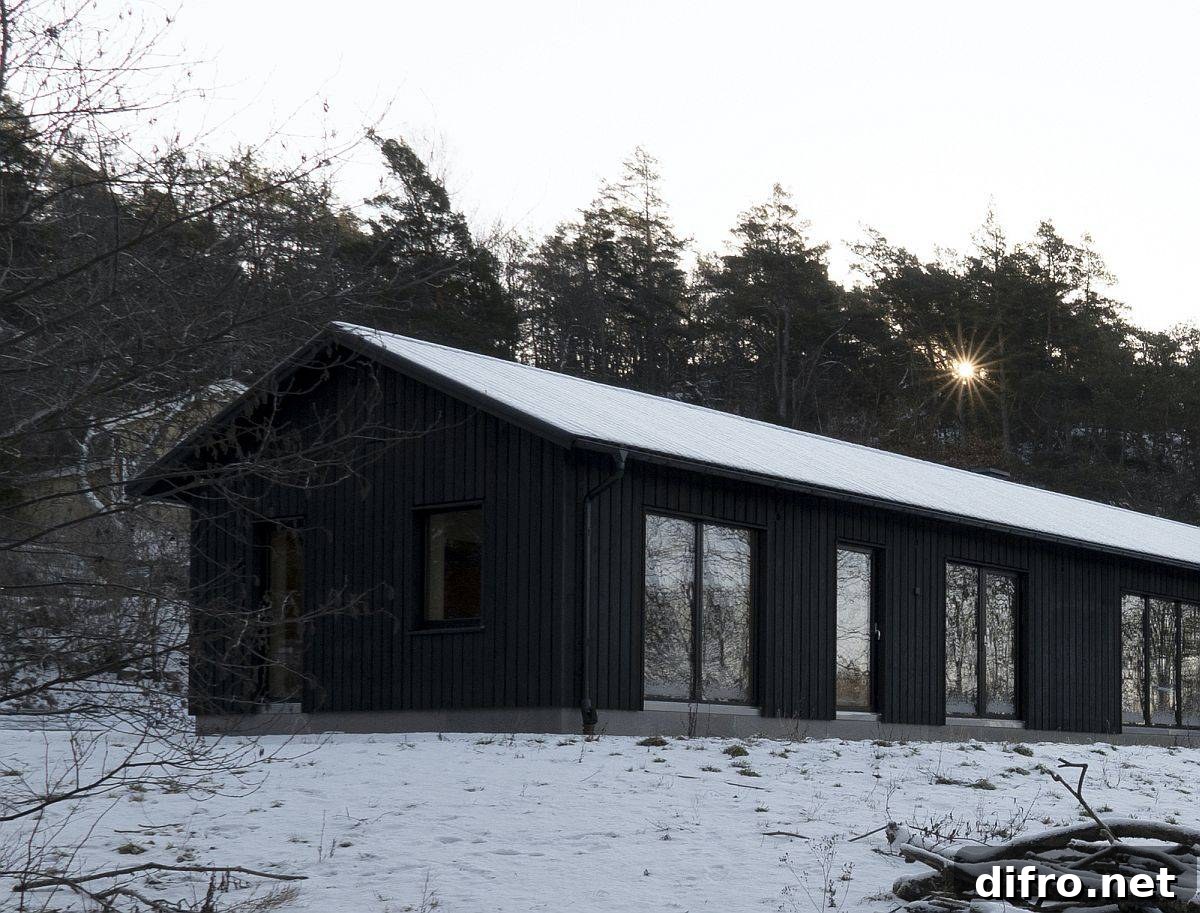
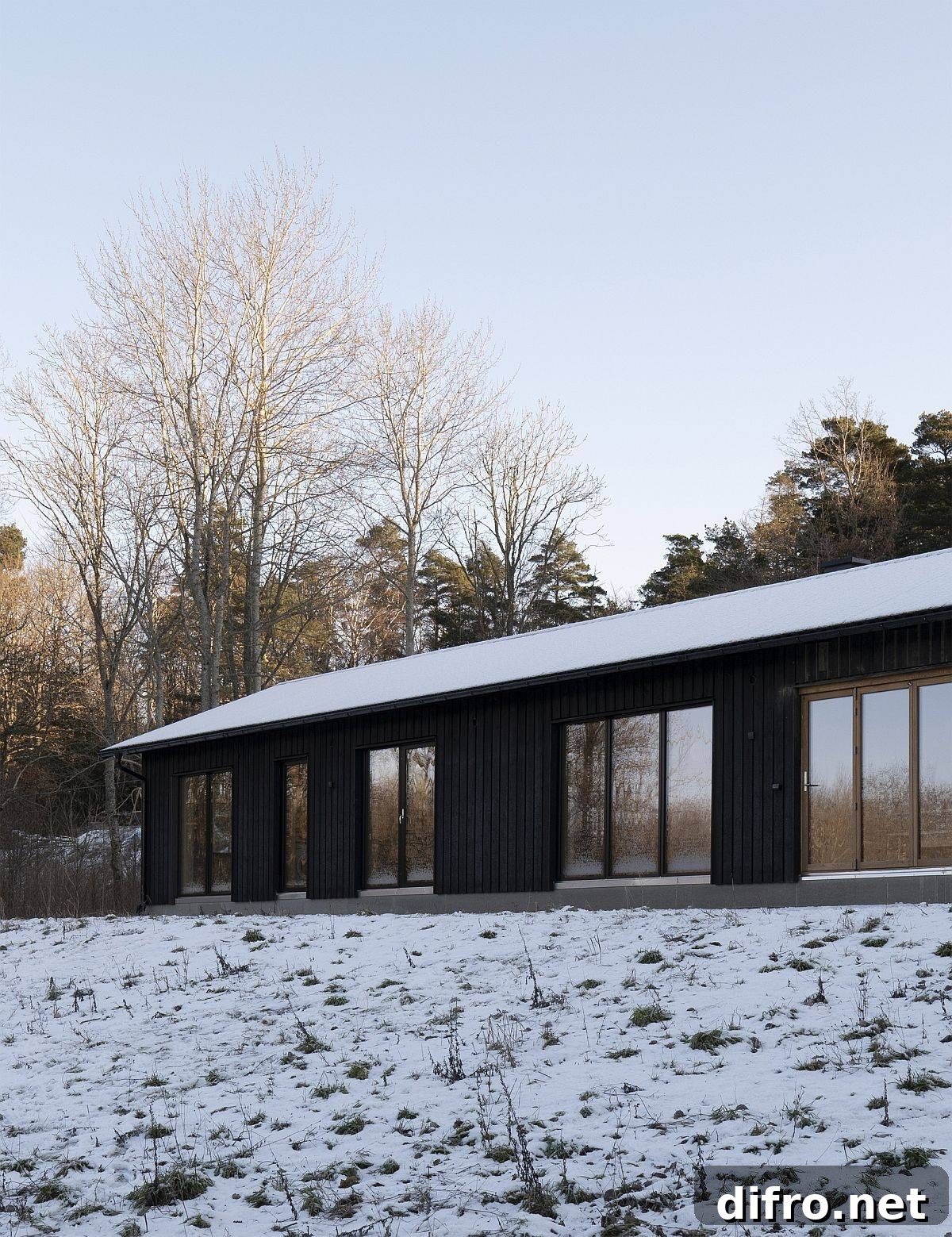
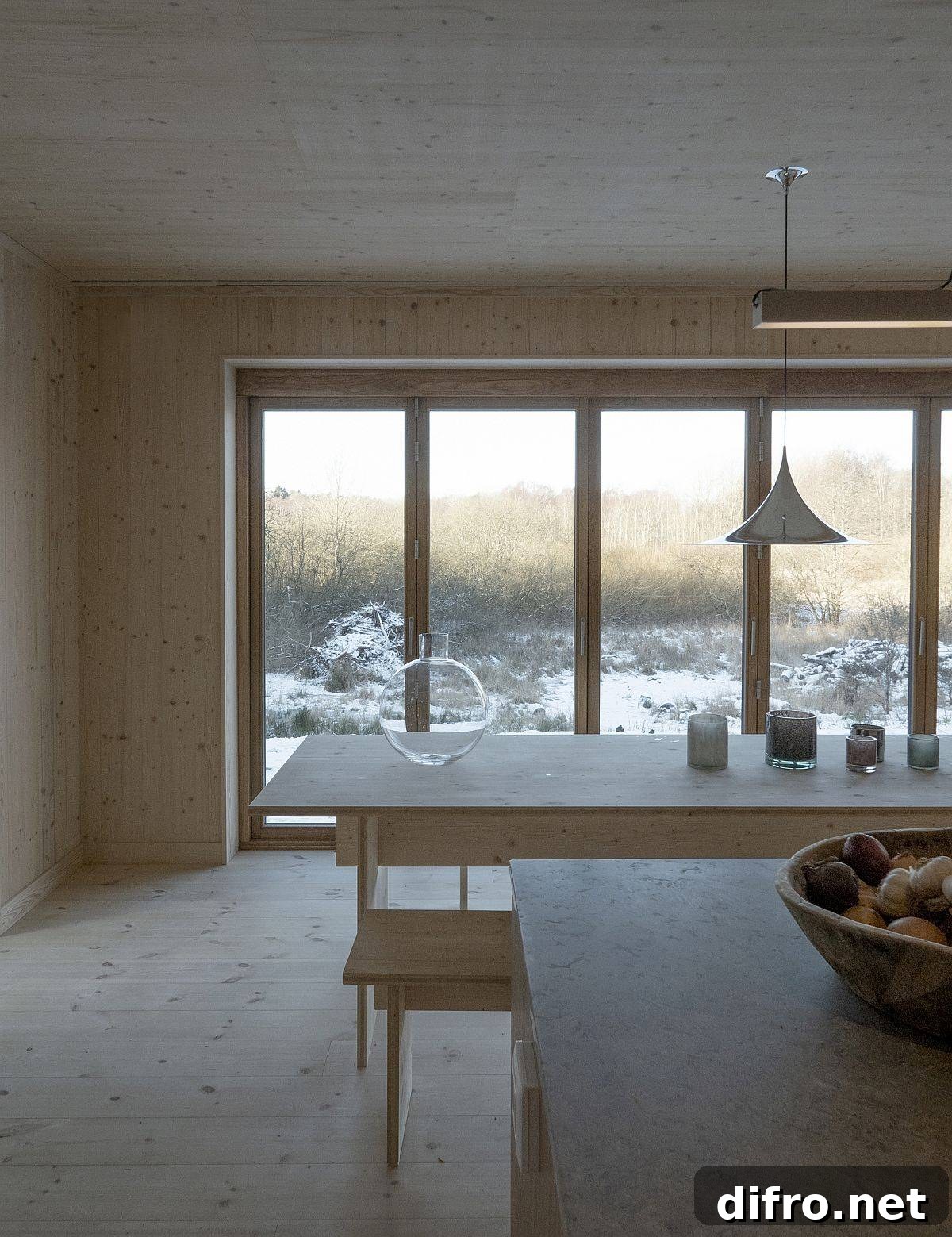
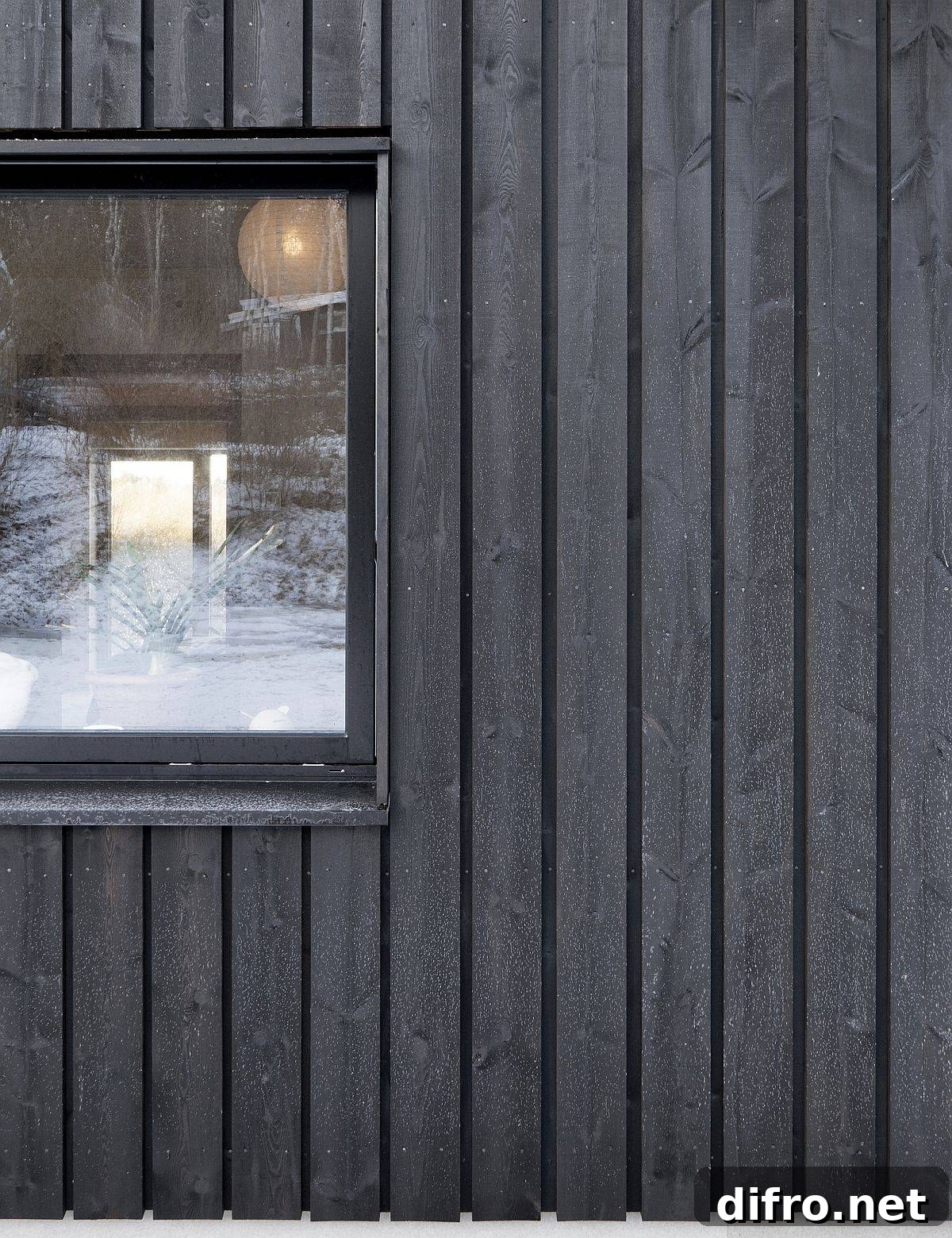
The home’s exterior is shaped from cross-laminated timber (CLT) finished with traditional black tar. This material choice gives the house a familiar, rustic Swedish character while using a modern engineered timber system. Internally, the aesthetic follows a restrained Scandinavian approach: minimal, elegant and focused on natural materials and daylight. The result is a house that reads as contemporary but rooted in regional tradition.
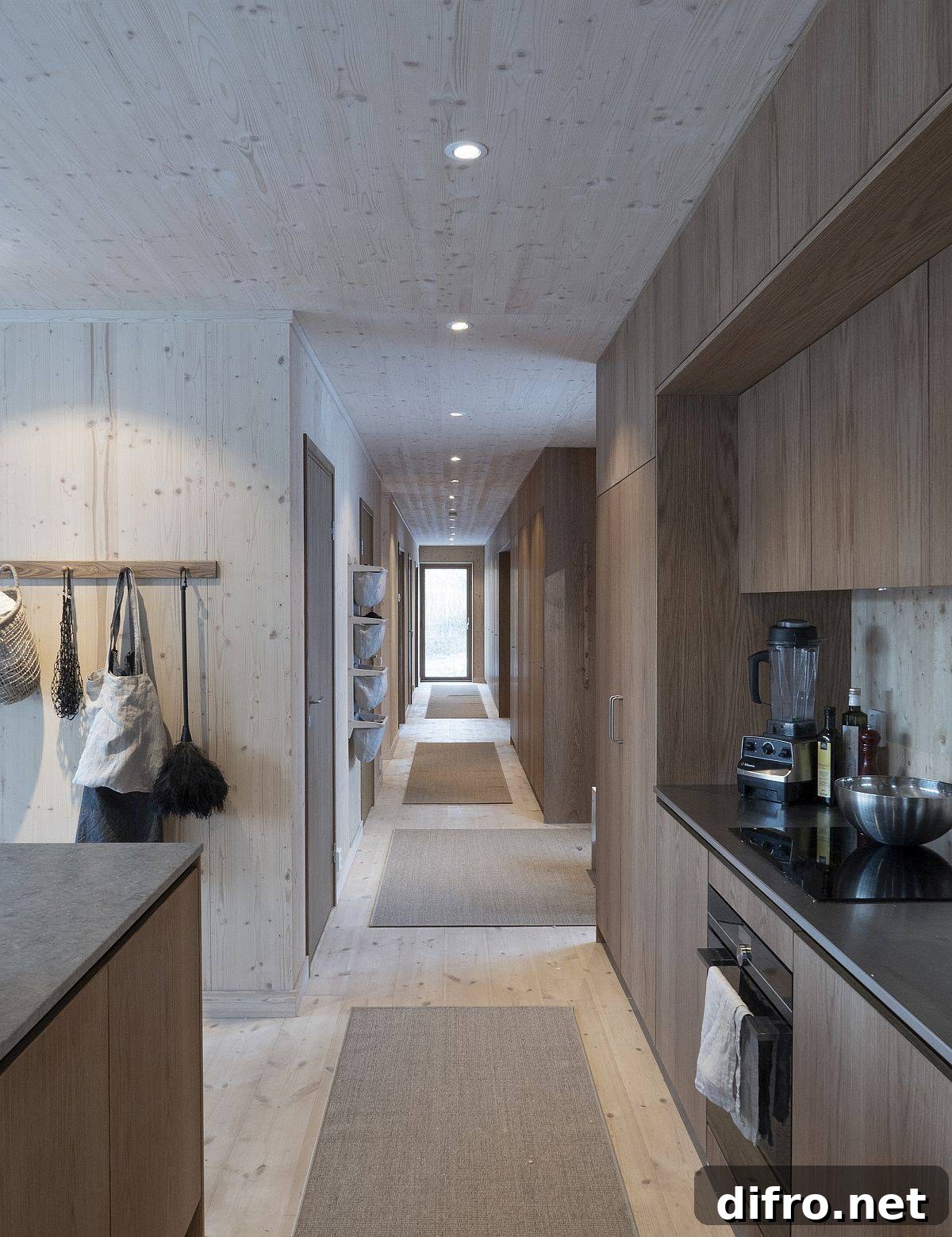
Space planning in the Vallda House emphasizes sightlines and connectivity. A long corridor visually links the front and rear of the building and creates practical storage opportunities along its length. This simple organizing strategy improves circulation and keeps private sleeping areas compact but comfortable. The bedrooms are intentionally modest in size yet open to strong views of the surrounding nature, maximizing the emotional and visual connection to the landscape.
One of the most striking moves is the extension of the building’s volume with an extended roof that forms a generous, sheltered outdoor space. By protecting an outdoor area with a large roof overhang, the house gains covered social zones while remaining compact. The design includes fireplaces positioned on both sides of the main façade, creating opportunities for outdoor gathering that extend the home’s usable living space into the seasons.
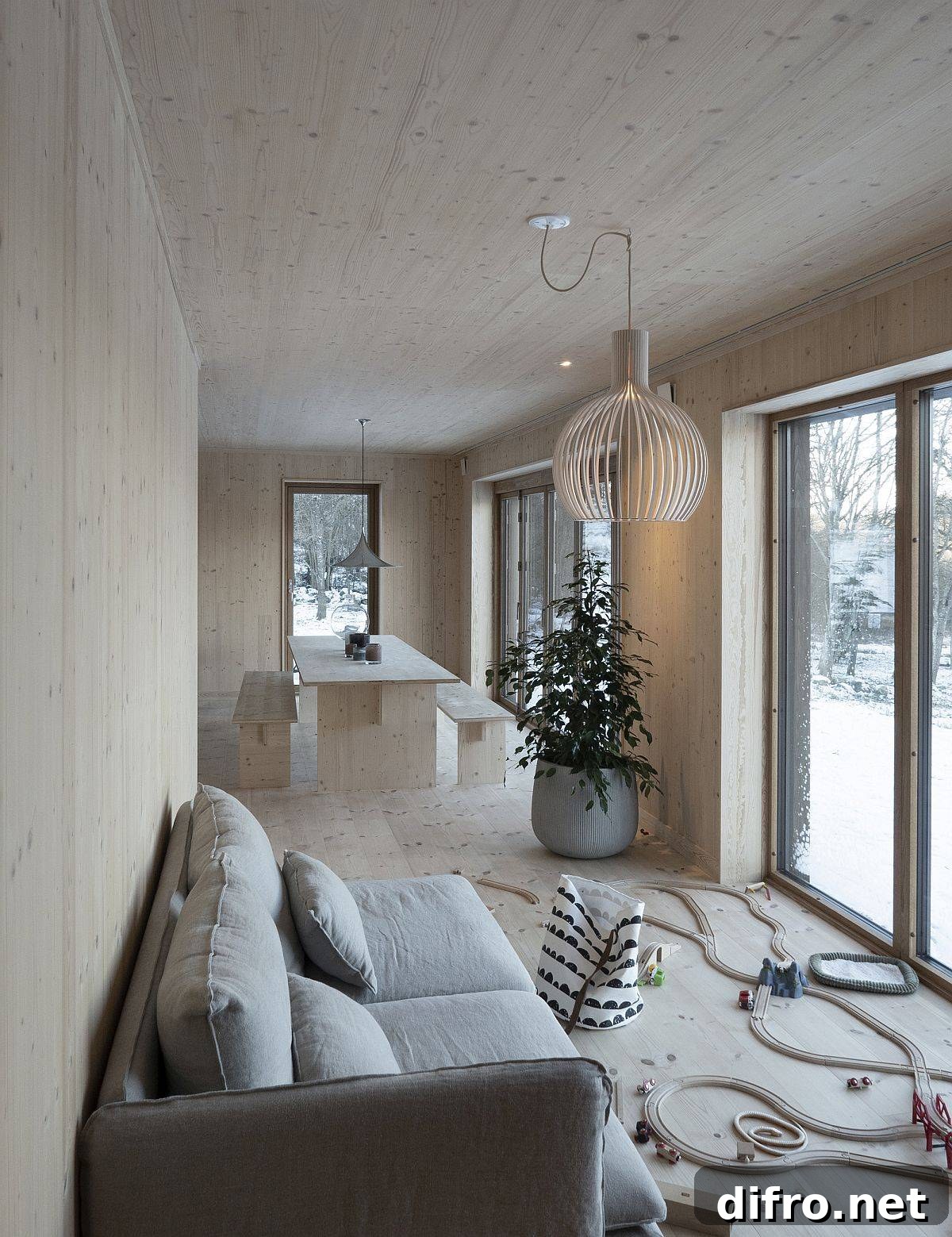
Through the entire building, there is a sightline and a corridor. The bedrooms are small but with great views of nature. The entire volume of the building is extended with a roof to create a large protected place outdoors, with fireplaces on both sides of the façade.
The Vallda House demonstrates how careful design choices—compact plan, clear organization, high-quality materials and a strong relationship to site—can produce a home that feels generous and comfortable without unnecessary scale. A smaller footprint reduces construction and long-term upkeep costs, lowers the environmental footprint, and fosters a closer relationship between interior spaces and the surrounding landscape.
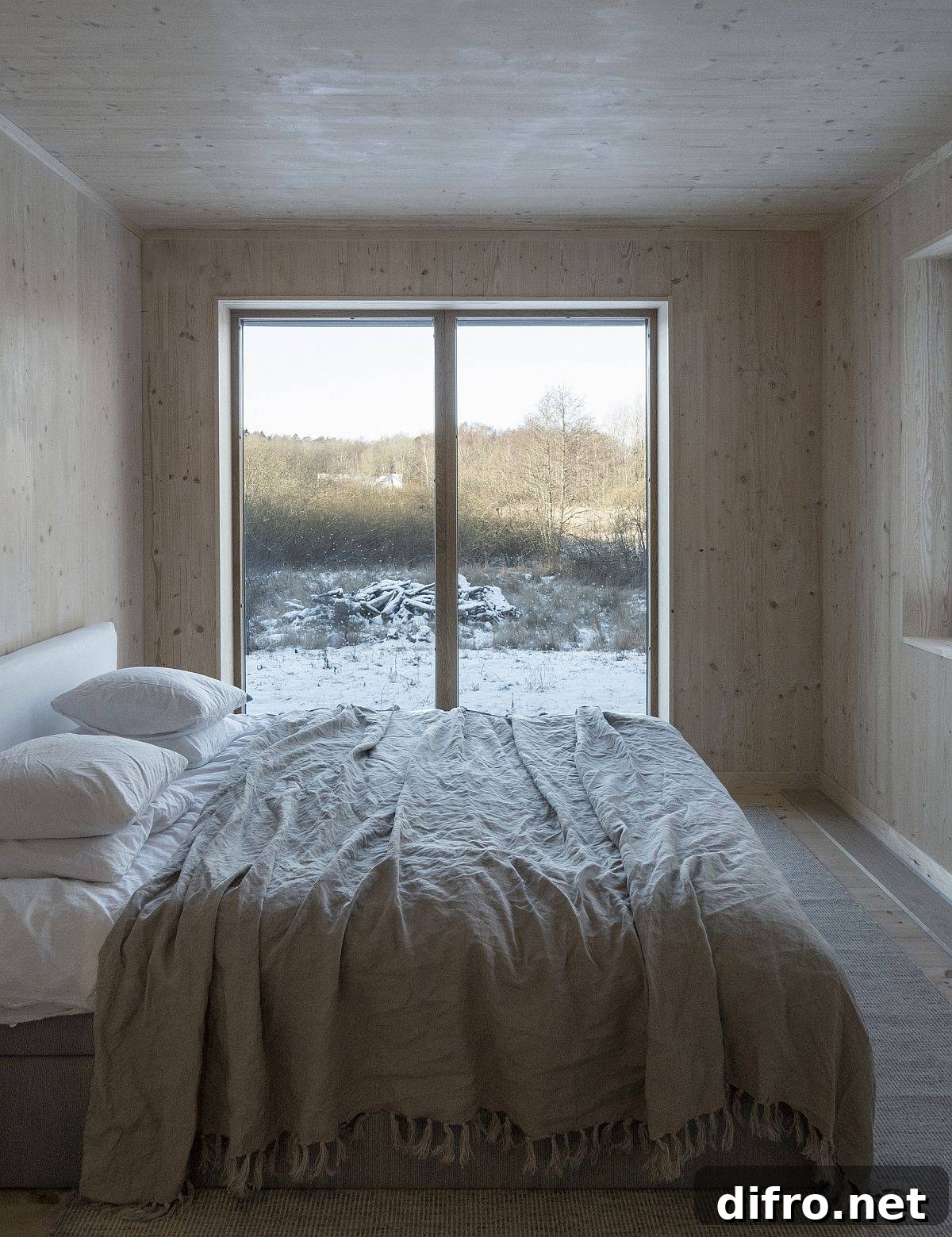
Materials and detailing reinforce the house’s character. Cross-laminated timber gives structural clarity and a warm interior presence, while the black tar finish on the exterior references Swedish vernacular practices. The restrained Scandinavian interior palette—light surfaces, natural wood and generous glazing—keeps the focus on daylight and the framed views to the outside.
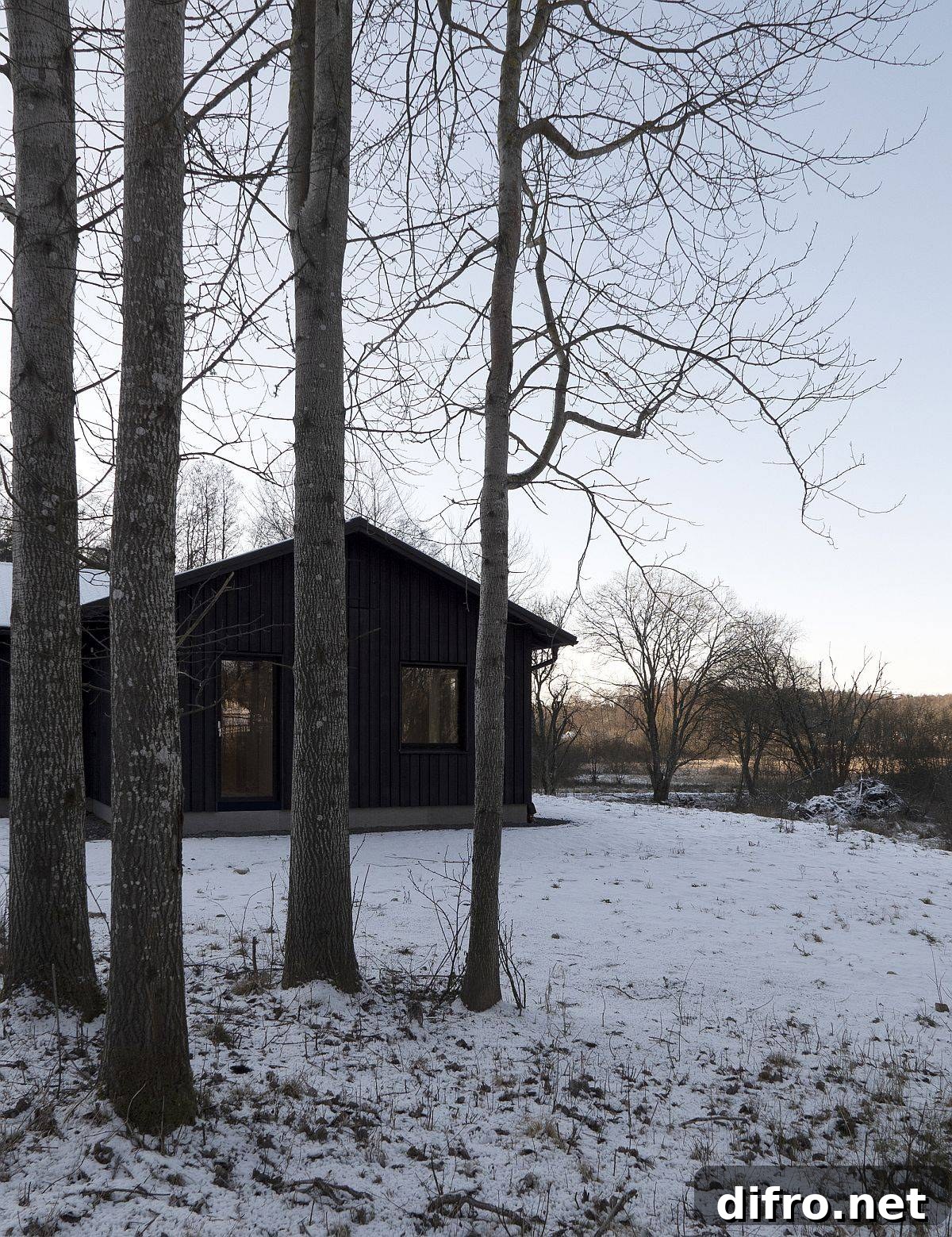
The surrounding setting—rustic fields and a snow-clad landscape—becomes part of the home’s identity. Intentional framing of views, sheltered outdoor areas and modest interior volumes together create a single-family house that feels perfectly scaled to its occupants and its site. For anyone rethinking the idea that country homes must always be large, Vallda House provides a thoughtful model of efficient, elegant living in a Swedish context.