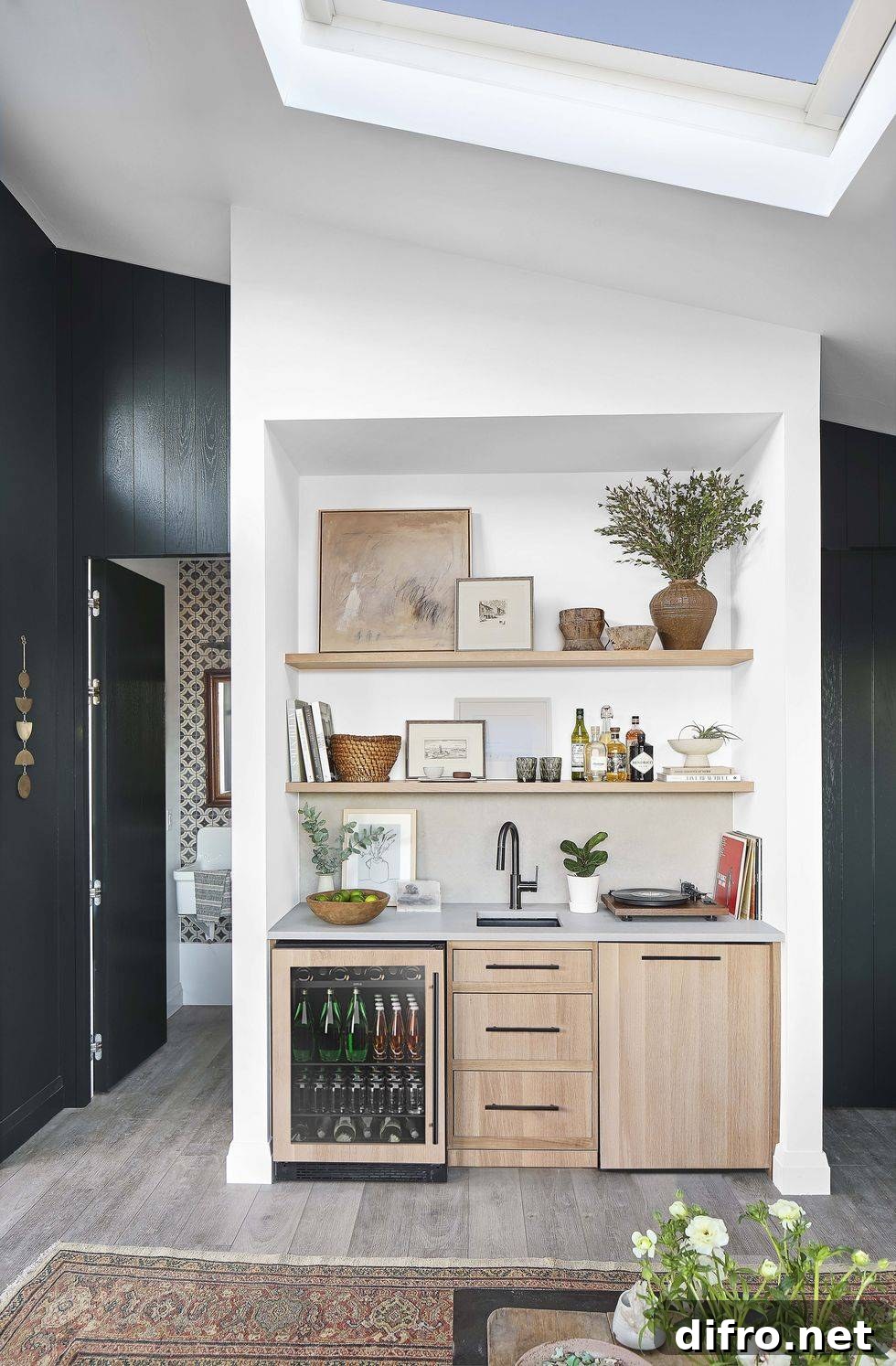
What exactly is a kitchenette? You have probably seen this term in real estate listings, rental ads, or home renovation guides. A kitchenette is more than just a smaller kitchen—its layout, equipment, and intended use set it apart from a full kitchen. This article explains the main differences between a kitchen and a kitchenette, highlights the pros and cons of each, and offers practical guidance so you can decide which option fits your lifestyle, budget, and space.
The big difference
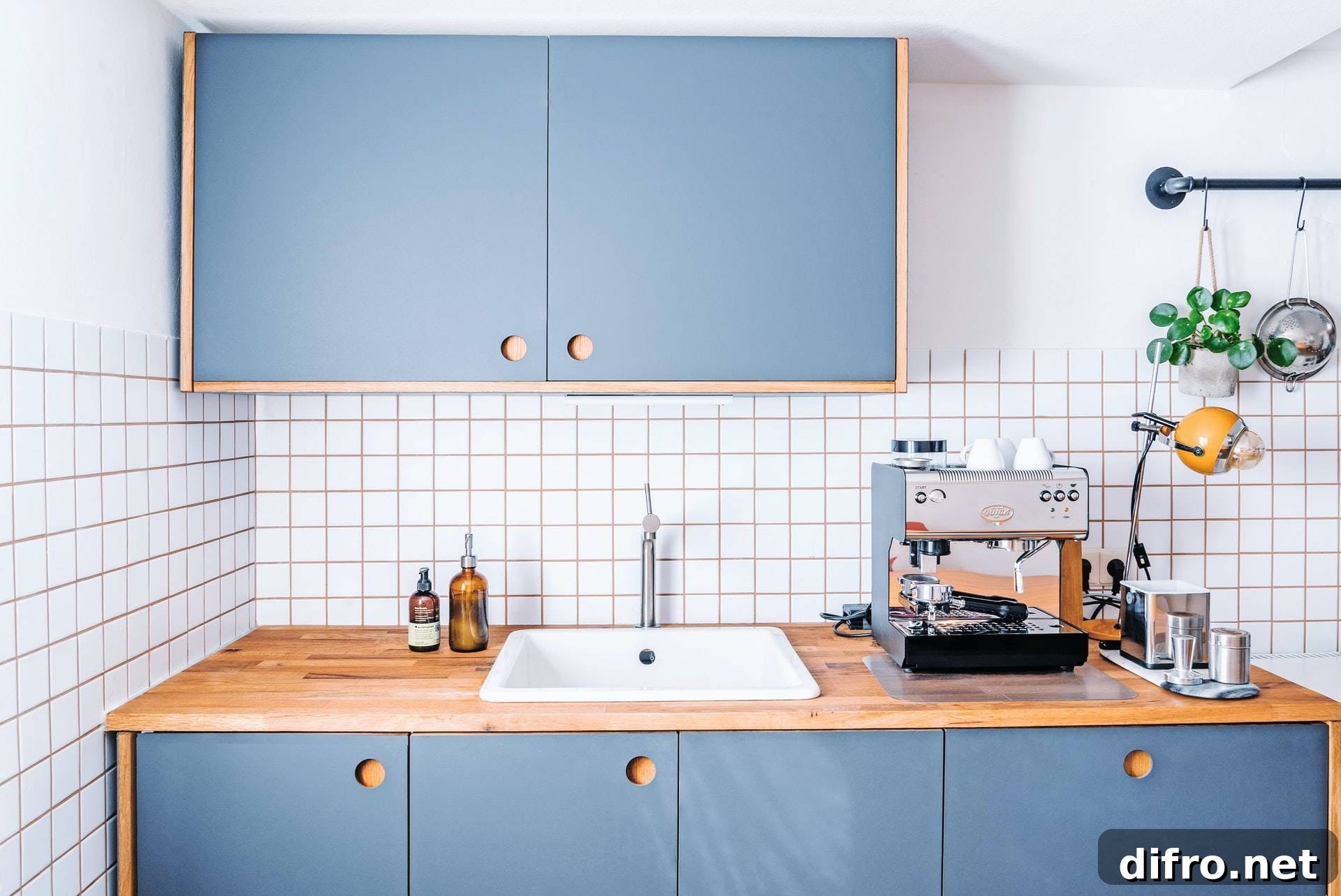
At first glance, a kitchenette might look like a compact version of a kitchen. The primary distinction, however, is the appliances and the amount of workspace. A kitchenette focuses on the essentials and often uses smaller or fewer appliances to conserve space and reduce cost. Typical kitchenette equipment includes a microwave, a small cooktop or single-burner unit, a compact refrigerator, and a sink. Homeowners can add small countertop appliances—like a toaster, coffee maker, or multi-cooker—to increase functionality without changing the compact footprint.
Because appliance selection varies, a kitchenette’s capabilities depend on what you install. Its design emphasizes efficiency and usability over extensive cooking or large-scale entertaining. For many situations—guest suites, office pantries, rental units, or tiny homes—a well-planned kitchenette provides everything required for meal prep and quick cooking while keeping the footprint small.
The Kitchen
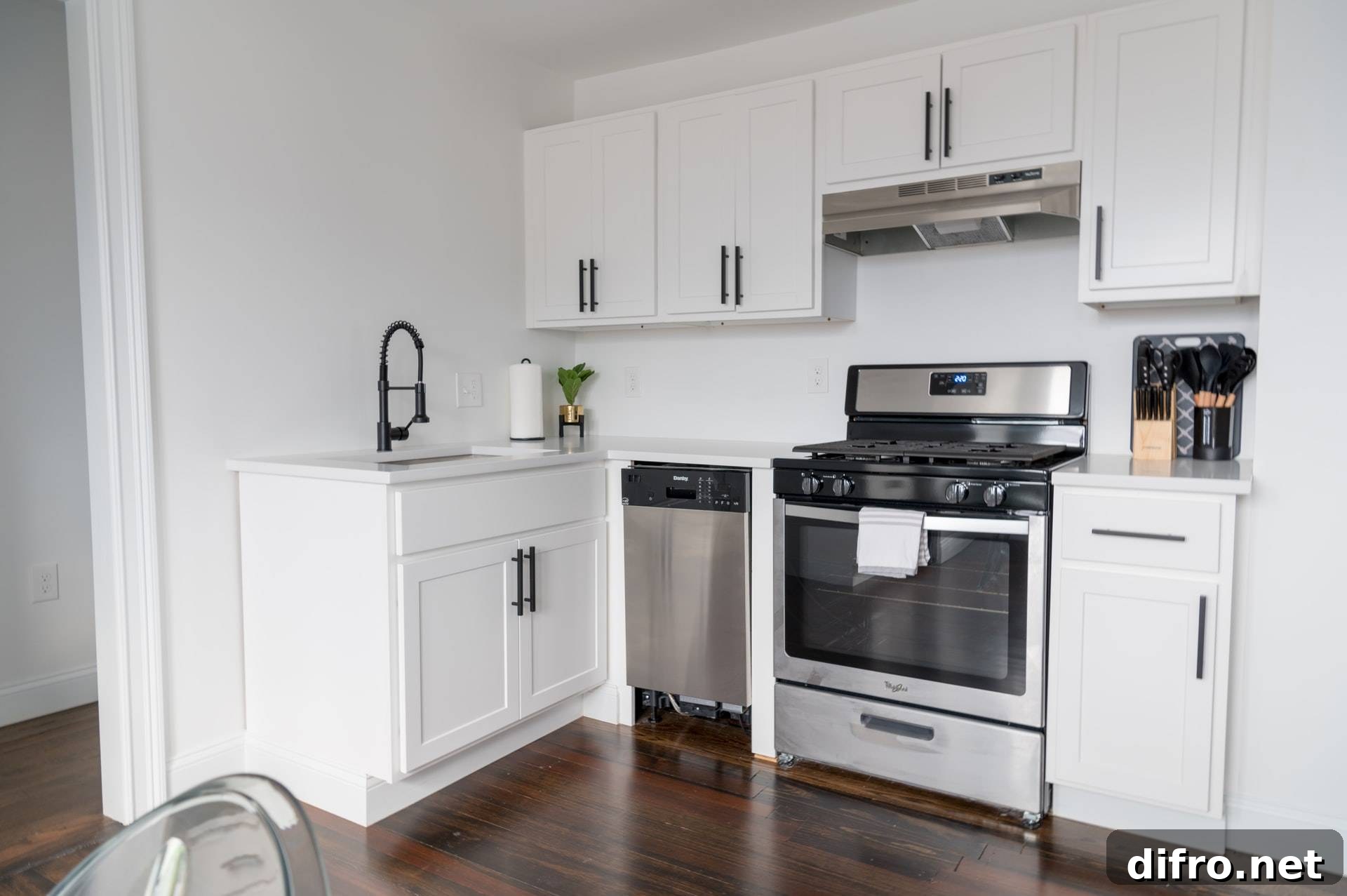
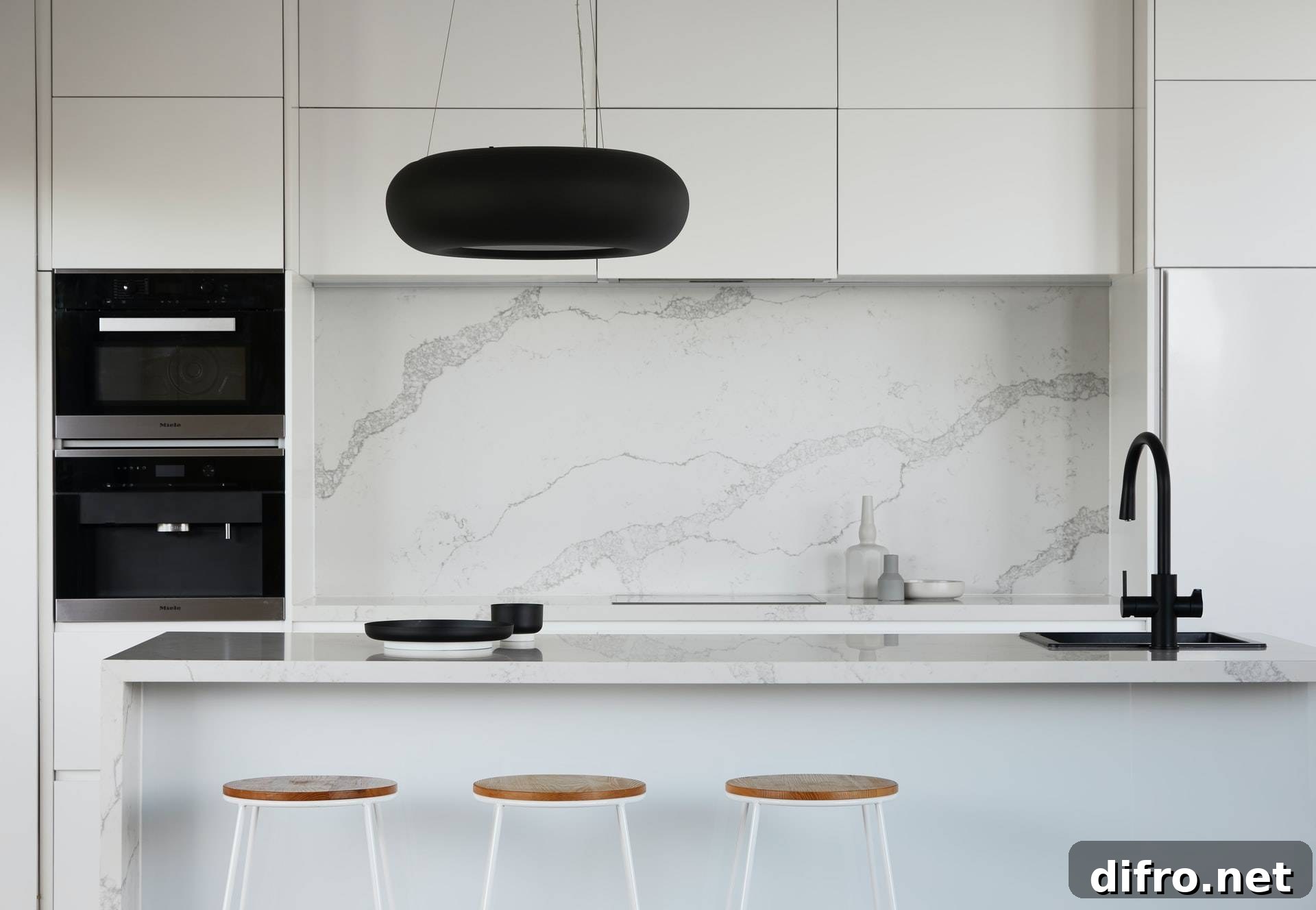
A full-size kitchen provides generous counter space, abundant storage, and room for multiple appliances. The layout is designed to support full meal preparation, baking, and entertaining. With more square footage you can add islands, dedicated pantry cabinets, double sinks, and larger appliances such as full-size ovens, dishwashers, and commercial-style ranges. A full kitchen gives flexibility for appliance layout, workflow, and style choices.
Kitchen pros
- You have the equipment and space to prepare a wide variety of meals, including multi-course dinners and baked goods.
- Better suited for hosting guests and social cooking—more room for helpers and serving.
- More counter and storage space for food prep, small appliances, and cookware.
Kitchen cons
- Higher installation and remodeling costs due to larger appliances, cabinetry, and finishes.
- More surface area to clean and maintain, which can increase daily upkeep time.
- Requires more dedicated space in your floor plan, which may not be available in smaller homes or apartments.
The Kitchenette
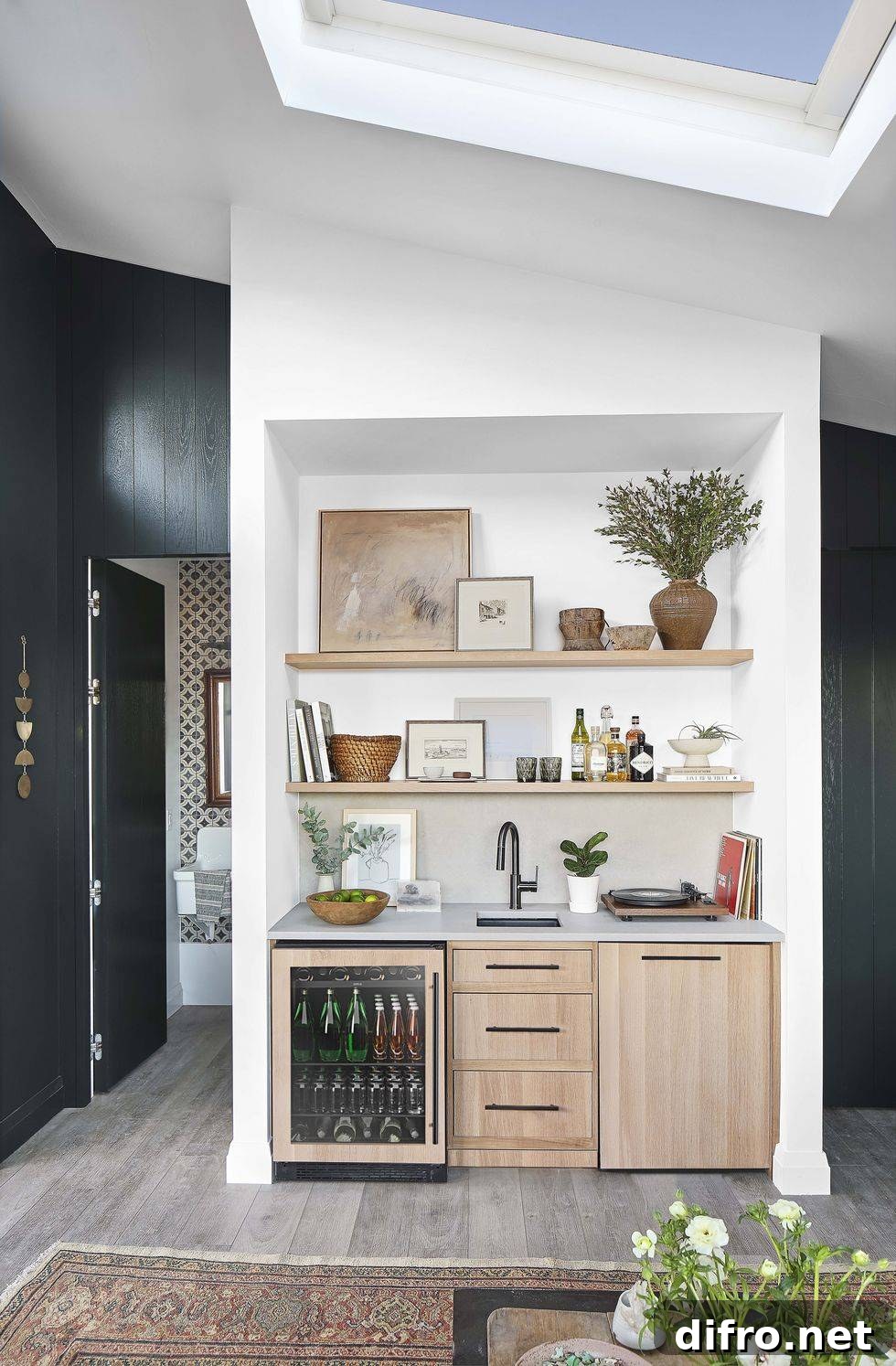
A kitchenette is deliberately compact, focusing on function and efficiency rather than full cooking capability. Storage is limited, countertops are minimal, and built-in appliances are scaled down or omitted. Despite these constraints, a thoughtfully designed kitchenette can feel attractive and useful. Open shelving, pull-out storage, and clever vertical solutions maximize usable space while allowing you to display attractive dishware or keep everyday items accessible.
Consider a kitchenette closet or a fold-away cabinet system if you want to hide the cooking area when it’s not in use. Small design touches—a well-chosen rug, striking backsplash tiles, or coordinated hardware—can make a tiny space feel intentional and polished without increasing its footprint.
While a kitchenette won’t replace a full kitchen for serious cooks, it offers everything needed for simple meals, reheating, and basic food preparation. That makes it an excellent option for in-law suites, guest rooms, basement apartments, short-term rentals, office kitchenette areas, and tiny homes. It’s also a practical choice for people who frequently dine out or prefer minimal home cooking.
Kitchenette pros
- Lower setup and renovation costs compared with a full kitchen.
- Faster and easier to clean and maintain due to smaller surfaces and fewer appliances.
- Perfect for small living spaces, rental units, offices, and secondary suites where full cooking capacity is unnecessary.
Kitchenette cons
- Less storage and limited counter space for prep and cookware.
- Missing full-size appliances—no large oven or dishwasher in many setups—so entertaining and complex meal preparation are restricted.
- A limited range of meals is practical with only a microwave, small cooktop, or single electric burner available.
The Verdict
Choosing between a kitchen and a kitchenette depends on lifestyle, space, and budget. If you love cooking, host regularly, or need the flexibility to prepare complex meals, a full kitchen is the best choice. If space is tight, you primarily eat out, or you only need a place to prep simple meals and beverages, a kitchenette provides efficient functionality at a lower cost.
When planning either option, prioritize workflow and storage solutions: position the sink, refrigeration, and cooktop for easy movement; use vertical storage and multi-functional furniture; and pick appliances that match how you cook. With thoughtful design, both kitchens and kitchenettes can be stylish, practical, and tailored to real daily needs.