McCrae Bush House: A Sustainable Bushland Retreat by Chan Architecture
For homeowners seeking a calm refuge from the pace of urban life, living immersed in nature is an increasingly attractive option. The McCrae Bush House, located in the suburbs of Melbourne and designed by Chan Architecture, is a clear example of how a home can be shaped by its natural surroundings. Sited on the highest point of a generous lot, the house takes full advantage of an elevated tree canopy and distant water views, making the landscape the defining influence on both its form and interior arrangement.
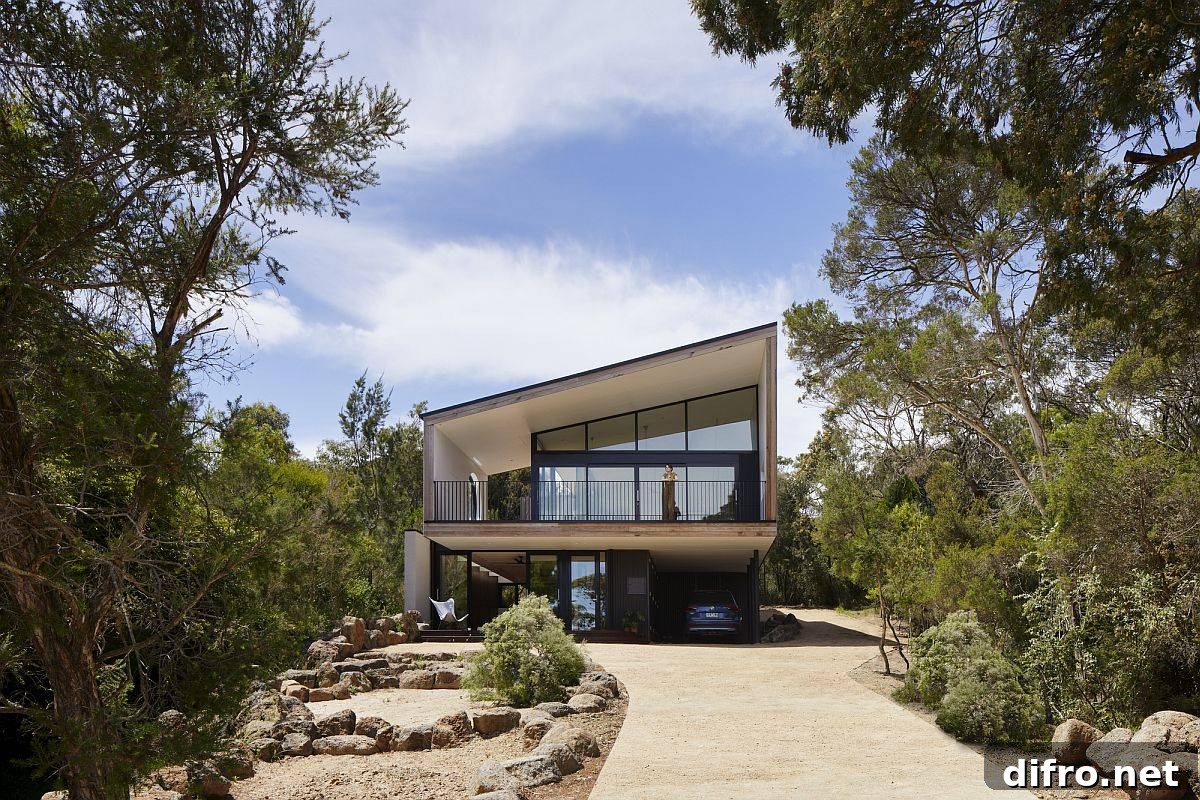
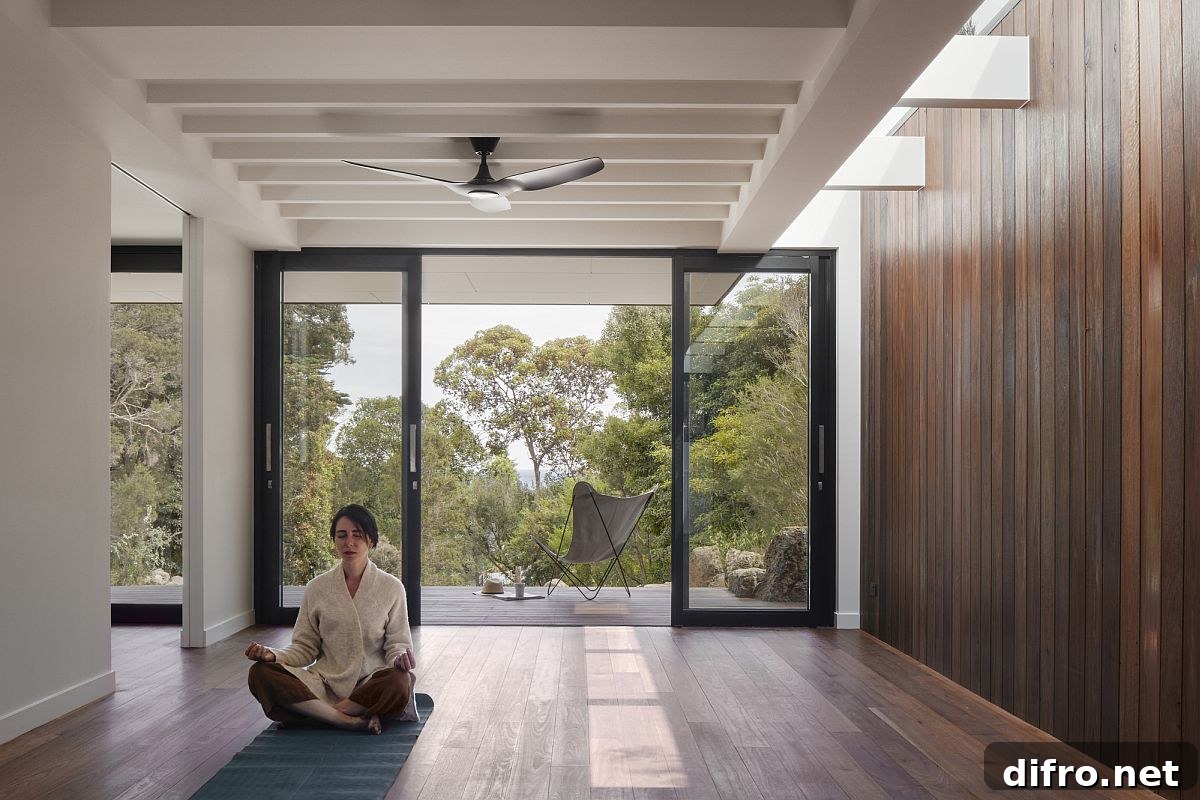
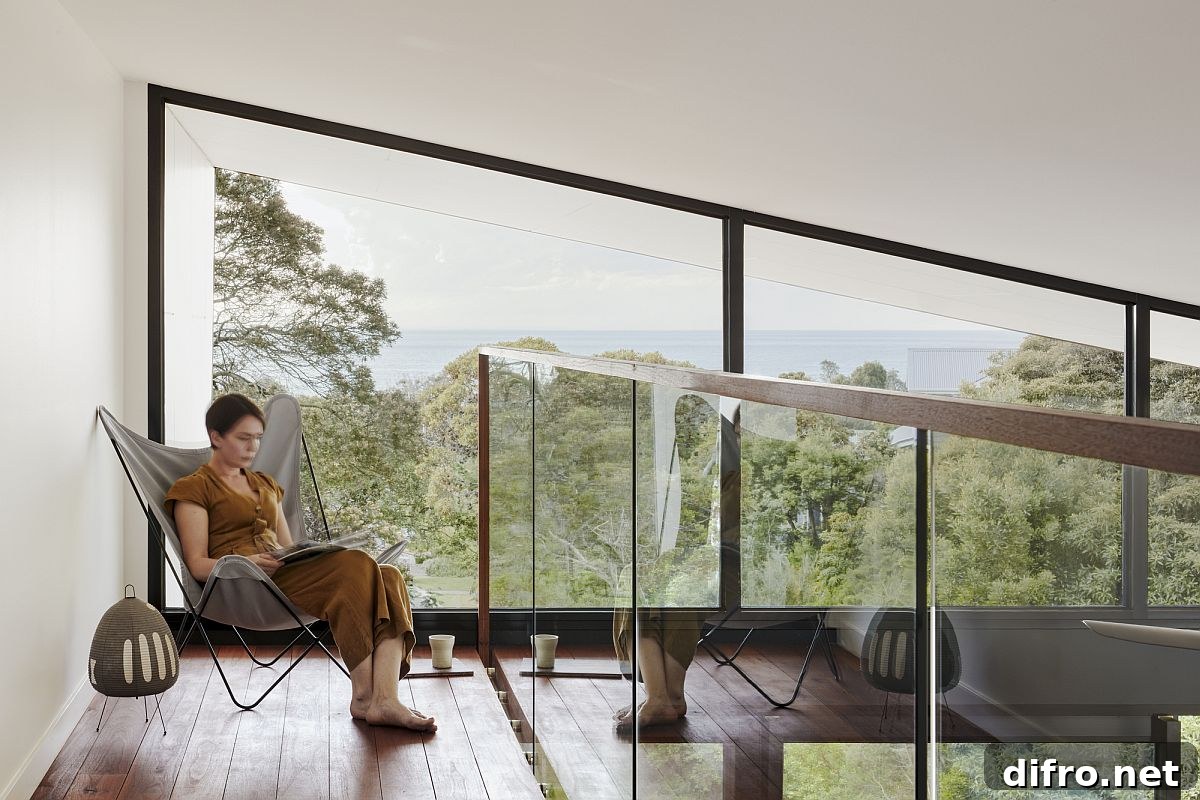
The plan of the house is deliberately vertical. The ground floor accommodates a tranquil meditation room, the main entrance and a bespoke guest suite, providing private, calm spaces at entry level. Above, the upper level contains an open-plan living area with a double-height ceiling, together with kitchen and dining areas positioned to capture the best views. A sloped ceiling creates a mezzanine that functions as a quiet reading area and library overlooking the living room, while the bedrooms and bathrooms are located toward the rear of the home for privacy.
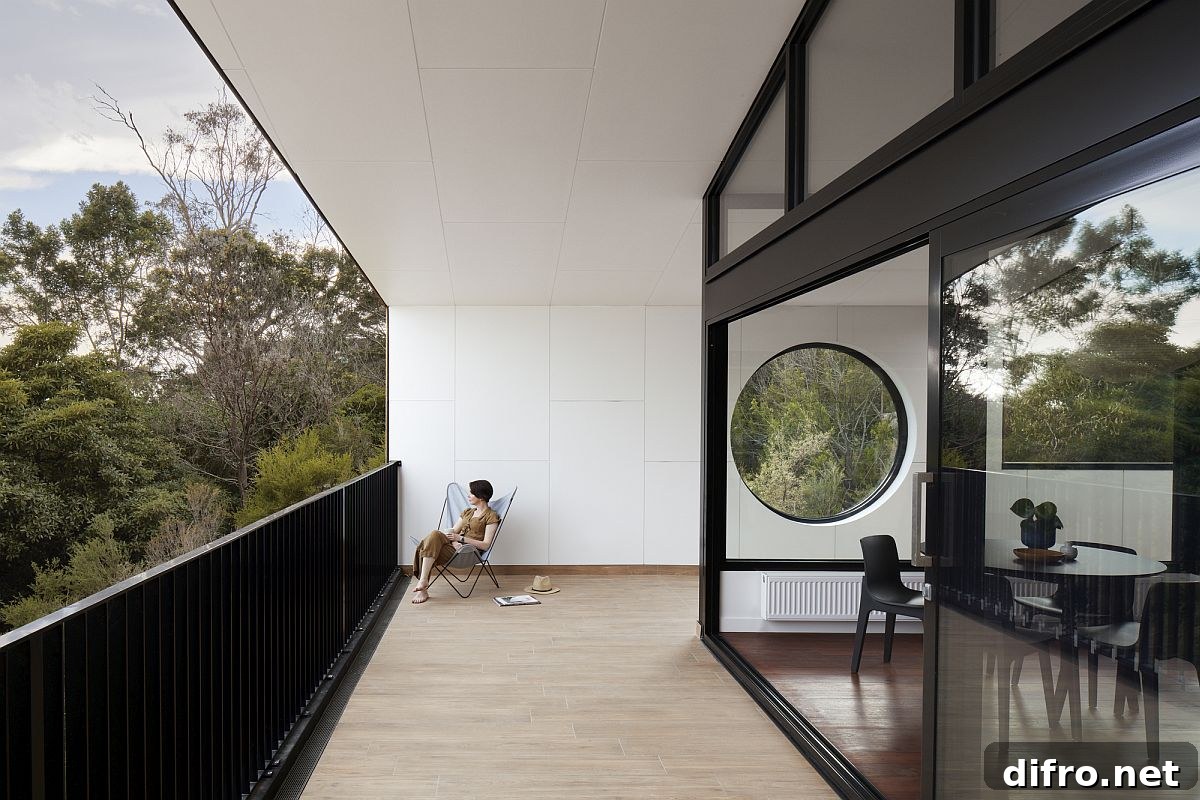
Floor-to-ceiling glazing and expansive windows bring the bushland into the heart of the home, framing views and bathing interiors in natural light. Custom windows punctuate the living areas to create framed vantage points across tree tops and toward the water beyond. Open sitting areas and strategically placed vantage points allow occupants to enjoy the outdoors from multiple interior spaces, while the mezzanine amplifies the feeling of connection by opening the upper level to the spaces below.
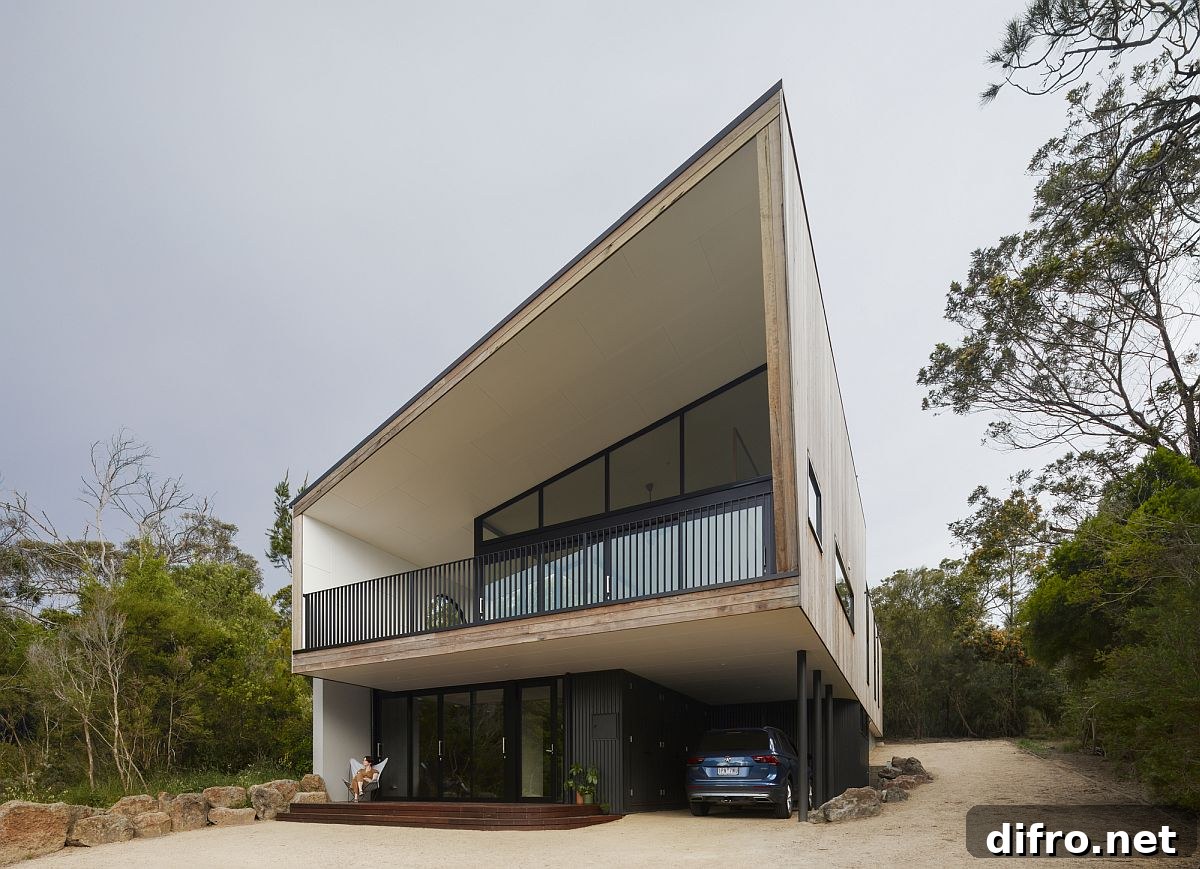
One of the most distinctive material choices is the exterior cladding of recycled red ironbark. This timber not only contributes a rich, contextual appearance but is also chosen for its fire-resistant properties, helping the building meet bushland fire-safety expectations. The upper-level form and detailing were developed with these safety priorities in mind, marrying a contemporary aesthetic to robust, resilient construction methods suitable for a bushland setting.
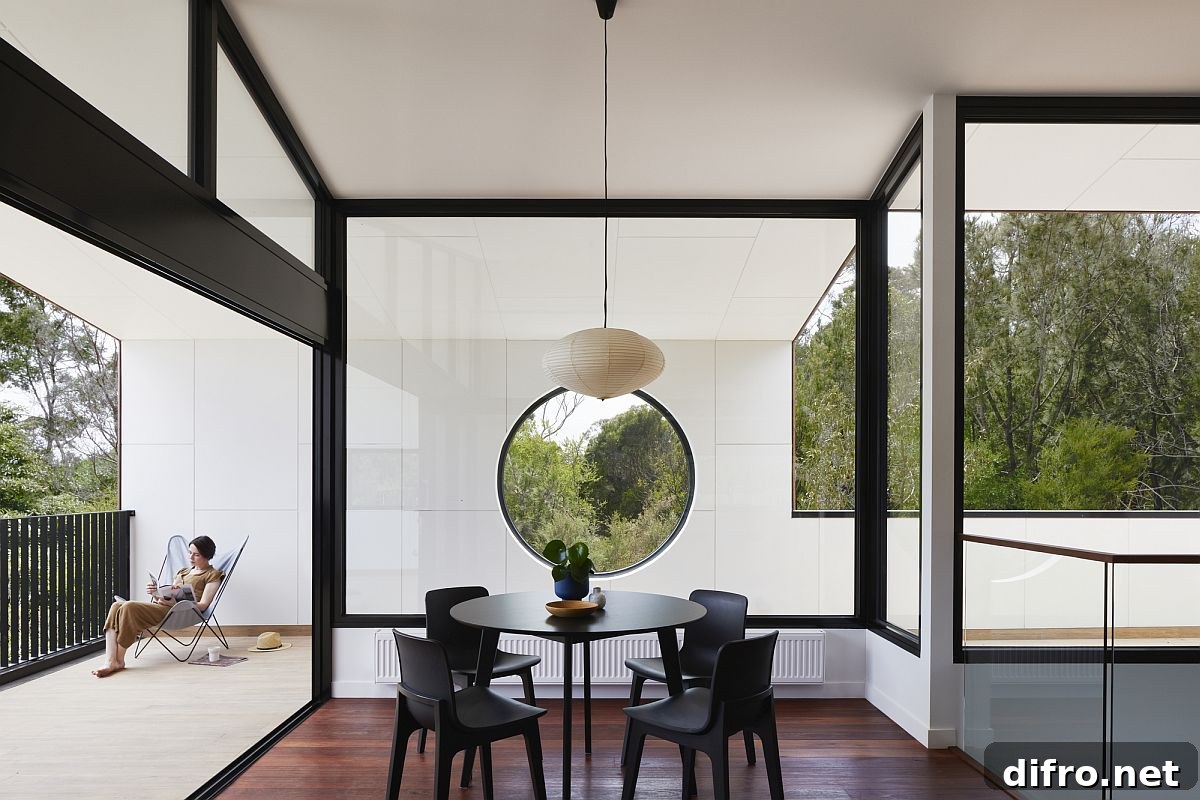
Sustainability is central to the project. The design emphasizes the use of recycled materials and low-emission natural finishes, careful orientation to maximize solar gain, high-performance glazing and natural ventilation strategies to reduce reliance on mechanical heating and cooling. Together these measures support a lower-energy lifestyle while maintaining comfortable interior conditions year-round.
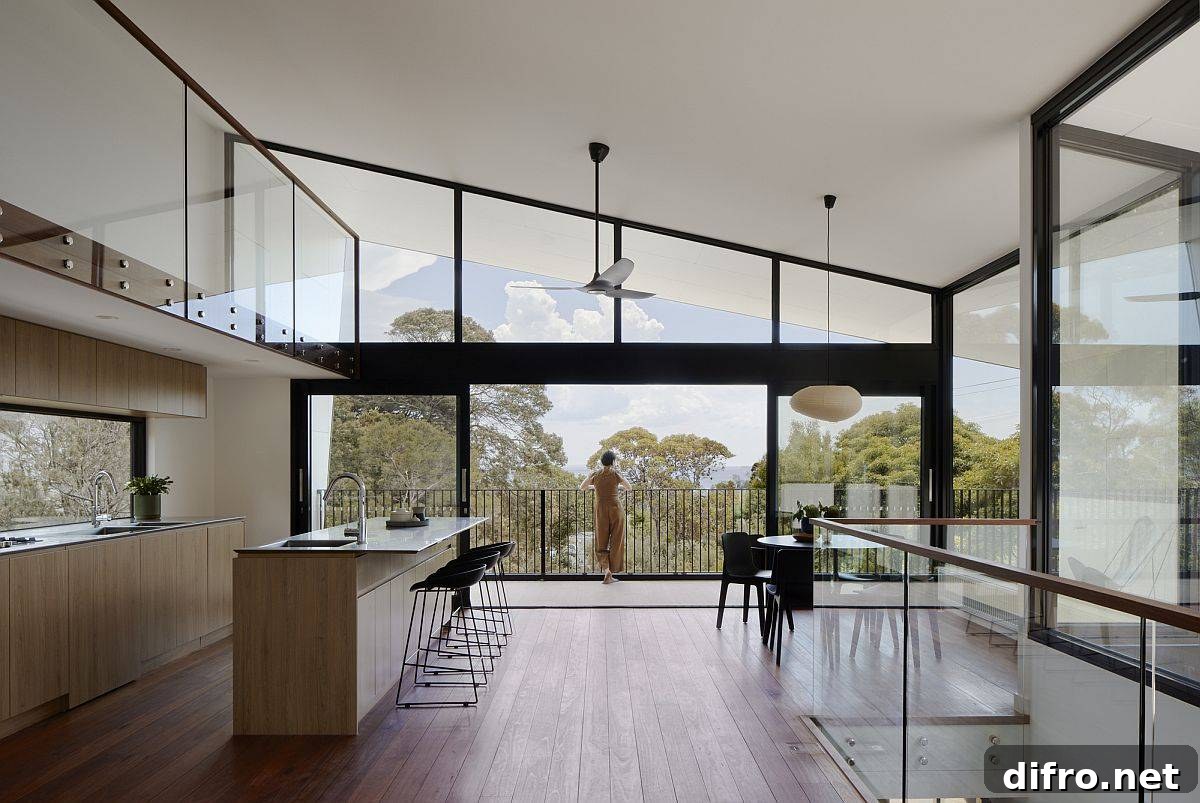
Inside, the kitchen balances elegance and casual comfort with warm timber finishes and a well-designed island that supports both everyday use and entertaining. The interior palette references the surrounding landscape, using natural timbers and neutral tones that complement views and create a calm, cohesive atmosphere throughout the home.
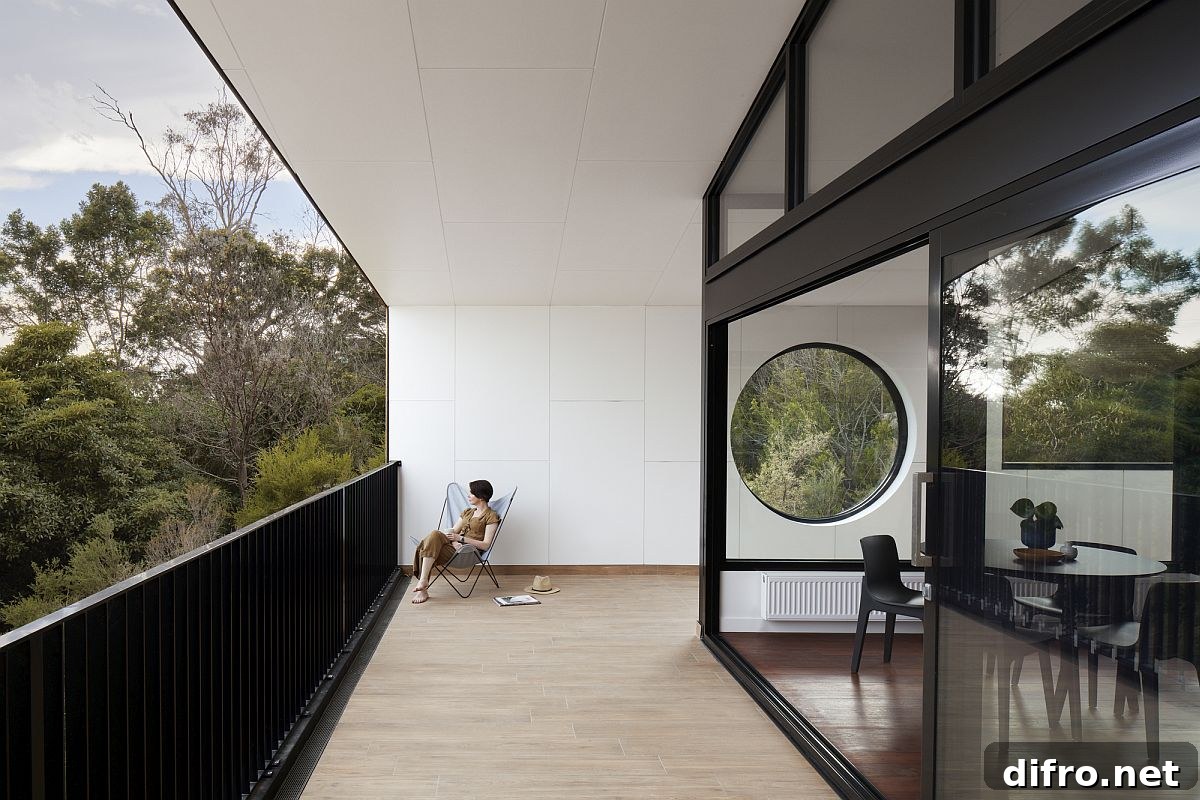
Plans and spatial organization underline the intention to live lightly on the site while fully enjoying its setting. Ground and first-floor plans show how circulation, living spaces and private areas are arranged to maximize privacy, sunlight and outlook without disrupting the native bushland that surrounds the property.
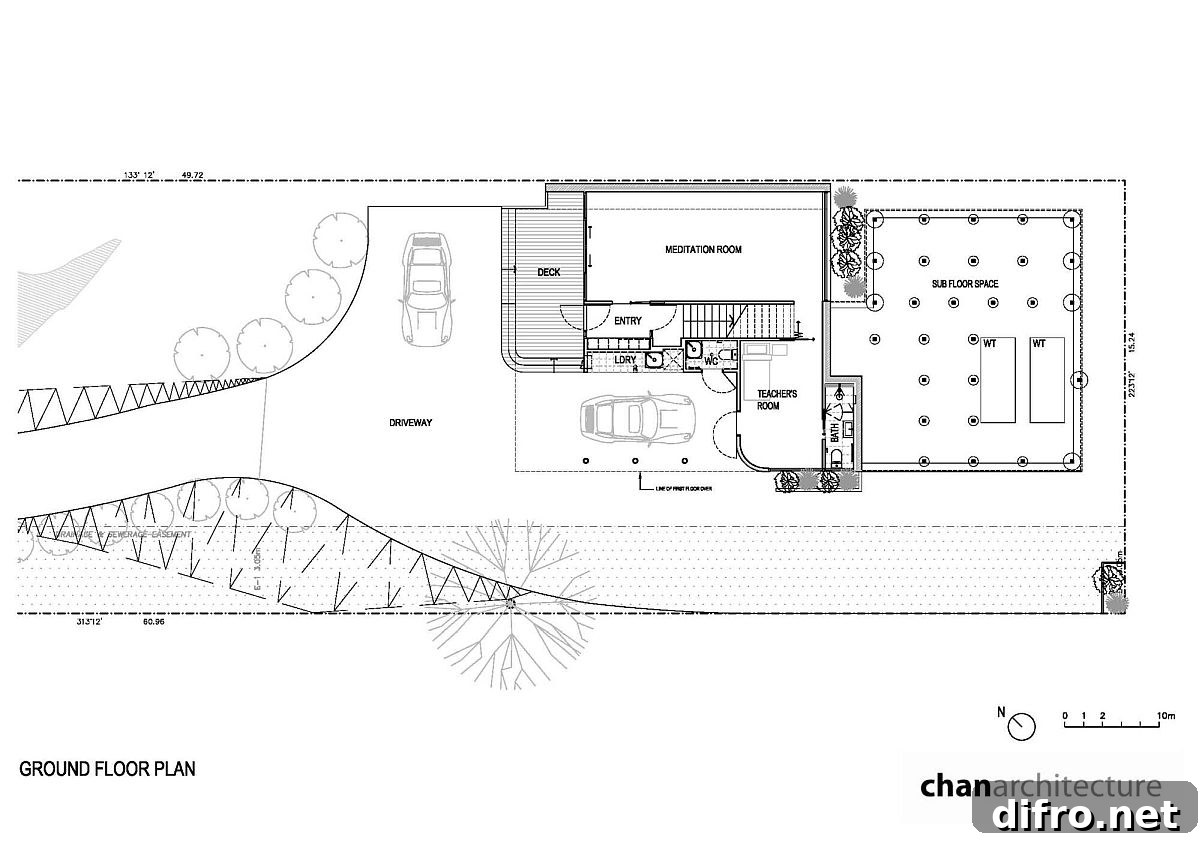
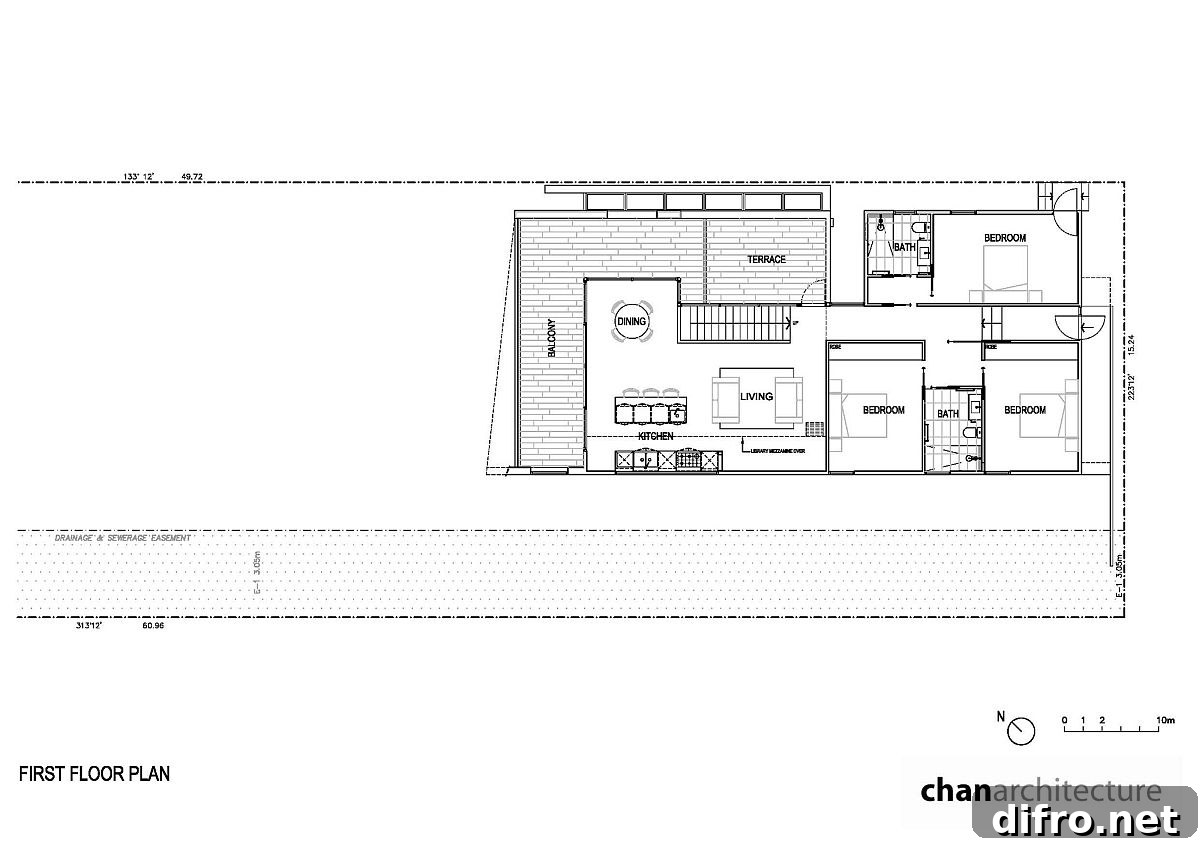
McCrae Bush House demonstrates how considered siting, resilient materials and sustainable strategies can come together to create a refined, nature-focused home. The project offers a compelling model for living in close relationship with bushland: secure and protected, yet visually and experientially open to the landscape that surrounds it.
Photography: Tatjana Plitt