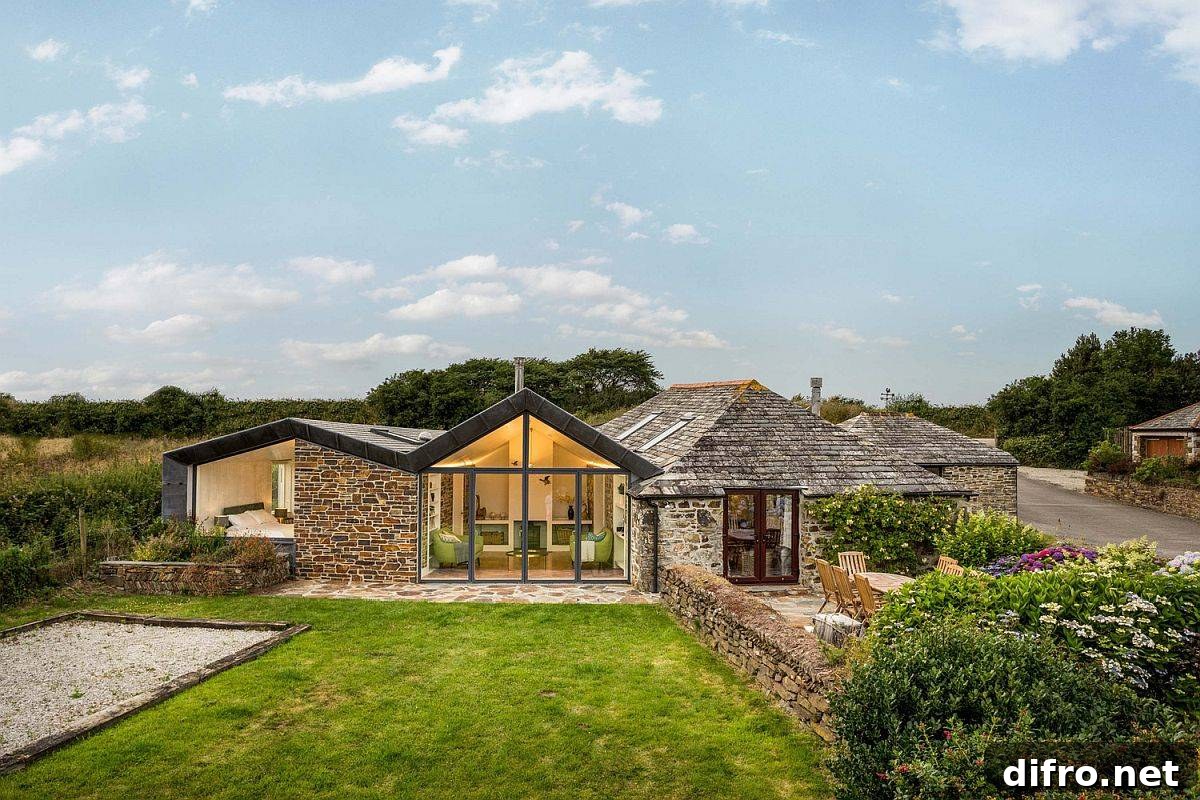
Stone walls are often thought of as relics of the past, but The Mowhay Rock in Cornwall proves they can be both timeless and entirely relevant today. Carefully renovated by matt architecture, this historic home has been transformed inside and out to preserve its rustic charm while providing generous, modern living. Thoughtful planning doubled the usable living area, creating a layout that comfortably accommodates two families while keeping each household’s privacy and independence intact.
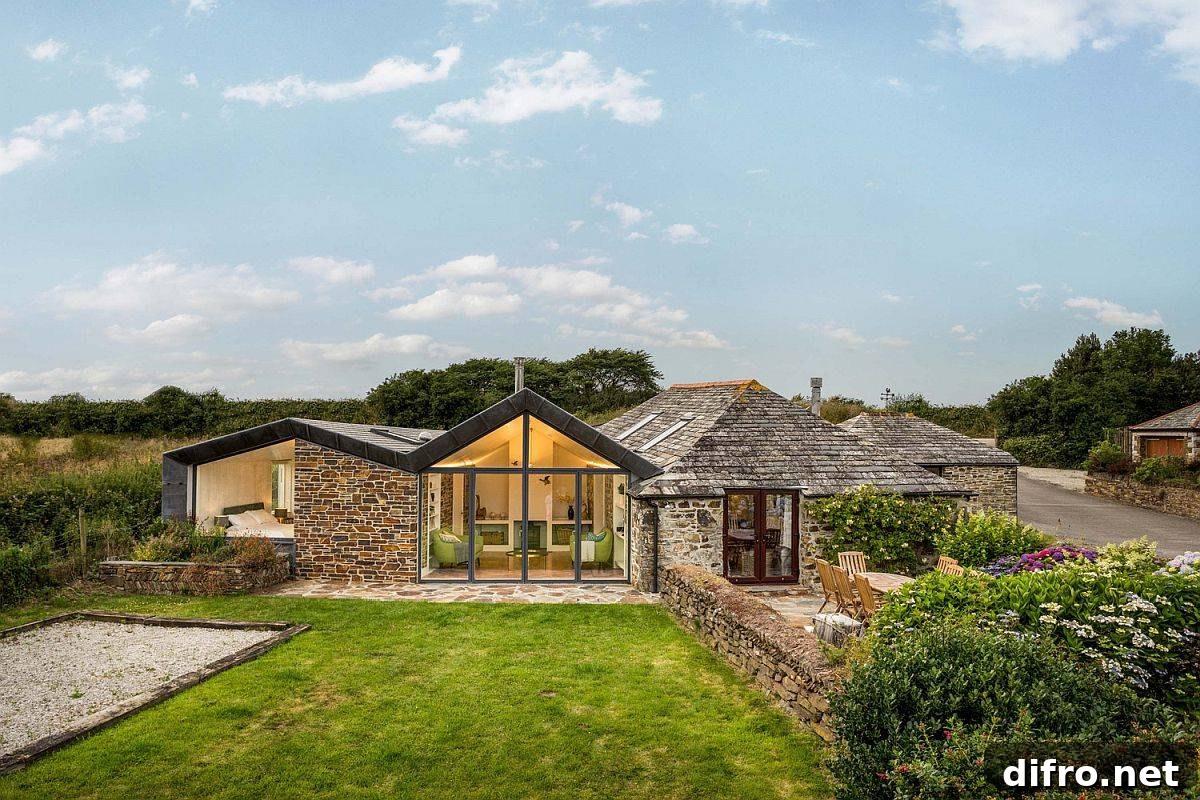
From the street the house draws you in with its classic stone walls and a traditional slate roof, a composition that respects the character of the original building. The new extension has been designed to echo this aesthetic: its proportions, materials and roofline were carefully considered so the addition reads as a natural continuation rather than a stark contrast. Inside, the architects blended original features with contemporary interventions to produce light-filled, functional interiors that remain sympathetic to the home’s historic identity.
Although the home’s footprint increased substantially, sustainability was a central priority throughout the renovation. A combination of upgraded insulation, passive heating and cooling strategies, energy-efficient appliances and general eco-conscious detailing reduces the property’s overall energy demand compared with the previous arrangement. These measures have been integrated subtly so that modern performance standards sit comfortably within a traditional shell (Photography: George Fielding & Daniel Binks).
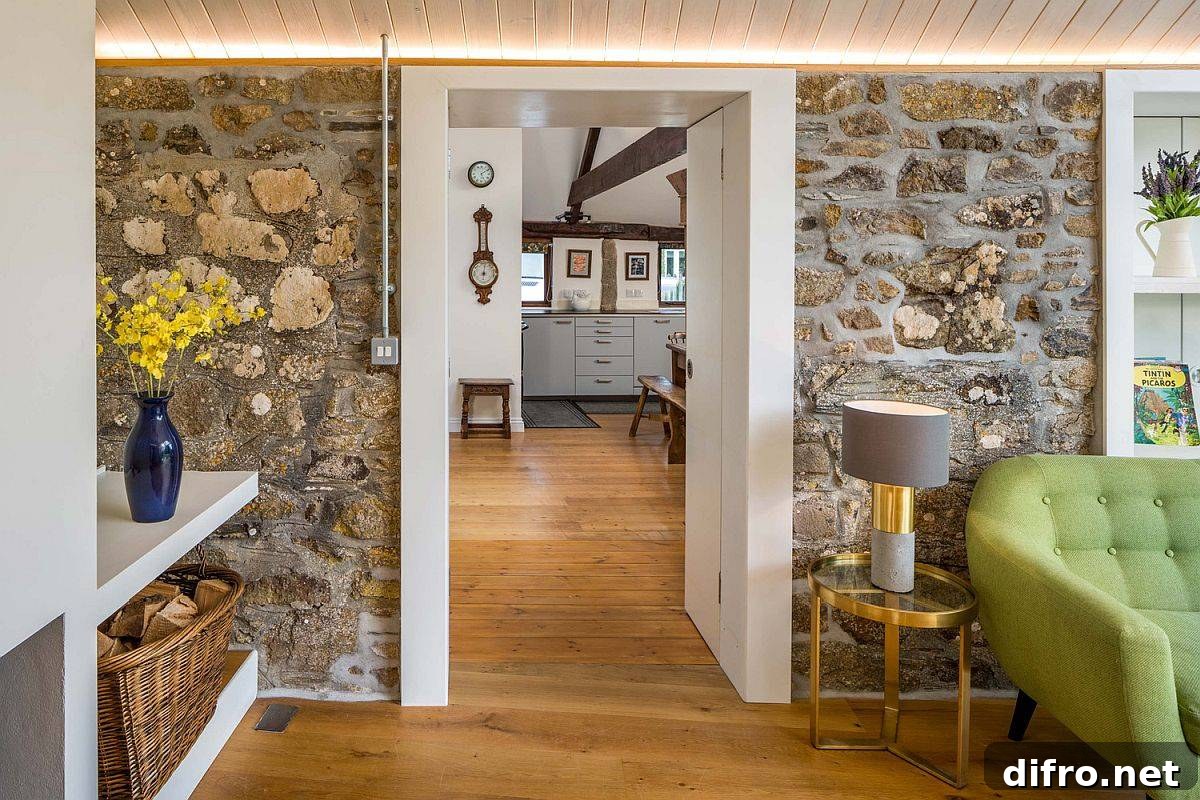
The renovated living spaces emphasize connection to the garden and to natural light. Large glazed openings and well-placed windows frame outside views while drawing daylight into core living areas, reducing the need for artificial lighting and improving occupants’ comfort. Materials such as warm timber, natural stone and soft textiles set a welcoming tone, while carefully chosen contemporary finishes introduce subtle refinement without overpowering the home’s traditional character.
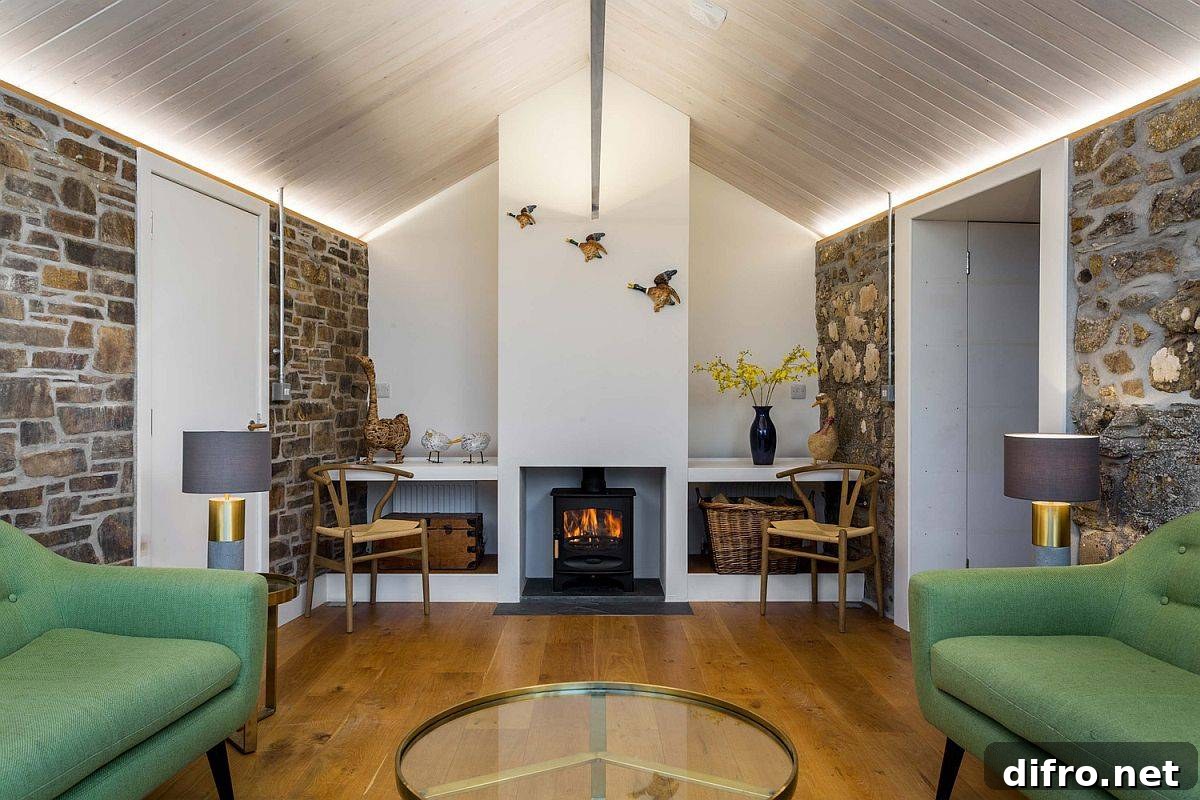
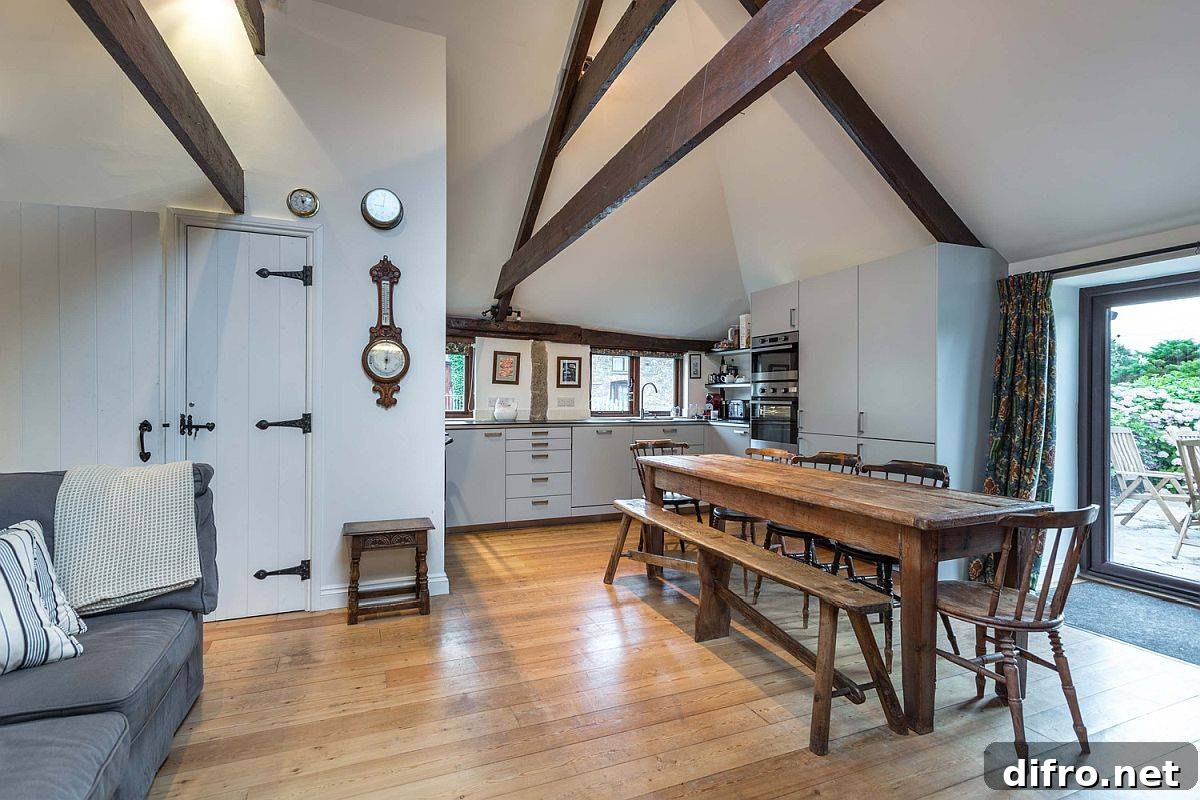
Flexible living and working areas are deliberately woven into the interior plan. A fireplace flanked by compact desk niches creates an efficient, multi-use focal point that supports both relaxed family time and remote working. The dining area, anchored by a natural wood table and mixed seating, encourages communal meals and gatherings, while smaller nooks and benches provide quieter places to read or reflect.
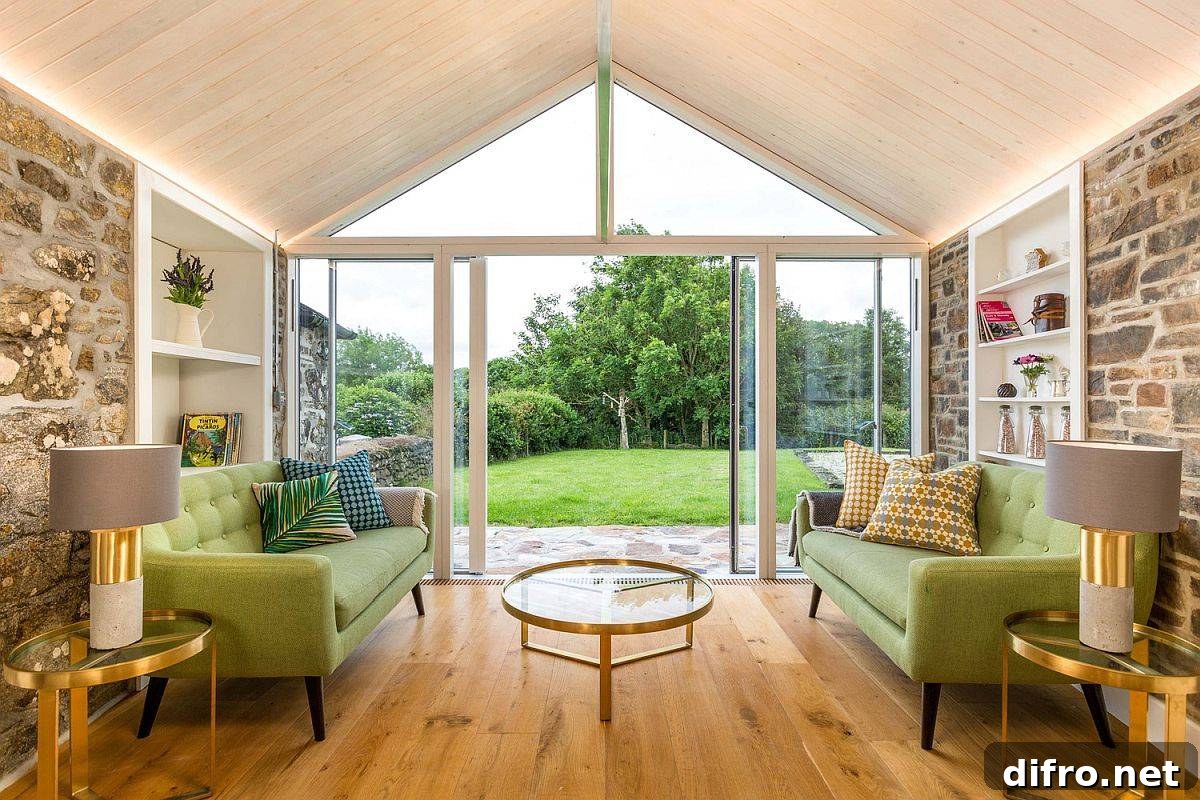
One of the most thoughtful aspects of the project is how the extension sits alongside the original cart shed. The new annexe was pushed to the maximum permitted depth to create spacious ground-floor rooms that open directly to the garden, blurring the boundary between inside and out and supporting an easy, day-to-day flow.
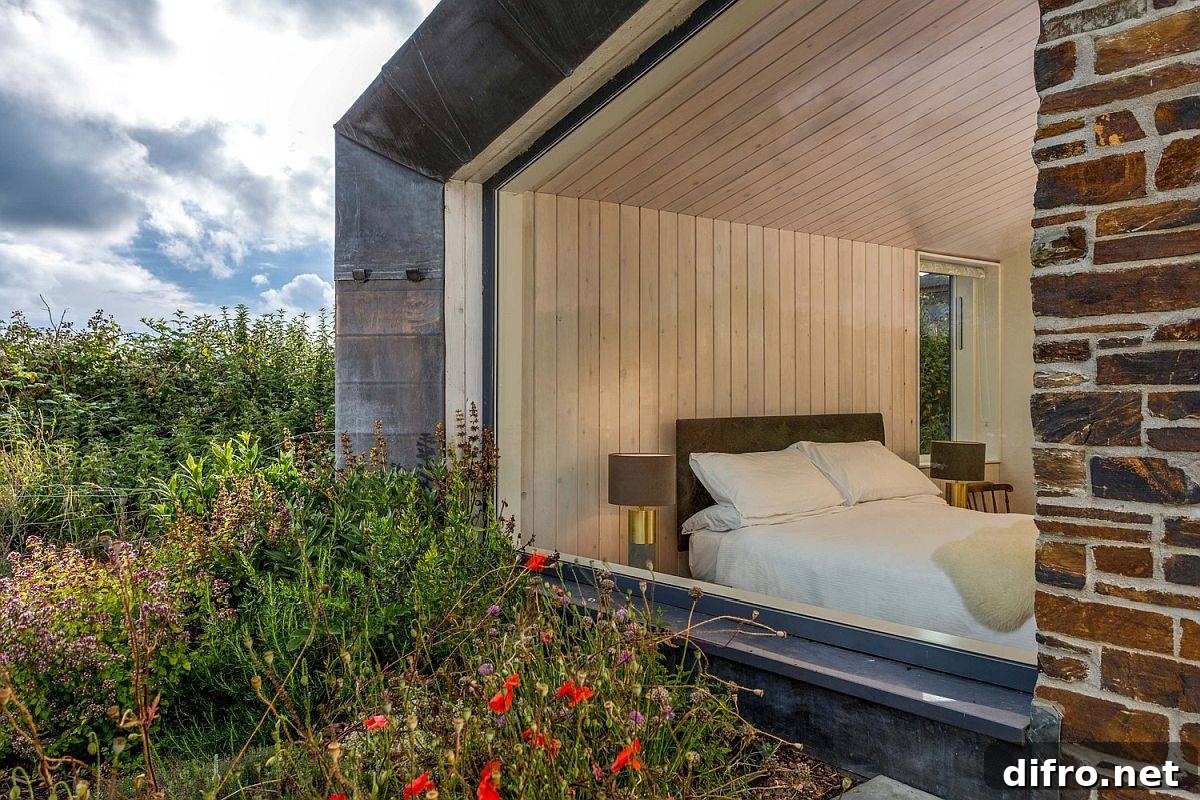
The new annexe extends as far as (the maximum permitted) 8m beyond the back of the former cart shed (which is only 7m deep) and the new roof slopes down from (the maximum allowable height of) 4m to create a single folded surface of slates fanning out from the original building.
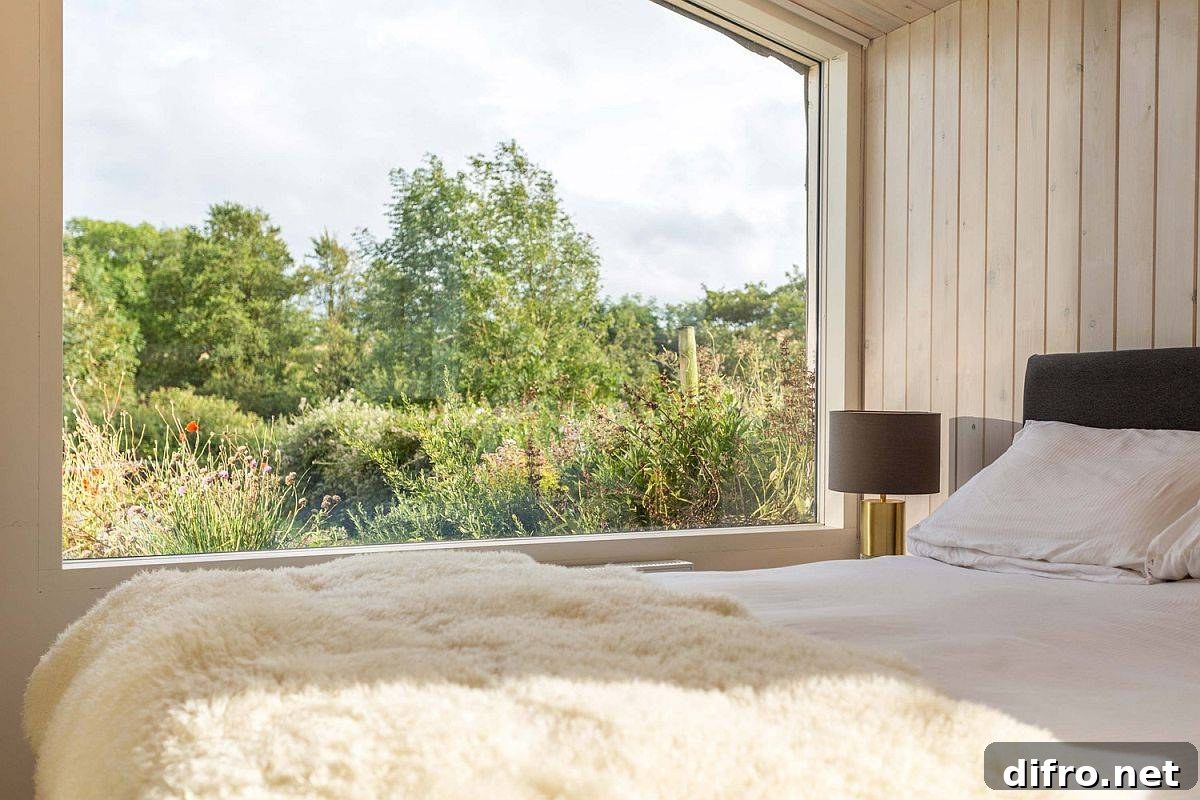
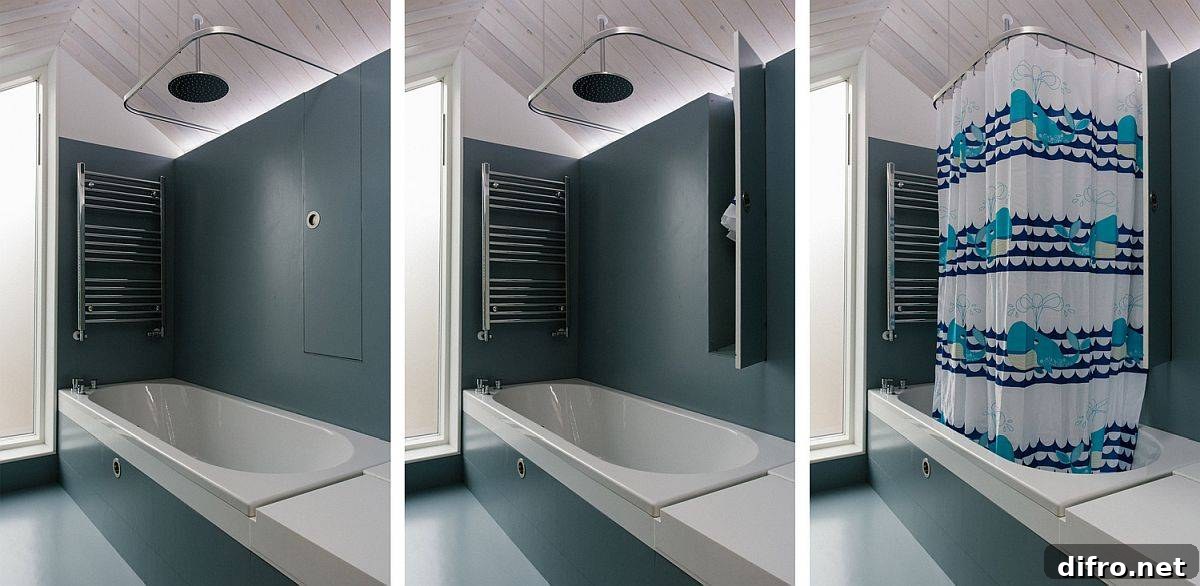
Bedrooms have been positioned to maximize privacy and outlook. Framed windows offer pleasant garden views and bring abundant morning light, creating calm, restorative sleeping spaces. Carefully selected colors and textures—such as a deep grayish-blue accent in places—add contemporary elegance without detracting from the home’s traditional warmth.
The Mowhay Rock project demonstrates how sensitive design can bring a historic stone cottage confidently into the 21st century. By balancing conservation with carefully considered modern interventions, the architects preserved the house’s soul while improving comfort, efficiency and livability for a new generation. The result is a home that feels both rooted in place and perfectly suited to contemporary family life in Cornwall.