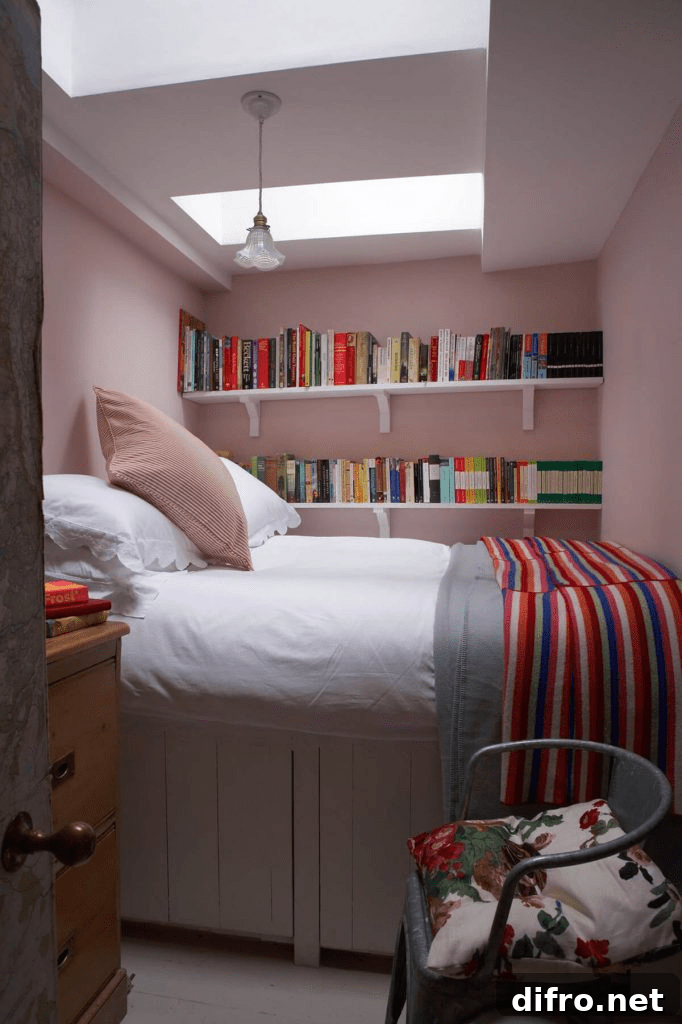
No matter how large or small your home is, a few common design mistakes can make rooms feel cramped and cluttered. This guide highlights simple, overlooked errors that visually shrink a space and offers practical, easy-to-apply fixes to help your rooms feel larger, brighter, and more comfortable.
Thoughtful space management improves comfort and reduces visual stress. Small rooms in particular can feel overwhelming when layout, color, and scale are not considered together. Below are common pitfalls and straightforward solutions to open up your home.
Too Much Clutter
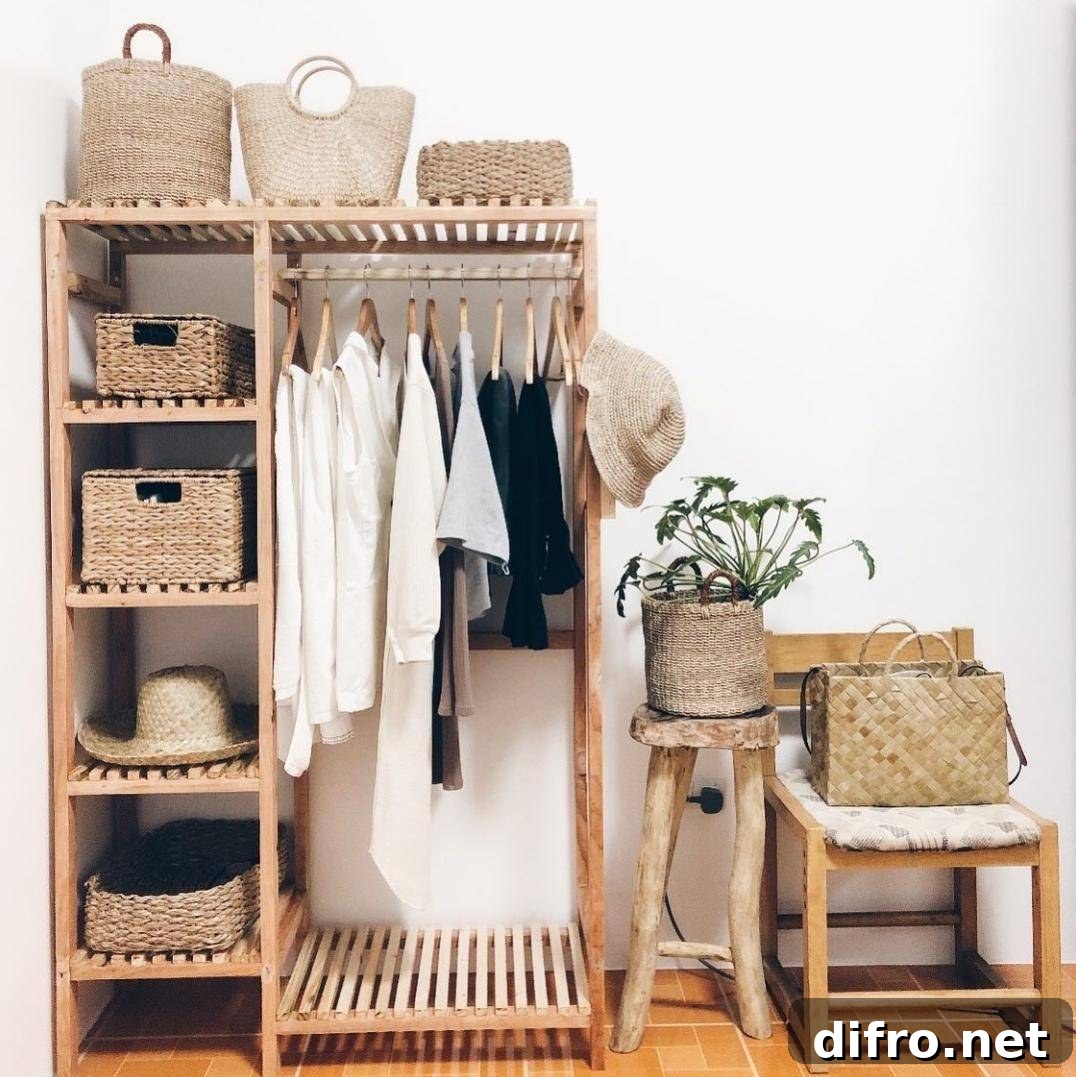
Overfilling a room with furniture and accessories makes the layout feel jumbled and reduces visual breathing room. Aim for curated arrangements where each piece serves a purpose. Create a focal vignette—a seating group or console with a lamp and art—rather than scattering small pieces across the floor. Use multifunctional furniture and hidden storage to reduce visible clutter.
Selecting the Wrong-Sized Rug
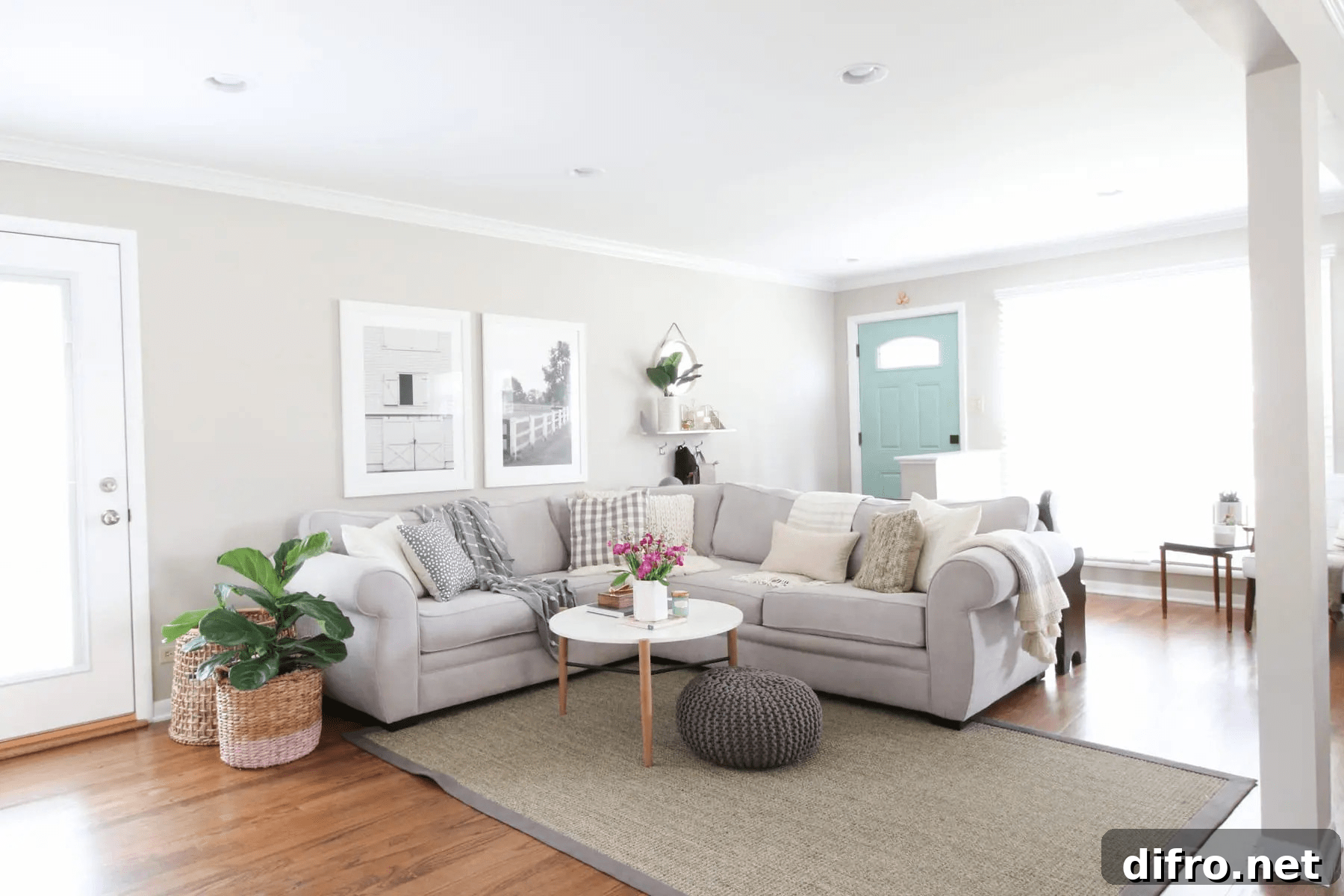
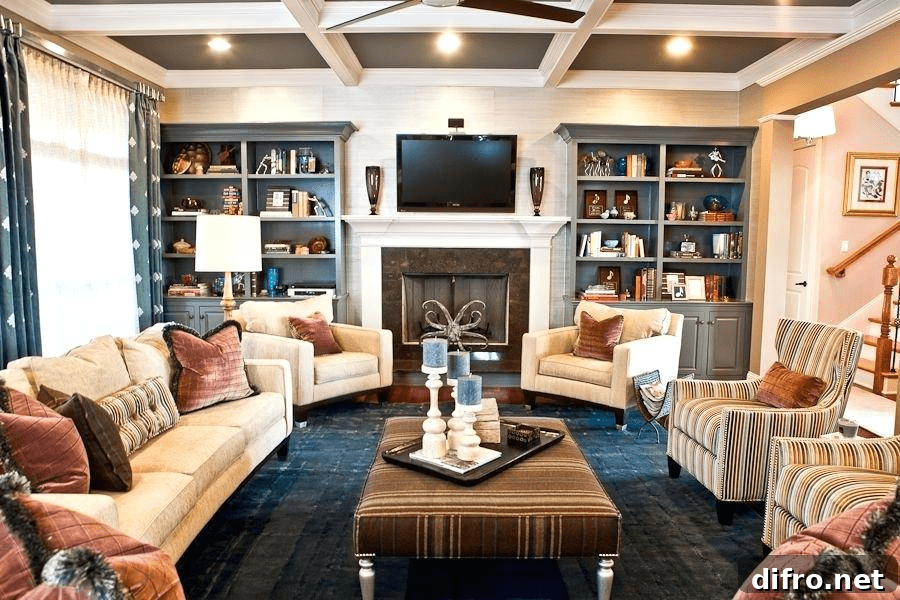
A rug that’s too small breaks up the floor plane and visually fragments a room. A larger rug that anchors key furniture pieces creates a unified, expansive look. In living rooms, aim for a rug large enough for at least the front legs of sofas and chairs to sit on it; in dining areas, ensure the rug extends beyond the chairs when they’re pulled out.
Furniture Too Close to the Wall
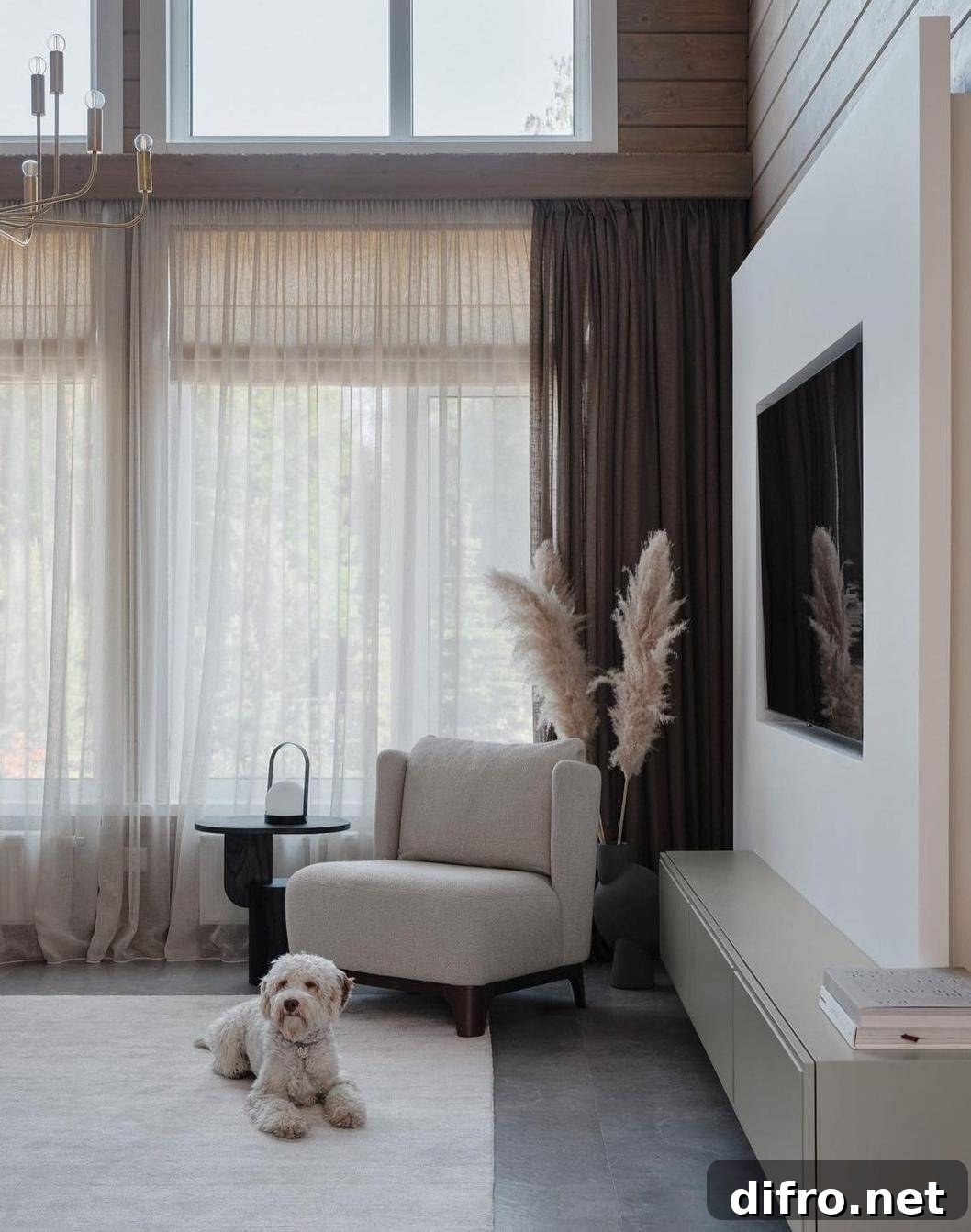
Contrary to popular belief, pushing all furniture flush against walls can make a room feel flat and boxed in. Interior designer Mollee Johnson recommends pulling key pieces a few inches away from the wall—two or three inches is often enough—to create visual depth and a sense of breathing space. Group furniture into conversational arrangements rather than lining everything against the perimeter.
Dark Painted Rooms
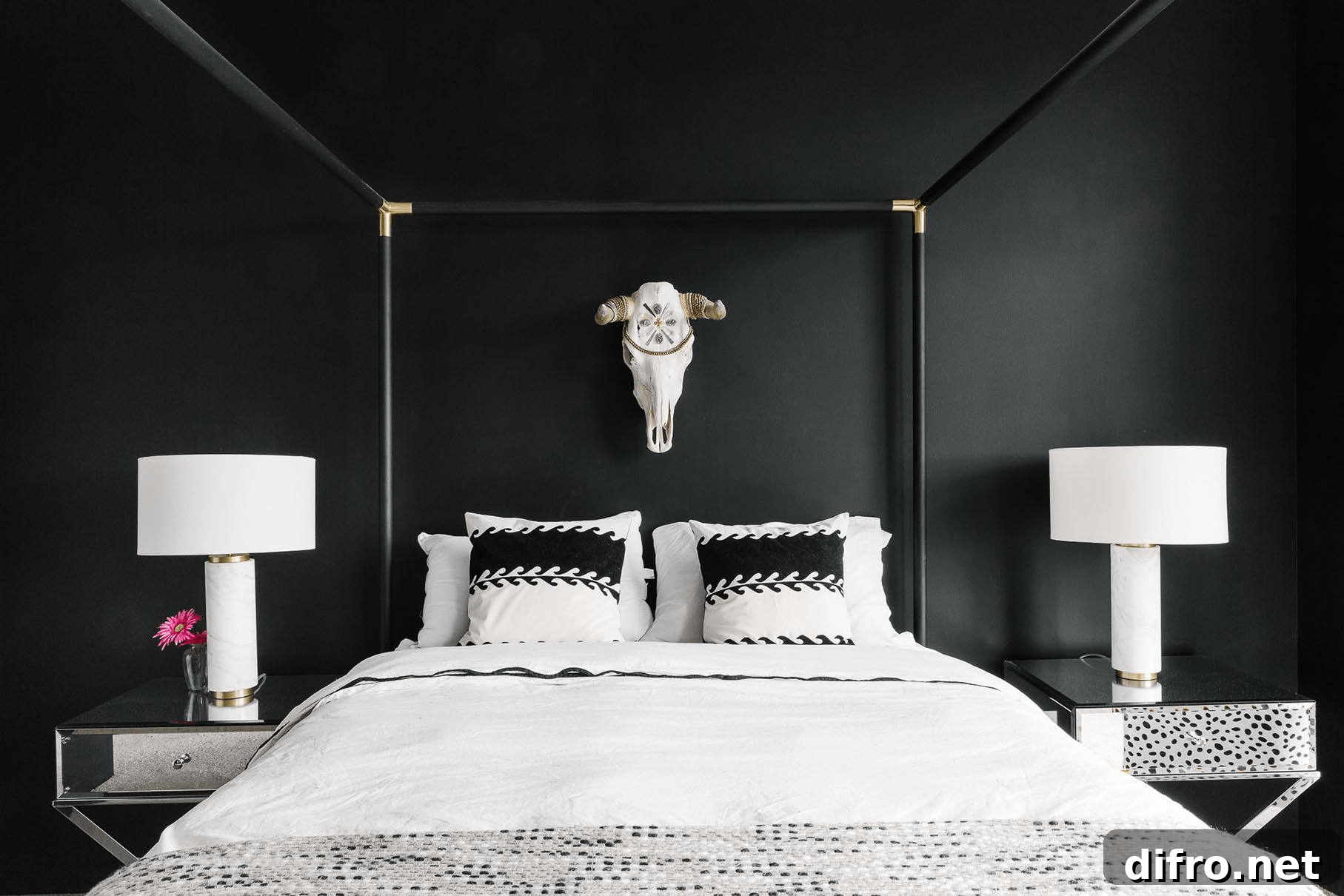
Deep, dark paint colors can feel cozy but also visually compress a room, especially where natural light is limited. If you love rich tones, balance them by painting only an accent wall or the walls that face each other and using lighter hues on the remaining surfaces. Light-reflecting paints and glossy trim can also help brighten the room and maintain a sense of openness.
Heavy Drapes and Window Treatments
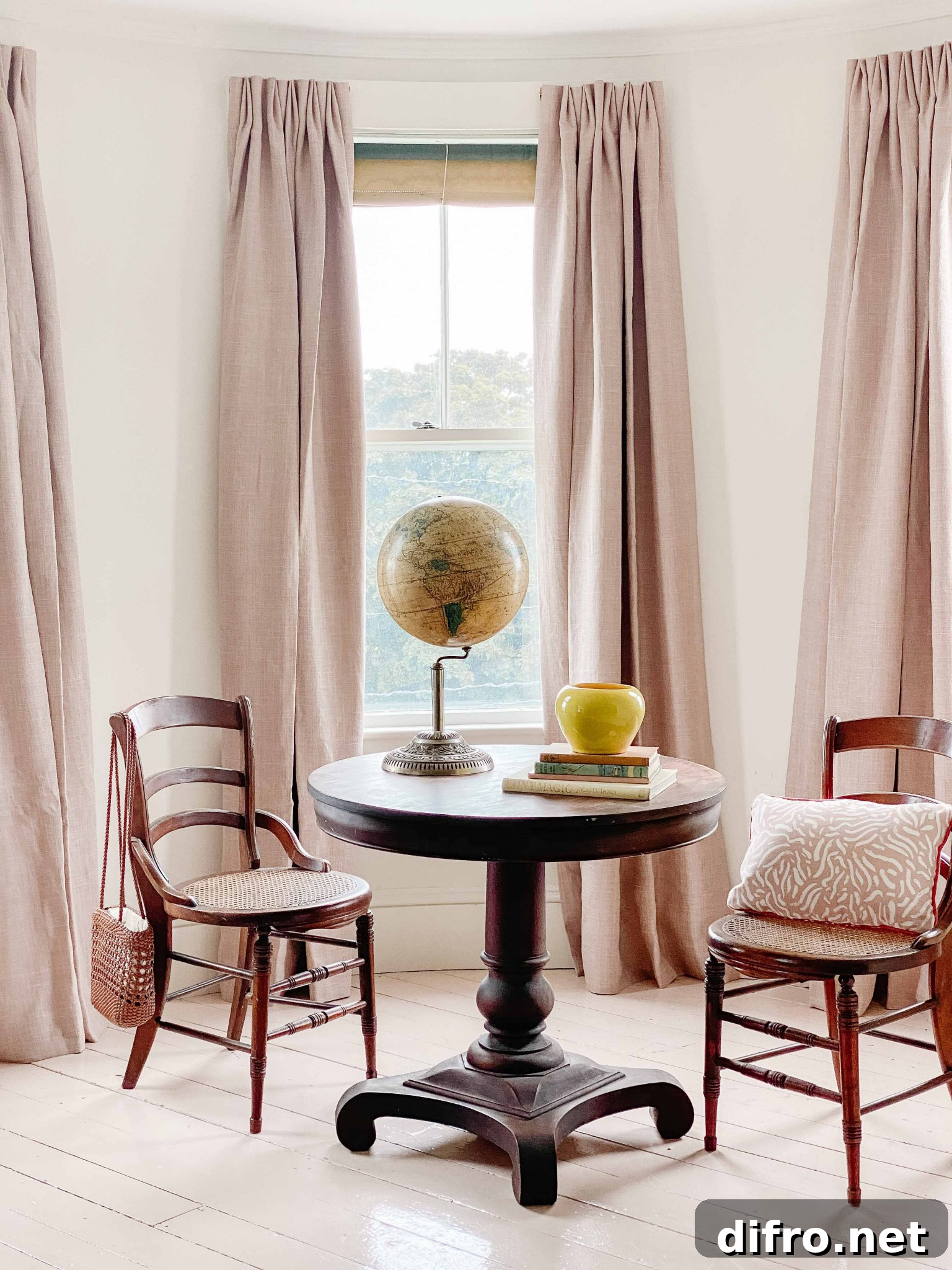
While luxurious drapes can add drama, heavy floor-to-ceiling curtains can overwhelm a small room. Choose lighter fabrics, mount window treatments higher and wider than the frame to make windows appear larger, and prioritize treatments that let in natural light to expand the visual volume of a space.
Empty Walls
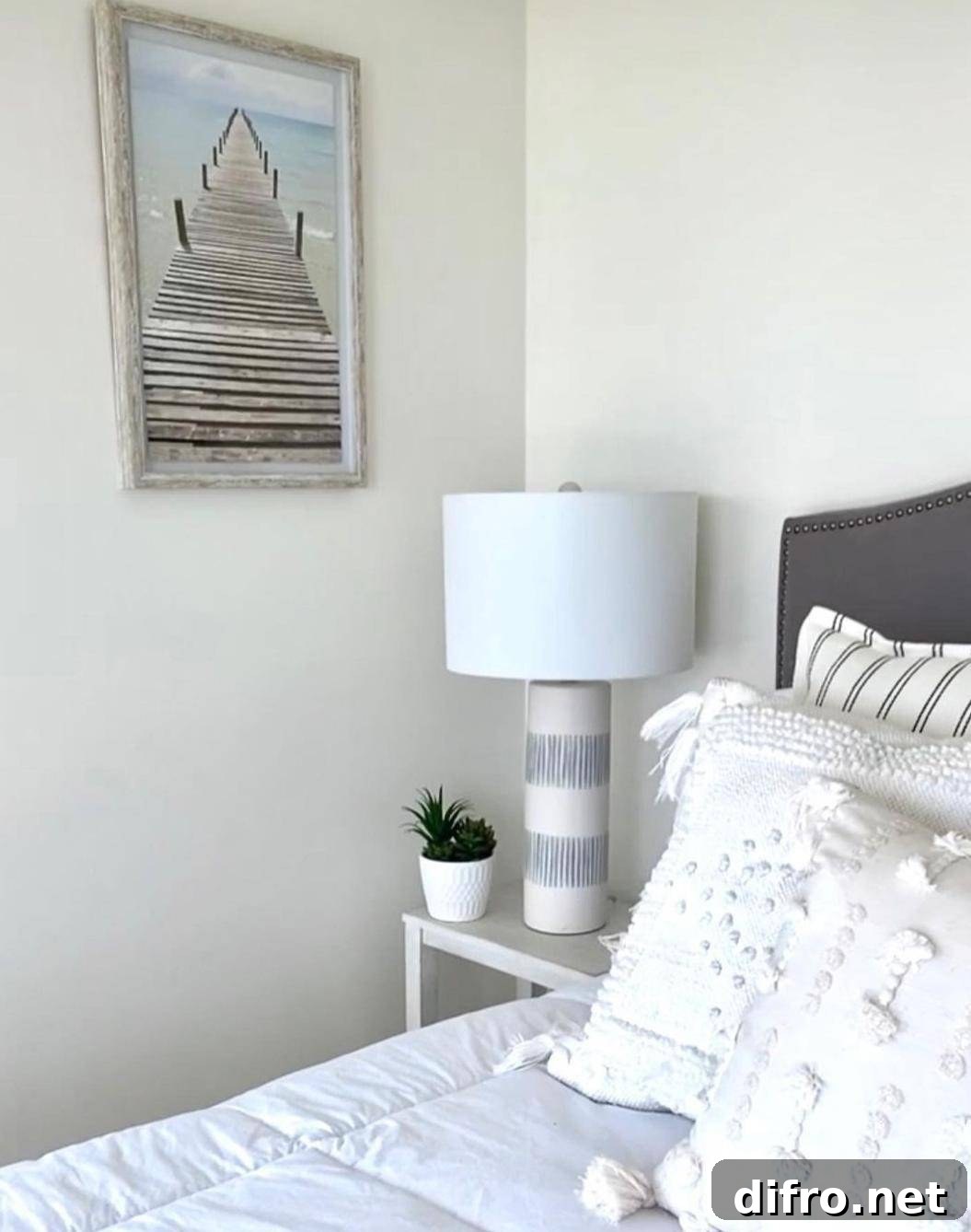
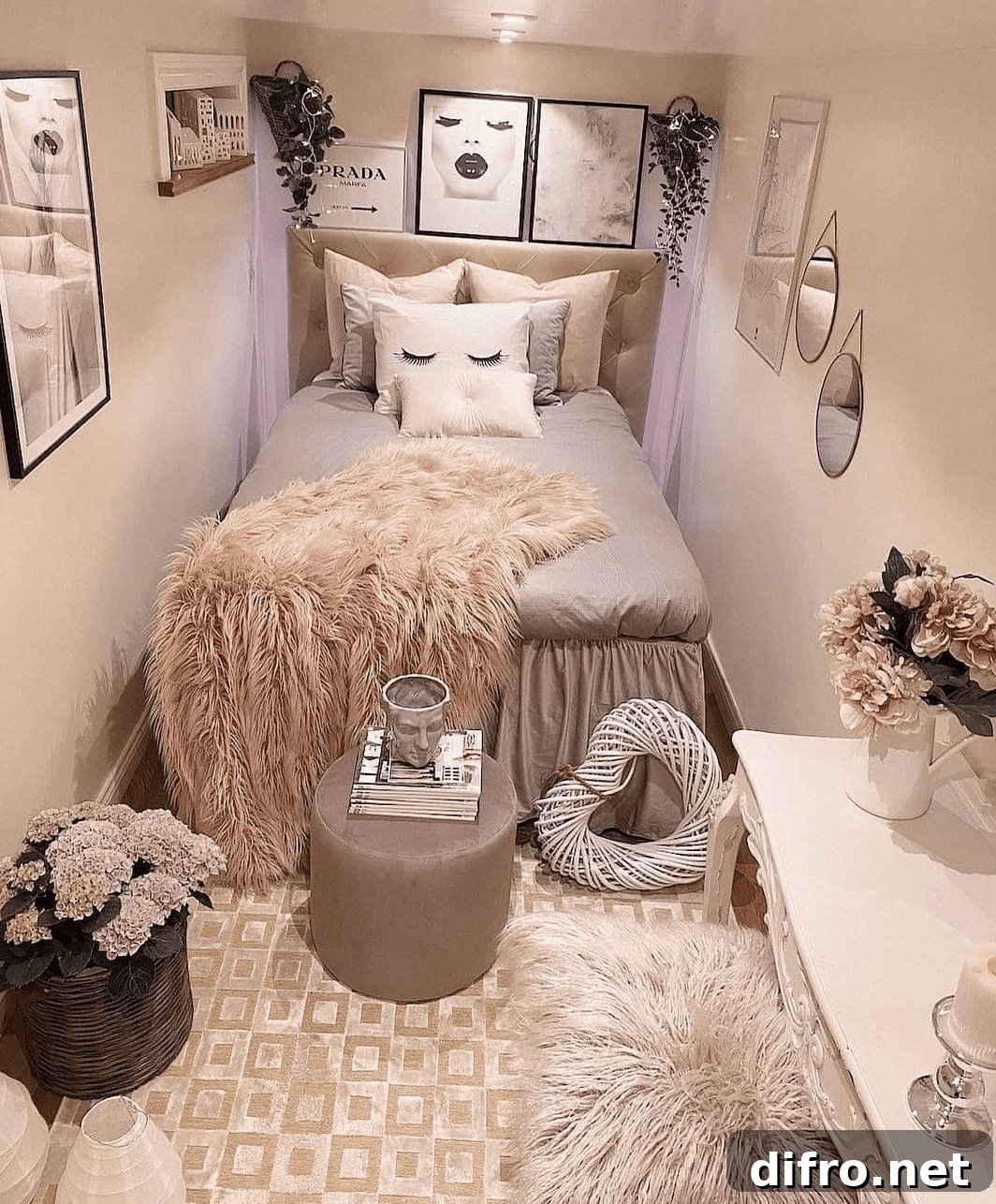
Blank walls can make a room feel unfinished and smaller than it is. Hang art, mirrors, or a thoughtful arrangement of shelves to draw the eye upward and around the room. Mirrors in particular reflect light and create the illusion of additional depth—just avoid over-cluttering the walls with too many small pieces.
Too Many Patterned Items
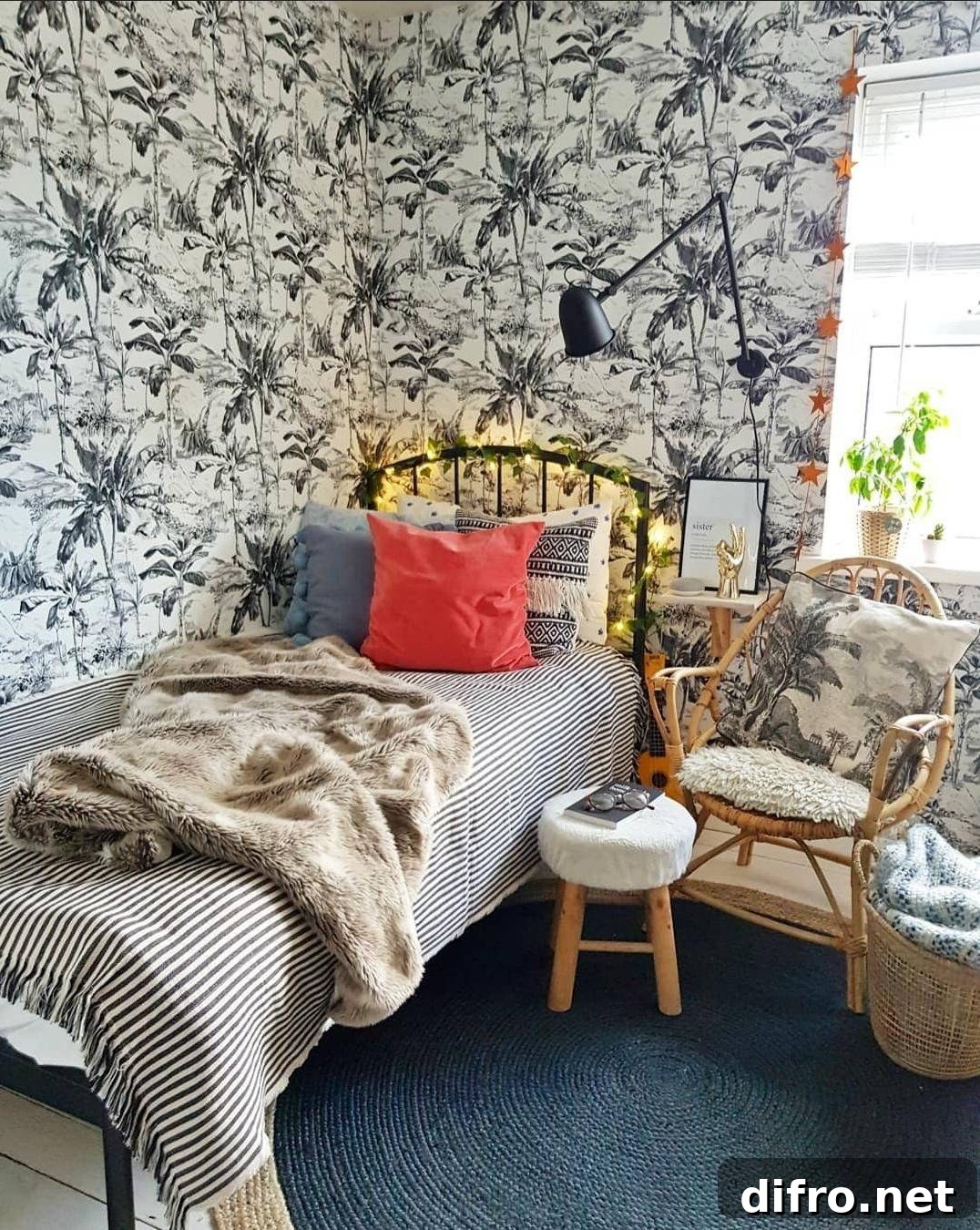
Excessive patterns can make a room feel busy and confined. Limit bold patterns to a few accents—throw pillows, a single upholstered chair, or an area rug—while keeping larger surfaces like walls and sofas in solid, neutral tones. This balance creates visual interest without overwhelming the space.
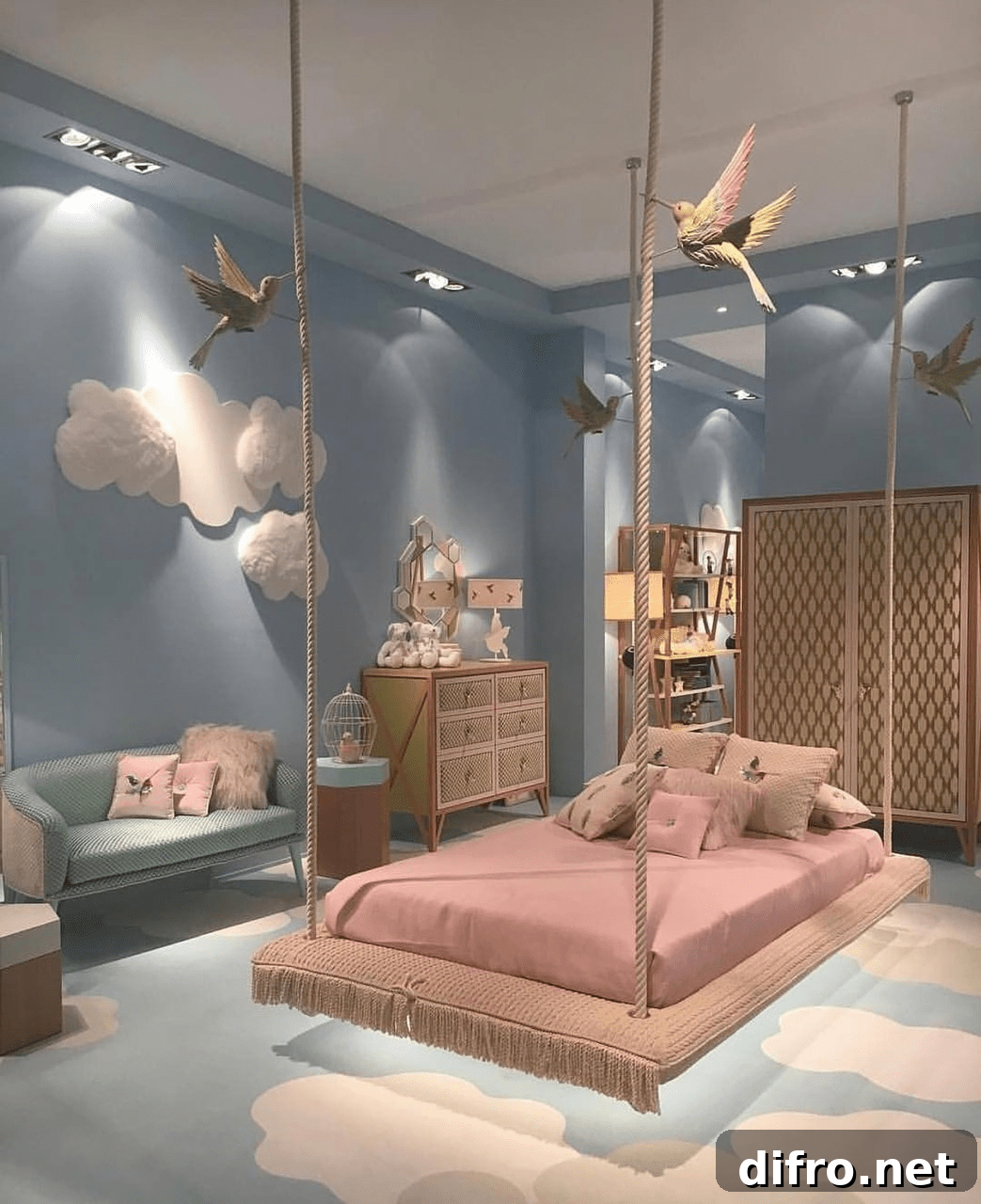
Small changes in scale, color, and layout produce big results. Focus on decluttering, choosing appropriately sized rugs and furniture, allowing space between pieces and walls, and balancing color and pattern. These adjustments will help your rooms feel brighter, more open, and more inviting—no major renovation required.