
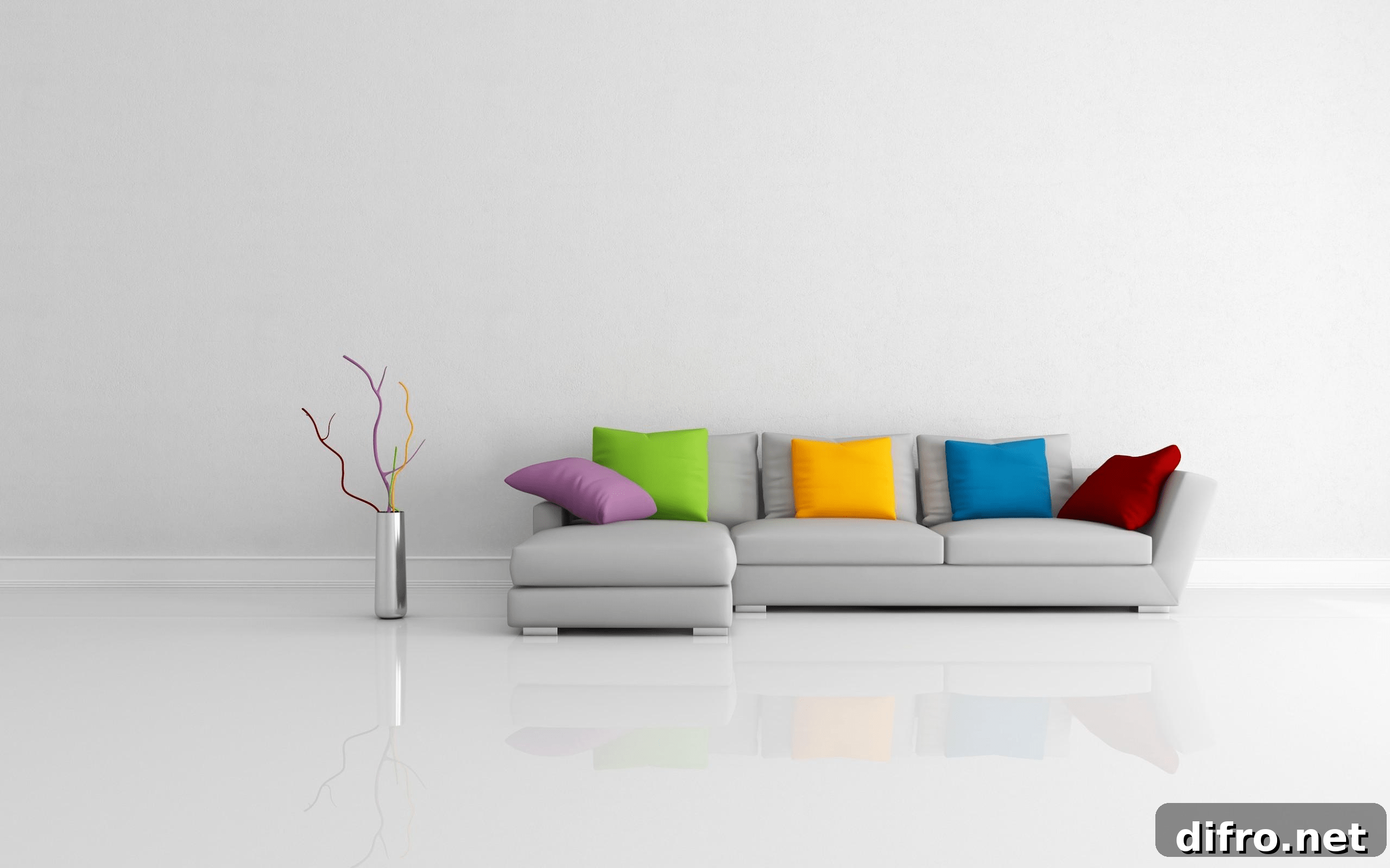
Color strongly influences how we perceive space and how a room feels. Picking sofa colors—one of the most visible elements in a living room—can transform a home’s atmosphere, reflect your personality, and even affect mood. Choosing the right sofa color means balancing aesthetics, longevity, and how the shade interacts with your existing décor.
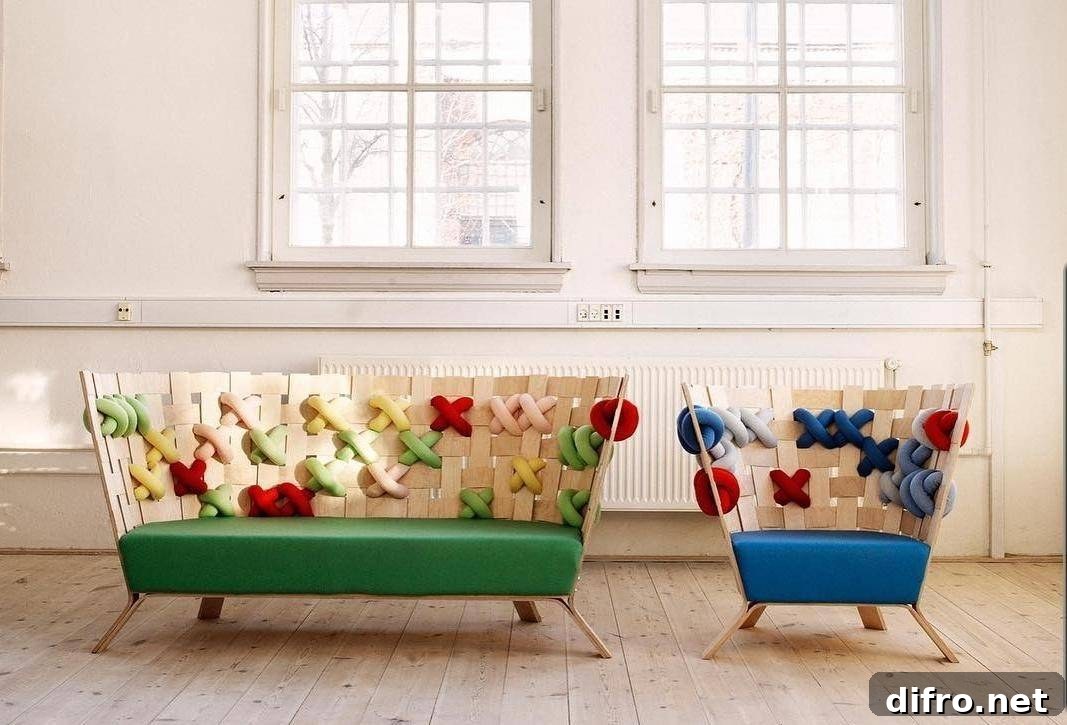
Before you commit to a sofa color, it helps to understand basic color theory and practical tips so your choice endures trends and suits the room’s purpose. The right hue can make furniture blend in as a neutral backdrop or stand out as a focal point.
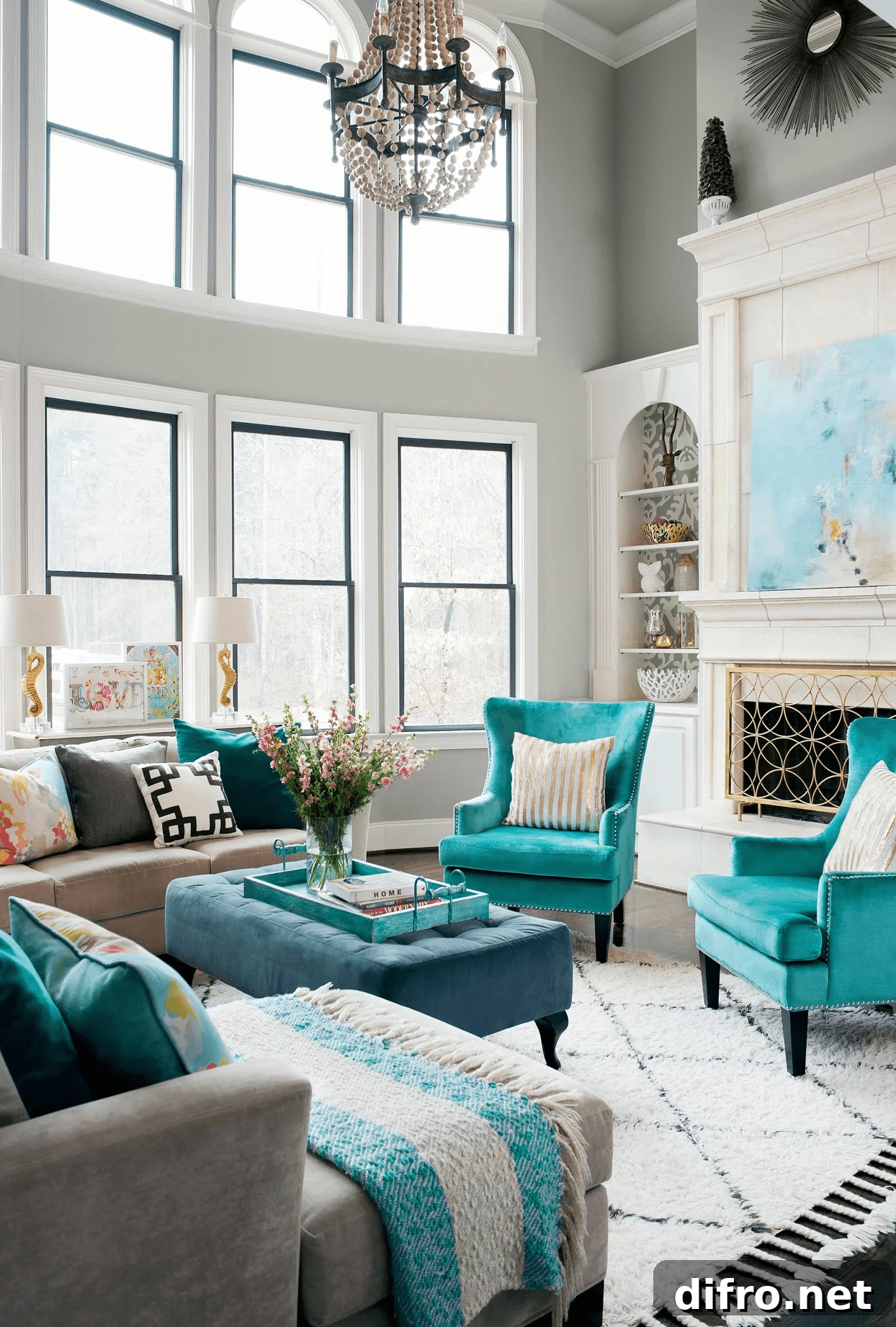
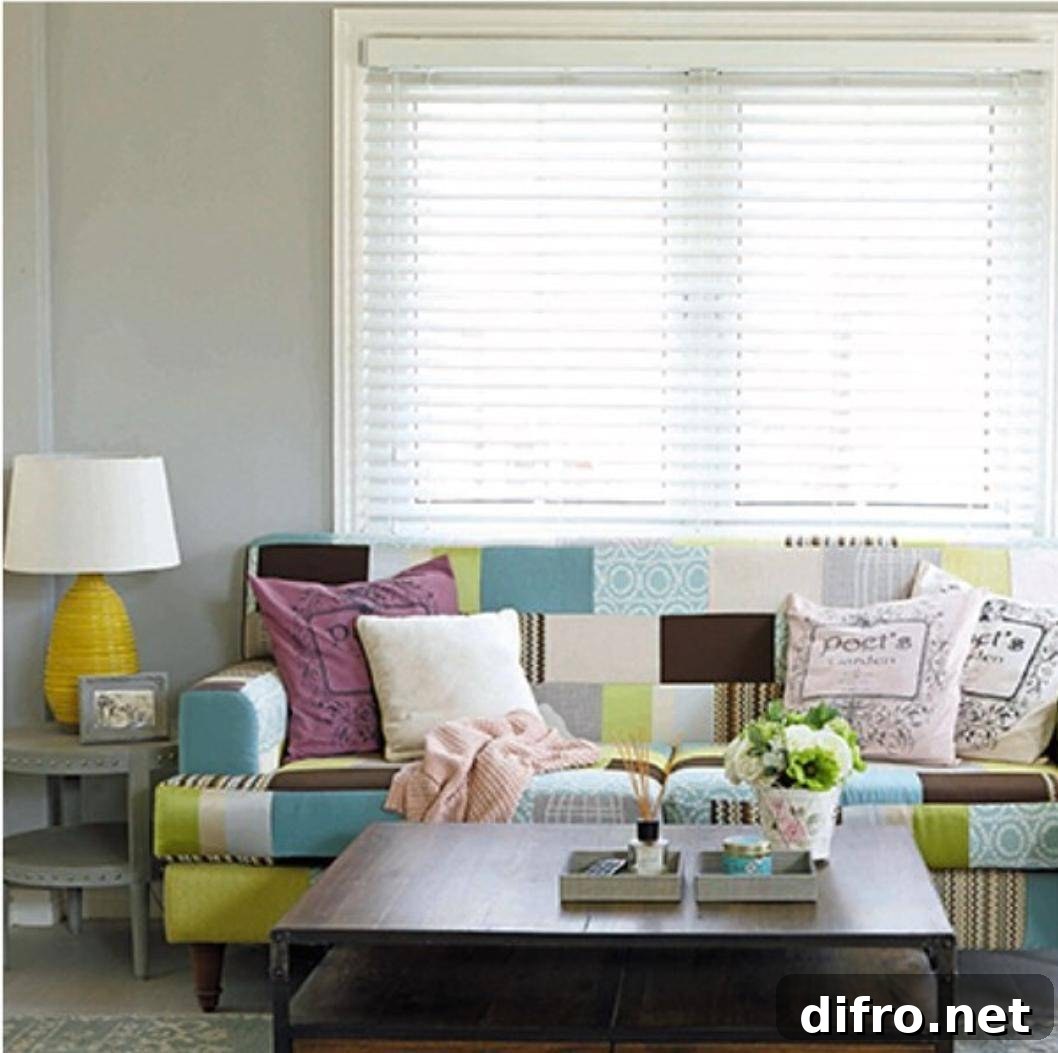
Understanding how color works will help you choose a sofa that fits both function and style. Below is a concise guide to color basics, common mistakes, and the top sofa colors that stand the test of time.
What Is Color Theory?
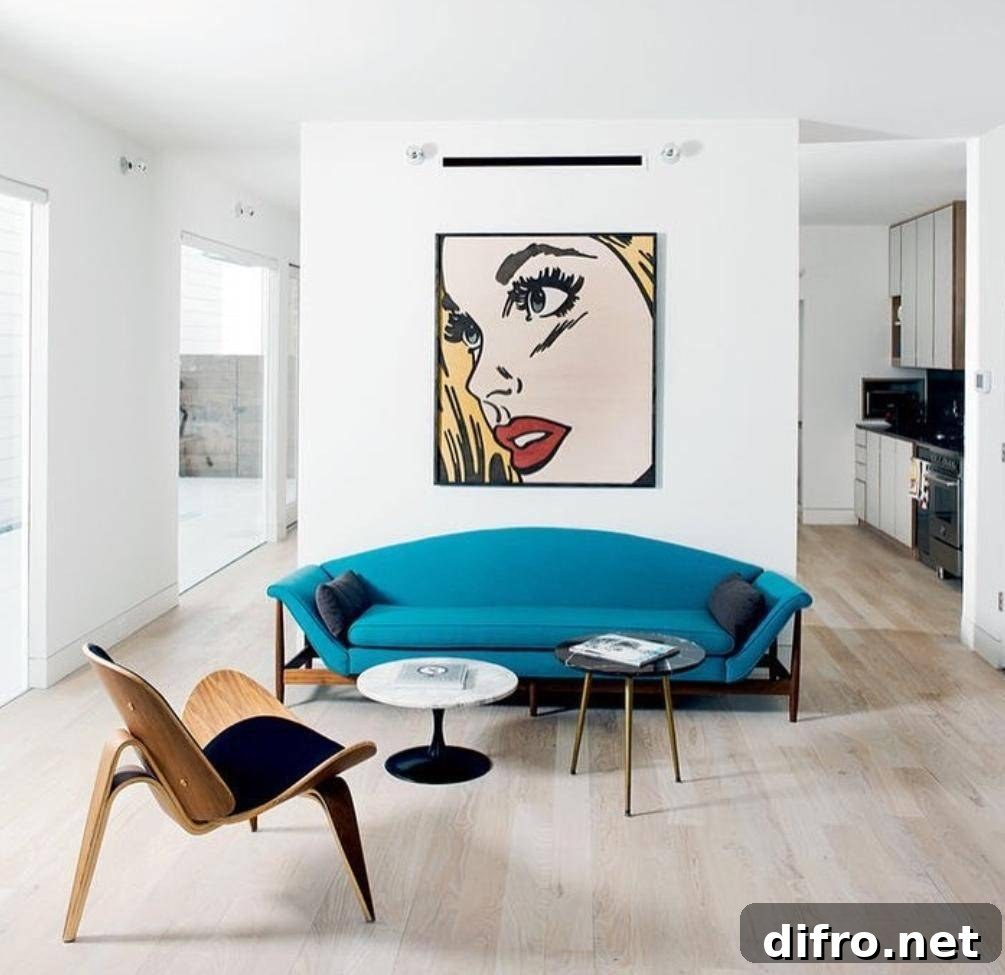
Color theory is a set of principles designers use to create visually appealing color combinations. It explains relationships between hues and covers concepts like harmony, contrast, and balance. For selecting sofa colors, the most useful ideas are:
- Color wheel: Visualizes relationships between primary, secondary, and tertiary colors.
- Basic colors: Understanding hues, tints, shades, and tones helps you judge intensity and mood.
- Color temperature: Warm colors (reds, oranges, yellows) feel cozy; cool colors (blues, greens) feel calm and relaxing.
- Color schemes: Complementary, analogous, and monochromatic palettes guide coordinated choices.
Common Mistakes With Room Colors

Even with a clear vision, people often make avoidable color errors. Common pitfalls include:
- No clear plan for the room’s intended mood or function before choosing color.
- Improper application of colors—ignoring lighting, scale, and surrounding finishes.
- Selecting colors that are too bright or harsh for a room’s size or purpose.
- Choosing overly dull or neutral tones that leave the space feeling lifeless.
- Using too many competing colors instead of a cohesive palette.
- Picking colors that clash with flooring, trim, or other permanent elements.
Top 3 Best Colors For Your Sofa
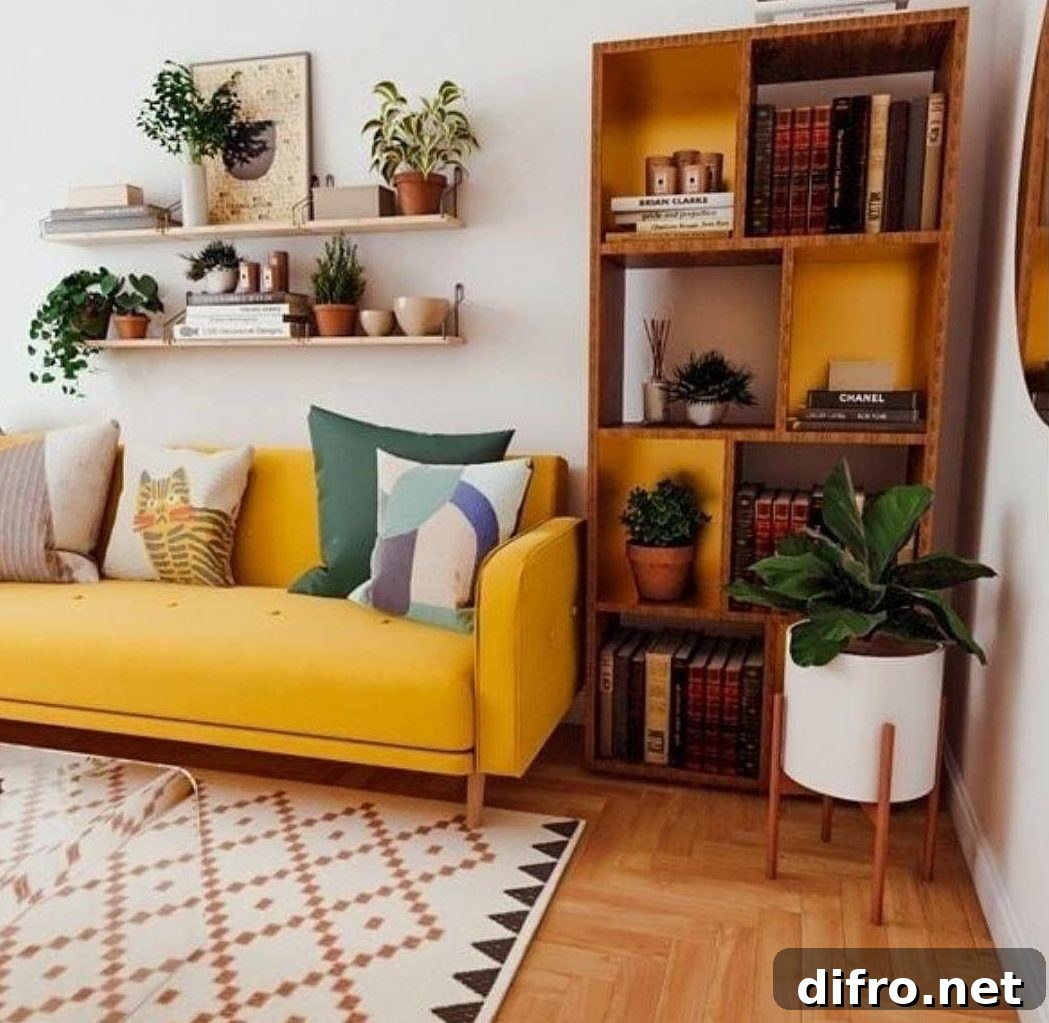
While trends come and go, certain sofa colors remain reliable choices for both style and resale value. Here are three classic options, with how each behaves in a space and pairing suggestions for styling.
White
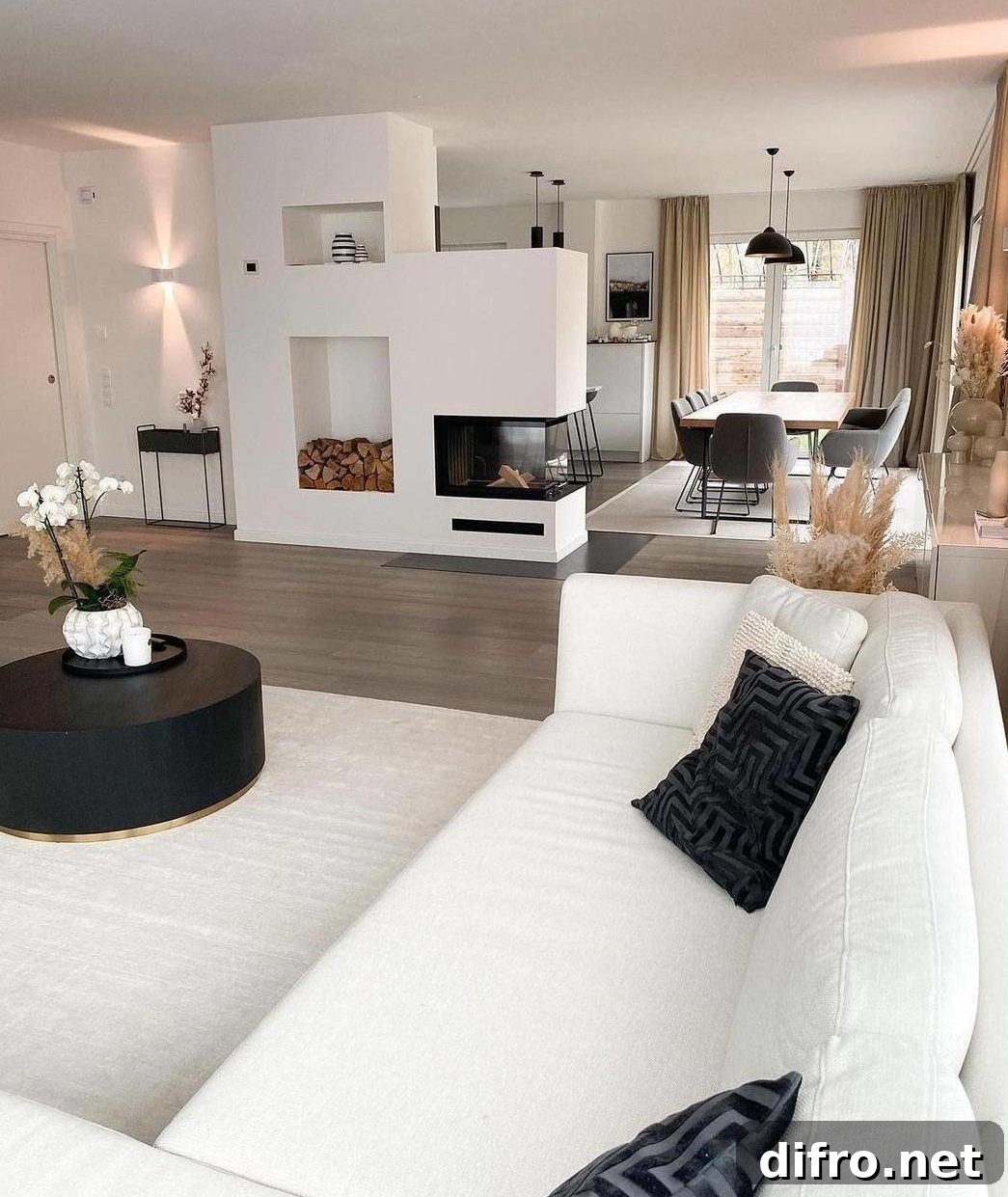
A white sofa reads as clean, modern, and versatile. It functions like a neutral, brightening a room and pairing well with almost any accent color. To keep a white sofa looking great, choose washable or stain-resistant fabrics and add patterned throws or accent pillows for personality.
Blue

Blue is a perennial favorite because it feels calm and timeless. From navy to muted slate, blue sofas can serve as neutrals or anchors for a room. They work well with grays, warm wood tones, and metallic accents. Use throw pillows in complementary colors to create depth and contrast.
Green
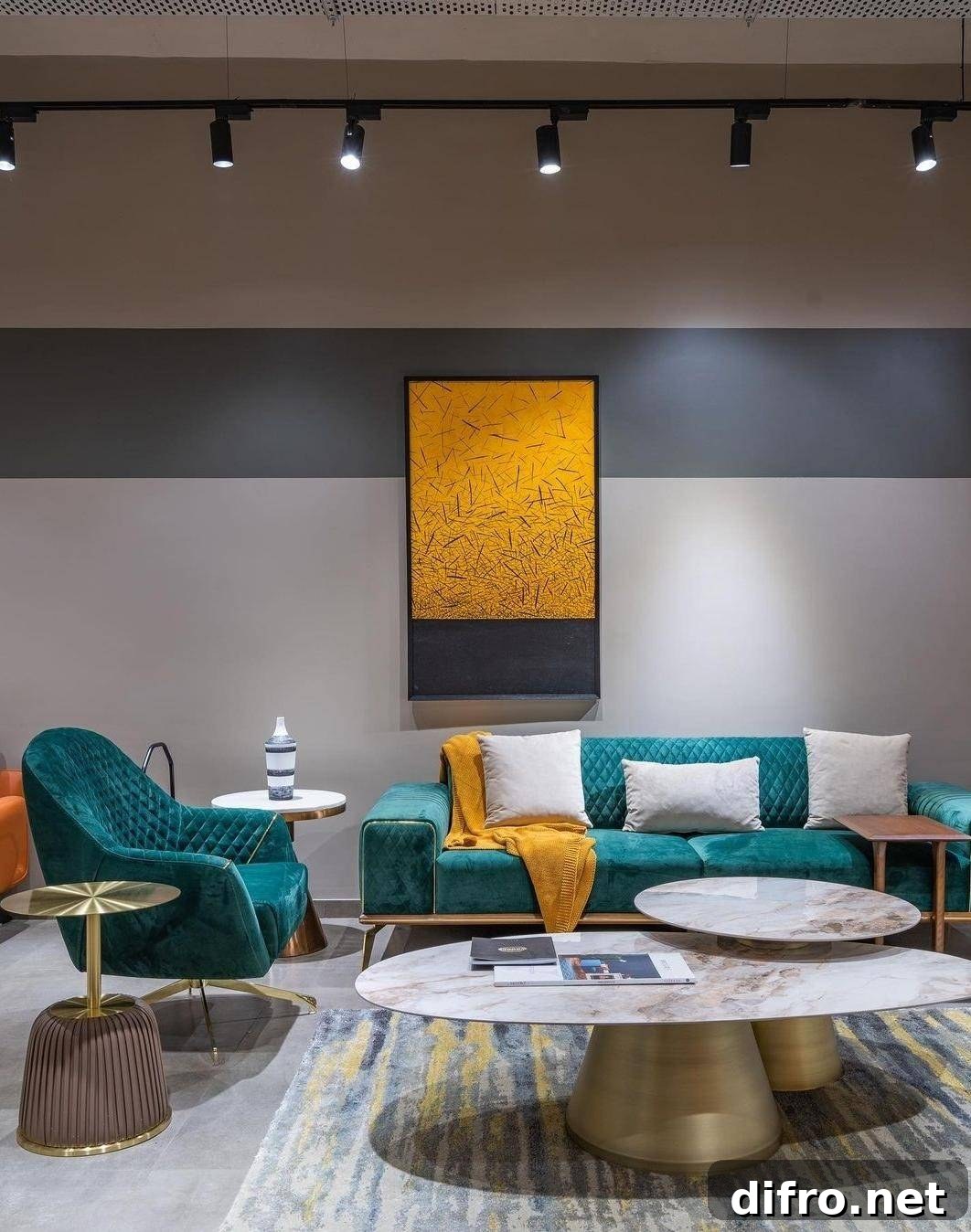
Green sofas offer a rich, inviting look that connects interiors to nature. From sage to deeper emeralds, green can be lively without overpowering a room. It also harmonizes with wooden furniture, soft neutrals, and botanical accents.
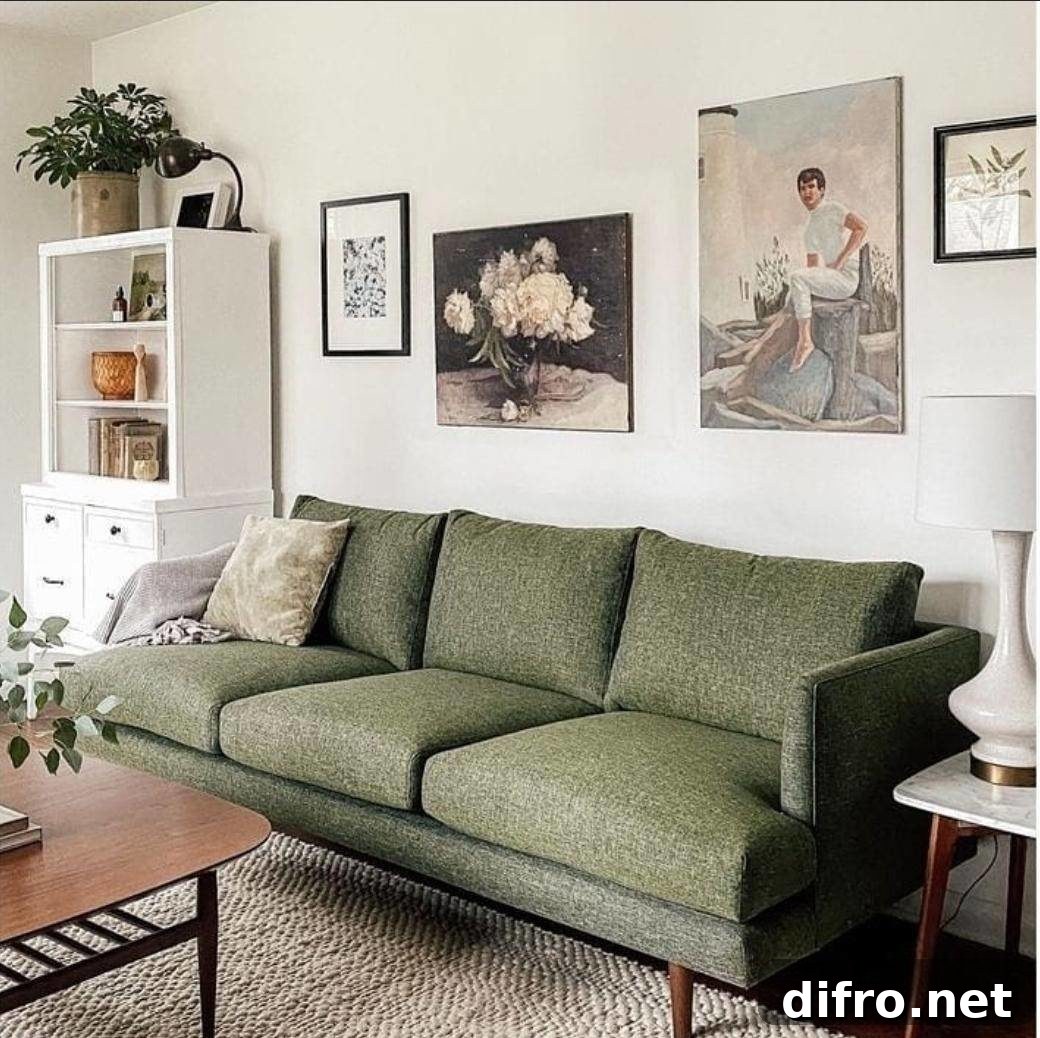
How To Choose The Right Colors For Your Sofa

To select the best sofa color for your space, follow a few practical steps:
- Start with a vision: Decide how you want the room to feel—cozy, formal, relaxed, or vibrant.
- Consider lighting: Natural and artificial light change how colors read. Test fabric samples in different light at different times of day.
- Match fixed elements: Coordinate with flooring, wall color, and large built-ins rather than trend-driven accessories.
- Balance contrast and harmony: Use accent pillows, rugs, or throws to tie the sofa to the room’s palette.
- Think long-term: Classic neutrals and deep, muted tones often age better than bright, fad-driven hues.
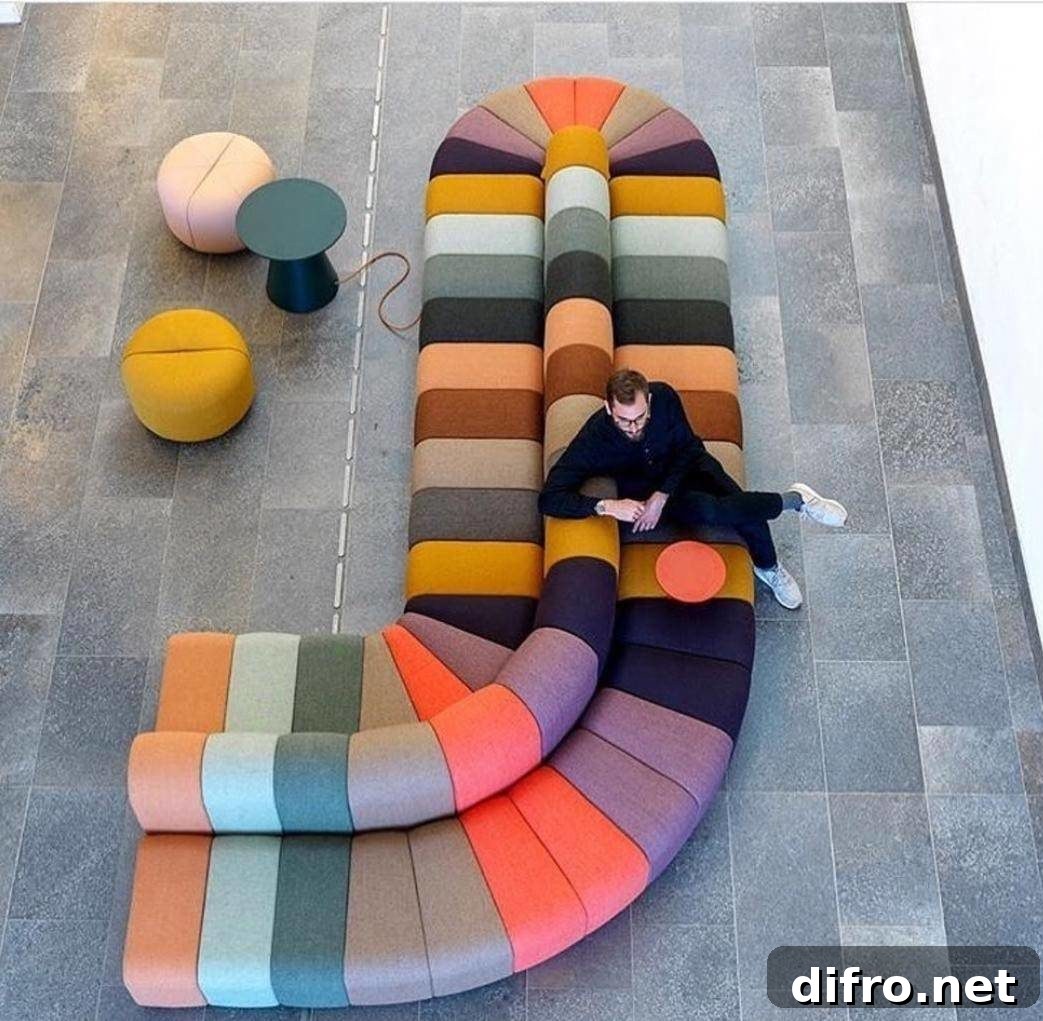
Classic sofa colors—gray, blue, beige, white, and green—remain popular because they are versatile and easy to style. If you prefer a bold look, choose a vivid color and anchor it with complementary accents. If you prefer flexibility, neutral hues allow you to change the room’s accent colors over time without replacing the sofa.
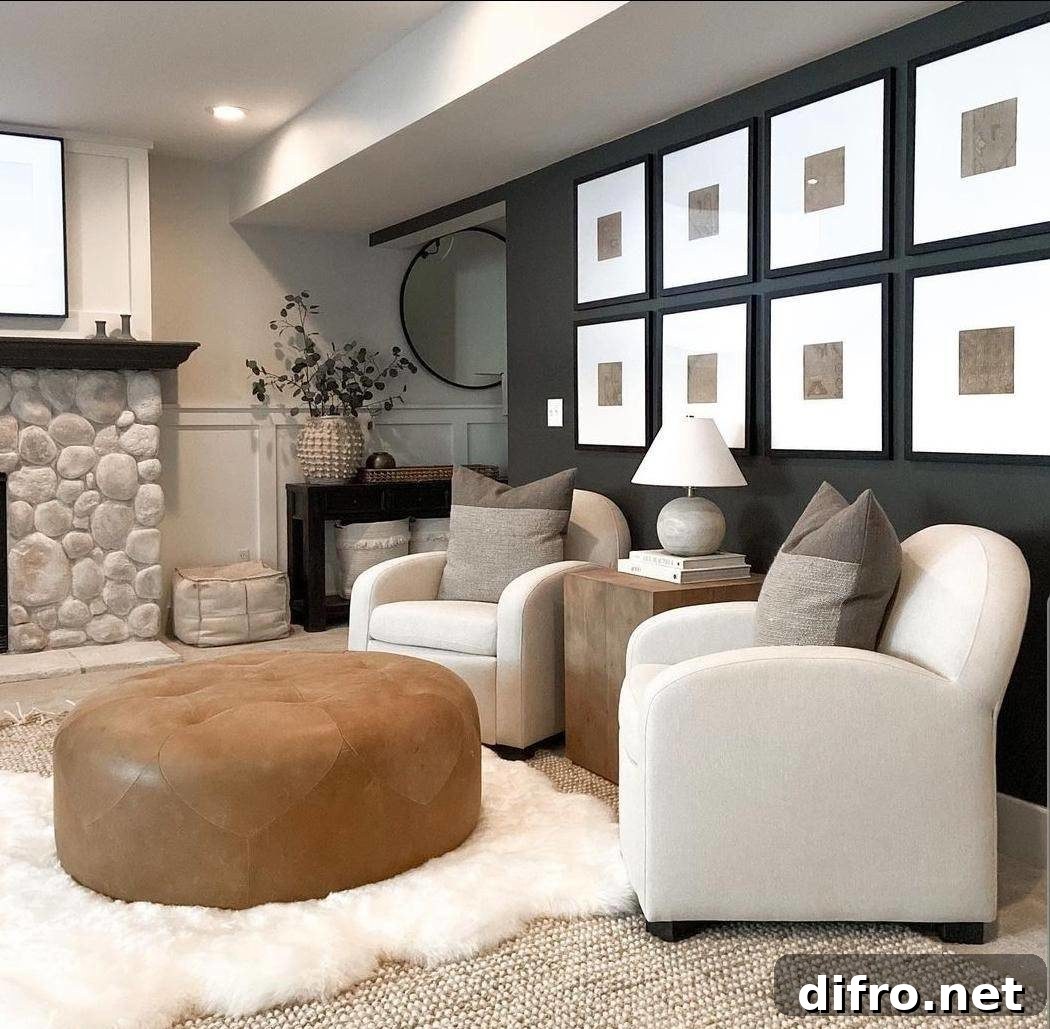
Ultimately, choosing the right sofa color depends on your lifestyle and the look you want to achieve. Test samples, consider durability and cleaning needs, and aim for a color that complements the room’s architecture and your personal taste. With these guidelines, your sofa will be both a functional piece of furniture and a well-chosen design anchor.