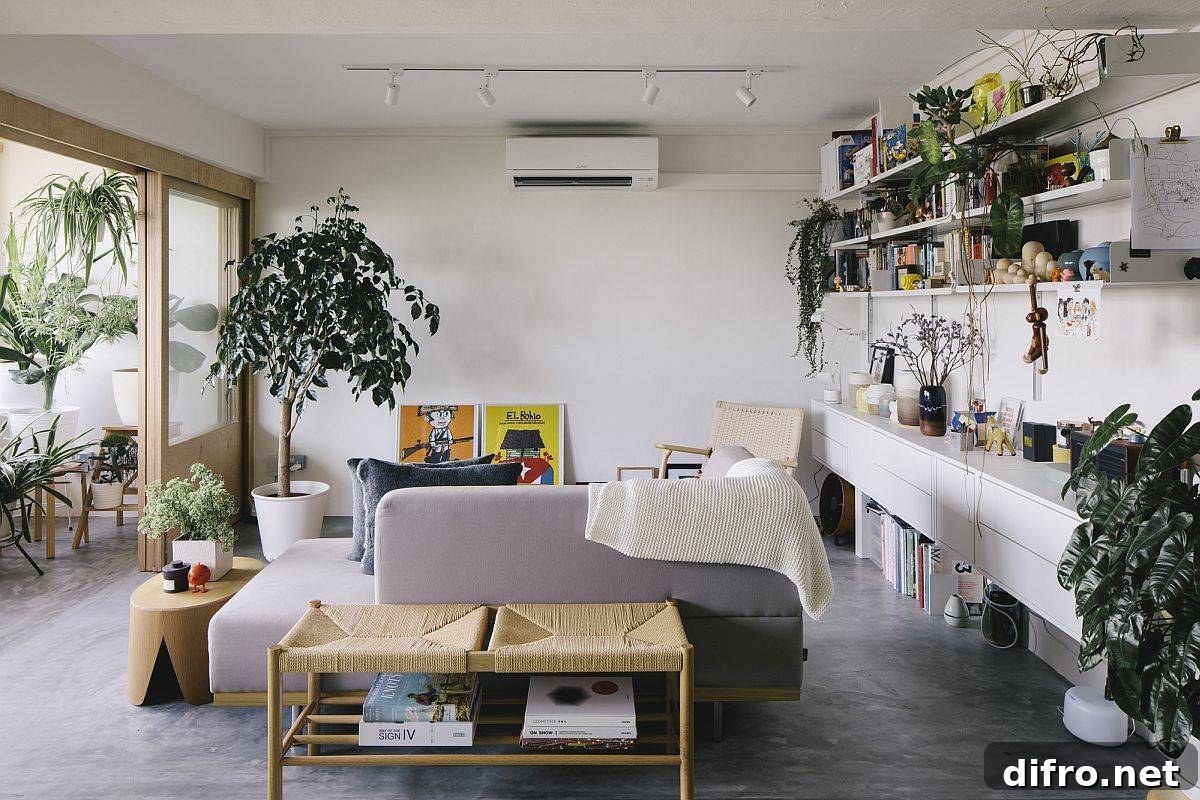
Space is the most precious resource in dense cities, and in Singapore every square foot counts. Traditional Housing Development Board (HDB) flats were often built with many internal partitions and basic layouts that left interiors dark and cramped. Recently, however, owners and designers have been reimagining these older apartments with smart, space-conscious renovations that make them feel brighter, more open and more contemporary. The Bukit Merah Apartment, renovated by MONOCOT, is a clear example of how thoughtful design can transform a modest 1960s three-room flat into a welcoming, efficient home that respects its original character.
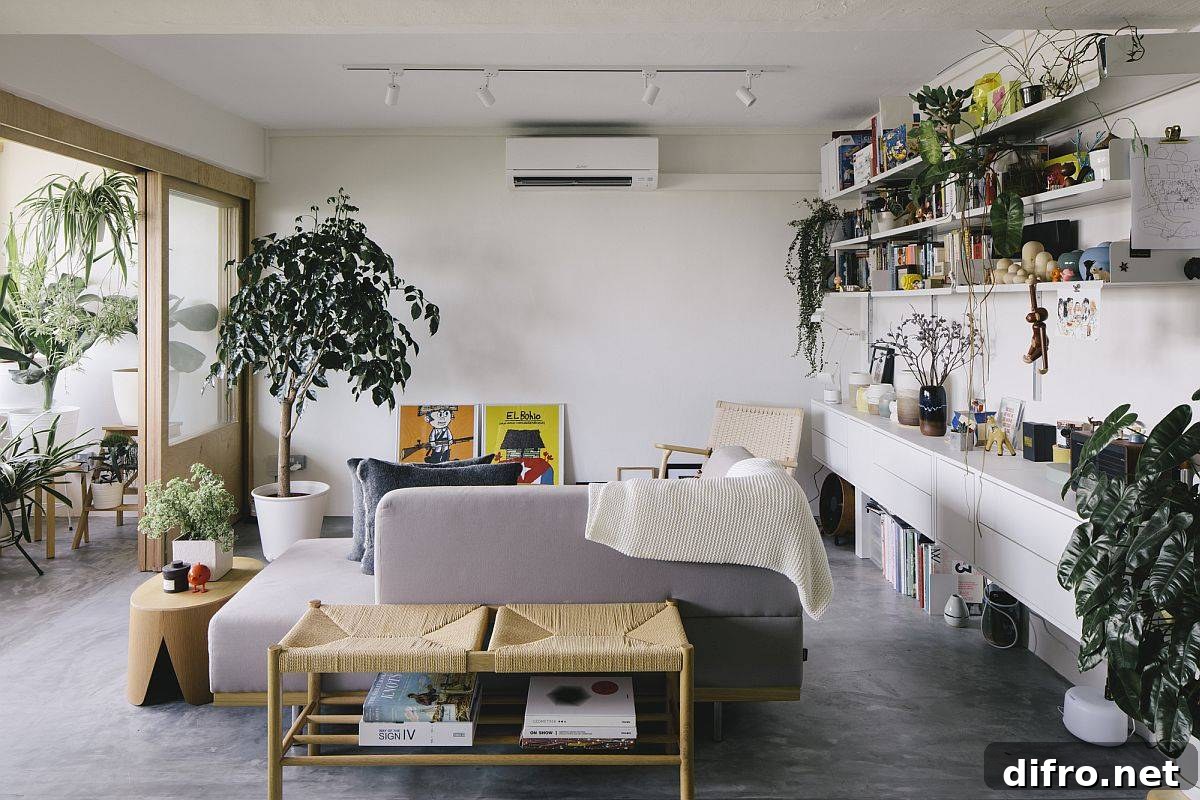
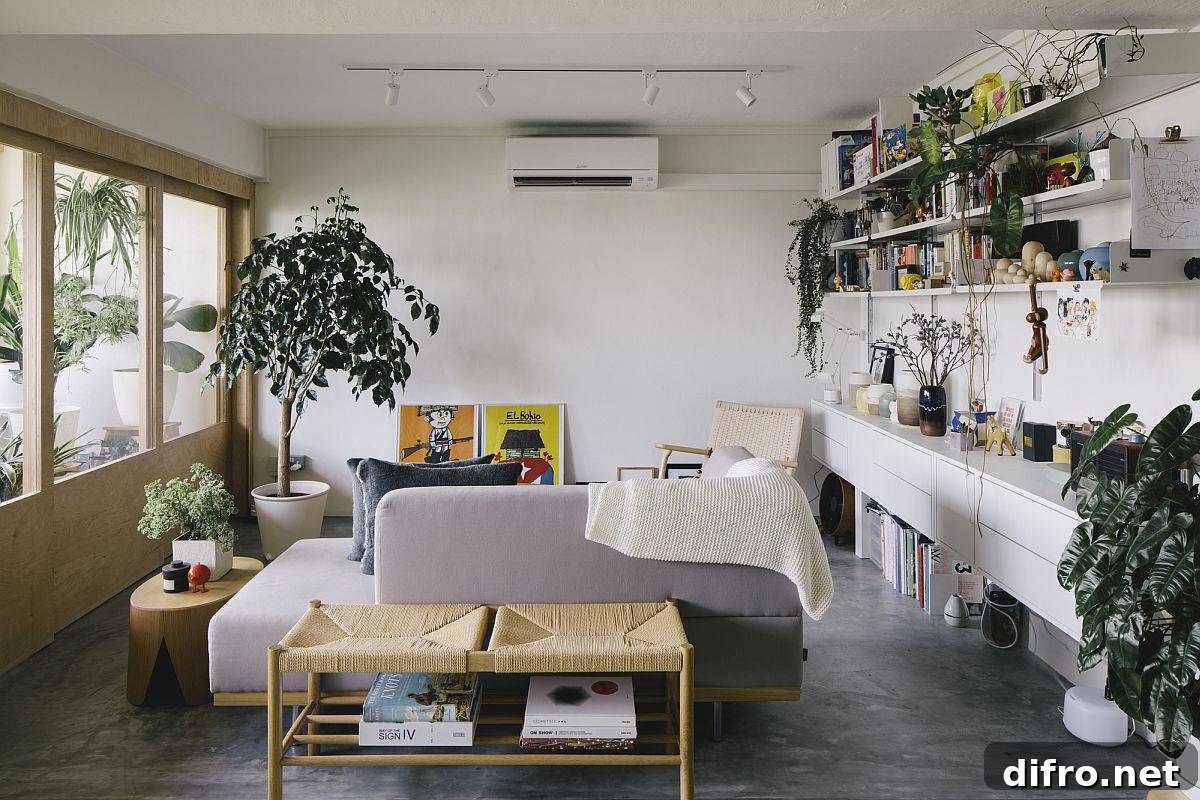
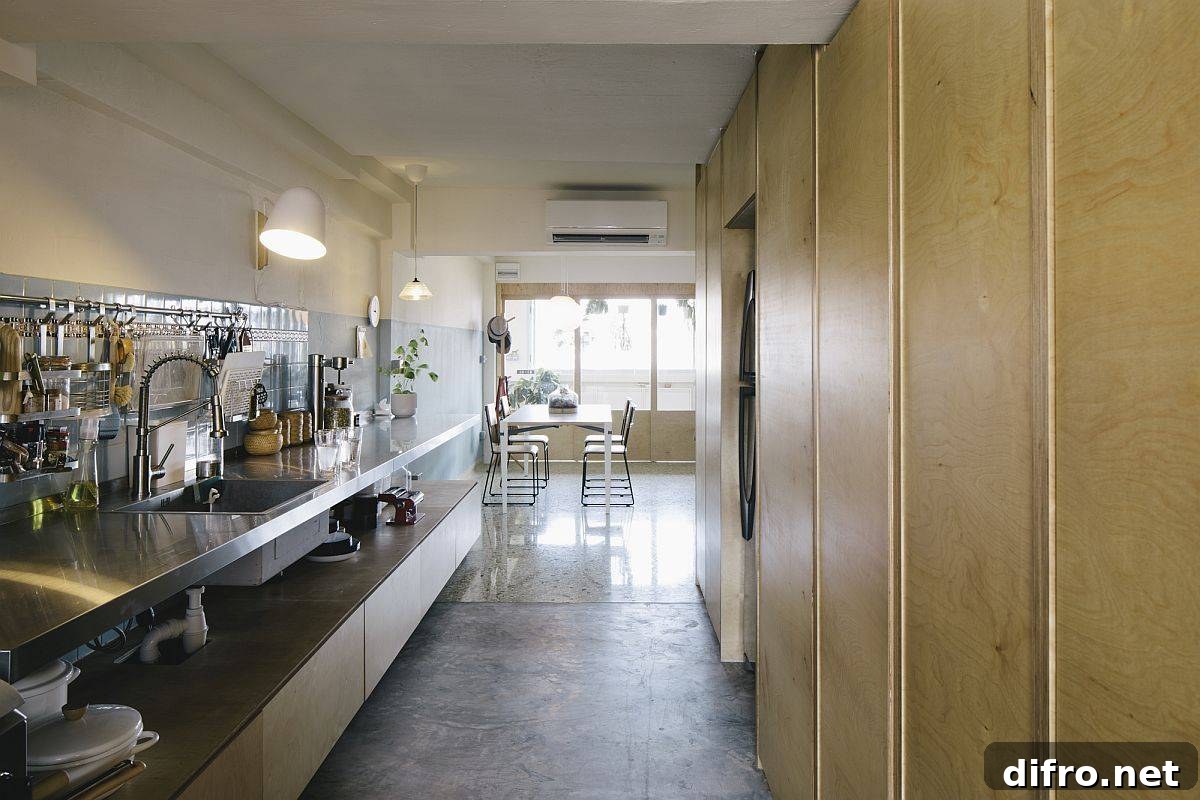
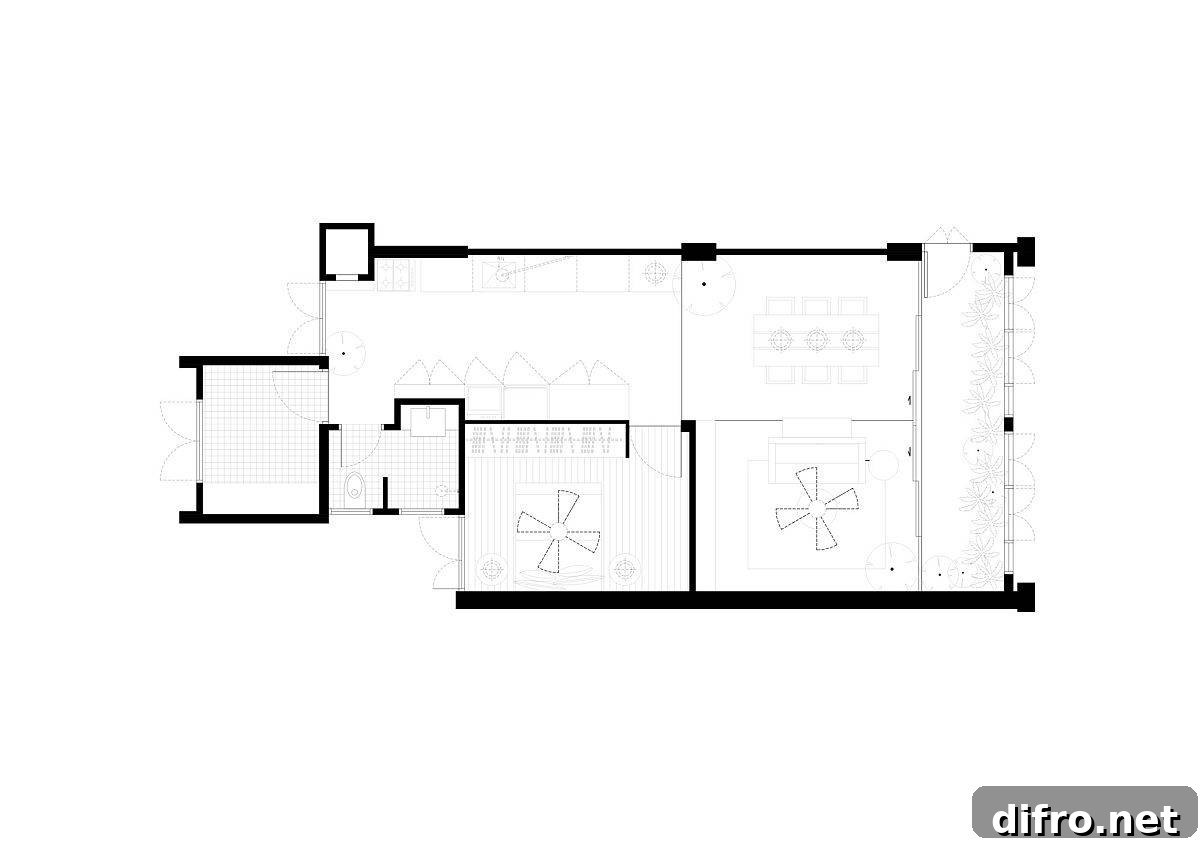
The apartment originally featured a network of small rooms and enclosed corridors typical of its era. The renovation removed several partitions and relocated others to open up sightlines and allow daylight to travel more freely through the plan. The result is an open-plan living area that flows directly into a narrow but highly efficient kitchen and a compact dining zone. A new sliding glass door connects the living room to the balcony, offering flexible privacy while visually enlarging the interior.
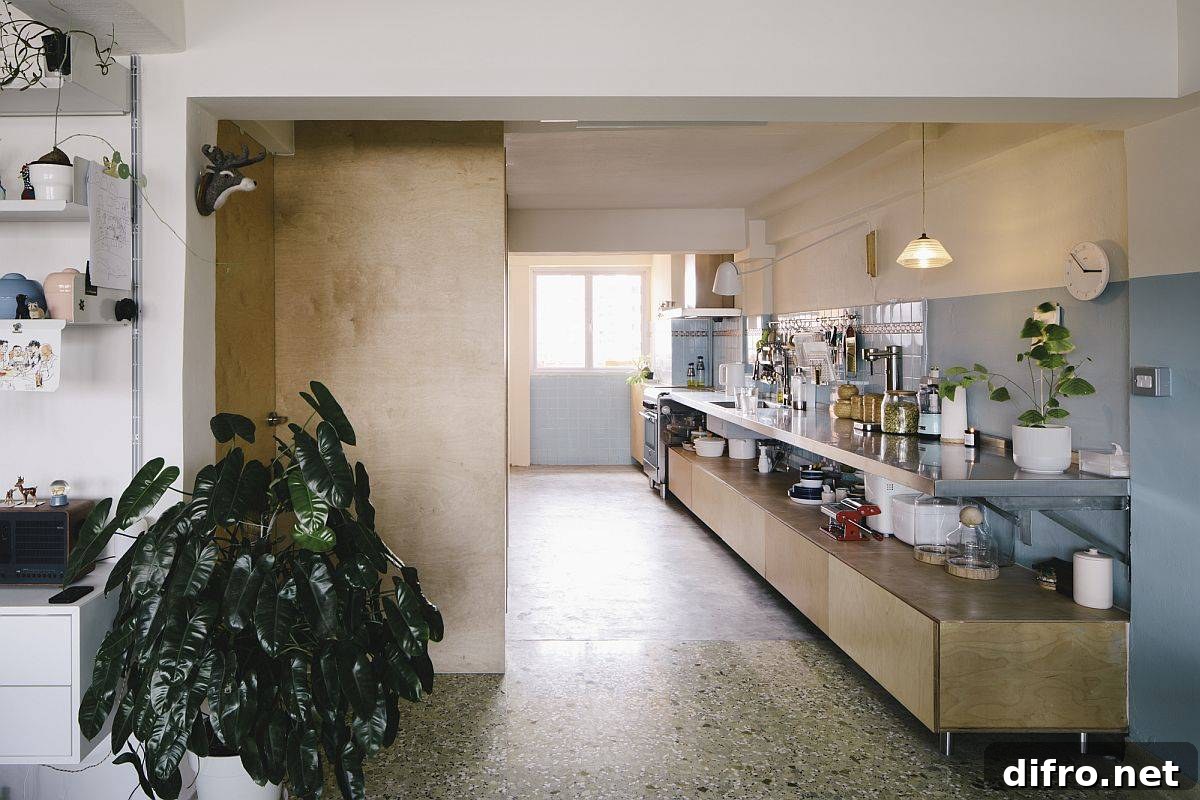
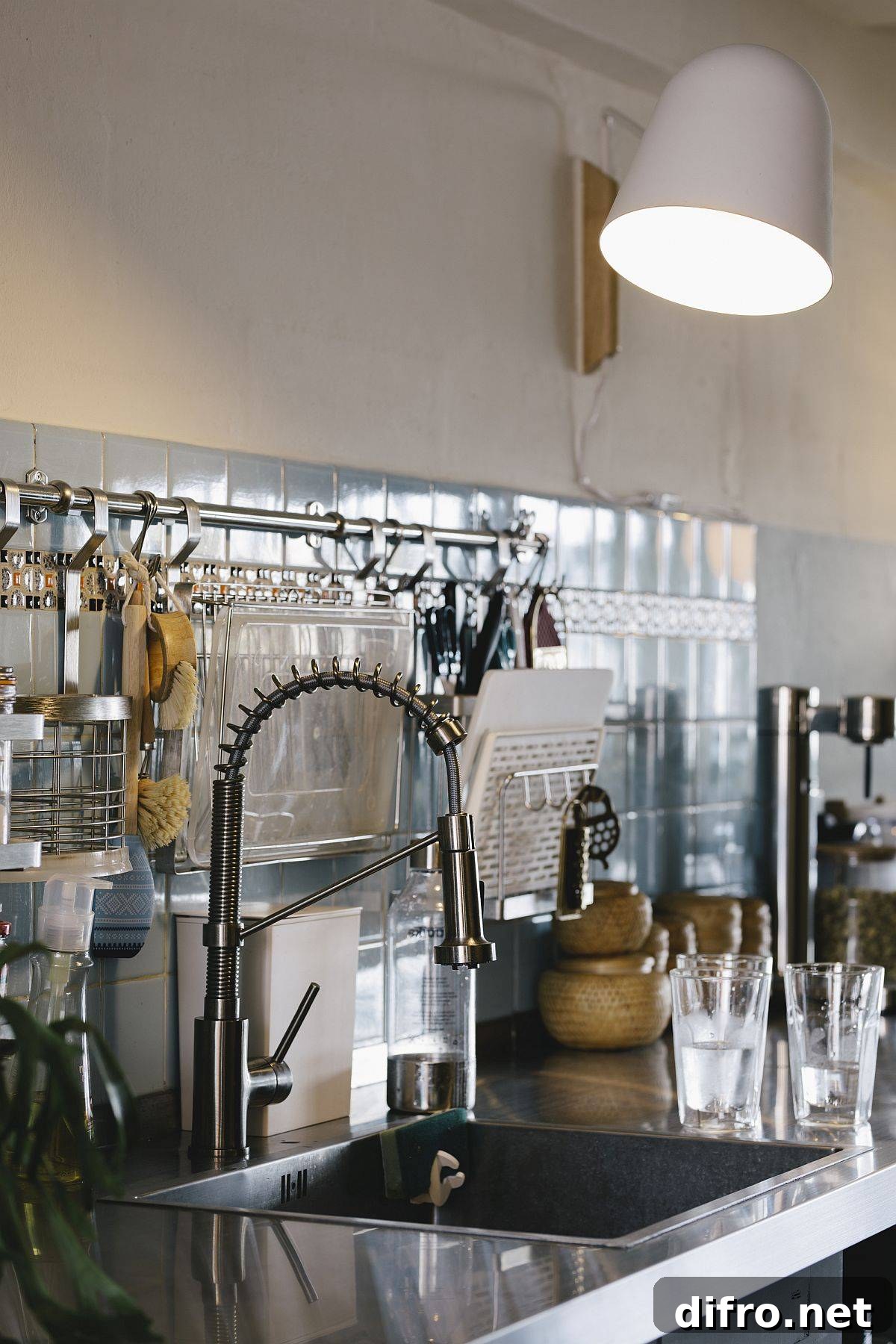
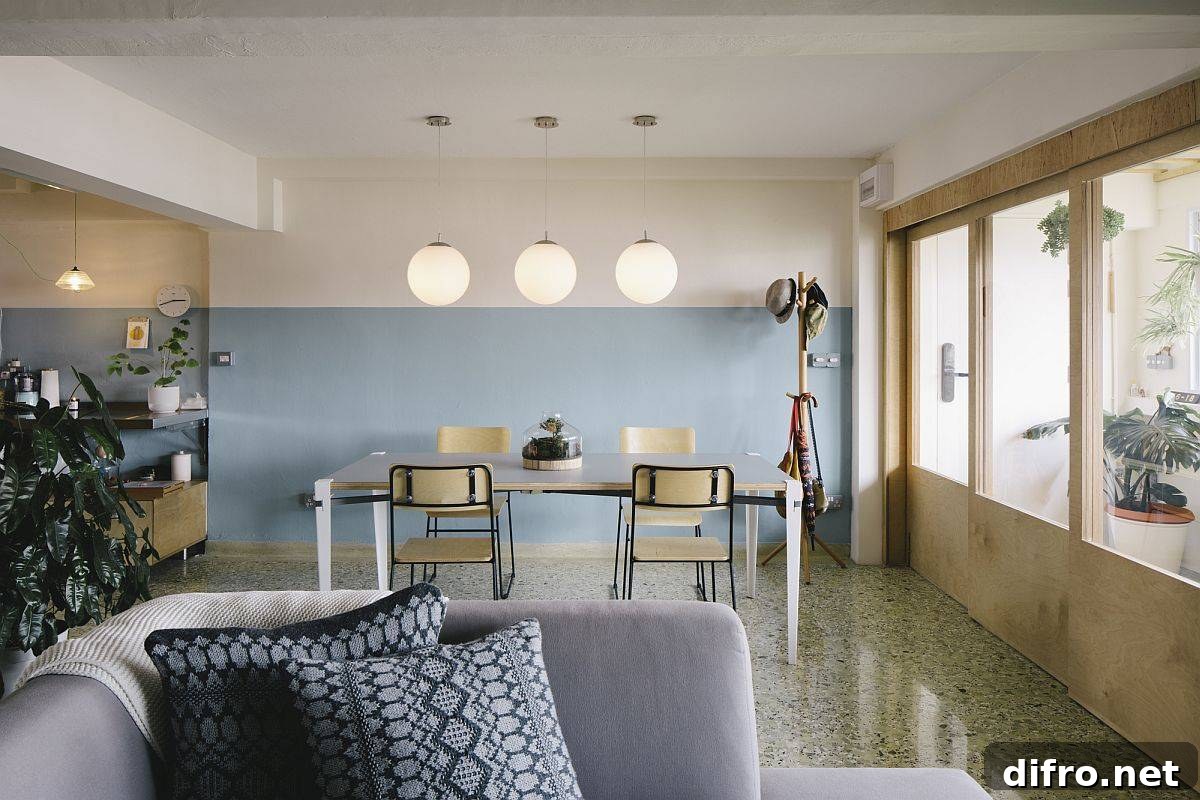
Rather than erasing every trace of the flat’s past, the design preserves and highlights select original features. The terrazzo flooring was retained and brought back to life, while the kitchen’s distinctive blue tiles were maintained and integrated into the new palette. These existing elements were carefully paired with custom joinery and a restrained color scheme—mostly soft blues and crisp whites—to create a cohesive visual identity that feels both nostalgic and fresh.
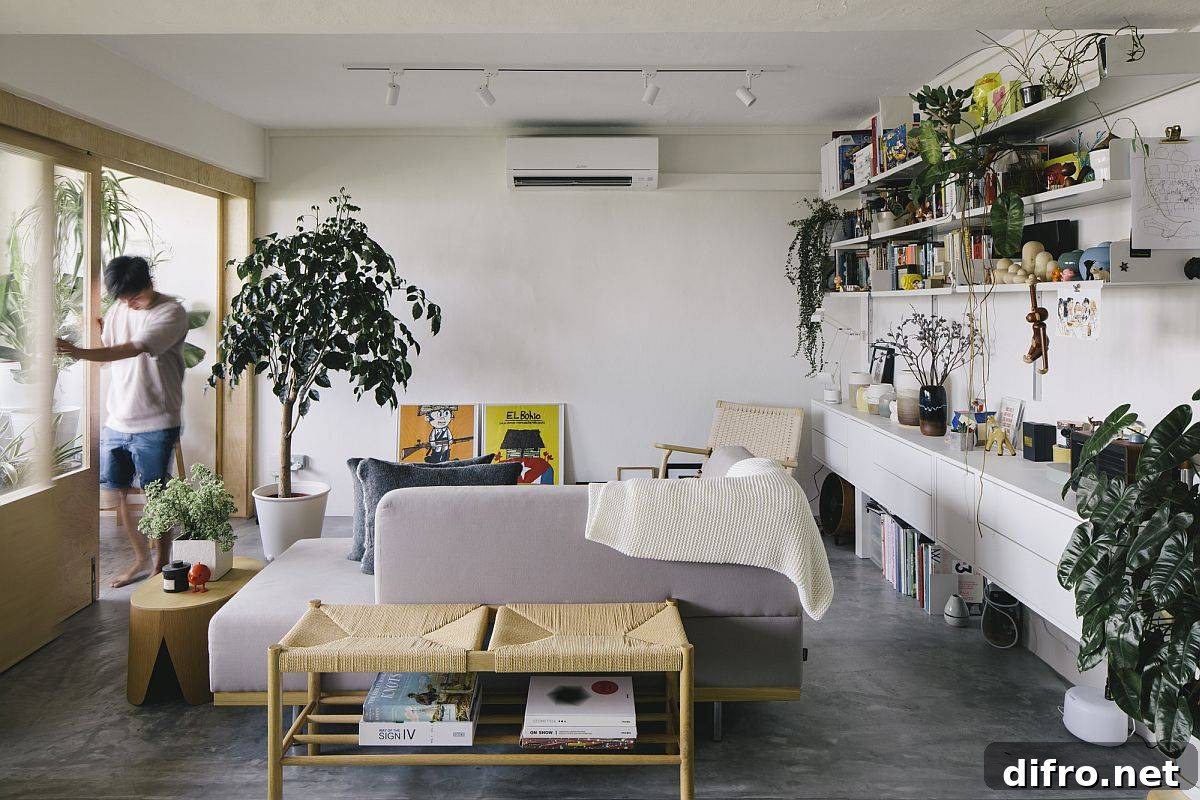
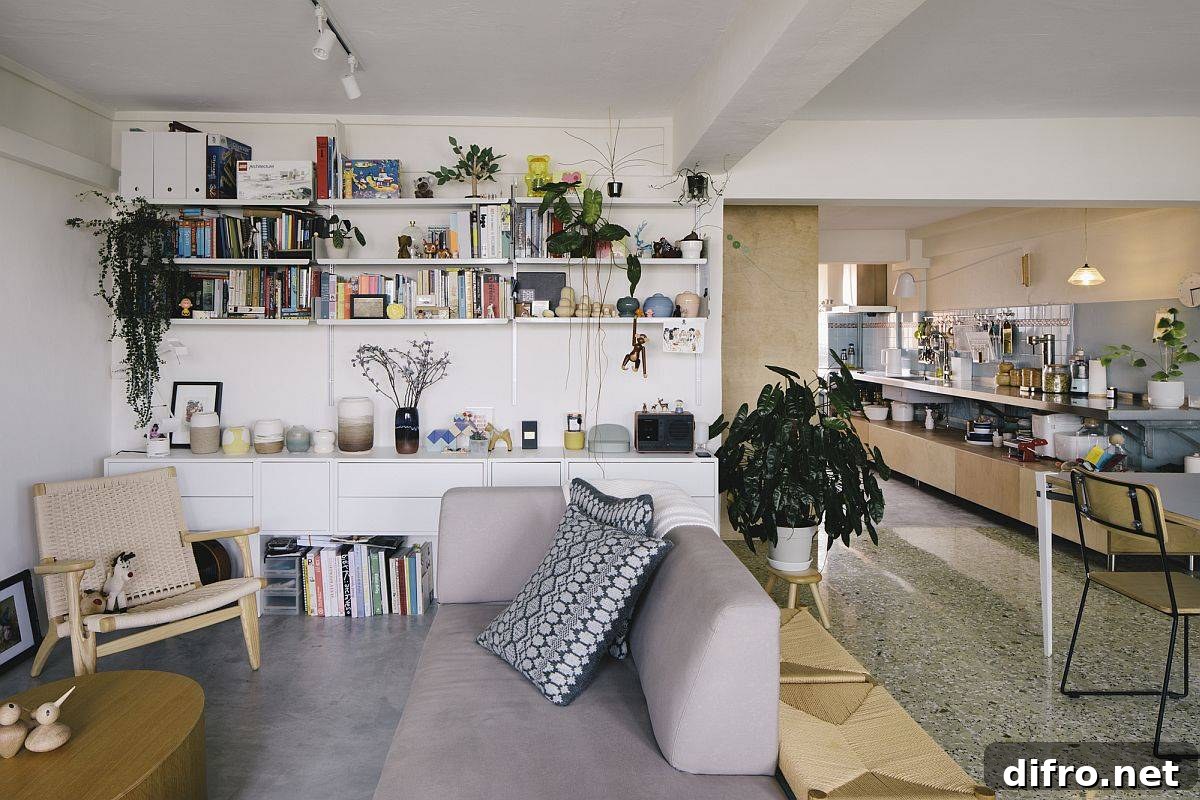
Storage and organization were central to the redesign. Custom wooden shelves and cabinets are integrated around the home to maximize usable space without cluttering it. These built-ins deliver practical storage while contributing warmth and texture to the interior, balancing the cool tones of tile and paint. Minimalist furniture, a compact sectional and carefully selected décor items keep the living room understated and airy, allowing each piece to perform both functional and aesthetic roles.
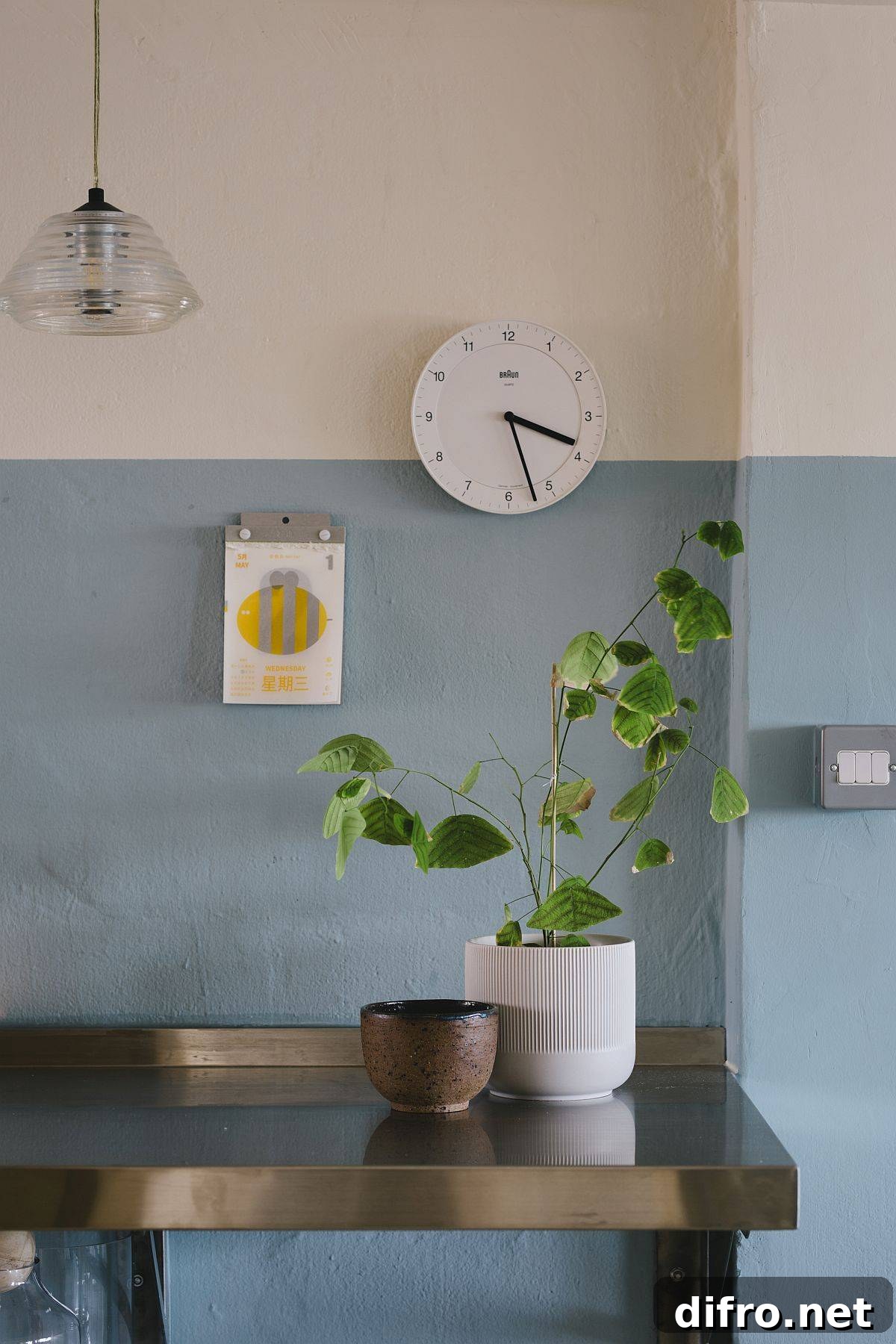
Natural light plays a major role in the apartment’s feel. Large openings, the sliding glass partition and a deliberate choice of light-reflecting finishes amplify daylight, creating an airy atmosphere that makes the compact footprint feel larger. The dining area benefits from pendant lighting that complements natural light and adds a warm focal point after sunset.
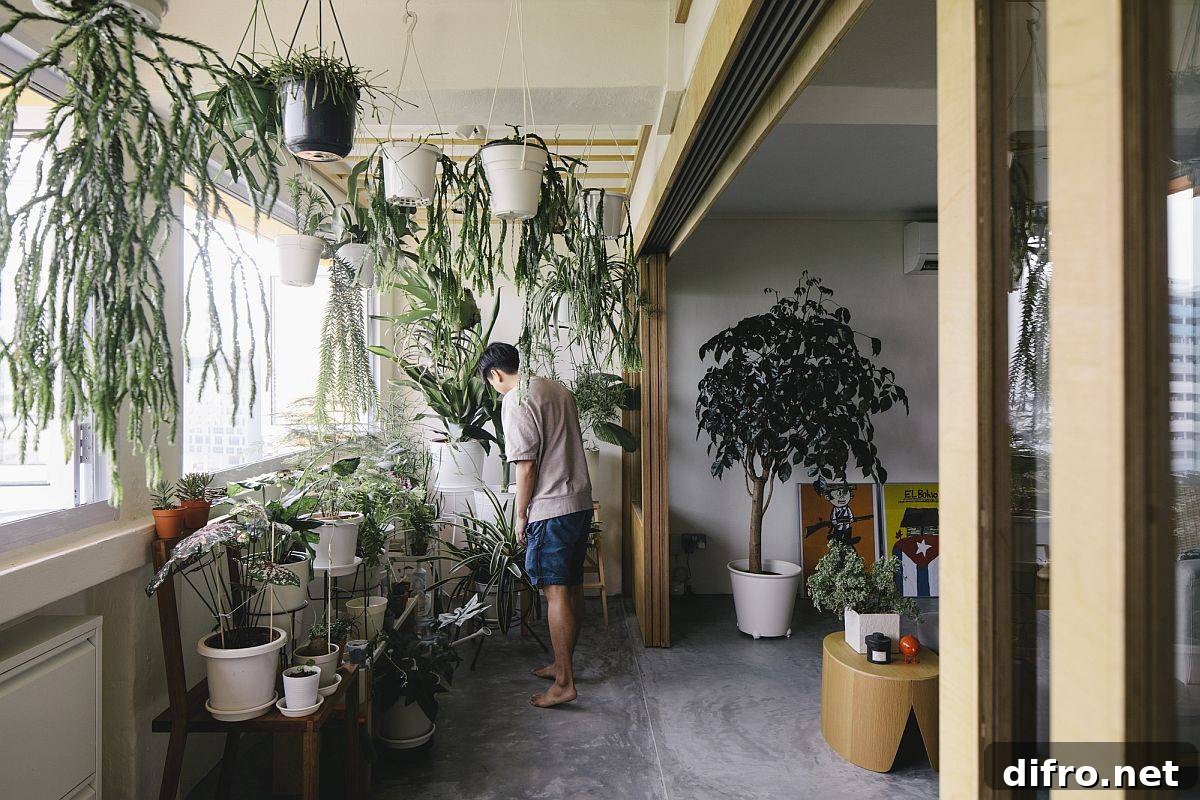
Tropical plants punctuate the apartment with greenery, creating a calming contrast to the predominantly blue-and-white palette and connecting the indoor spaces to the private balcony. Plants near the sliding doors further blur the line between inside and outside, inviting fresh air and a sense of nature into daily life.
The kitchen is compact but thoughtfully arranged, featuring custom wooden cabinetry and a blue-tiled backsplash that ties it visually to the living and dining areas. Practical layout choices and clever storage solutions make the kitchen efficient for everyday use while maintaining a clean, uncluttered look.
Overall, the Bukit Merah Apartment shows how modest HDB flats can be transformed with careful planning: retain meaningful original details, open up circulation, layer smart storage, and choose a consistent, light-reflecting palette. The result is a small but joyful home that feels roomy, bright and characterful—an efficient modern renovation that honors the flat’s history while adapting it to contemporary city living.
Photography credit: Studio Periphery.