Modern homes are often dominated by smooth, man-made surfaces and matching finishes. Even when you introduce different colors and styles, a modern kitchen can still feel monotonous if it lacks varied textures. A wooden breakfast bar is an elegant, simple way to break that uniformity: it adds warmth, tactile contrast and a more social atmosphere that naturally draws people together.
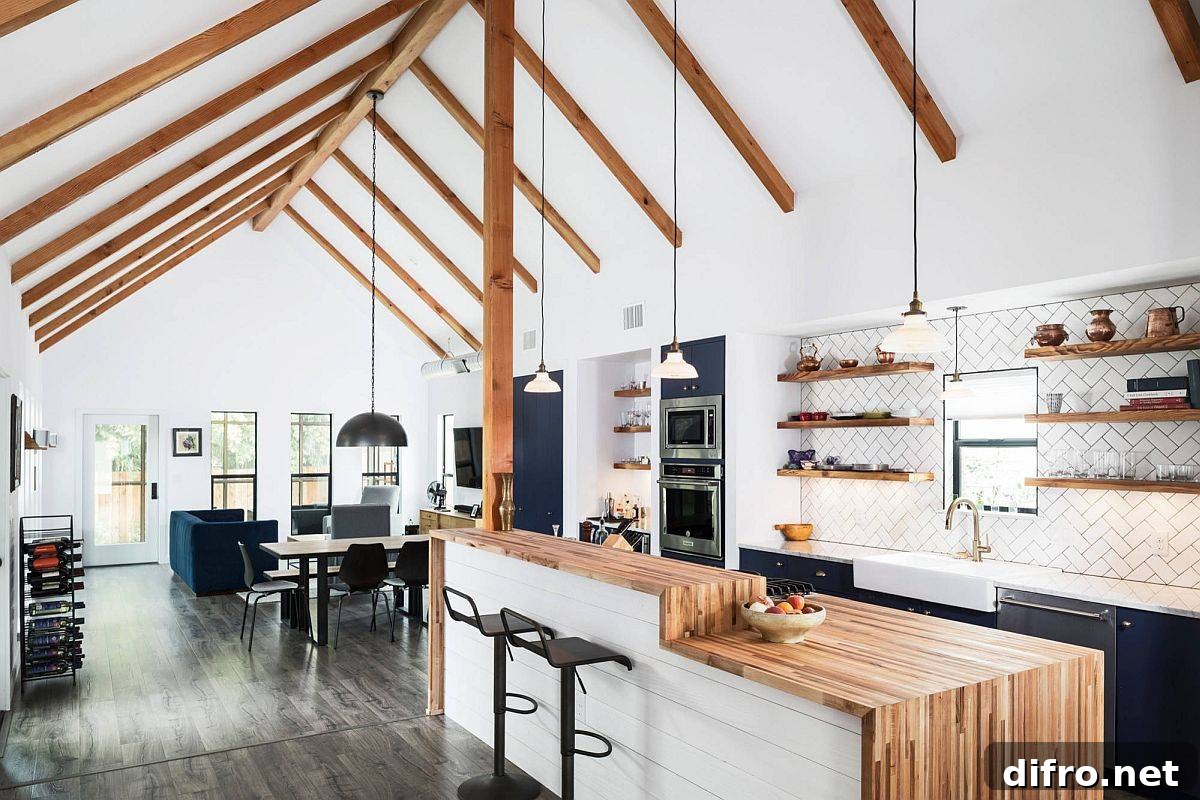
Breakfast bars are a trend for good reason: they turn even a compact kitchen into an inviting eat-in space and provide a spot for everything from a quick coffee to a family breakfast or an evening snack. You can choose from many materials—stone, marble, metal and wood—but a wooden breakfast bar brings unique character, warmth and versatility. Below are practical tips and inspiring ideas for incorporating the most attractive wooden breakfast bars into your kitchen, whether you want a casual dining nook, a home office surface, or an integrated social hub.
Breakfast Bar Basics
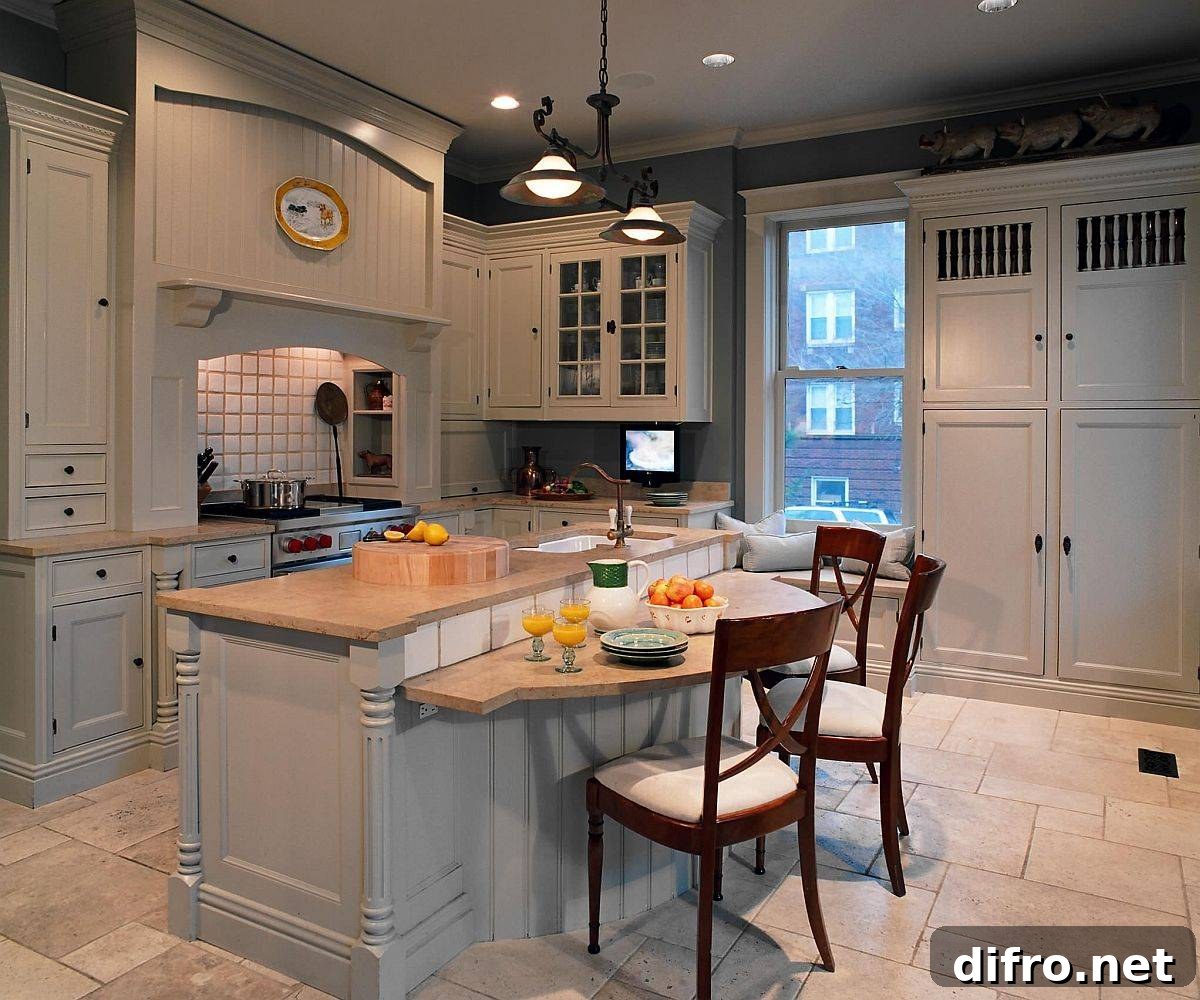
A successful breakfast bar should feel like a natural extension of the kitchen. Even when the material differs from surrounding surfaces, its proportions and ergonomics should harmonize with the space. The classic rectangular bar, aligned with an island, is the most common approach and suits many layouts. Some bars are set slightly higher or lower than the main countertop to define the space visually and functionally. Wood adapts beautifully to all these variations: it works well as a flush extension, a raised ledge, or an inset counter, and it complements both modern and traditional cabinetry.
Size and Style of Your Kitchen
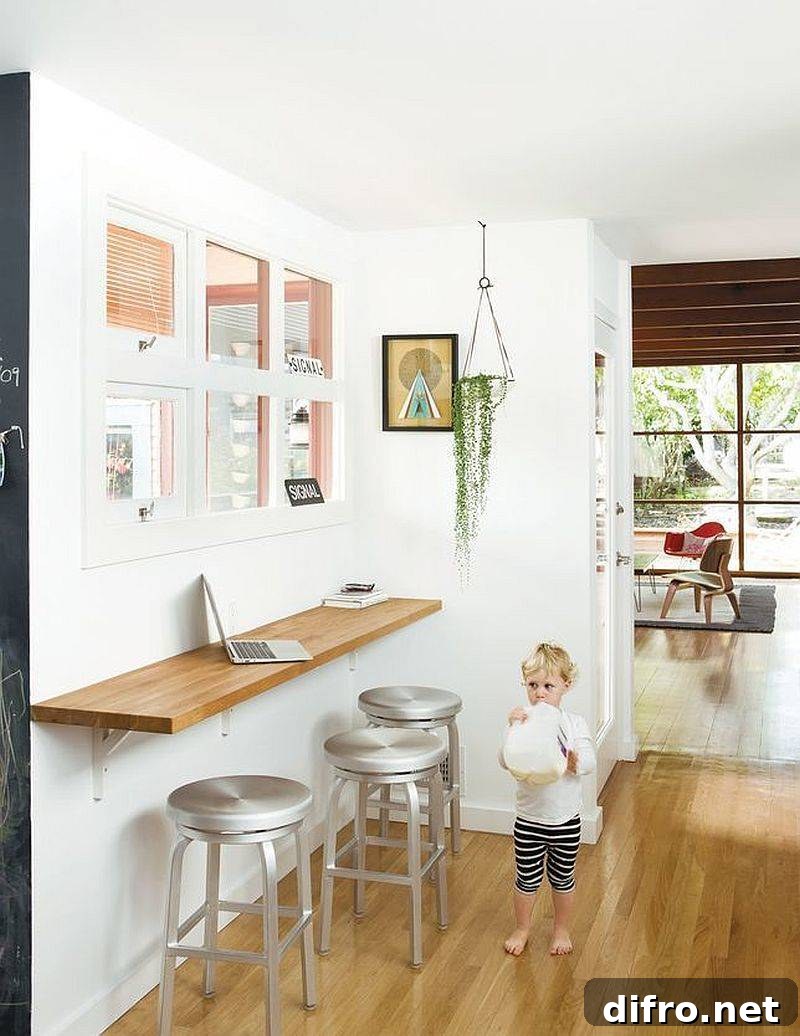
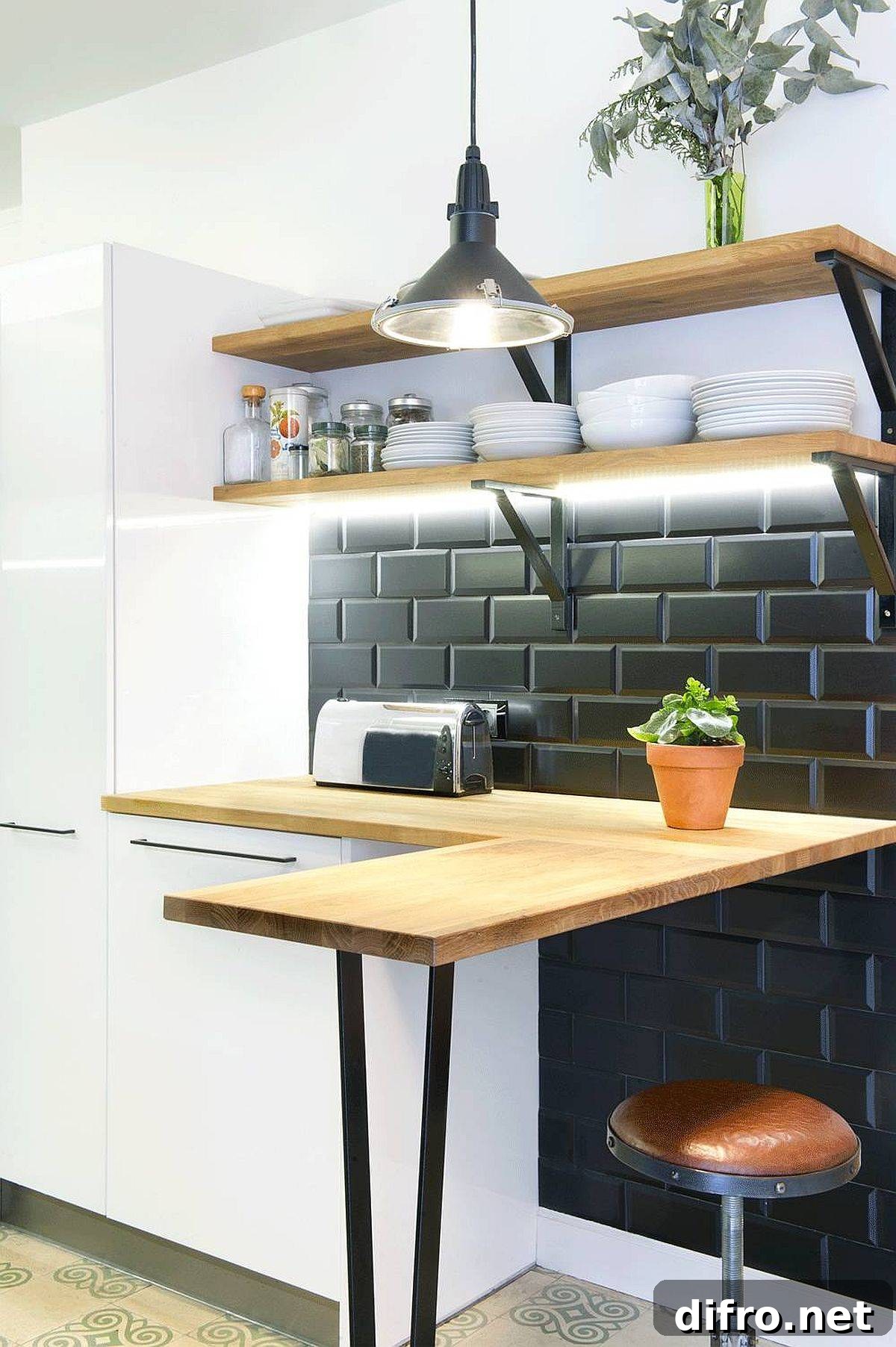
Large kitchens naturally accommodate broader breakfast bars and longer islands, but small kitchens can benefit from compact, well-designed wooden bars that preserve floor space while maximizing function. A narrow, rectangular bar works well for many compact layouts; an L-shaped bar can create extra seating, encourage conversation and better use corner space. Choosing the right scale preserves flow and keeps the kitchen comfortable for movement and activity.
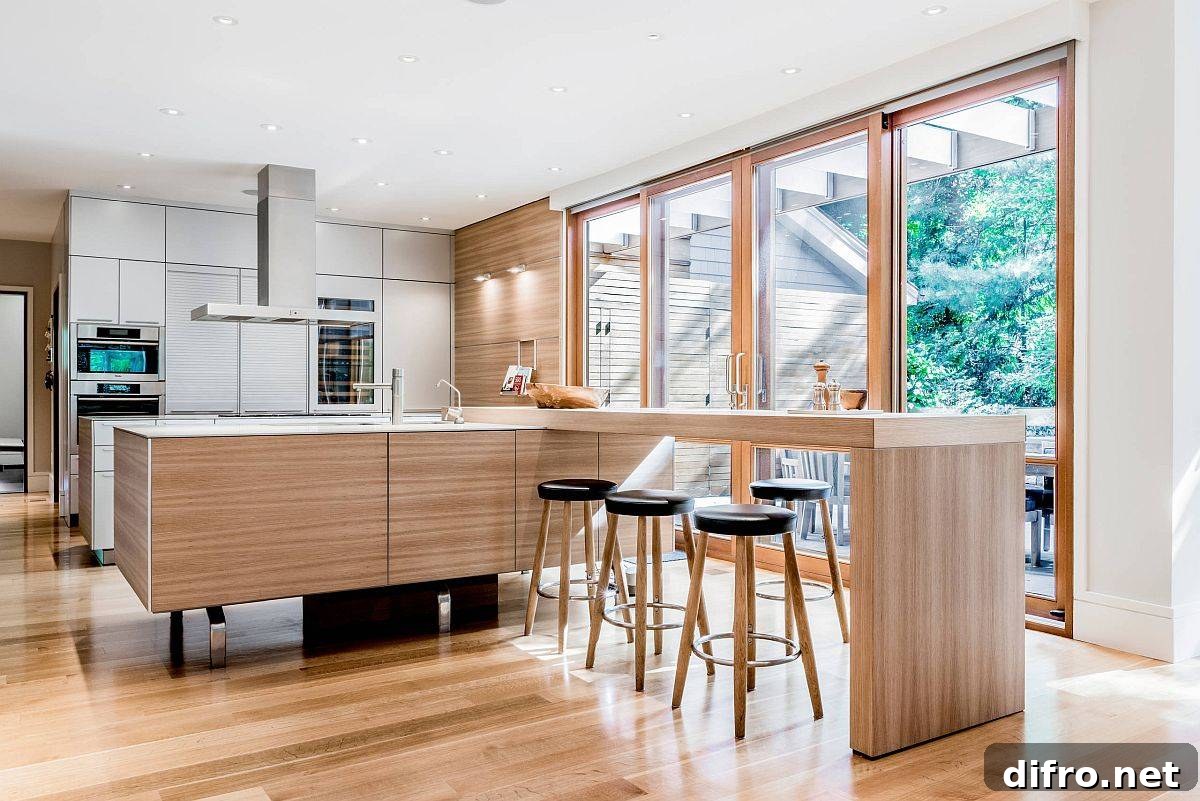
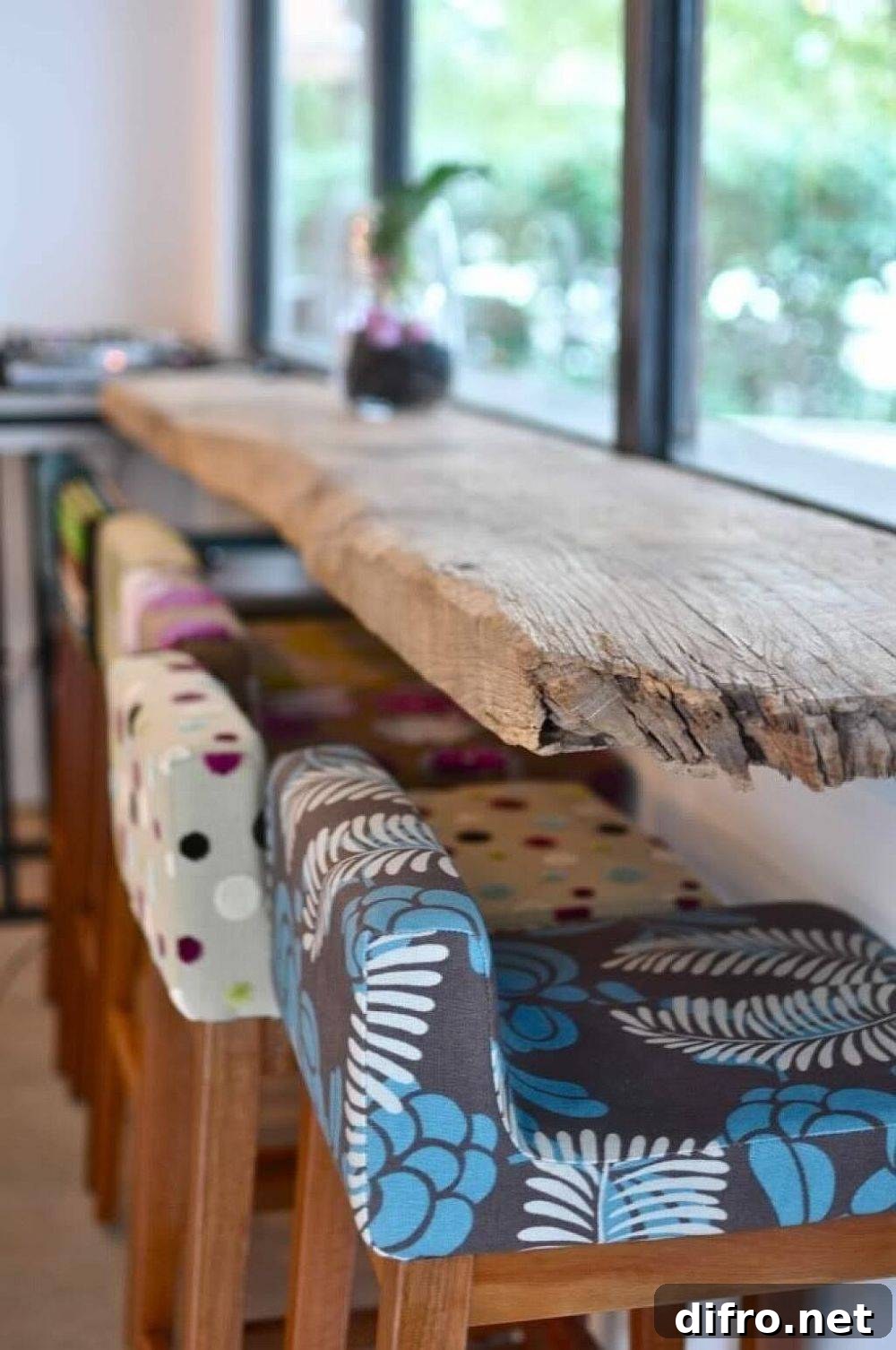
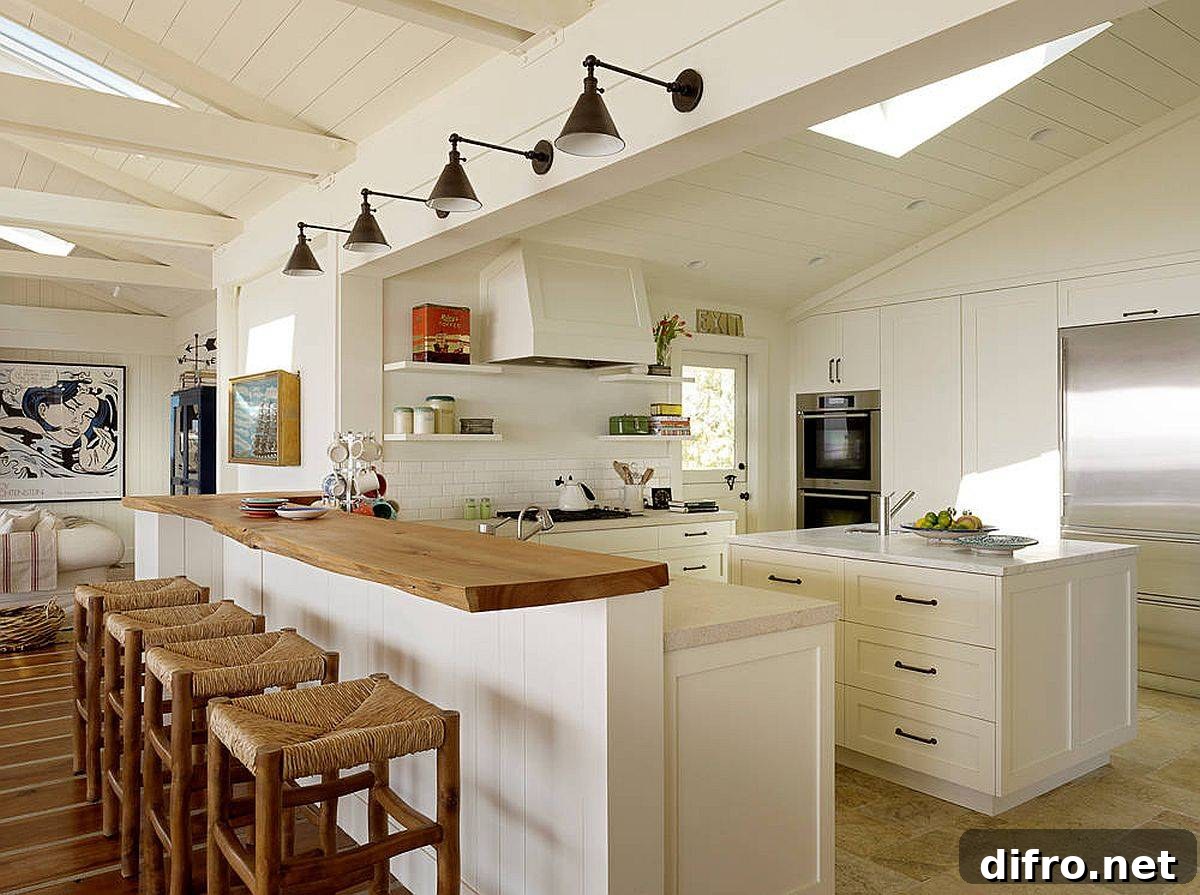
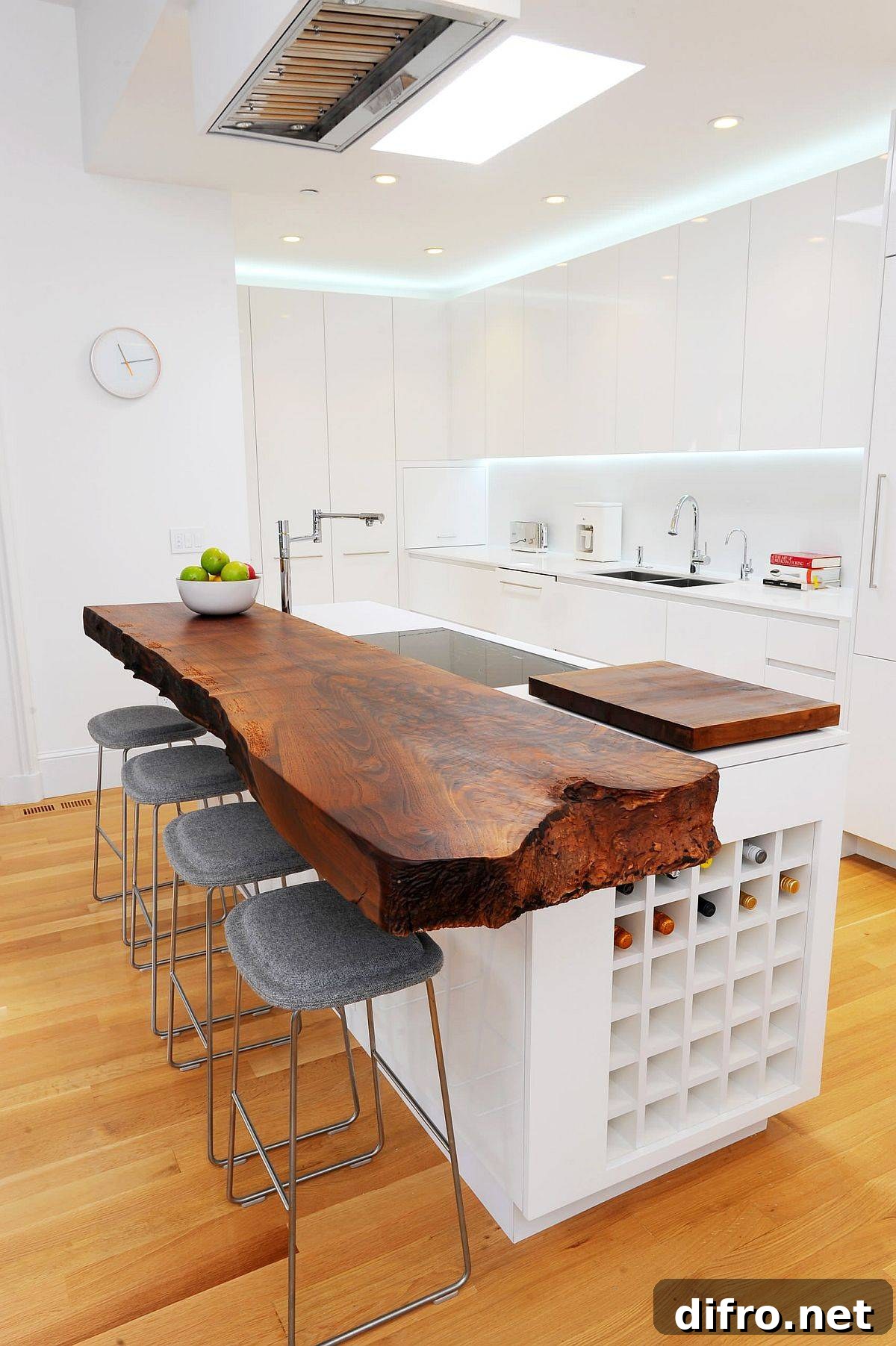
If your kitchen leans rustic, farmhouse or Mediterranean, a live-edge wooden breakfast bar celebrates the natural grain and irregular outline of the timber, delivering an organic, handcrafted look. For modern, traditional or Scandinavian kitchens, a smoothly planed wooden bar—stained, oiled or painted—can either match the island or provide a subtle contrast in tone and texture. In every case, think about finish and maintenance: sealed or oil-treated wood resists stains and moisture while preserving the wood’s beauty.
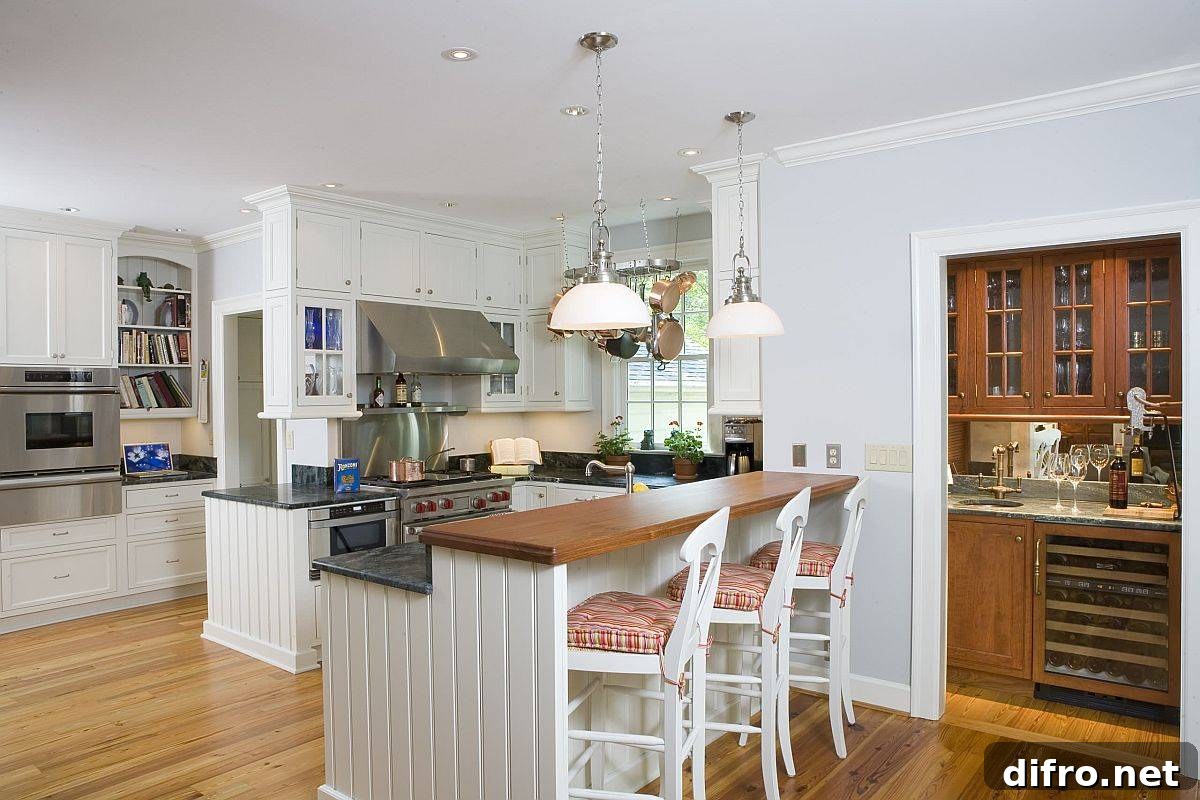
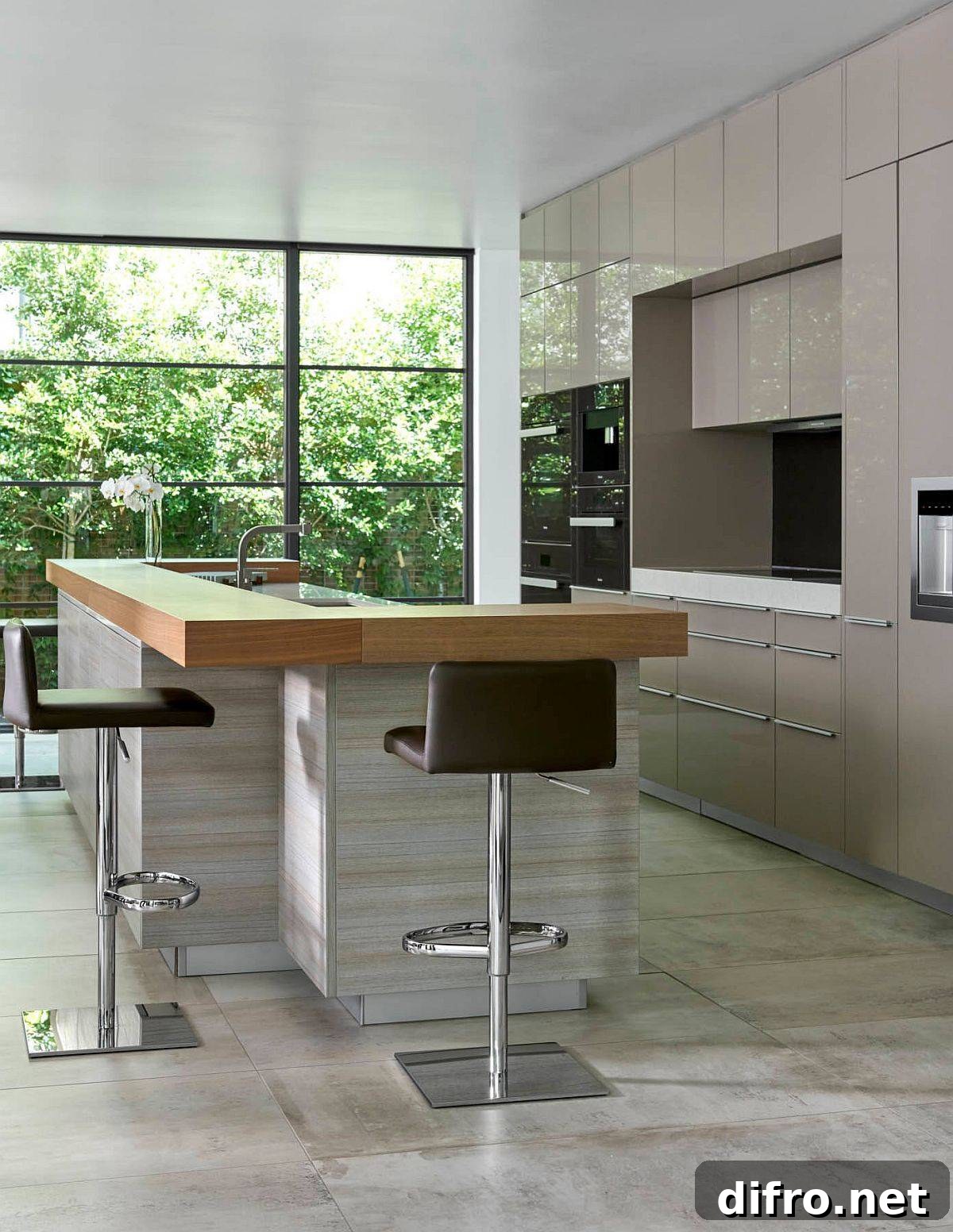
Adding That Something Special
A wooden breakfast bar doesn’t have to be limited to the island. It can sit beneath a window as a bright morning perch, occupy an unused corner as a slim workstation, or extend beyond the island to define a dining edge. Consider curved or cantilevered designs for visual interest, or incorporate subtle lighting—such as backlit LED strips under the lip—to create atmosphere. Pair the bar with comfortable stools at the correct height and add functional details like power outlets for laptops or a small under-counter shelf for storage.
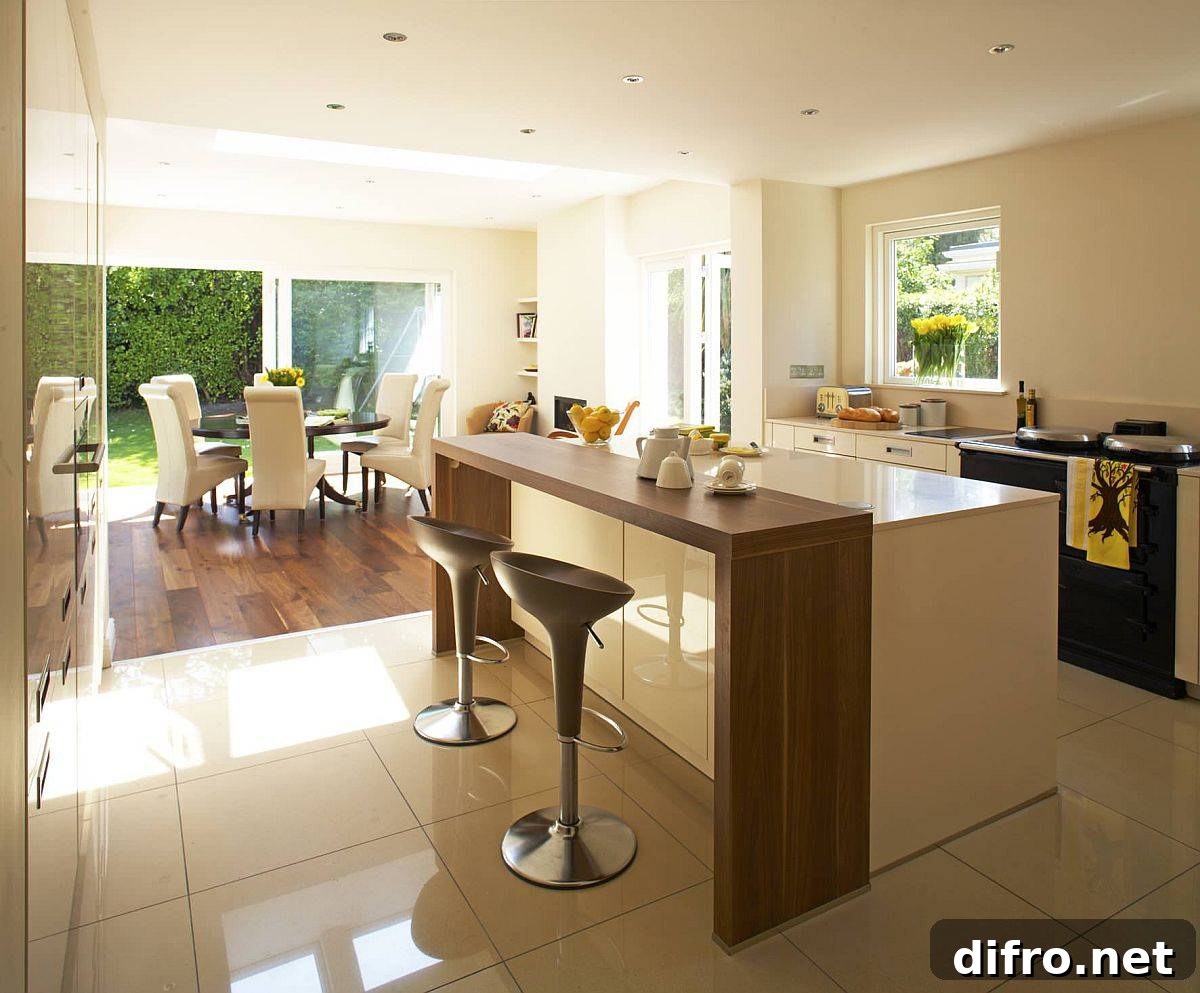
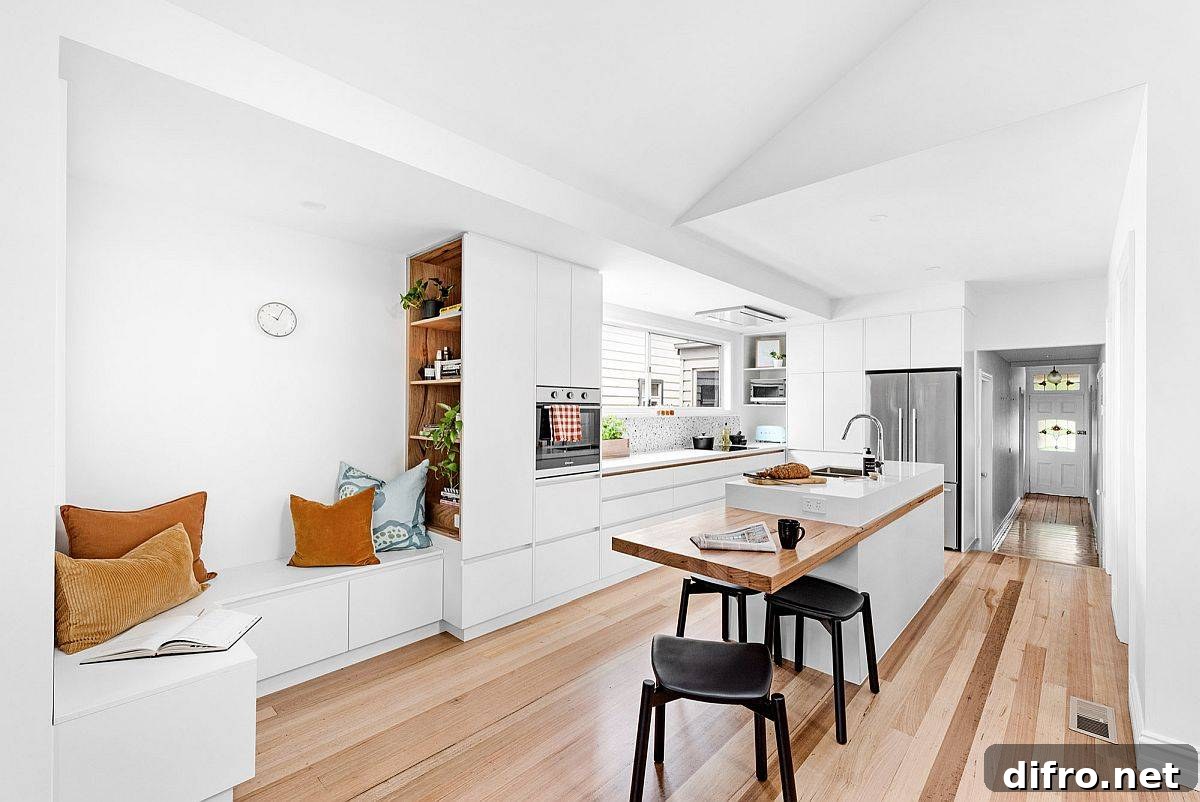
Wooden breakfast bars are versatile: they can be the warm focal point of a monochrome kitchen or the contrasting element that brings a layered, curated look. With the right proportions, finish and placement, a wooden bar transforms your kitchen into a more inviting, functional and social space—perfect for mornings, casual meals and even work-from-home moments.