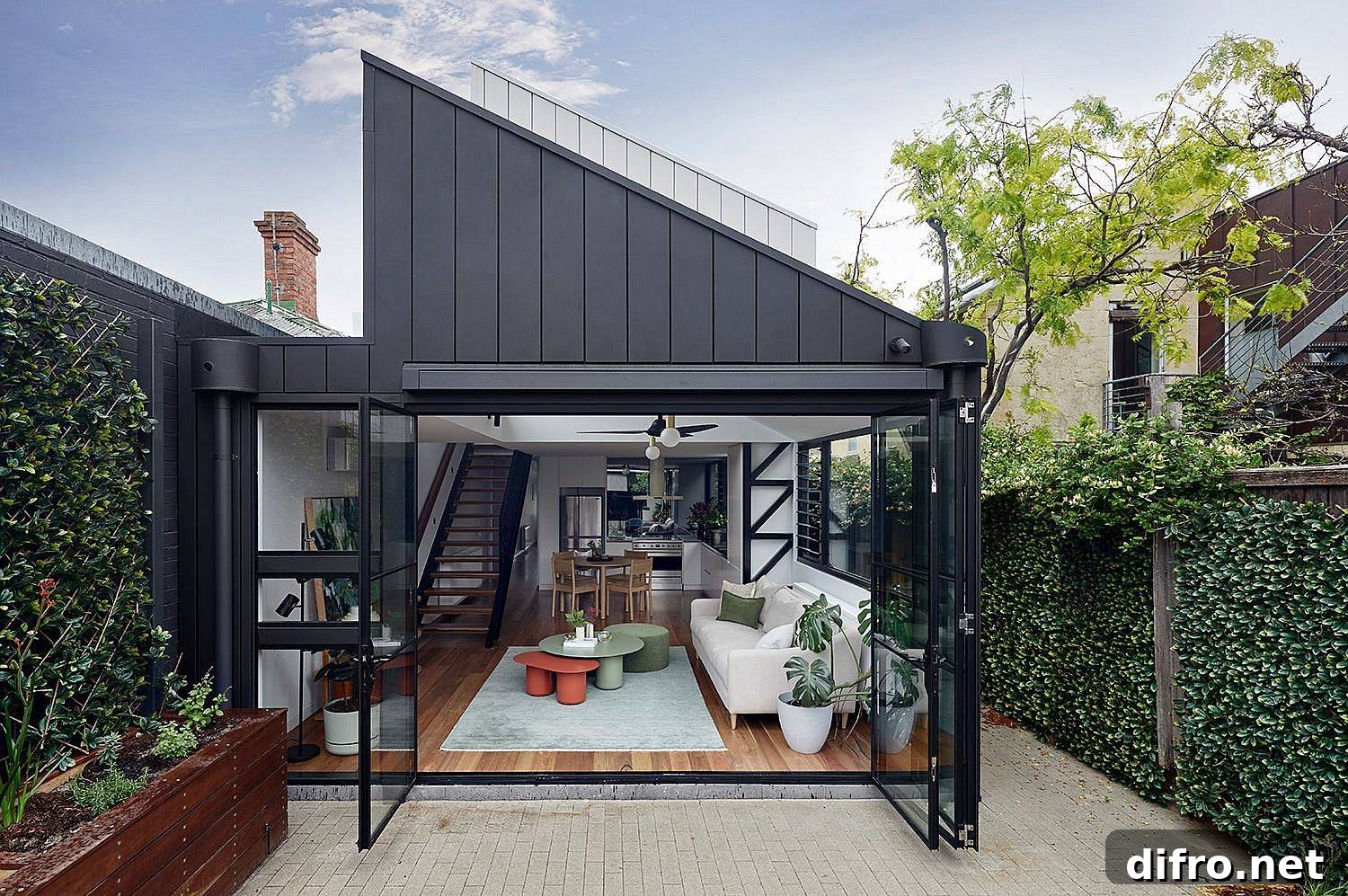
Wongi House, Fitzroy North — Restoring a Heritage Facade with a Modern Rear Extension
Nestled in the busy suburban streets of Fitzroy North, the Wongi House was originally constructed in the early 1900s. Like many heritage residences in the area, it required a sensitive renovation that respected its history while introducing a functional, contemporary interior. The homeowners sought an interior that felt fresh, welcoming and modern, yet preserved the character of the historic street façade. When the architects from Ben Callery Architects examined the property, they found the original façade in such poor condition that it needed to be reconstructed rather than merely repaired. The project therefore focused on balancing faithful restoration at the street edge with a bold, modern extension at the rear.
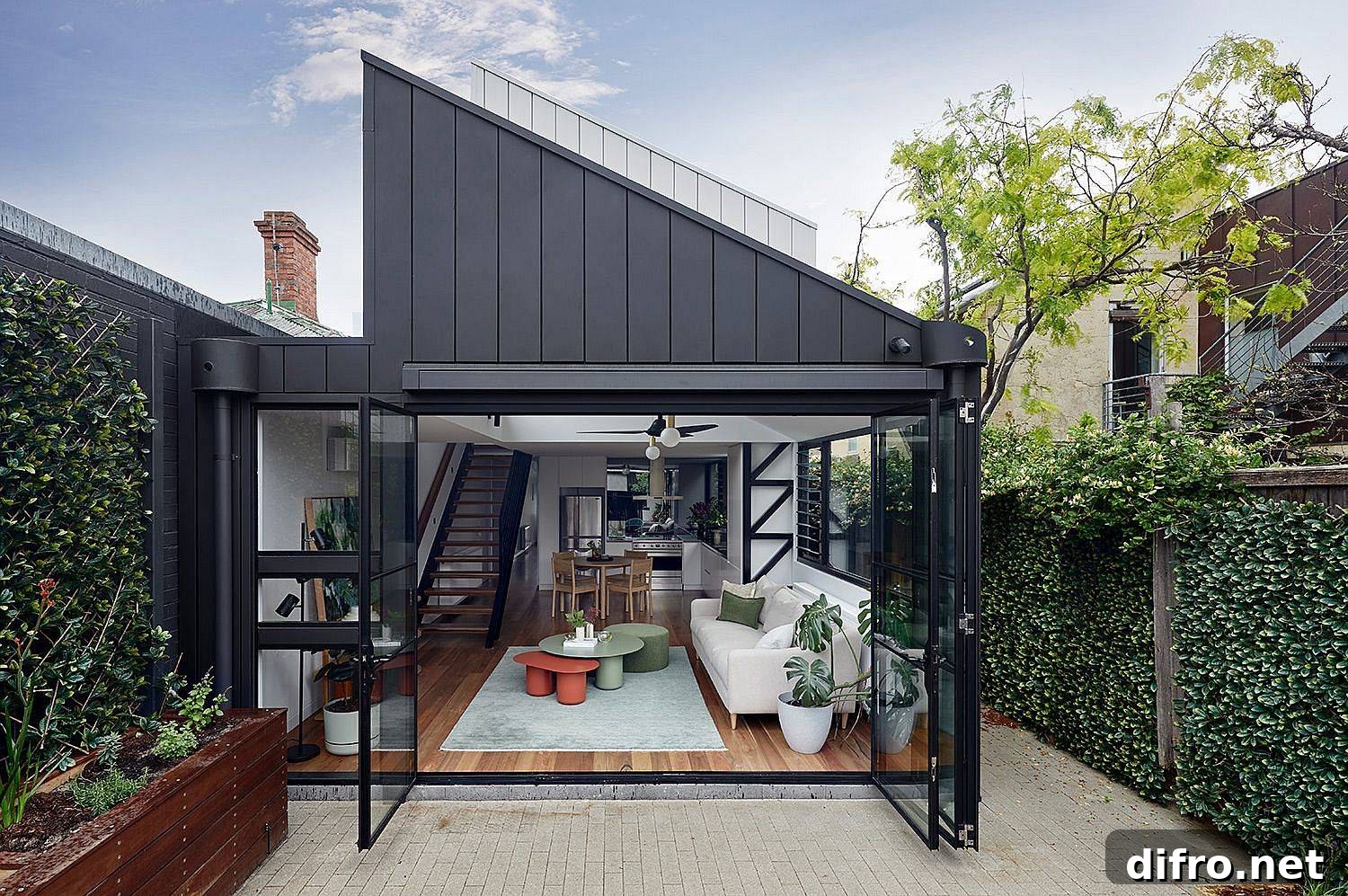
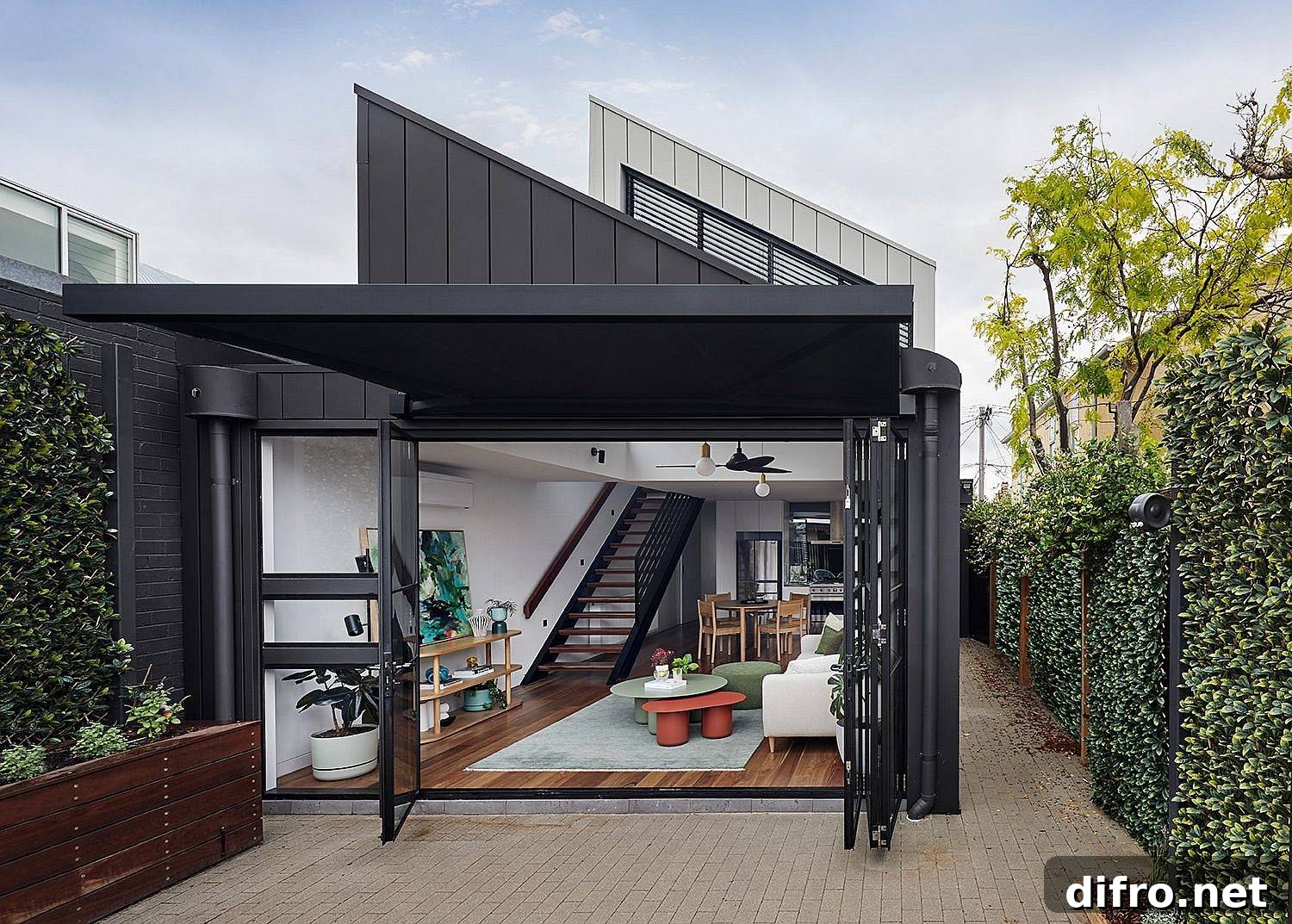
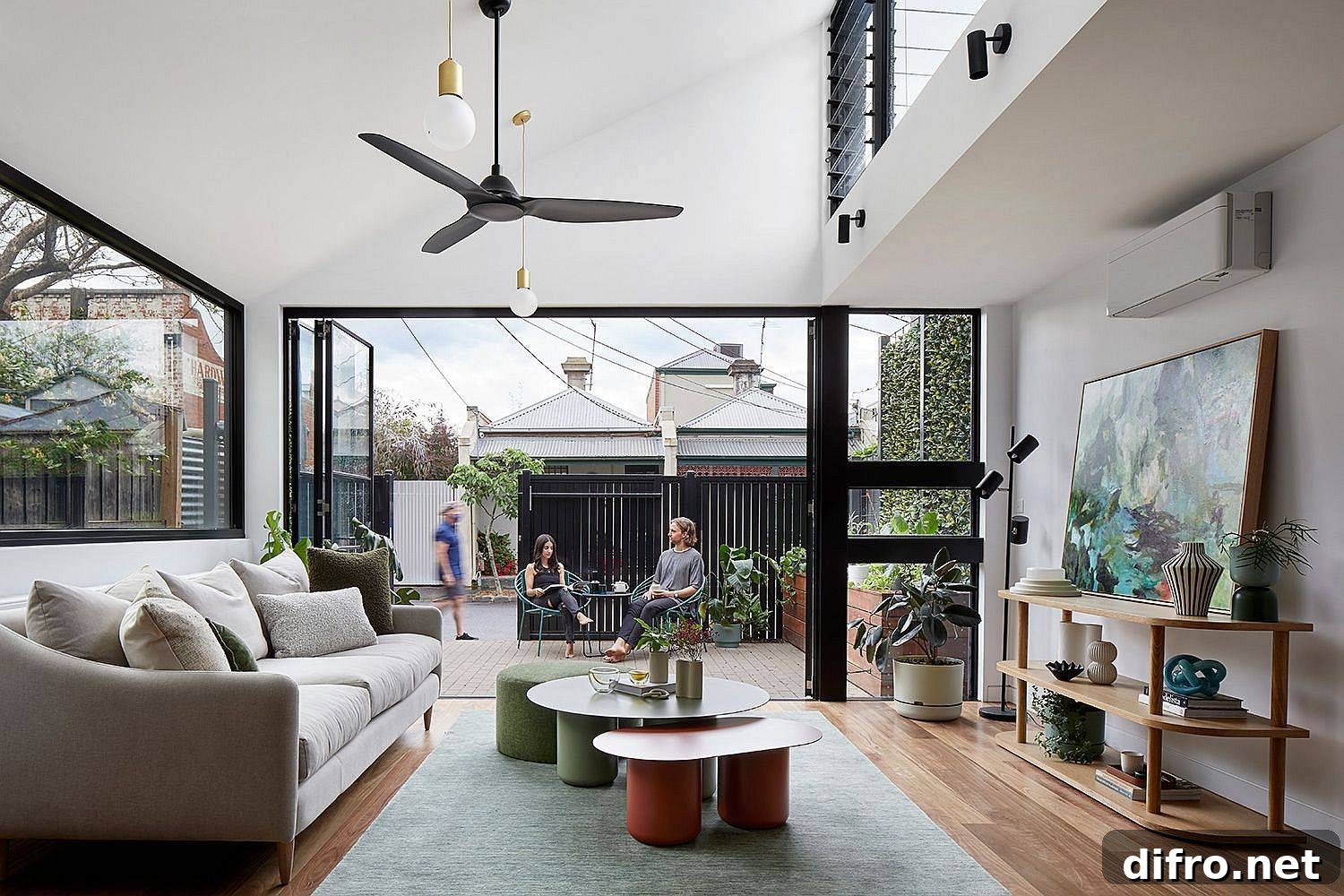
The new extension is discreetly positioned at the rear of the house so the street scene retains its historic charm while the family gains generous, modern living spaces out back. The extension’s exterior is clad in a dark finish, contrasted by large bi-fold glass doors, generous windows and adjustable awnings that provide both daylight and controlled shading. These operable elements allow the interior to open directly onto a substantial 150-square-meter deck, effectively extending the living space into the garden and creating a strong indoor–outdoor connection.
Interior Design: Neutral Palette and Natural Materials
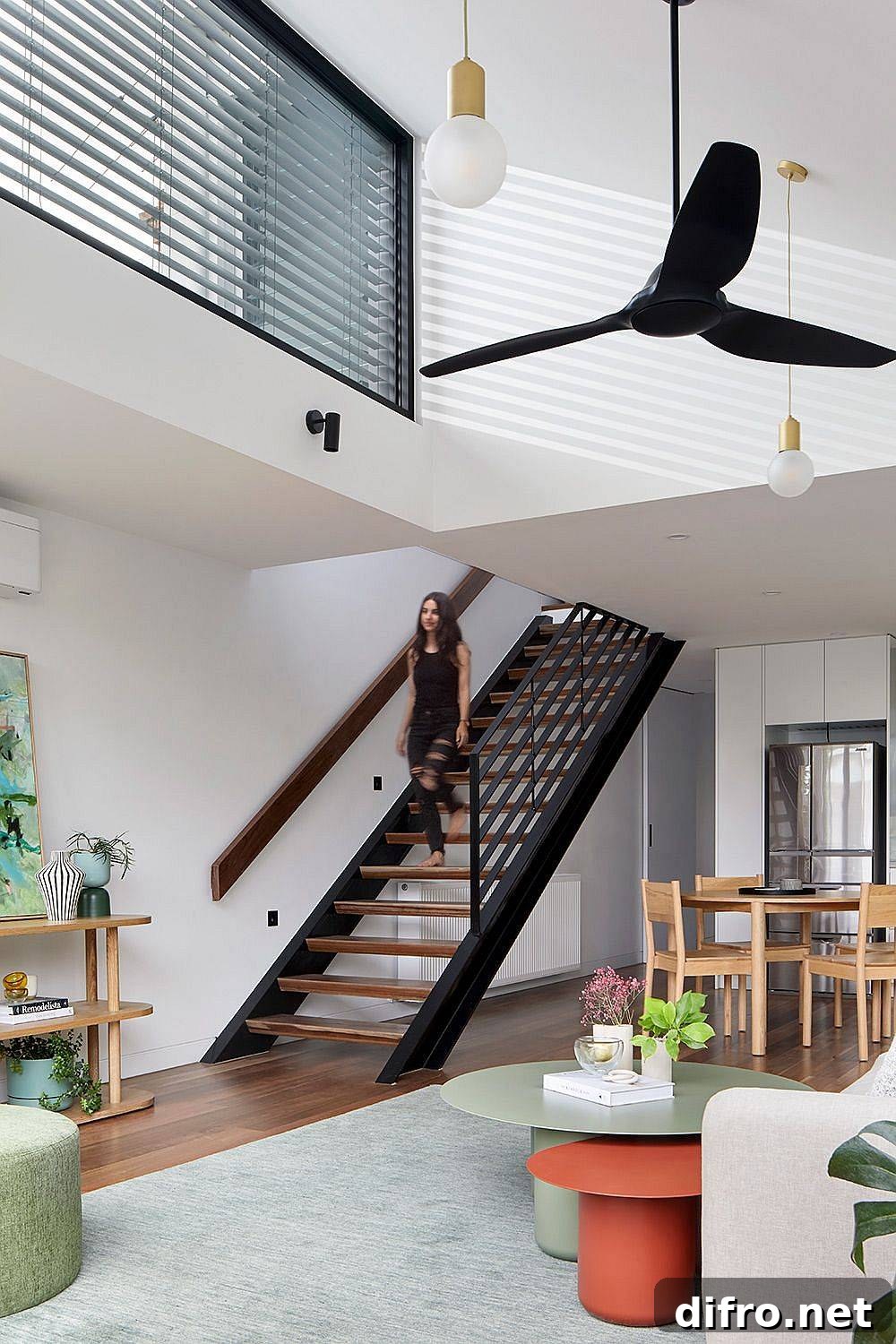
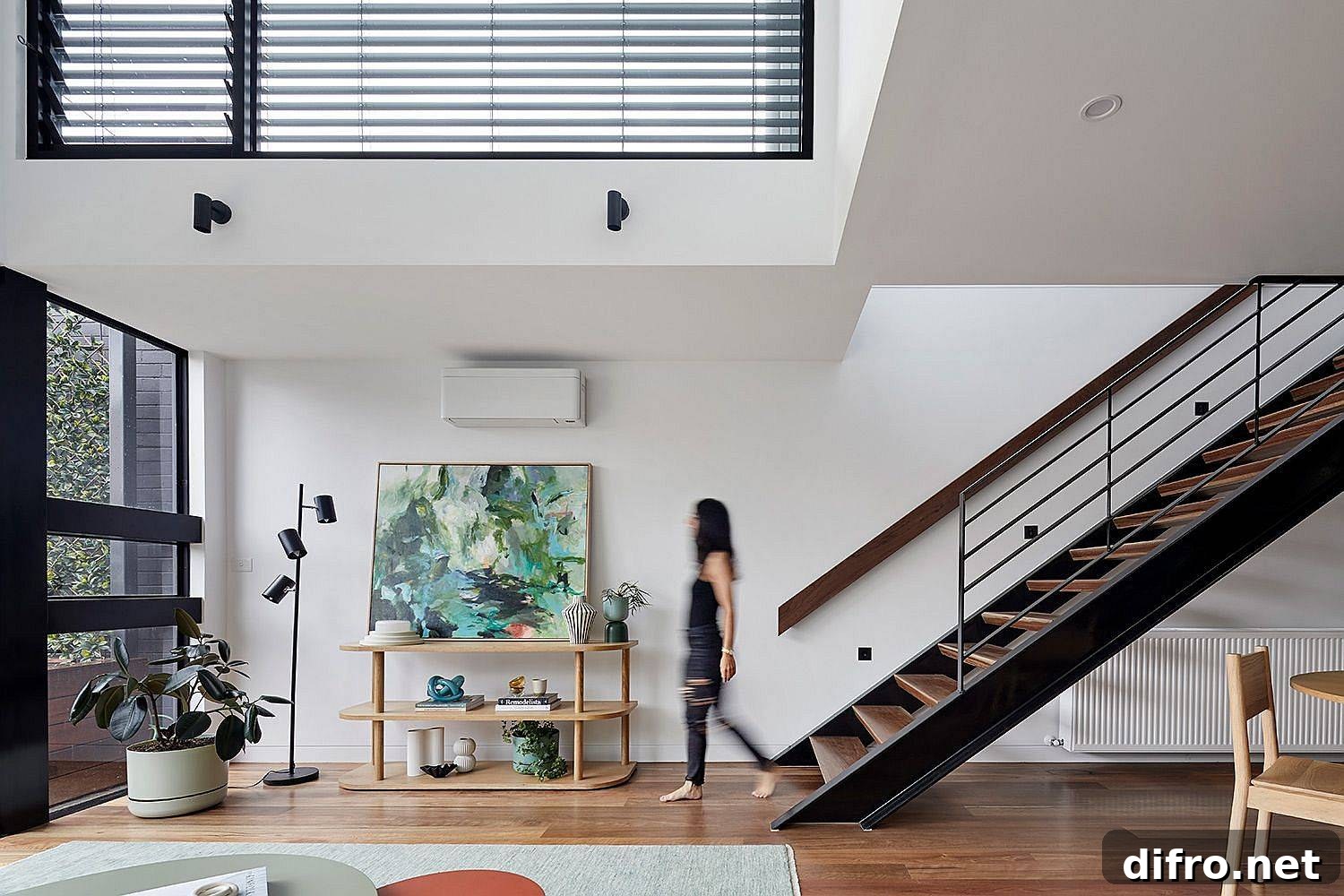
Inside, the renovation favors a restrained, neutral palette that emphasizes light and material warmth. A white backdrop combined with timber floors creates an airy, contemporary atmosphere while allowing furniture and finishes to stand out. The living spaces take advantage of volume and daylight: a double-height room at the rear brings in abundant natural light through operable windows, helping to ventilate the home and give the communal spaces an expansive feel.
Practical Comfort and Sustainable Strategies
Along with aesthetic upgrades, the project incorporated practical strategies for comfort and energy efficiency. Passive solar heating and cooling techniques were used to harness natural light and ventilation, reducing reliance on mechanical systems. The large glazed openings and adjustable shading help control heat gain and daylight, while the placement of windows supports cross-ventilation. These measures contribute to a comfortable interior year-round while aligning with contemporary expectations for sustainable domestic design.
Bedrooms and Custom Joinery
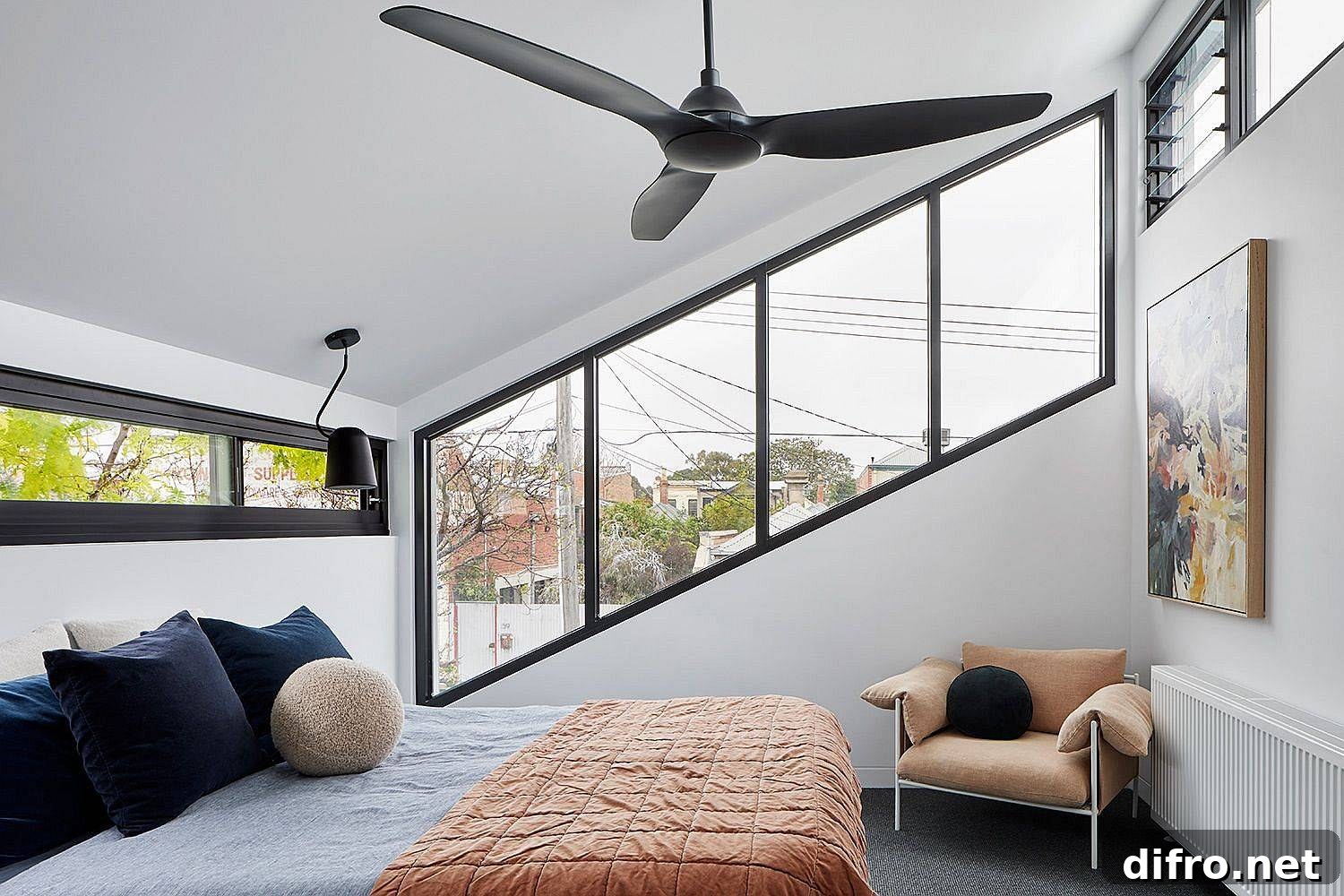
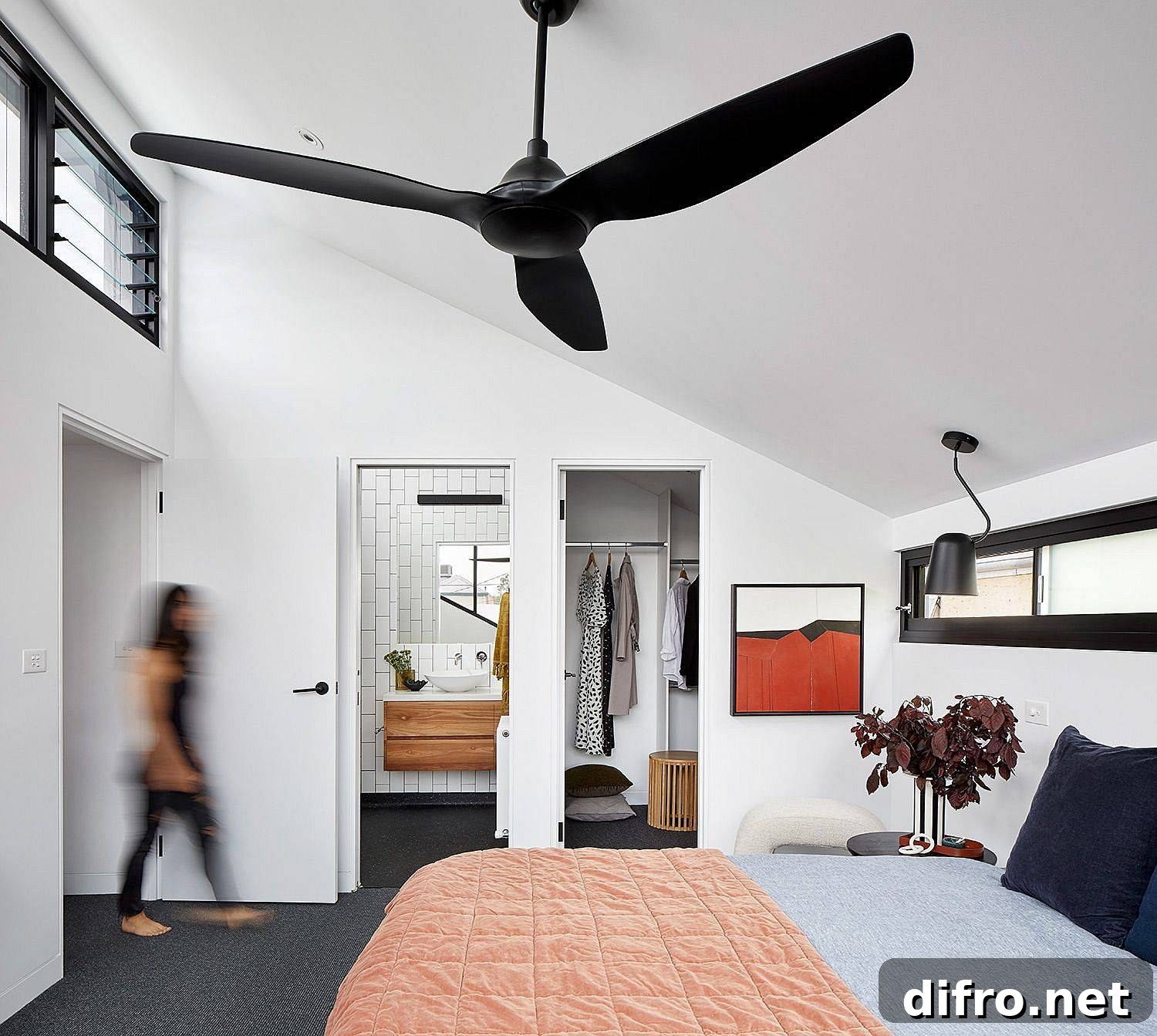
The extension added a master bedroom plus two additional bedrooms, each designed to receive natural light and framed views through carefully placed windows. Custom window details bring both daylight and outlook into the upper-level rooms, balancing privacy with a feeling of connection to the surrounding environment. Thoughtful joinery and finishes throughout the bedrooms and circulation spaces reinforce a cohesive material palette that complements the historic elements preserved at the front of the property.
The owners named the house WONGI, after the West Australian tribe (Wangkatha) to which Kate’s maternal grandmother belonged. Wongi also refers to an informal conversation. In this project, the house becomes a conversation between past and present—honouring how things were done then while exploring how they can be done now. The owners committed, both physically and symbolically, to use the past to look forward.
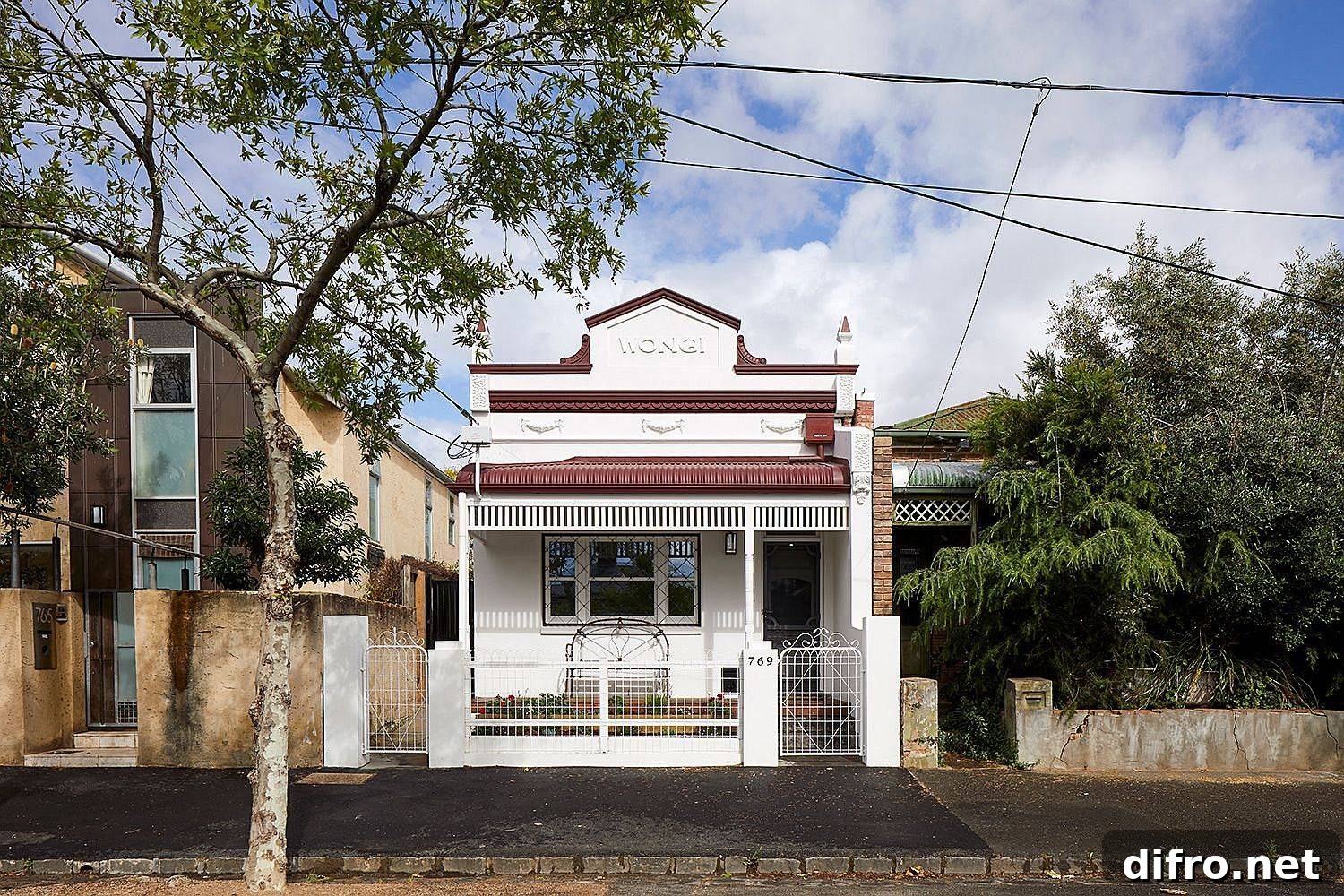
Wongi House demonstrates how careful design can restore a neighbourhood’s heritage character while delivering modern comfort and contemporary living. By reconstructing the street façade and placing a considered, dark-clad extension at the rear, the project preserves the public face of the home while creating layered, light-filled spaces that suit today’s lifestyle.
Photography: Tatjana Plitt