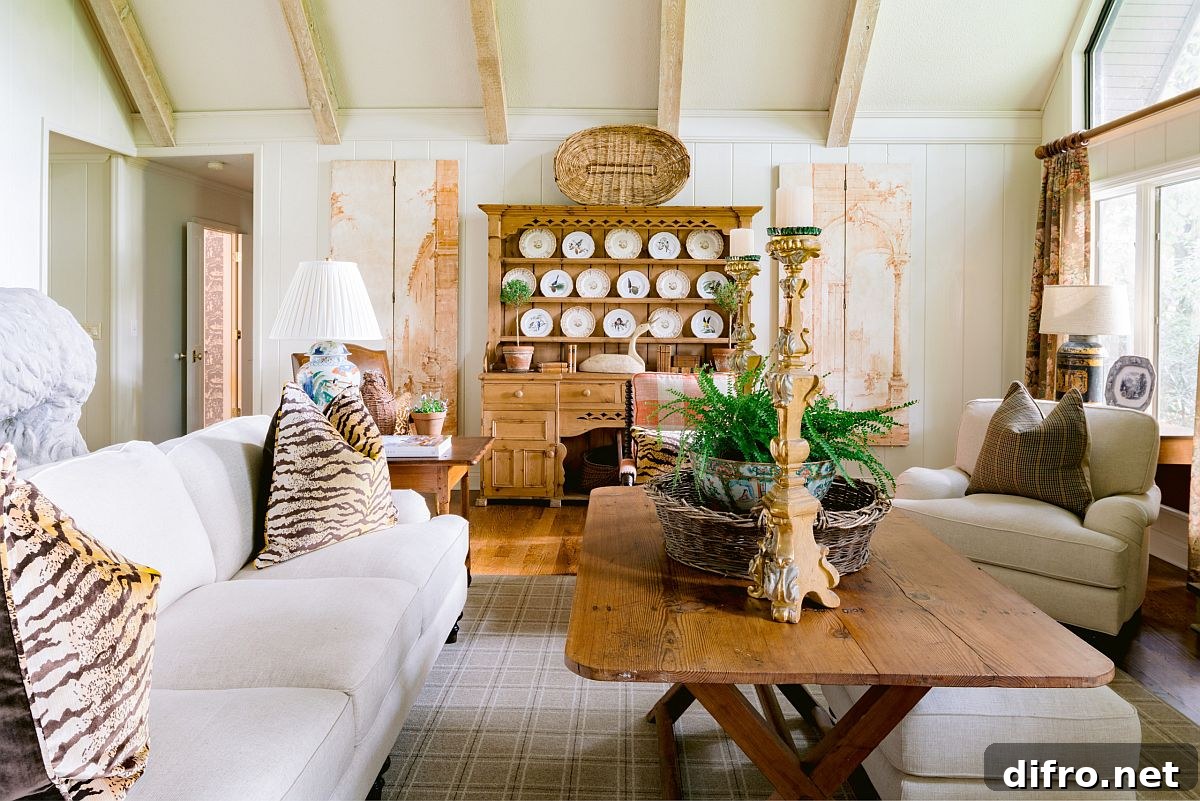
Changing your home’s style every so often can be refreshing. Not everyone wants a complete makeover—some prefer to tweak details—but if you’re ready for a new look in your living room or planning a new house, the farmhouse aesthetic has many advantages. Farmhouse style is straightforward, welcoming, and often budget-friendly. A well-executed farmhouse style living space feels both cozy and stylish, creating the perfect spot for family gatherings and relaxed socializing.
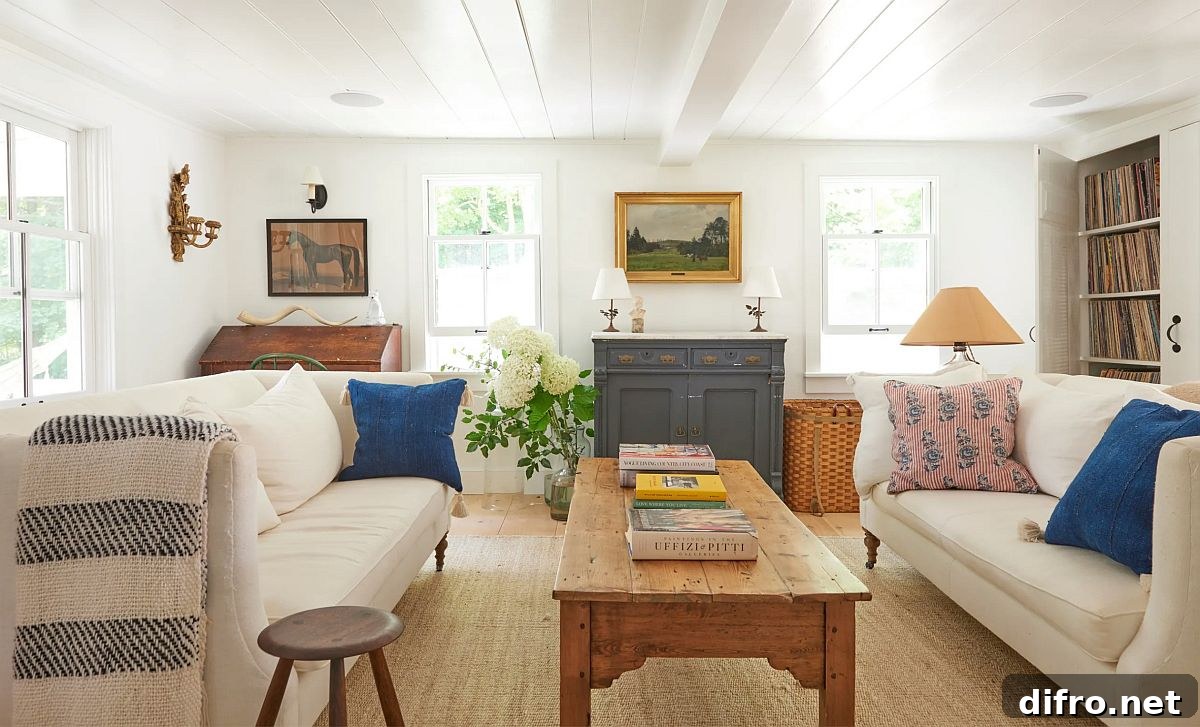
The appeal of modern farmhouse style comes from blending rustic character with contemporary comforts. It pairs practical, comfortable furnishings with warm, lived-in textures so the living room becomes the heart of the home. When paired with a similarly styled smart kitchen, you get ideal open-plan living. Below is a practical guide to achieving the farmhouse look in your living room, covering layout, finishes, colors and accessories.
Going Back to the Basics
At its core, modern farmhouse design is down-to-earth. It encourages you to embrace vernacular architecture and everyday materials, then pair them with modern functionality. Different regions adapt the look in their own ways, but the spirit is consistent: natural, unpretentious and functional. A farmhouse living room doesn’t have to be perfect or overly curated; its charm often lies in subtle imperfections and practical touches.
Embracing Vernacular Elements
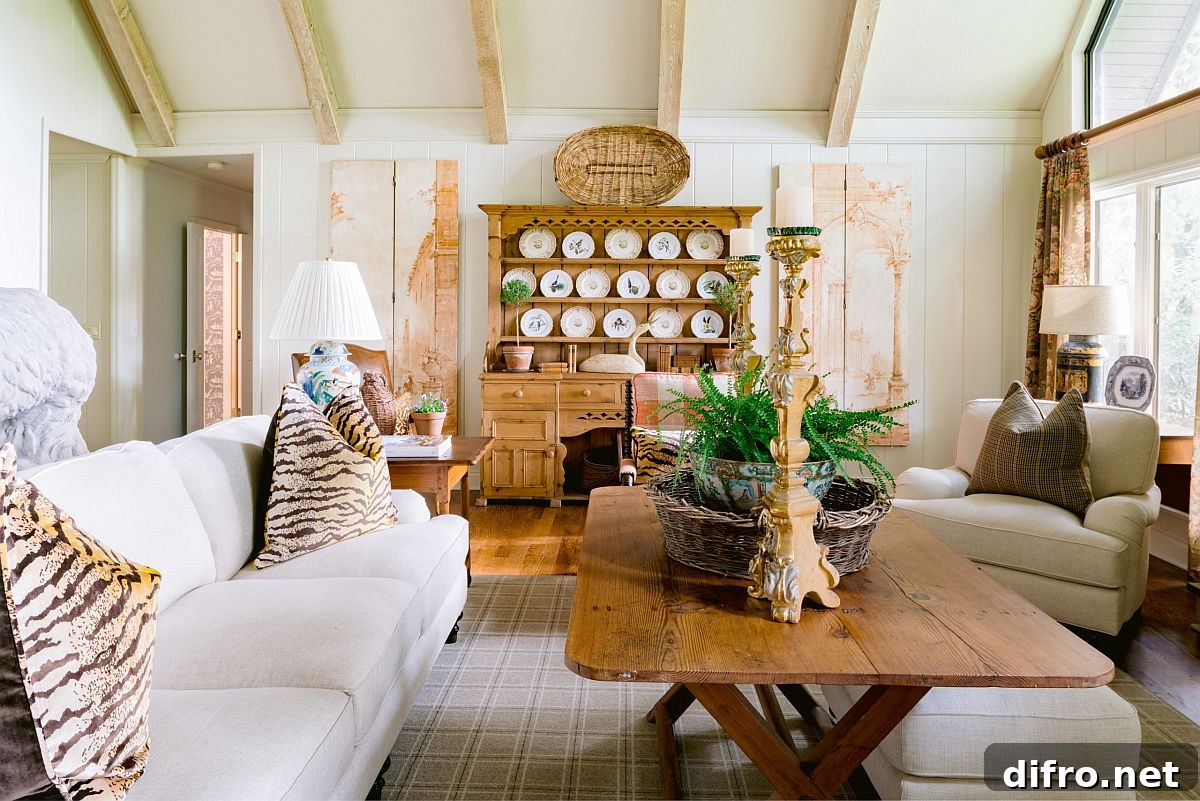
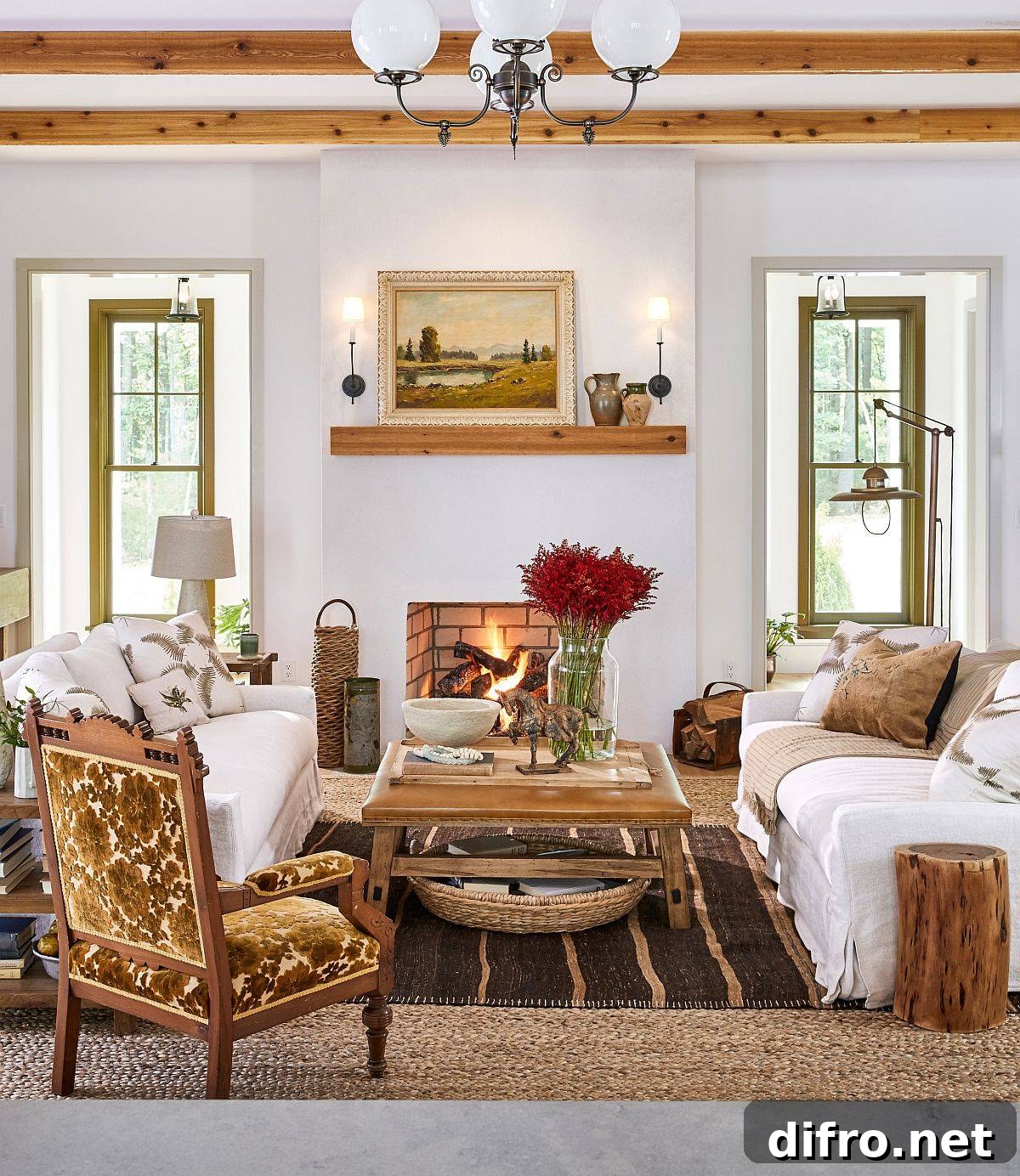
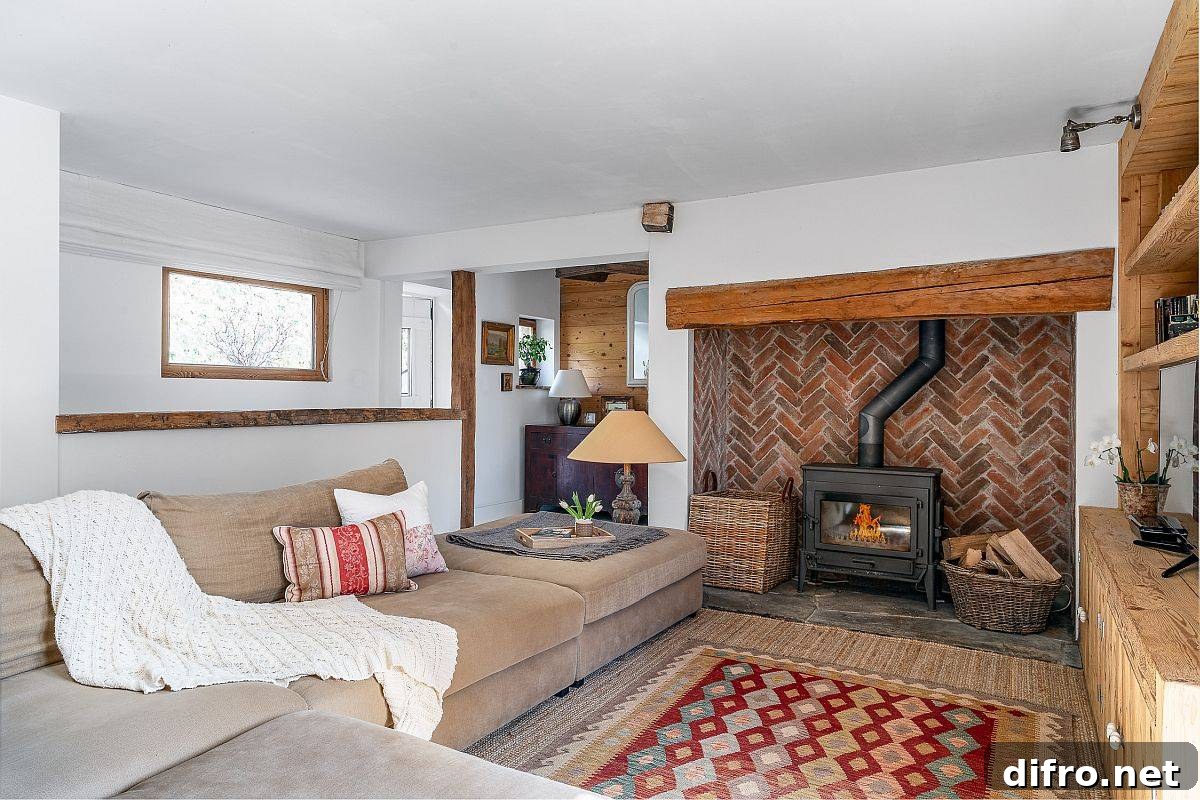
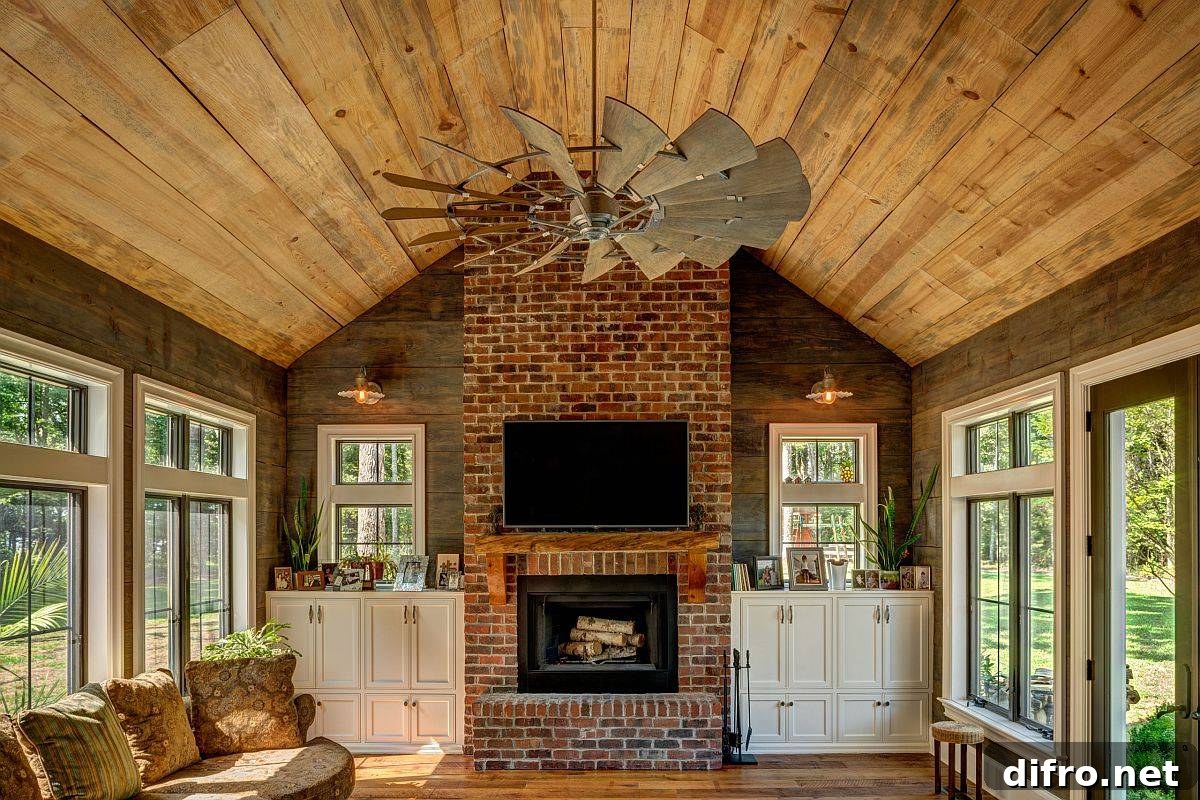
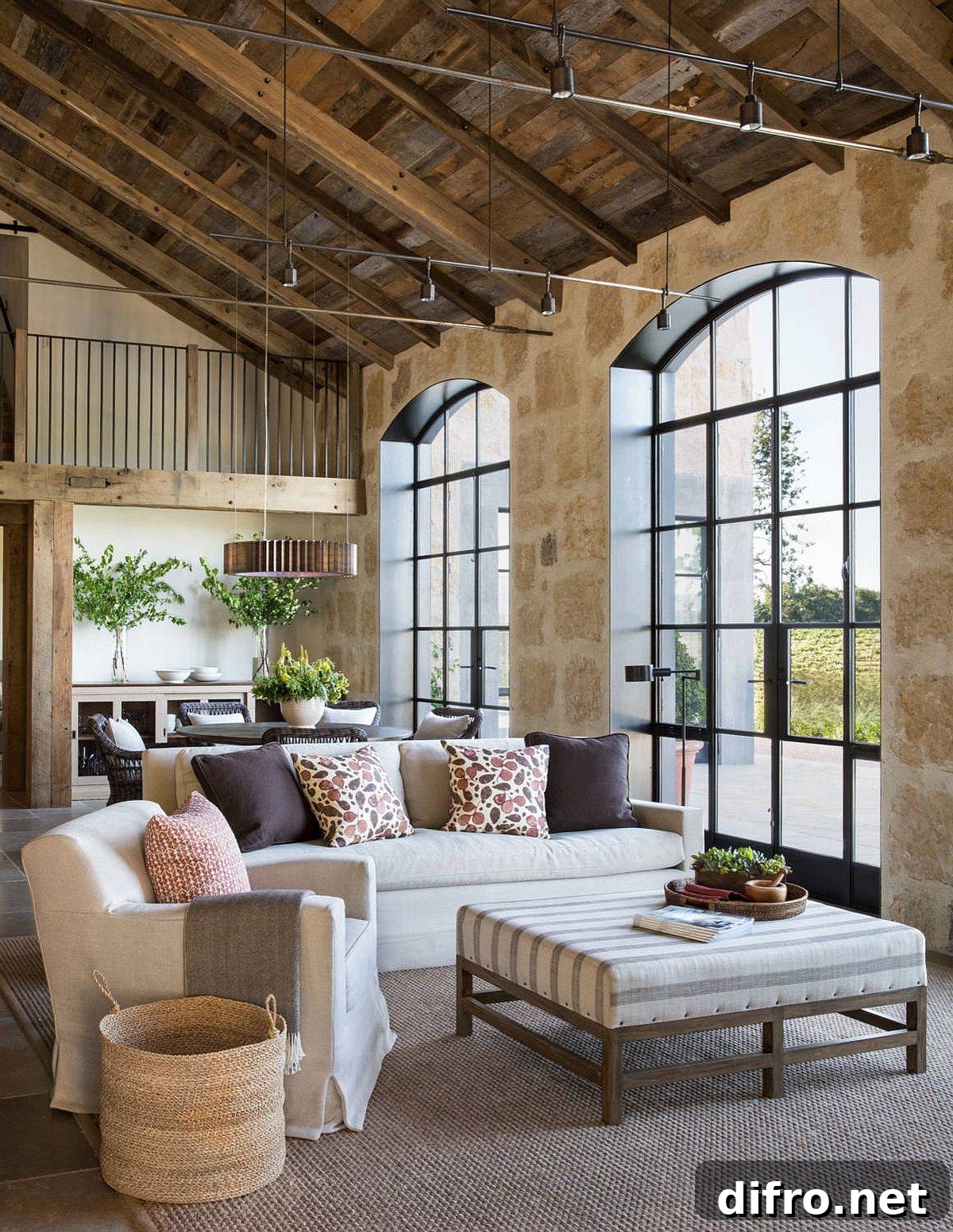
Classic farmhouse rooms from a century ago differ from today’s modern interpretations. The key is mixing authentic, rustic elements with contemporary features that meet everyday needs. Reclaimed wooden shelves, a worn antique rug, exposed brick, or textured concrete can add depth and history. Introduce one or two vintage pieces to give a modern living room a farmhouse twist without overwhelming the space.
Lovely Wall Panels
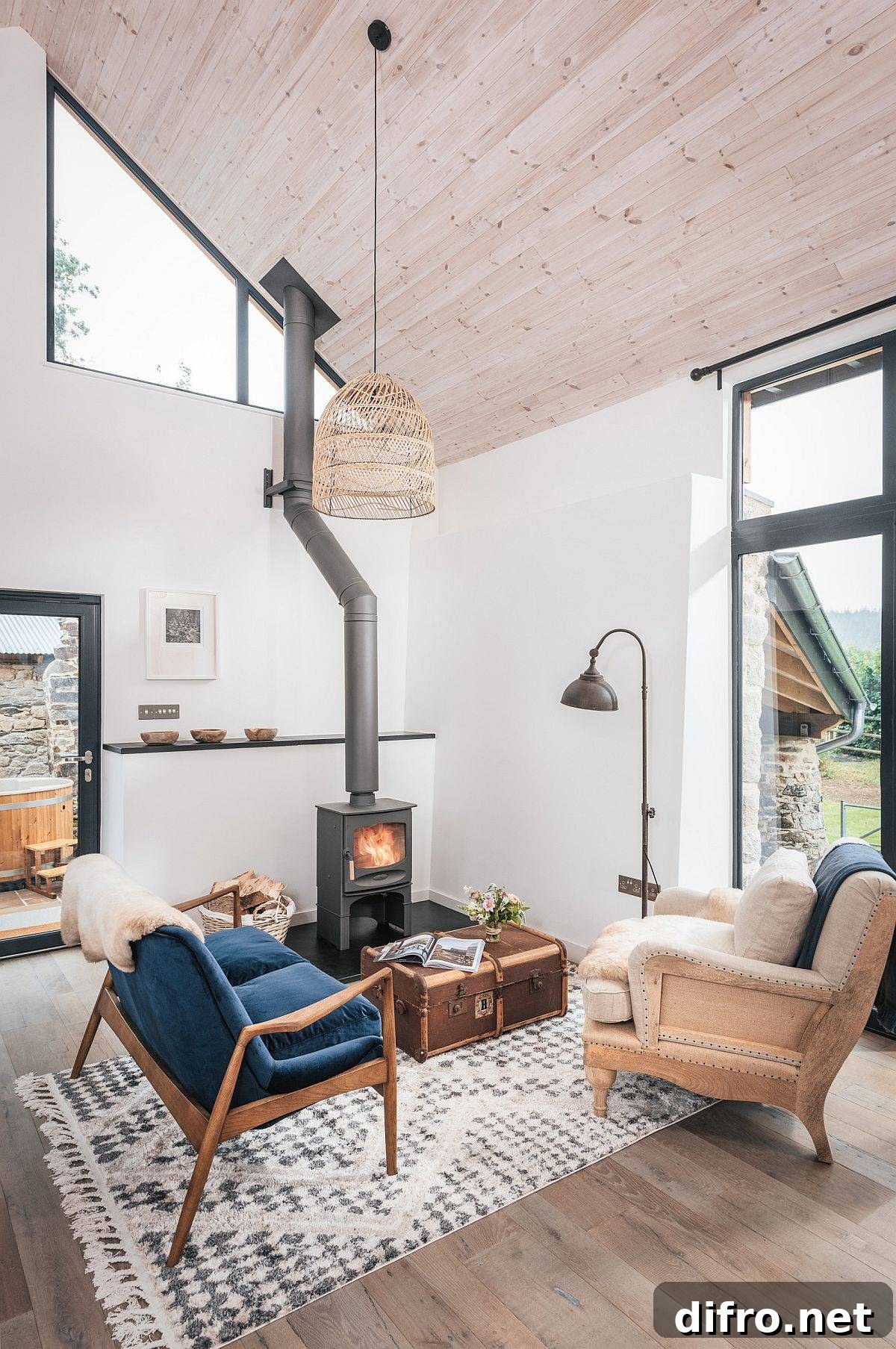
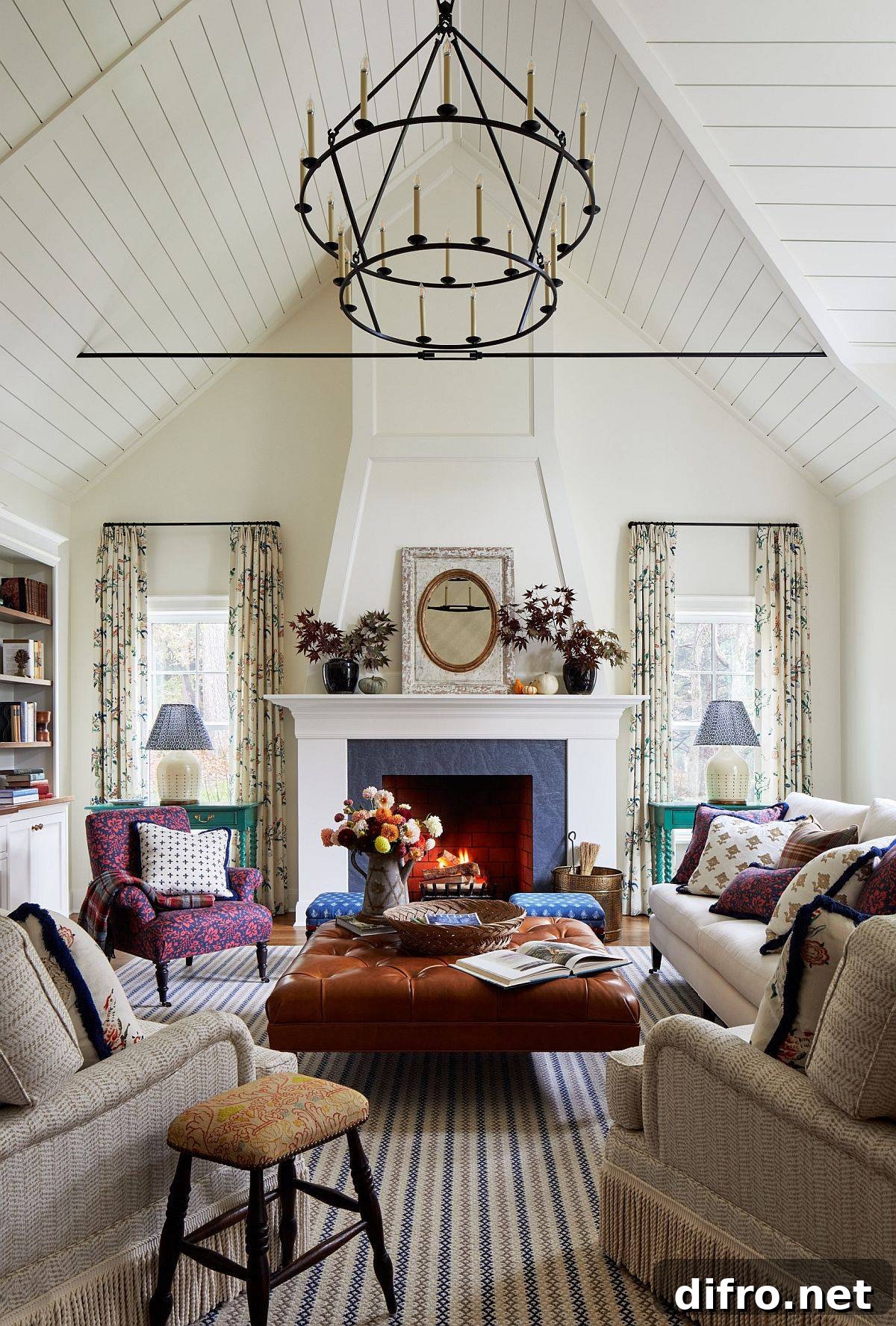
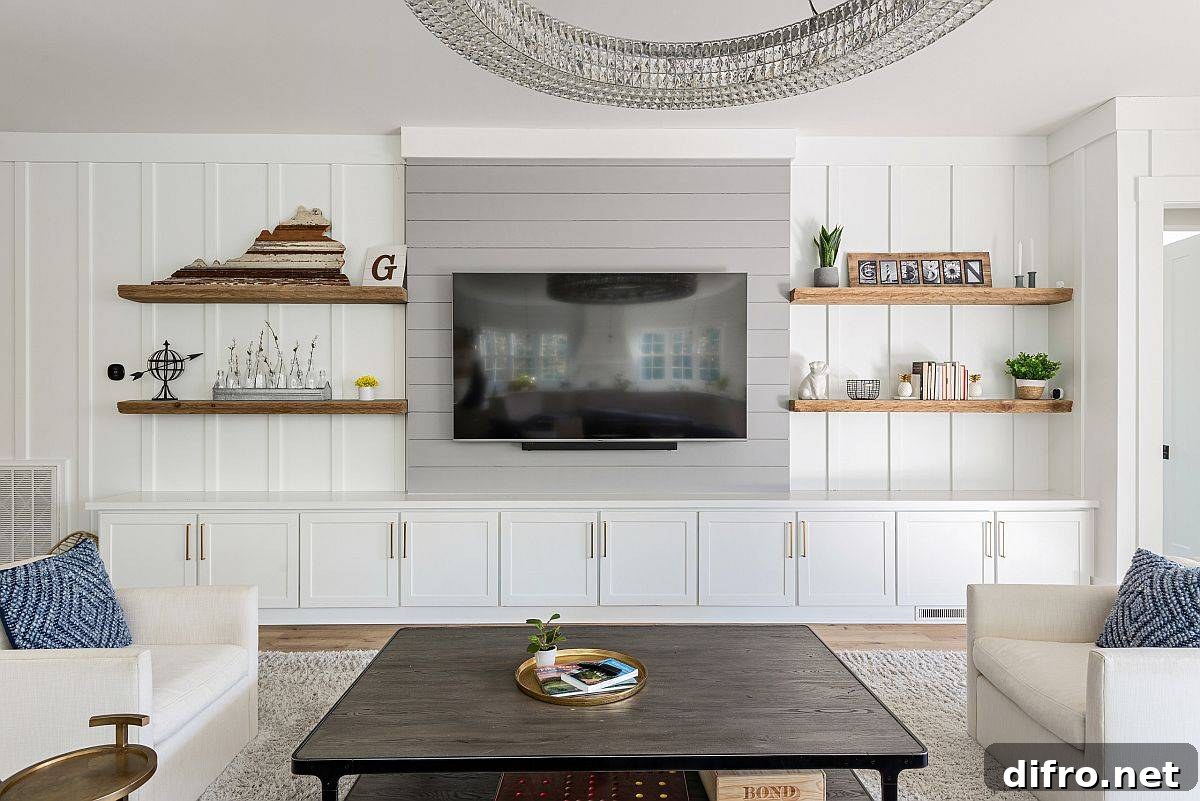
Wall paneling is one of the most effective ways to anchor a farmhouse living room. It instantly conveys vintage appeal and texture. If your walls are plain plaster or drywall, you can retrofit tongue-and-groove boards or beadboard panels to introduce character. Use paneling across an entire room for a cohesive look or as an accent wall to highlight a fireplace or seating area.
Earth Tones and Natural Hues
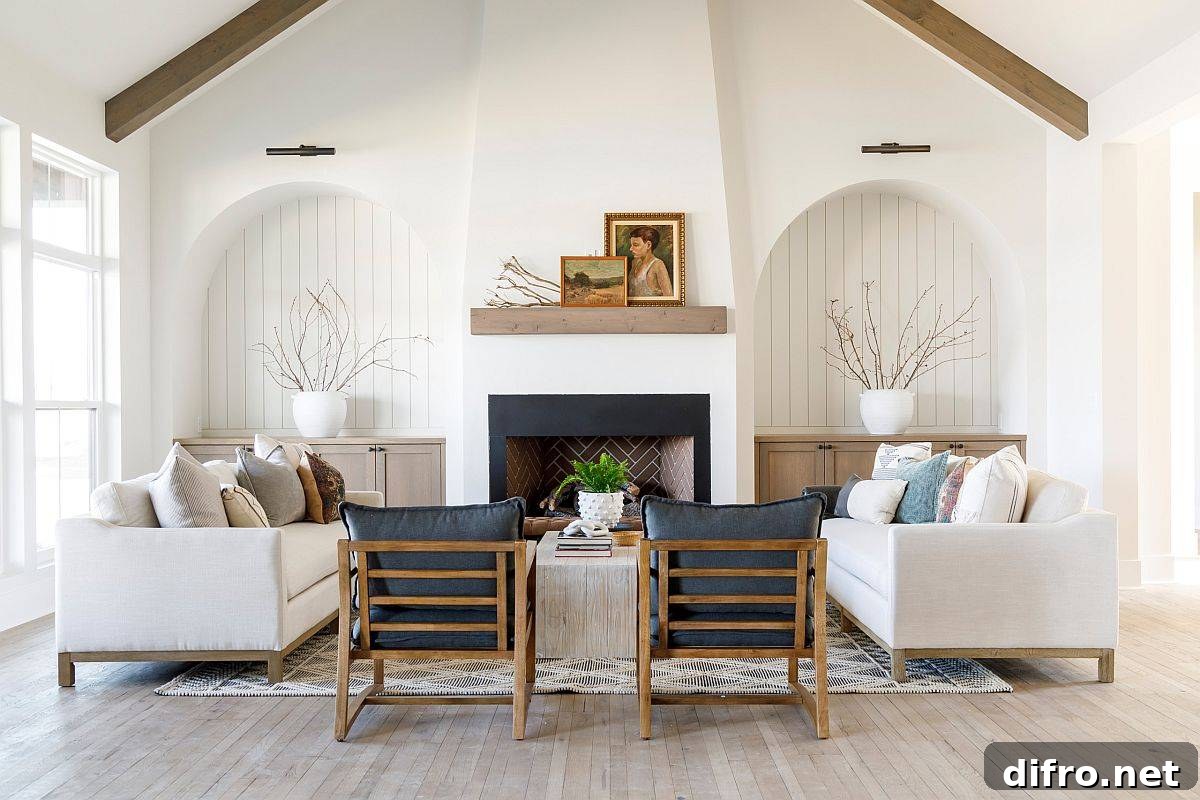
For color, favor neutrals for the main surfaces and use earthy tones for accents. Wood naturally introduces warm contrast, so avoid overly bright palettes that push the room toward a rustic-country look. Softer options—light blue, warm gray, beige or greige—offer interest while keeping the atmosphere calm and inviting. These hues work well on walls, upholstery or textiles to maintain a cohesive farmhouse scheme.
Rustic Elements with a Modern Twist
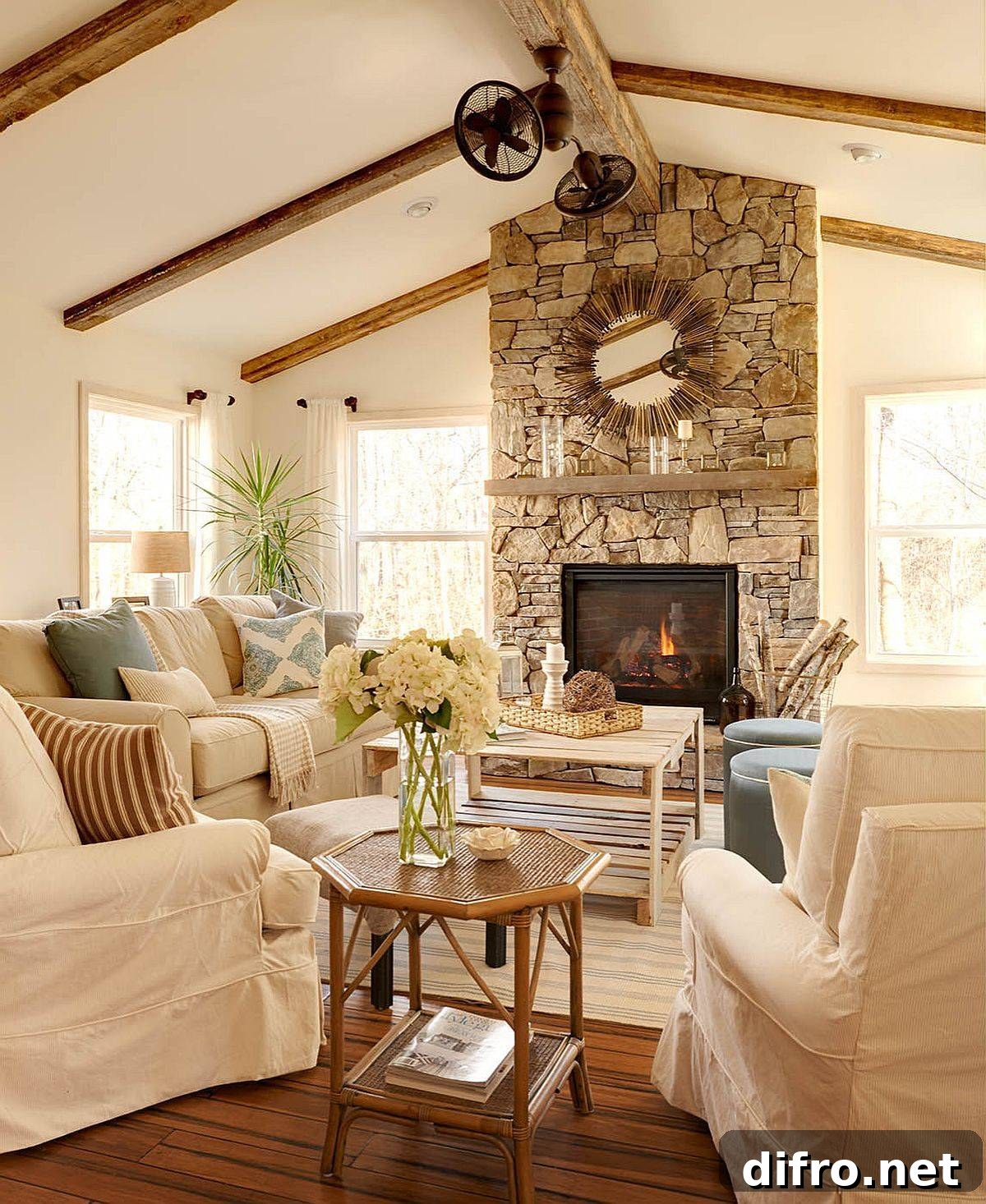
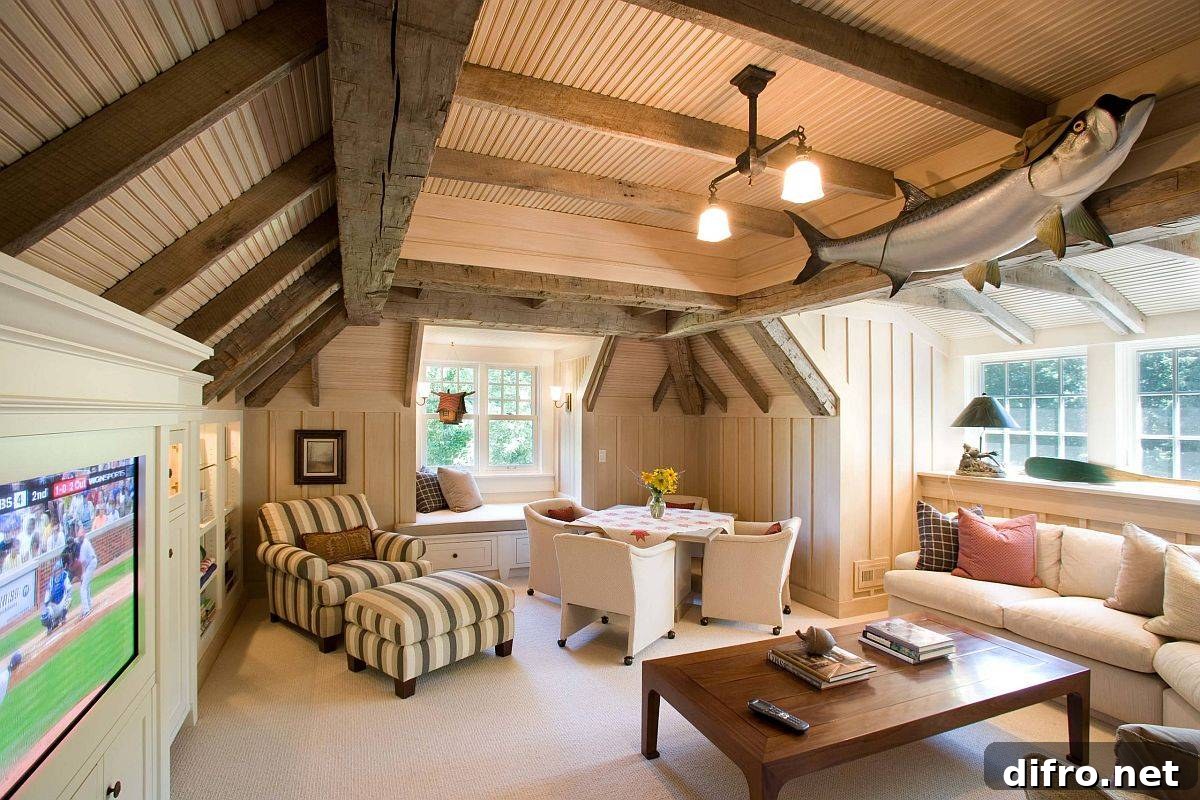
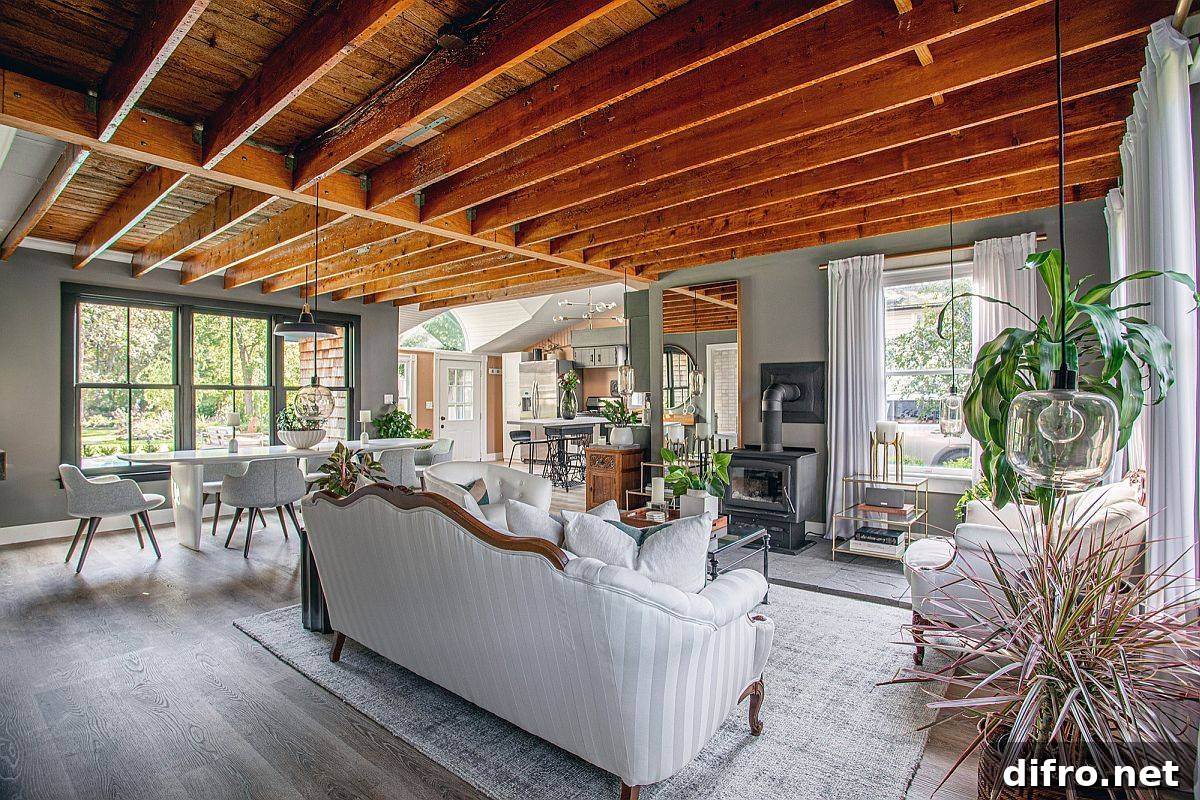
Modern farmhouse spaces tend to favor contemporary comfort alongside rustic accents. Weathered wood coffee tables, slim metal side tables, exposed ceiling beams or a sliding barn door are classic touches that keep the space authentic. Balance heavier, textured pieces with sleeker, more modern furnishings to maintain a fresh, livable aesthetic.
Keep It Uncluttered and Let Art Shine
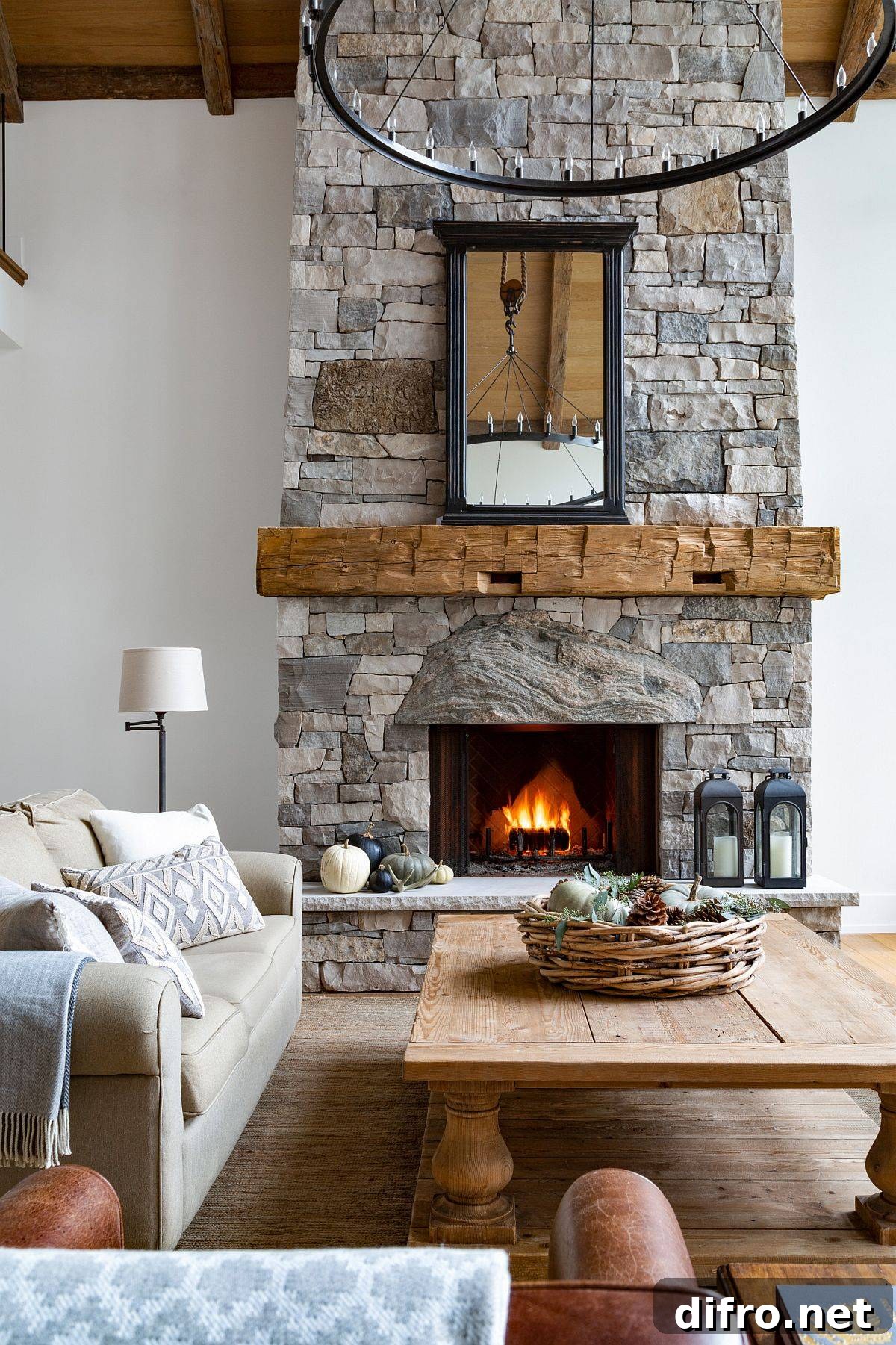
Farmhouse living rooms benefit from restraint. Avoid overfilling the space with unnecessary decor; instead, let the materials and a few well-chosen pieces stand out. Exposed brick, a textured fireplace surround, or a pastoral painting will read more clearly against a neutral, understated backdrop. Choose art that reflects the calm, pastoral feeling of the farmhouse style—pieces with simple compositions, natural subjects, or subtle color palettes will complement the room’s serene mood.
Whether you’re renovating an entire room or adding a few signature pieces, the farmhouse style is adaptable and inviting. Focus on natural materials, comfortable furnishings, and a restrained palette to create a living room that feels timeless, functional and warm.