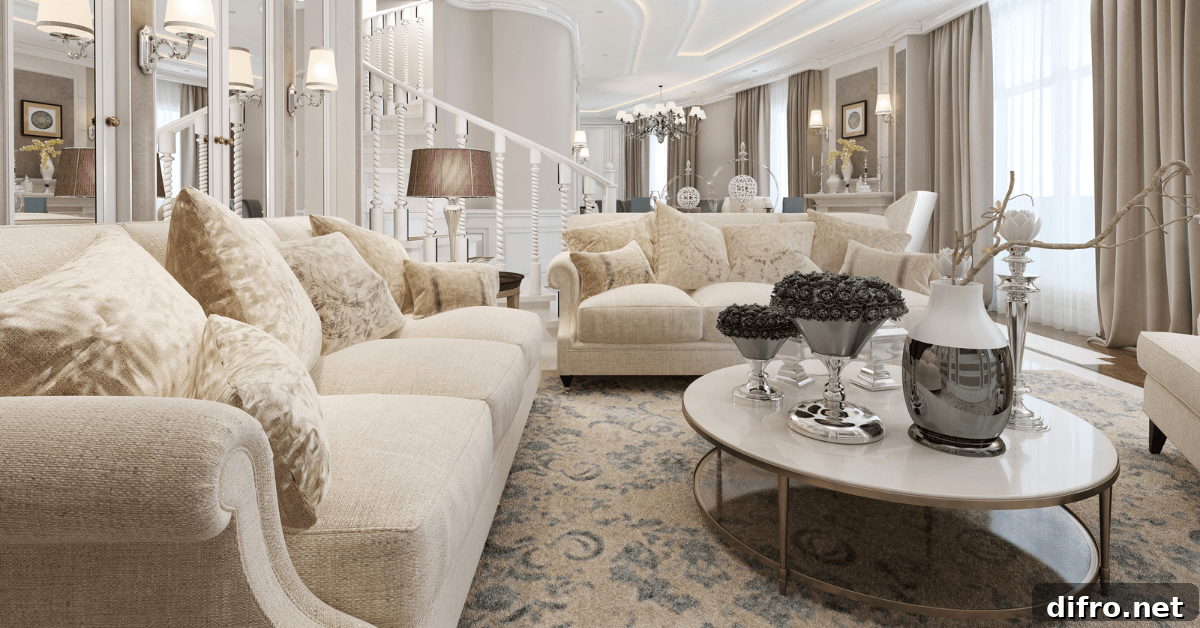
Blending classic comfort with contemporary refinement, a transitional style living room creates a timeless yet fresh atmosphere. This flexible design approach fuses traditional details with modern simplicity to produce rooms that feel welcoming and elegant. If you want to update your living room with transitional style, this guide covers the core principles, practical tips, and design choices to help you achieve a polished, livable space.
What Defines Transitional Style?
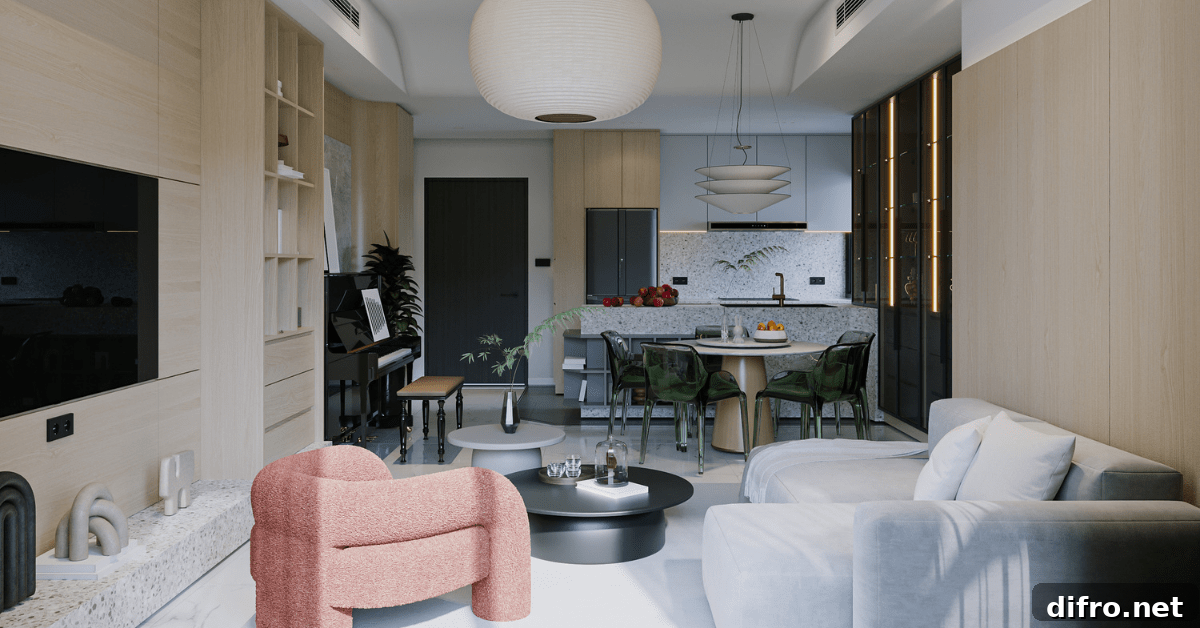
Transitional style bridges the gap between traditional and contemporary design by combining the best of both worlds: modern clean lines and a neutral palette alongside the warmth and comfort of classic pieces. The result is a balanced living room that feels sophisticated without being overly formal. Core characteristics include:
- A neutral color palette with muted accent colors
- A balance of curved and straight lines in furniture silhouettes
- Minimal clutter, with curated accessories and open surfaces
- Layered textures—from natural fibers to plush upholstery
- A thoughtful mix of materials such as wood, metal, glass, and stone
When these elements are combined thoughtfully, a transitional living room reads as both approachable and refined.
Creating a Neutral Base
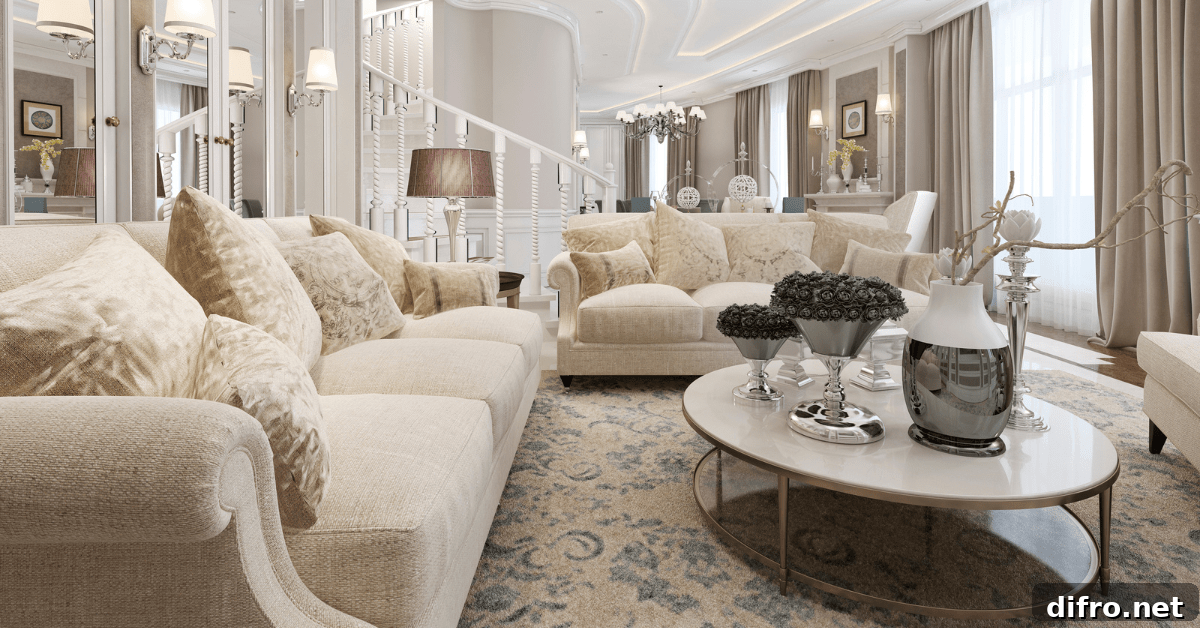
The foundation of transitional living room design is a neutral color scheme. Whites, warm beiges, soft grays, and taupes create a calm background that lets furniture and accessories take center stage. Paint walls in warm white or light gray and introduce deeper neutrals—charcoal, mocha, or slate—as accent tones for contrast.
Choose primary furniture in neutral hues for longevity and flexibility. A cream sofa or light gray sectional provides a versatile base that accepts seasonal updates through pillows, throws, and artwork. Keeping the major pieces neutral makes it easy to adjust the look over time while maintaining a cohesive transitional living room aesthetic.
Mixing Modern and Traditional Furniture
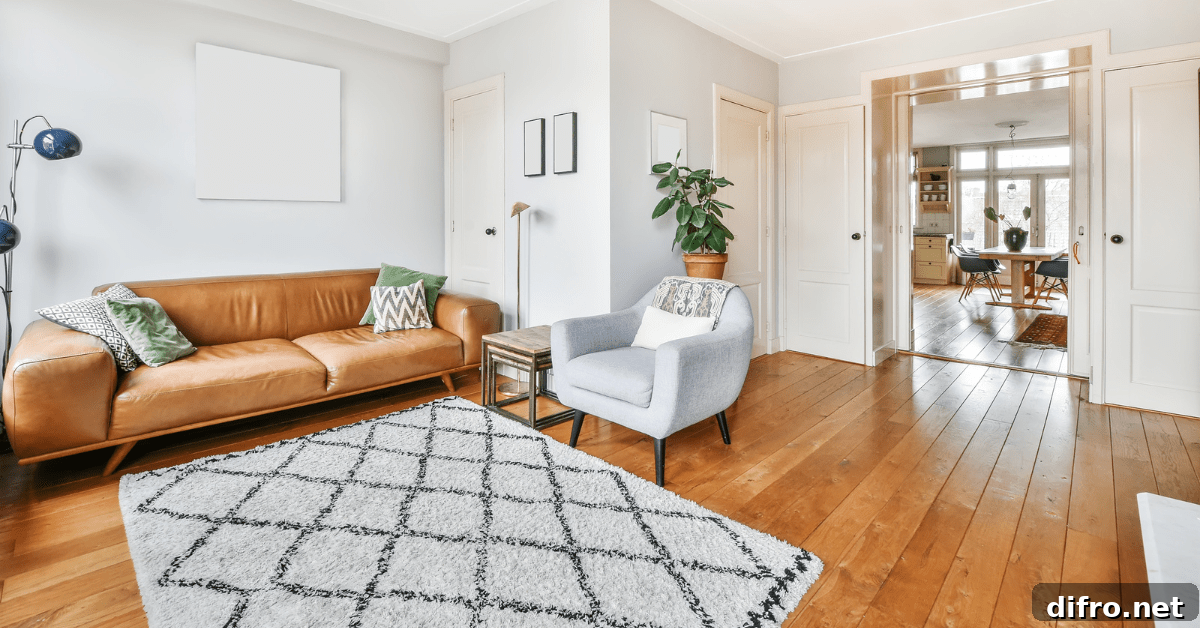
Transitional design thrives on mixing furniture from different eras in a cohesive way. Pair a streamlined modern sofa with a traditional wooden side table, or combine contemporary accent chairs with a classic coffee table. The trick is to maintain harmony in scale, proportion, and finish.
Look for pieces with simple silhouettes and restrained detailing—clean lines with subtle character work best. A tufted Chesterfield sofa can feel refreshed when paired with minimalist side chairs. Mixing light and dark wood tones, and blending matte metals with polished finishes, adds visual depth while keeping the space unified.
Incorporating Texture and Pattern
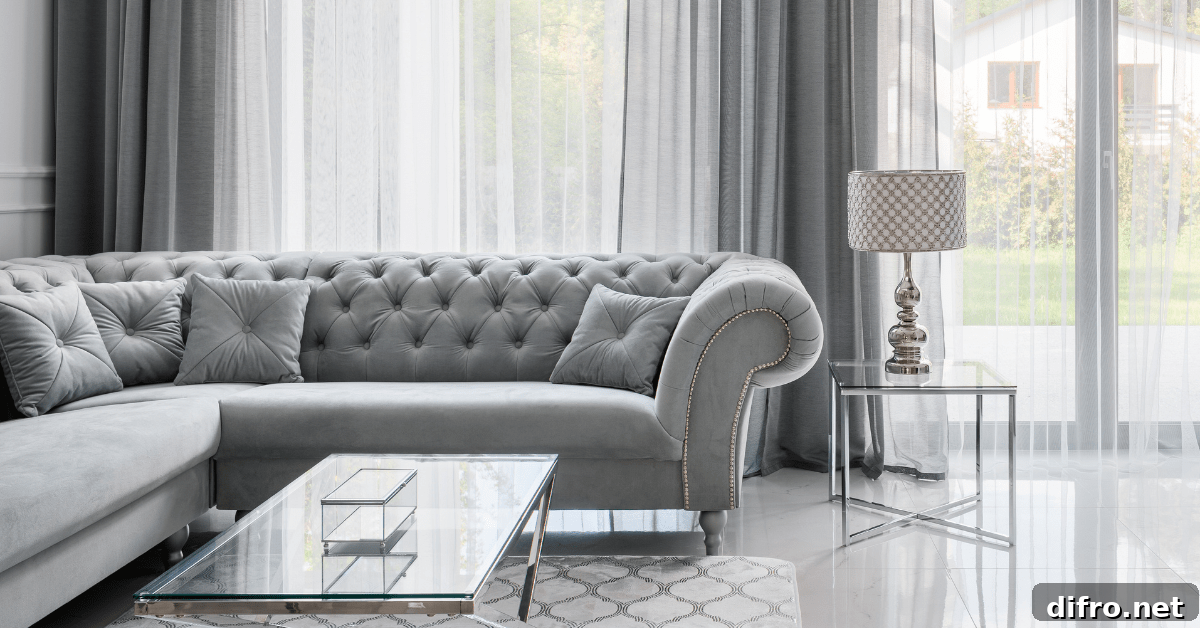
Texture and subtle patterning keep a neutral transitional living room visually interesting. Use a mix of materials and textiles to create warmth and depth without disrupting the calm palette. Consider:
- Natural fiber rugs—jute, sisal, or seagrass—to add earthy texture
- Plush fabrics such as velvet, bouclé, or chenille for upholstery
- Geometric or tone-on-tone woven textiles for cushions and throws
- Grasscloth or textured wallpaper on a single accent wall
- Softly patterned area rugs in neutral shades to define seating zones
Keeping patterns within the same color family ensures cohesion while letting texture deliver the tactile detail that elevates the space.
Selecting Lighting and Accessories
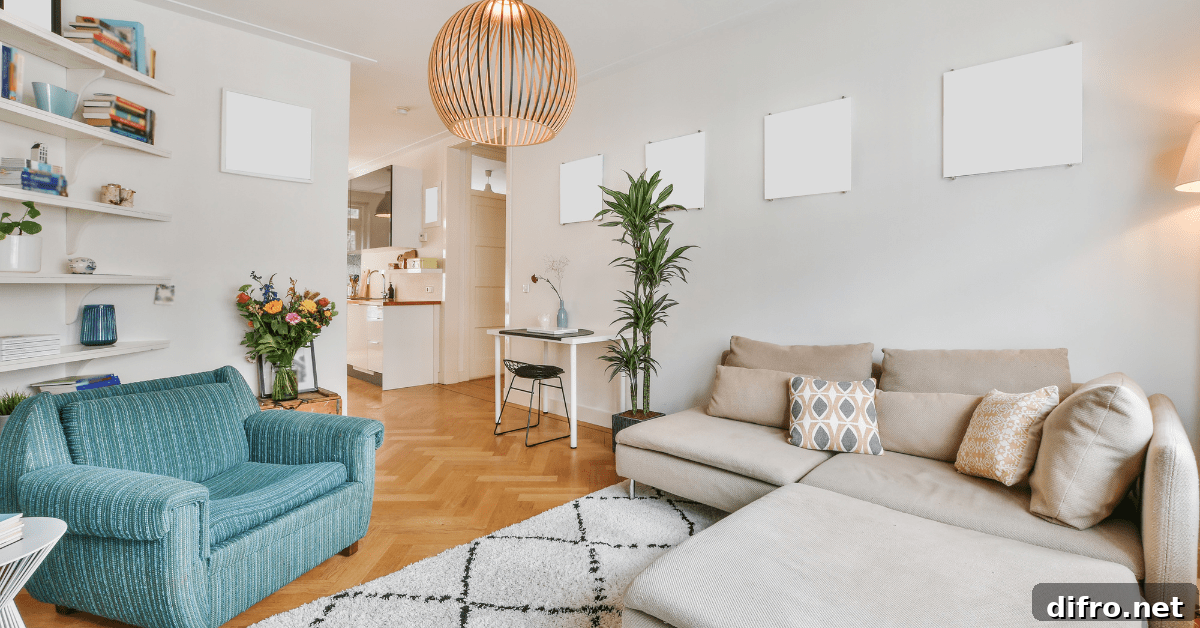
Lighting is a key opportunity to blend traditional and contemporary elements. Combine classic table lamps with sleek floor lamps or a modern pendant to layer light and style. A statement chandelier can anchor the room and act as both a functional and decorative focal point.
When choosing accessories, adopt a curated, edited approach: fewer, higher-impact pieces work best in a transitional living room. Consider:
- Large-scale artwork in muted palettes
- Sculptural vases or ceramic bowls
- Neatly stacked coffee table books
- Natural accents like potted plants, driftwood, or stones
- Mirrors to increase light and perceived space
Keep surfaces tidy and rotate accessories seasonally to refresh the room without cluttering it.
Creating Focal Points
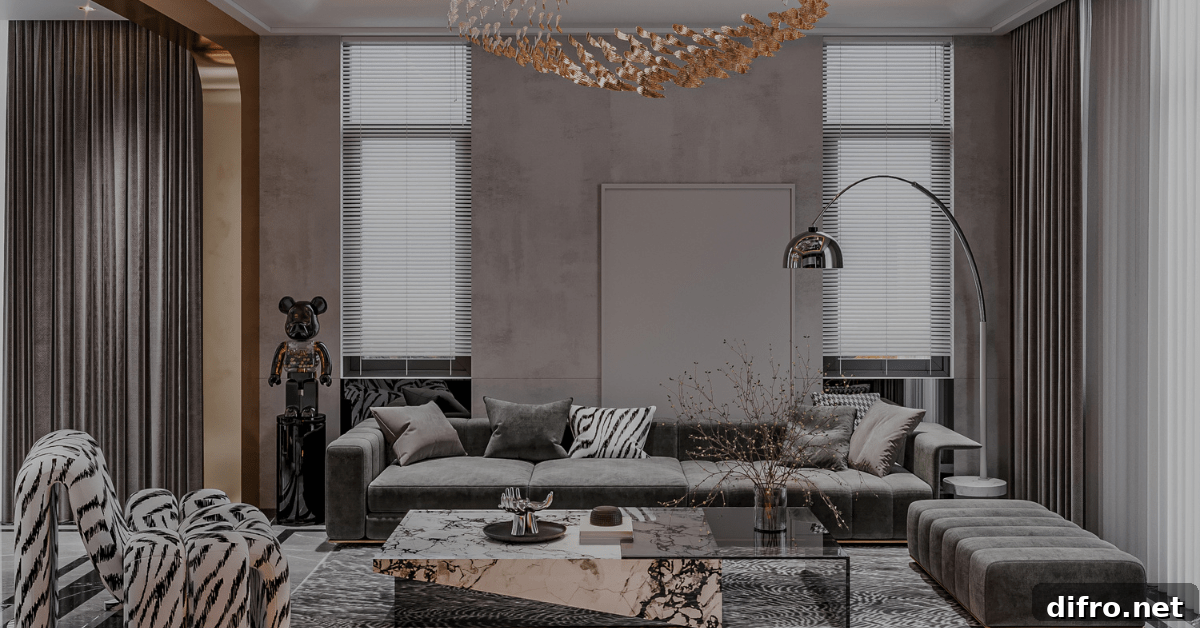
A clear focal point gives the room purpose and draws the eye. In transitional living rooms, focal elements might include:
- A streamlined fireplace with a refined mantel
- Built-in shelving styled with books and curated objects
- An oversized mirror or a single striking artwork
- A dramatic pendant or chandelier
- An accent wall finished in textured wallpaper or paneling
Choose a focal point that complements your overall palette and offers a chance to express personal taste within the transitional framework.
Balancing Comfort and Style
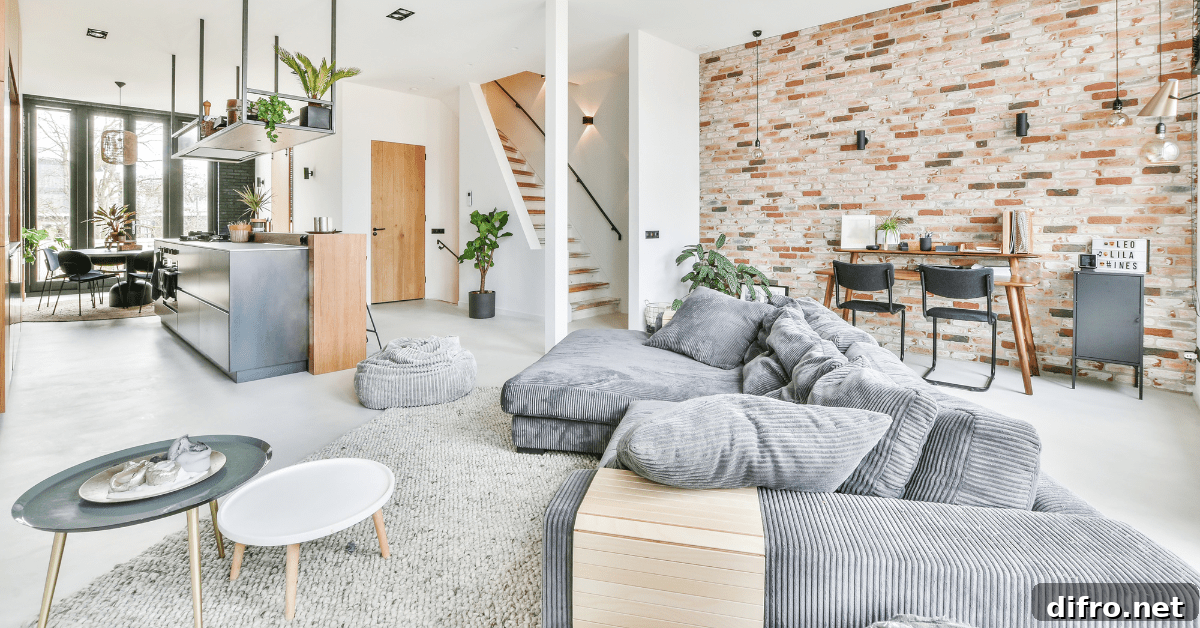
Transitional style balances sophistication with livability. Prioritize comfort by choosing deep-seated sofas, supportive cushions, and soft throws that invite relaxation. Arrange seating to encourage conversation—group chairs and sofas around a coffee table and include side tables within reach.
Define the seating area with a plush rug and consider traffic flow so the room remains functional for daily use. The right combination of comfort and clean-lined style ensures a transitional living room that is both attractive and practical.
Related Article: Embracing Grandmillennial Style to Bring Nostalgia Into Modern Decor
By focusing on a neutral foundation, mixing modern and traditional furniture thoughtfully, layering texture and pattern, and selecting purposeful lighting and accessories, you can create a transitional living room that feels timeless, comfortable, and current. This adaptable approach makes it easy to evolve the space over time while maintaining a cohesive, stylish atmosphere.