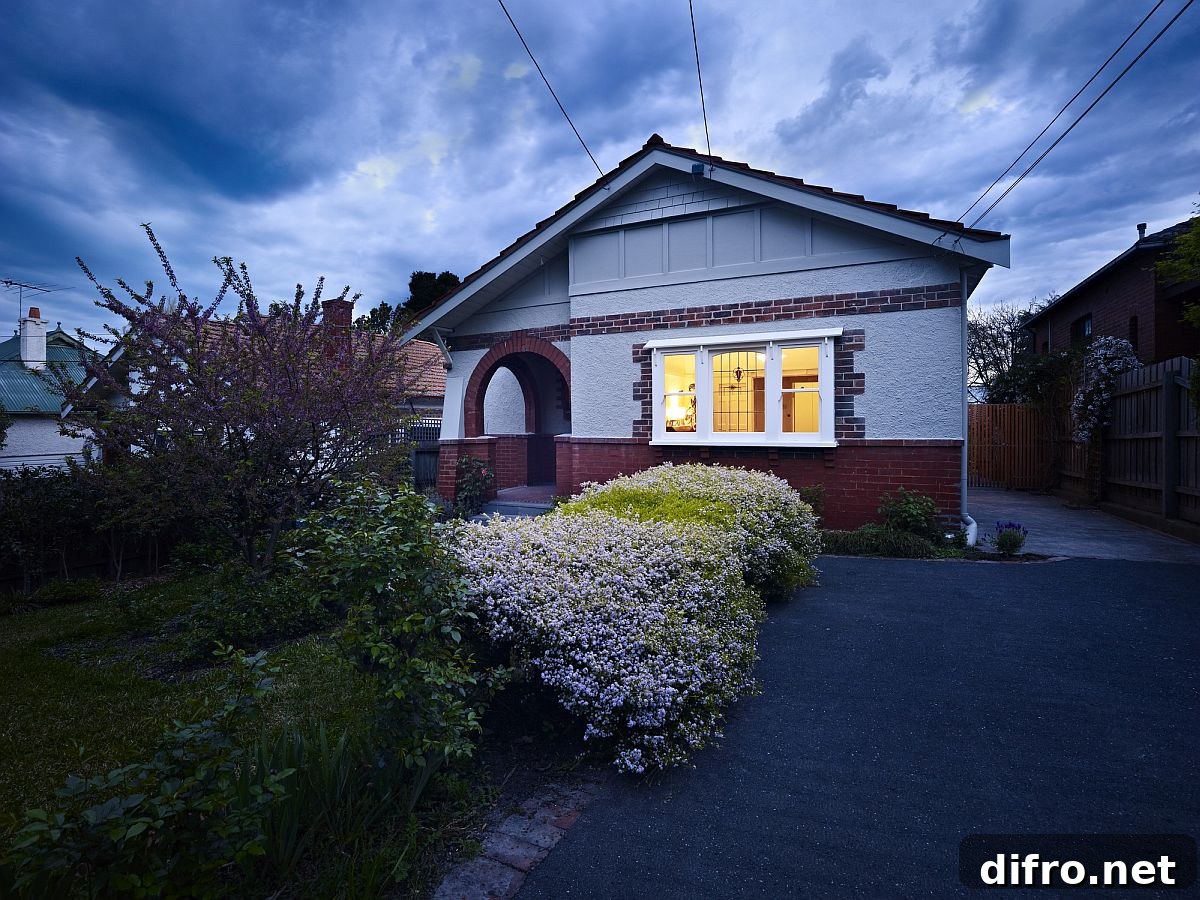
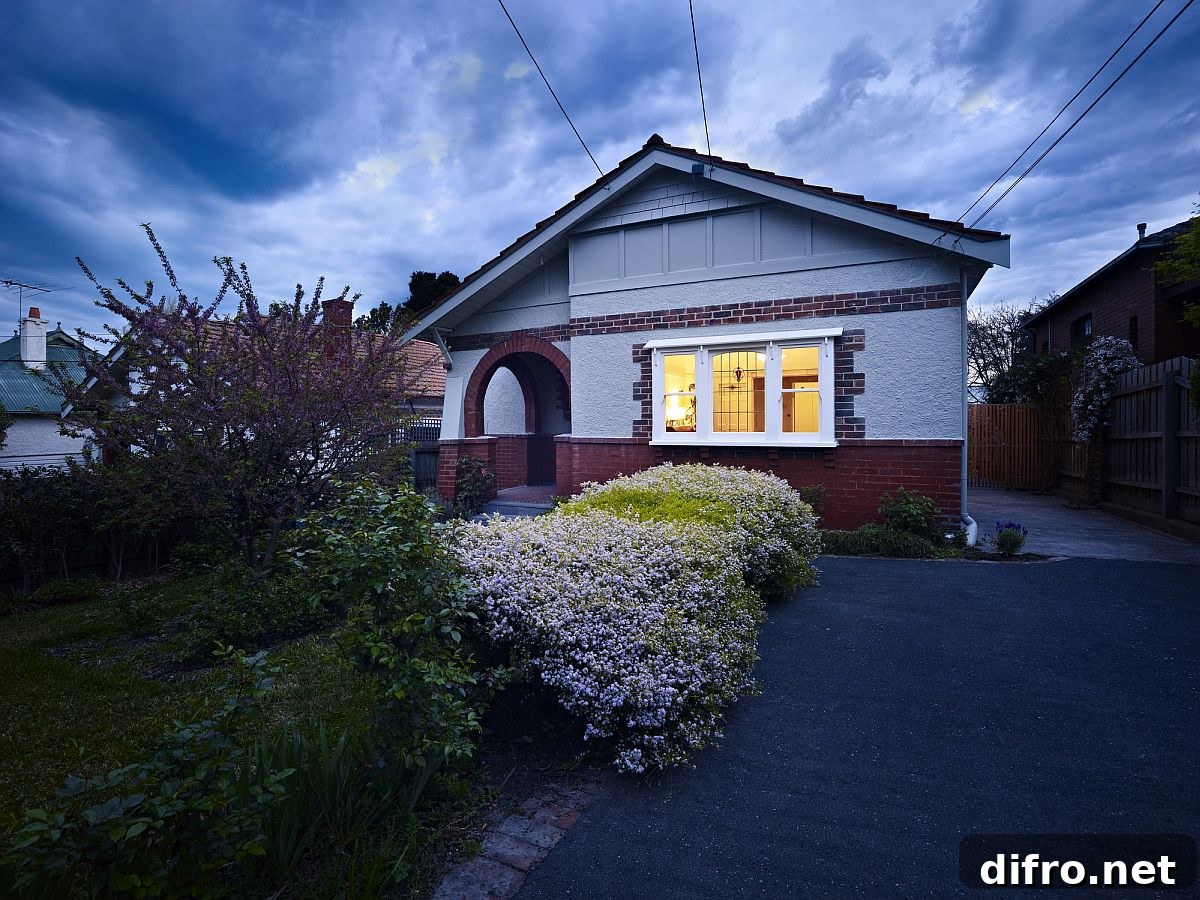
This Federation Bungalow in St Kilda, Melbourne, shows how a poorly planned extension can undermine a home’s original charm and natural light. A 1990s addition to the side yard left interiors feeling congested and dim, so the homeowners engaged Andrew Child Architect to rework the space. The result is the St. Kilda Side Yard House: a carefully considered contemporary extension that restores daylight, improves circulation and delivers a calm, open-plan family living zone that complements the existing heritage façade.
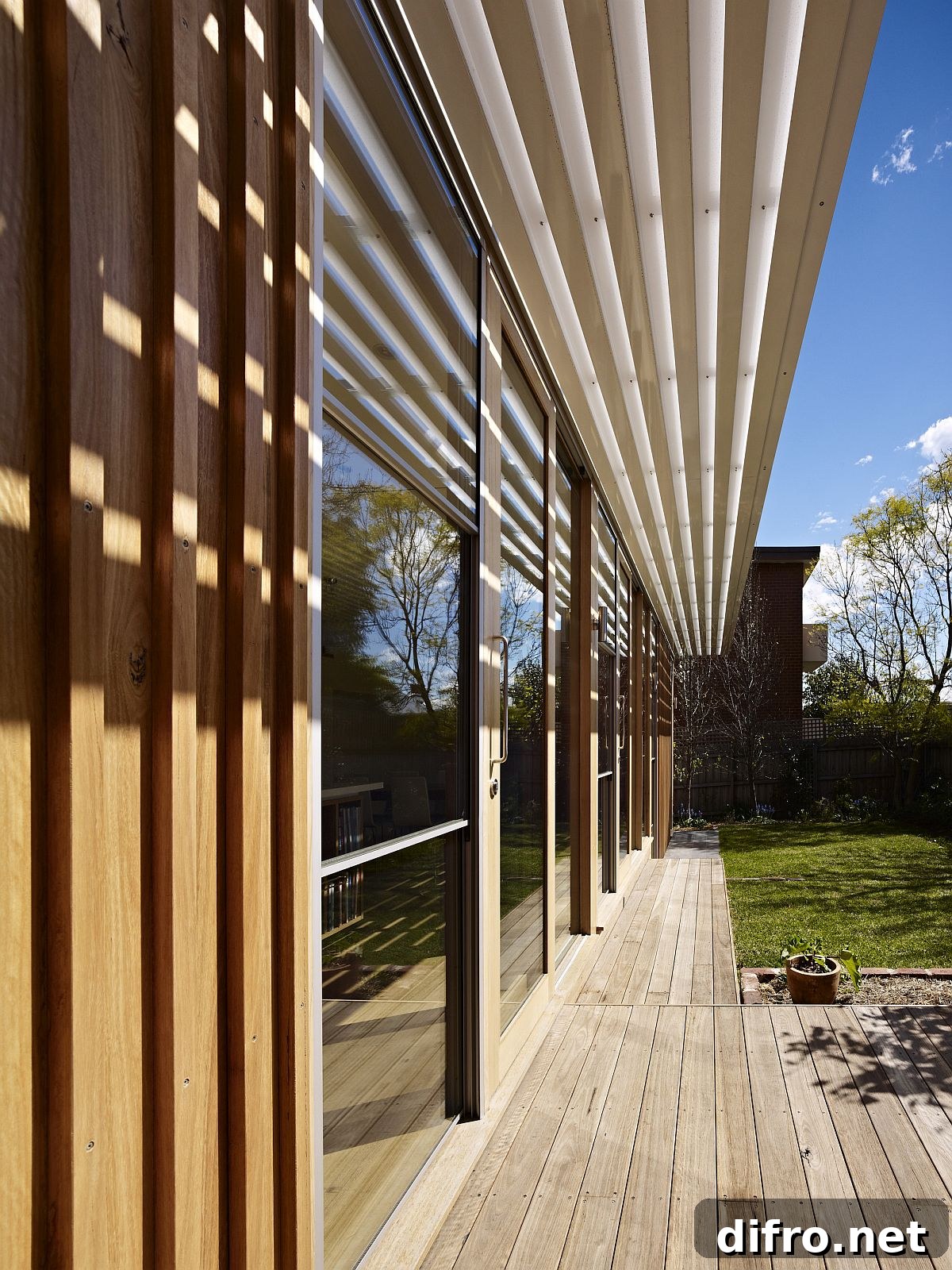
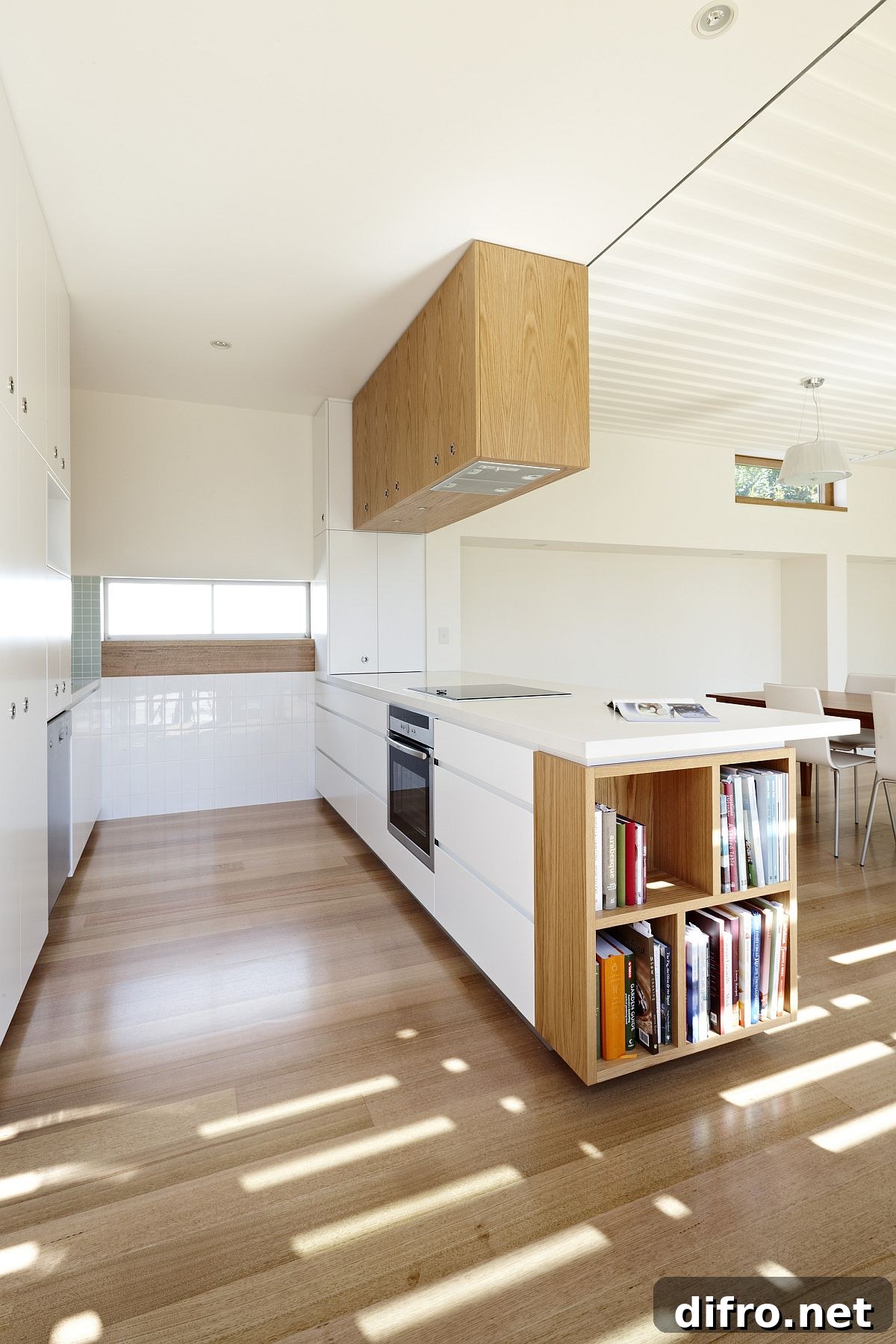
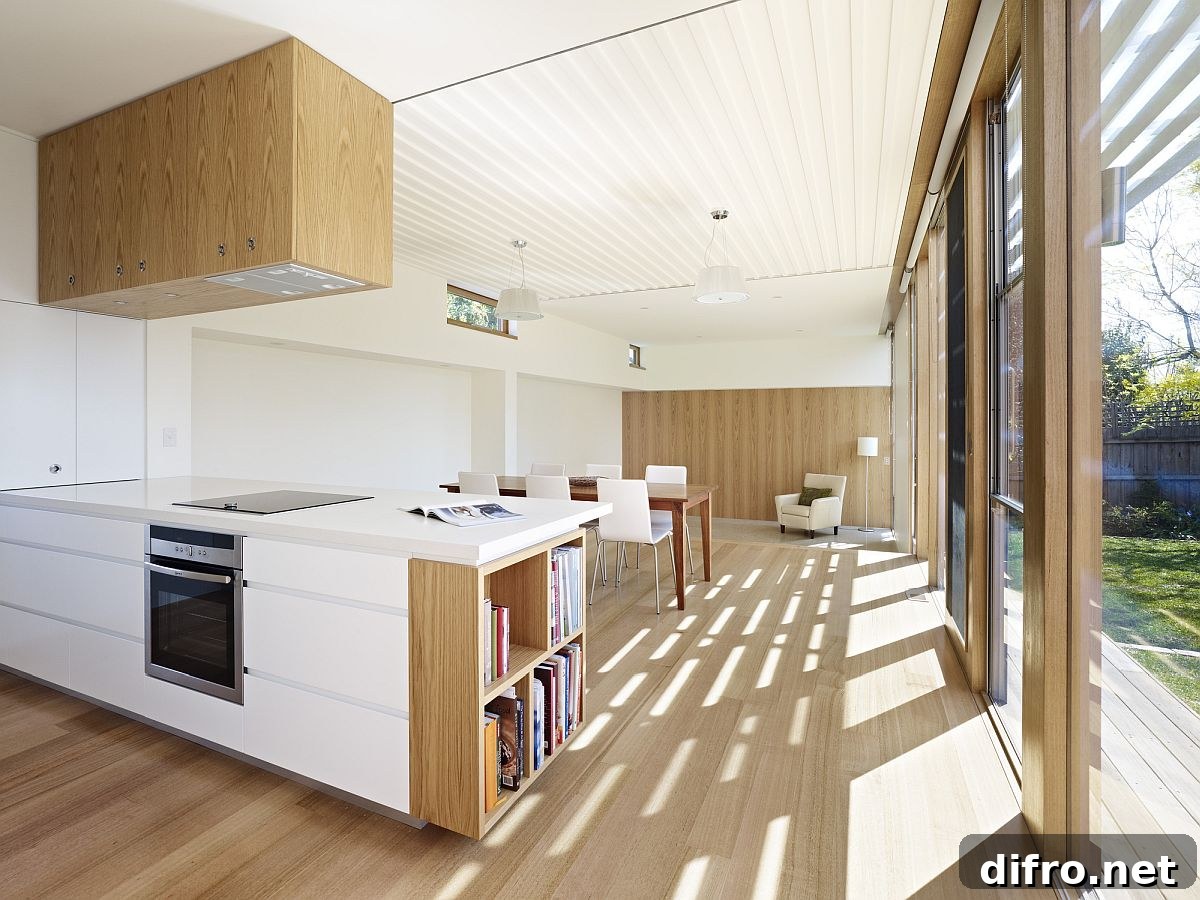
The new addition positions kitchen, dining and living areas in a single, light-filled volume. A restrained palette of white and natural timber gives these spaces a contemporary yet warm feel, while sliding glass doors open directly to the garden to reconnect the interior with the outdoors. Rather than overwhelming the modest site with excessive glazing, the architects used timber battens and a custom-designed sunshade to filter daylight and control summer heat, creating a comfortable internal climate without sacrificing brightness.
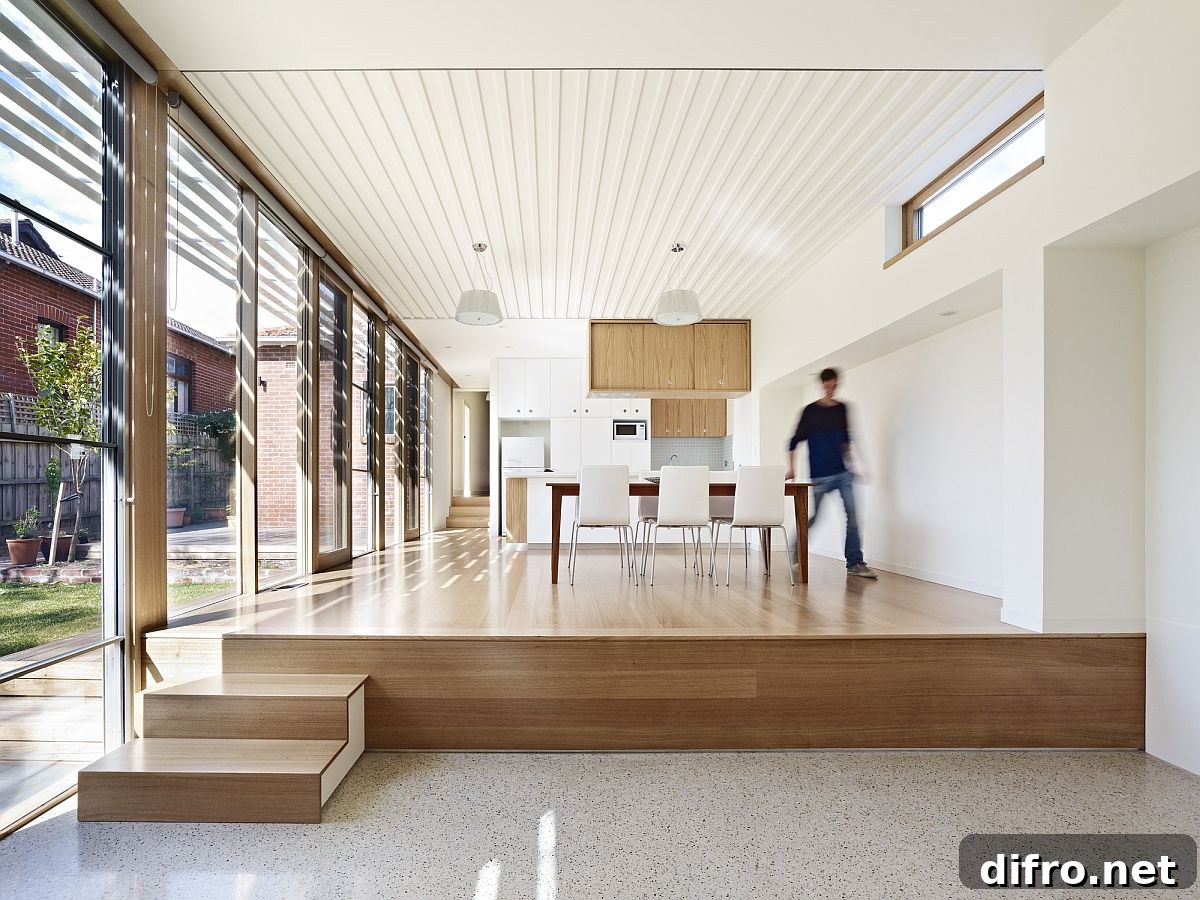
Light is a central design priority throughout the project. Long internal corridors and carefully positioned openings carry daylight deep into the plan, brightening both the new extension and the original rooms of the bungalow. This measured approach produces an attractive interplay of light and shadow, animating simple surfaces while avoiding glare and overheating.
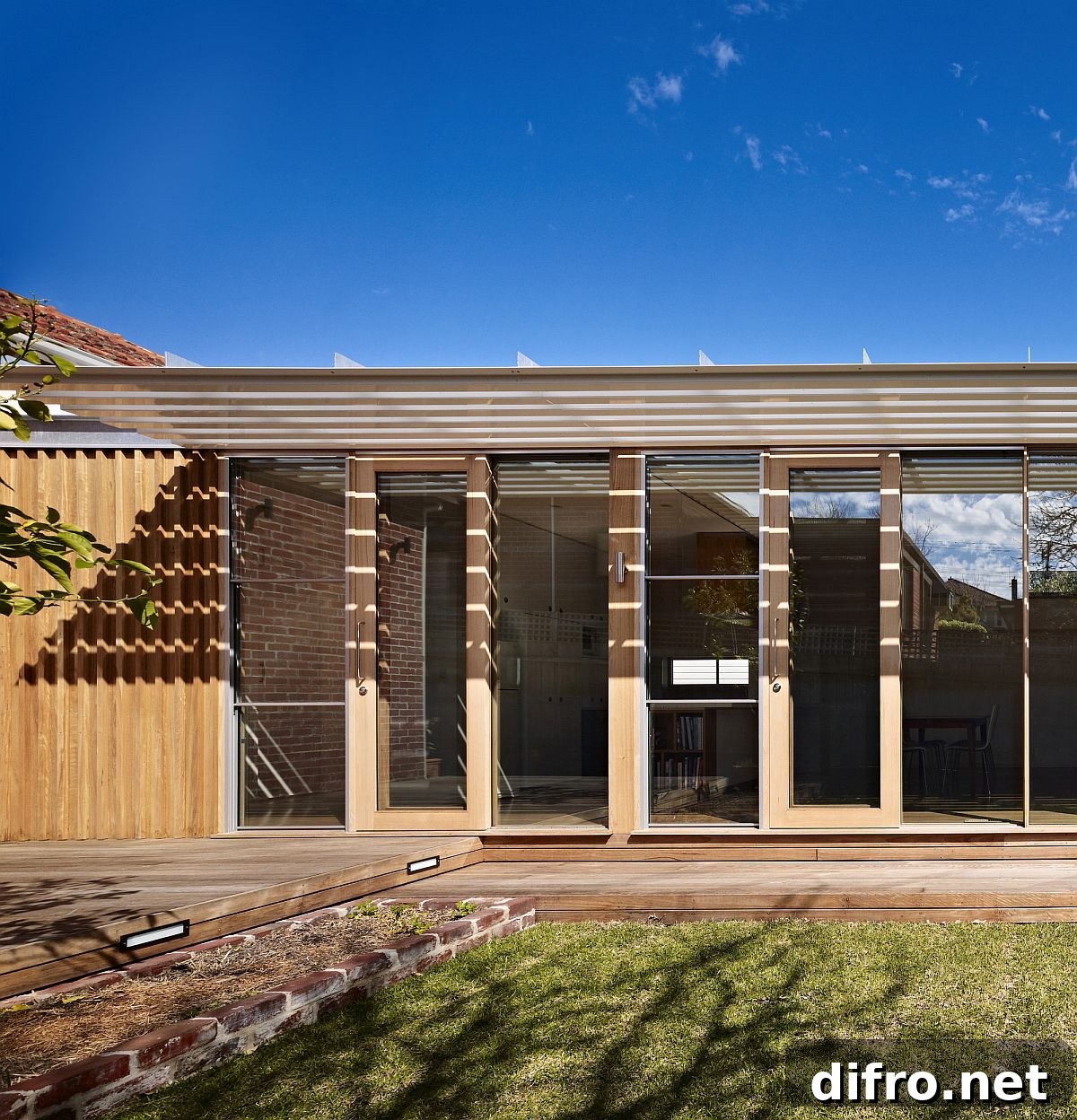
Thermal comfort and sustainability were addressed through simple, effective measures. Polished concrete floors act as thermal mass, assisting passive heating and cooling by absorbing and releasing heat steadily through daily temperature swings. Combined with natural ventilation strategies and the external sunshade, these measures reduce reliance on mechanical heating and cooling while maintaining a comfortable internal environment year-round.
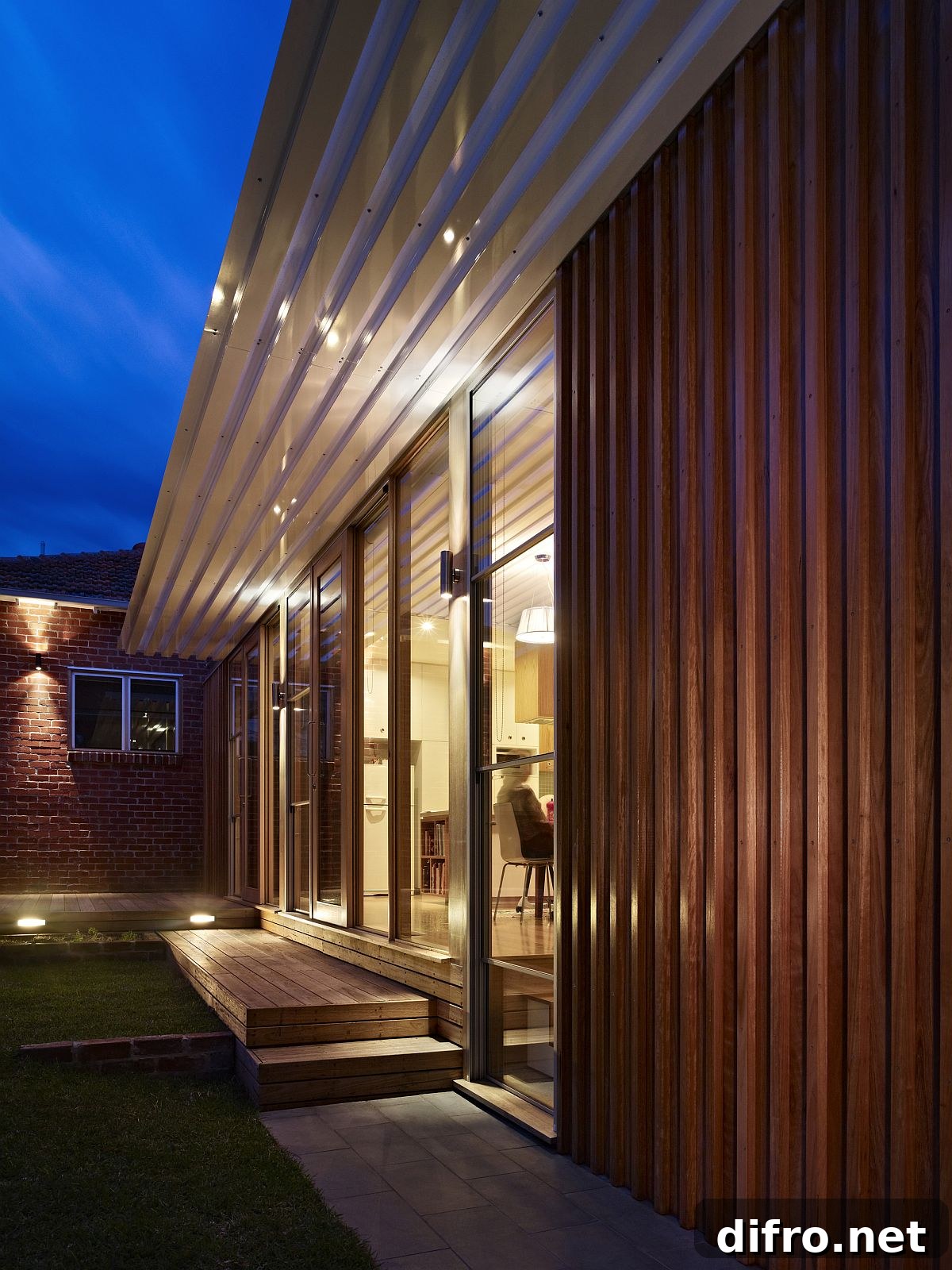
Although the interior has been transformed, the project preserves the house’s original street presence. The solid brick Federation façade remains intact, ensuring the renovated property respects the local streetscape and heritage character while delivering contemporary family living behind it. This careful balance between conservation and contemporary intervention keeps the home connected to its history without compromising modern comfort and functionality.
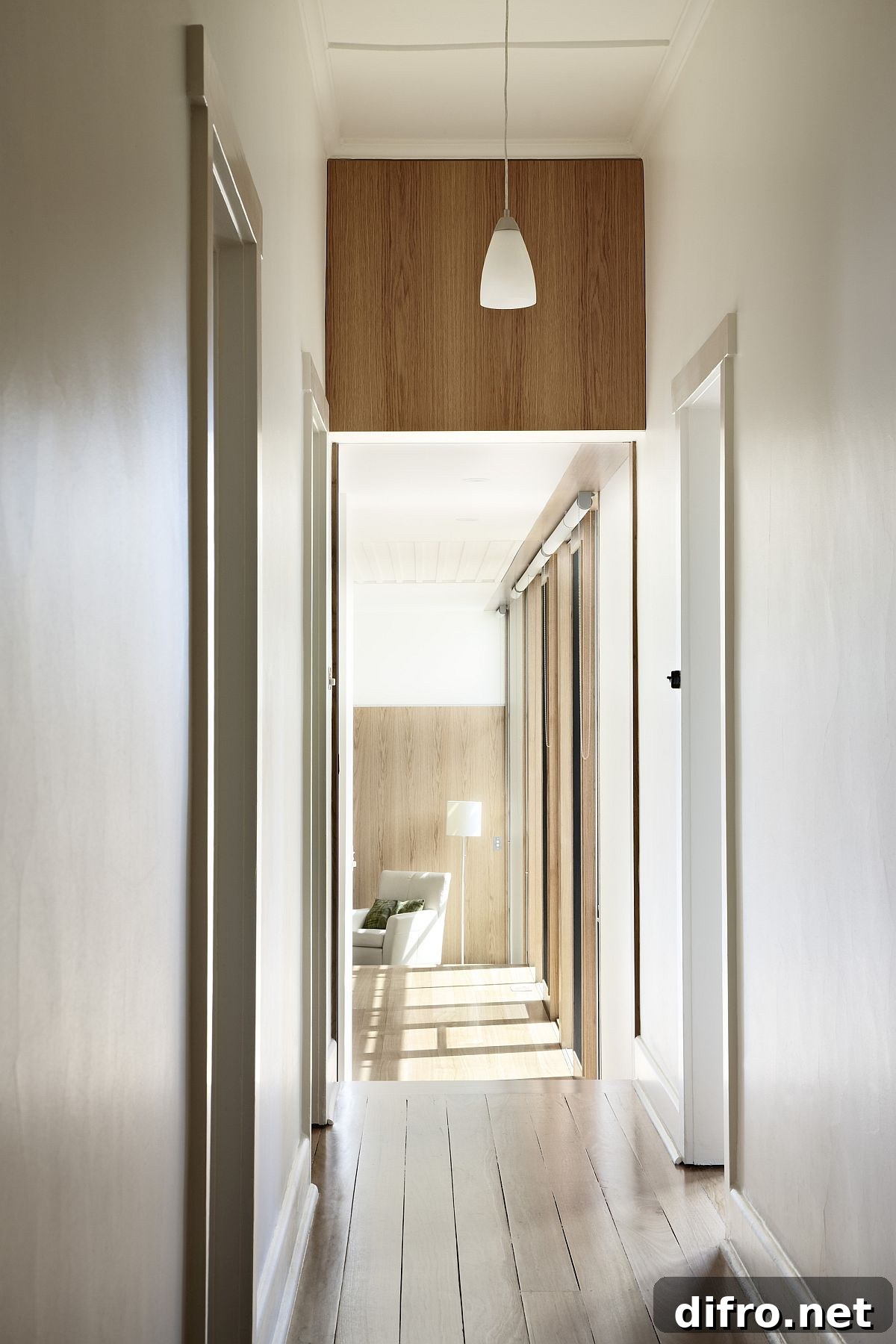
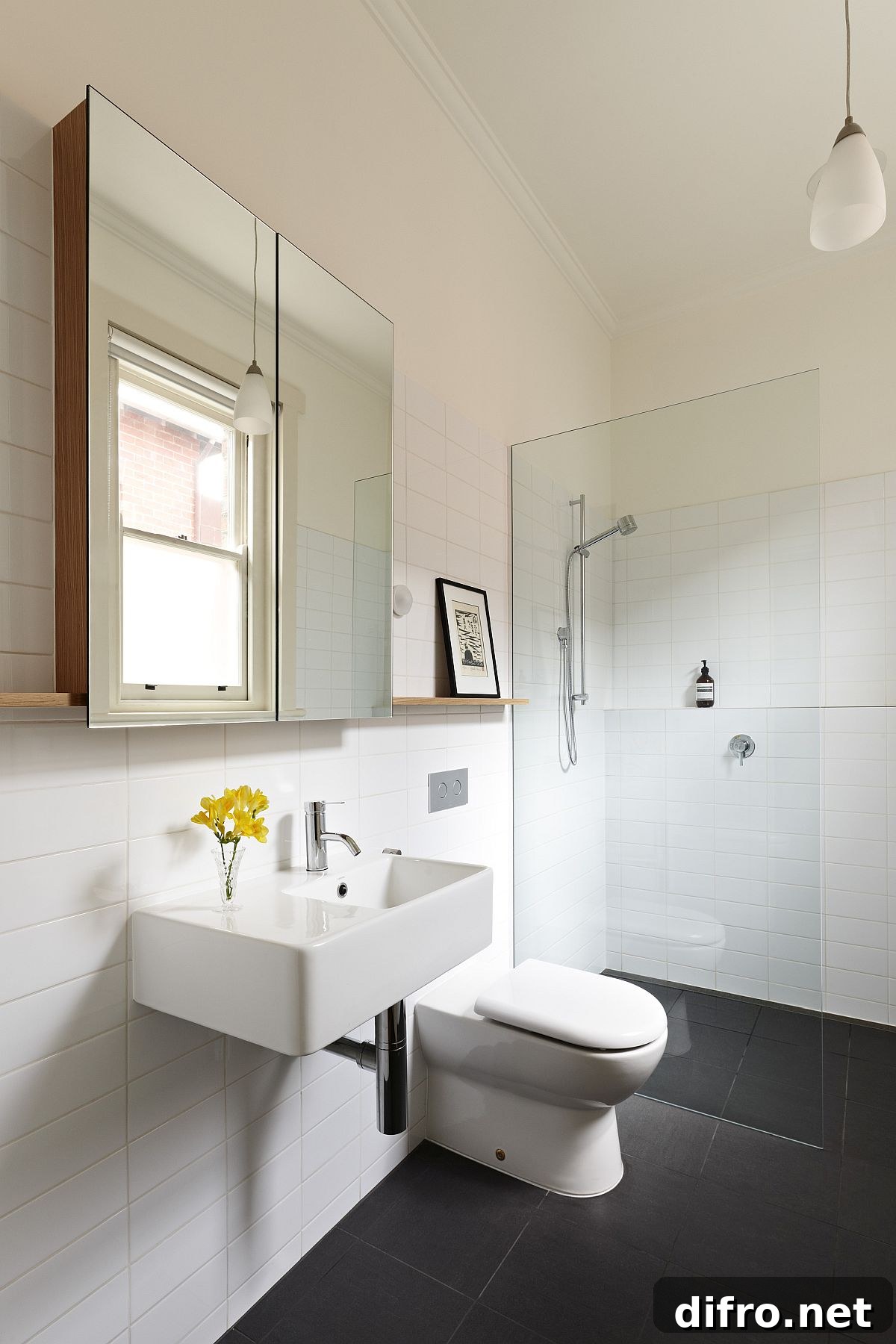
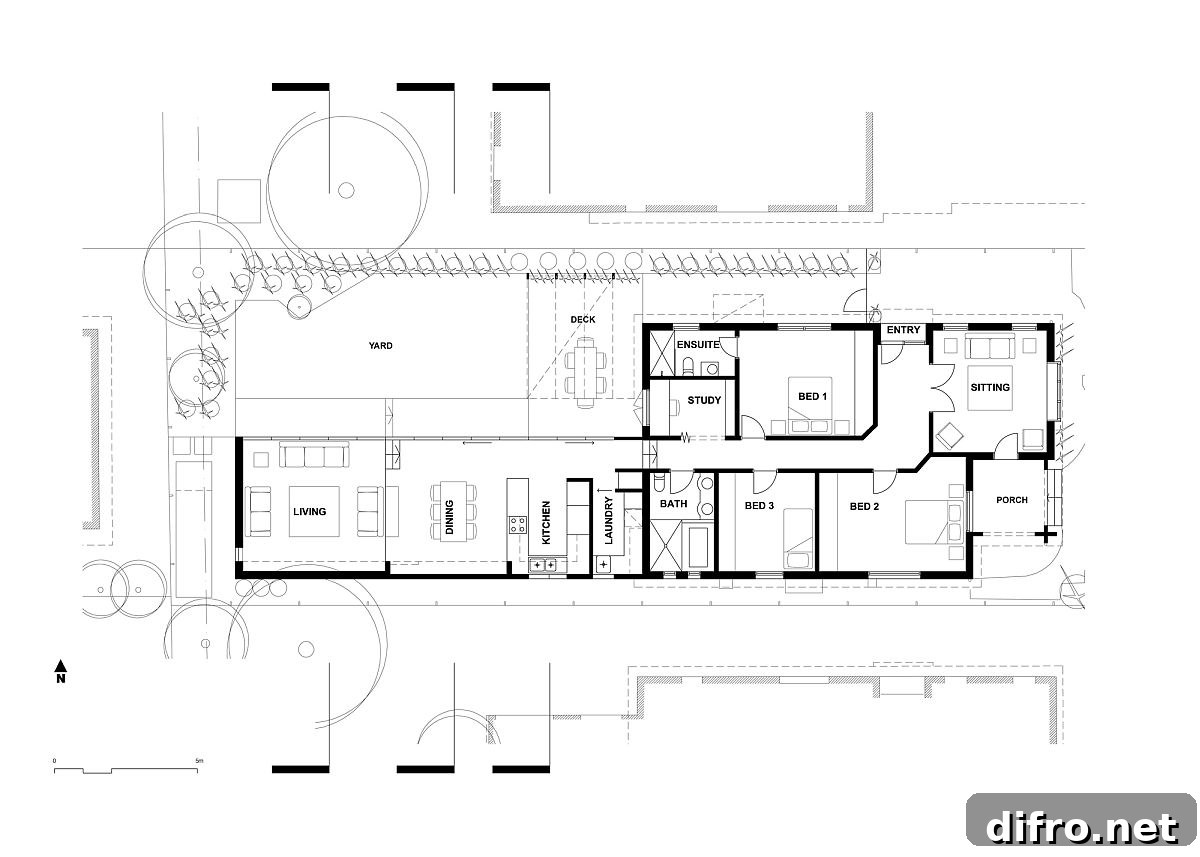
The interiors are deliberately simple and functional: storage is integrated to keep rooms uncluttered, finishes are tactile and durable, and the open layout encourages flexible living. The bathroom and utility spaces follow the same thoughtful approach, receiving daylight where possible to elevate everyday routines. A clear, legible floor plan ties the original bungalow and the new extension into a coherent, light-filled home.
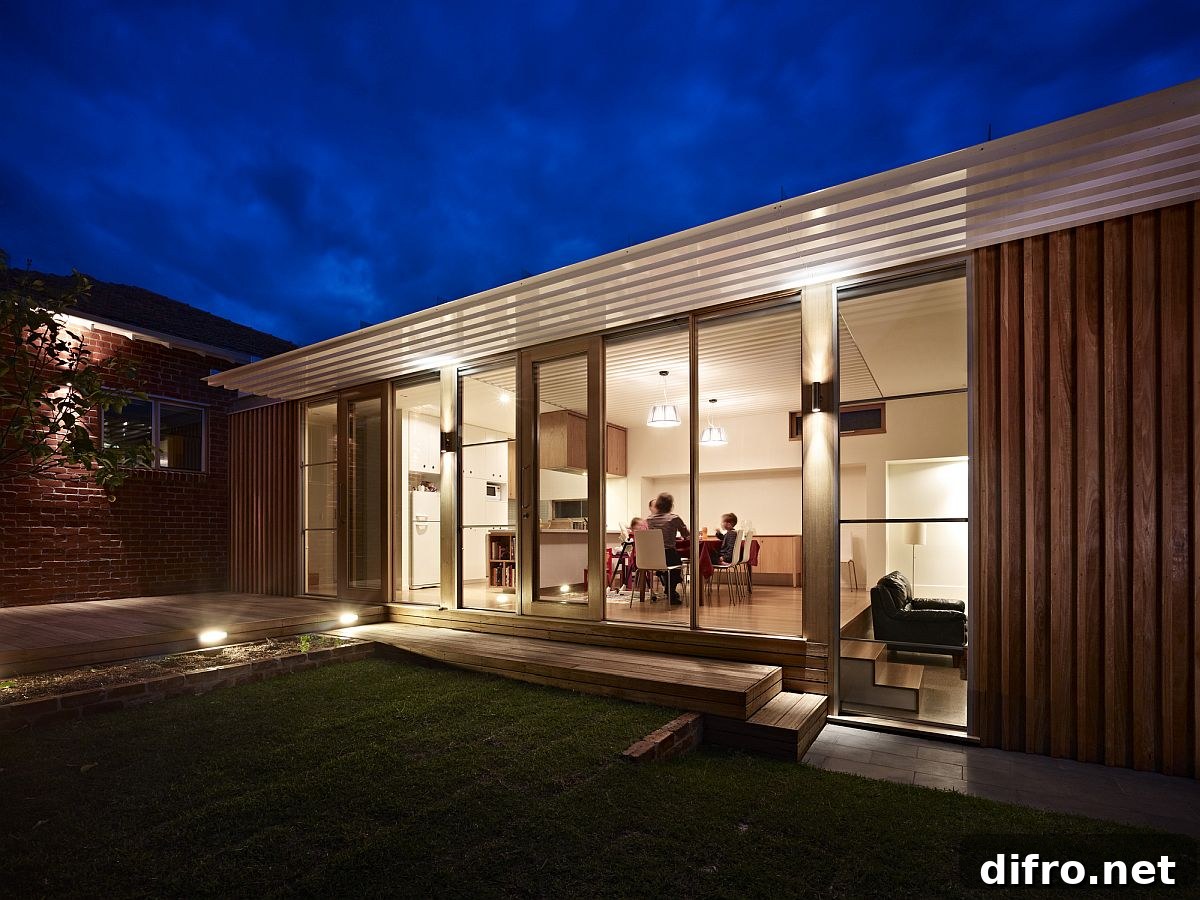
This project demonstrates how a sensitive extension can reframe a historic home for contemporary living: restoring daylight, improving thermal performance and creating a sequence of flexible, well-lit spaces that suit family life. Photography by Rhiannon Slatter documents the transformation and highlights how subtle design moves—timber battens, a modest sunshade, concrete floors and sliding glazing—can dramatically improve a home’s comfort and connection to its garden while preserving its original street character.