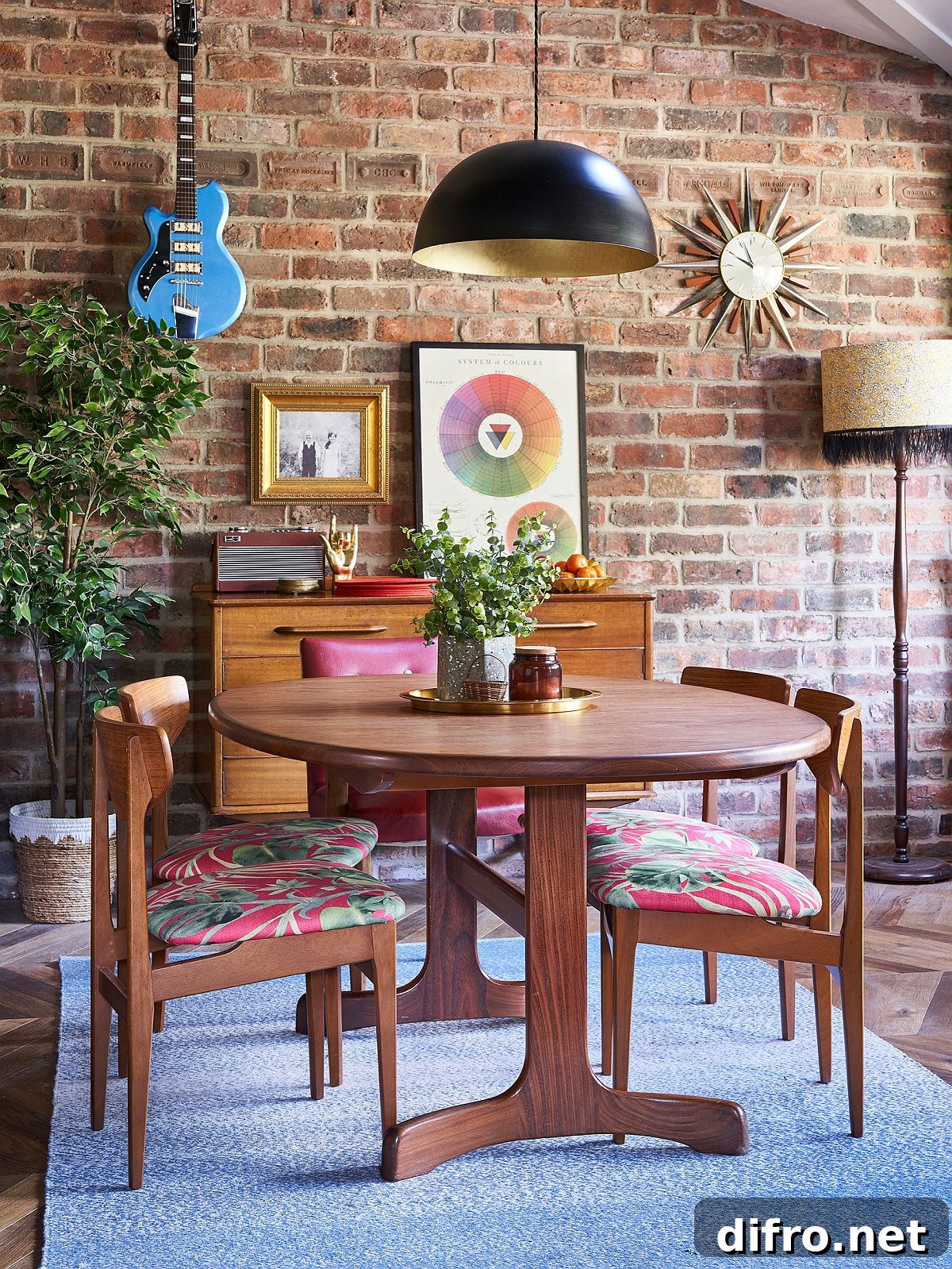
Winter feels especially long this year in many parts of the world still blanketed in snow. Even so, the New Year brings fresh design directions that will reshape our homes — including the dining room. Whether you’re updating a bedroom or giving kitchen cabinets a new color, dining-room trends for the coming months offer a range of ideas to refresh your space. Below are the most notable dining-room trends to watch, with practical tips for bringing each look into your home.
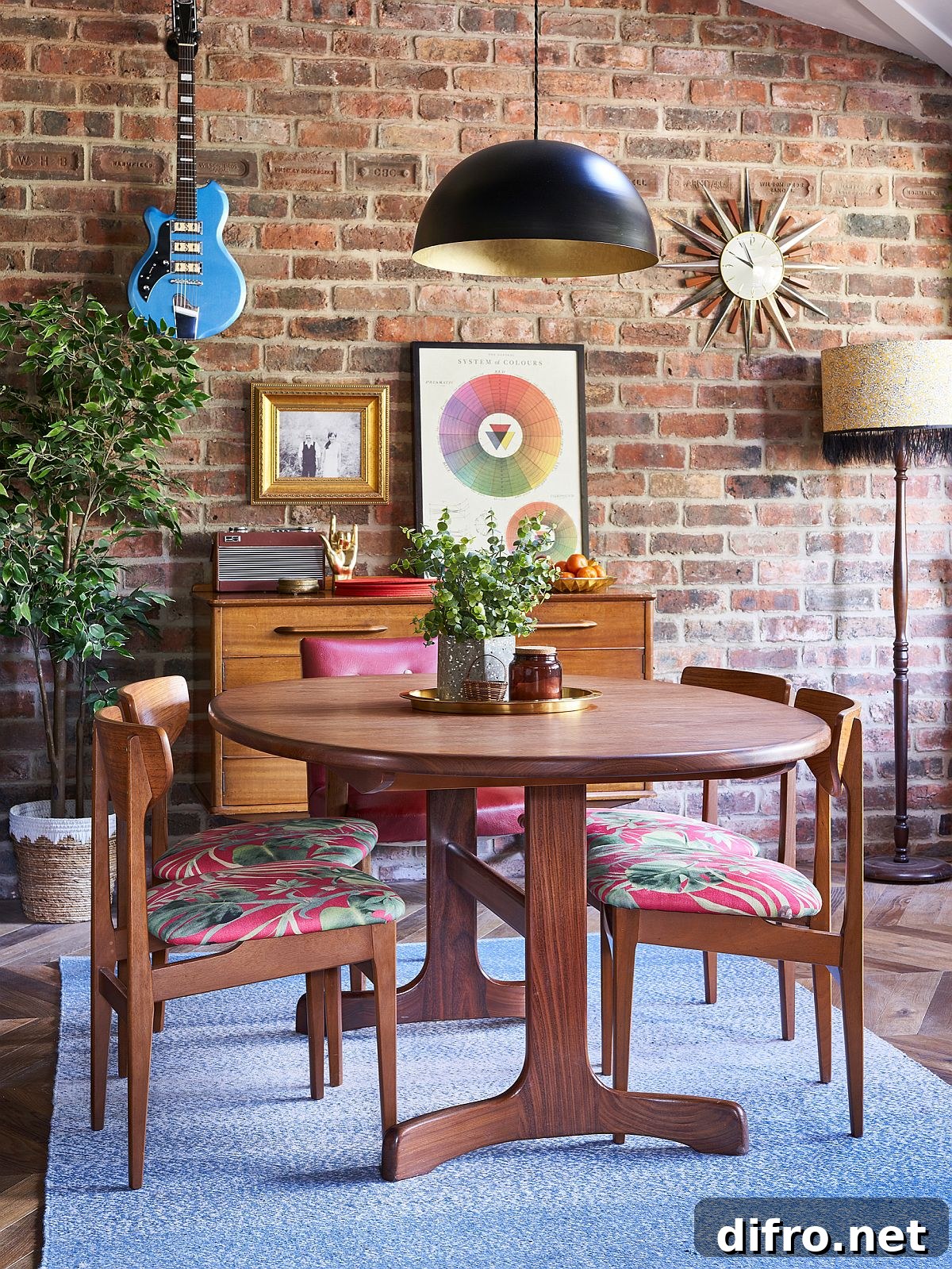
Dining room trends this year lean toward textured backdrops, calm contemporary color palettes, and smart space-saving solutions. There is something for every taste, from bold material statements to understated Scandinavian restraint. Read on to explore the top directions and how to adapt them to your home.
Brick Walls Make an Impact
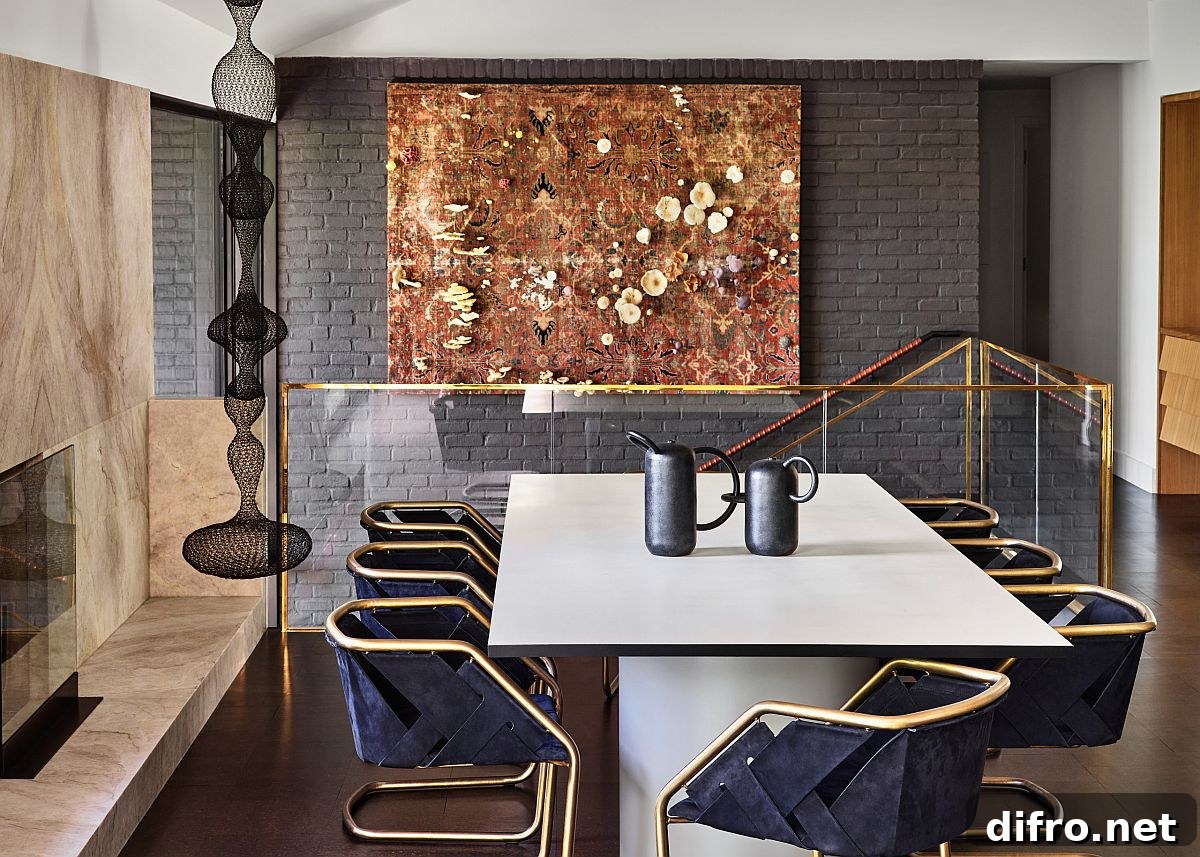
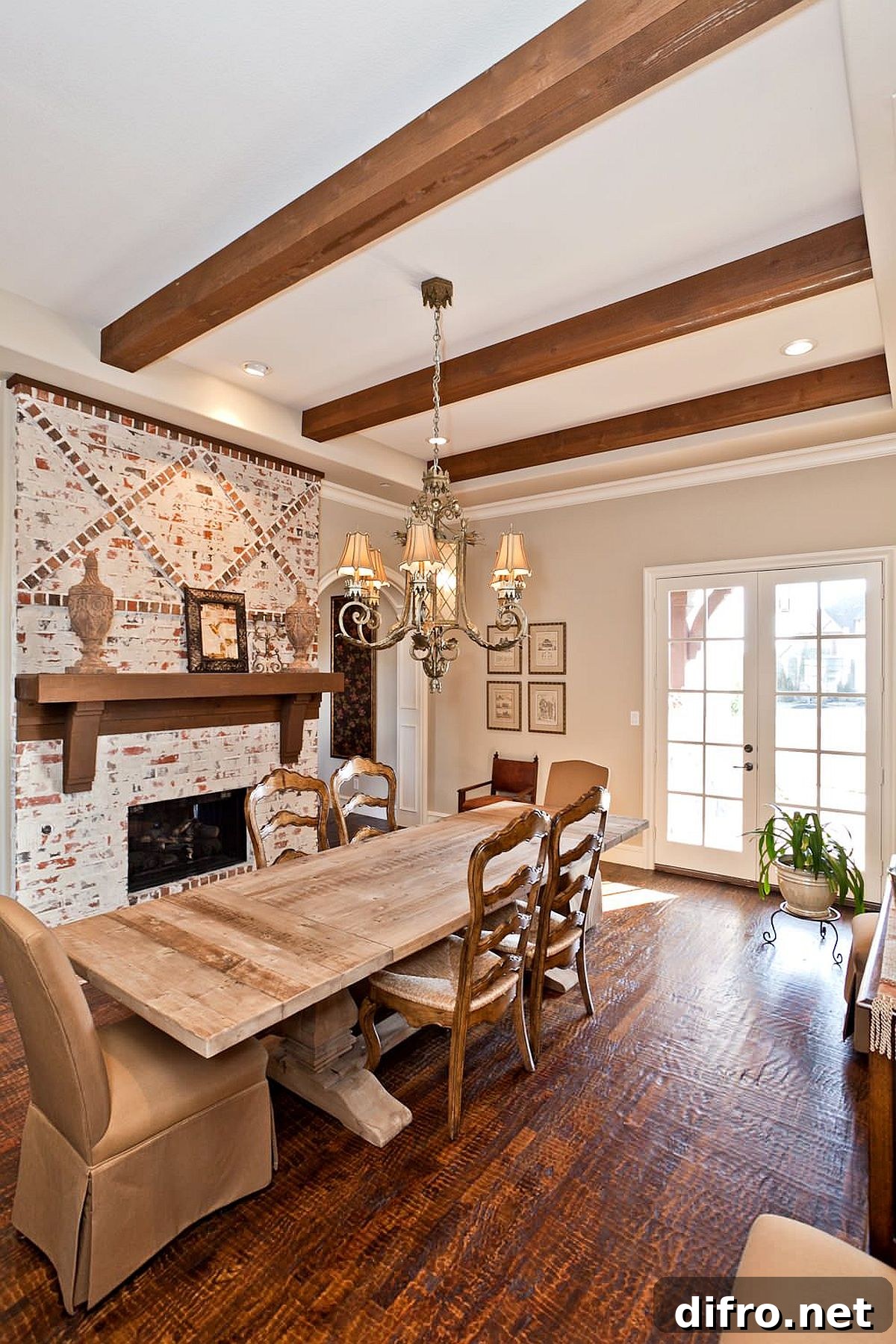
Exposed brick has moved from something to hide to a sought-after architectural feature. Where past generations covered brick with plaster or paint, today’s homeowners are revealing and celebrating original masonry as a focal backdrop. In a dining room, brick introduces texture, warmth, and a tactile contrast to smooth finishes. Use a single brick accent wall to anchor a dining table and artwork, or embrace a fully brick-walled room for a cozy, industrial-urban vibe. If your home doesn’t have real brick, high-quality faux brick panels or textured wallpapers are effective alternatives that deliver the same visual weight without major renovation.
Wood, White and Scandinavian Influences
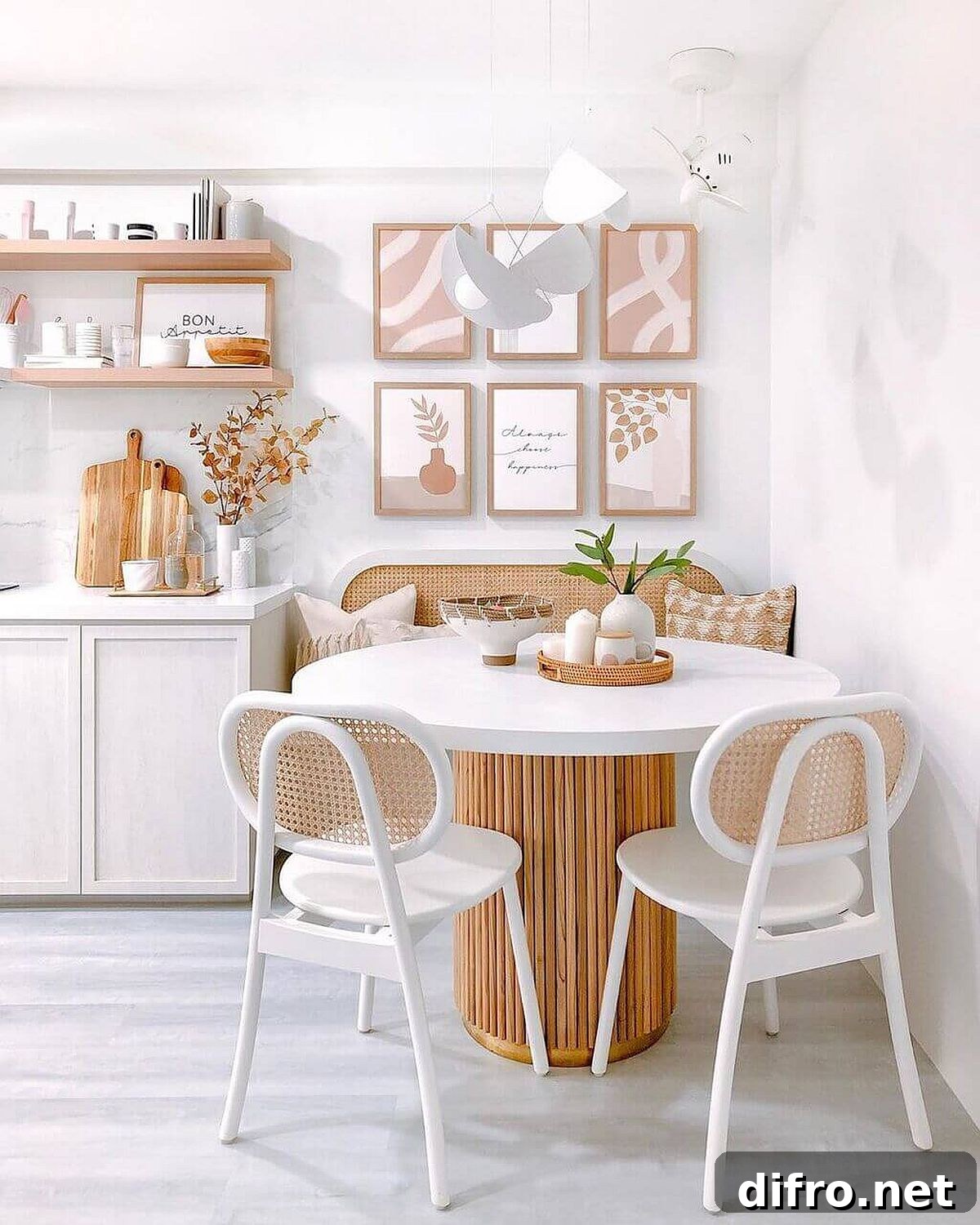
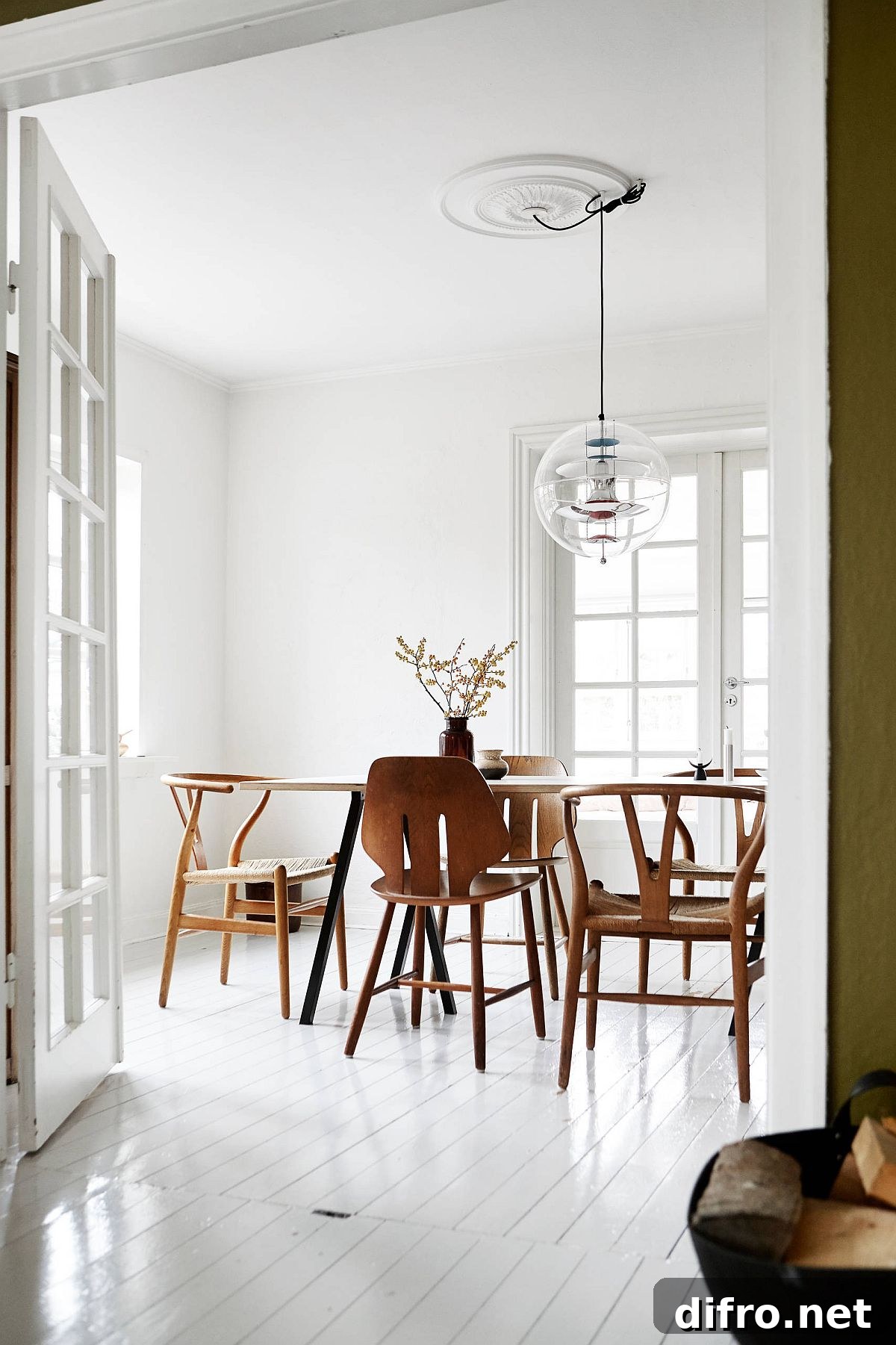
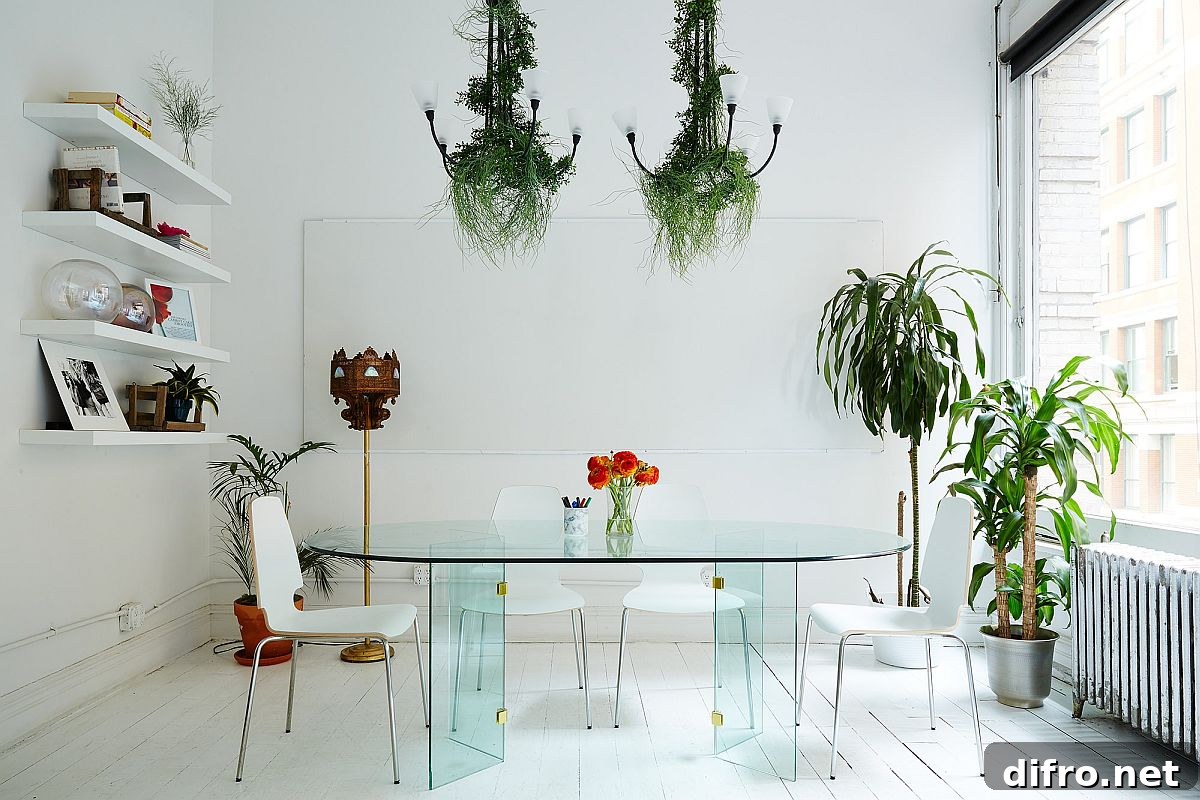
Clean lines, light woods, and white surfaces remain a dominant dining-room direction, inspired by Scandinavian design principles. This approach prioritizes simplicity, functionality, and a clutter-free aesthetic — qualities that work beautifully in modern open-plan homes. Pair light wood tables and floors with white chairs and soft pastel accents to create an inviting, timeless space. Round dining tables are especially on-trend for their sociable layout and space efficiency. If you want depth without losing the airy feel, introduce subtle gray tones or muted color accents for contrast.
An Extension of the Kitchen
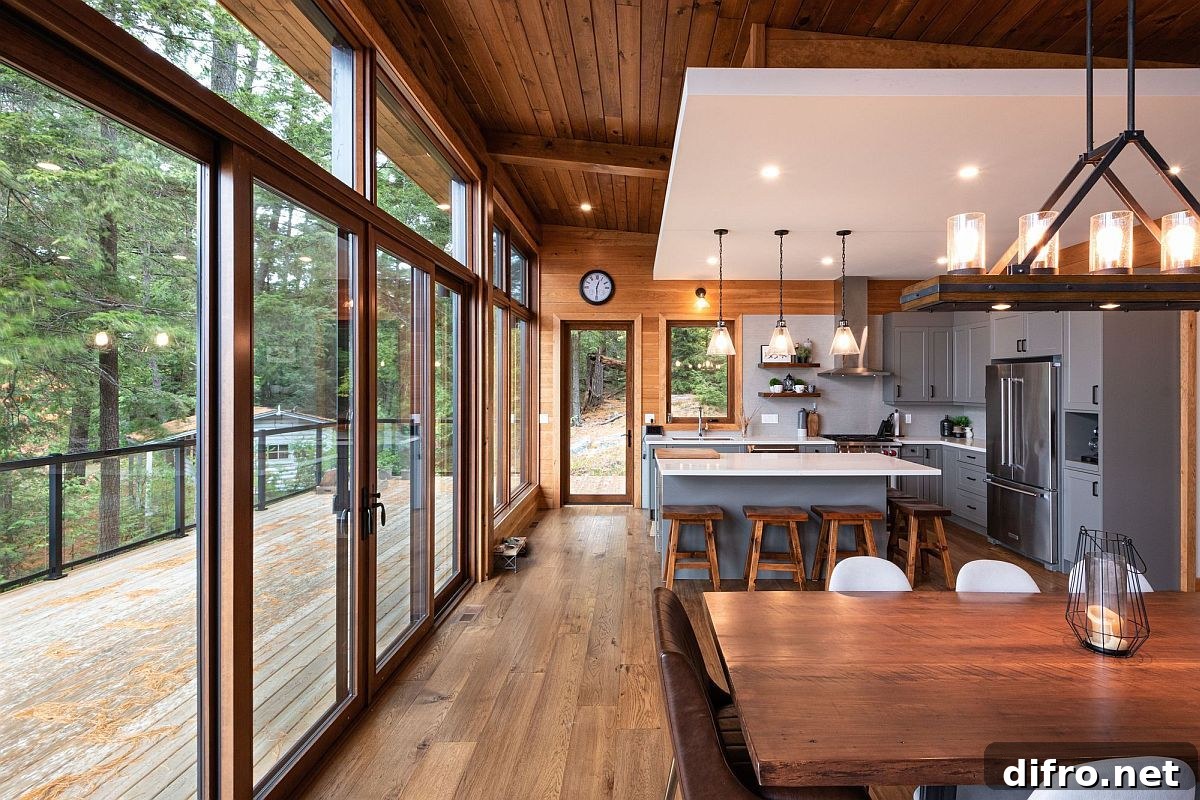
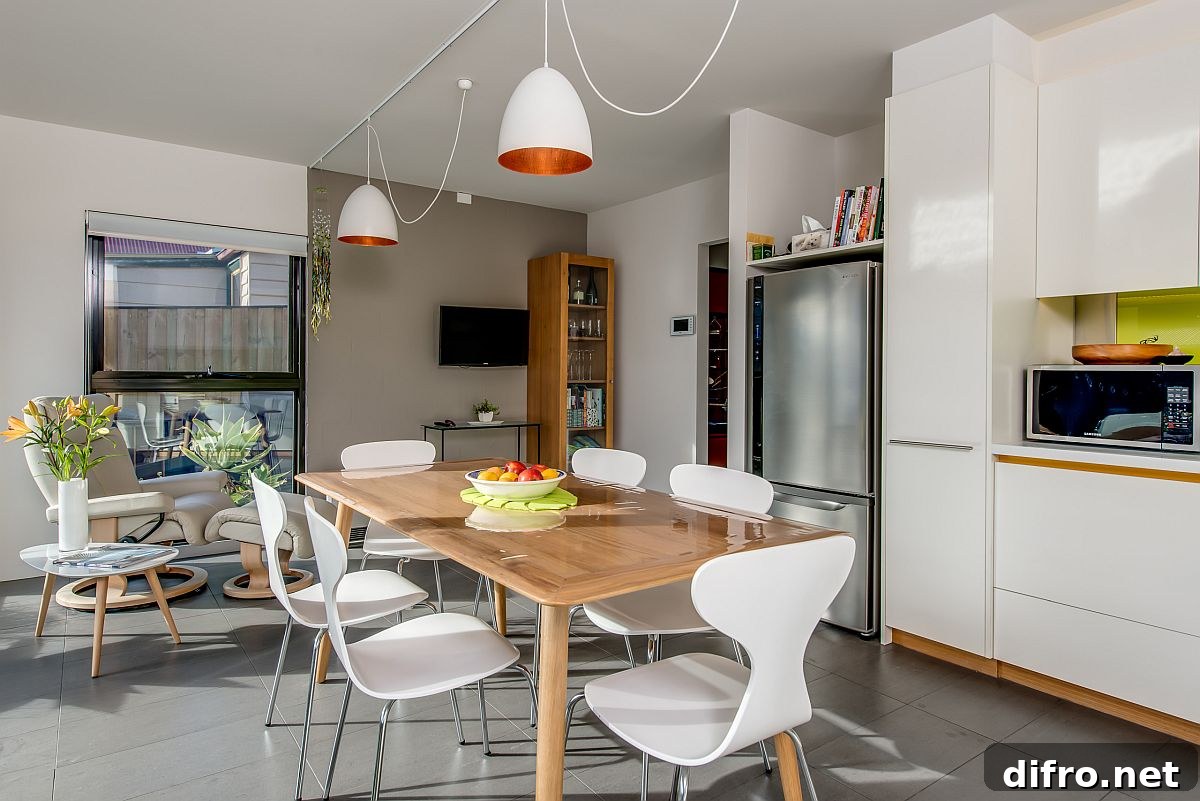
Blurring the lines between kitchen and dining areas continues to be a practical and aesthetic trend. Whether you describe it as an eat-in kitchen or a separate dining nook adjacent to the island, the key is a cohesive color palette and shared materials. Align the dining area’s finishes with the kitchen island or breakfast bar to create a seamless flow between cooking, dining, and living zones. A well-placed rug, lighting fixture, or a change in flooring pattern can delineate the dining area without erecting walls, giving it identity while maintaining openness and connectivity.
Embrace Nature Everywhere
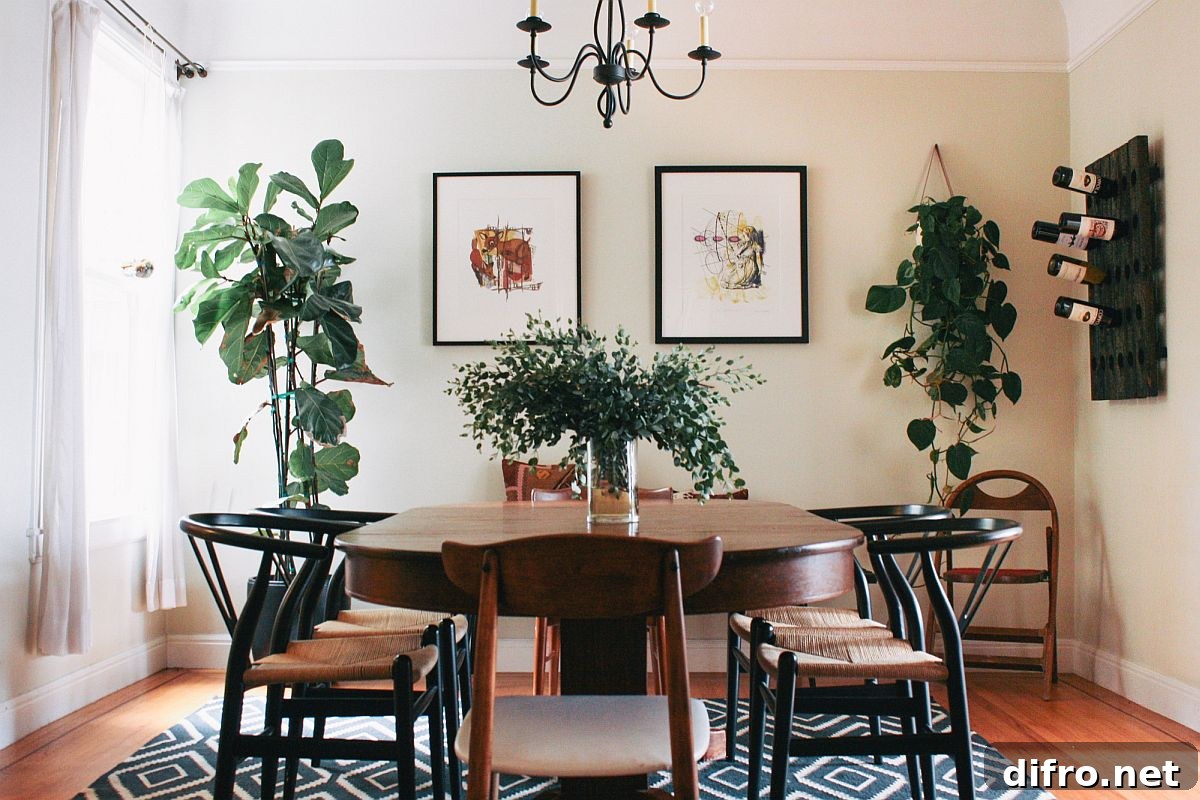
The value of bringing the outdoors in has never been clearer. Indoor plants, thoughtfully placed vases, and living centerpieces all add life and texture to the dining room. Large potted plants in corners, trailing vines on shelving, or a simple row of succulents on a sideboard can lift the atmosphere and improve the room’s visual balance. If your dining area has views to a garden or patio, maximize those connections with sliding glass doors or unobstructed sightlines so natural light and greenery become part of the dining experience.
Across these trends, the common thread is intentionality: choose materials, colors, and accents that support how you use the space. Whether you favor textured brick, pared-back Scandinavian styling, a kitchen-linked dining nook, or abundant greenery, make decisions that suit your lifestyle and keep the dining room both functional and inviting. Small updates — a new rug, a feature wall, or a collection of plants — can transform the room without a full remodel, making it easy to try out a new trend and refine the look over time.