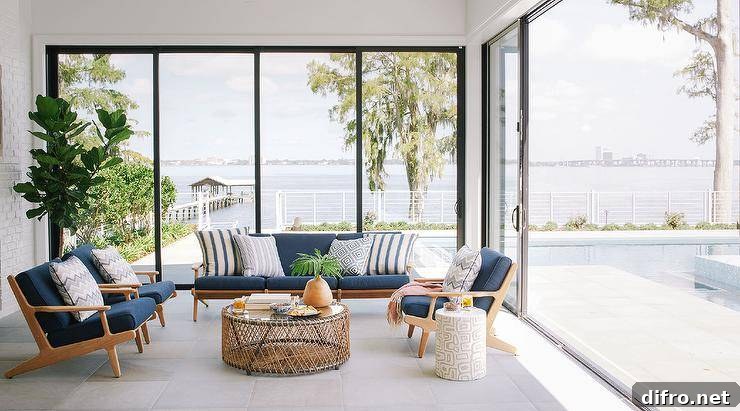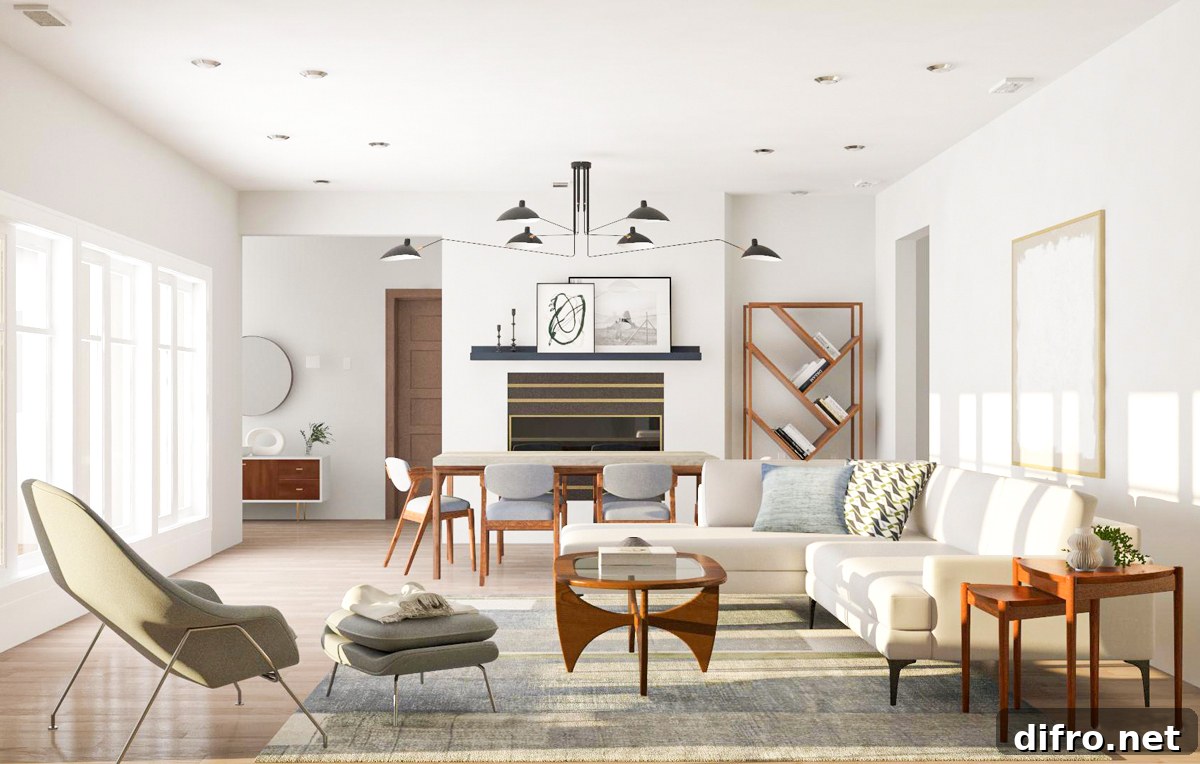
When someone asks for a modern home or a modern kitchen, a clear image usually comes to mind. Mid-century modern, however, can spark questions about what the term truly means. This style blends design trends from the 1930s through the 1960s with the clean minimalism of the 21st century. Below are practical mid-century modern living room ideas and guidelines to inspire your next room refresh.
Why Mid-Century Modern Design Remains Popular
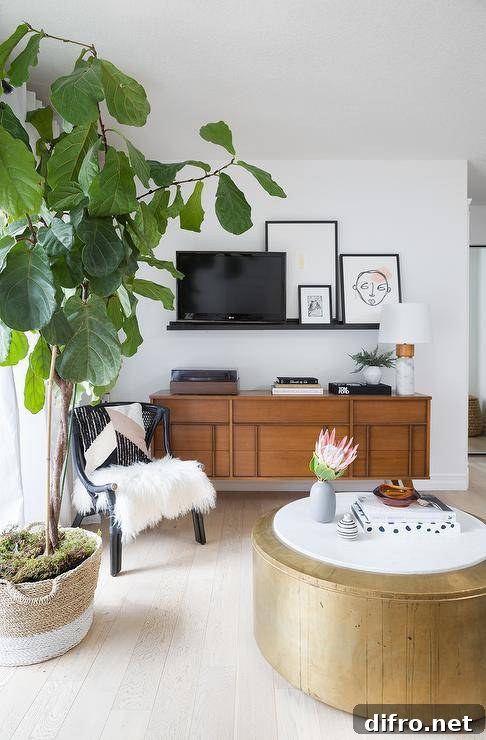
Mid-century modern design covers a wide range of looks, which helps explain its broad appeal. It’s accessible and adaptable: many existing furniture pieces in homes already fit the aesthetic without a full overhaul. Crucially, this style emphasizes functionality—furniture is designed to serve a purpose, often with clever, space-saving details that suit modern urban living.
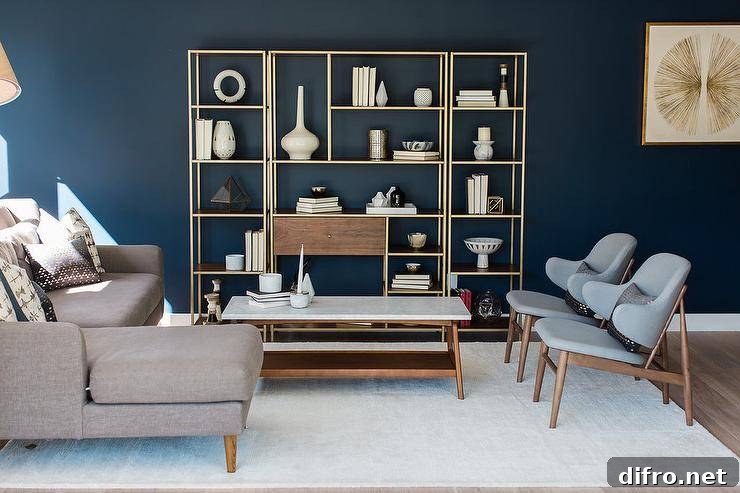
Because more people are living in smaller urban spaces, homeowners appreciate mid-century modern’s ability to make compact rooms feel efficient and uncluttered while remaining stylish and comfortable.
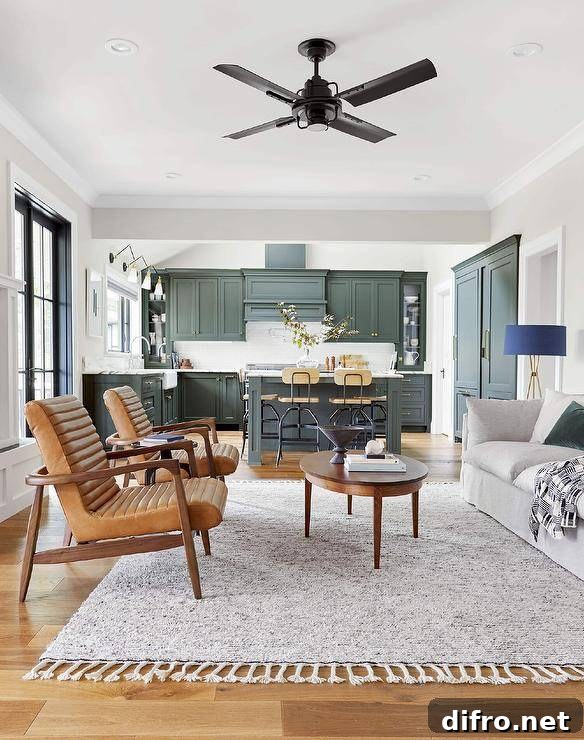
Focus on Functionality
Mid-century modern living rooms prioritize function first, letting form follow purpose. Avoid excess: choose furniture that performs—seating that’s comfortable, storage that’s purposeful, and accessories that add meaning. The post-war roots of the style led to versatile pieces—stackable, foldable, or multi-use—that suit contemporary lifestyles and small spaces.
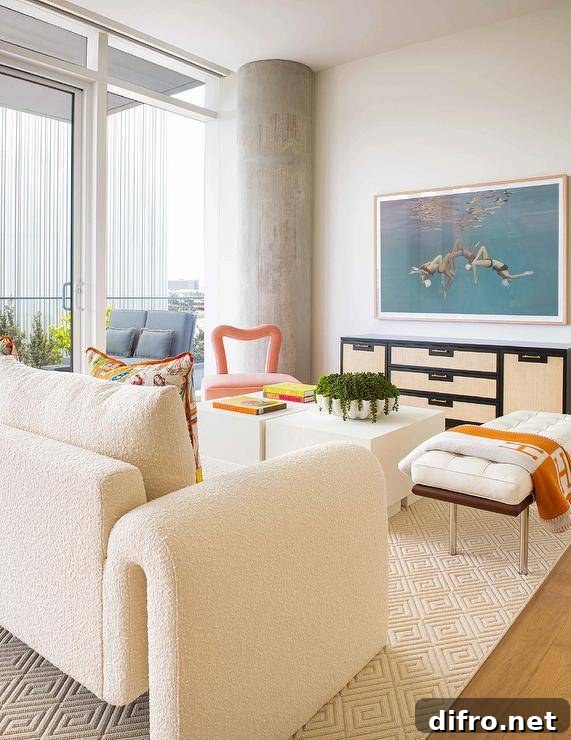
Juxtaposing Materials and Forms
One signature of mid-century modern design is juxtaposition: pairing traditional materials like wood with non-traditional ones such as plexiglass or metal, and combining straight lines with organic curves. Expect slim tapered legs supporting chunky surfaces, or smooth molded chairs set against textured textiles.
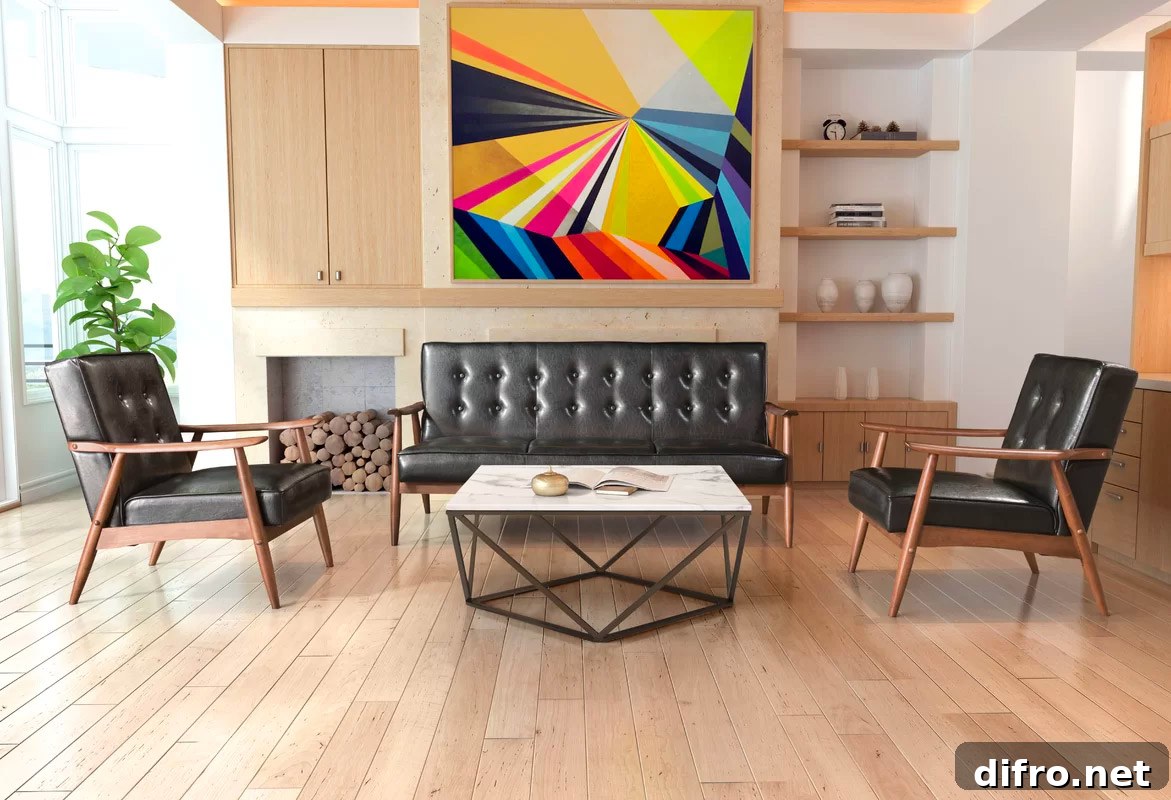
Mix Materials and Try New Textures
Don’t limit yourself to one material. Mid-century modern welcomes a mix: wood, leather, brass, and even lucite or molded plywood. Use unexpected materials in new ways—clear acrylic end tables, curved plywood seating, or metal accents next to woven textiles. Textures like wool, linen, and boucle add warmth and tactile contrast against sleek frames.
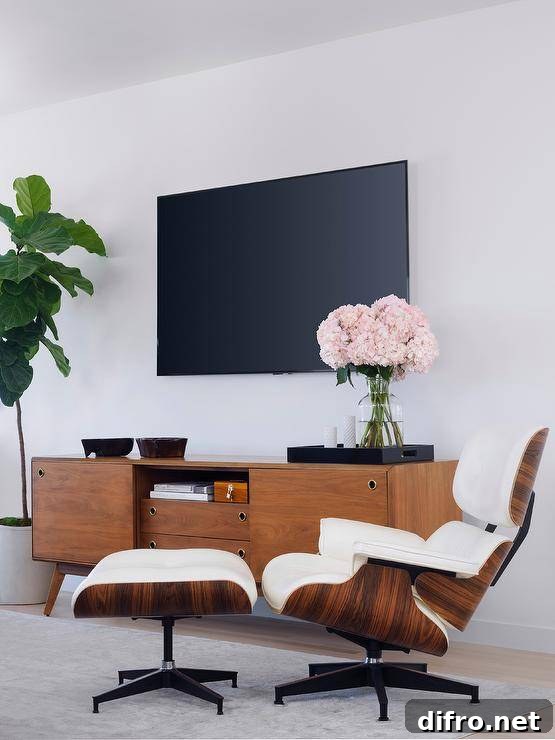
Add Curves to Balance Clean Lines
Mid-century modern often features clean, straight silhouettes. Introduce a few curved pieces—kidney-shaped coffee tables, gently rounded sofas, or boomerang-shaped side tables—to soften the geometry and add visual interest. Curves break monotony while staying true to the era’s aesthetic.
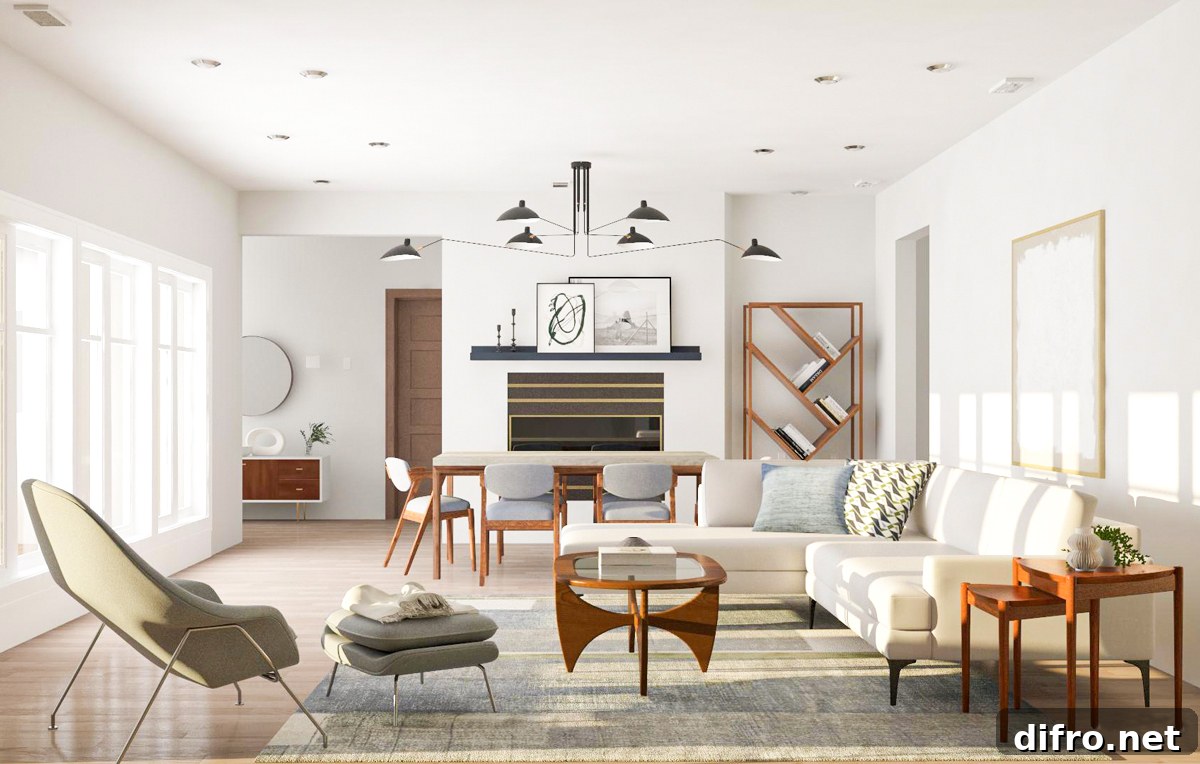
Color and Pattern
Unlike many modern interiors that stick to whites and neutrals, mid-century design embraces color. Think saturated hues—mustard yellow, burnt orange, teal, olive, and muted pink—used as accents rather than overwhelming the space. Pair color with geometric patterns in rugs, cushions, or art to reinforce the era’s spirit without making the room feel dated.
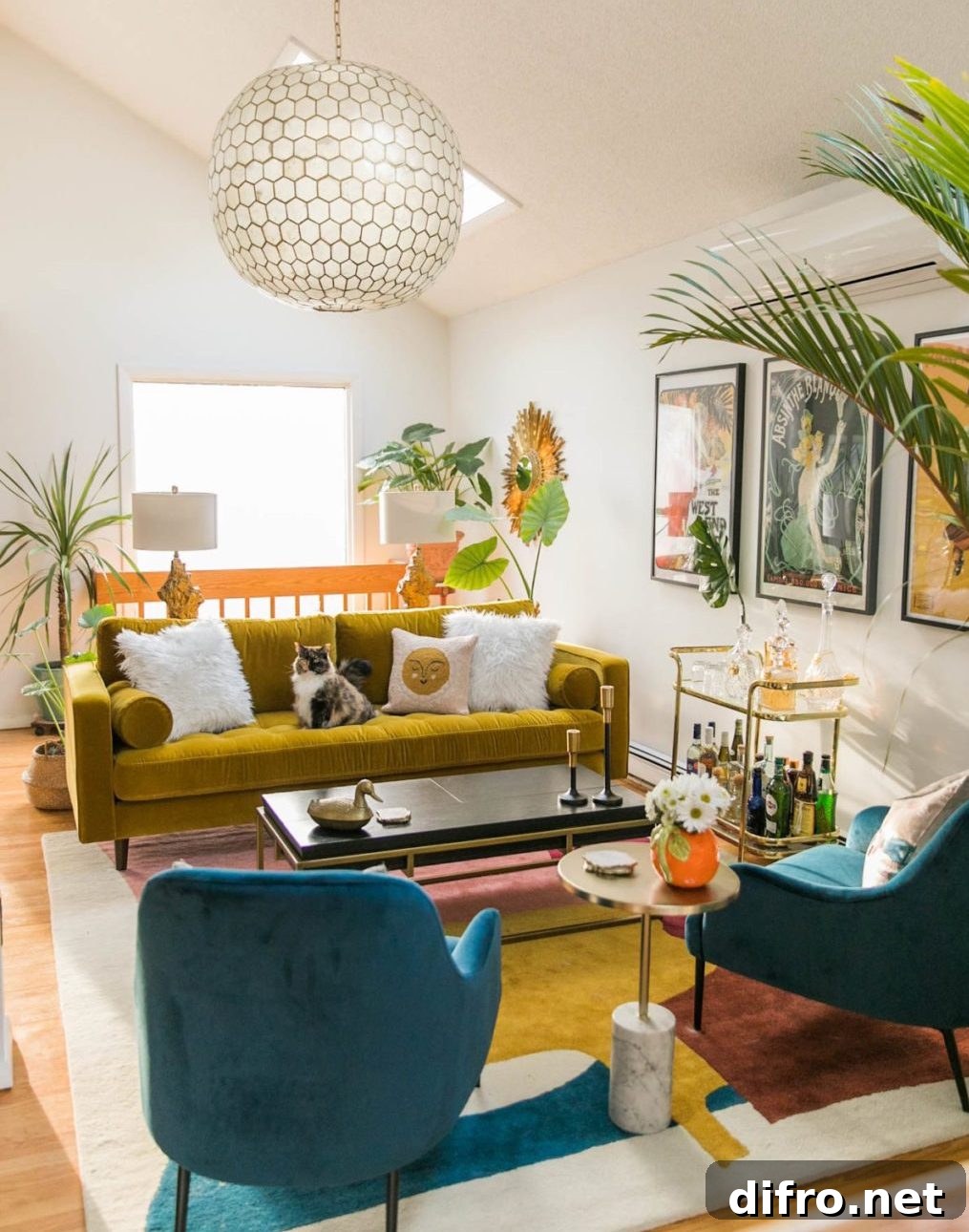
Start Small with a Statement Piece
If you’re unsure about committing fully, begin with one or two bold items: a brightly colored sofa, an iconic accent chair, or a sculptural lighting fixture. These statement pieces can define the room’s mood and help you decide whether to expand mid-century touches throughout the home.
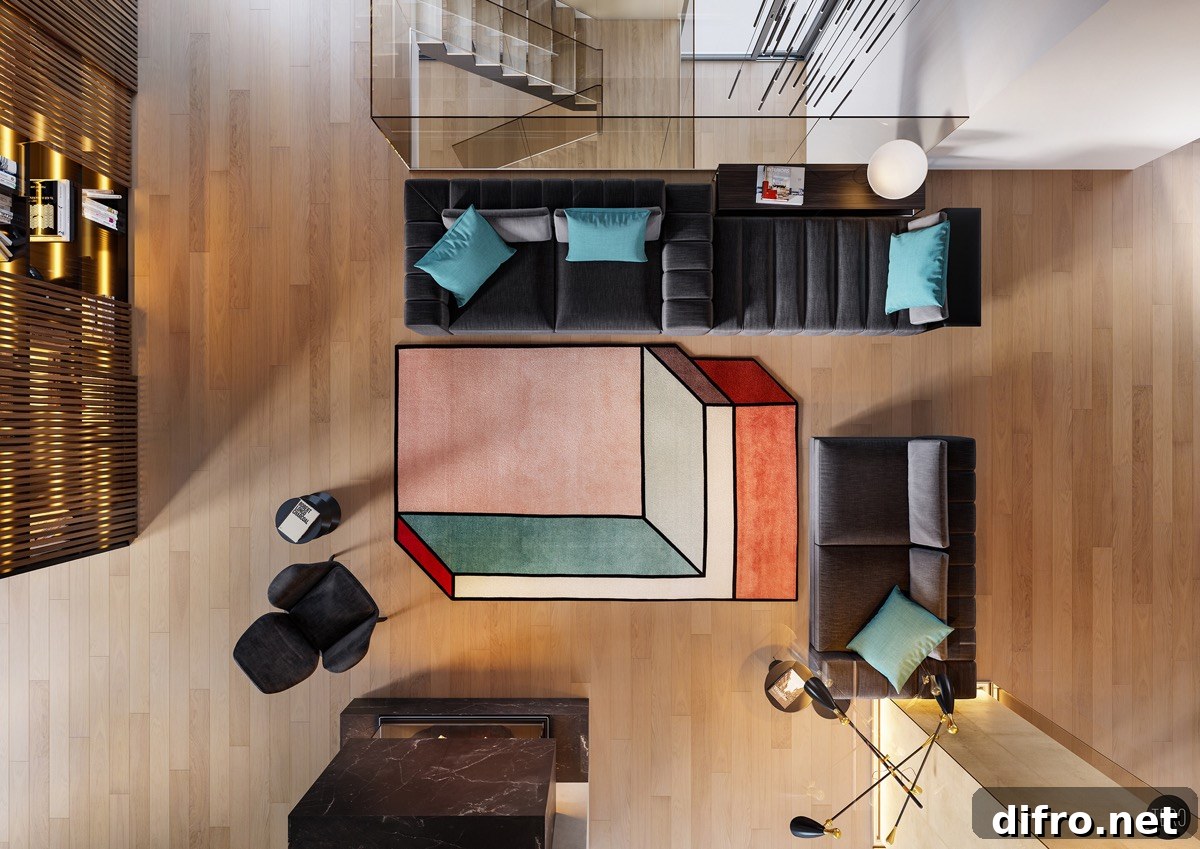
Lighting Matters
Lighting is a powerful mid-century design tool. Look for dome lamps, arc floor lamps, and chandeliers with sculptural or geometric forms. Fixtures in brass, matte metal, or organic wood finishes complement the era’s aesthetic and add warmth. Scouring vintage shops or estate sales can uncover authentic pieces with character.
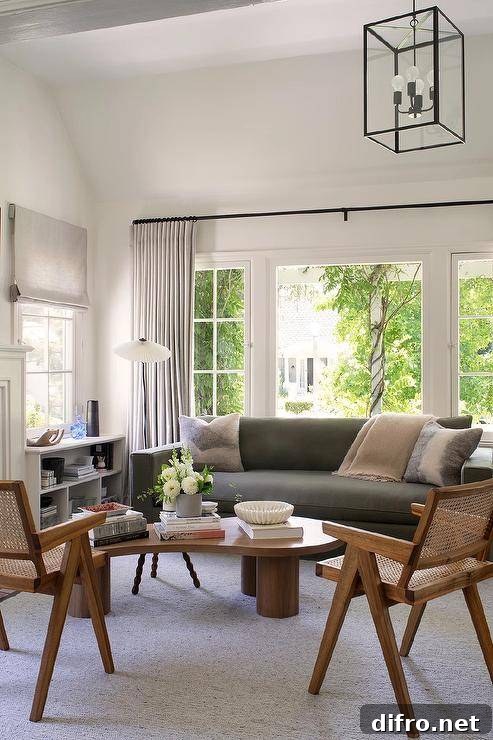
Frequently Asked Questions (FAQs)
What is mid-century modern design?
Mid-century modern design is a mid-20th-century style defined by clean lines, organic shapes, functional furniture, and a mix of natural and innovative materials. It remains popular for its timeless, versatile aesthetic.
What are key elements of a mid-century modern living room?
Key elements include simple, functional furniture with exposed legs; a mix of materials (wood, metal, leather, acrylic); bold but controlled color accents; geometric patterns; and curated, purposeful accessories.
How can I add color and pattern without overwhelming the room?
Introduce color via a single statement piece, accent pillows, art, or a rug. Use geometric patterns sparingly—on a rug or throw pillows—to provide visual interest while keeping the overall look uncluttered.
How do I choose furniture for a mid-century living room?
Look for pieces with clean profiles and tapered legs, made from quality materials like walnut or teak, or iconic molded designs. Prioritize comfort and function—mid-century design is as much about livability as it is about style.
How can I blend mid-century modern with other styles?
Mid-century modern mixes well with industrial, bohemian, and contemporary styles. Add a rustic coffee table, layered textiles, or industrial lighting to create a personalized, layered look that still honors mid-century principles.
These mid-century modern living room ideas offer a practical roadmap: emphasize function, mix materials and textures, introduce curved forms, and use color and lighting intentionally. Whether you opt for a full-room transformation or a single statement piece, the mid-century modern style can create a comfortable, timeless living room that suits modern life.