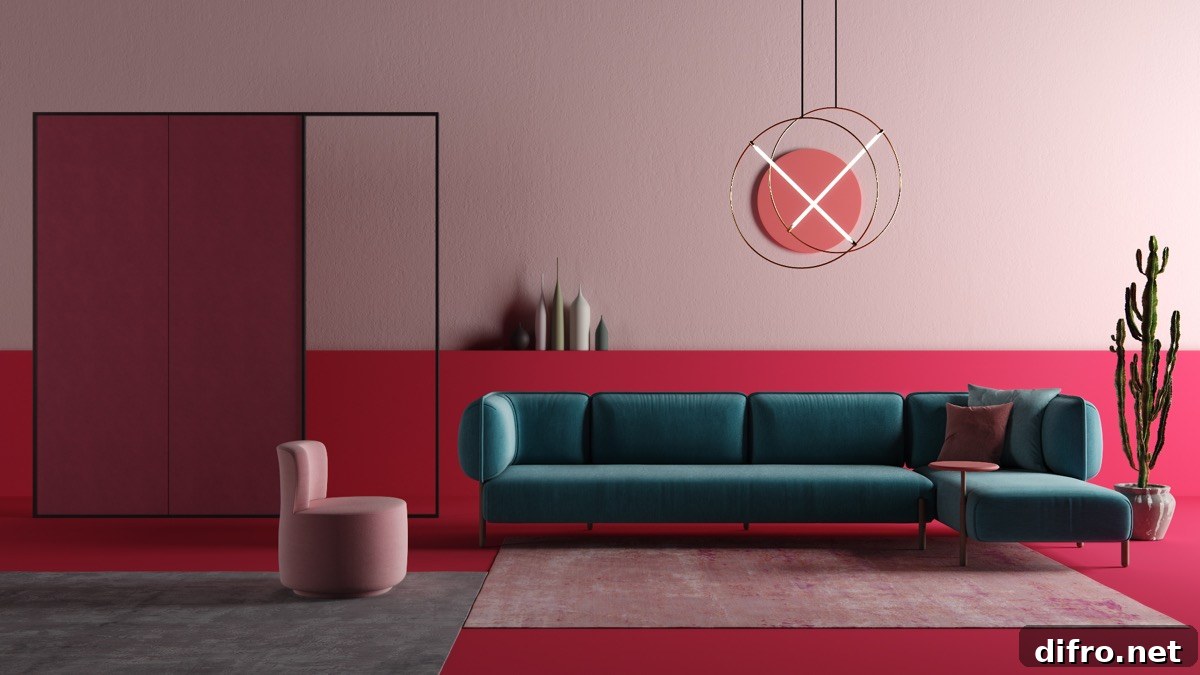
Although pink has long been associated with nurseries and toy aesthetics, it has steadily re-emerged as a versatile and sophisticated choice in contemporary interior design. Once relegated to niche uses, pink now functions as an effective neutral and a bold statement color alike—fitting for kitchens, bathrooms, living rooms, and bedrooms. With a wide range of tones available, pink can be applied subtly through textiles and accents or used more dramatically on walls, tiles, or architectural features.
Millennial Pink Is A Game-Changer
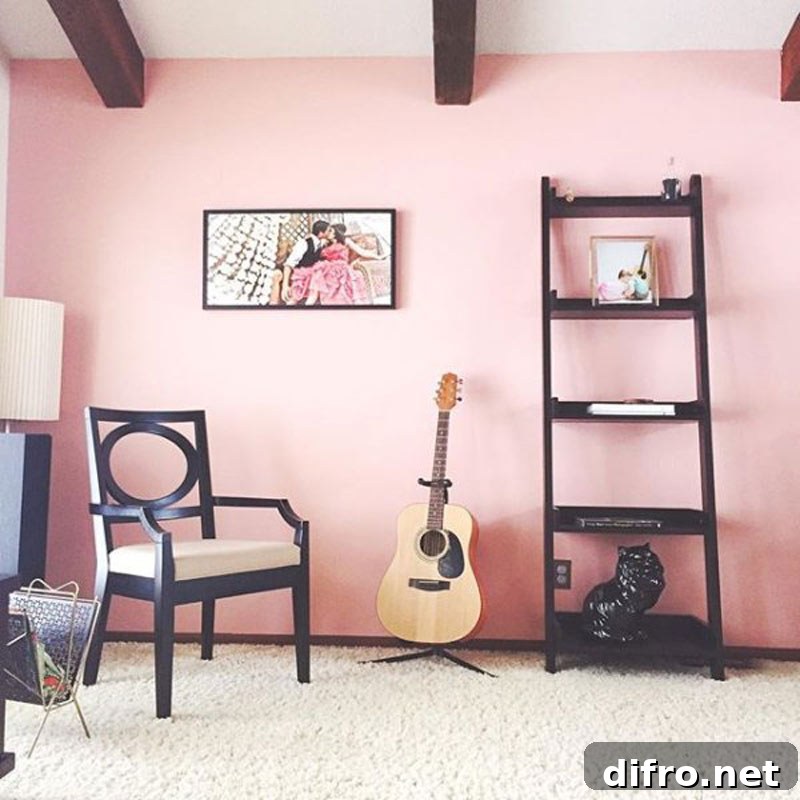
One of the most influential shifts has been the rise of what’s commonly called “Millennial Pink” (also referred to as “Tumblr Pink” in popular culture). This family of muted, peachier, and sandier pinks borrows from older palettes—mauves and soft peaches that were popular in previous decades—while giving them a modern, gender-neutral twist. Because these tones are less saturated than classic baby pink, they function well alongside other in-demand neutrals like gray, warm woods, and natural stone.
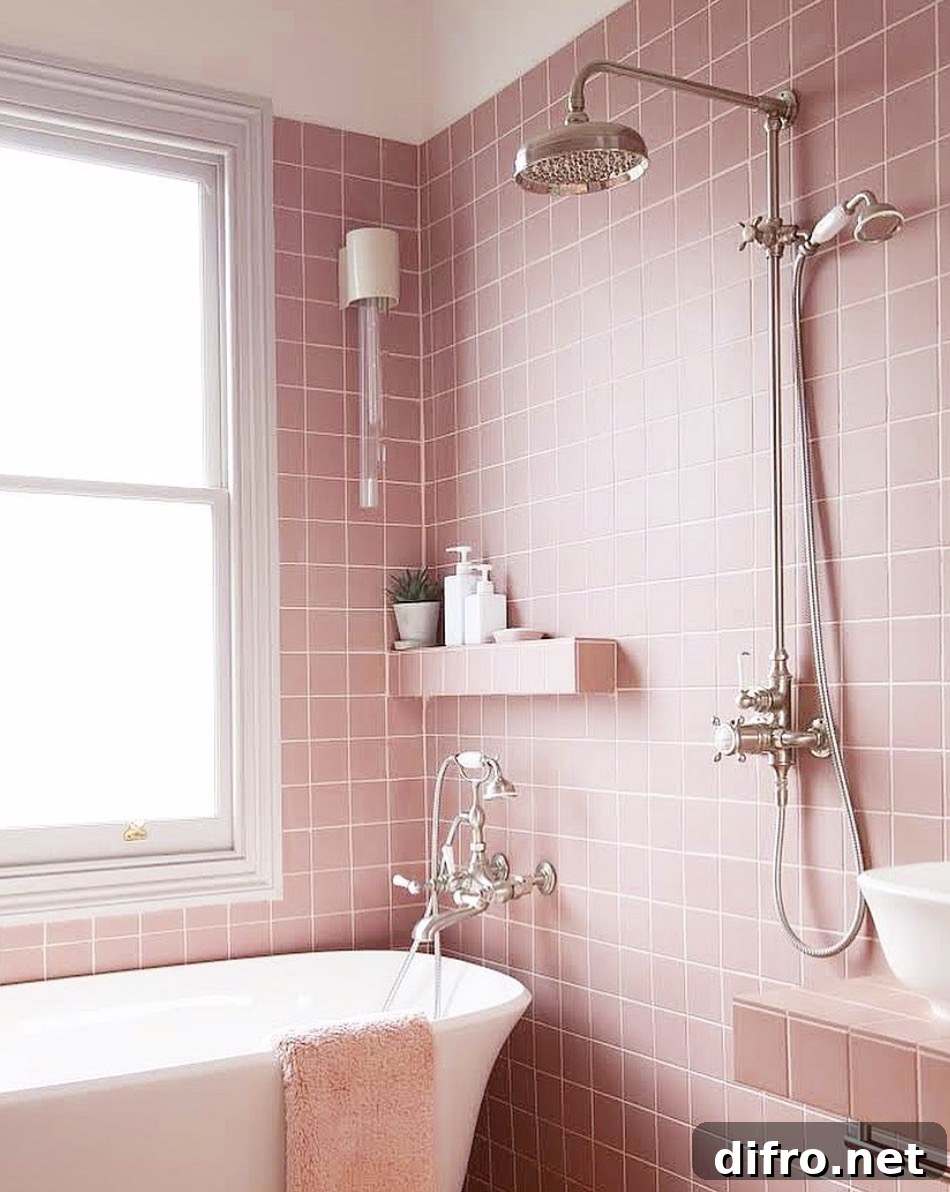
Practical uses include painted walls that reduce brightness without losing warmth, soft furnishings such as throw pillows and rugs to introduce subtle color, and fixtures or tiles in powder rooms for a calm, retro-modern sensibility. Pink’s softness can bring a soothing atmosphere to bedrooms and bathrooms, yet it also performs well in high-traffic areas when paired with durable textures and finishes.
Go For The Bold
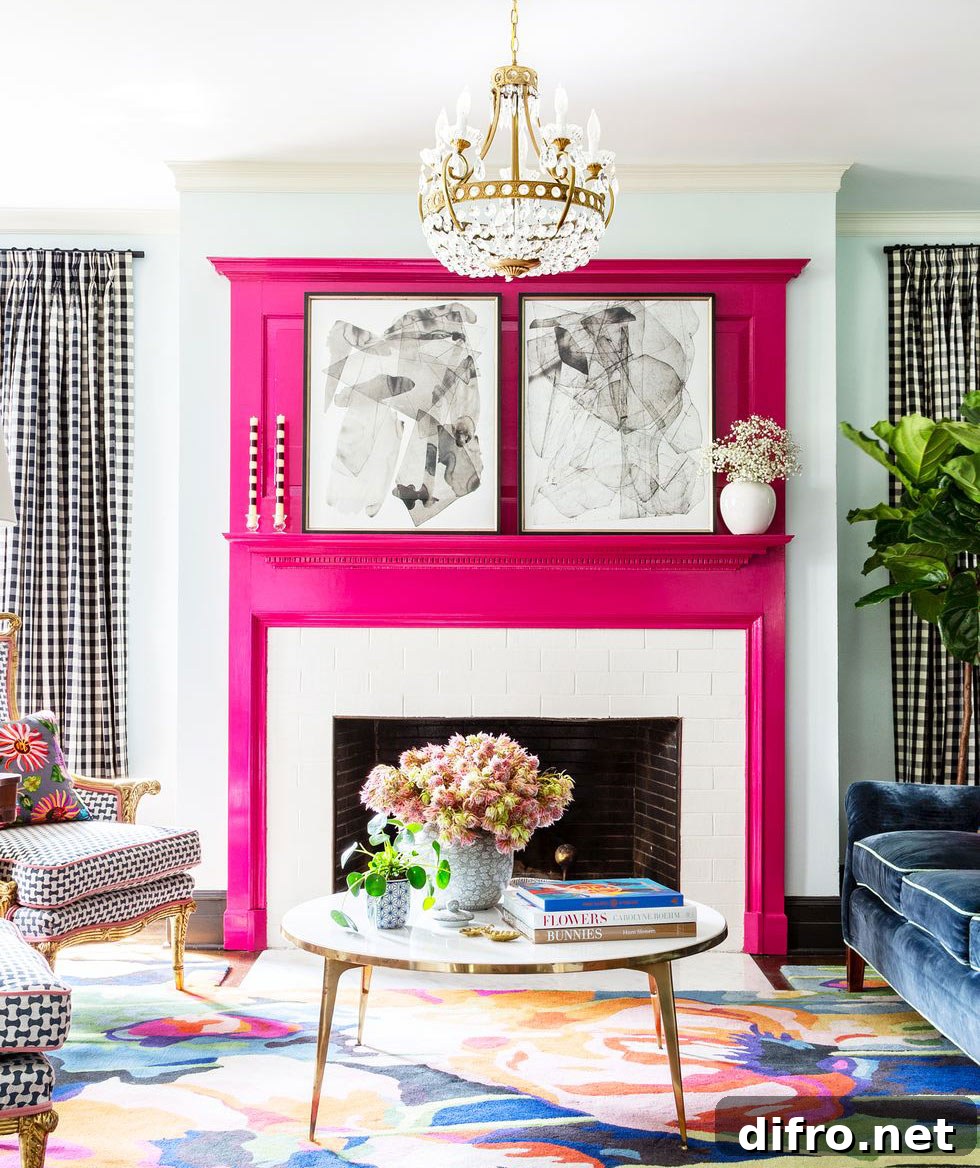
If you’re curious but cautious, start by introducing pink as an accent color in a room painted a complementary hue. Accent ideas that are easy to change include a painted bookshelf interior, a styled wall behind open shelving, throw pillows, or an area rug. These elements allow you to test how pink interacts with your furniture and lighting without committing to permanent finishes.
For homeowners ready to be more daring, a saturated pink can be used as a focal color. Consider painting an entire room in a vivid pink for an immersive effect, or highlight architectural details—such as a fireplace mantel, an alcove, or a built-in cabinet—in fuchsia or bright rose. Bold pinks work especially well in eclectic interiors, where they contrast with classic or neutral elements to create a lively, curated look.
Even Darker: Magenta And Burgundy
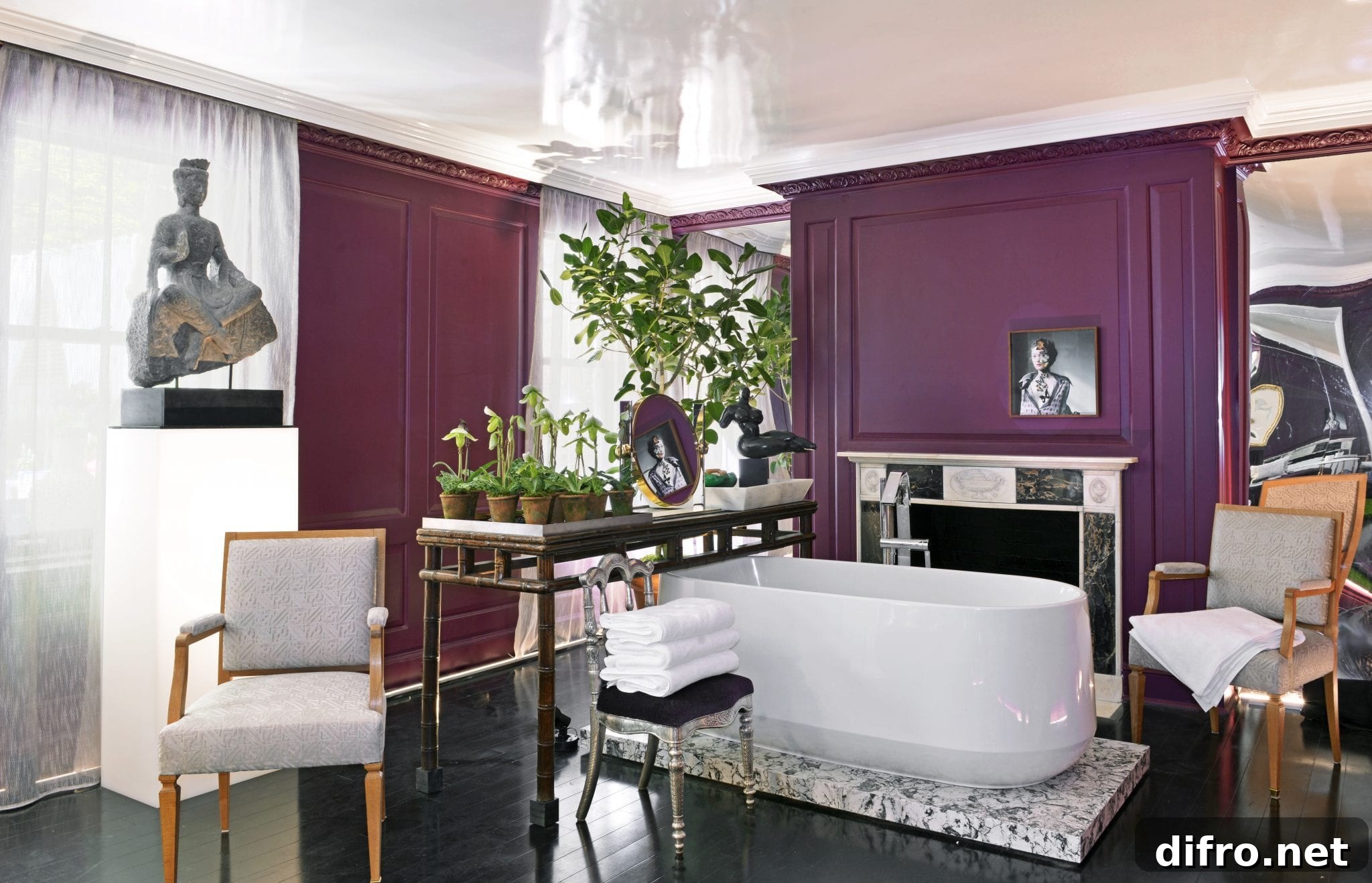
For a more dramatic or sensual atmosphere, deeper pinks—like magenta and burgundy—offer richness and depth. These tones lean toward red and purple, creating a moody, sophisticated vibe that suits dining rooms, libraries, and intimate living spaces. Because they are visually strong, darker pinks are most effective when used deliberately: as an accent wall, in upholstery on a single piece of furniture, or in textiles and drapery that can be layered to soften the intensity.
Balance is key when working with dark pinks. Light fabrics, sheer curtains, reflective metals, and pale trim will prevent a room from feeling heavy. Mixing varied textures—matte paints with glossy tiles or velvet upholstery with smooth plaster—adds dimension and keeps the palette interesting. In bathrooms, pairing a deep burgundy with crisp white linens and natural light creates elegance without overpowering the space.
Whether you prefer whisper-soft pastels or saturated magentas, pink is now a flexible tool in the designer’s kit. Pair it with natural wood, brass, stone, or cool grays to create contrast and harmony. Test paint samples in different lights, layer textures, and start with reversible accents if you’re unsure. With thoughtful application, pink can lend warmth, personality, and modern sophistication to virtually any space.