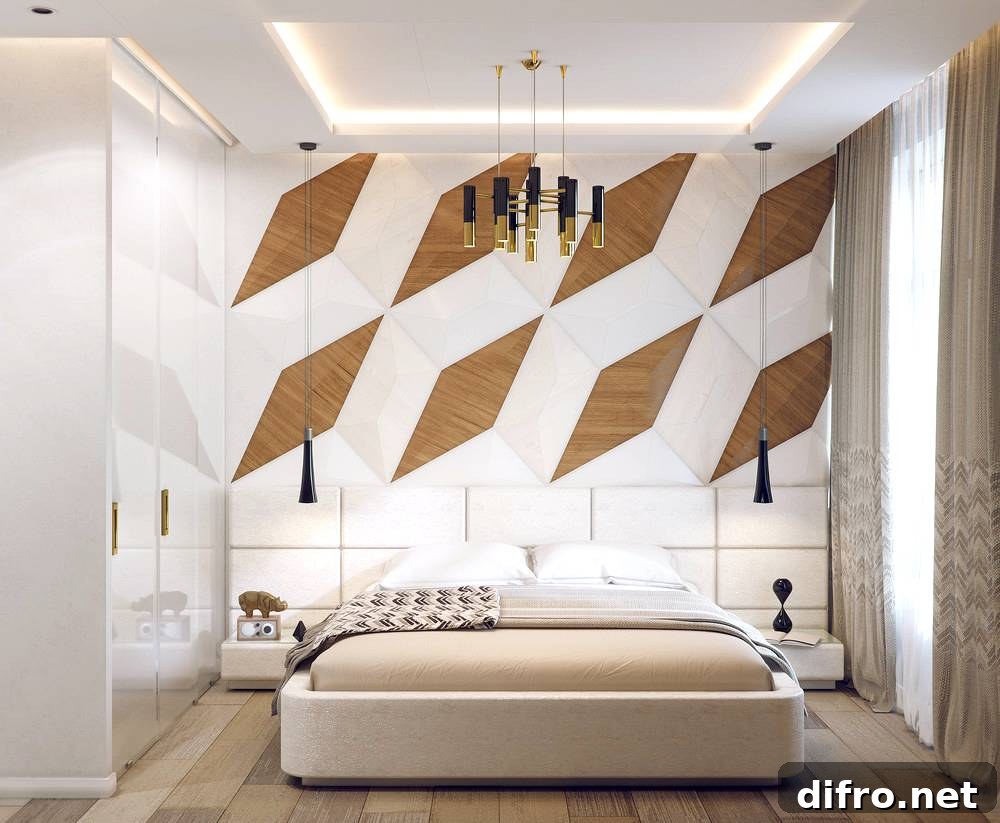
When it comes to your home, small details matter. The colors you choose shape the mood of each room, so selecting the right hues can make your living space feel happier, calmer, or more energizing. You don’t need to repaint the entire house to make an impact—an accent wall painted with leftover or small amounts of paint can transform a room and reflect your personality.
Sticking to neutral tones doesn’t mean your home has to be bland. A carefully placed pop of color can bring life and balance to any room. If you have half a can of paint from a previous project or a nearly empty can you found at a friend’s place, you can use it to create a striking accent without wasting paint. Below are simple, creative accent wall ideas you can try yourself—no contractor required.
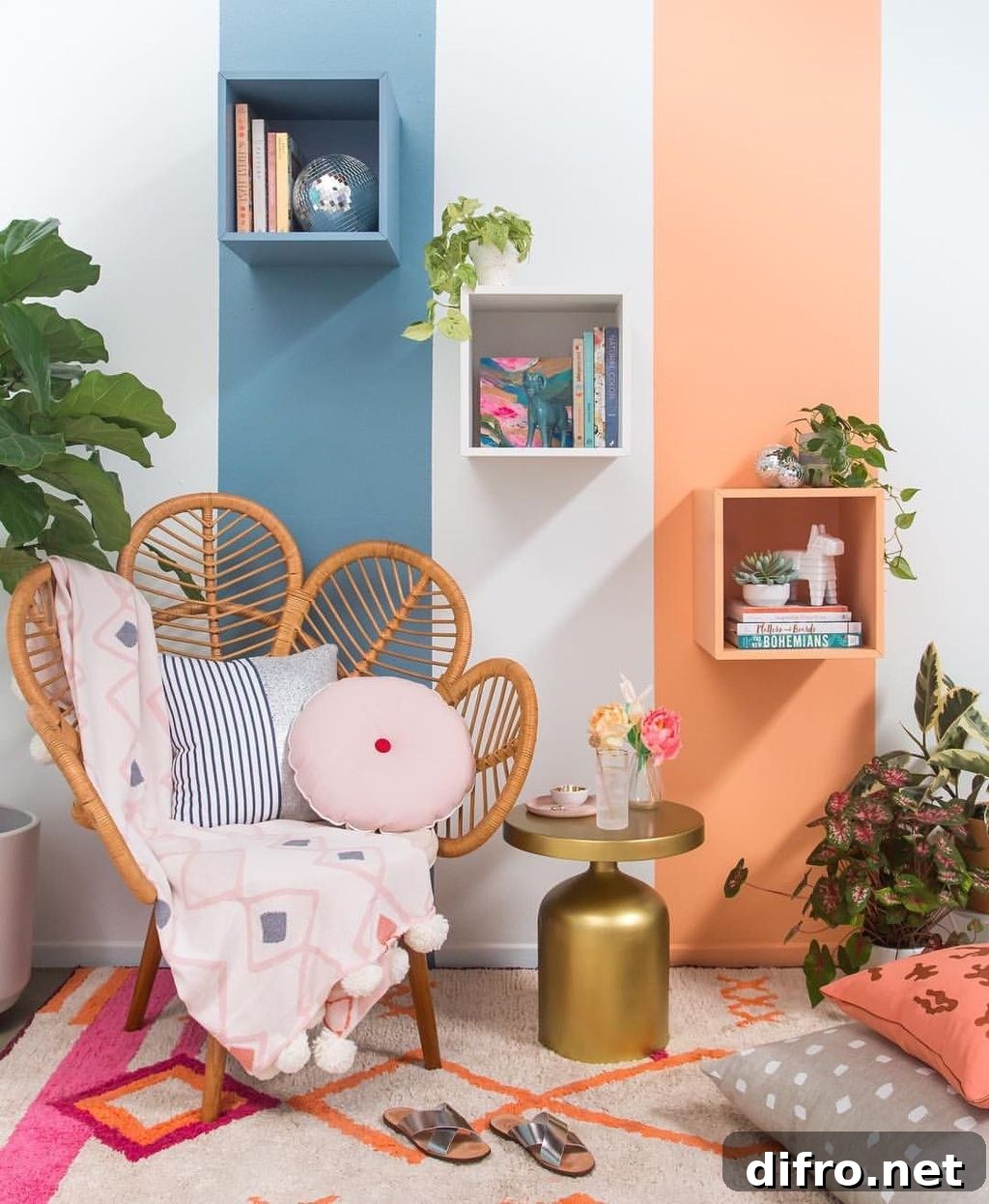
Paint Stripes on the Wall
Striped accent walls are a low-commitment way to introduce color without overwhelming a space. They add visual interest and can be tailored to subtle or bold tastes. To paint stripes, you’ll need painter’s tape, a paintbrush or roller, and a small amount of paint—preferably a shade darker than your existing wall color or a complementary hue.
Use quality masking tape to mark straight lines and take your time pressing the tape down firmly so the paint won’t bleed. Measure or mark the spacing for consistent stripes, then paint with light, even strokes. Depending on the wall size, this project typically takes only a few hours, including drying time.

Create a Patterned Wall
An entry wall or the wall you face when you walk into a room makes an ideal canvas for a patterned accent. You can create patterns using everyday objects that have a shape you like—cups, plates, bottle tops, or custom cut stamps. This DIY approach gives you full control over the scale, spacing, and complexity of the design.
Decide on a repeat pattern and practice on paper first if needed. For simple shapes, use a steady hand and a small brush; for larger motifs consider a sponge or larger stamp. Patterned walls work well in living rooms, bedrooms, or any space that needs a focal point without heavy construction.
Stencil a Wall
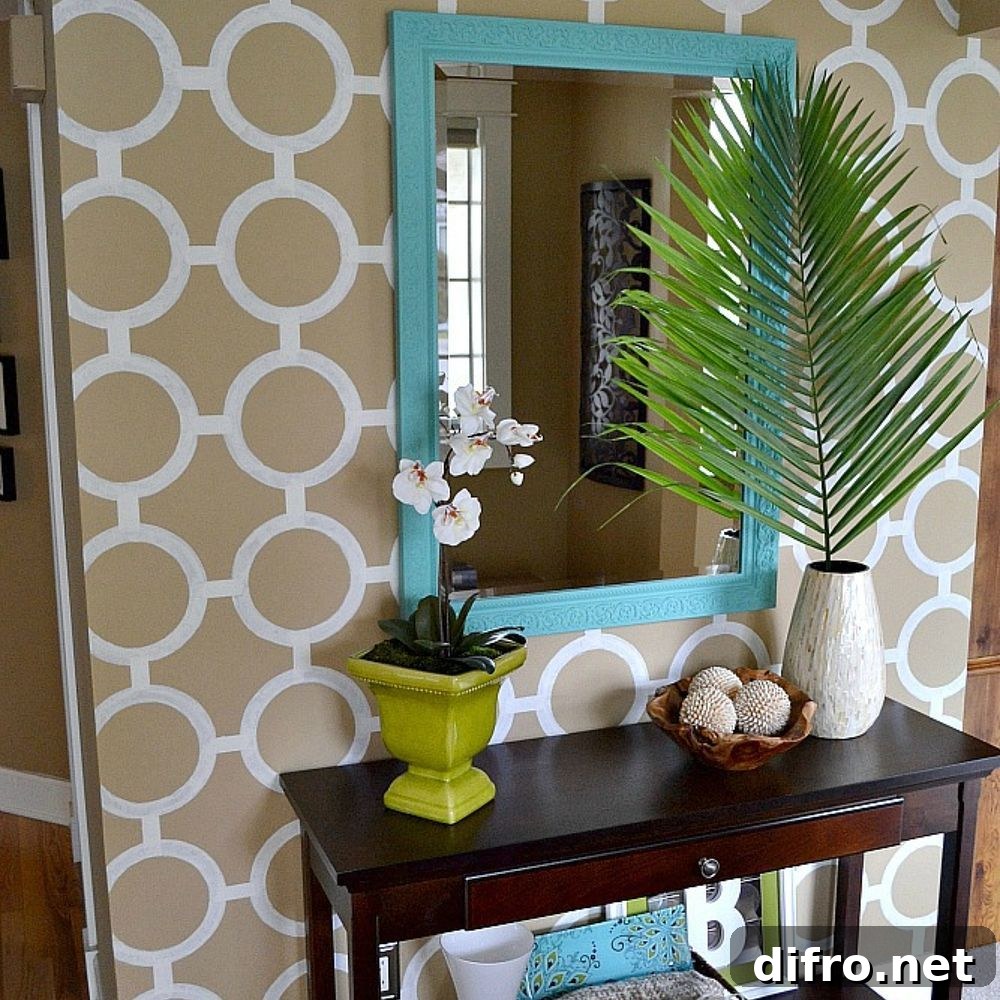
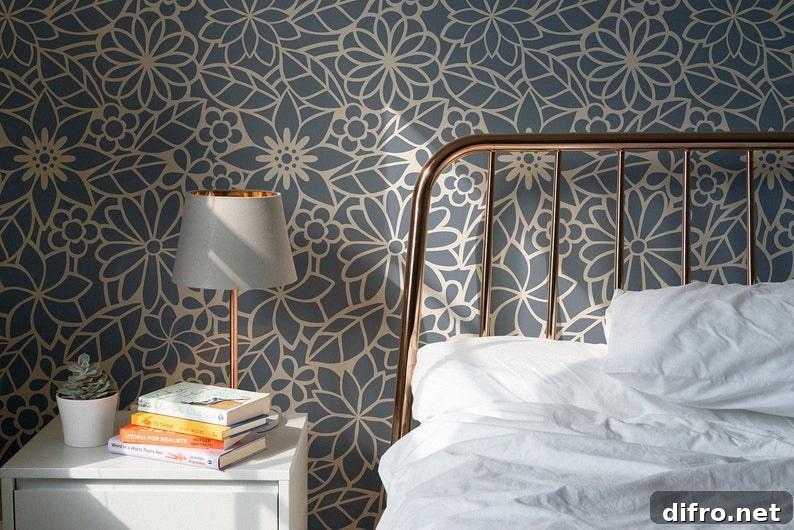
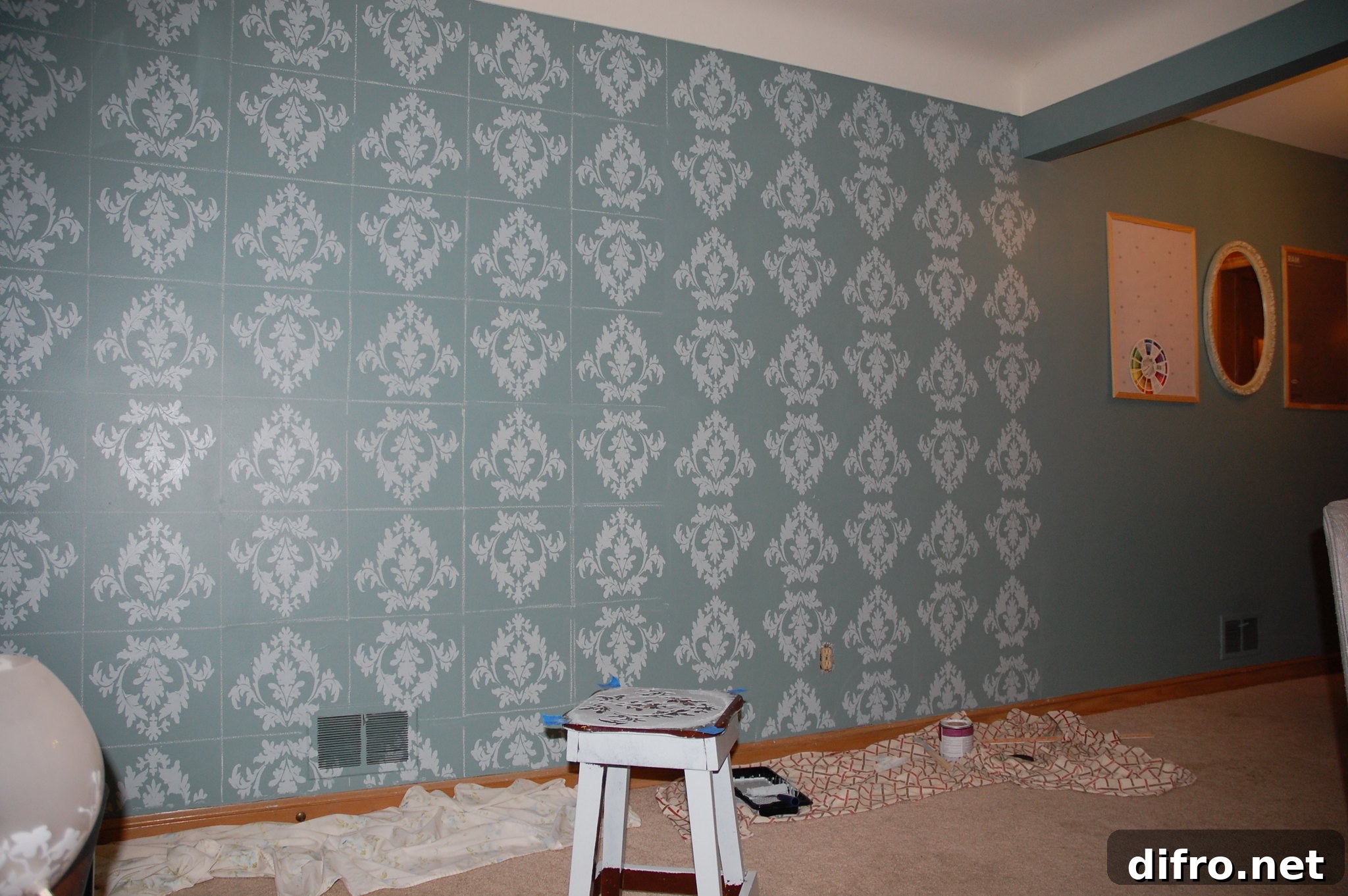
Stenciling offers a quick way to add drama and personality without needing advanced painting skills. Stencils come in many sizes and patterns, so choose one that fits the scale of your wall. Larger stencils cover more area faster, while smaller ones allow for a delicate, detailed pattern.
Before you start, make sure the wall surface is smooth and free of flaking paint. Very textured walls can prevent the stencil from sitting flat, which may cause bleeding. Work with contrasting colors to let the stencil pattern stand out and repeat the stencil in a consistent grid for a polished look.
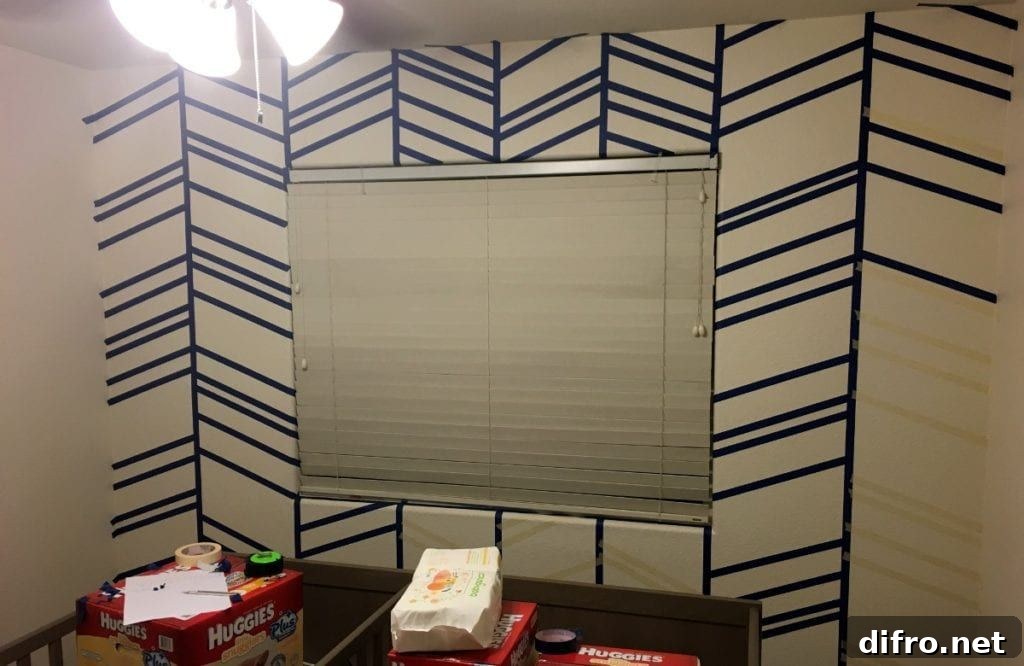
Create a Geometric Design
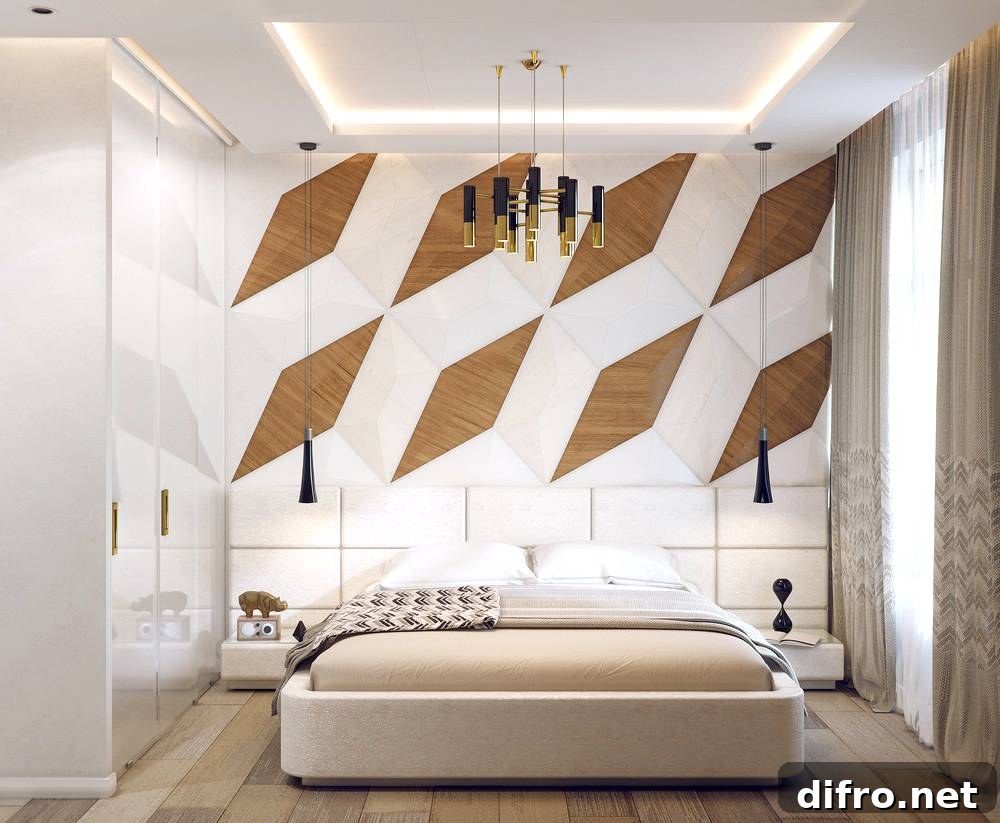
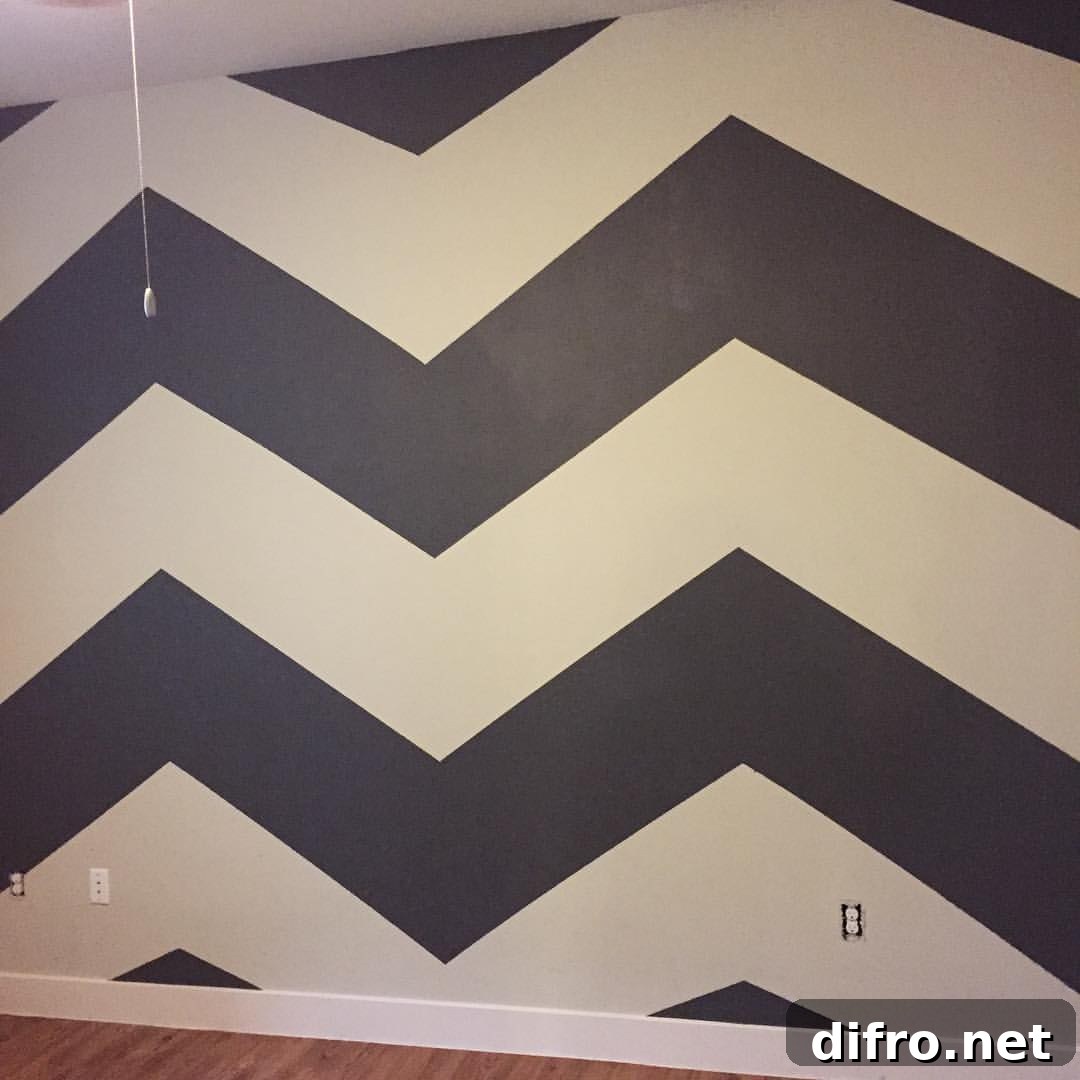
Geometric accent walls are modern, eye-catching, and versatile. They add depth and structure to a room and pair especially well with contemporary furniture and clean lines. Use painter’s tape to mark out triangles, chevrons, or irregular polygons, and fill them with contrasting or complementary colors.
Painter’s tape helps you get crisp edges and lets you experiment with scale—create large shapes for a bolder statement or smaller shapes for a mosaic-like effect. Consider the room’s lighting and furniture placement so the design complements the overall layout.
Create Patterns Using a Sponge
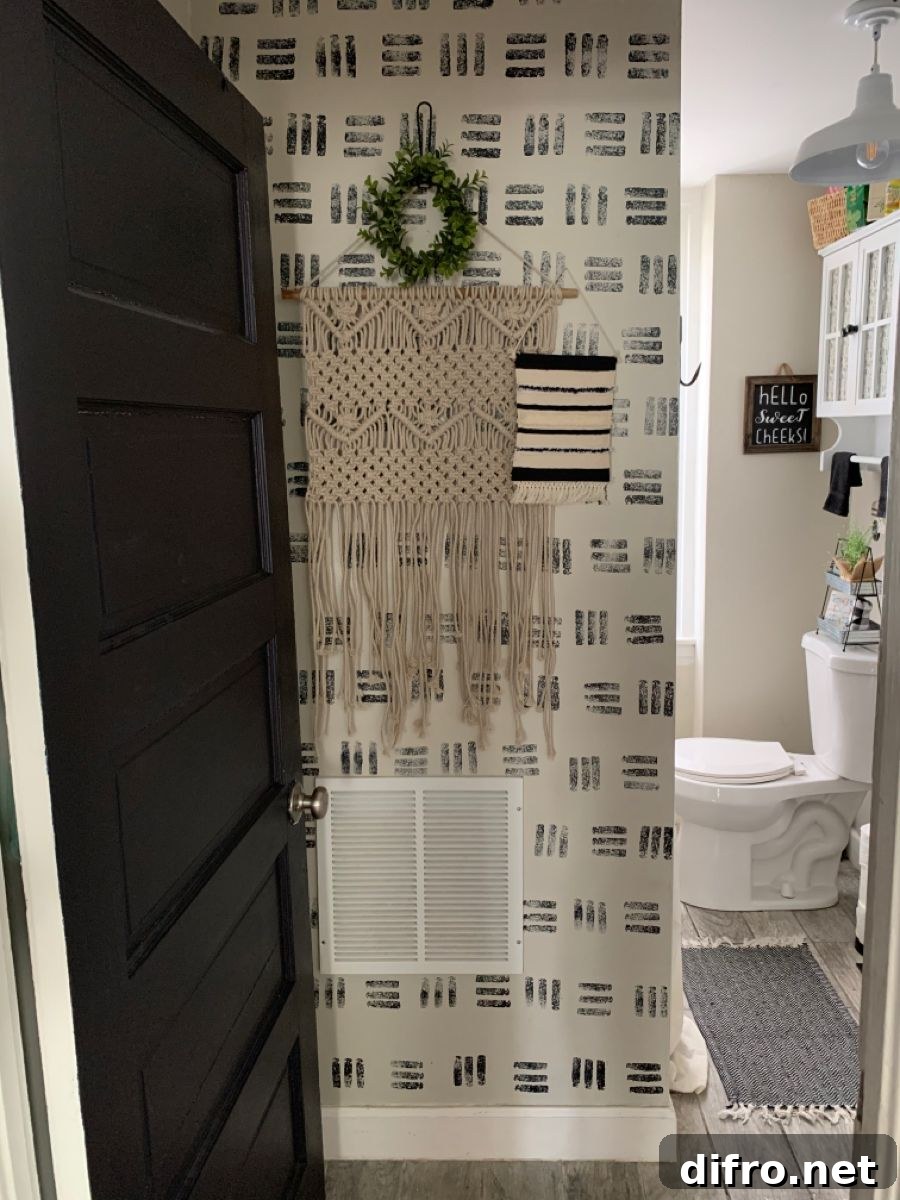
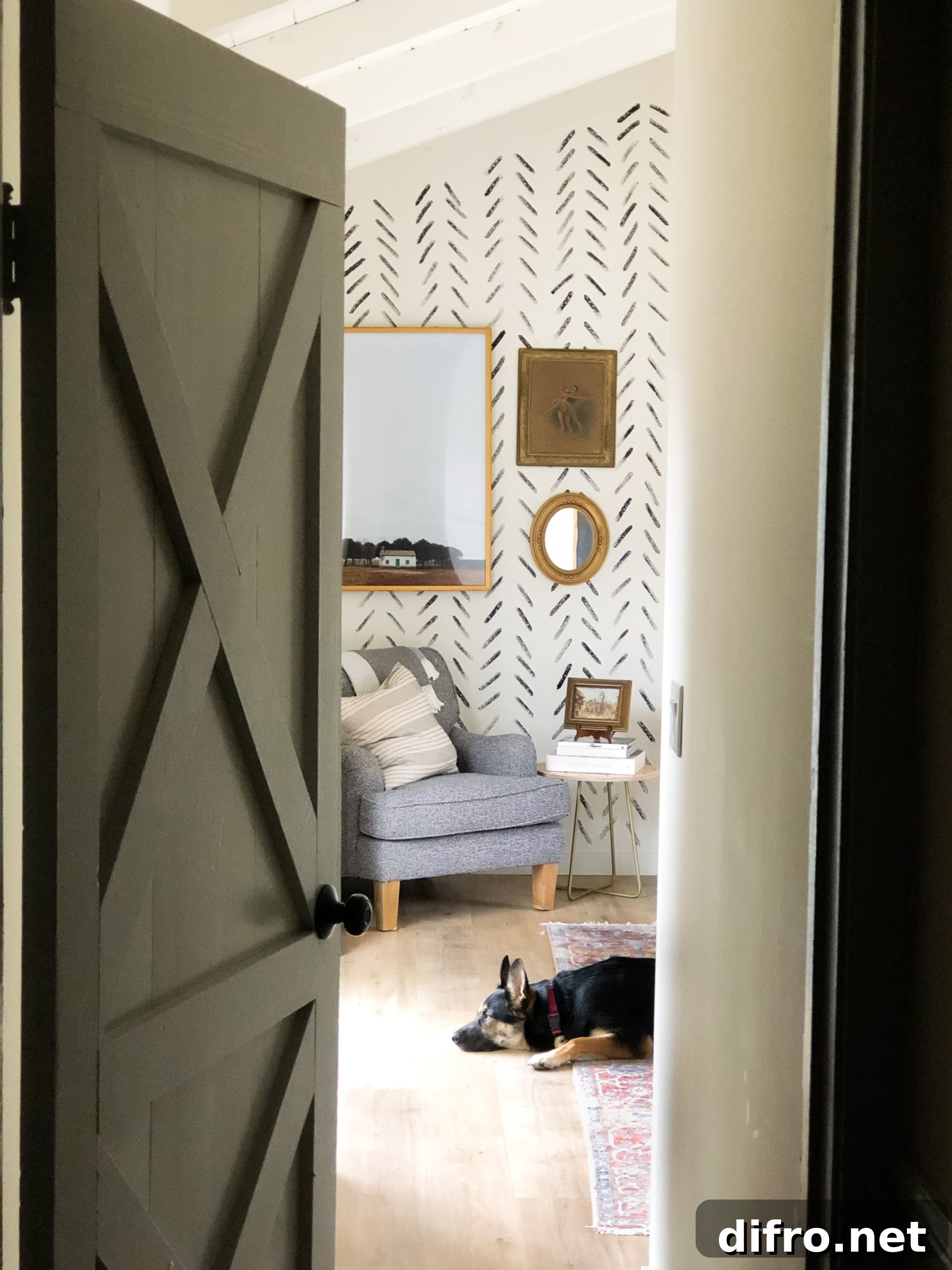
A simple kitchen sponge becomes a powerful tool for textured, stamped patterns. Cut the sponge into the desired shape—slim rectangles, wide blocks, or even a herringbone stamp—dip it in paint, and press it onto the wall to form a repetitive pattern.
Depending on the pattern, you may want to use a level to keep rows straight and maintain consistent spacing. Sponge-stamped walls have a handmade charm and work well in bedrooms, nursery walls, or accent corners where a softer, organic texture is desired.
Paint the Trim
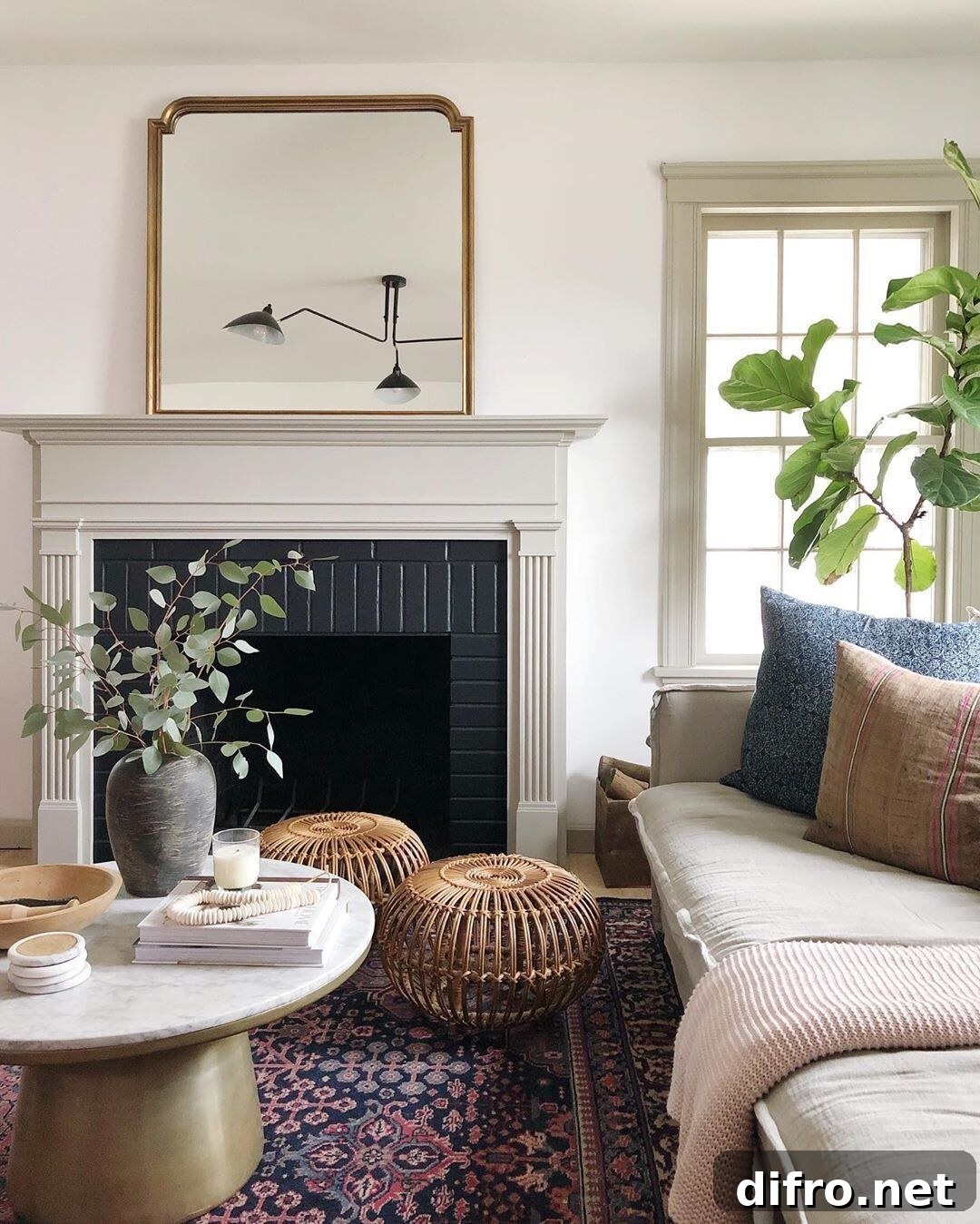
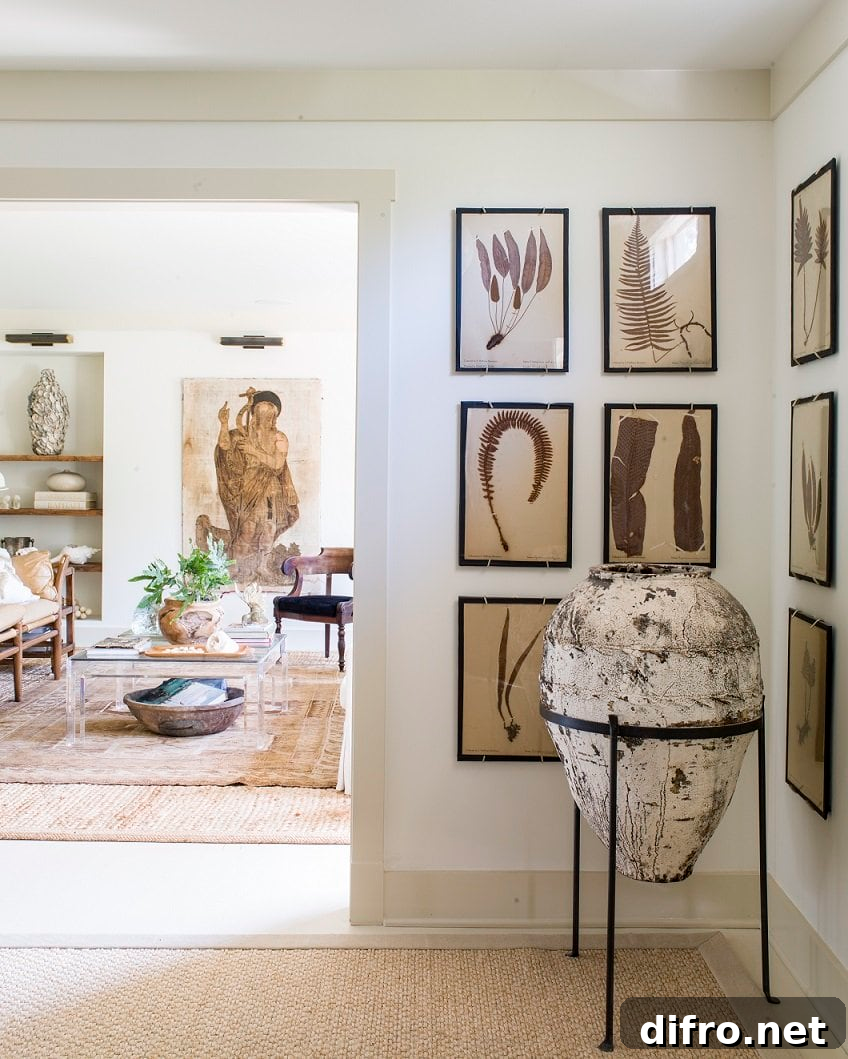
If you prefer subtle updates, painting trim is an effective way to add color in small doses. Contrasting trim against a neutral wall instantly sharpens the room and frames doors, windows, and baseboards with personality. Choose a contrasting shade that complements your wall colors and other decor elements for a cohesive, polished look.
Paint an Entire Wall
If you’re ready to be bold, paint a whole wall in a single solid color to create a true focal point. Since an entire wall draws attention, choose a color that harmonizes with your existing furnishings and overall color palette. Deep tones add drama, while brighter hues energize a space—test samples on the wall to see how the color reads at different times of day.
Painting an entire wall is reversible and relatively low-cost. If the result isn’t exactly what you envisioned, you can always repaint or adjust with decor and artwork to refine the look.
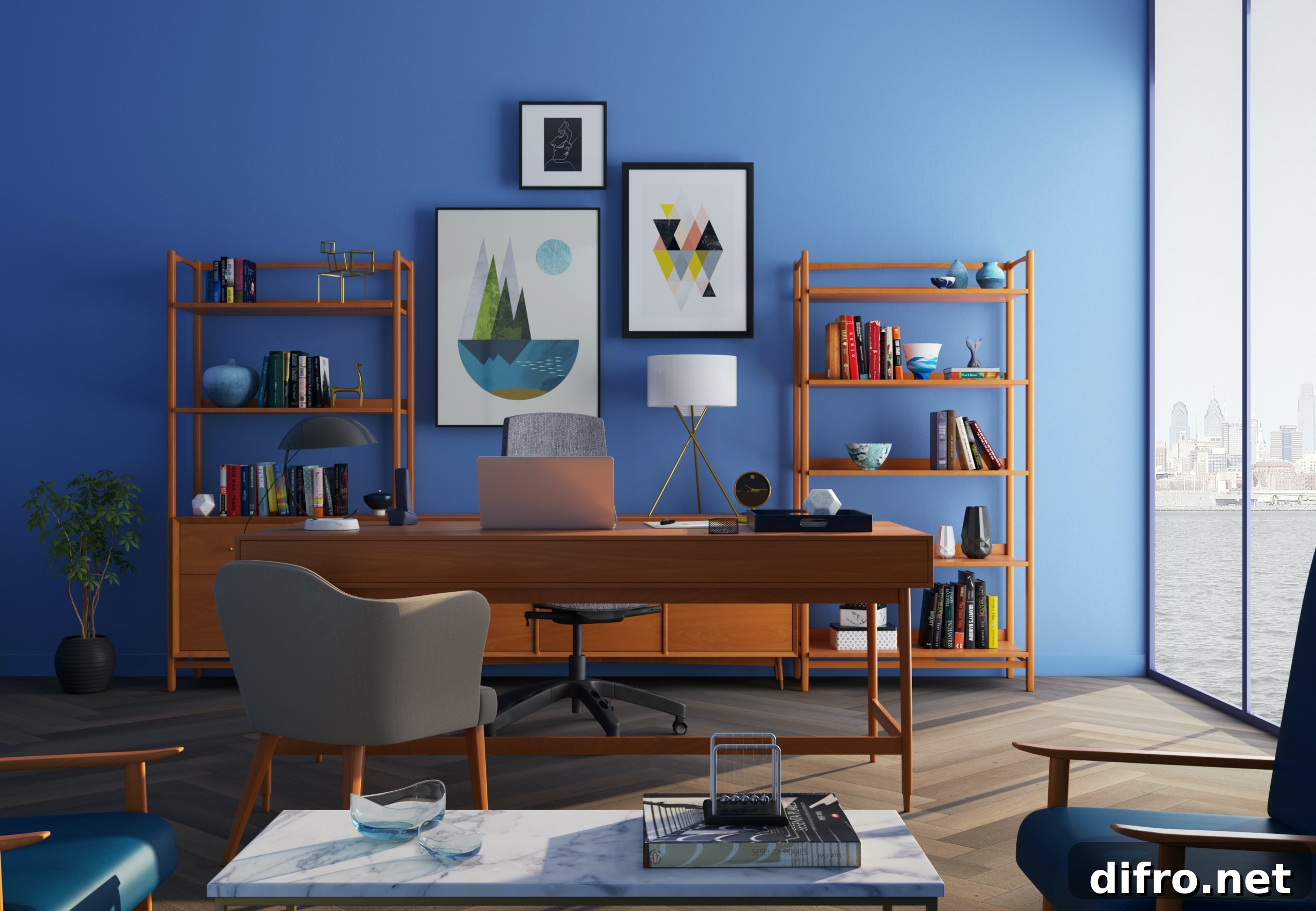
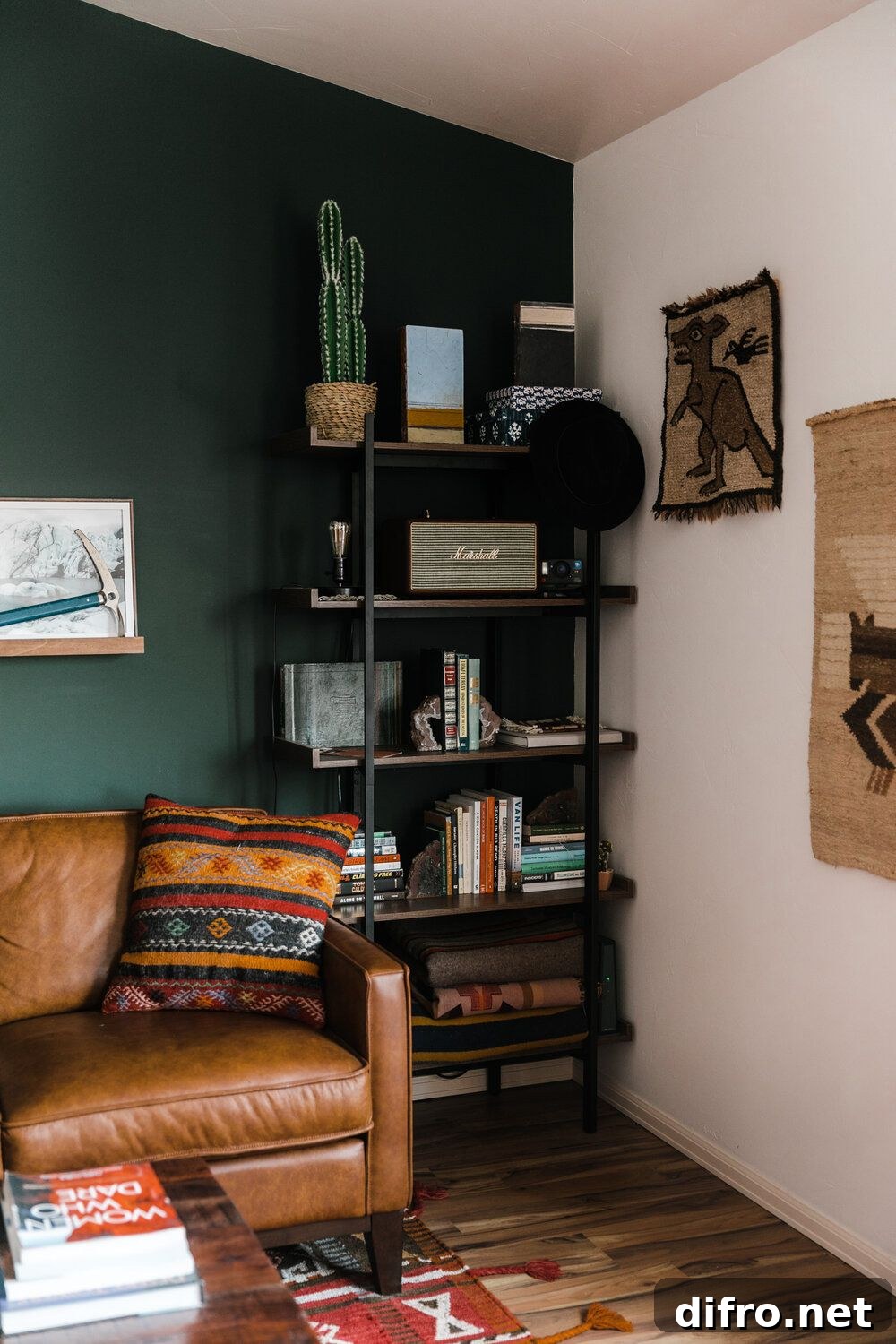
Your home can feel refreshed without hiring a designer or spending a lot of money. These accent wall ideas are easy to try, require only a few materials, and let you express your style. Best of all, they’re temporary: if a look doesn’t suit you, repainting is always an option. Try one of these DIY accent wall techniques and see how much a little color can change a room.