The idea that the end of one year creates a clean break into the next is optimistic, but the new year still gives us a useful moment to reflect and plan. For many, a review of 2020 is uncomfortable: the global pandemic forced lockdowns, disrupted daily routines and brought loss and stress. Yet 2020 also taught important lessons for home design and planning. The year reshaped how we use living rooms, kitchens and entry spaces, and highlighted priorities that will influence healthier, more adaptable homes in the future.
When the pandemic arrived, many aspects of our homes suddenly felt ill-equipped for long stretches of daily life. Living rooms, dining areas, kitchens and mudrooms were all tested: what once seemed comfortable now required smarter storage, better zoning and a stronger focus on health. Below are the main home design lessons from 2020 and practical ways to adapt toward resilient, healthier living.
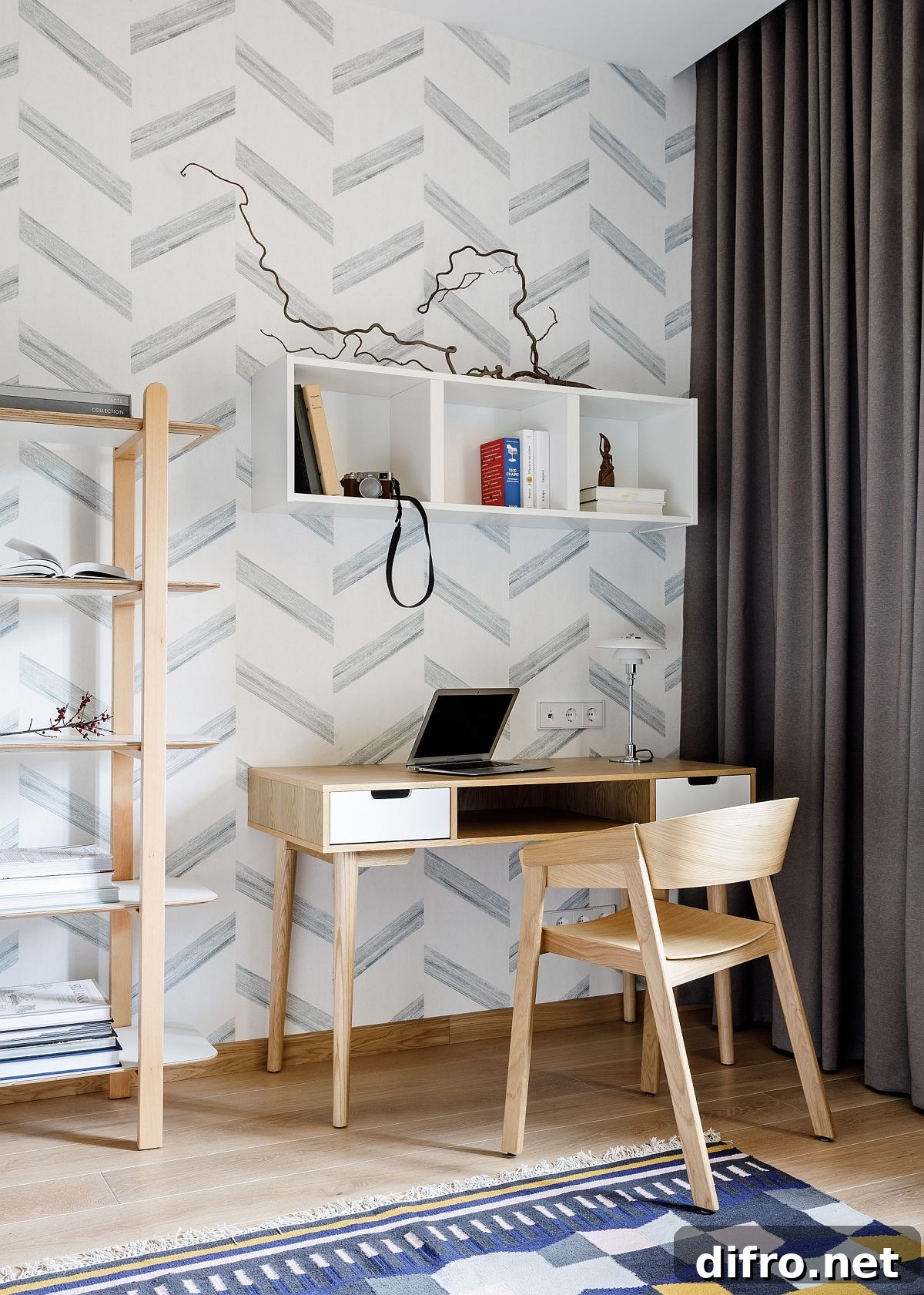
When Home Office Became a Must
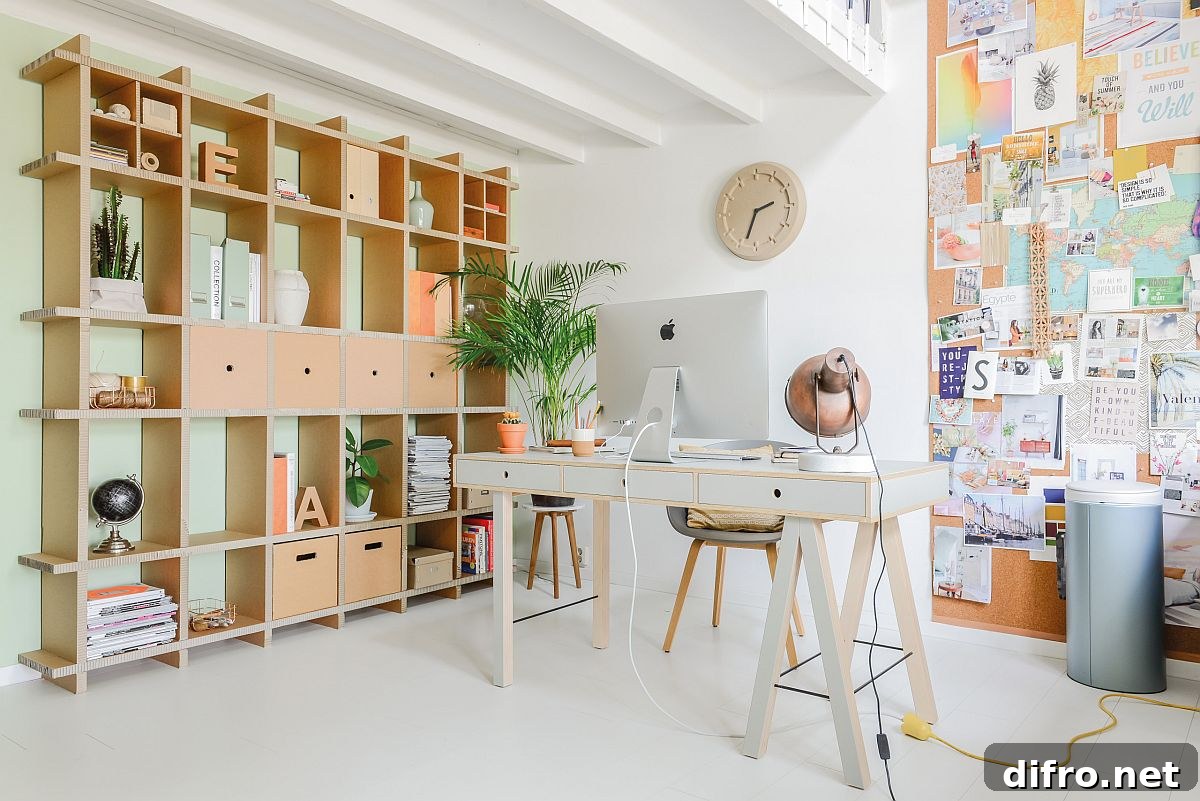
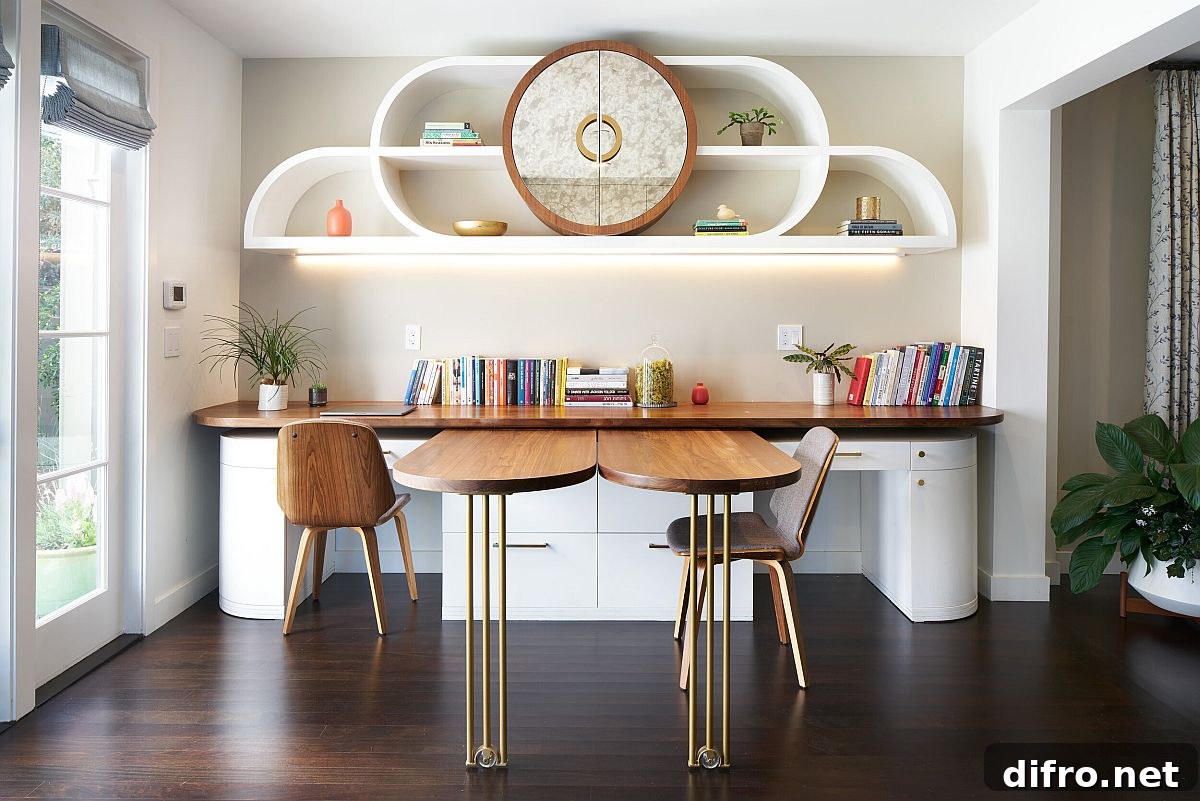
Prior to 2020, full-time remote work was the exception for many workers. The pandemic accelerated the transition to work-from-home and proved the value of dedicated, ergonomic workspaces. Home offices have moved from occasional corners to essential rooms — whether a converted guest room, a built-in desk nook, or a backyard office pod. Good home office design now includes proper lighting, sound control, storage and comfortable seating, making it a permanent consideration in home planning and remodeling.
Mudrooms and the Indoor Porch
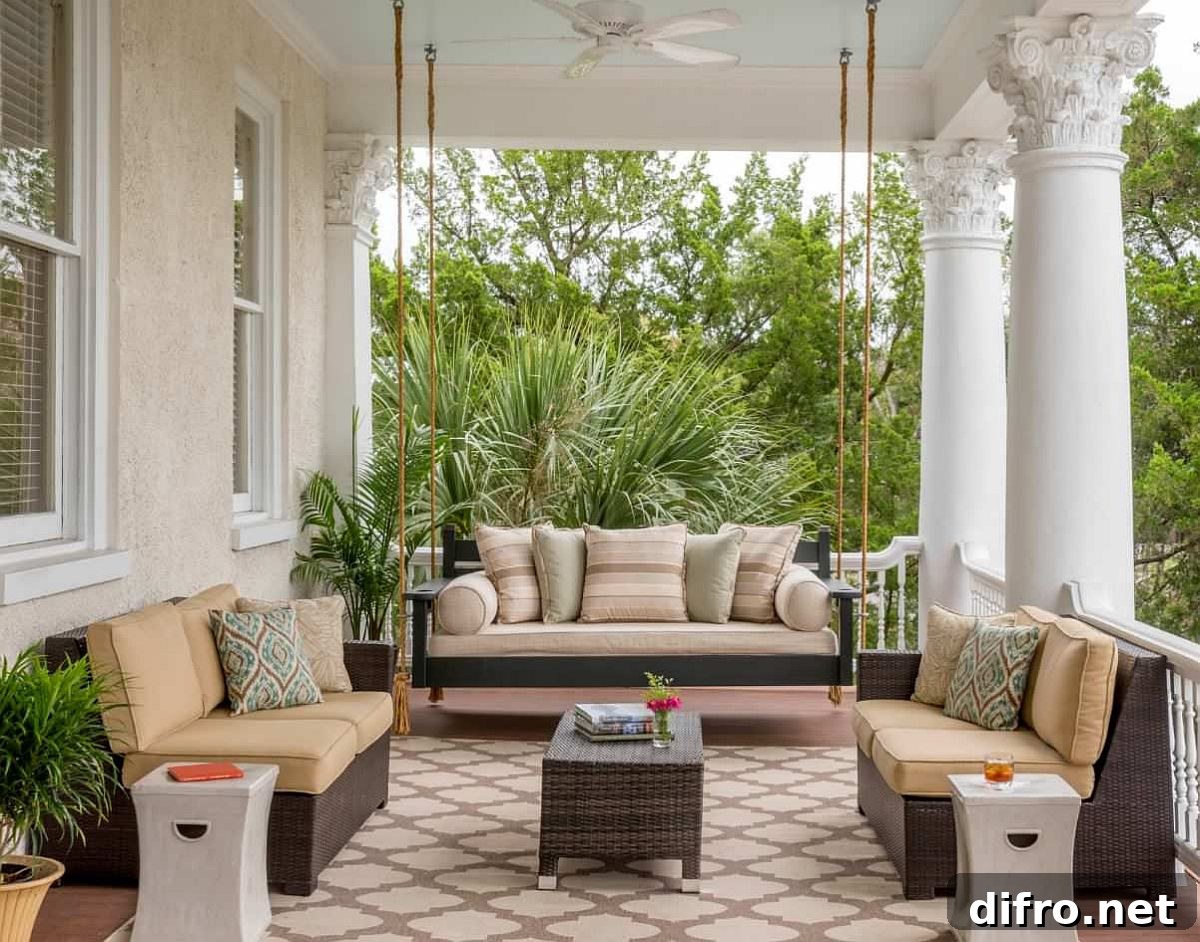
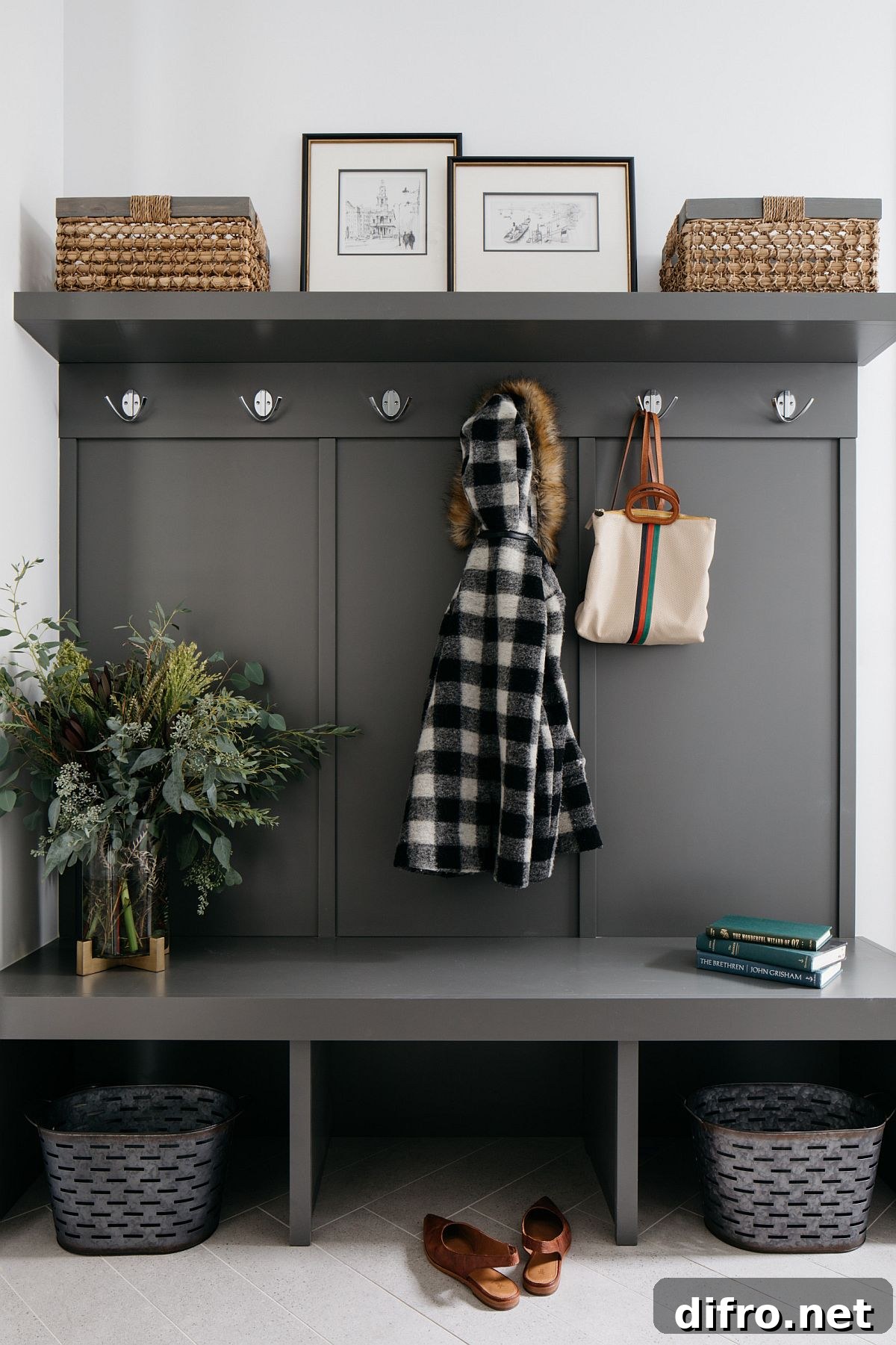
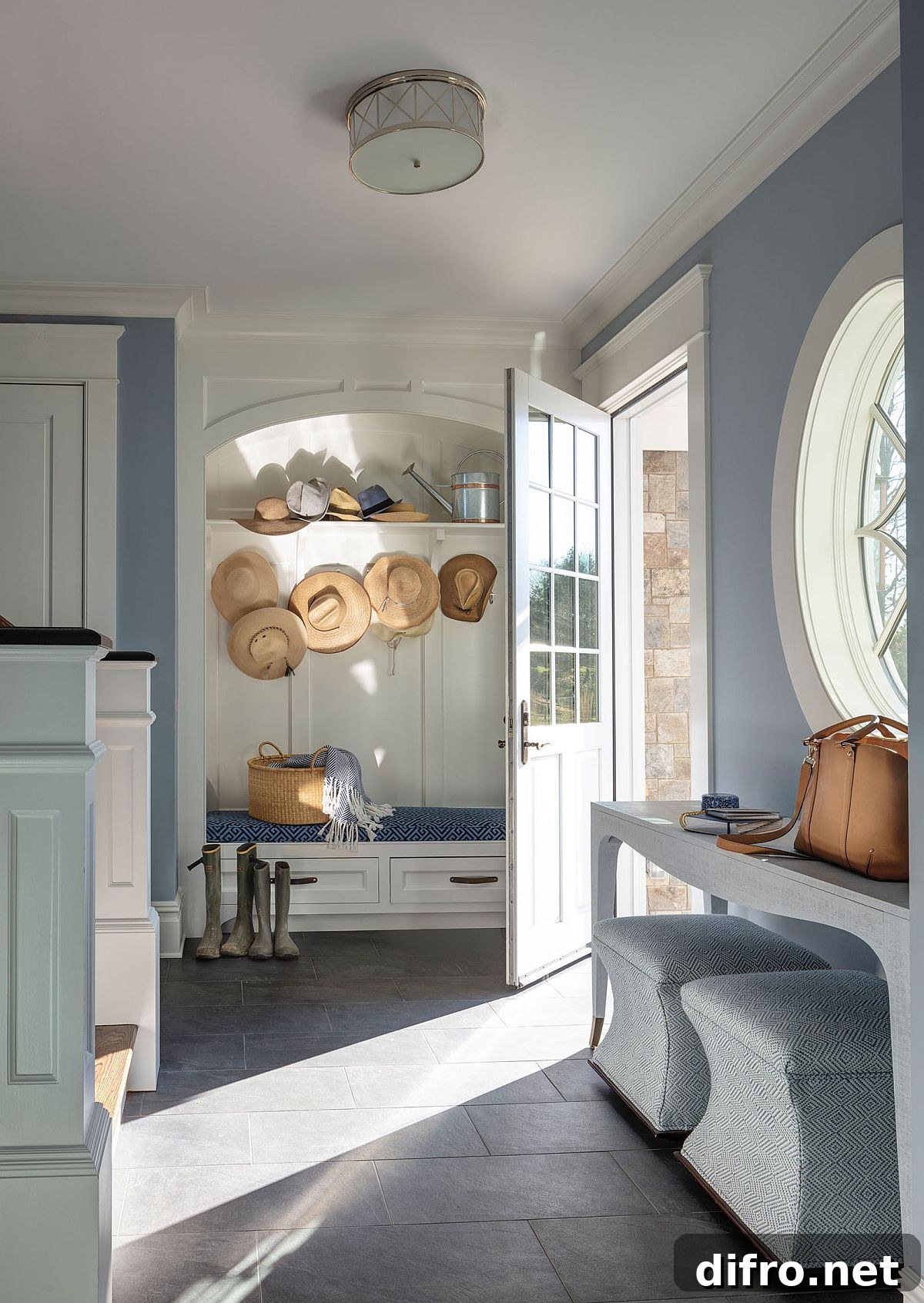
The long-standing trend toward large open-plan interiors was questioned in 2020. People began to value defined transition zones that limit cross-contamination and add functional storage. Mudrooms, entry benches and indoor porches returned as practical features: small dedicated areas to remove shoes, hang coats, disinfect packages and store outdoor gear. These buffer spaces protect main living areas and make day-to-day life more organized and hygienic.
Bringing the Outdoors Inside
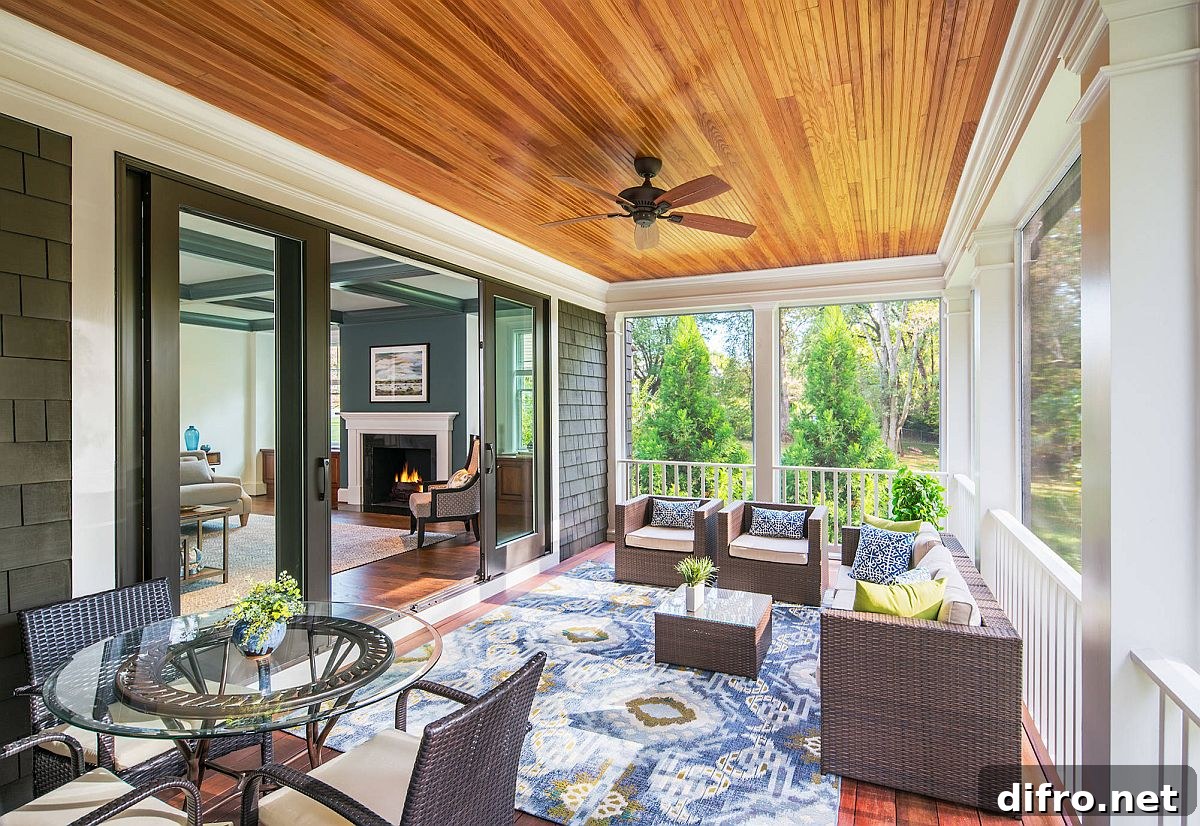
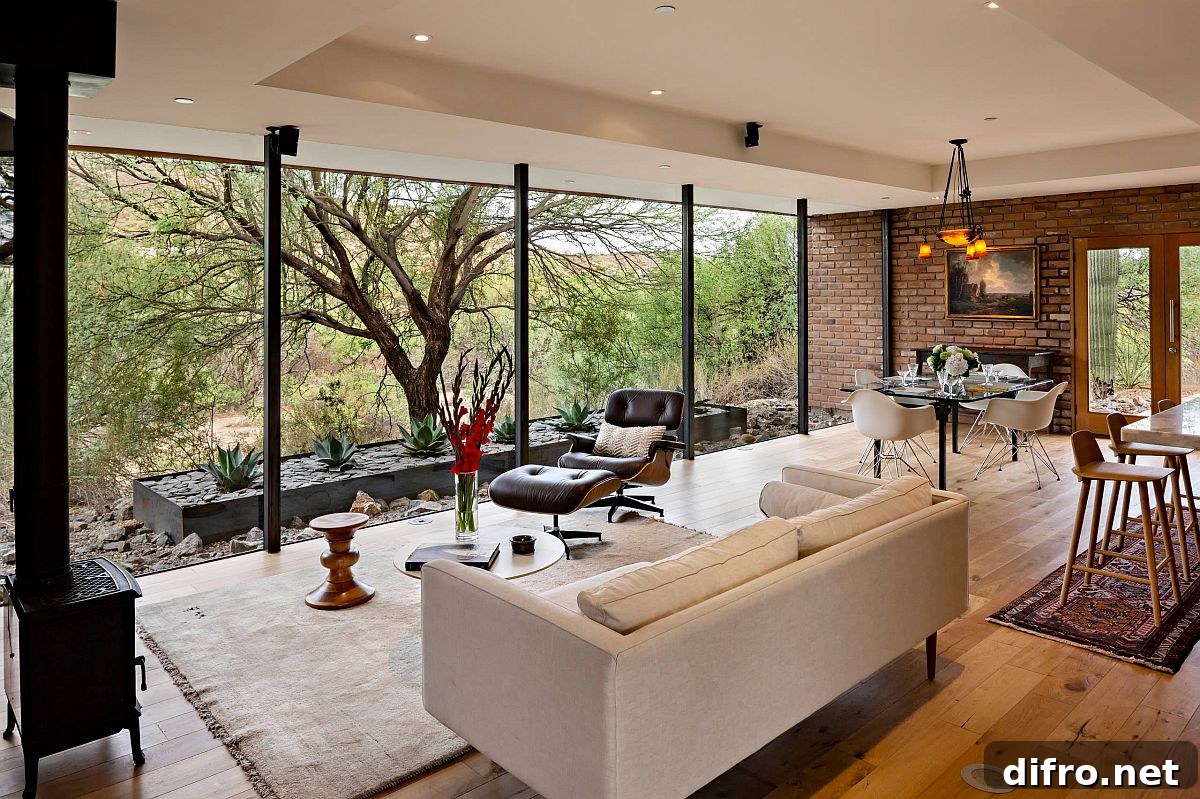
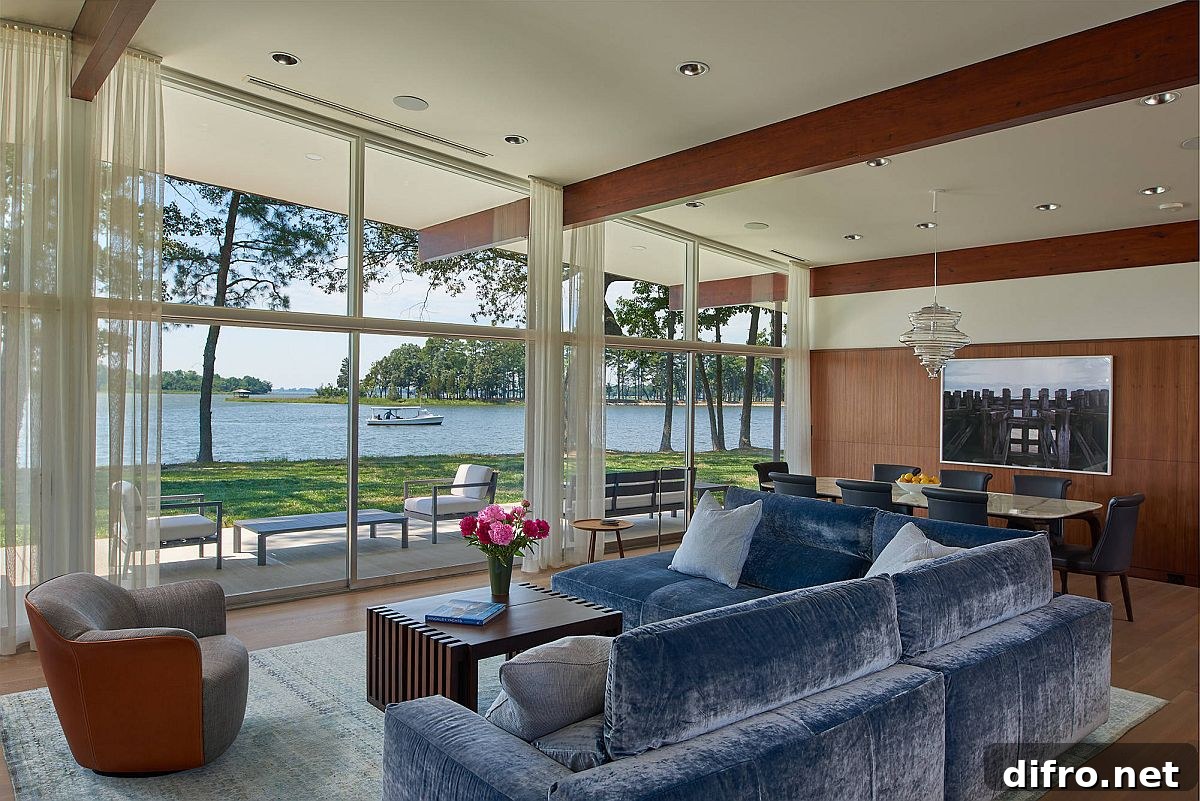
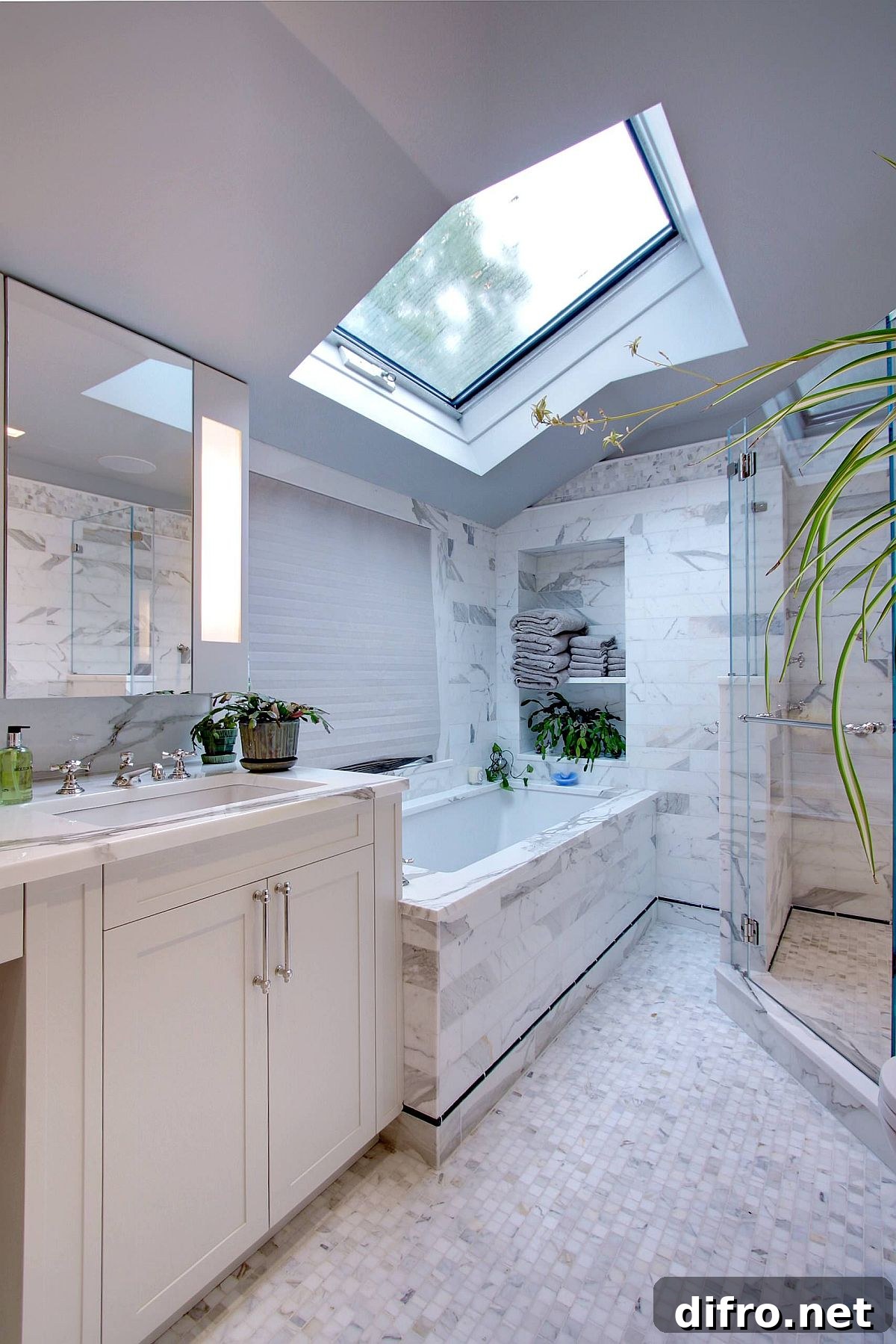
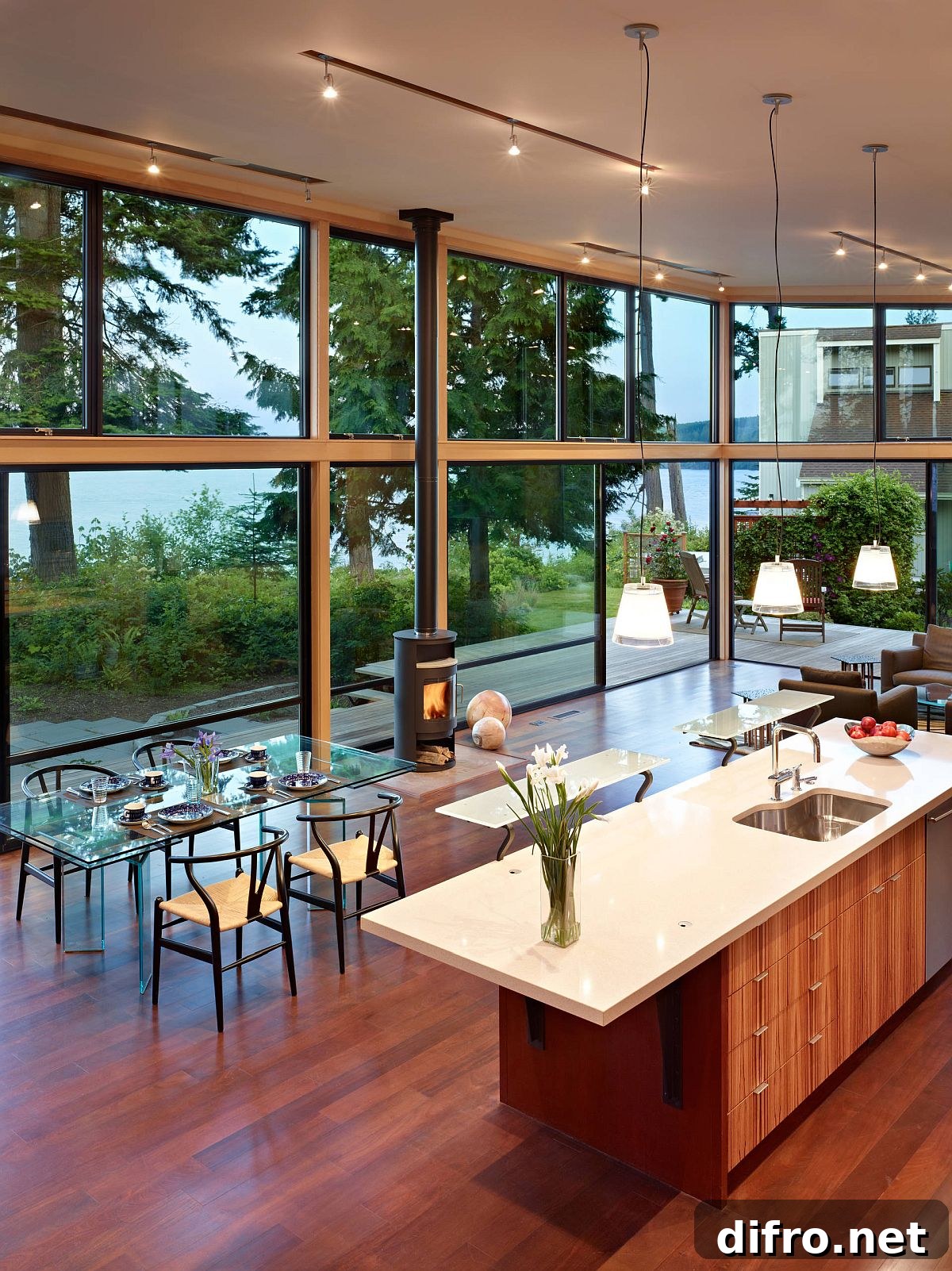
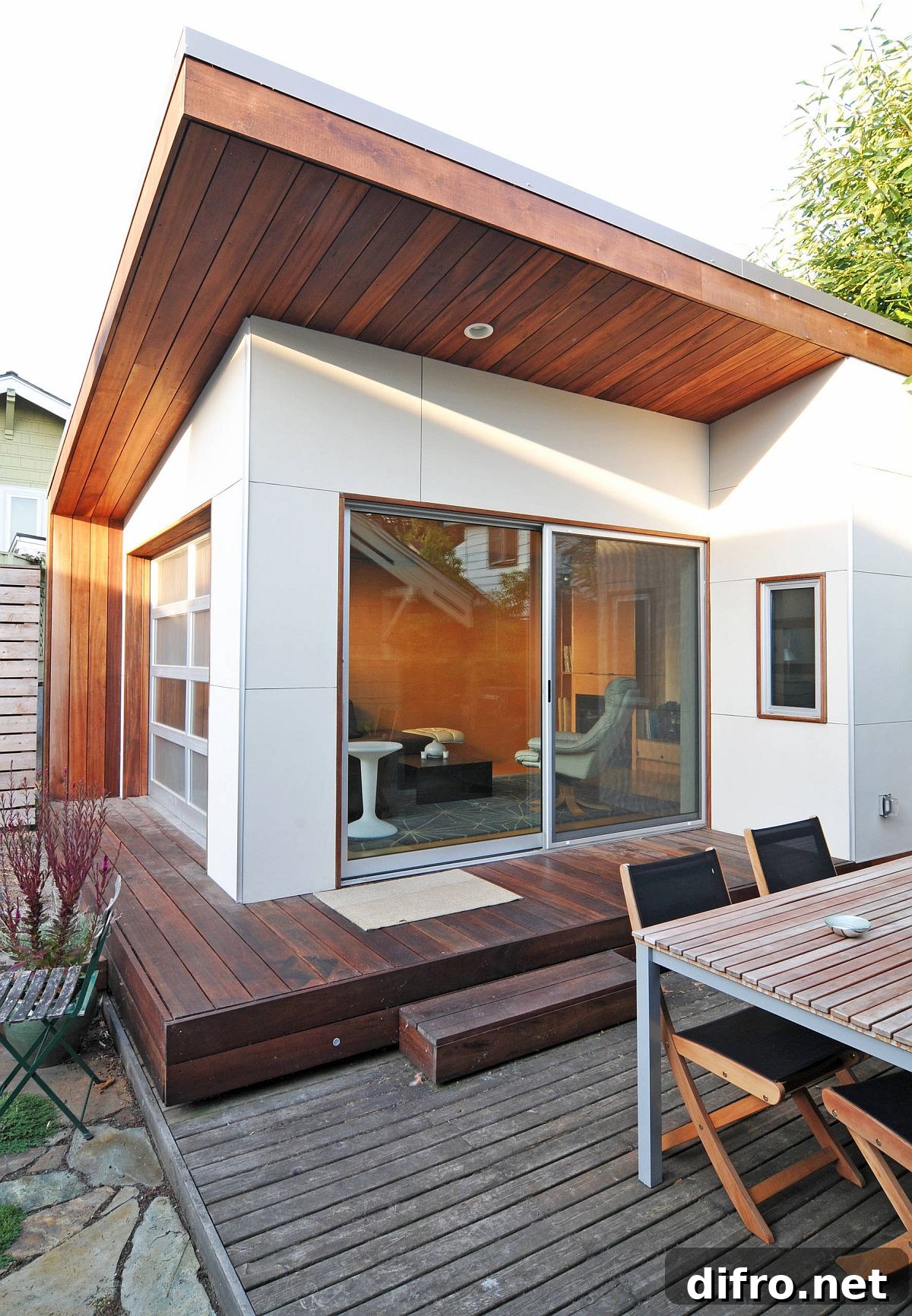
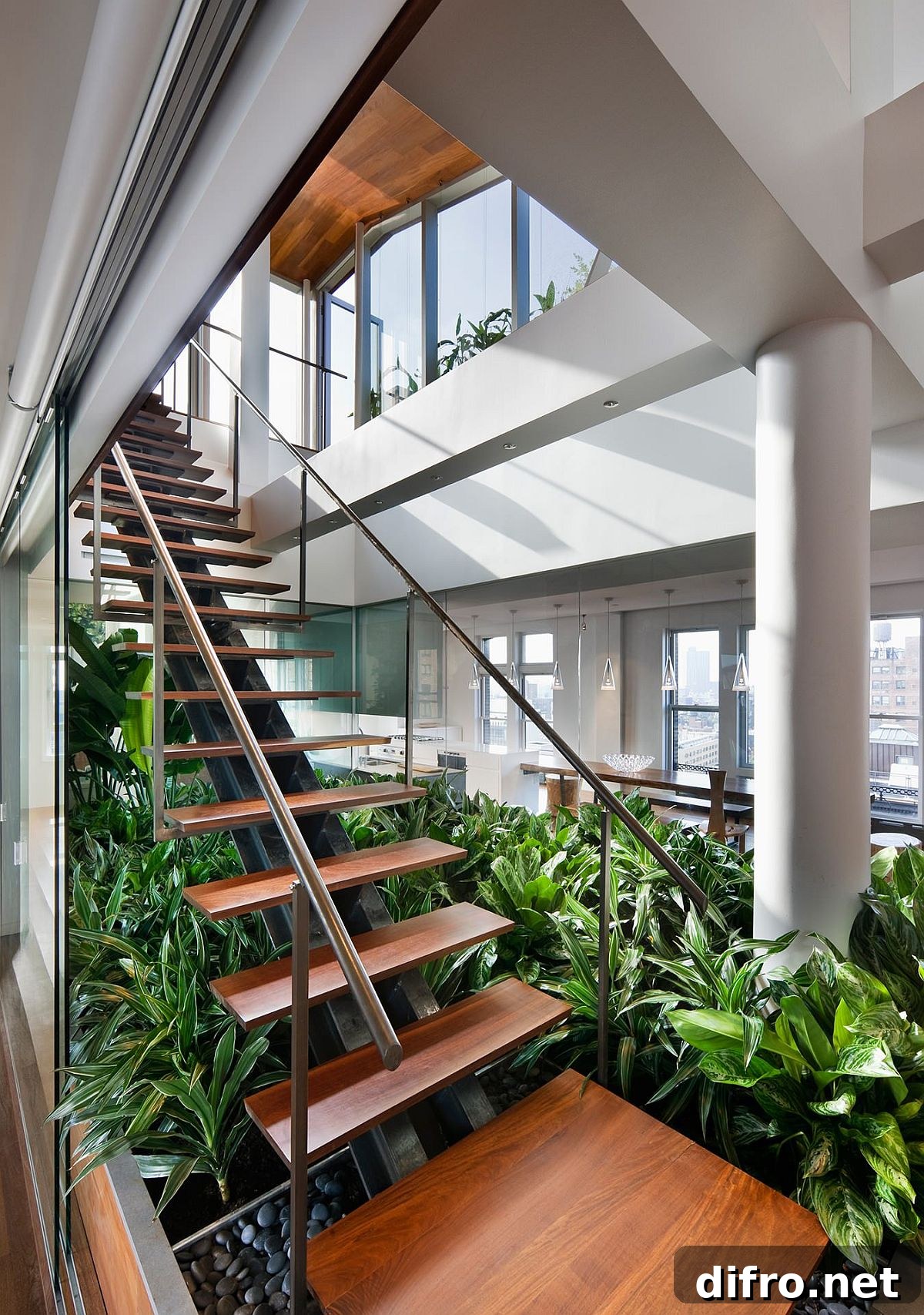
Access to natural light and outdoor views proved essential to wellbeing during lockdowns. Designers and homeowners embraced floor-to-ceiling glass, sliding doors, skylights and larger windows to connect interiors with gardens, terraces or landscape views. These elements reduce gloom, improve mood and increase daylighting — all vital for healthier living. Thoughtful glazing and shading keep energy efficiency in mind while maximizing visual connection to nature.
Stocking Up in the Kitchen
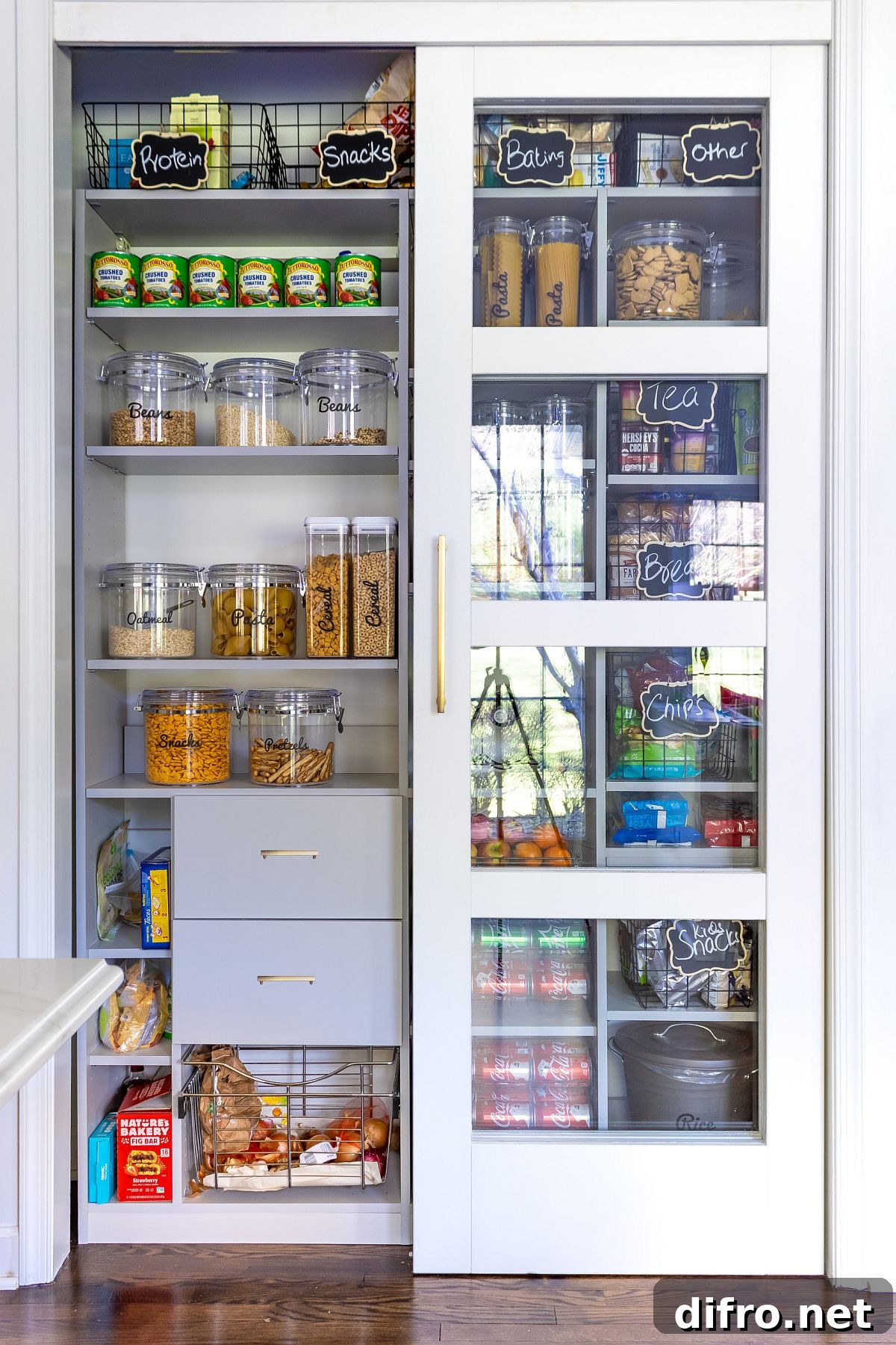
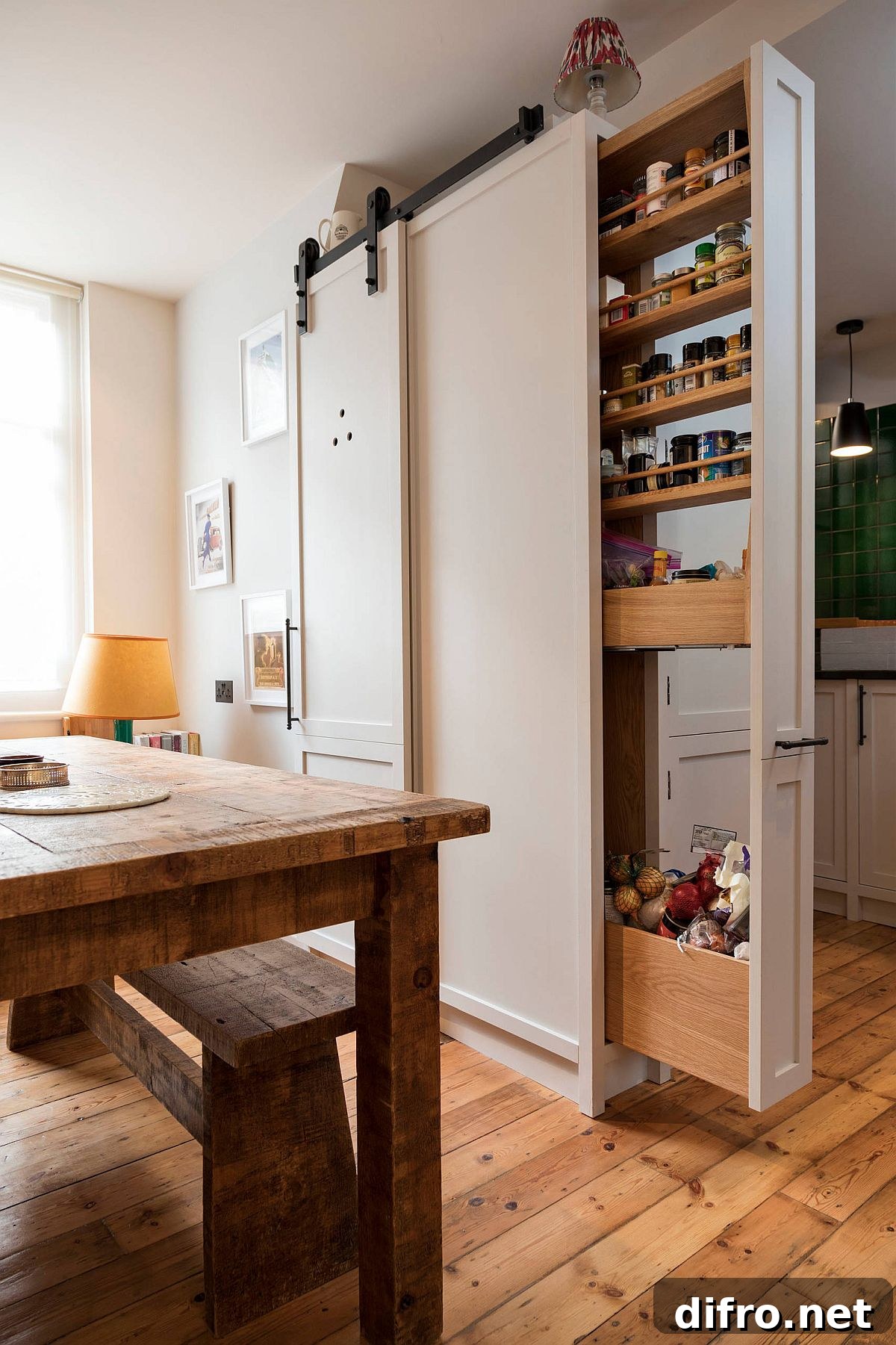
In 2020, fewer trips to the store made pantry space and organized kitchen storage far more valuable. Homeowners who had previously dismissed pantries reconsidered, while pull-out shelves, modular storage and slim pantry units became popular for maximizing capacity. The kitchen’s role shifted from social hub to functional engine of the home, with storage and food management taking center stage in renovation priorities.
Spaces for Interaction and Isolation
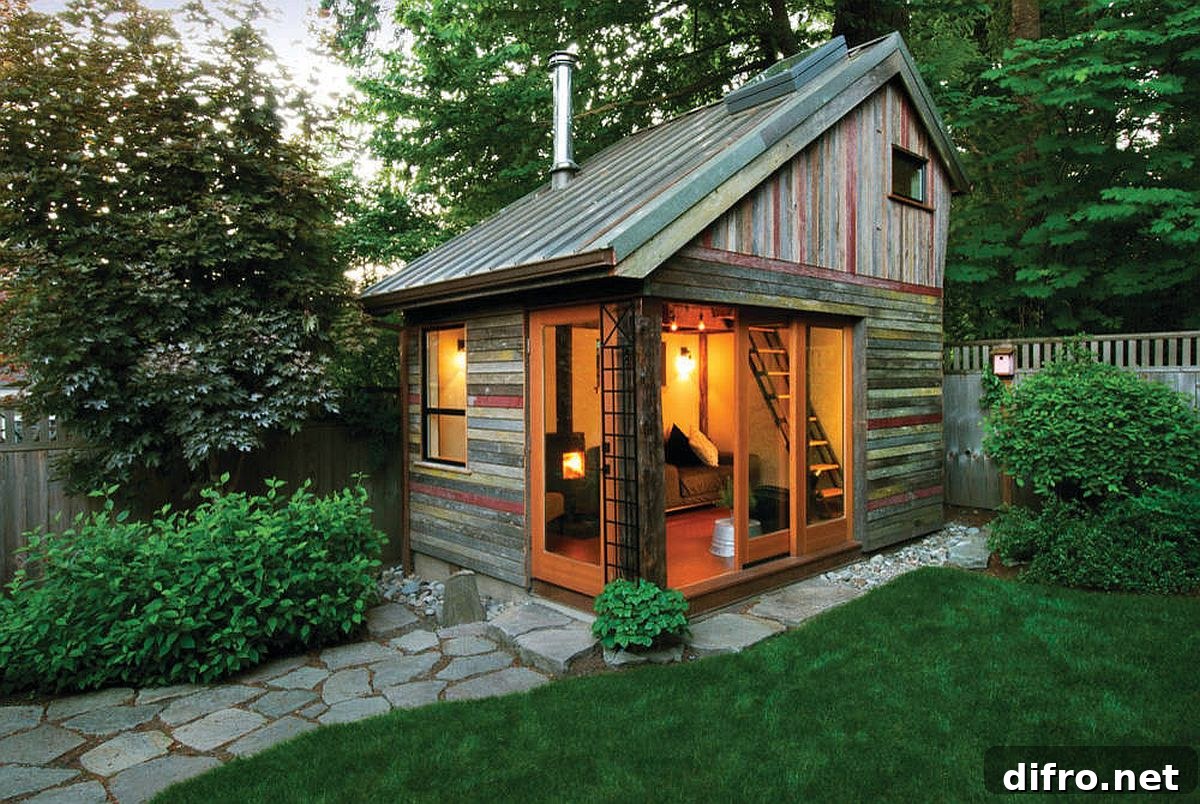
Home design in 2020 balanced shared spaces with private retreats. When families needed separation for work, study or rest, small independent rooms, backyard studios and upper-level retreats provided much-needed privacy. These compact refuges — complete with simple comforts or a private bathroom — offer flexible isolation without sacrificing the overall flow of the home.
Cleaner Air and Fresher Homes
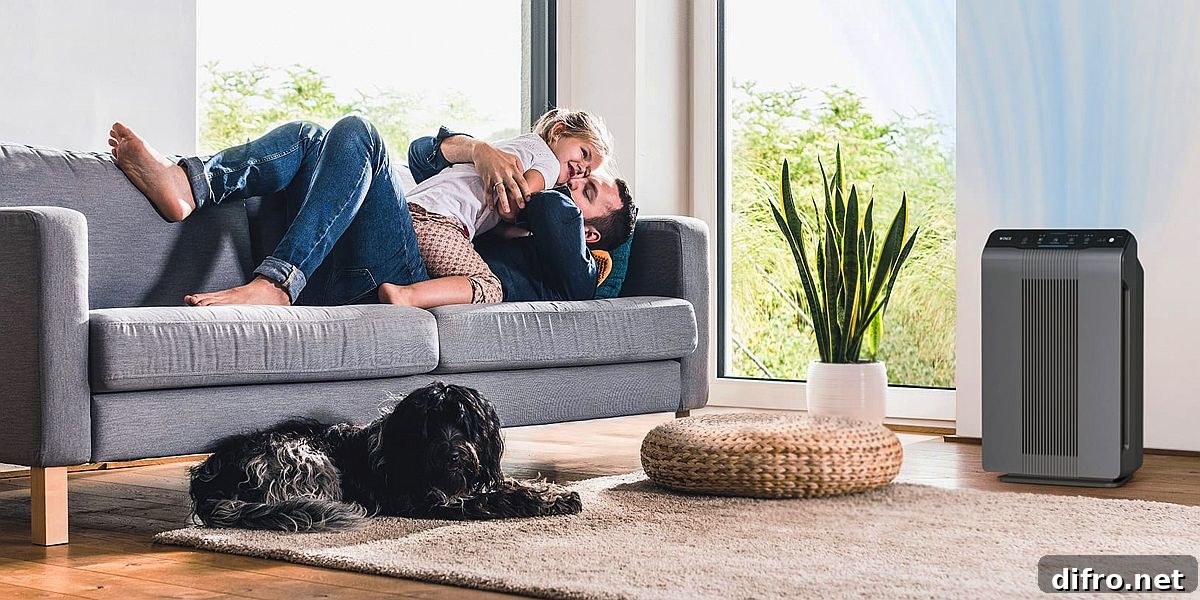
Healthier indoor air became a top priority. The trend toward houseplants, herb gardens, improved ventilation, and cleaner surfaces reflects a desire for fresher, safer interiors. Affordable solutions like air purifiers, strategic cross-ventilation, and filtered skylights can greatly improve indoor air quality. Future home design will increasingly pair aesthetics and ergonomics with measures that support respiratory health and overall wellbeing.
As we plan future homes and renovations, these lessons from 2020 point to practical, human-centered design: adaptable home offices, practical entryways, improved storage, connections to nature and healthier indoor air. Incorporating these elements makes homes more resilient, comfortable and ready for whatever comes next.