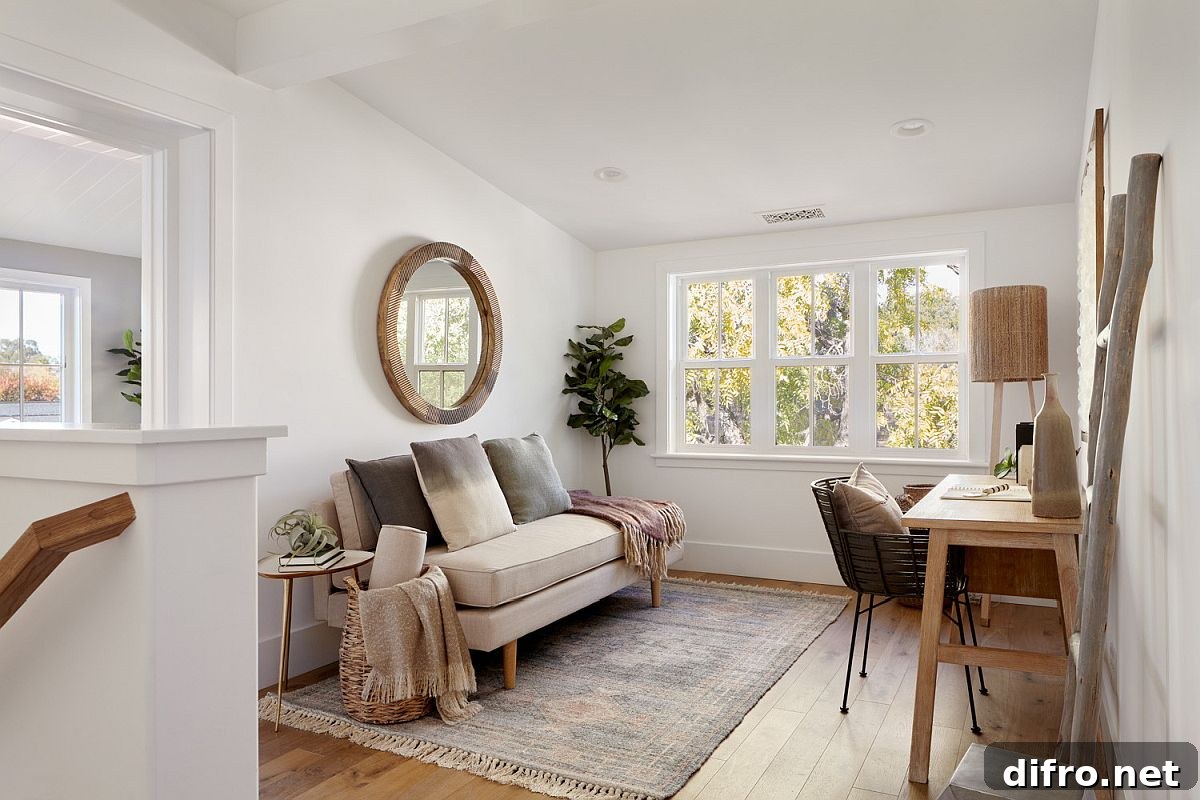
There are countless ways 2020 transformed our daily lives. The changes went beyond personal hygiene and social interaction to reshape how we live and how we organize our homes. Perhaps the most profound shift has been how we approach work. From celebrities recording shows at kitchen tables to professionals restructuring their routines entirely, 2020 redefined work culture and accelerated the move to remote work. With this shift, the home office has become an essential part of modern residences, and its design priorities have evolved from purely decorative choices to practical, productivity-focused solutions.
As we move into 2021 and beyond, home office design shifts toward durability, comfort, and functionality. Rather than seasonal color updates or purely aesthetic trends, the focus is on creating spaces that support productivity, wellbeing, and a clear separation between work and home life. Below are practical ideas and trends to help you create a home workspace that works for you.
Home, Work and Balance
One of the greatest challenges remote workers discovered in 2020 is maintaining a healthy boundary between professional and personal life. Working from the same space where you live and relax can blur those boundaries quickly, especially when multiple family members are sharing rooms for work, school, and leisure. The solution is intentional organization and clear routines.
Designate a specific area for work, even if it’s a small corner, and set firm start and end times for your workday. Treat that area as a workspace: keep it tidy, ergonomically arranged, and free from unrelated household clutter. When the workday ends, physically and mentally step away from the workspace to restore a sense of personal time. These simple practices help restore balance and improve focus.
Eye-Catching Backdrops
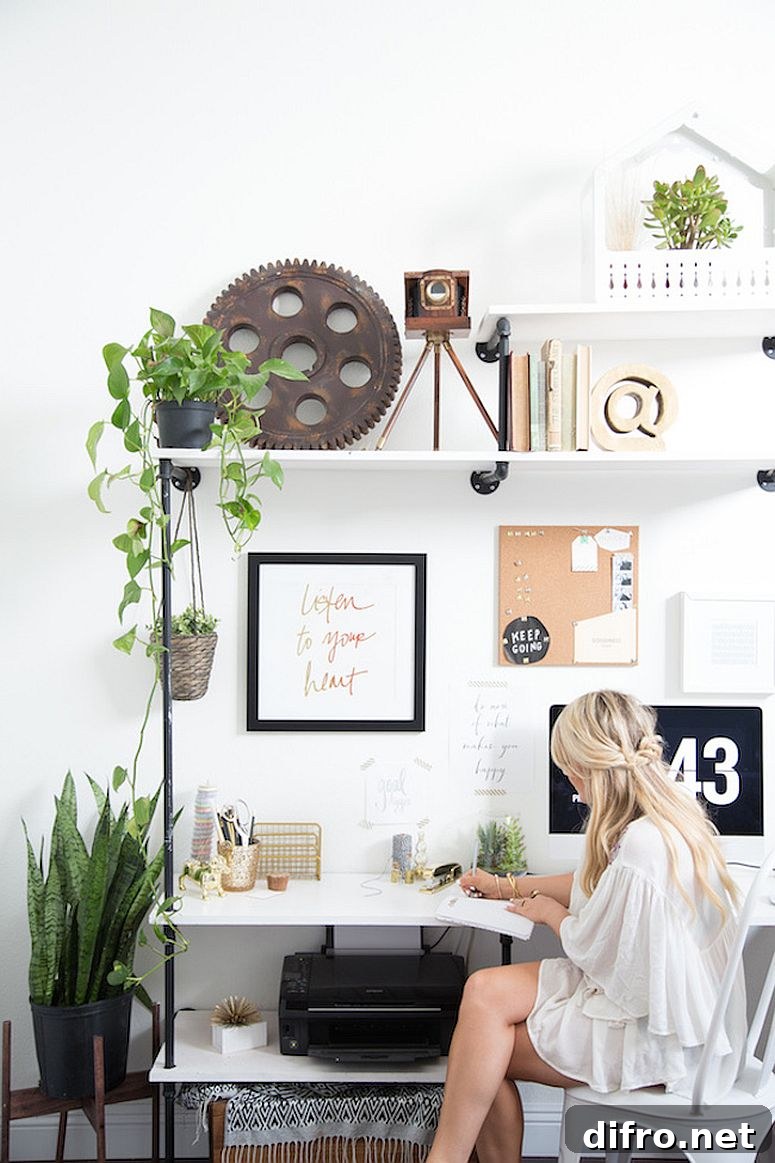
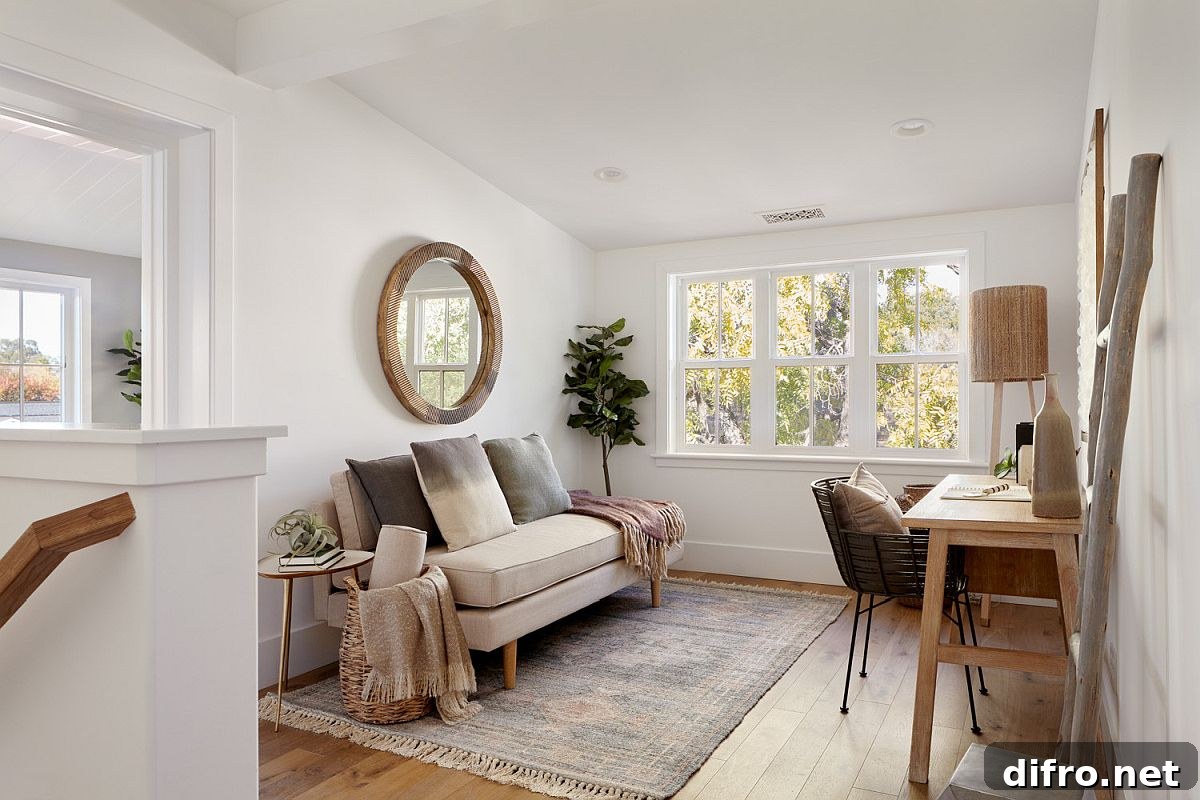
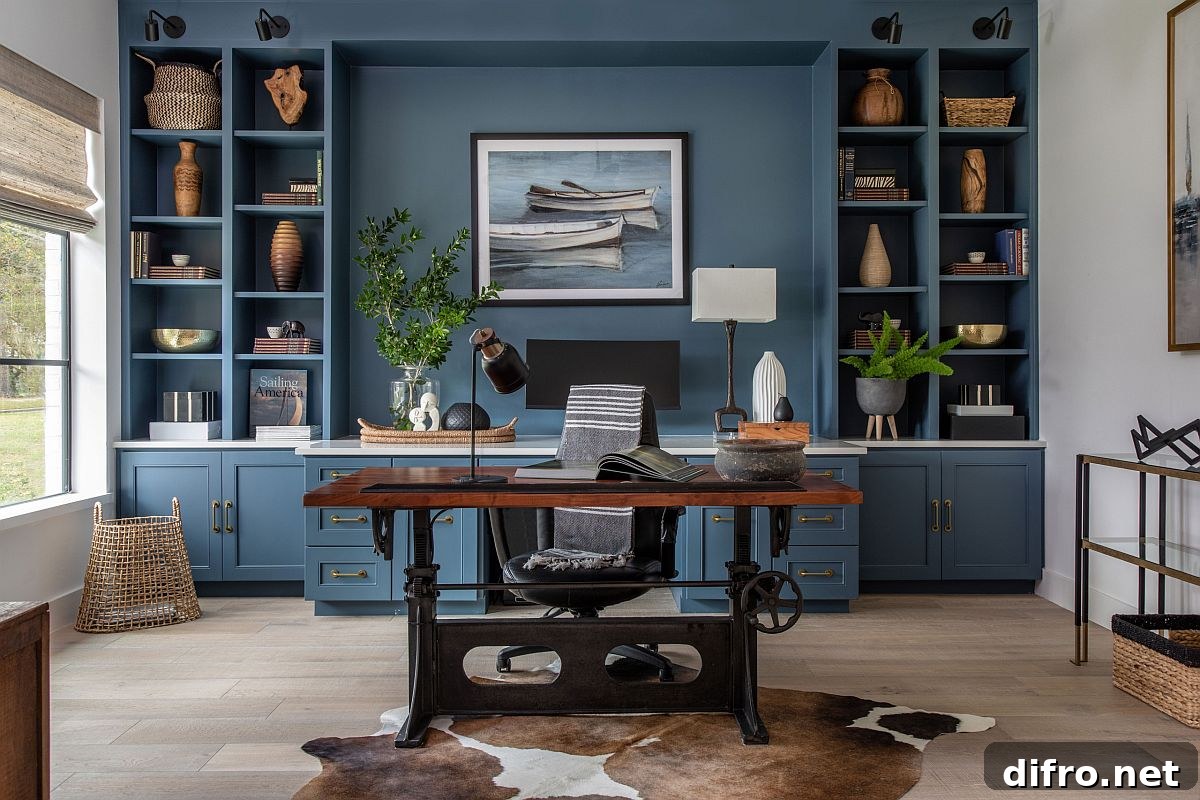
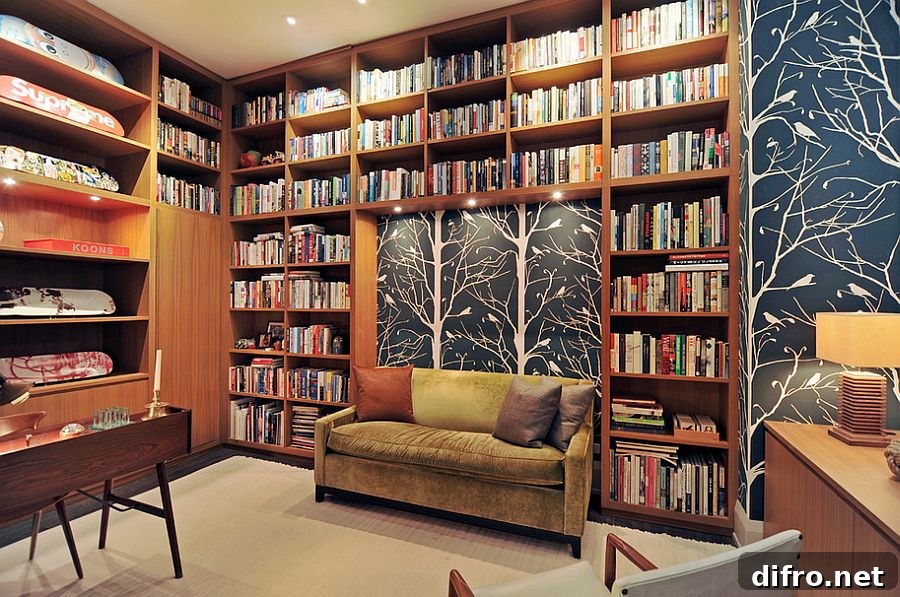
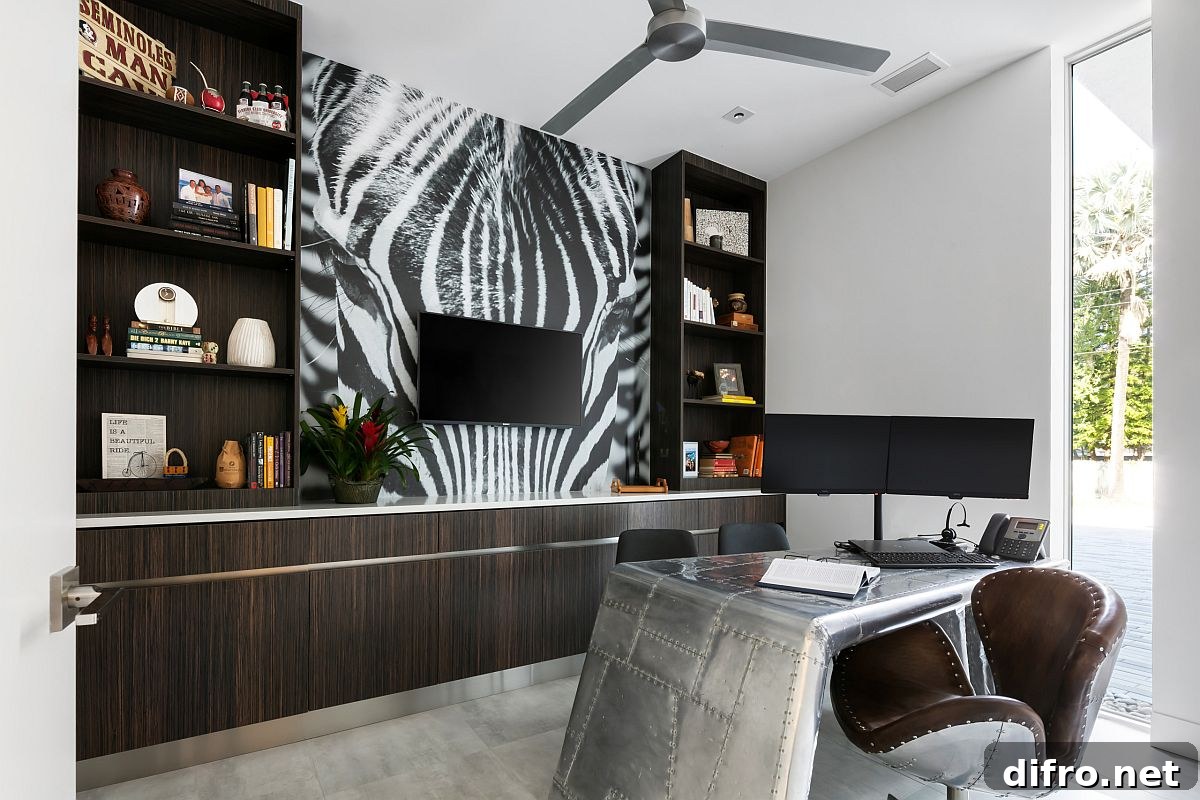
With video calls now a regular part of professional life, your background matters. You don’t need a scenic ocean view to create a polished, camera-ready backdrop—thoughtfully arranged shelves, framed artwork, a textured wall, or a neat bookcase can all provide a professional and attractive setting for virtual meetings.
Choose elements that reflect your personal style but do not distract: neutral tones, a single statement piece, or an organized display of books and plants often work best. Consider camera framing and lighting so your background enhances your presence on screen rather than competing with it.
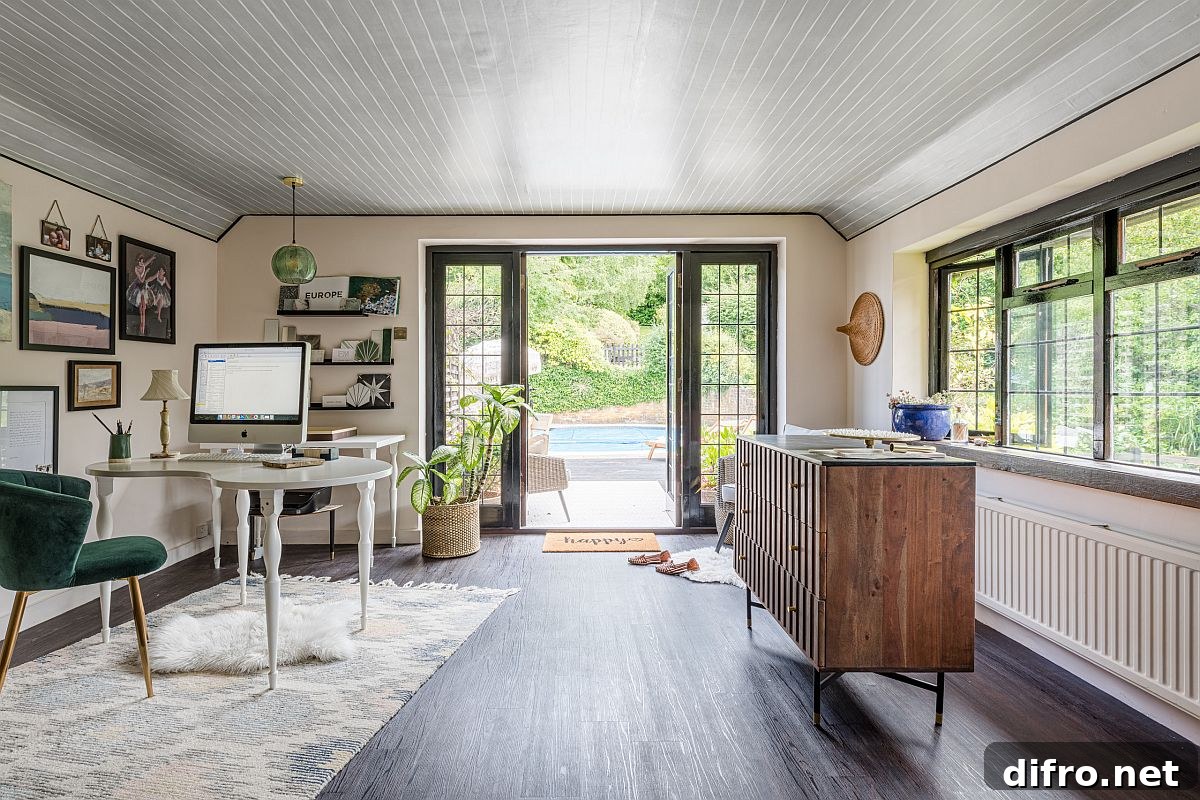
Compact Workspaces for Everyone
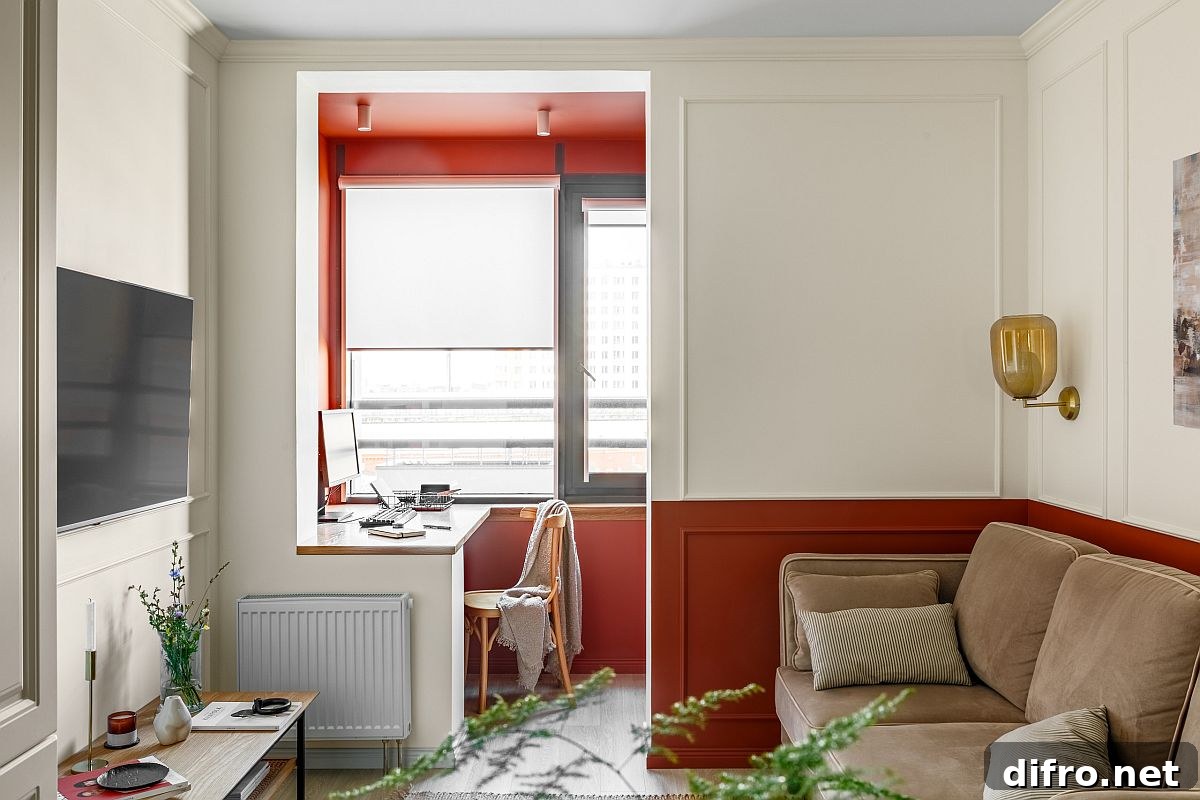
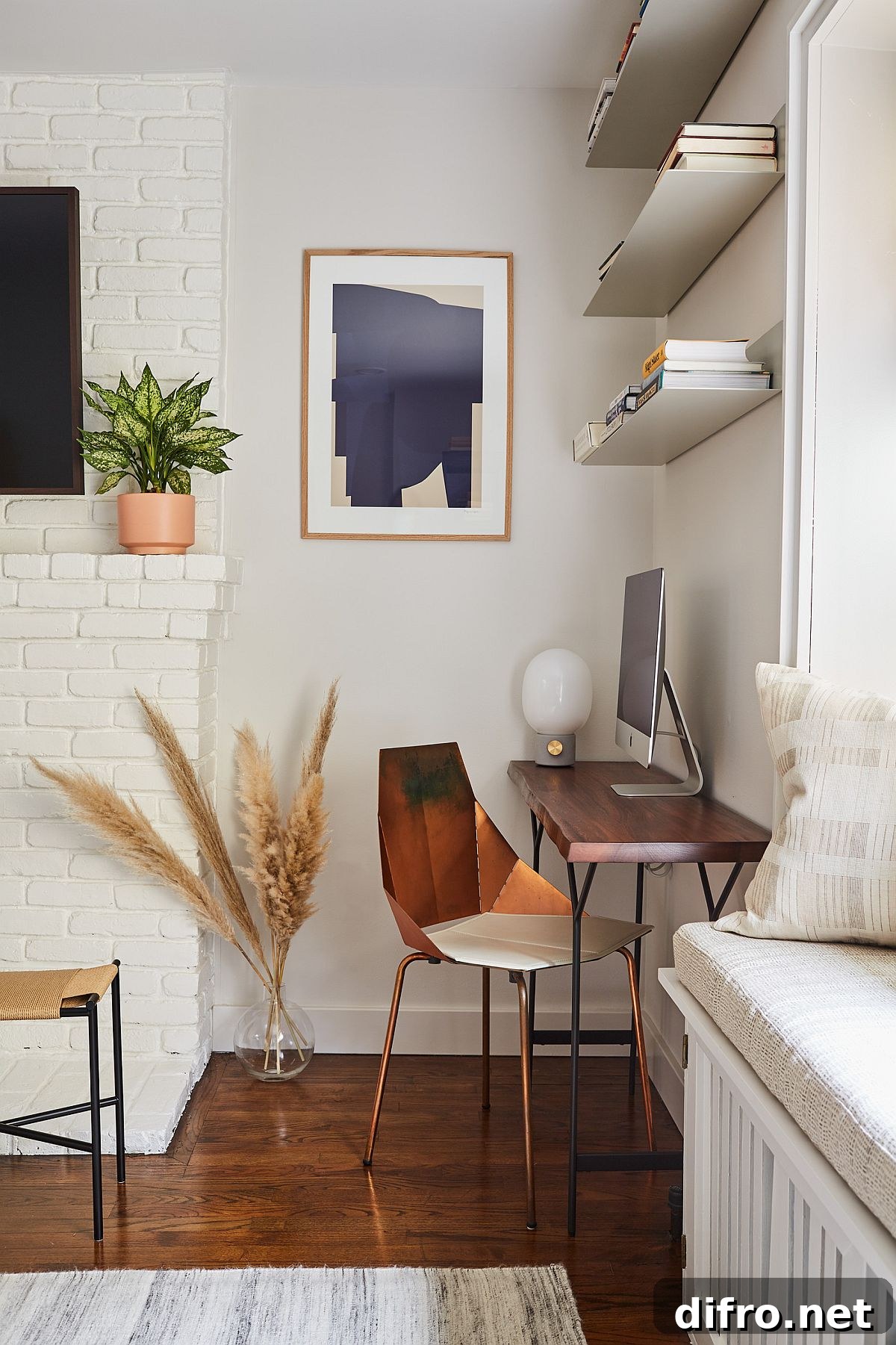
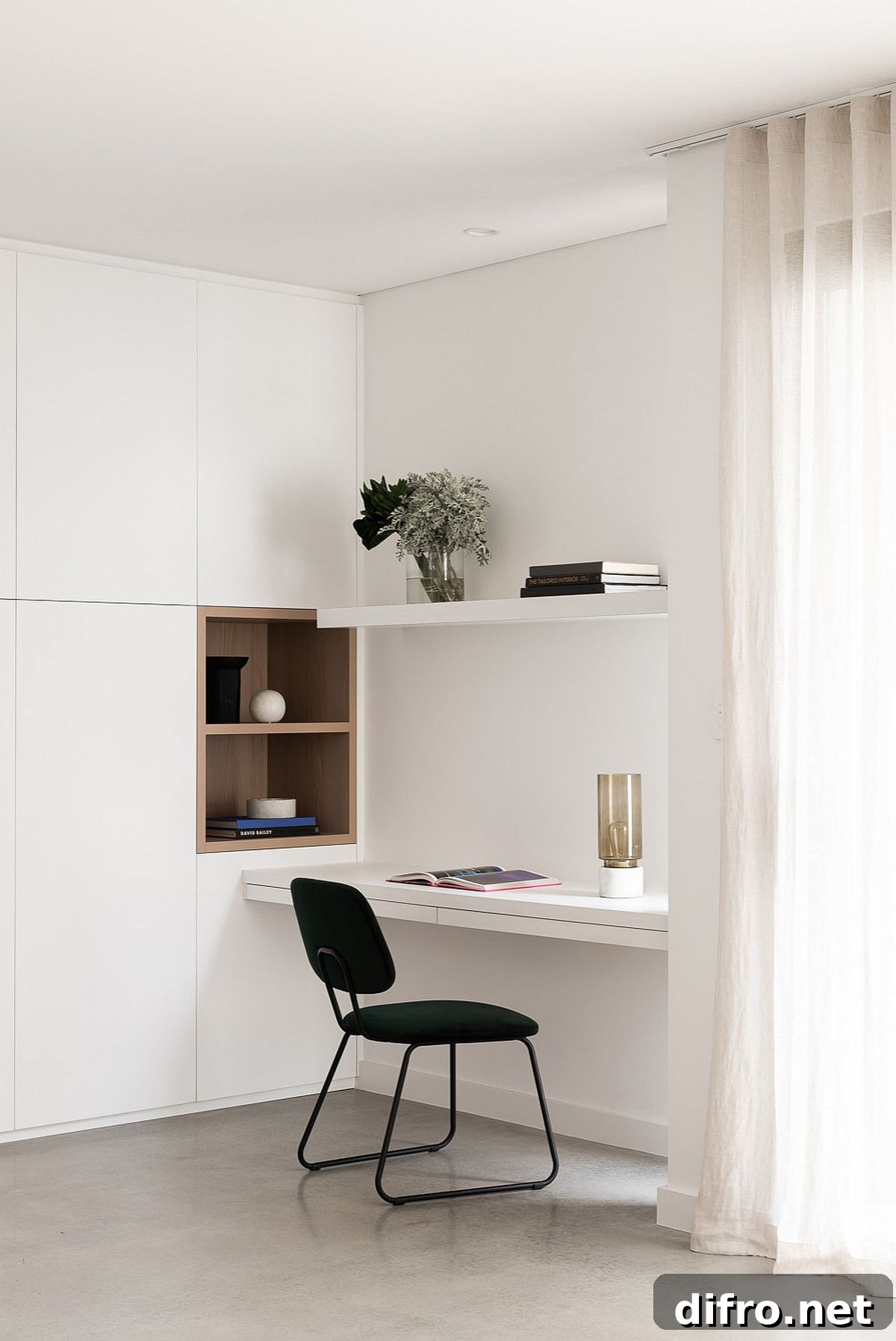
Not all homes can dedicate a full room to a home office, and that’s okay. The demand for compact, multifunctional furniture has surged: adjustable sit-stand desks, ergonomic chairs, and smart storage systems make it easy to carve out an efficient workspace from a small nook, a closet, or the area under a staircase.
When choosing furniture, prioritize flexibility and ergonomics. A comfortable chair, proper monitor height, and accessible storage create a functional setup that supports long hours of focused work. Modular pieces let you adapt the space as needs change, making compact work areas practical long-term investments.
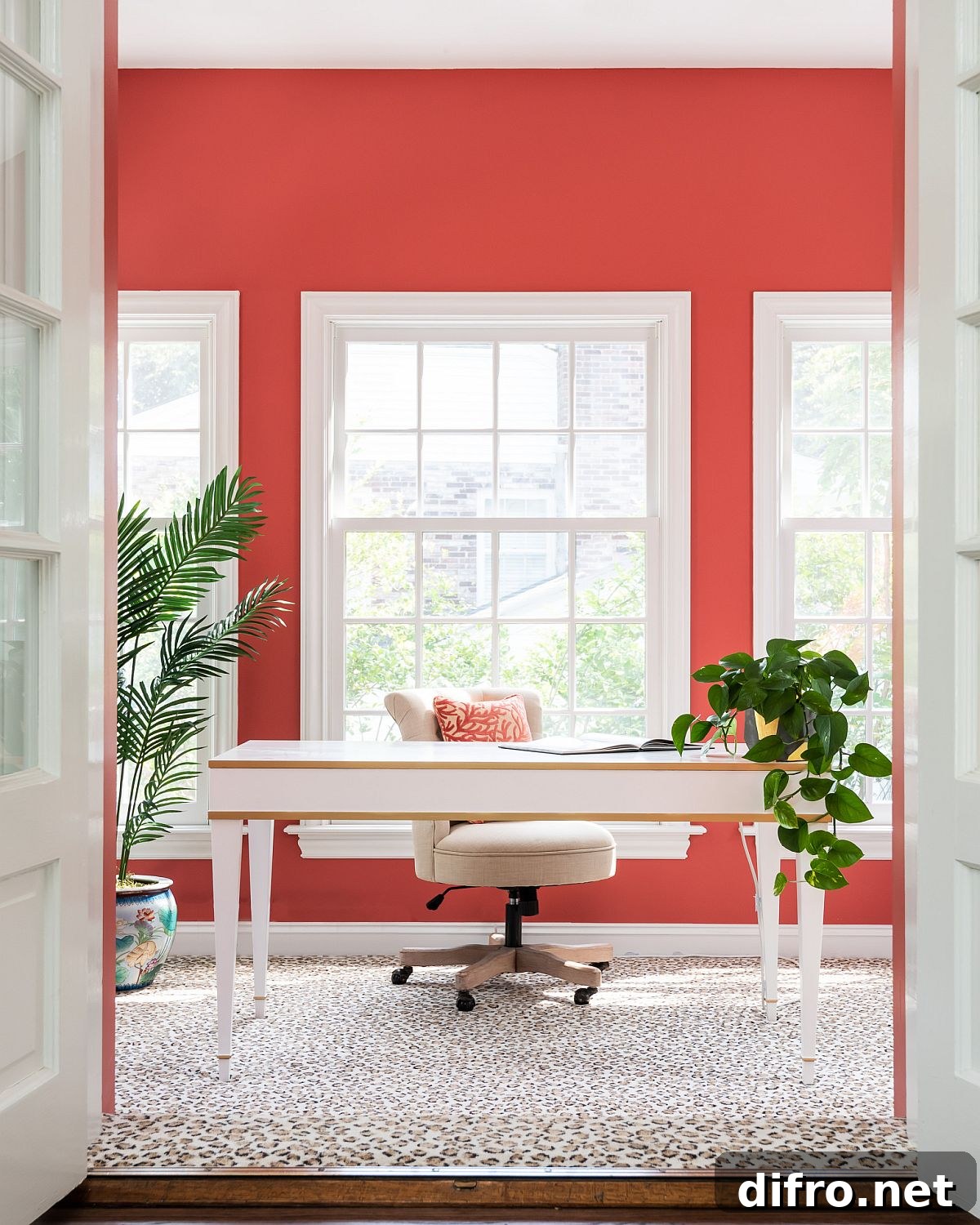
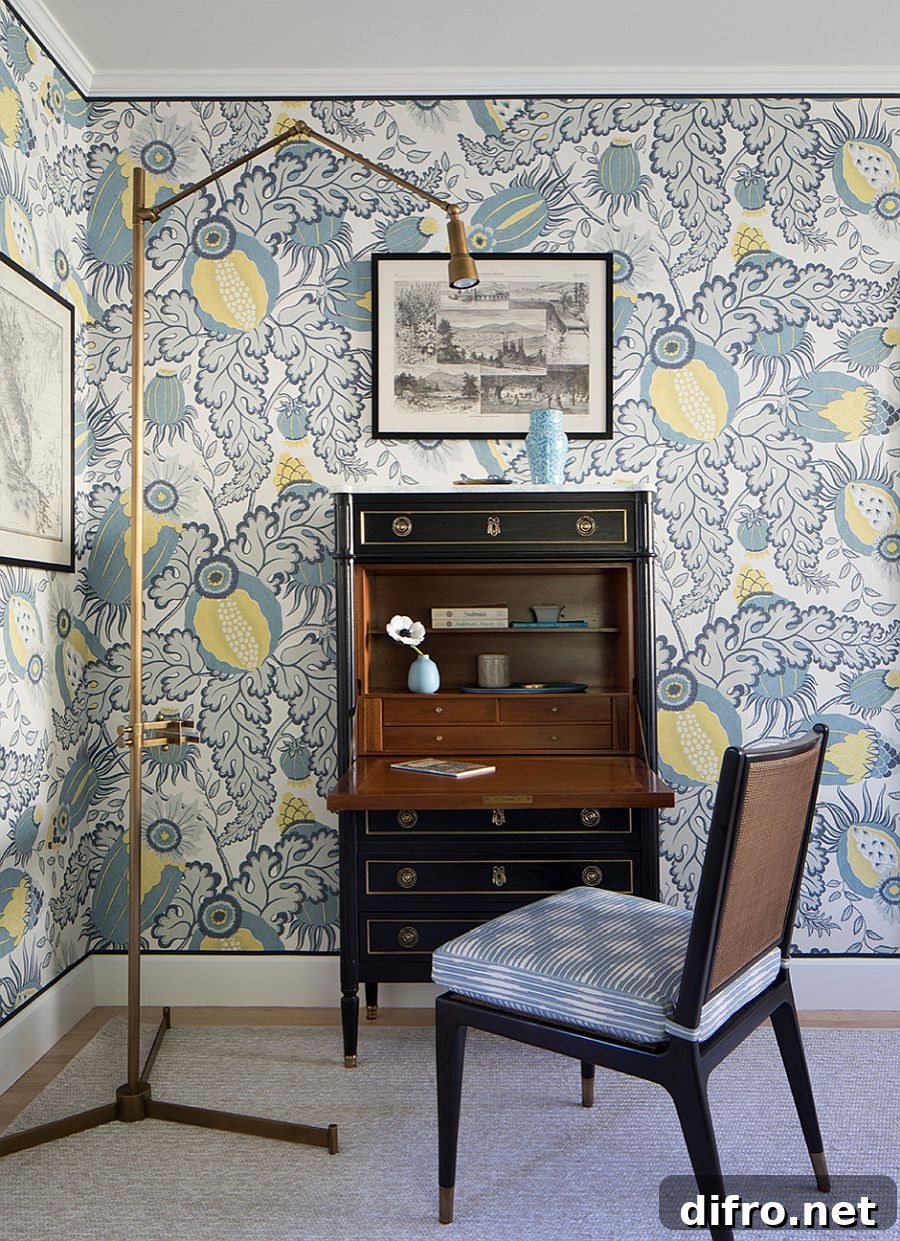
Finding that Quiet Nook
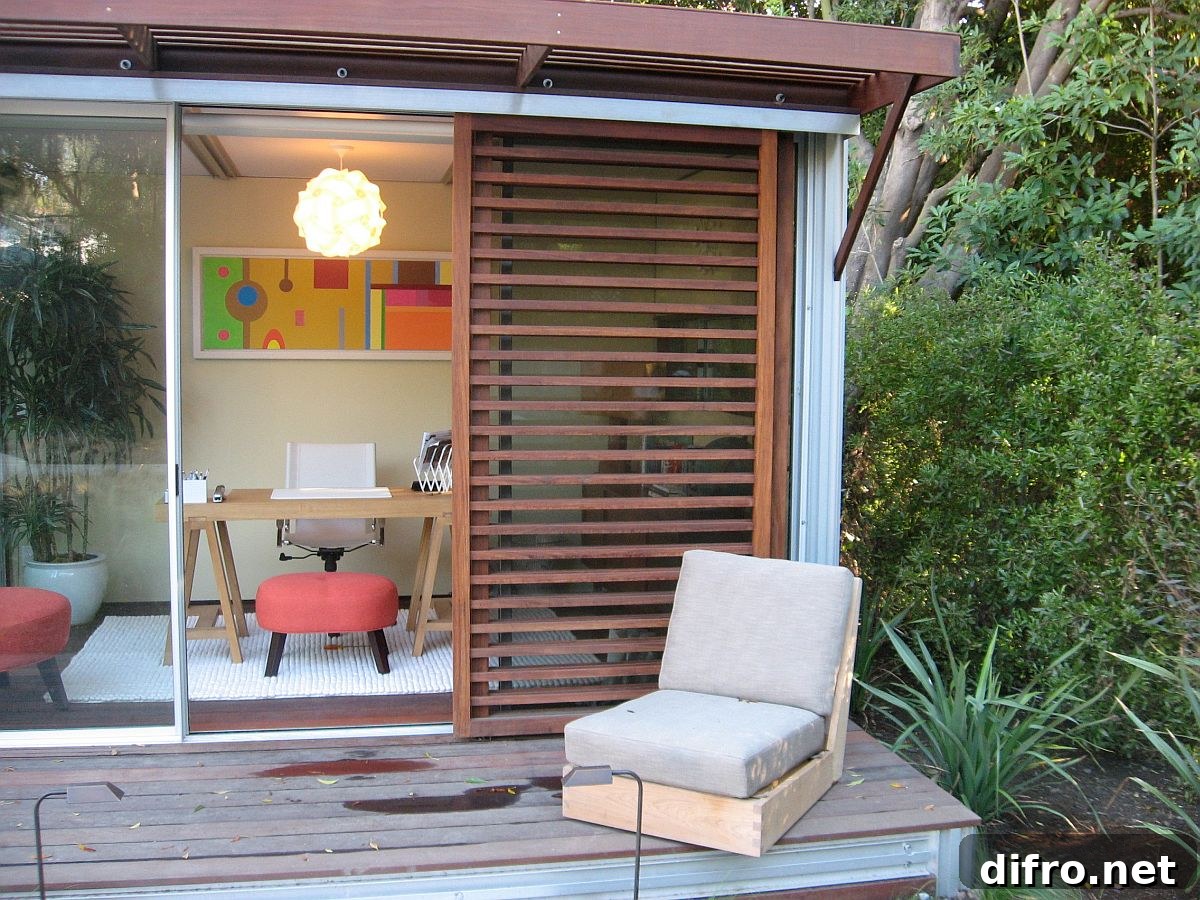
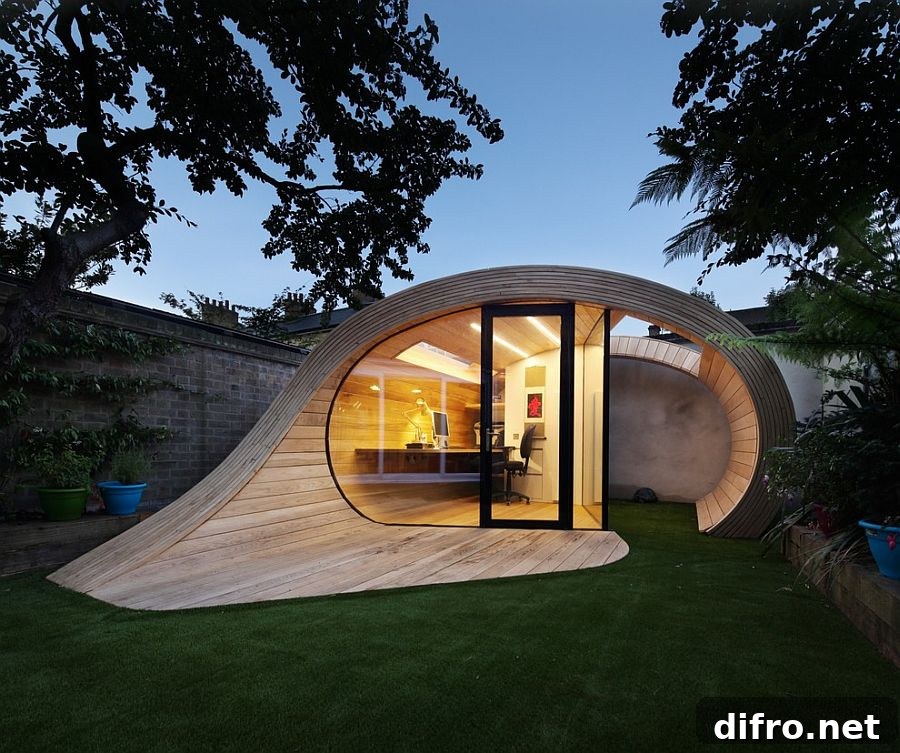
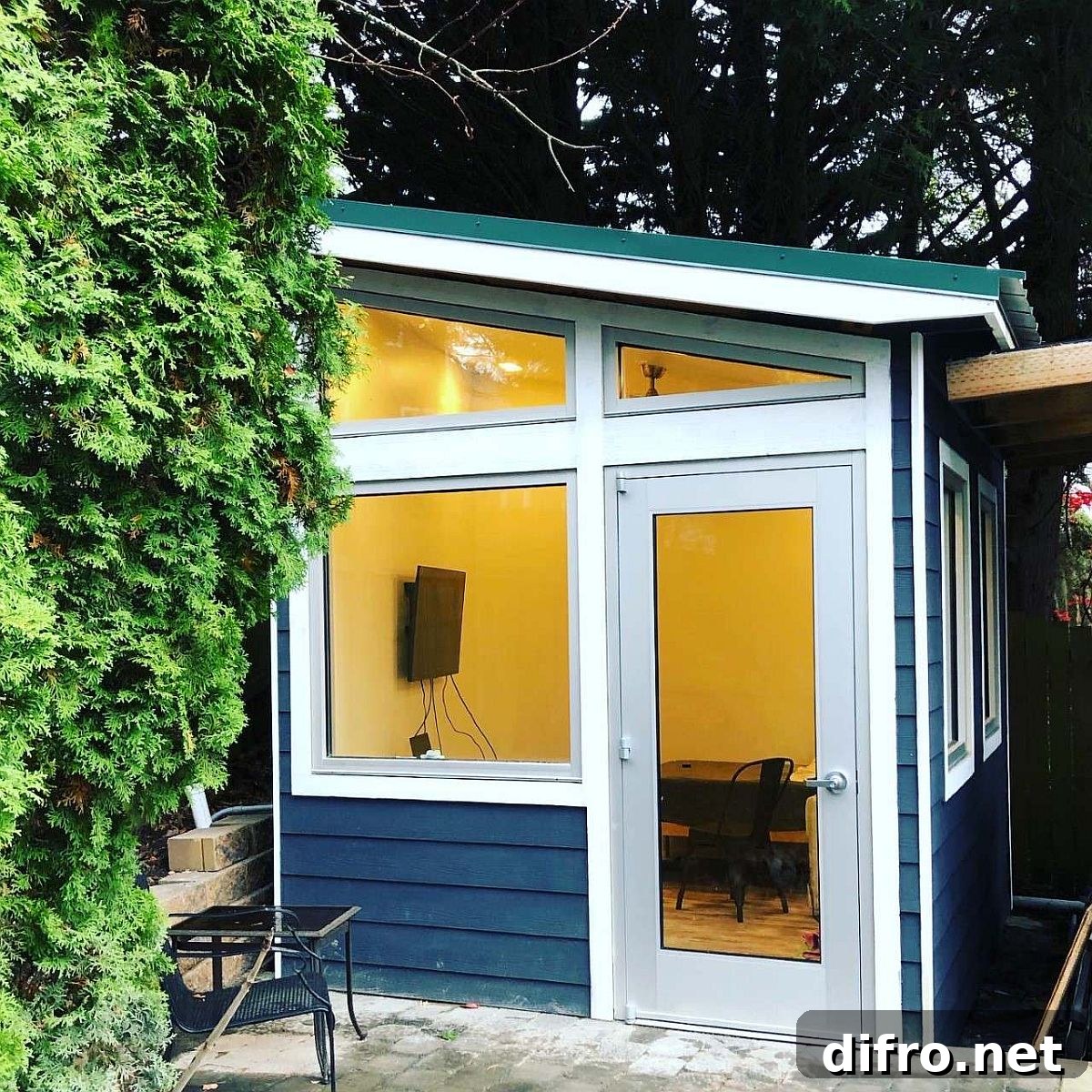
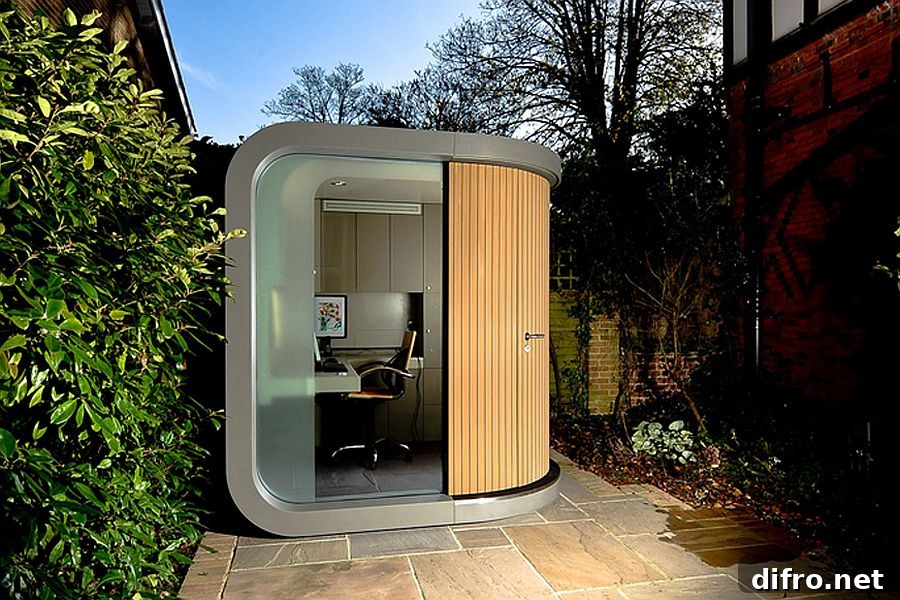
Some homeowners have taken a different approach: building separate backyard offices or garden studios. These standalone workspaces offer privacy and a better separation between work and home life. Backyard offices can be designed as tranquil studios for focused work or as client-ready spaces when meetings are needed.
Beyond privacy, a detached workspace can improve concentration and mental separation from household distractions. Even a well-insulated shed or converted garden room with good ventilation and natural light can function as an effective home office.
Green, Fresh and Inspiring
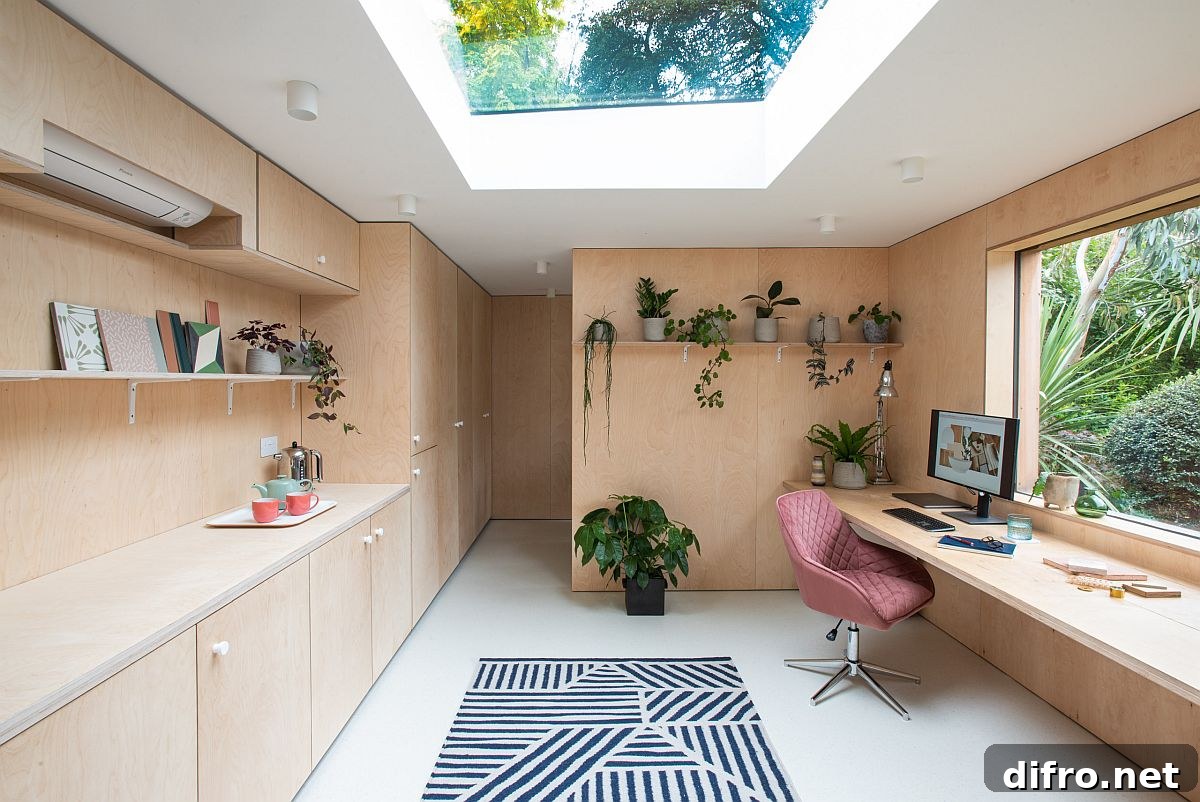
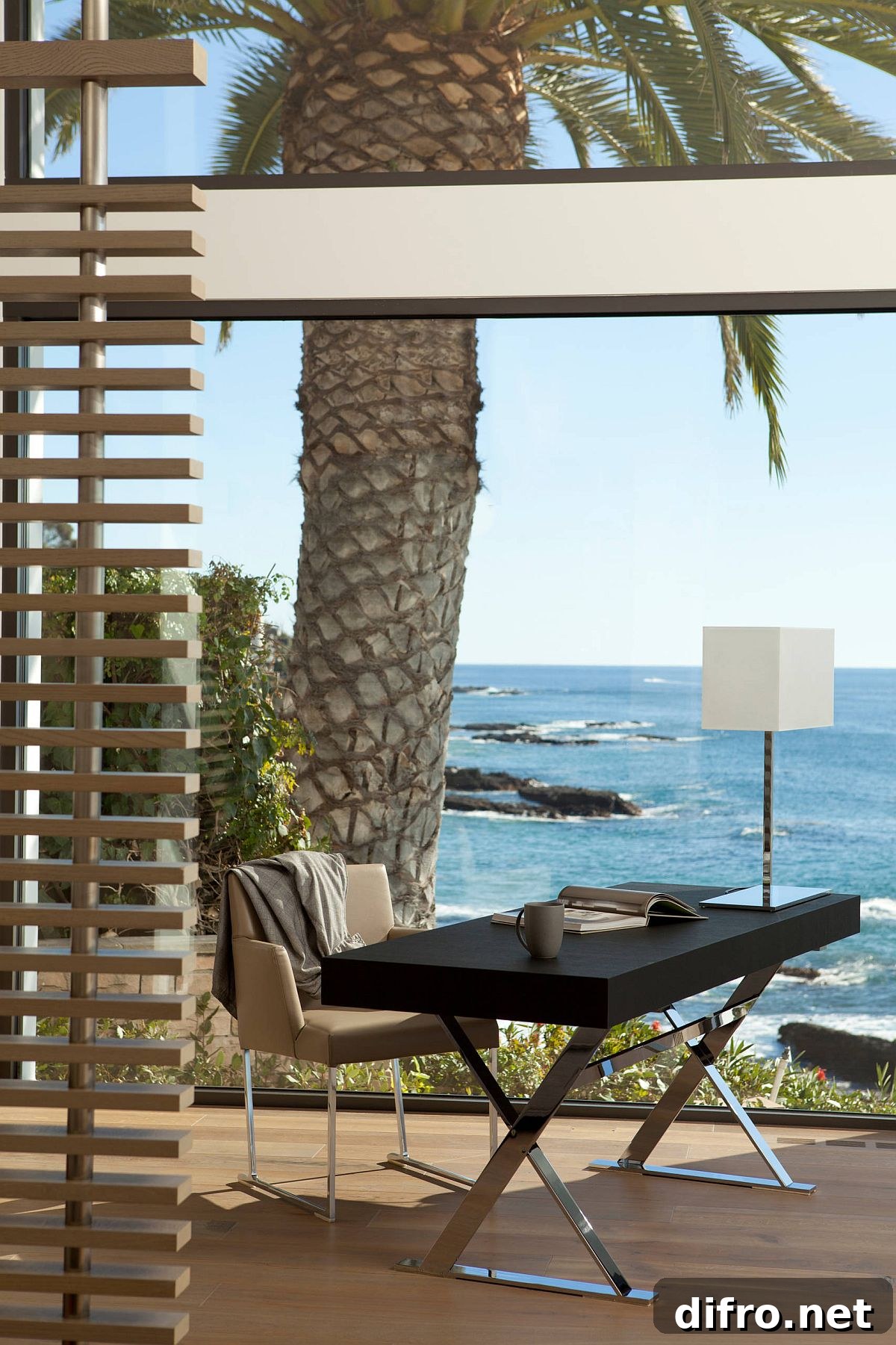
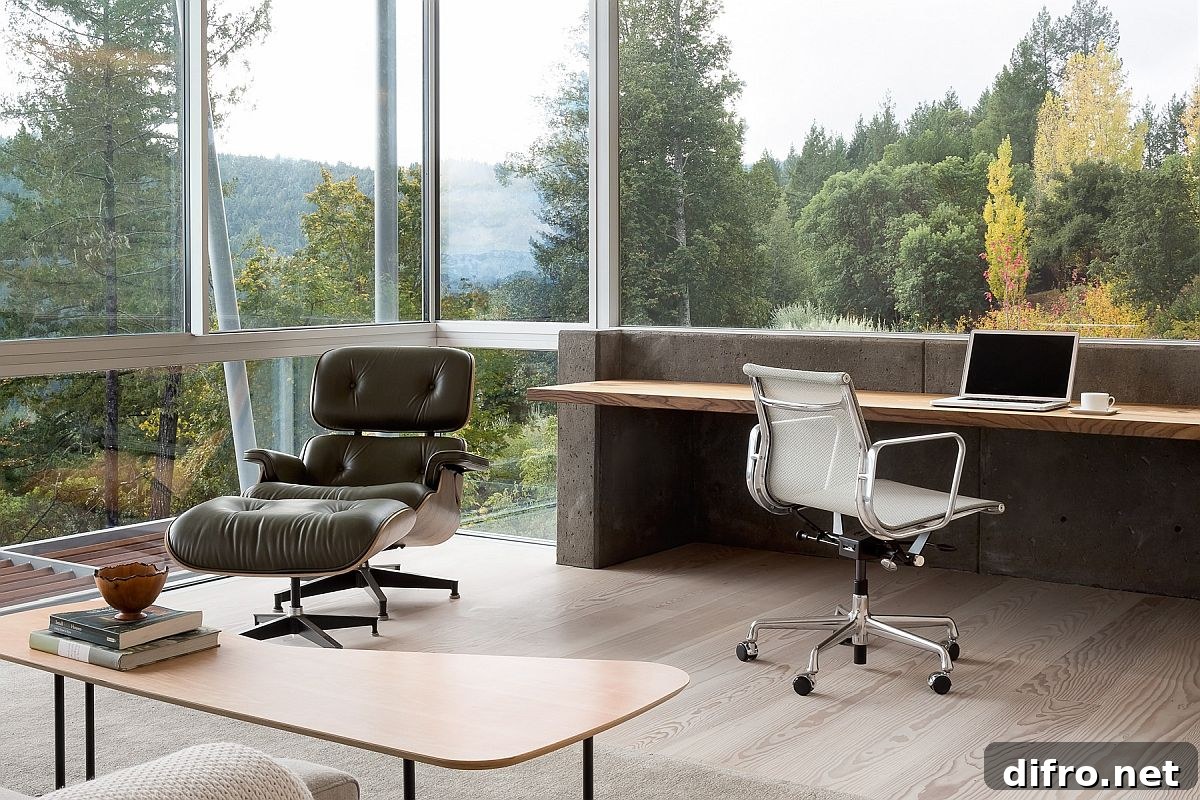
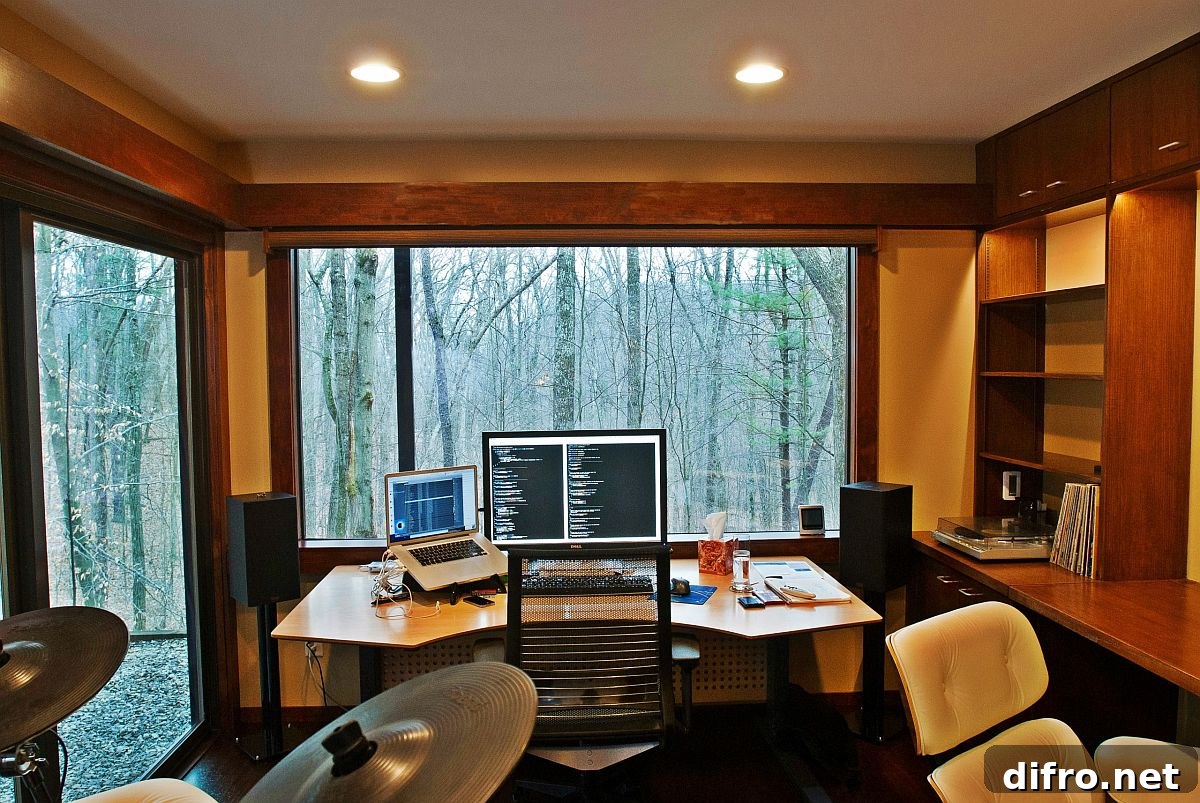
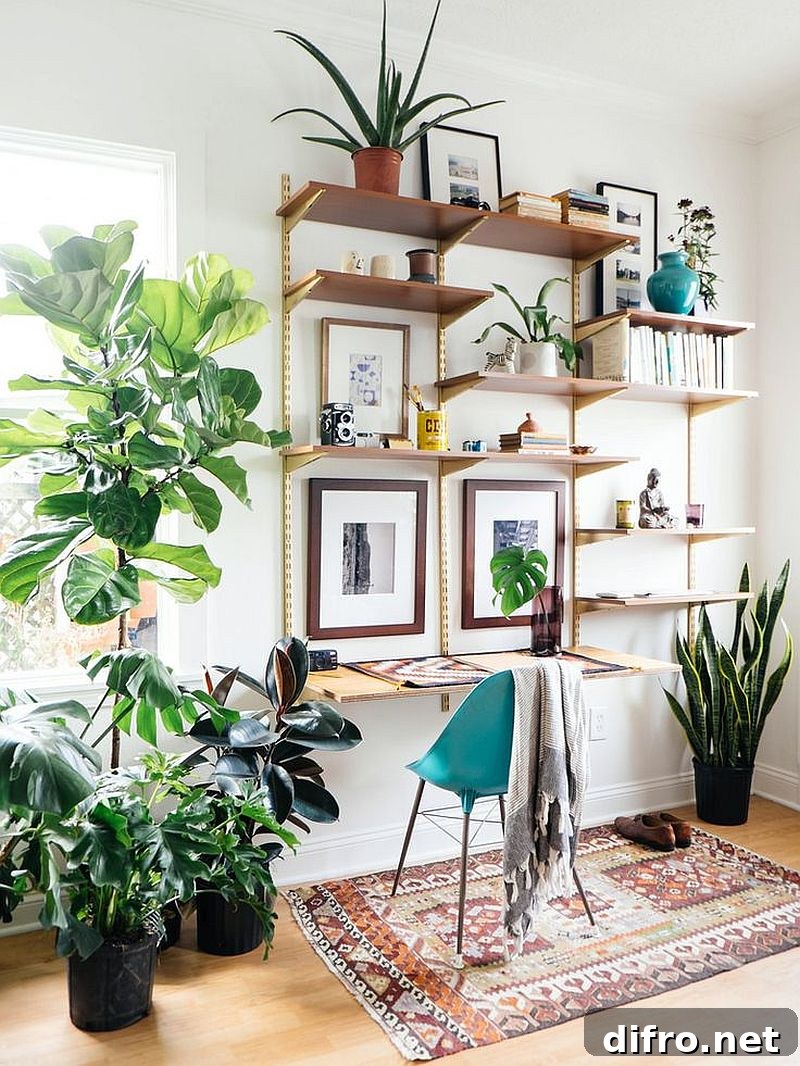
Natural elements are playing a greater role in home office design. Indoor plants, natural wood finishes, and large windows that connect workrooms to outdoor greenery help create restful, healthier environments. Prioritizing fresh air and natural light enhances wellbeing and supports sustained concentration.
Design strategies that emphasize ventilation, comfortable circulation, and an unobstructed connection to nature produce spaces that feel open and inviting. Whether you have a small corner desk or a detached studio, adding a few plants and maximizing daylight can significantly improve mood and productivity.
In short, the home office of 2021 is about balance: blending practical solutions with comfort and a connection to the natural world. Whether you choose a compact corner desk, a dedicated room, or a backyard studio, aim for a space that supports focus, health, and a clear separation between work and personal life. Thoughtful layout, good lighting, ergonomic furniture, and a calming backdrop can turn any home workspace into a place where productivity and wellbeing coexist.