Modern urban life often encourages smaller households and separates generations into different residences. In Seattle’s Maple Leaf neighborhood, a thoughtful backyard conversion offers an alternative: an independent, well-appointed granny pad created from an old garage. This small, separate dwelling brings generations closer while providing privacy and independence—an ideal solution for families who want nearby support without sacrificing personal space.
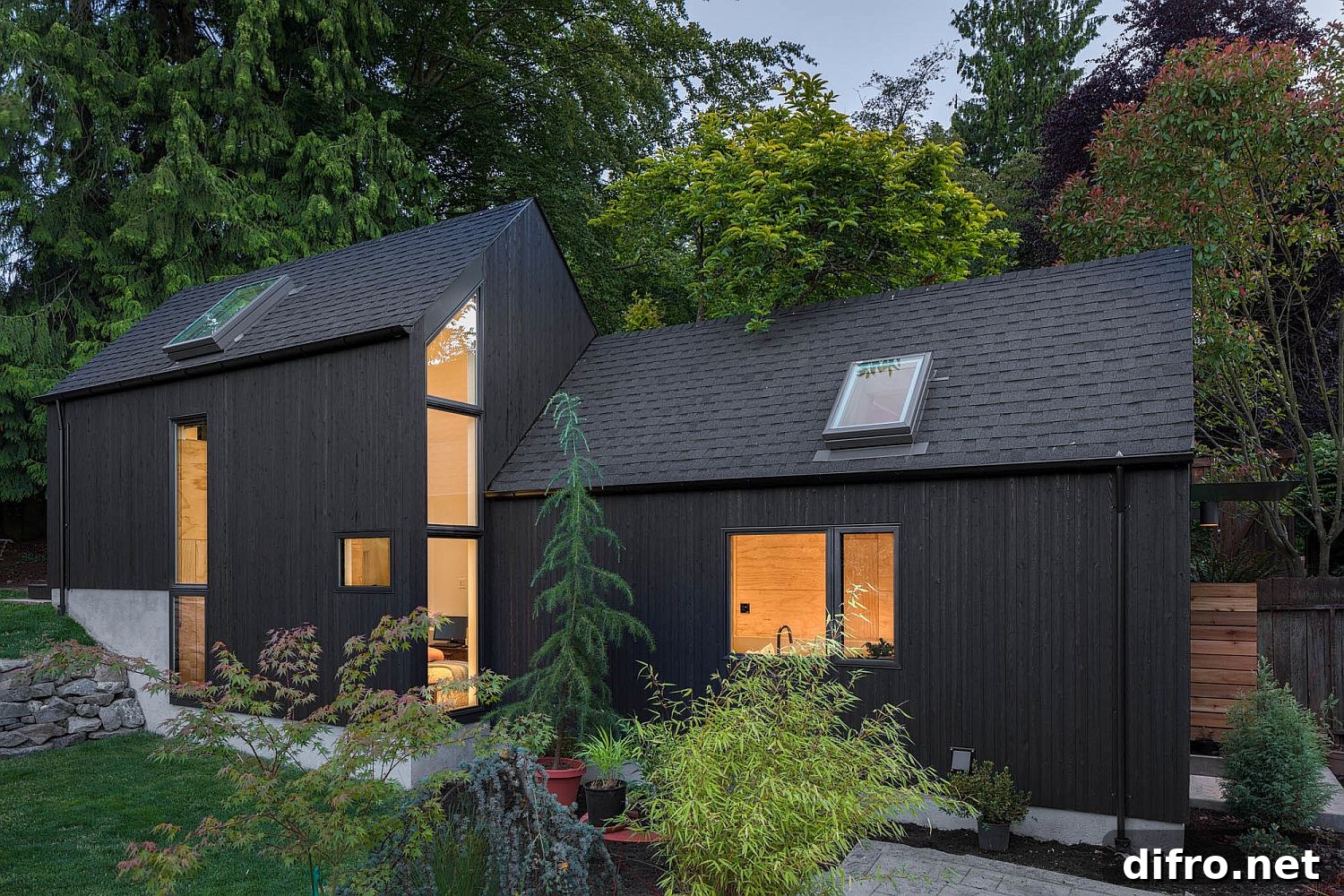
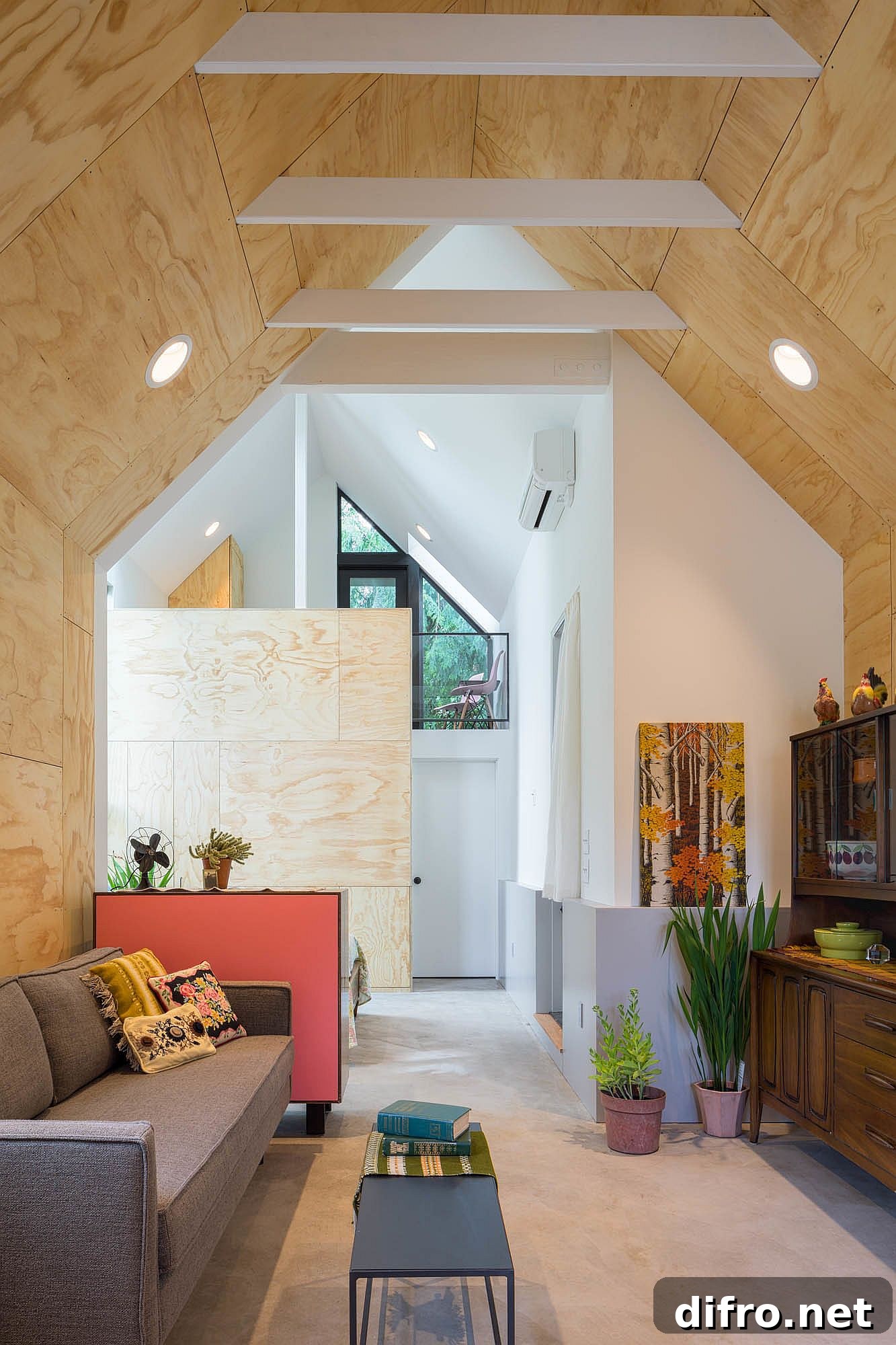
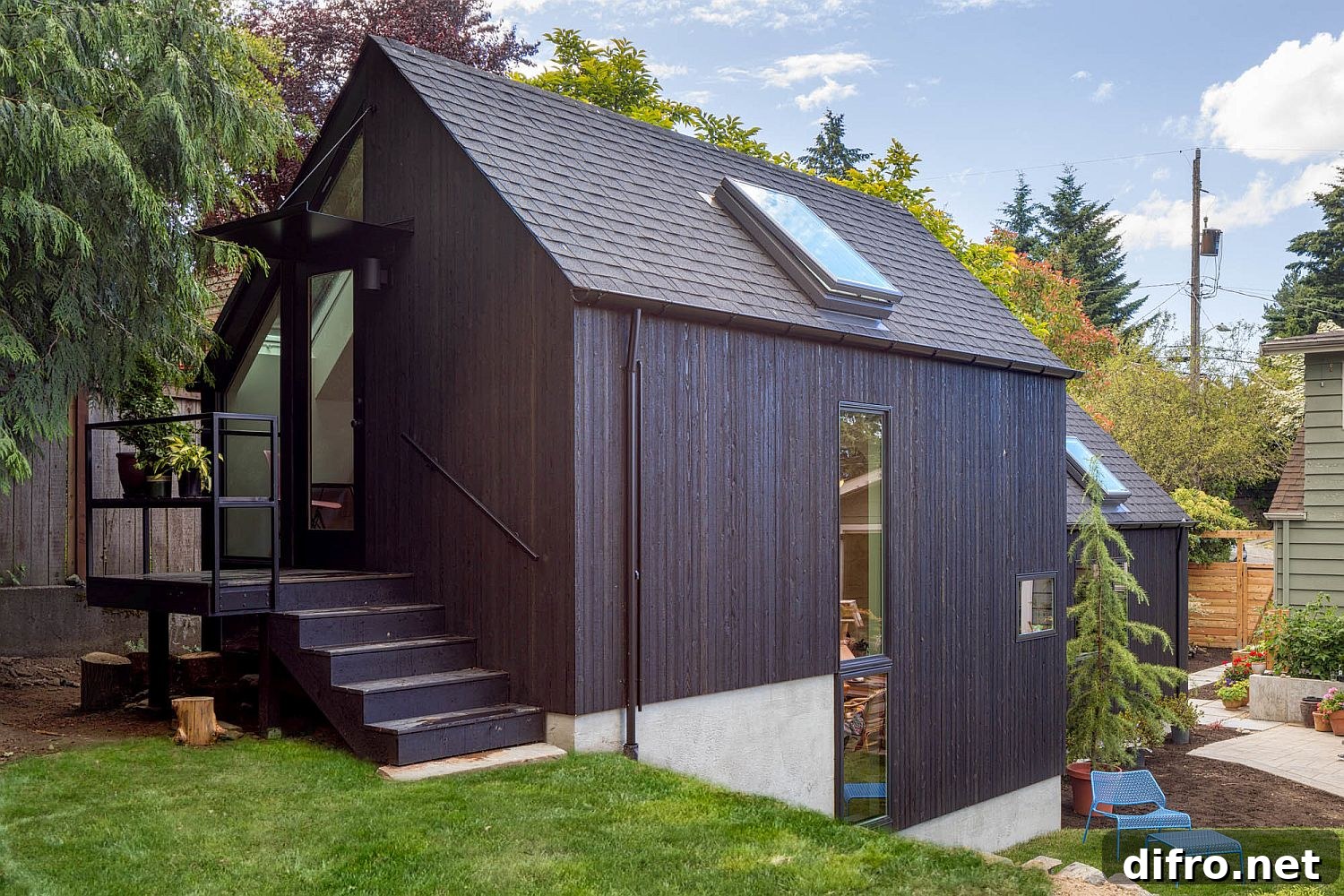
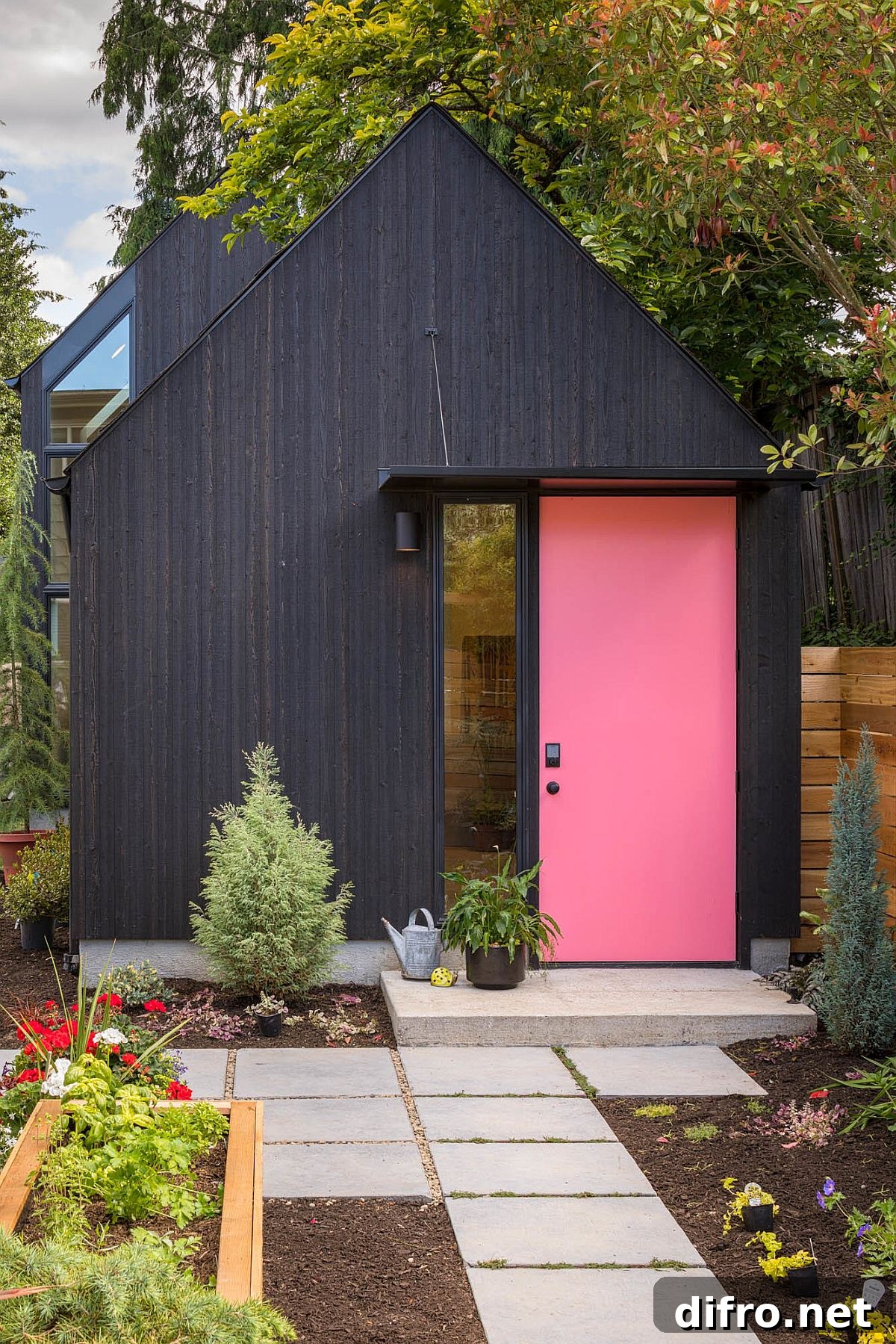
Designed by Best Practice Architecture, this granny pad replaces a dated garage with a compact, contemporary dwelling. From the outside, the new structure reads as a simple, dark-clad volume that complements the backyard, while the interior emphasizes light, warmth and careful material choices. A restrained palette of white, wood and gray forms the backdrop, enlivened by occasional accents of bright pink and orange that add personality to the compact interiors.
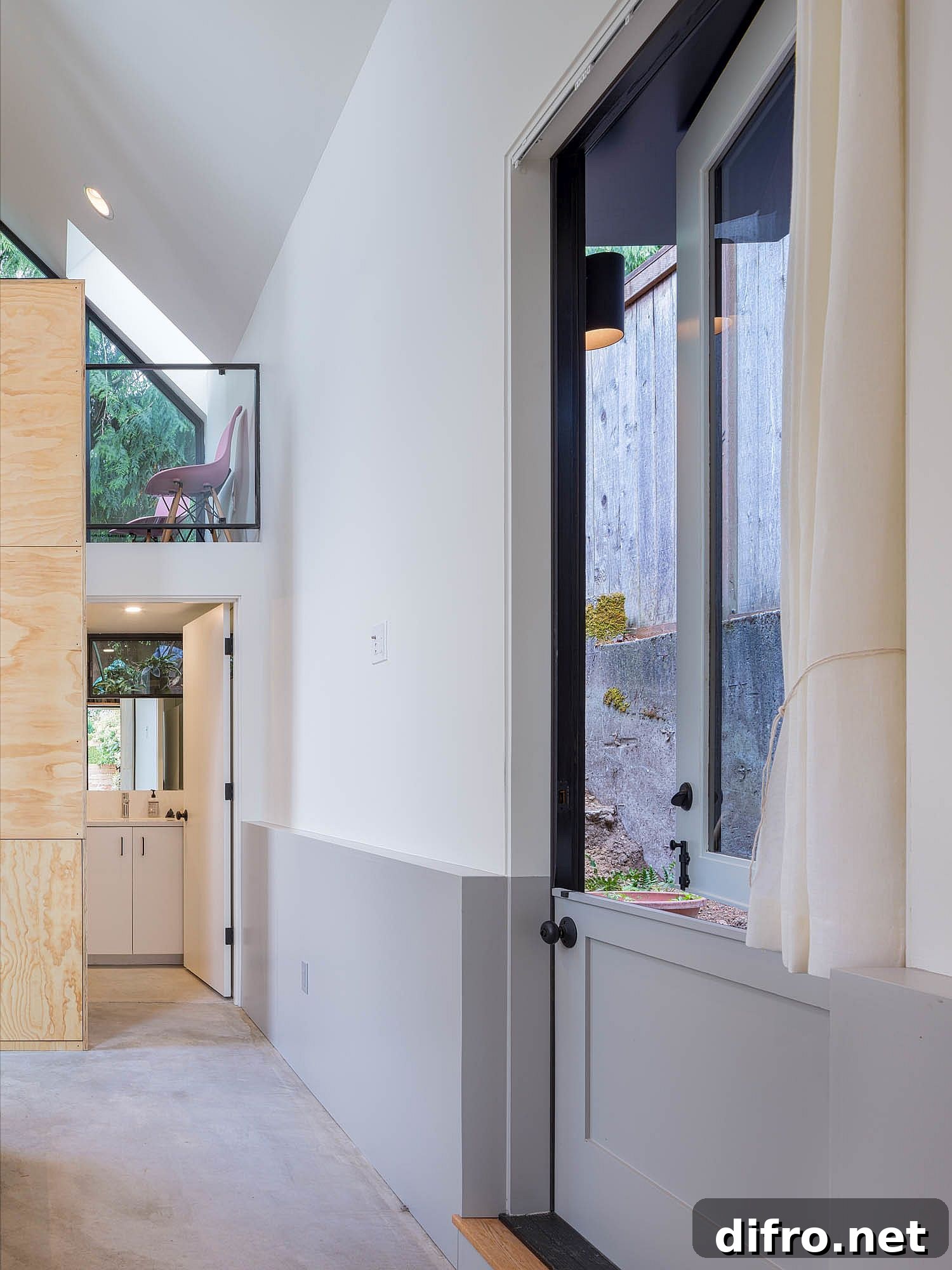
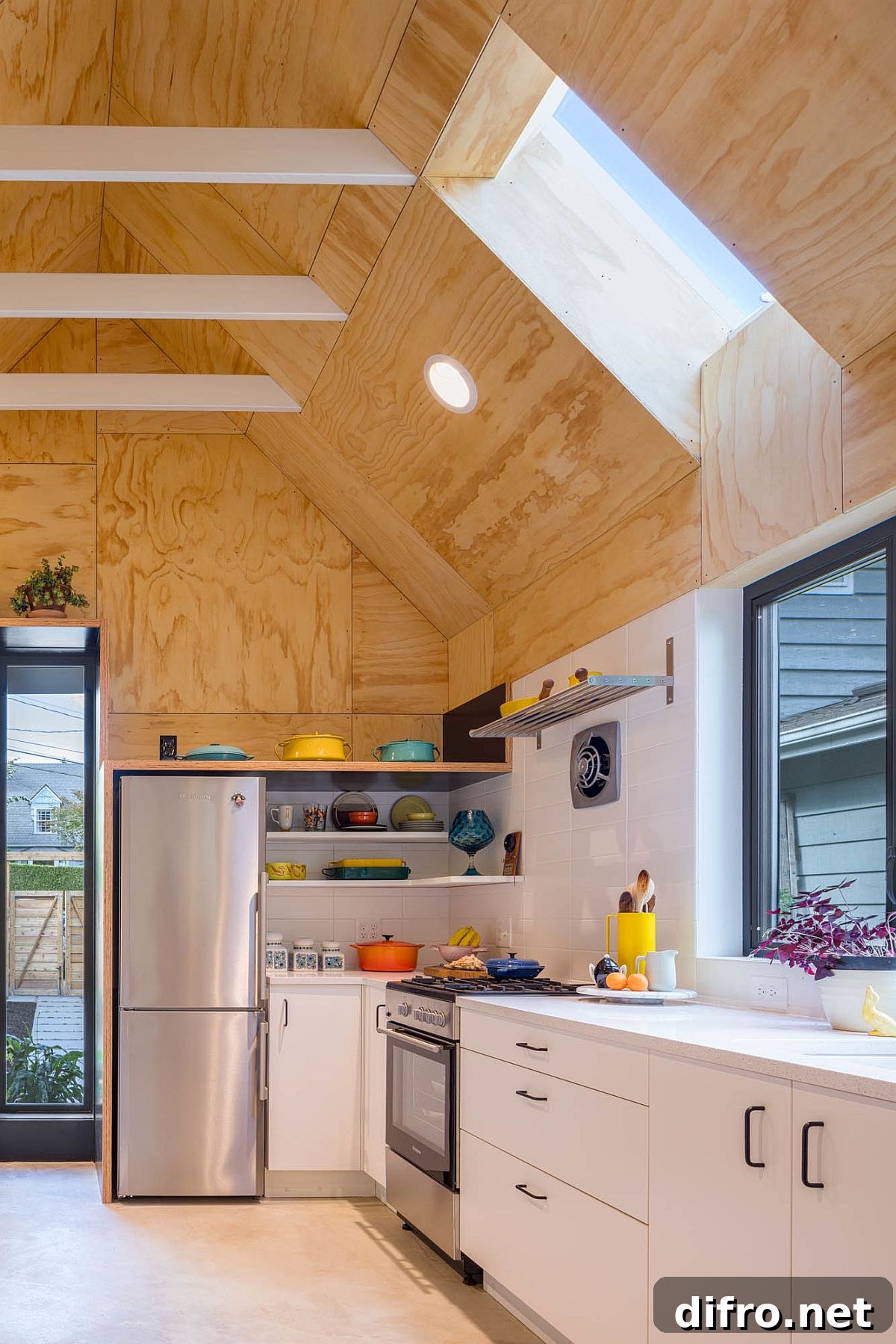
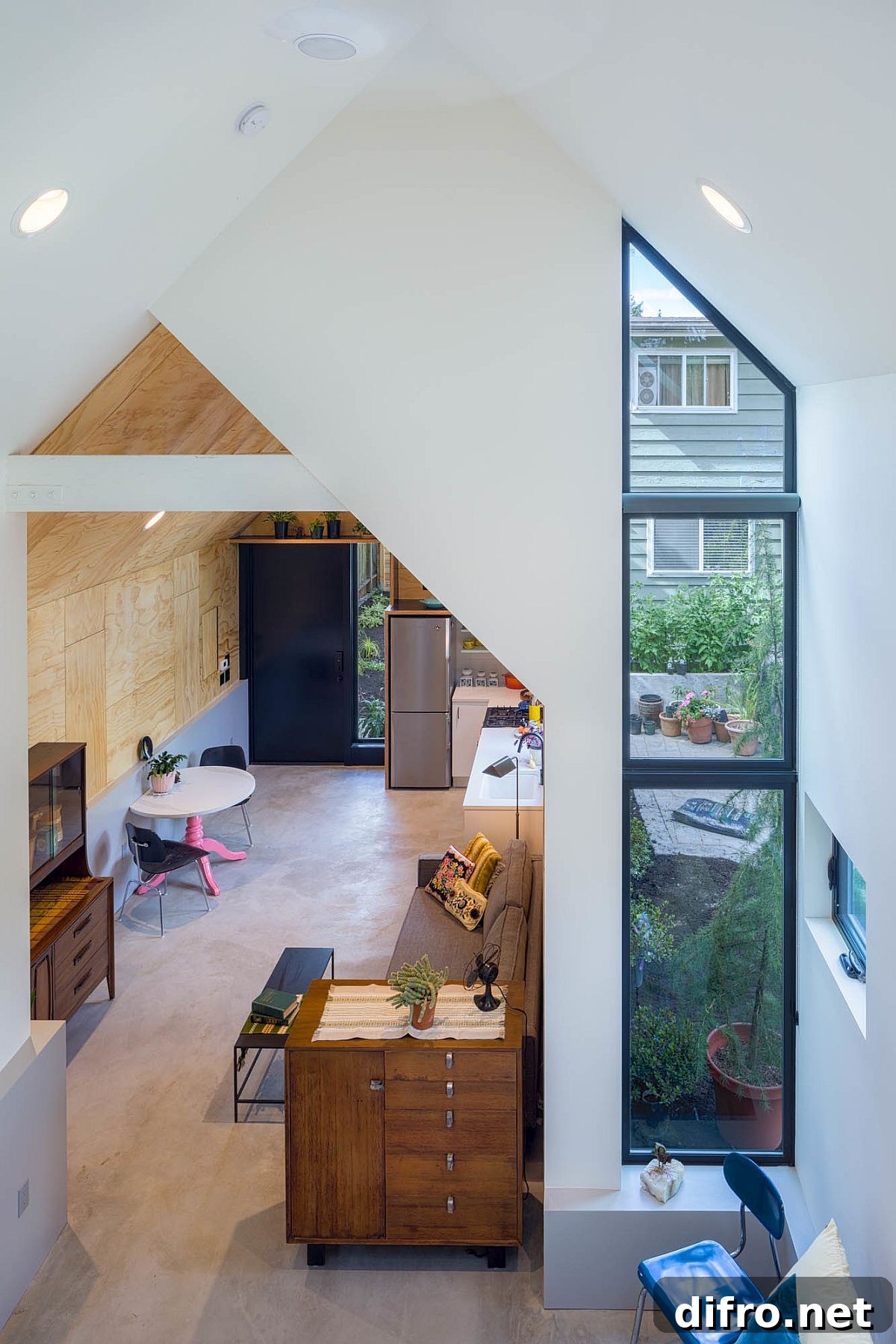
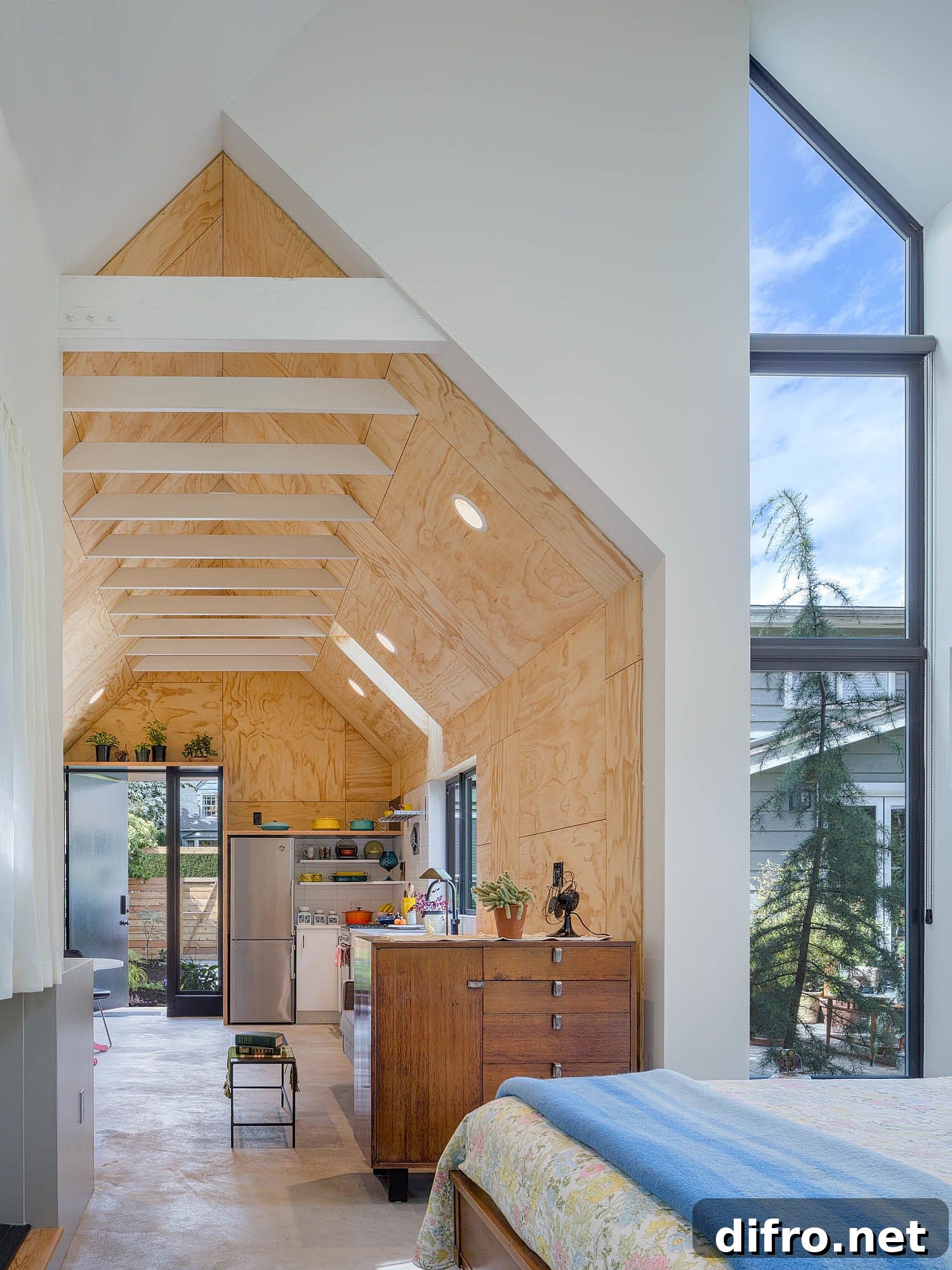
Natural light is a central feature of the design. Generous windows and carefully placed skylights fill the double-height living area, making the compact footprint feel airy and open. The vertical volume of the living space creates visual interest and improves daylighting, while wood cladding on walls and ceilings introduces a warm, tactile contrast to the white surfaces. The bedroom opens toward the garden, offering a quiet connection to outdoor space and a pleasant outlook for residents.
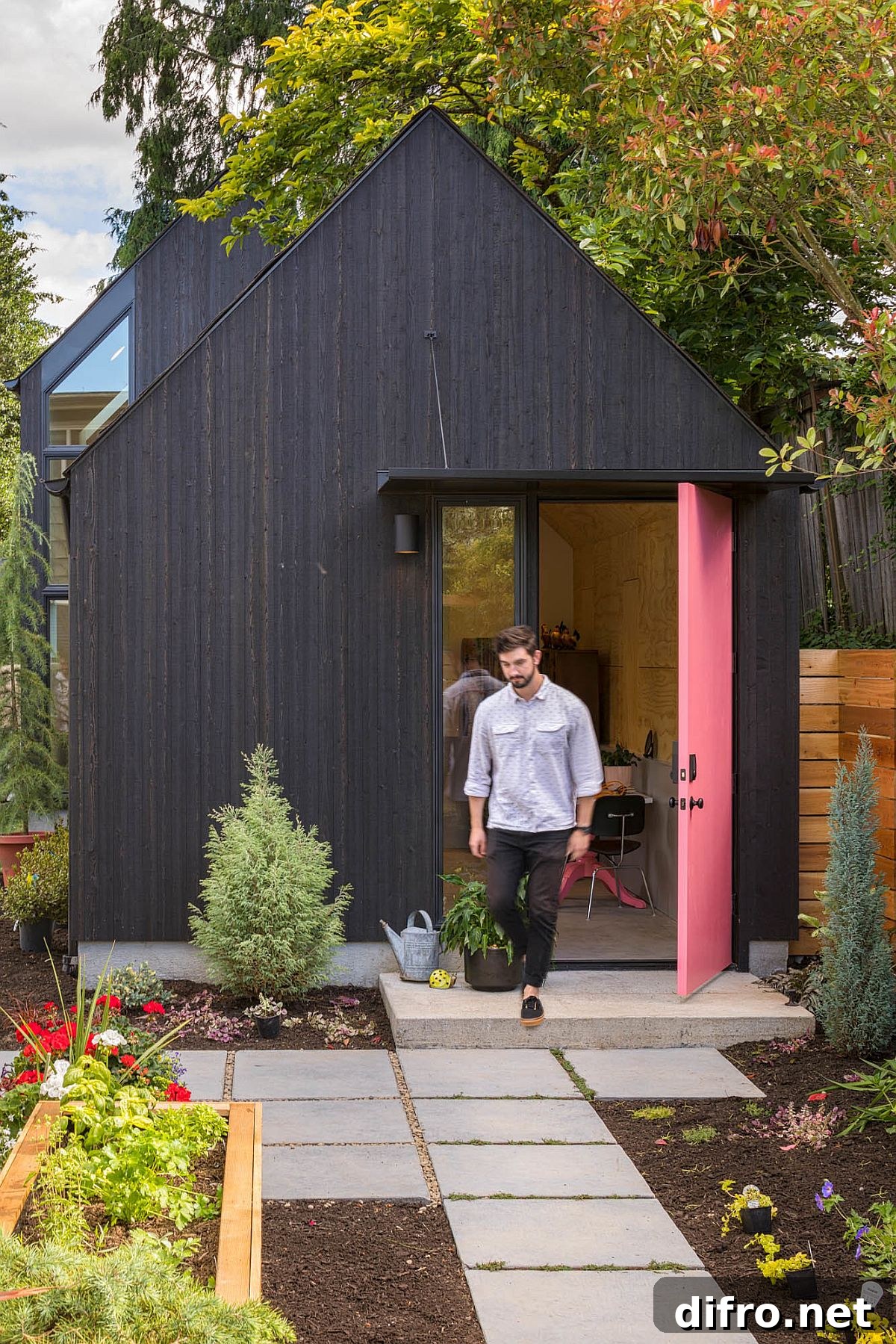
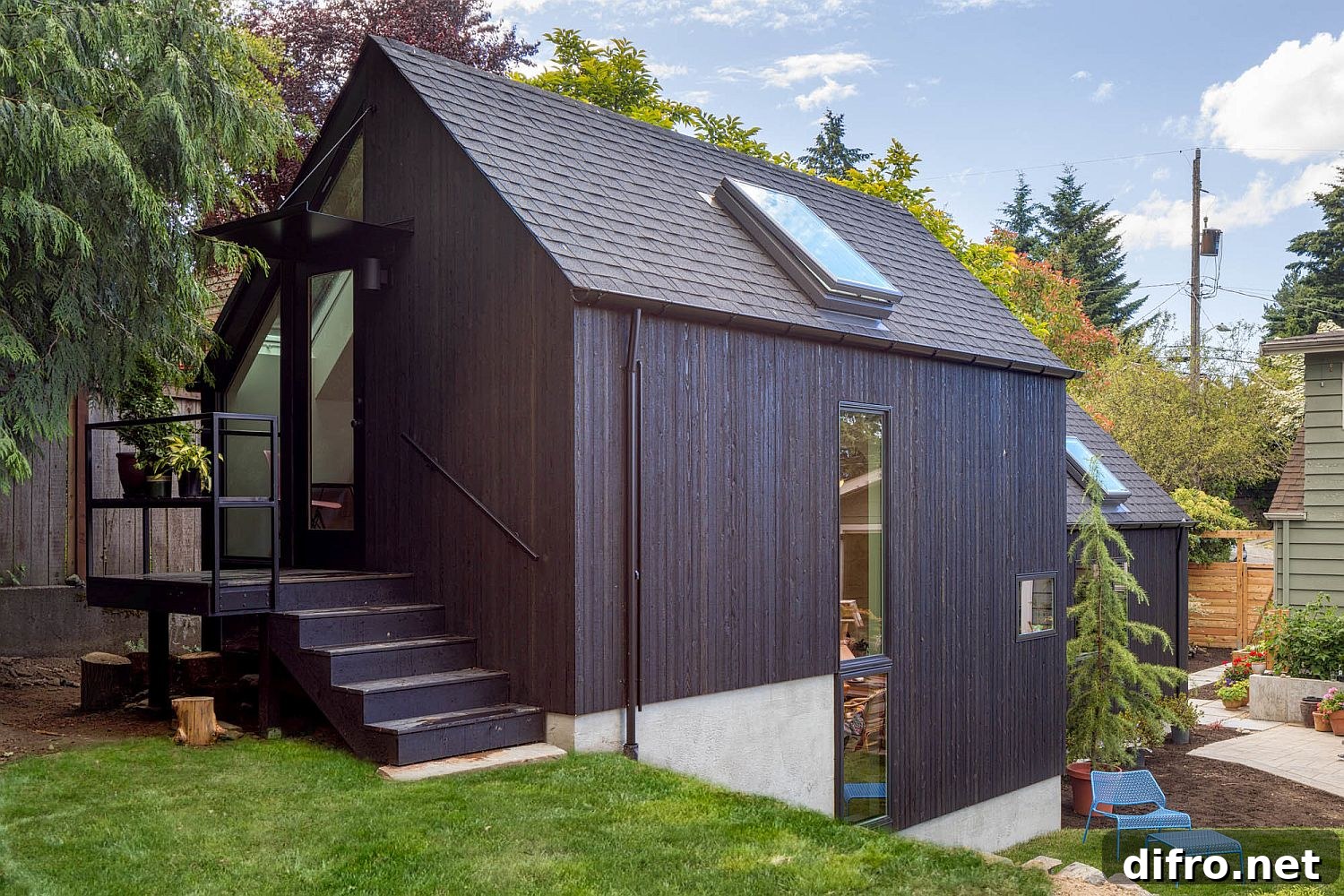
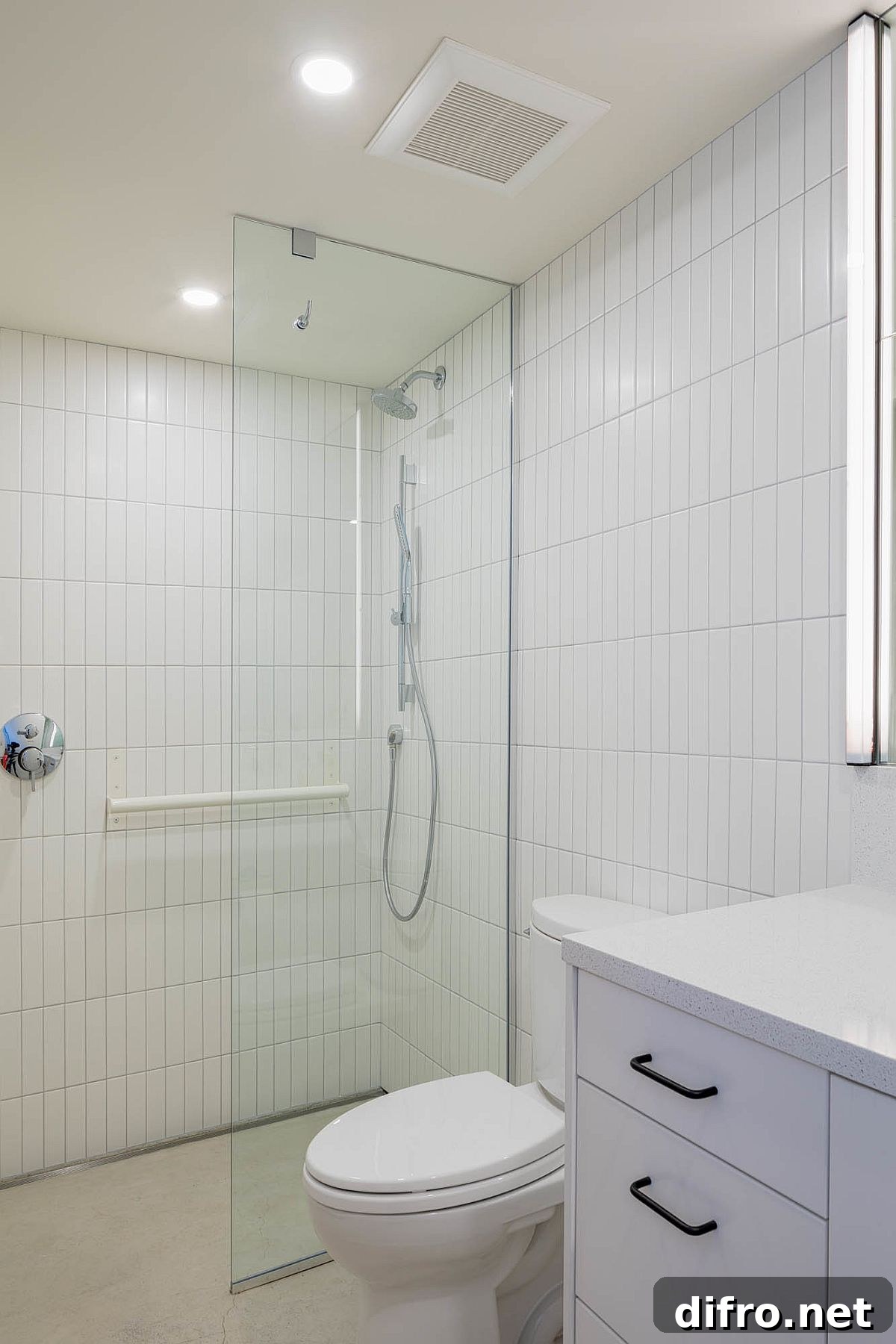
The plan focuses on accessibility and ease of movement: the main living area, kitchen and bedroom are located on a single level to reduce stairs and improve safety for older residents. This single-level layout supports aging-in-place principles and makes daily routines simpler. A compact but well-organized kitchen and a bathroom fitted with modern finishes complete the essentials, while an upper-level deck and an additional sleeping area create flexible space for visitors.
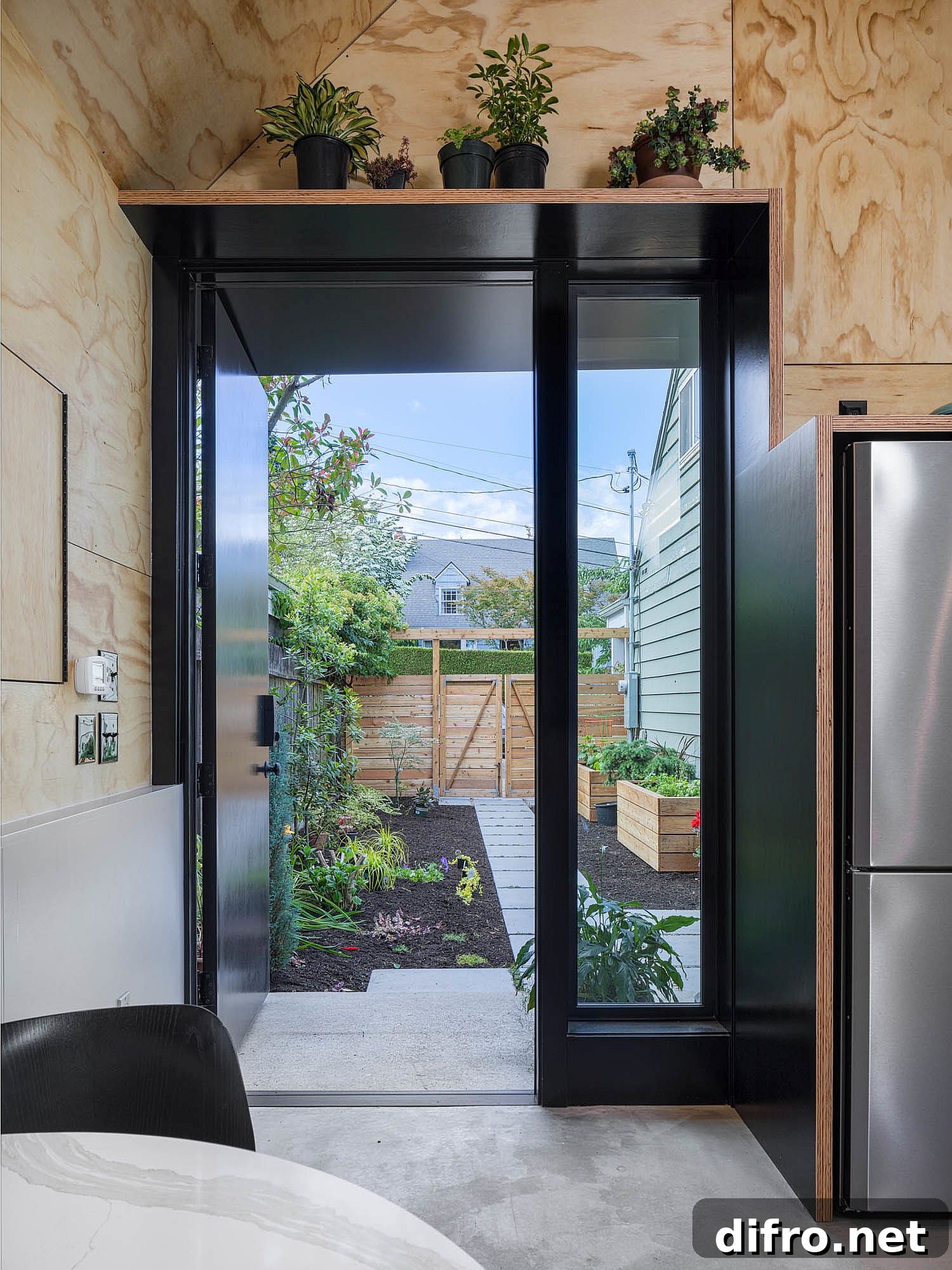
Even in a modest footprint, thoughtful material choices and careful detailing give the space a high-quality, comfortable feel. Wood-clad ceilings and walls bring a sense of shelter and warmth, while white walls and large windows keep the interior bright. Small pops of color prevent the palette from feeling monotone, contributing a cheerful, contemporary character that suits a range of residents.
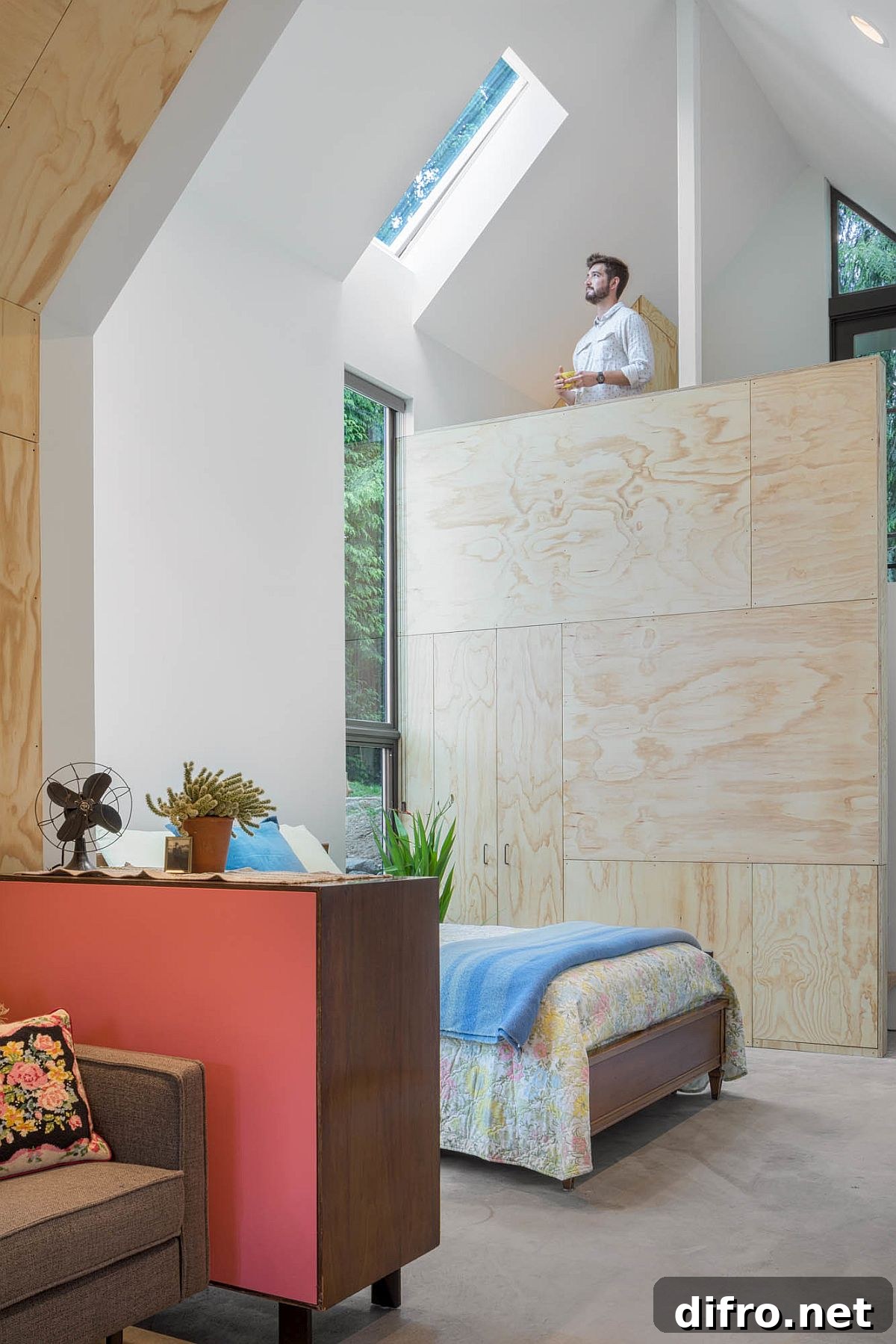
Beyond the immediate household benefits, backyard units like this granny pad support broader goals in urban living: they make efficient use of existing property, increase housing variety within neighborhoods, and allow families to stay connected without sacrificing autonomy. For homeowners considering a garage conversion, this example demonstrates how careful design can produce a small home that feels larger than its footprint and that functions well for both younger and older family members.
Small additions that prioritize comfort, privacy and accessibility can transform the way a household functions. This Seattle backyard conversion shows how a former garage becomes a purposeful, attractive granny pad—supporting multigenerational living while preserving independence for all members of the family.
RELATED: Sensational Backyard Reading Retreat Offers a World of Serene Escape