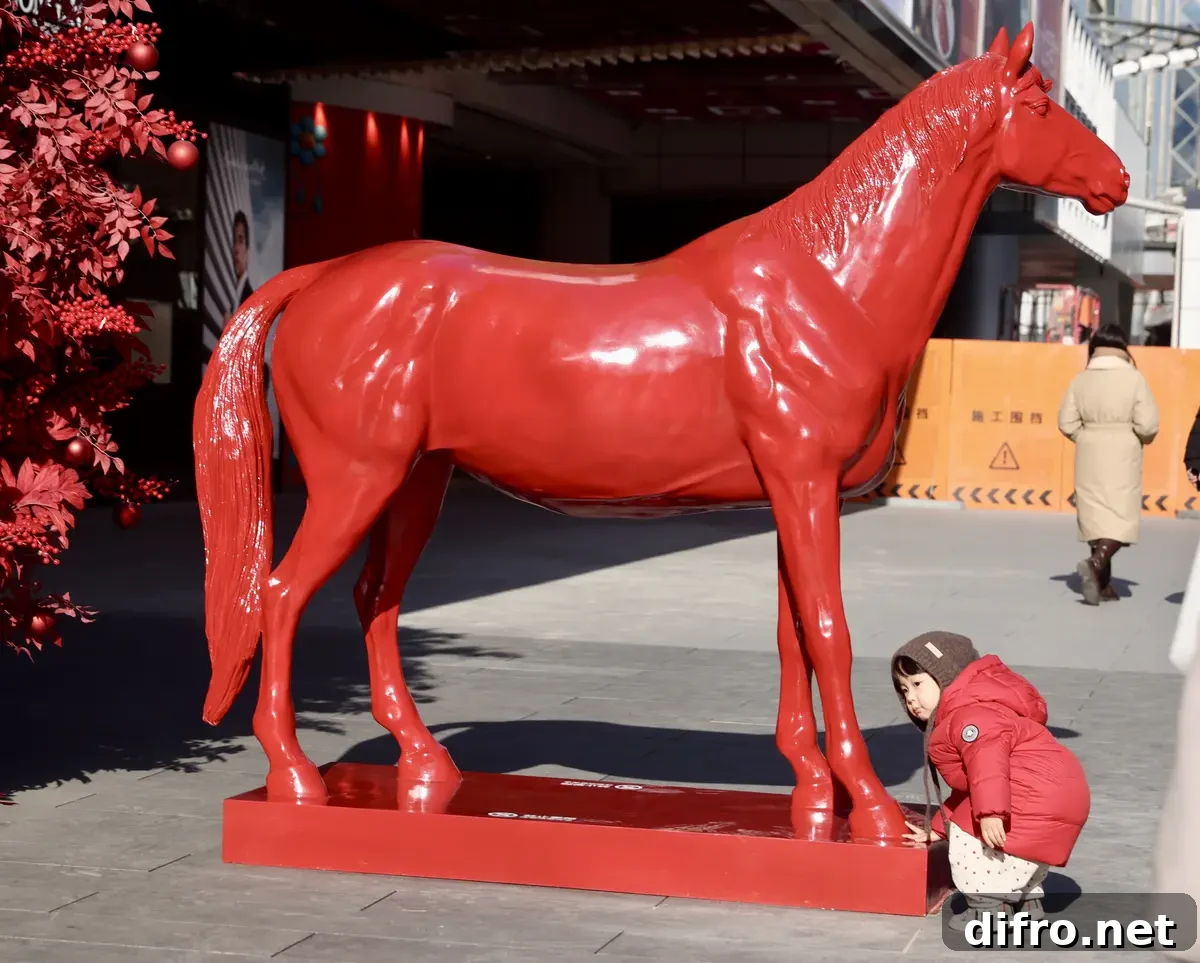
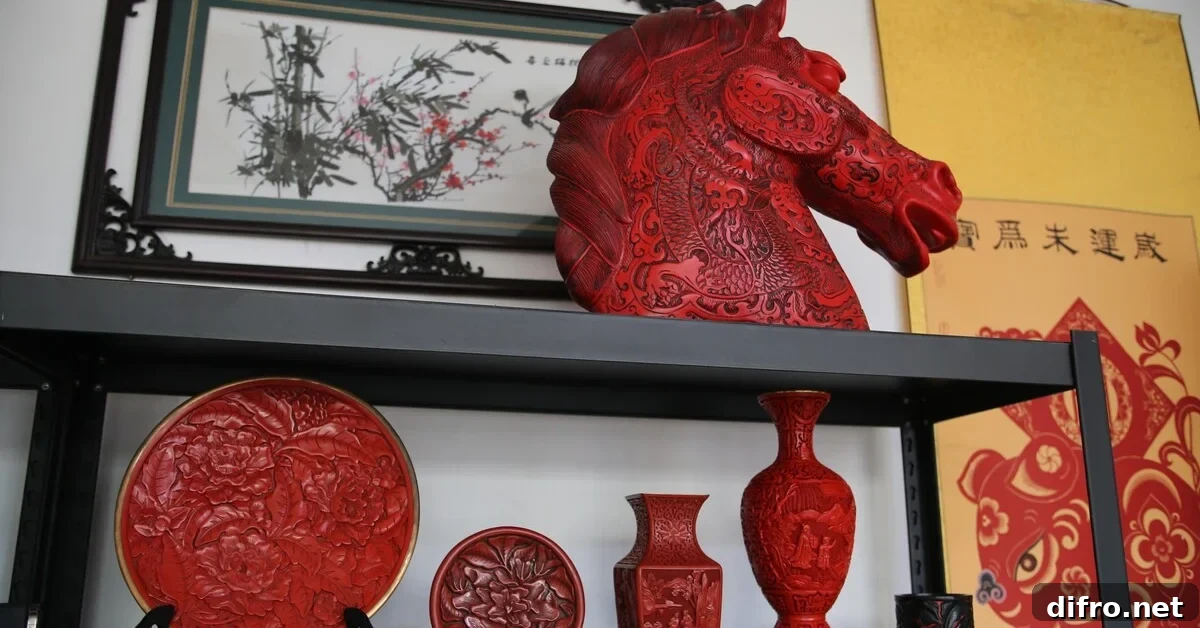
Lunar New Year began on Tuesday, Feb. 17, 2026 — the Year of the Horse — and it’s an ideal moment to introduce a sense of motion and warmth into your home. Think curved silhouettes, subtle stripe accents, and restrained equestrian textures that bring energy without creating a themed cliché.
Why the Lunar New Year Moment Feels Different in the United States
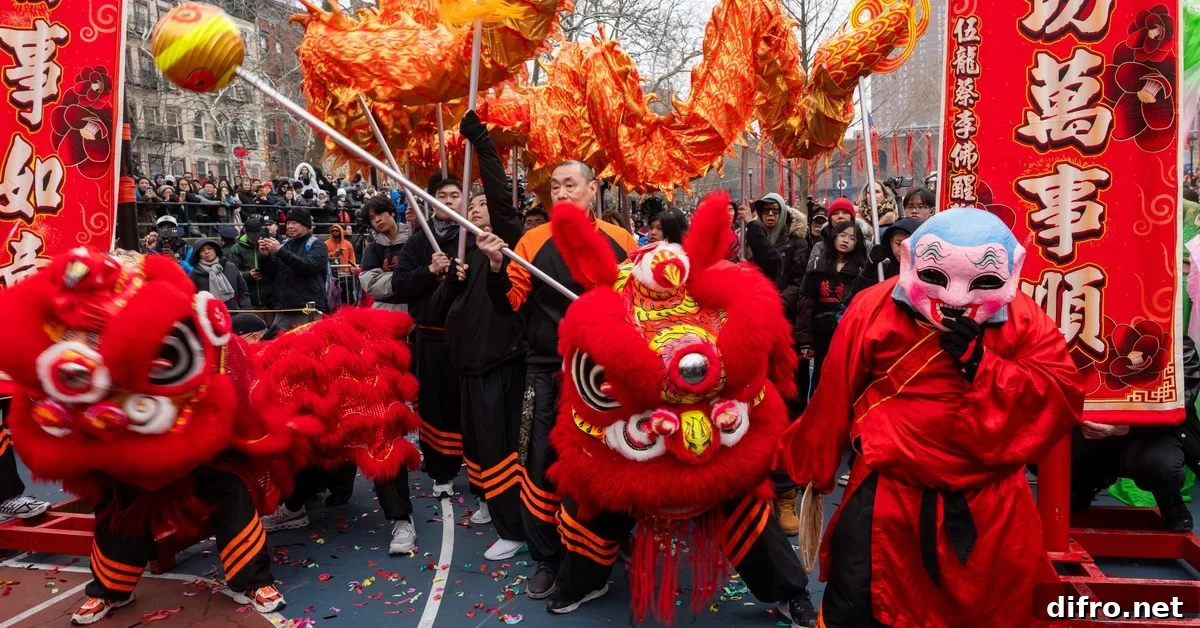
In the U.S., Lunar New Year is not just a calendar date; it’s a public, community-driven celebration shaped by generations of Asian American neighborhoods and institutions. From neighborhood lion dances and cultural festivals to museum programs and big-city parades, these events have become a visible part of the seasonal transition from winter to spring.
The holiday is celebrated across multiple cultures, including Chinese, Korean, and Vietnamese traditions, which is why the term “Lunar New Year” is commonly used as an inclusive umbrella. When you refresh your home for this moment, treat it as a meaningful seasonal reset rooted in culture, not a one-week decorative costume.
The Year of the Horse, Translated into Design Language
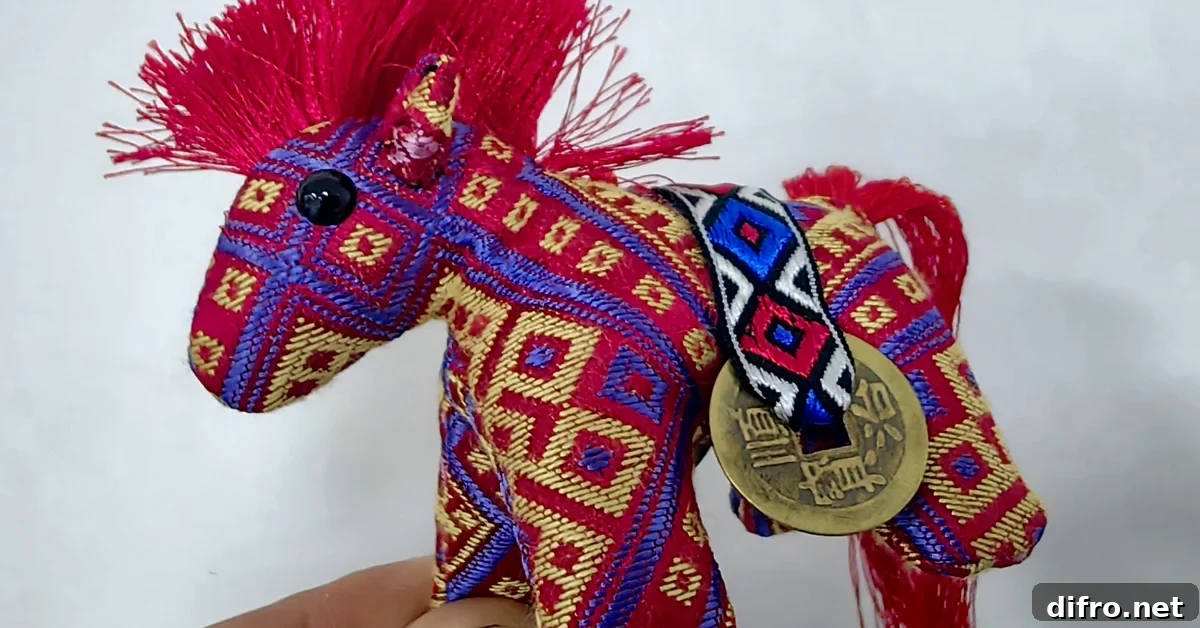
The Horse symbolizes forward motion, energy, and boldness. In design terms, that translates to flow: furnishings and accents that suggest movement — curved profiles, sweeping lines, and dynamic patterns — rather than literal equestrian decorations. The key is to keep references small and purposeful so the room reads as modern and intentional, not themed.
Start with Curves: The Fastest “Movement” Upgrade
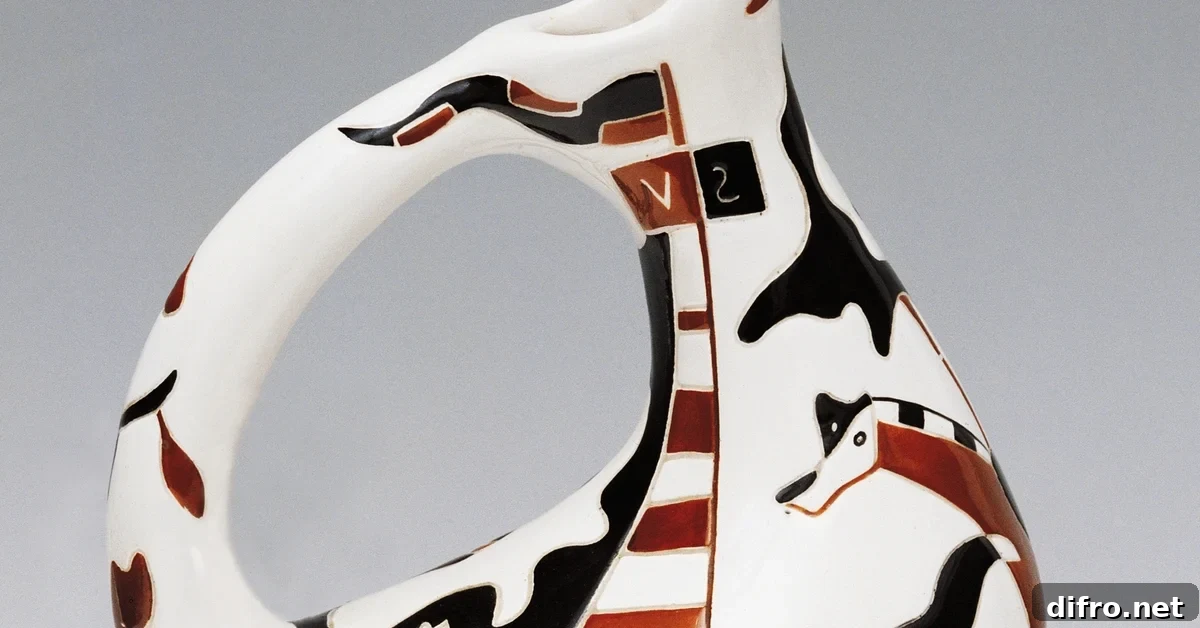
Curved shapes instantly soften a room and suggest motion. You don’t need a major purchase to get the effect — small, well-placed items do the work.
- Swap in a curved vase (even a thrifted ceramic one) and fill it with ordinary grocery-store greens to create instant movement.
- Use a round tray on a table and style three objects: a candle, a small bowl, and one sculptural piece for a simple, curated vignette.
- If your seating is boxy, make a rounded chair or a curved side chair more visible by rearranging existing furniture to highlight its lines.
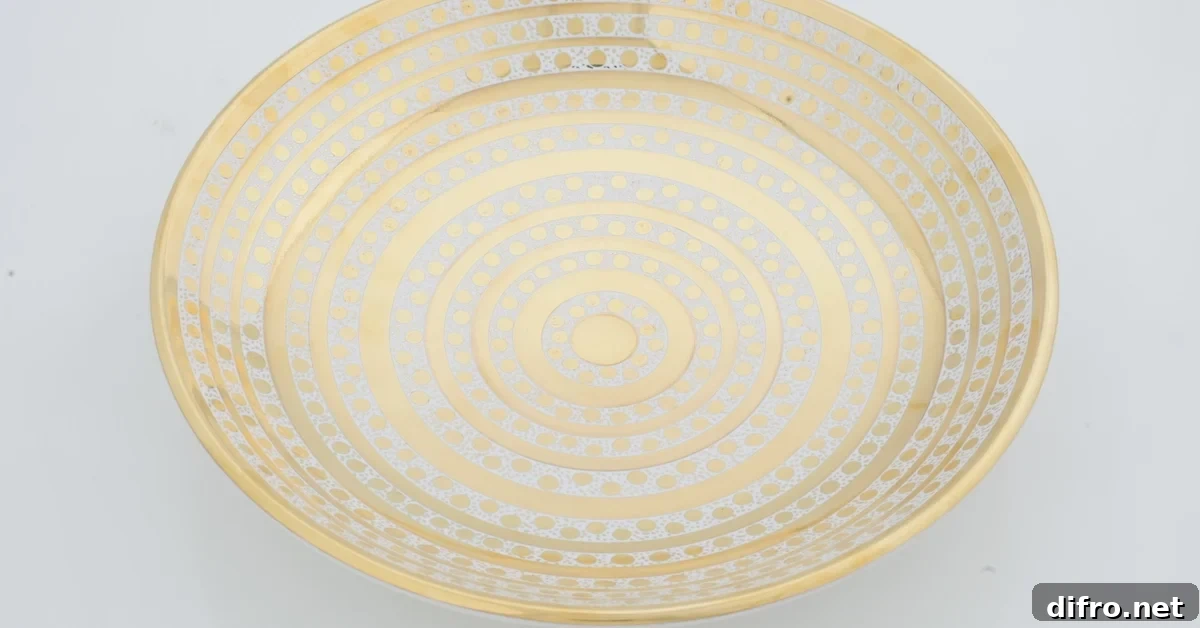
Small forms yield big impact, and none of these ideas require installation.
Stripes and “Speed Lines”: Suggest Motion Without Hooves
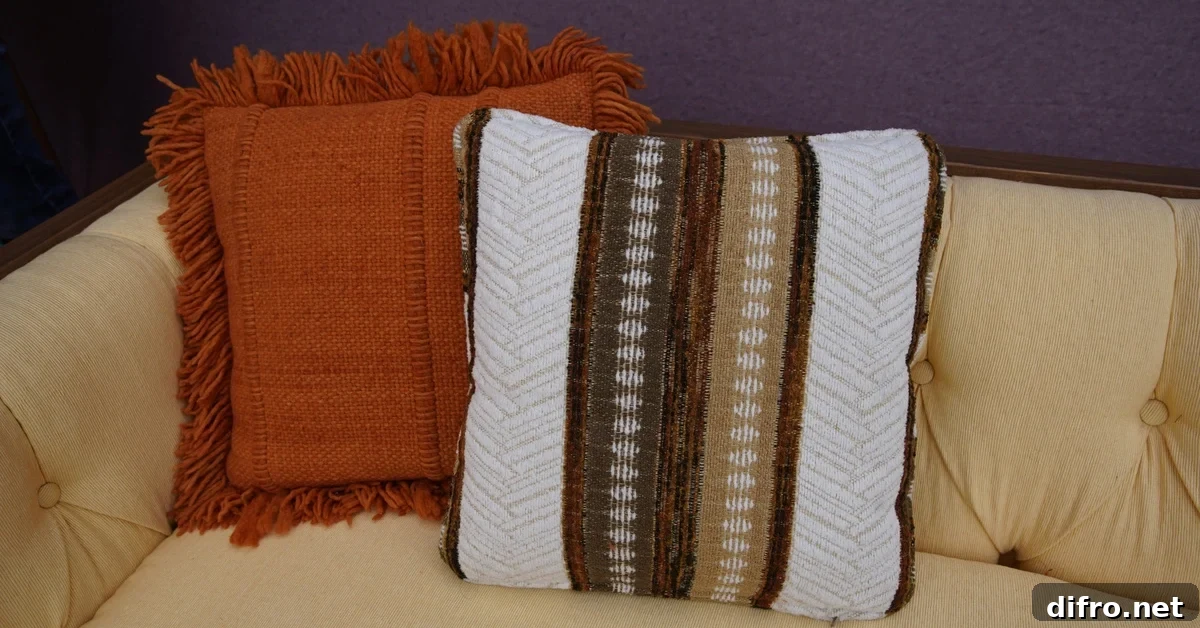
Stripes act like movement on fabric and are an inexpensive way to convey speed and energy.
- Switch pillow covers to striped options or flip pillows to a patterned side and layer a striped throw on top for instant graphic interest.
- Place a thin striped runner on a console or coffee table for a bold, low-commitment accent.
- If you want to introduce red, use it sparingly—one striped accent reads refined, several can feel loud.
Equestrian Texture in Small Doses: Leather, Wood, Brass
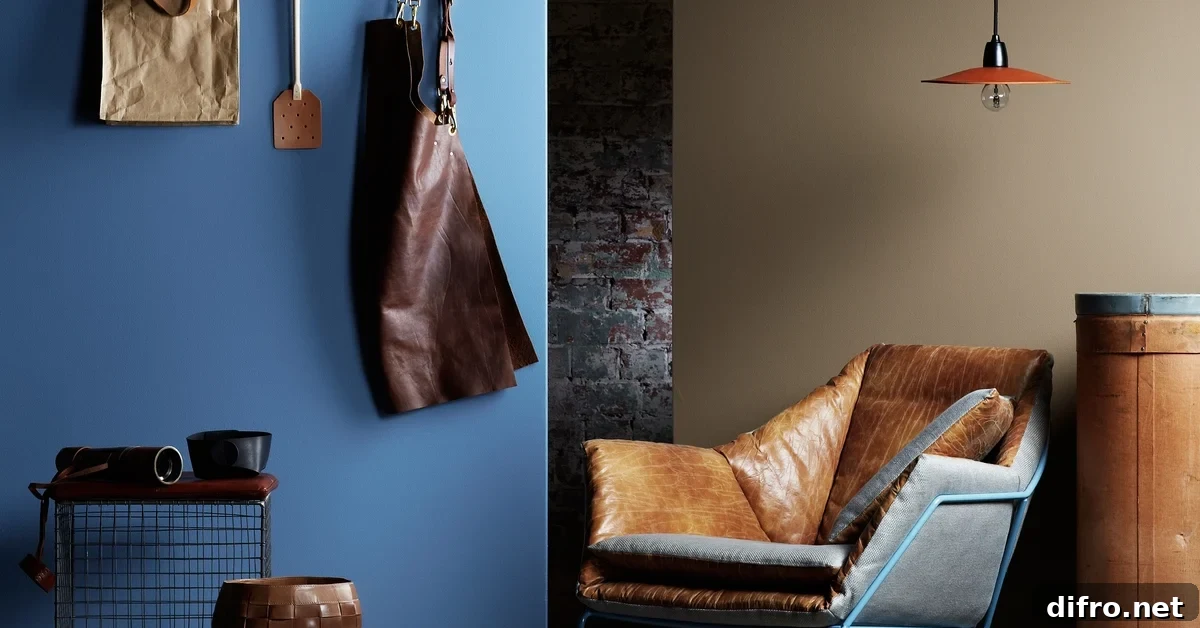
Introduce tactile, equestrian-inspired materials in small, tasteful doses to suggest warmth without resorting to costume-like decor.
- Leather: wrap a clean vintage belt around a stack of books or use a leather tray as an entry landing spot.
- Wood: show off visible grain with a wooden bowl, cutting boards on display, or a simple frame.
- Brass: bring out warm metallics through a candleholder, a small frame, or polished hardware you already own to add subtle glow.
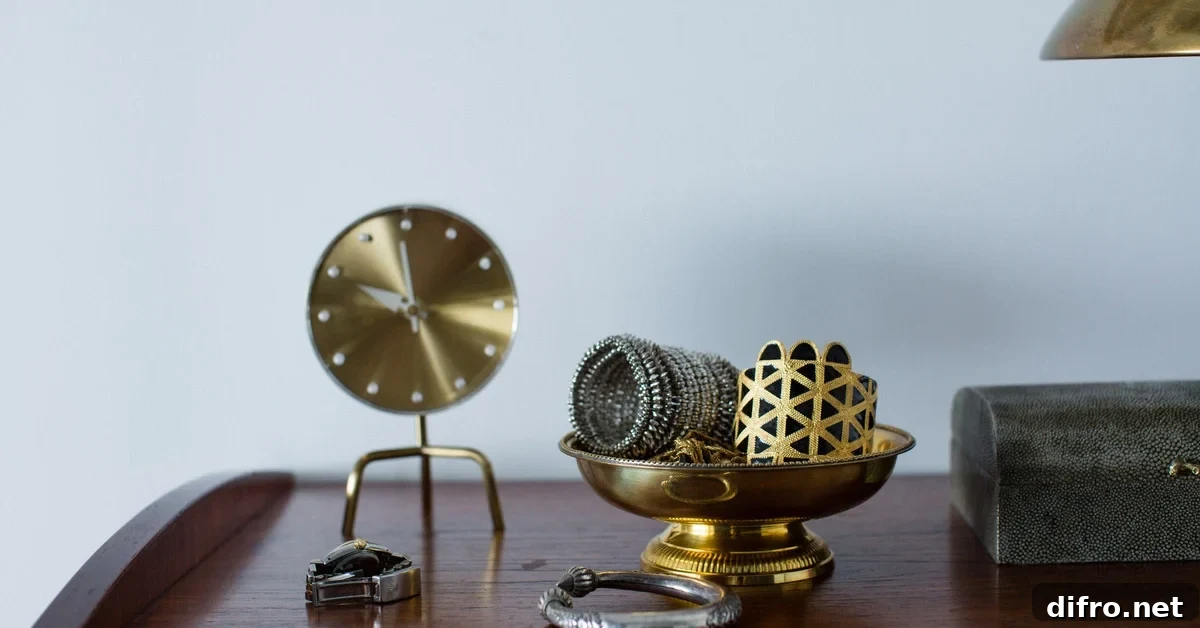
The objective is a tack-room warmth—elegant and lived-in, not Western-themed.
Subtle Horse Art That Looks Designer and Costs Almost Nothing
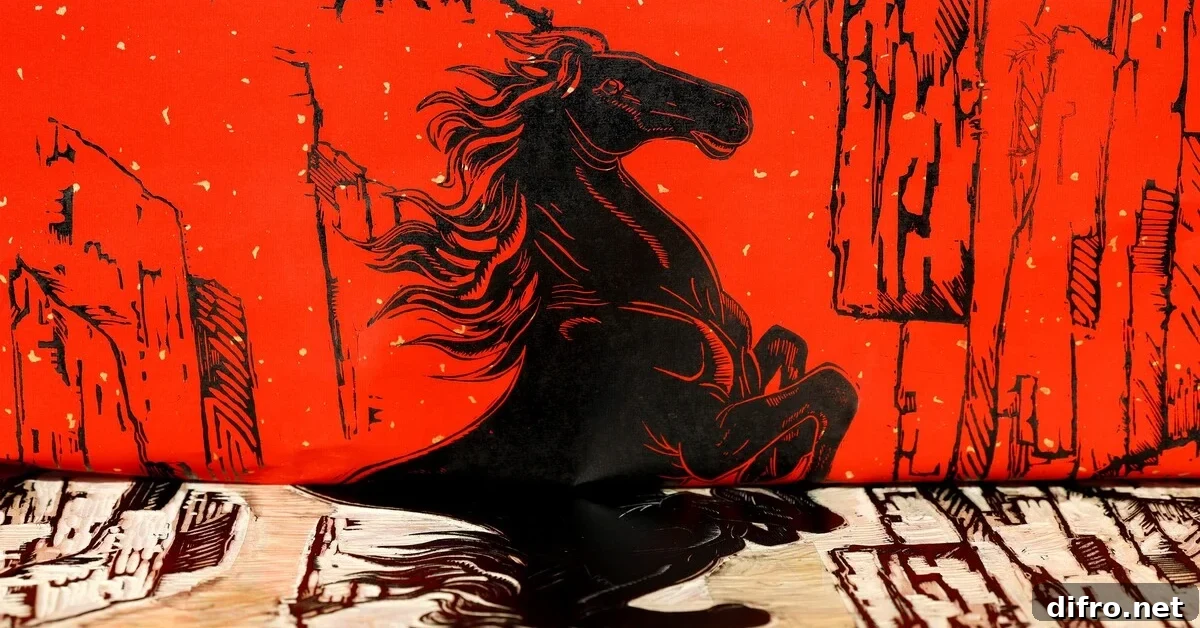
Avoid giant, literal horse prints. A single, tasteful silhouette or vintage sketch reads designer and restrained. A quick DIY: print a simple horse profile in black, frame it in a basic frame, and give it space on a wall or shelf. One subtle reference will feel intentional; too many looks like a shop display.
Ten-minute “Horse energy” checklist
Before you buy anything, try this simple refresh:
- Add one curved item (a vase, tray, or rounded object).
- Add one striped element (pillow, throw, or table runner).
- Add one warm texture (leather, wood, or brass).
- Add one subtle horse-art nod (optional, but keep it minimal).
Follow these steps and you’ll have a Lunar New Year refresh that feels modern, respectful, and genuinely livable—an interior that captures the Year of the Horse’s energy through movement, warmth, and thoughtful detail.