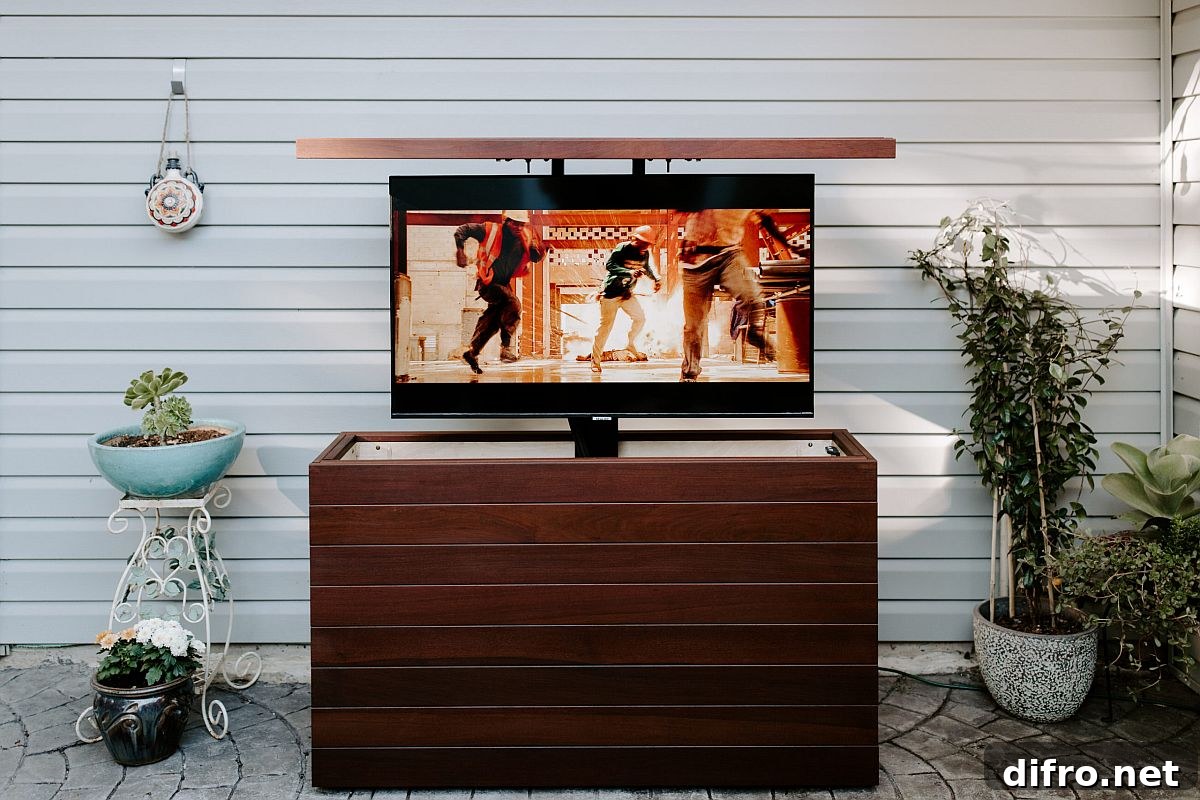
Black Friday sales are in full swing and many homeowners are thinking about fresh ways to update their interiors. One of the biggest purchases this season is the large flat-screen TV. Televisions remain popular year-round, and it’s common to consider an upgrade when deals appear. But beyond finding the right model, an important question is often overlooked: where will that new TV look and perform best in your home? A great purchase is only fully satisfying when the screen has the ideal place to live.

Where should you put the TV? That’s a common debate in many households. Some prefer it in the main living room, others want a separate media room, and a few even choose the bedroom. Different family members have different viewing habits, and while smartphones dominate individual viewing, the shared television still plays a major role during the holidays, big events and quiet evenings at home. Below are practical tips to help you choose the right spot for your screen.
1. Size of the Screen
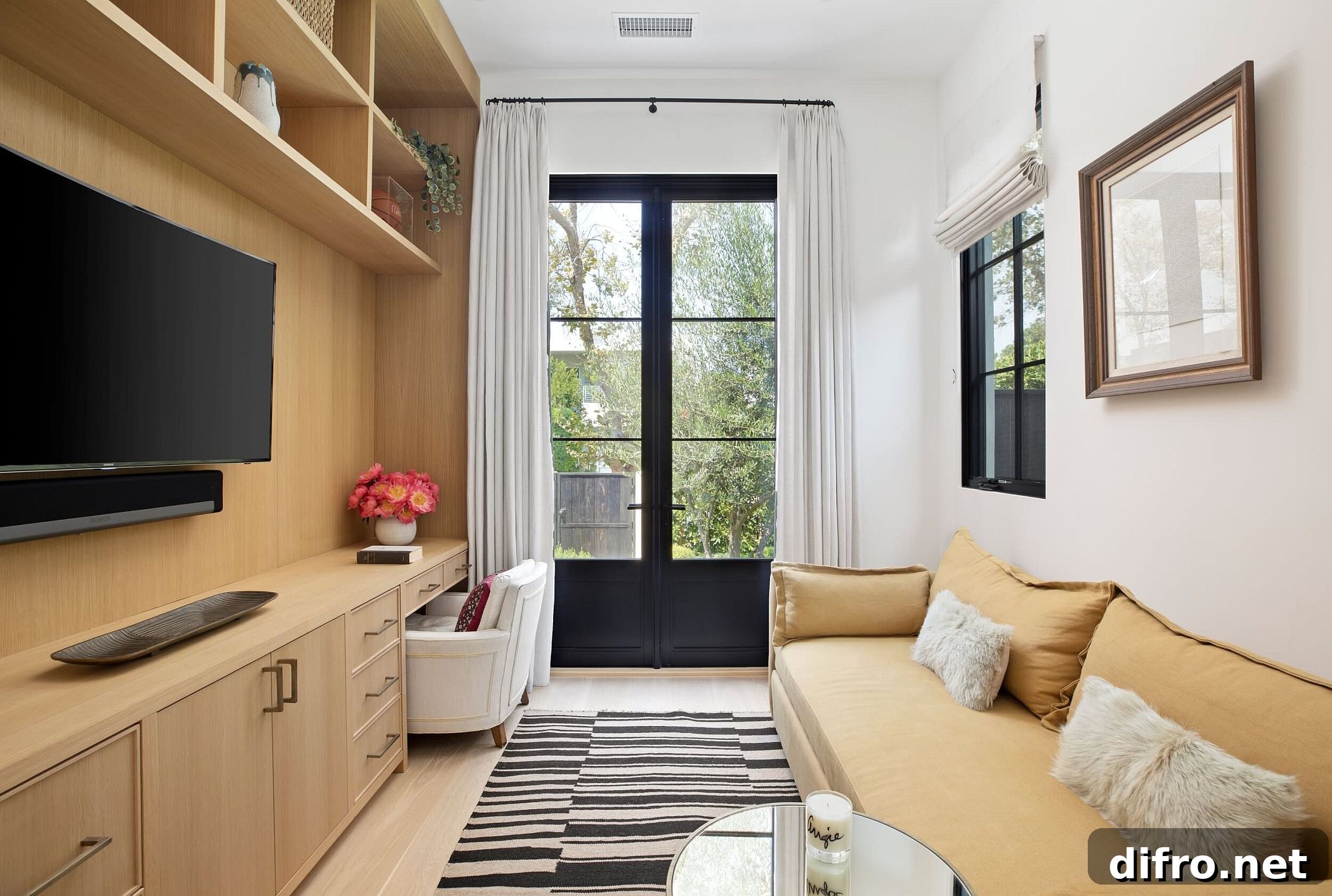
While many of us always want a larger screen, the TV’s size must suit the room. Before you shop, measure and identify potential locations so you can choose a screen that matches the viewing distance and room scale. A small TV in a large space will feel underwhelming, while an oversized screen in a modest room can overwhelm the room and cause eye strain. Aim for a balance: calculate viewing distance and select a screen that provides a comfortable, immersive experience without dominating the space.
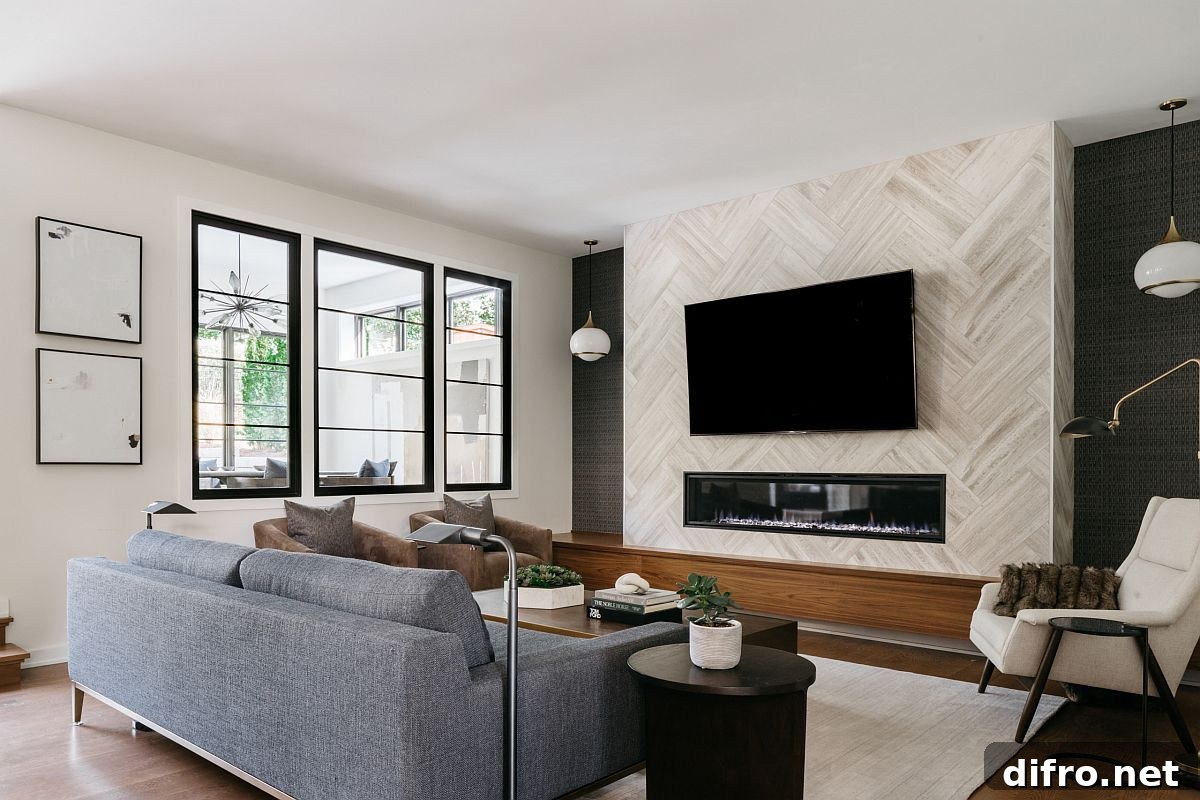
2. Above the Fireplace?
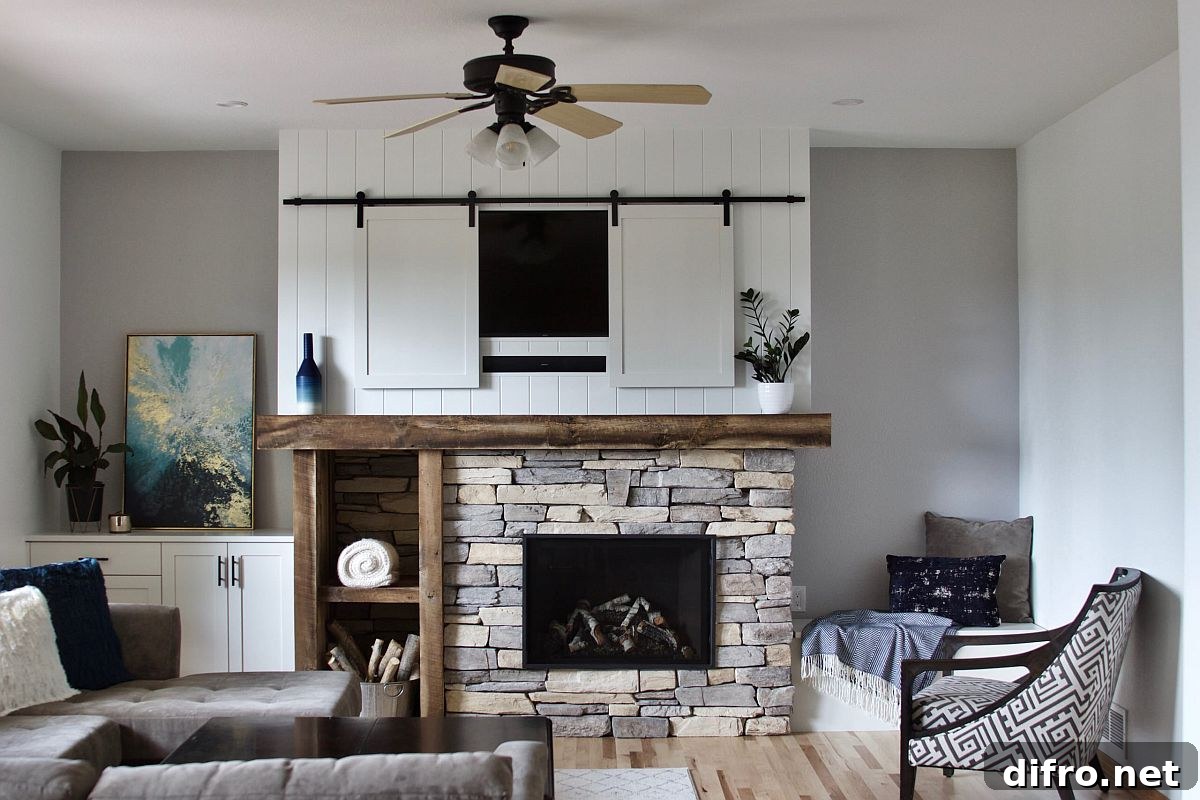
Mounting the TV above the fireplace has become a popular contemporary choice. Modern slim TVs and streamlined fireplace designs make this option attractive, but there are caveats. Ensure the screen isn’t mounted too high; an awkward viewing angle can cause neck discomfort. Also consider heat and smoke — give the TV adequate protection from excessive heat and allow for proper ventilation. If you like the clean, central look, placing the TV above the mantel can create a strong focal wall, provided you manage height and ergonomics carefully.
3. Making It the Focal Point
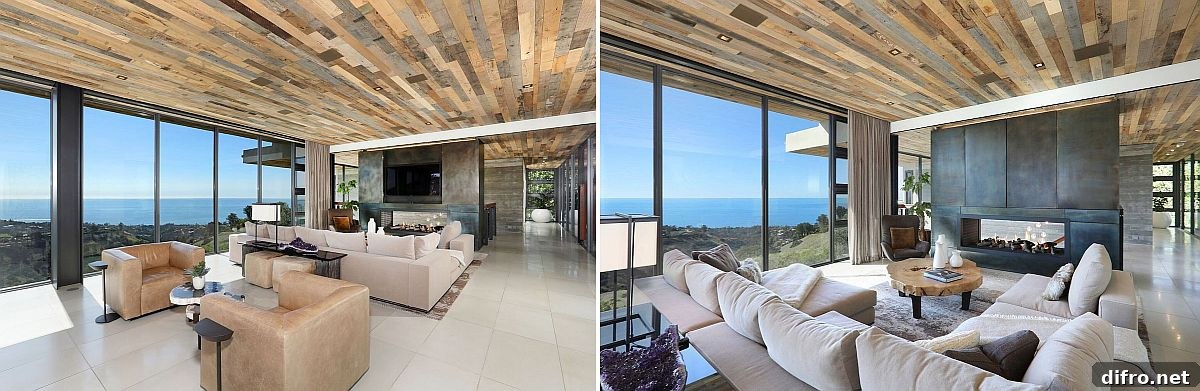
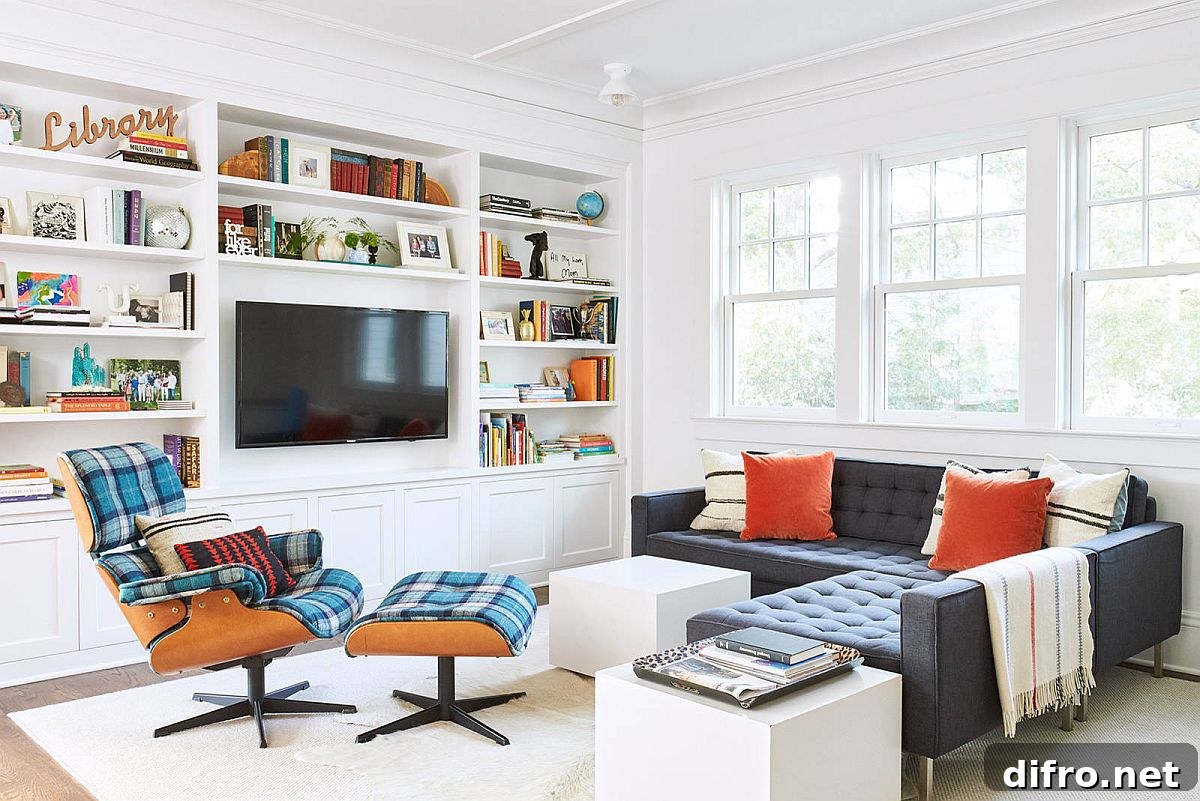
In many traditional living rooms the TV naturally becomes the focal point, where furniture is oriented toward the screen for shared viewing. Although modern design sometimes de-emphasizes the TV, deliberately making the television the central feature can still be an excellent choice for families who gather to watch movies or sports. To maintain style, integrate the screen into a well-designed media wall, surround it with shelving or artwork, and use complementary lighting to balance the visual weight.
4. Conceal the TV
If you prefer the television to blend into the room when it’s not in use, concealed solutions are ideal. Sliding panels, cabinetry, hidden closets, or recessed shelving let the TV vanish from sight until needed. This approach works well in living rooms and open-plan spaces where you want a cleaner aesthetic. Surrounding the screen with books, decor and cabinetry also helps integrate it into the room without making it the sole visual feature.
5. Exclusive Television Room
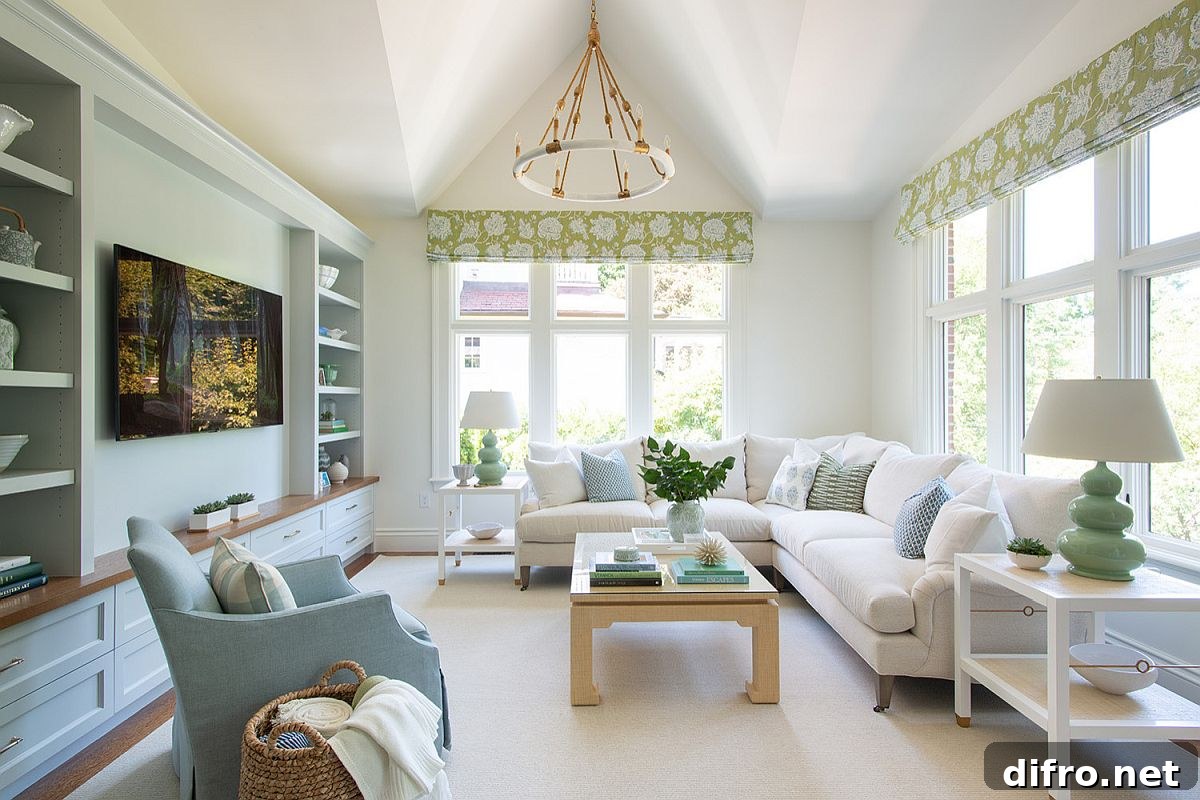
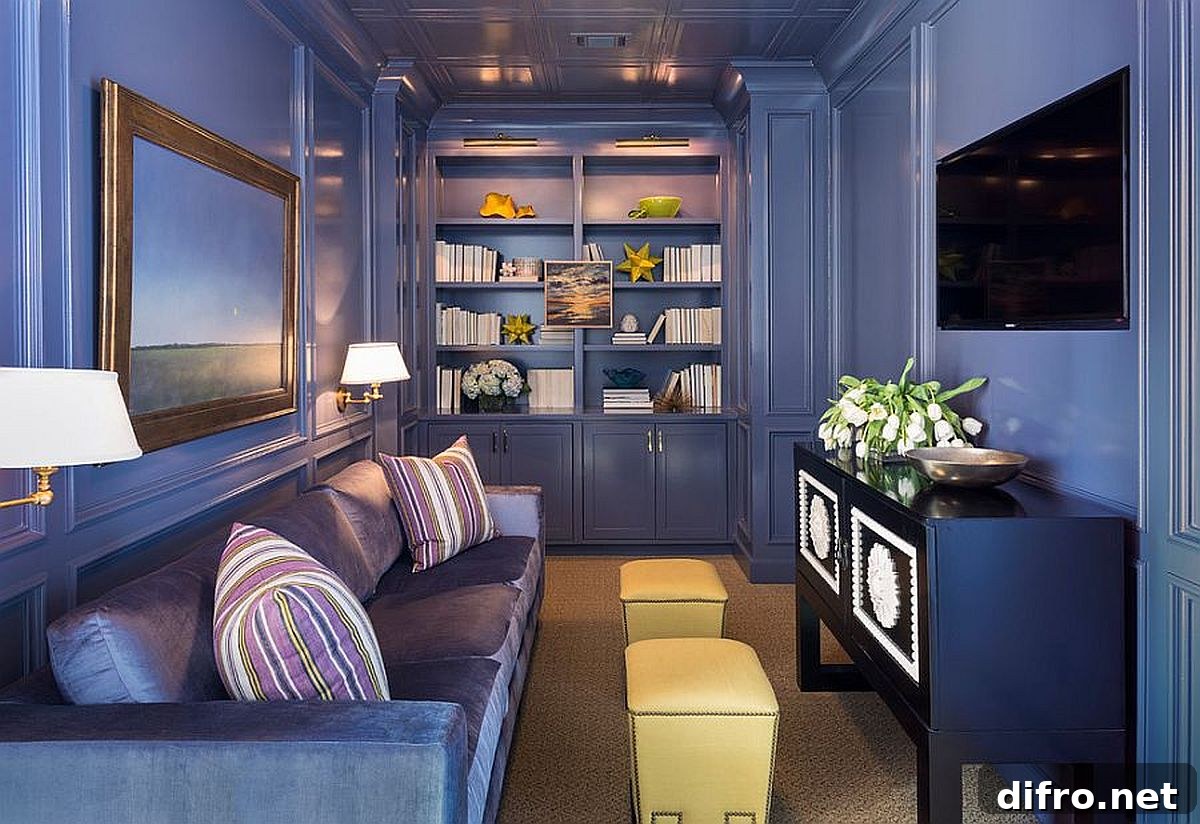
An exclusive TV room or media den can be an excellent solution when space allows. A dedicated room keeps TV noise and distractions out of the main living areas and bedrooms, and it encourages more intentional viewing. People often spend less idle time in a separate media room, which can help reduce habitual background TV use. If you have the square footage, a dedicated TV room is a thoughtful, family-friendly option.
6. Maybe the Bedroom?
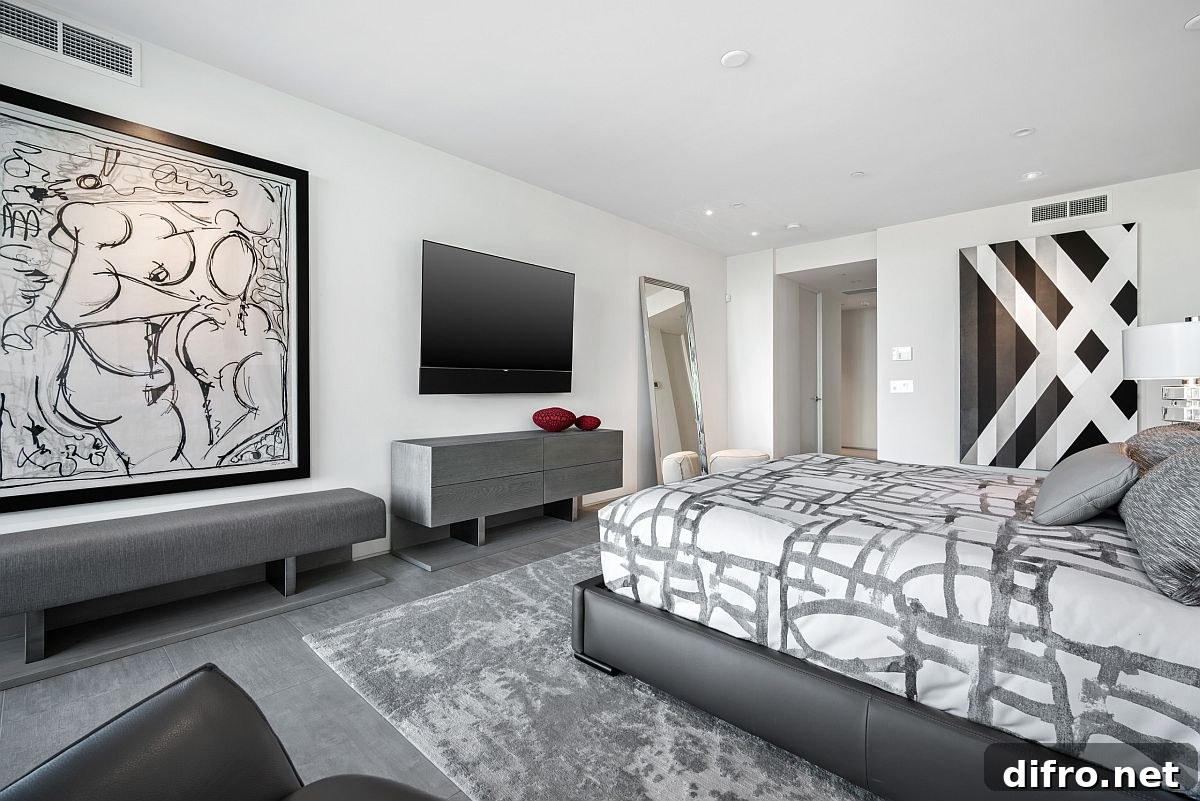
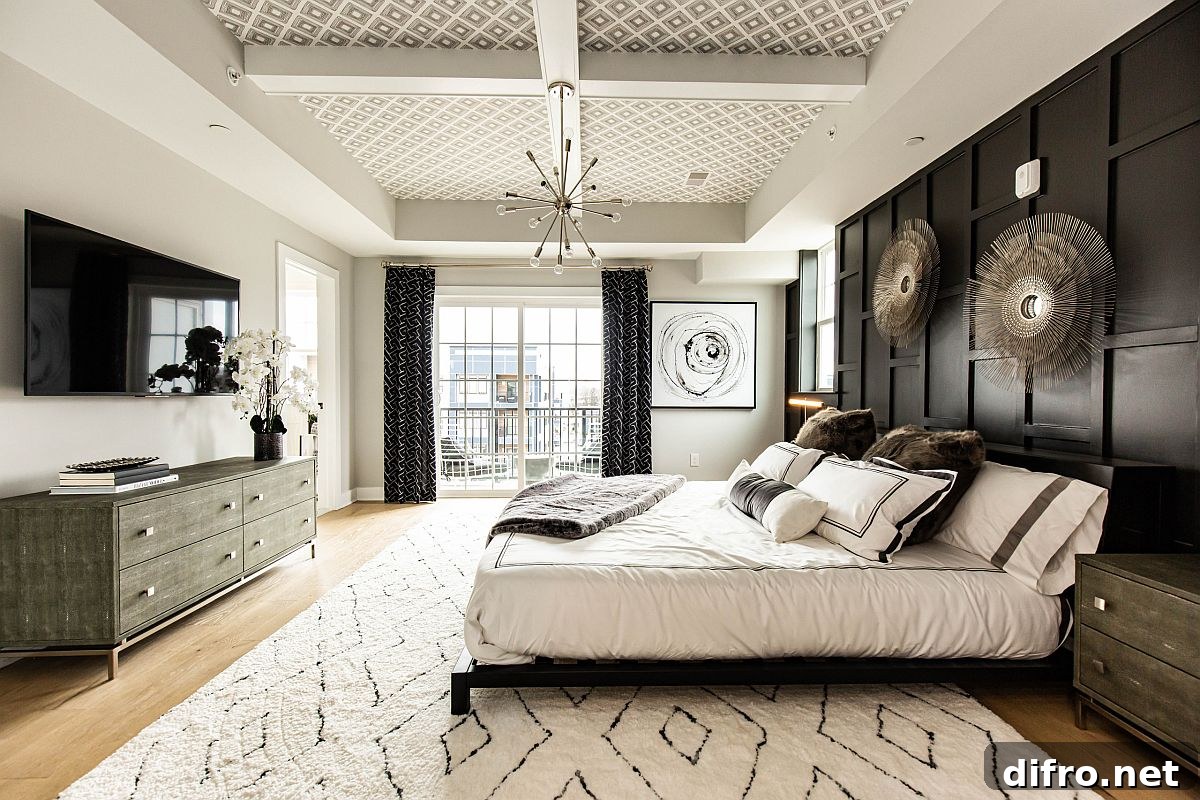
Putting a TV in the bedroom is a matter of personal preference. For those who relax in bed with shows or late-night news, a bedroom screen can be convenient. Place the TV opposite the bed at a height that avoids excessive neck tilt, and resist the urge to leave it on through the night—turning it off an hour or two before sleep promotes better rest. Consider smaller or motorized screens if you want a low-profile option for the master suite.
7. Stands, Mounts and Accessories
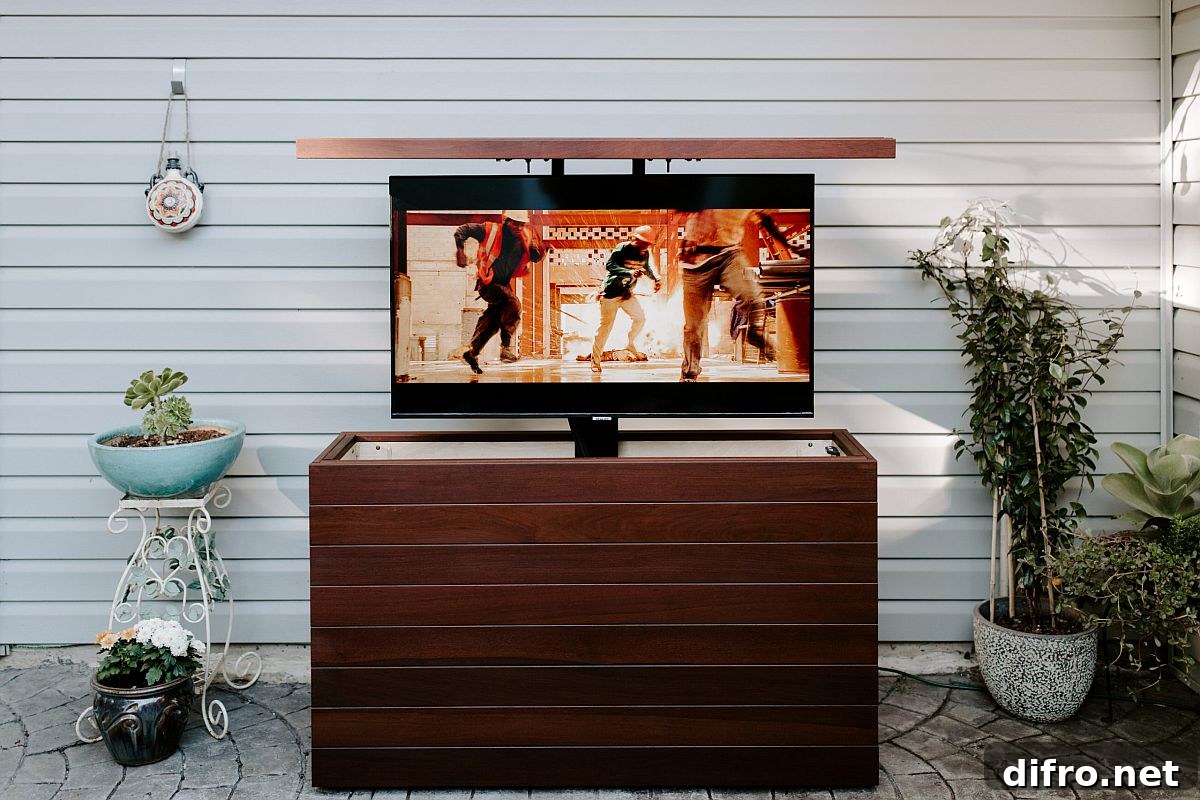
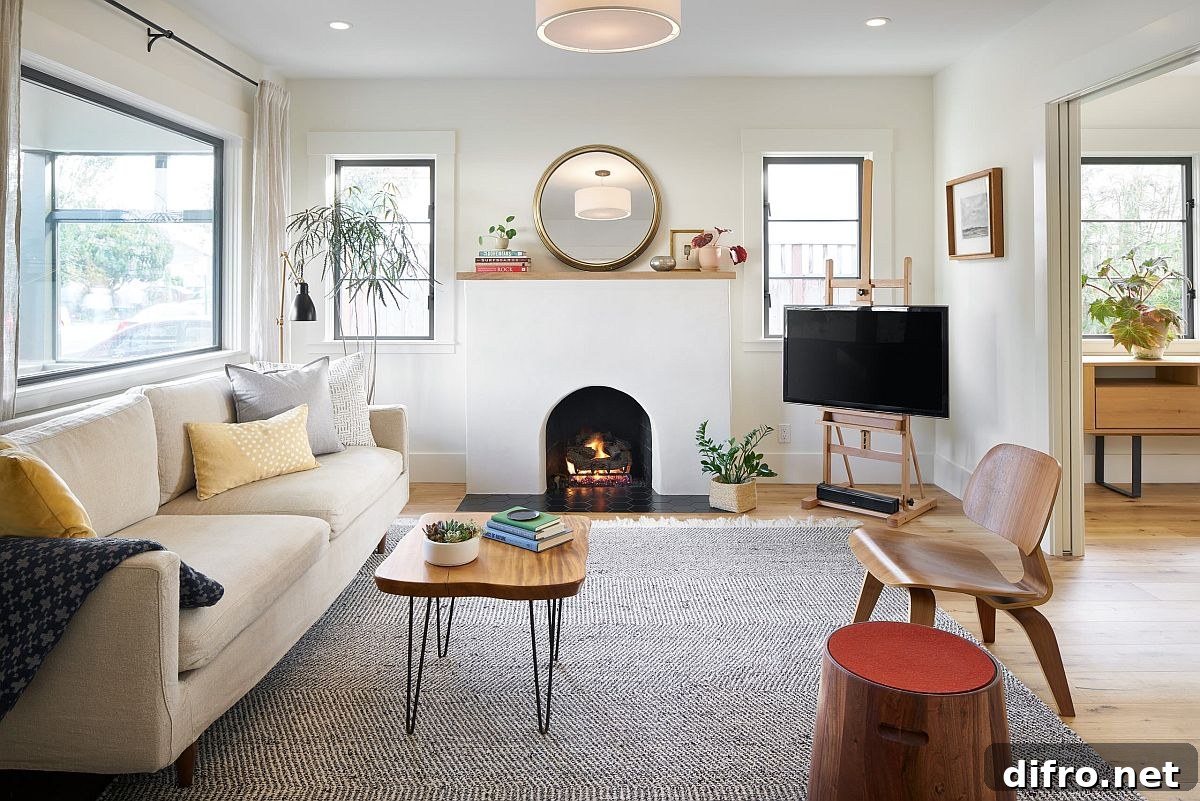
Modern mounts, swivel stands and wireless technologies make it easier to position the TV for flexible viewing across an open plan home. Consider motorized mounts, low-profile sound systems, cable management and multi-angle stands if you need the screen to serve multiple seating areas. A carefully chosen media cabinet or console can also add storage, conceal cables and create a cohesive look. Before you buy during Black Friday, decide on placement, measure viewing distances, and plan for mounts and audio so the new TV integrates seamlessly into your home.
Choosing where to place your TV involves balancing aesthetics, ergonomics and lifestyle. Think about viewing distance, room layout, lighting, and how often the family will use the screen. With a bit of planning before you shop, your Black Friday TV can become a well-integrated and enjoyable part of your home.