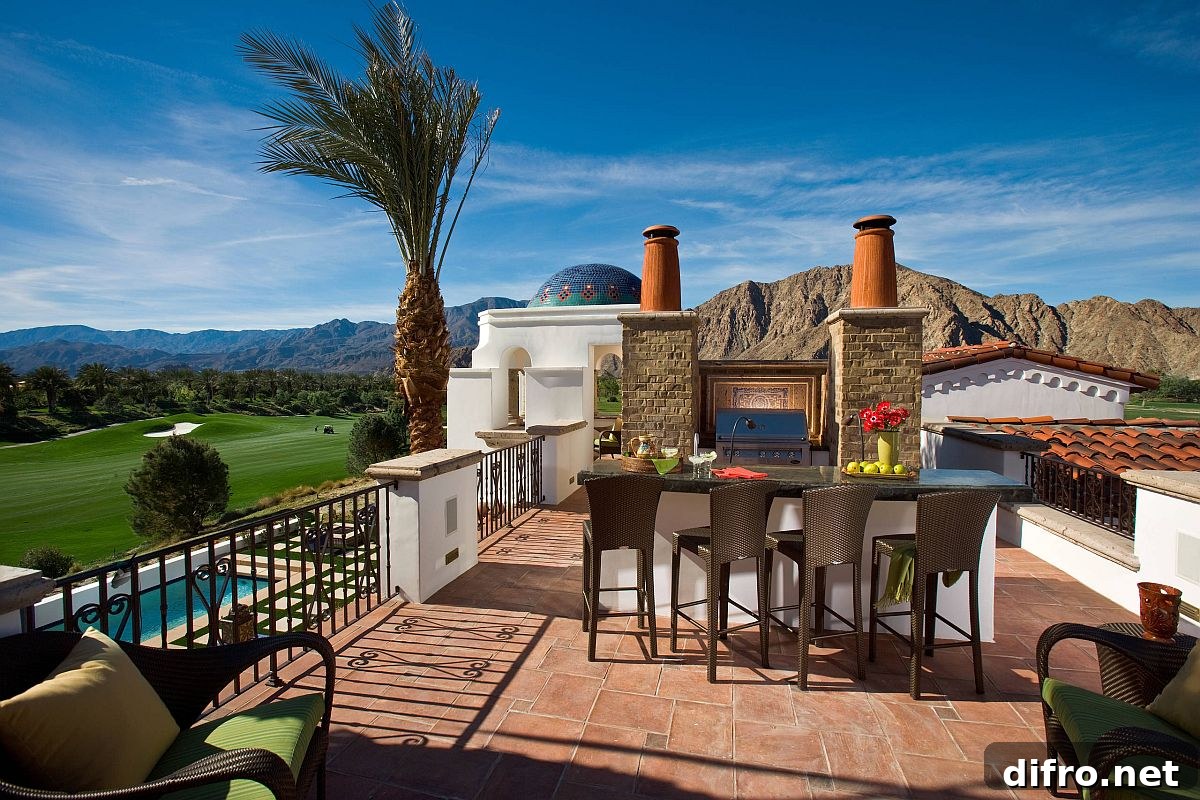
Spending long stretches of time indoors can be frustrating, and with the Covid-19 pandemic continuing to affect daily life, many homeowners are looking for safe ways to enjoy the outdoors at home. A short break on the balcony, a quiet moment on the porch, or a poolside picnic can lift the mood, but one of the most rewarding options is transforming a rooftop into a comfortable dining and cooking area. A well-designed rooftop kitchen lets you prepare meals, entertain family and friends, and savor fresh air and views while staying secure at home.
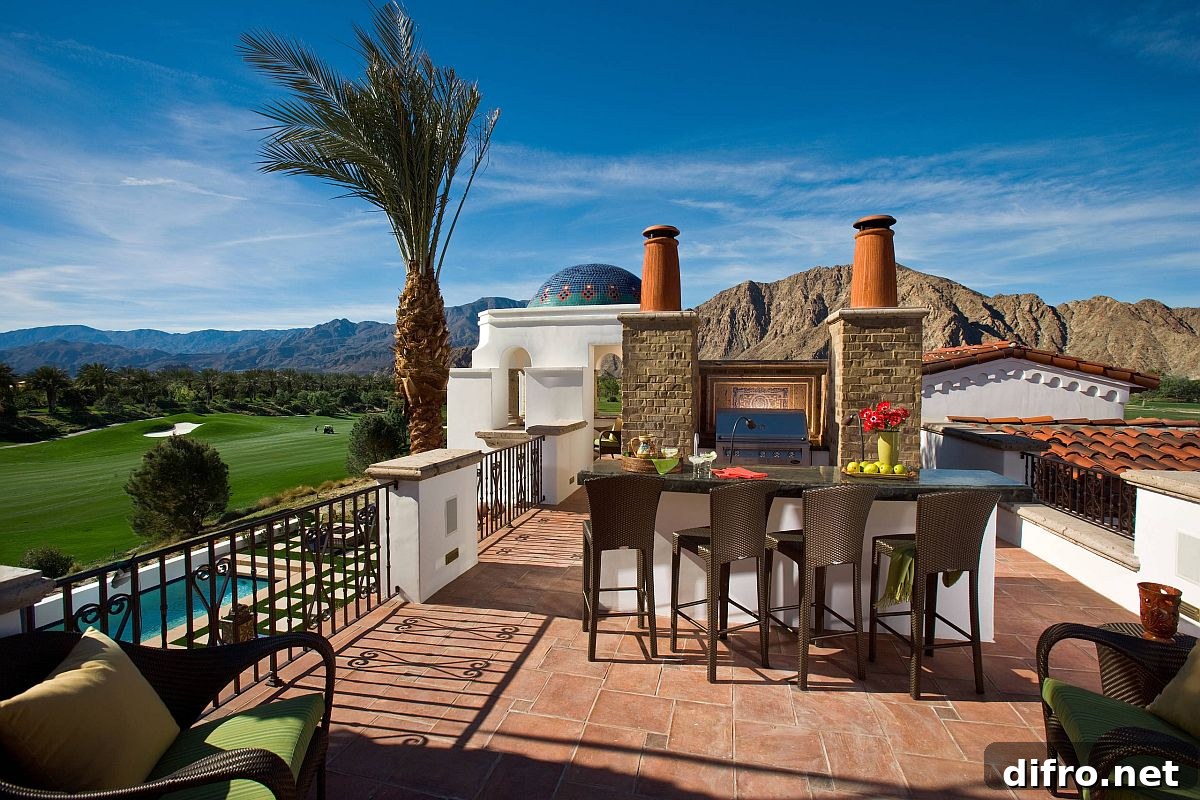
Alfresco dining has grown in popularity as homeowners seek stronger connections with nature and a change from the everyday routine. Rooftop kitchens are less common than patios or backyard kitchens because they require more planning, infrastructure, and durable materials. However, if you have rooftop space and want to create an outdoor social area, a rooftop kitchen can be a transformative addition — combining cooking facilities, seating, and a scenic backdrop to create memorable gatherings.
A Restaurant Experience
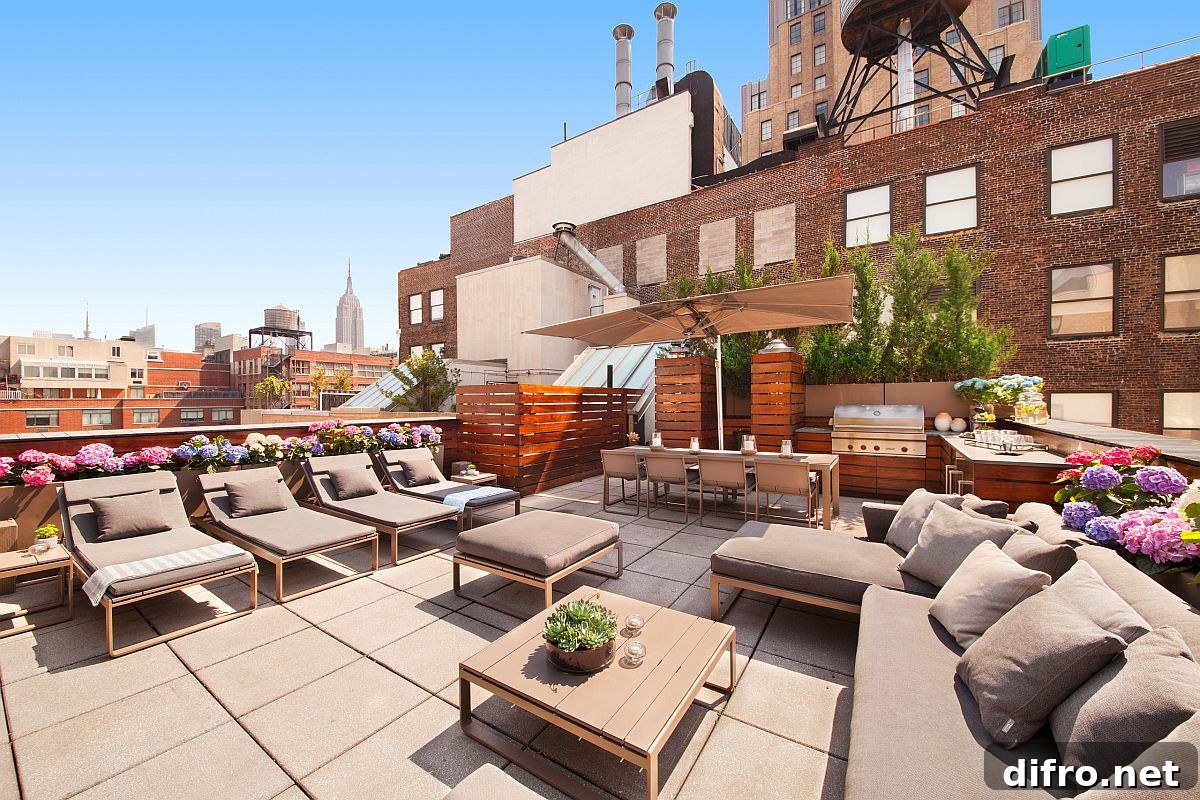
A rooftop dining area can feel markedly different from backyard alfresco spaces. Rooftops often offer greater privacy and unique perspectives: whether you overlook a city skyline, distant mountains, or the ocean. Adding a kitchen to the rooftop means meals can be prepared and served on-site, eliminating trips back and forth to the indoor kitchen. This setup makes hosting more relaxed and gives your outdoor meals an authentic, restaurant-like atmosphere that enhances both casual family dinners and special occasions.
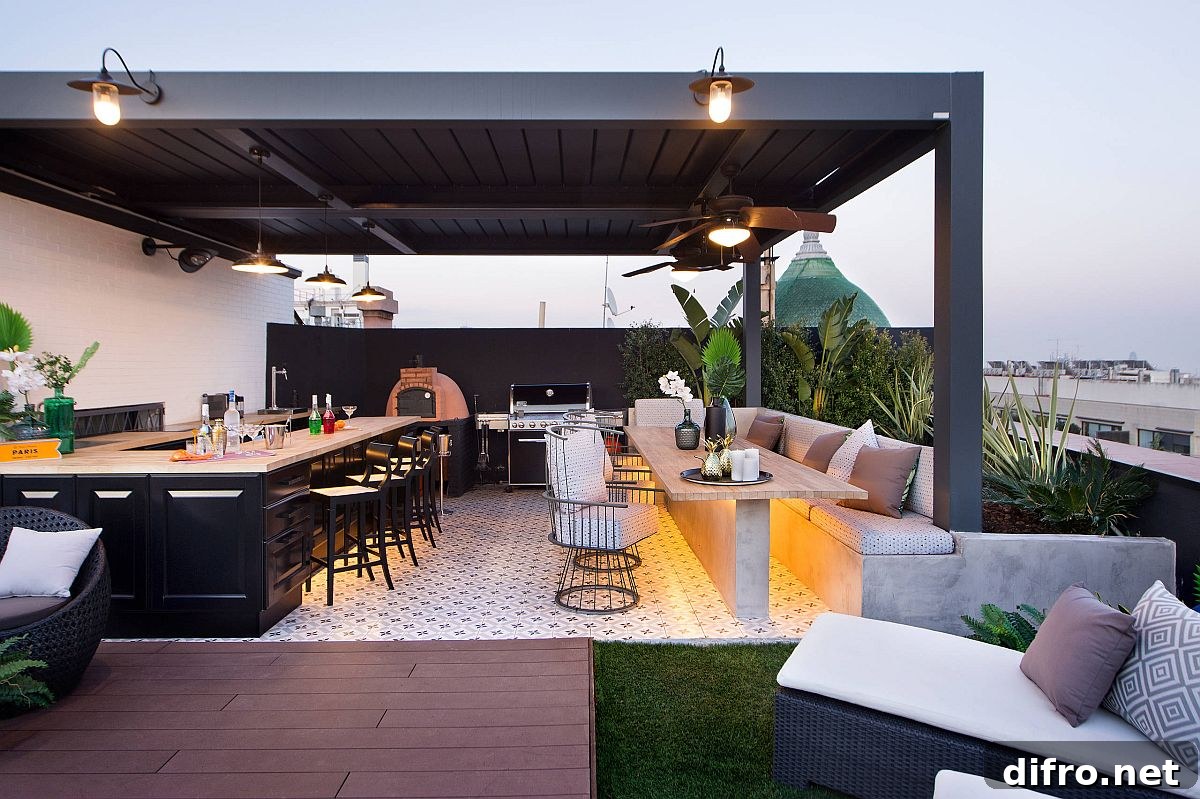
Functionality First
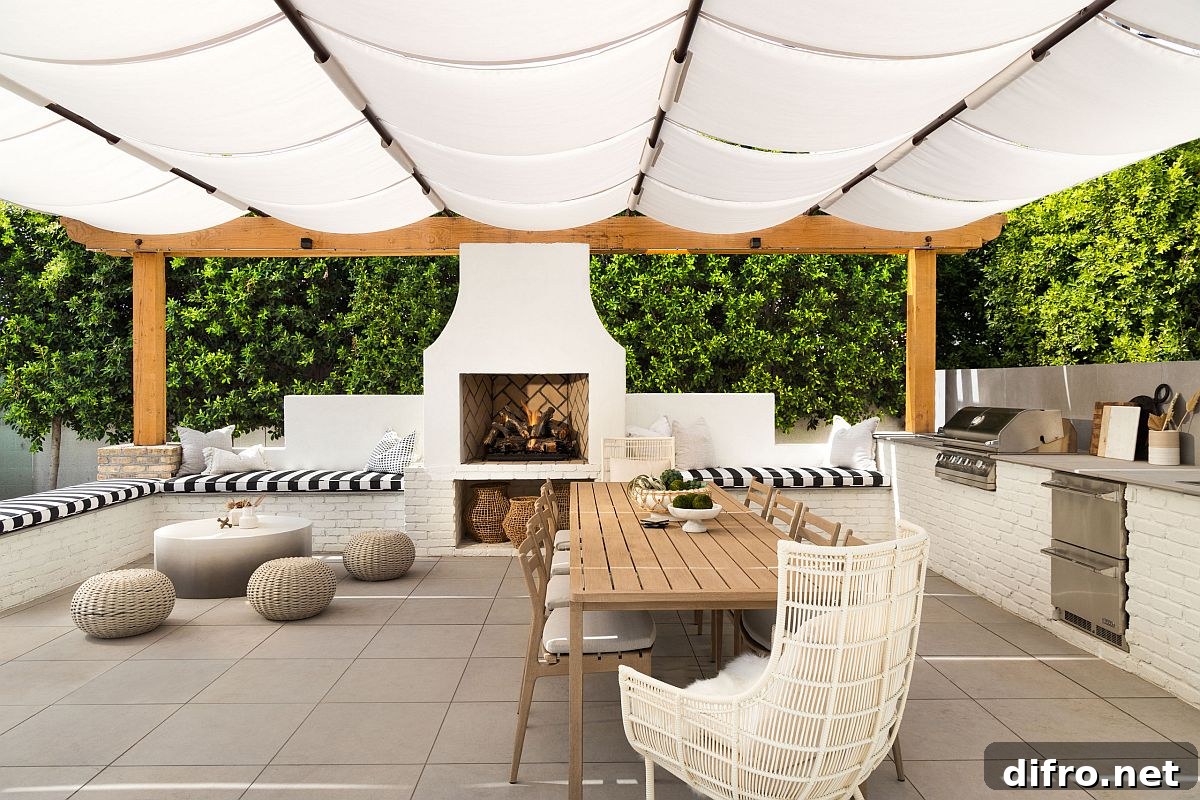
Begin a rooftop kitchen project by prioritizing function. Before selecting finishes or furniture, confirm where utilities can run: water supply, drainage, electricity and gas lines need careful planning and professional installation. Locate the cooking area in relation to these systems to avoid costly changes later. Ensure adequate separation between cooking and dining areas so the rooftop remains comfortable and uncluttered. Consider shading, ventilation, and weather protection — including shelter from sun, rain, and occasionally snow — as these affect how often the space can be used throughout the year. Proper planning around functionality will make the rooftop both practical and enjoyable.
Styles, Sizes and Features
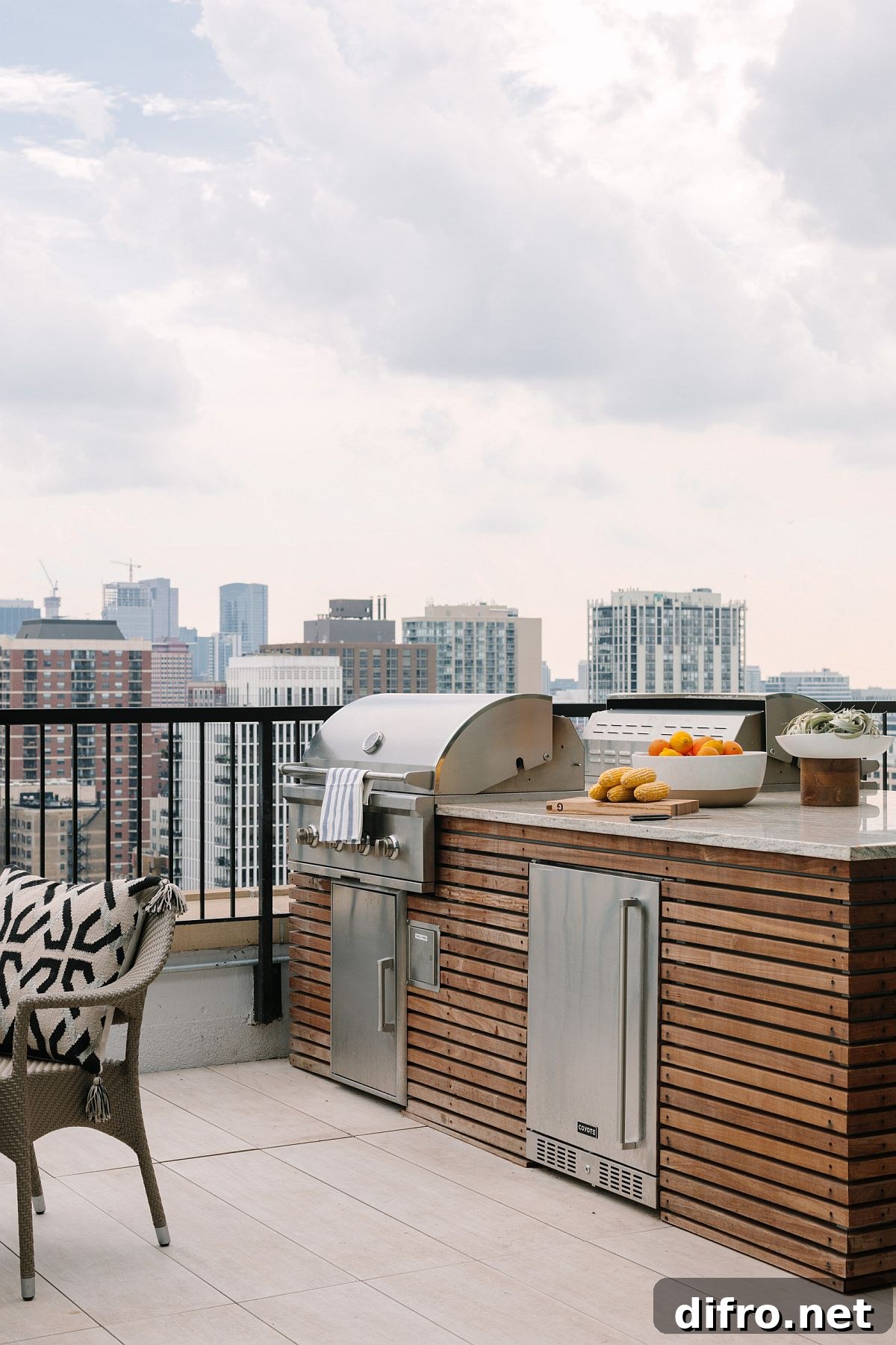
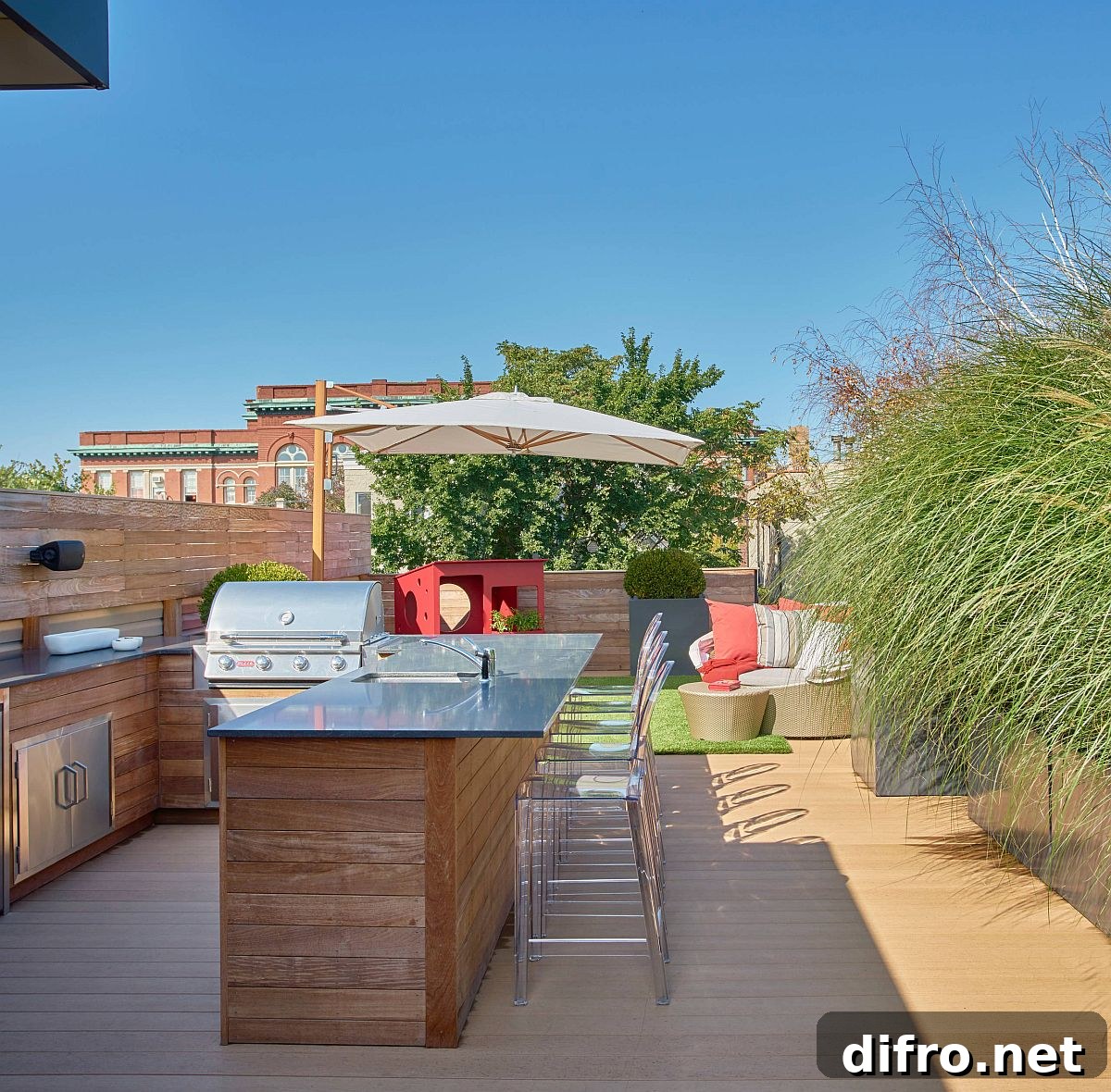
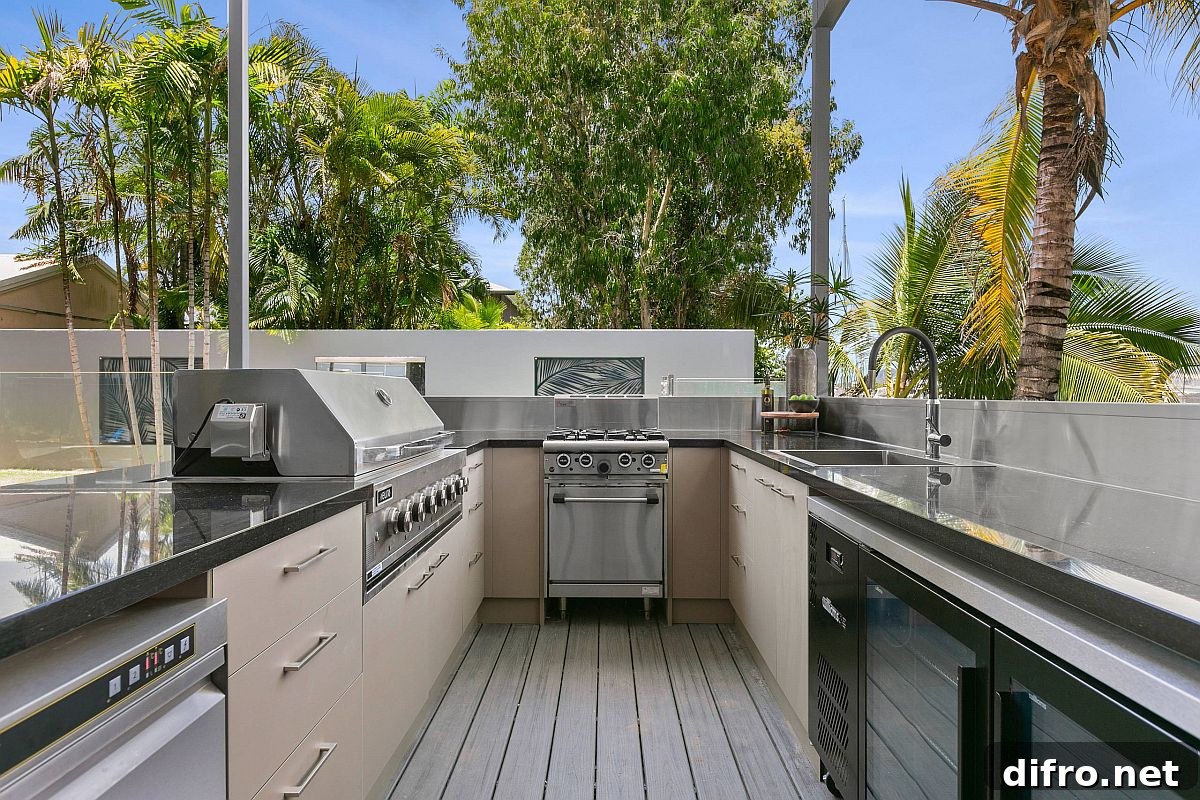
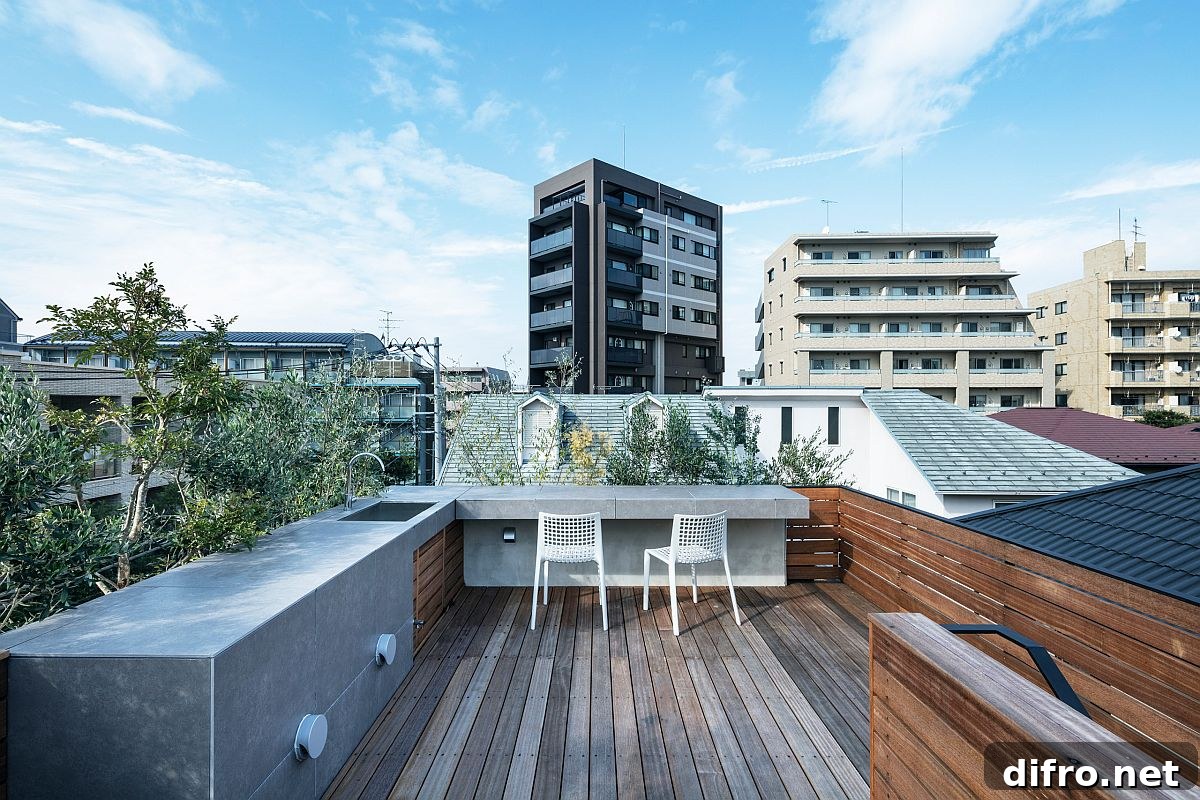
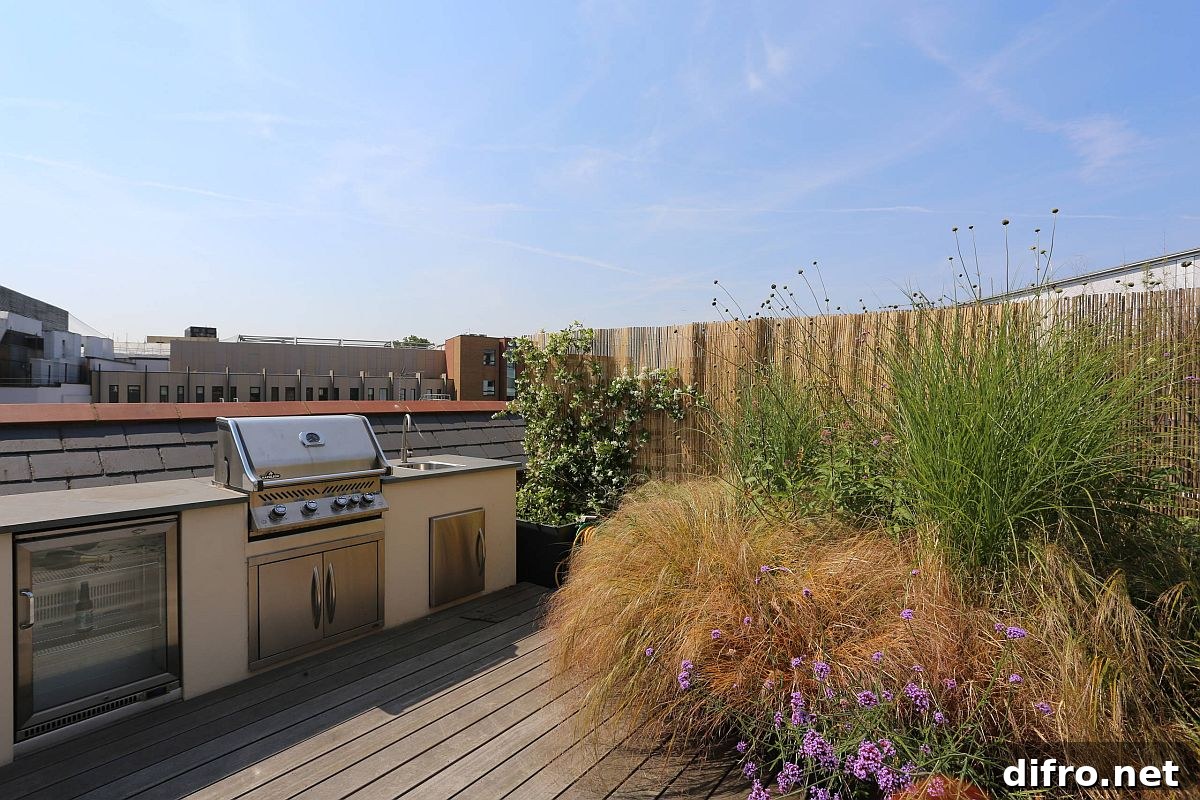
After resolving structural and practical needs, focus on style. Contemporary, minimal designs with clean lines and durable materials are popular for rooftop kitchens, often enhanced by industrial accents like exposed metal or concrete. Let the adjacent dining area guide the overall color palette and material choices so the rooftop feels cohesive. Choose finishes that stand up to weather and require low maintenance — stainless steel, sealed natural stone, weather-resistant wood, and quality outdoor cabinetry are reliable options.
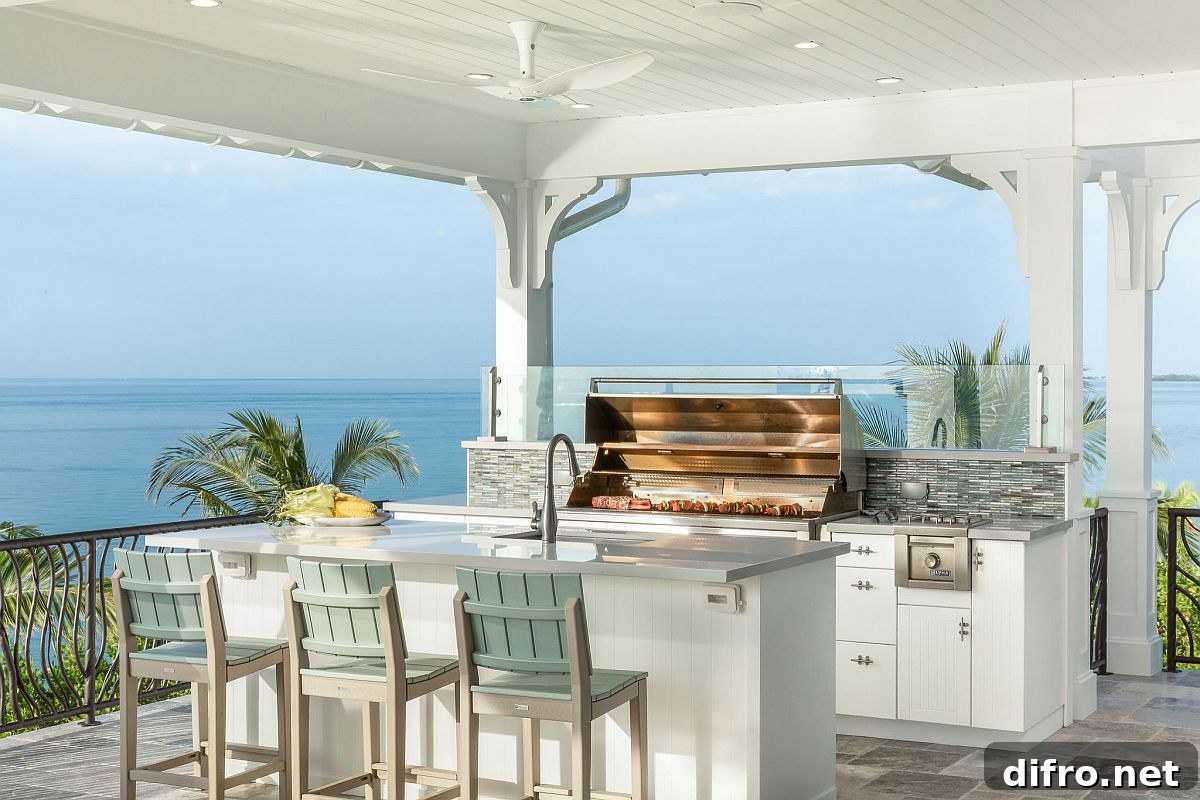
A built-in barbecue or grill is a common centerpiece for rooftop kitchens, but consider complementary features such as a small bar, refrigeration, a sink, and efficient storage. Thoughtful lighting, comfortable seating, and effective windbreaks or glass balustrades can extend the usability of the rooftop into evenings and cooler seasons. Ultimately, the best rooftop kitchens blend form and function: they support cooking and entertaining while remaining an unobtrusive, welcoming part of the rooftop retreat.
With careful planning and the right materials, a rooftop kitchen can become a durable, stylish extension of your home — a place for cooking, relaxing, and connecting with loved ones while enjoying fresh air and great views. Consider function first, then refine the details to create a rooftop kitchen that fits your climate, lifestyle, and aesthetic preferences.