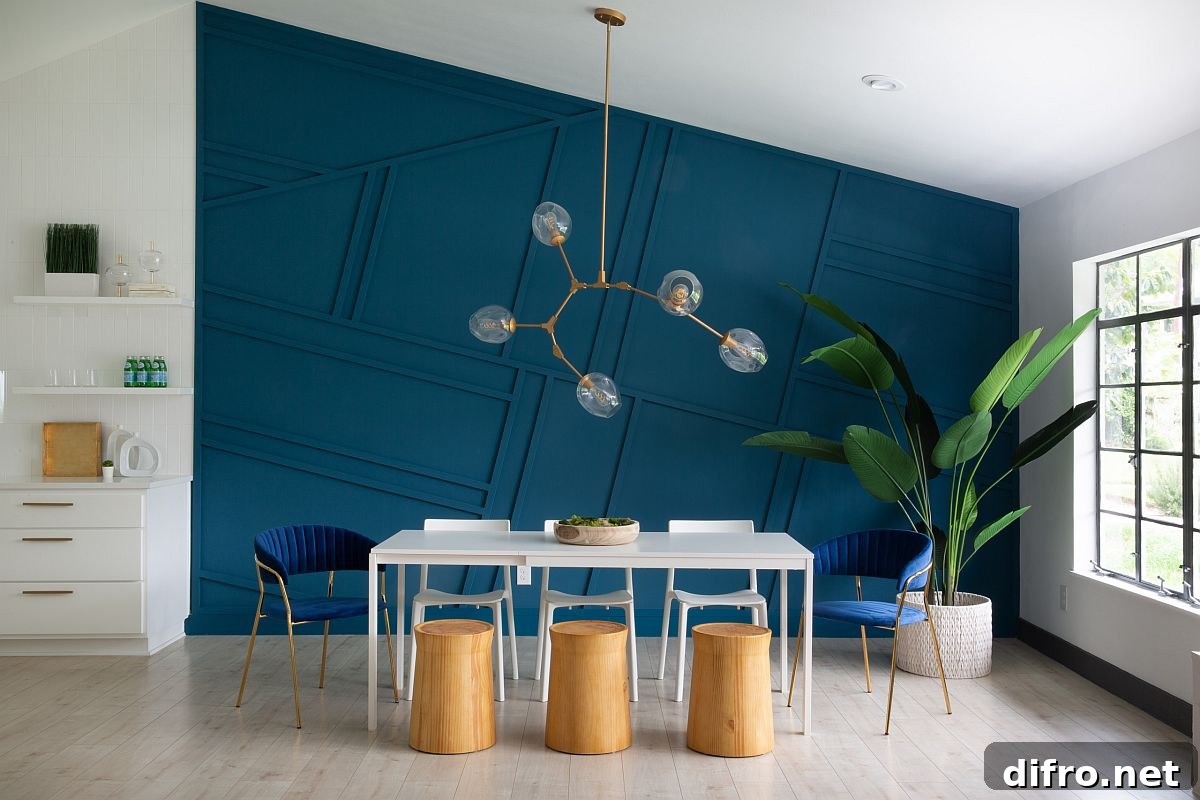
Interior design has shifted over the past decade from perfectly polished contemporary looks to rooms that celebrate texture, contrast and personality. Since the early 2000s adaptive reuse and thoughtful renovations have revived farmhouse, industrial and loft-inspired styles. Exposed brick, imperfect concrete and tactile finishes are now celebrated alongside refined minimalism. Modern minimal interiors still offer an elegant “less is more” philosophy, but they benefit greatly when layered with bold, well-chosen color. Vivid tones can energize a restrained palette and transform a sparse dining area into a memorable focal point.
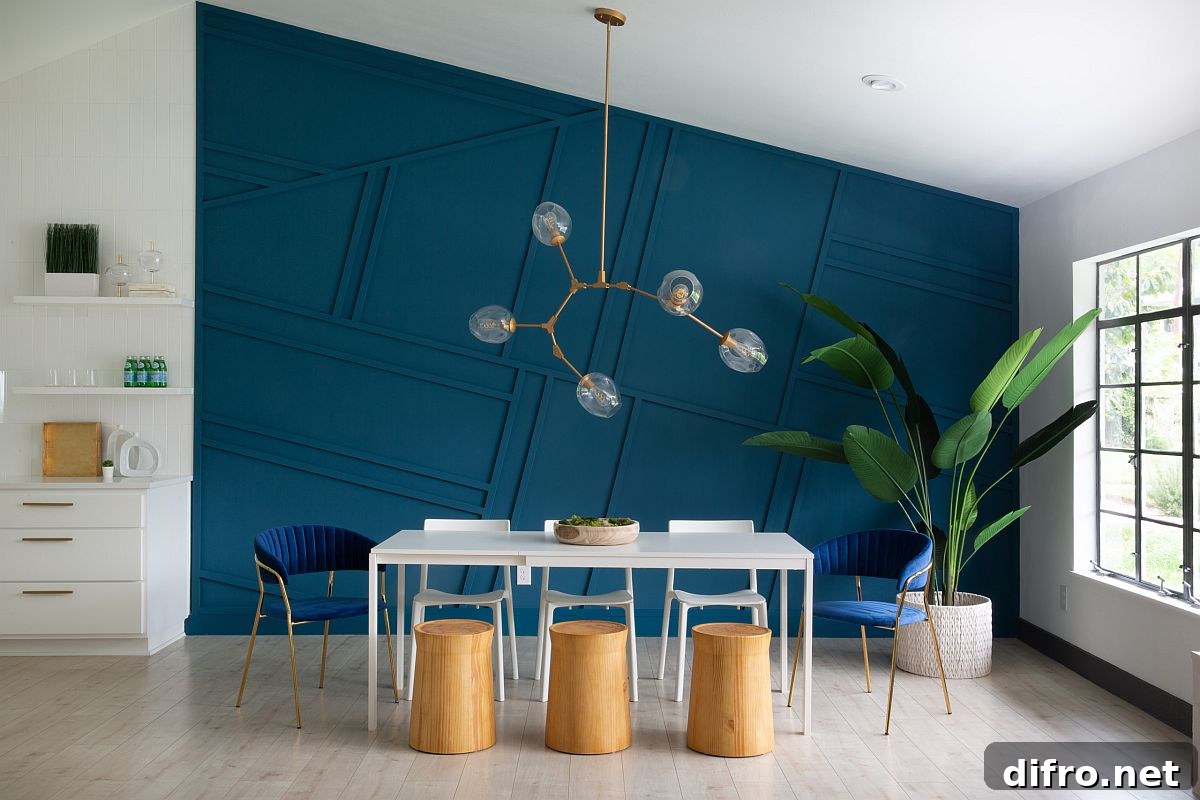
Minimal dining rooms that incorporate bright splashes of color are often more inviting and memorable than those relying solely on neutrals. Instead of an all-white, gray or beige backdrop, add a curated layer of saturated color to energize the space and avoid visual monotony. Whether you prefer bold jewel tones or more subdued accents, a small number of well-chosen hues will keep the look cohesive. This collection highlights the best minimal dining rooms with colors—spaces where restraint and vibrancy coexist in balance.
A Stylish Way to Add Color
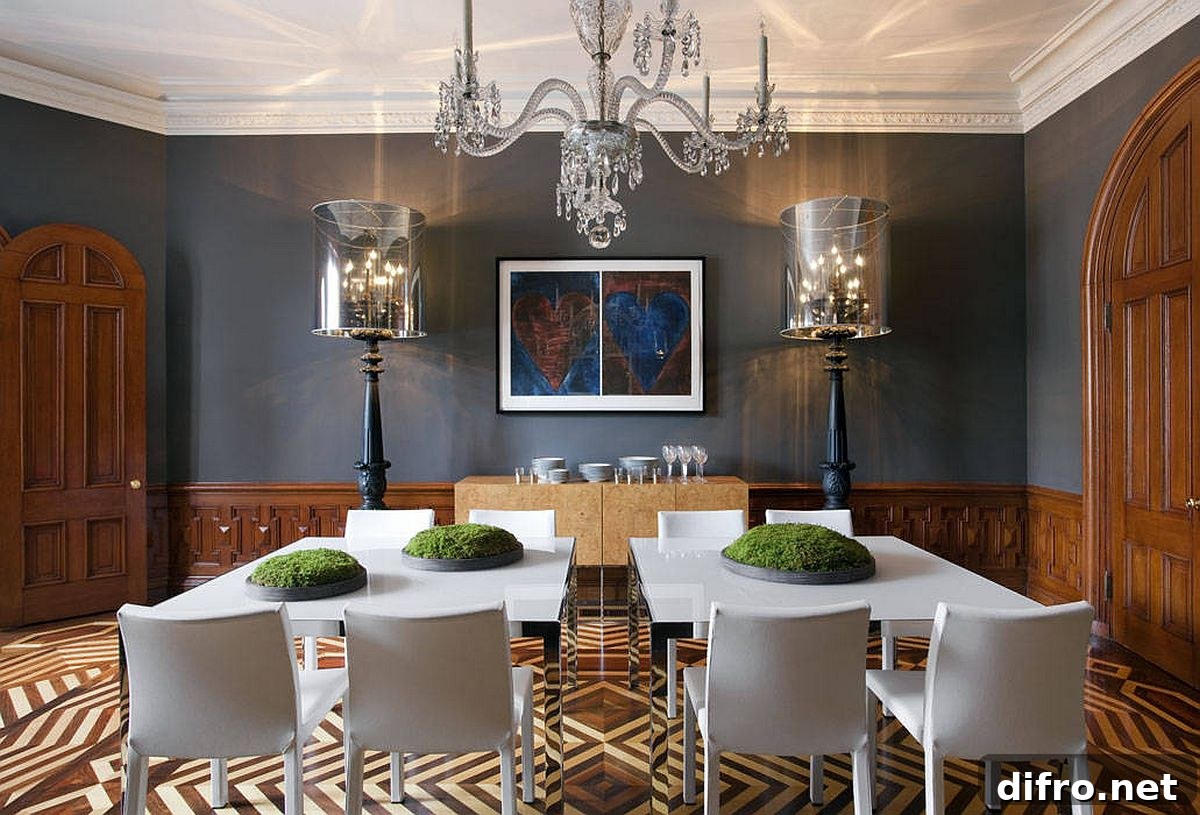
There are many tasteful ways to introduce color into a minimal dining room without compromising its clean lines. One of the simplest strategies is a bold backdrop—a single painted wall in a dark or saturated tone. When paired with curated accents in complementary or matching hues, this approach creates a cultured, contemporary look with strong visual interest. Popular accent colors include deep blue, warm yellow, green and muted red. The key is restraint: limit the palette to one or two dominant colors to preserve the minimal aesthetic while making a confident design statement.
Wall Art That Makes a Difference
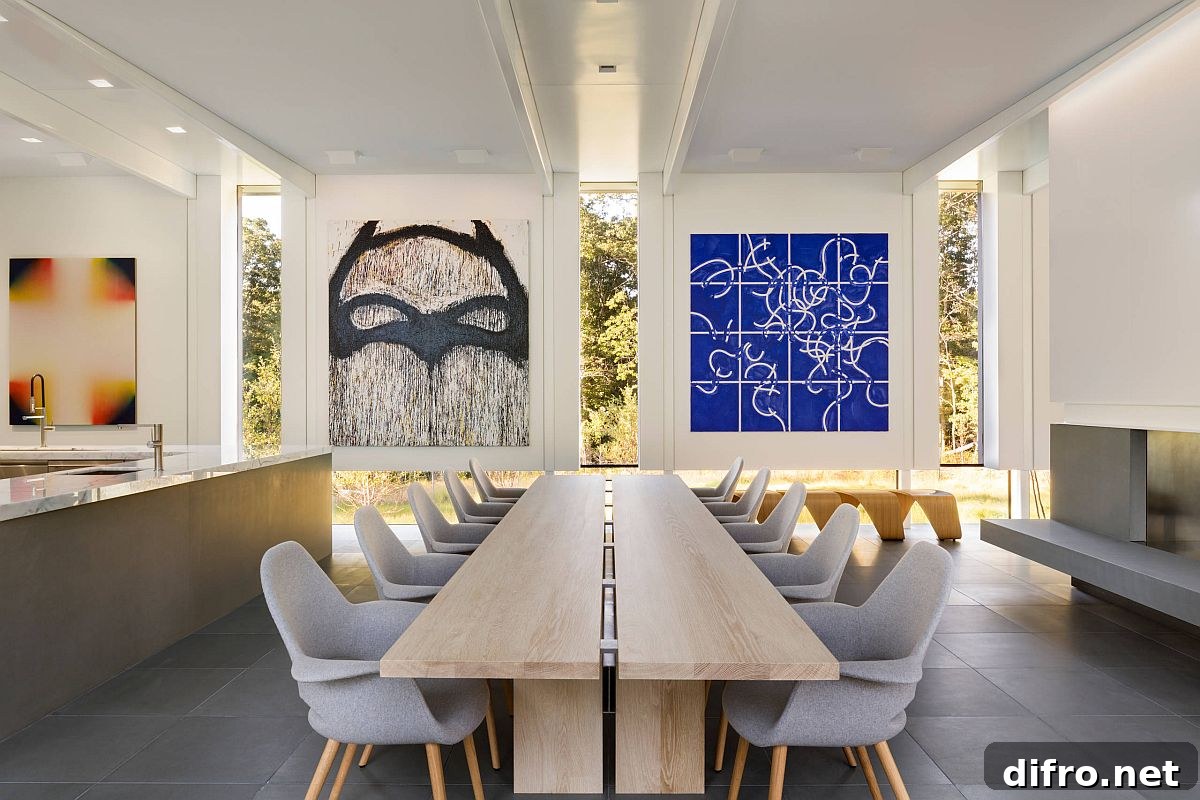
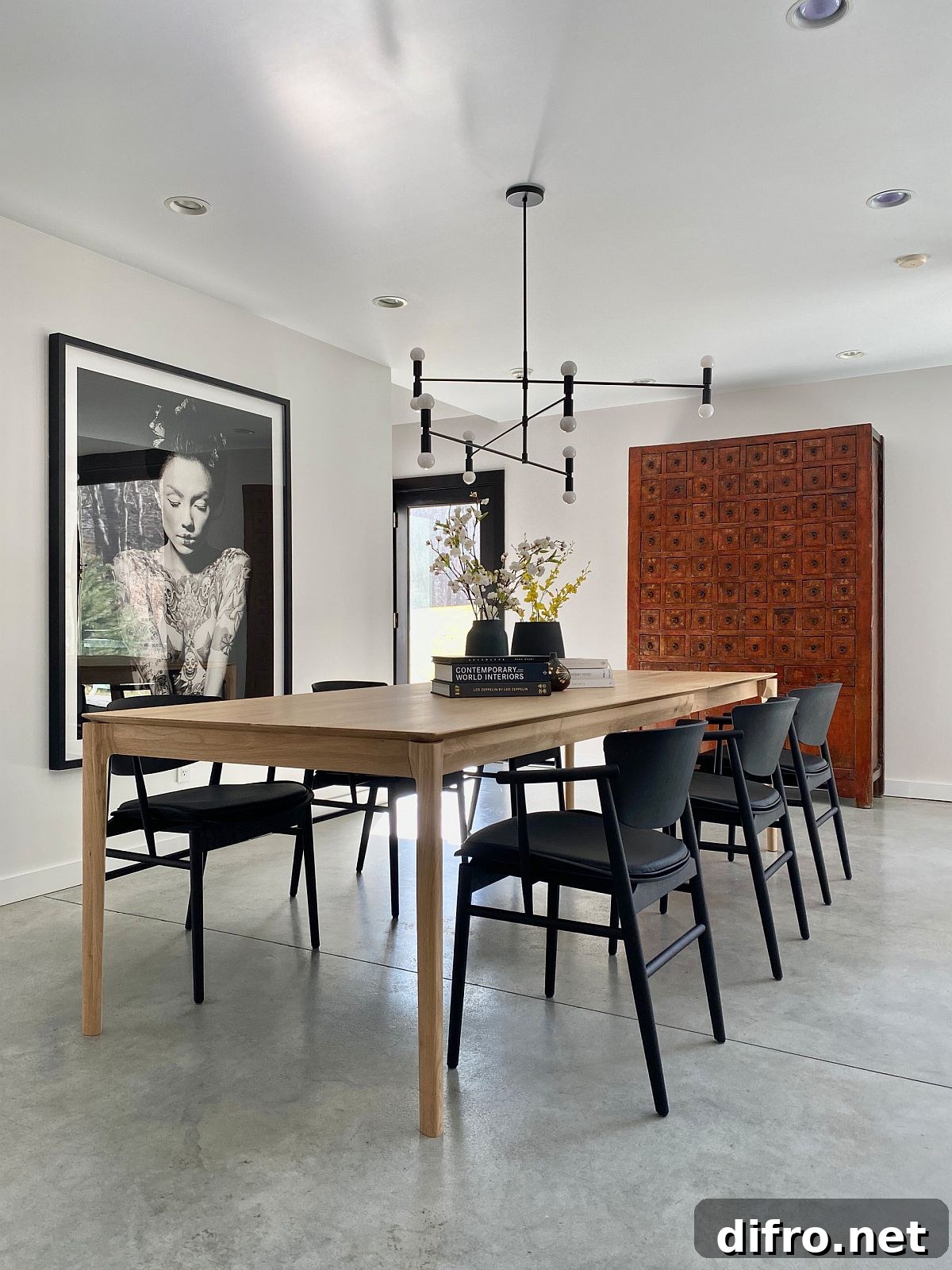
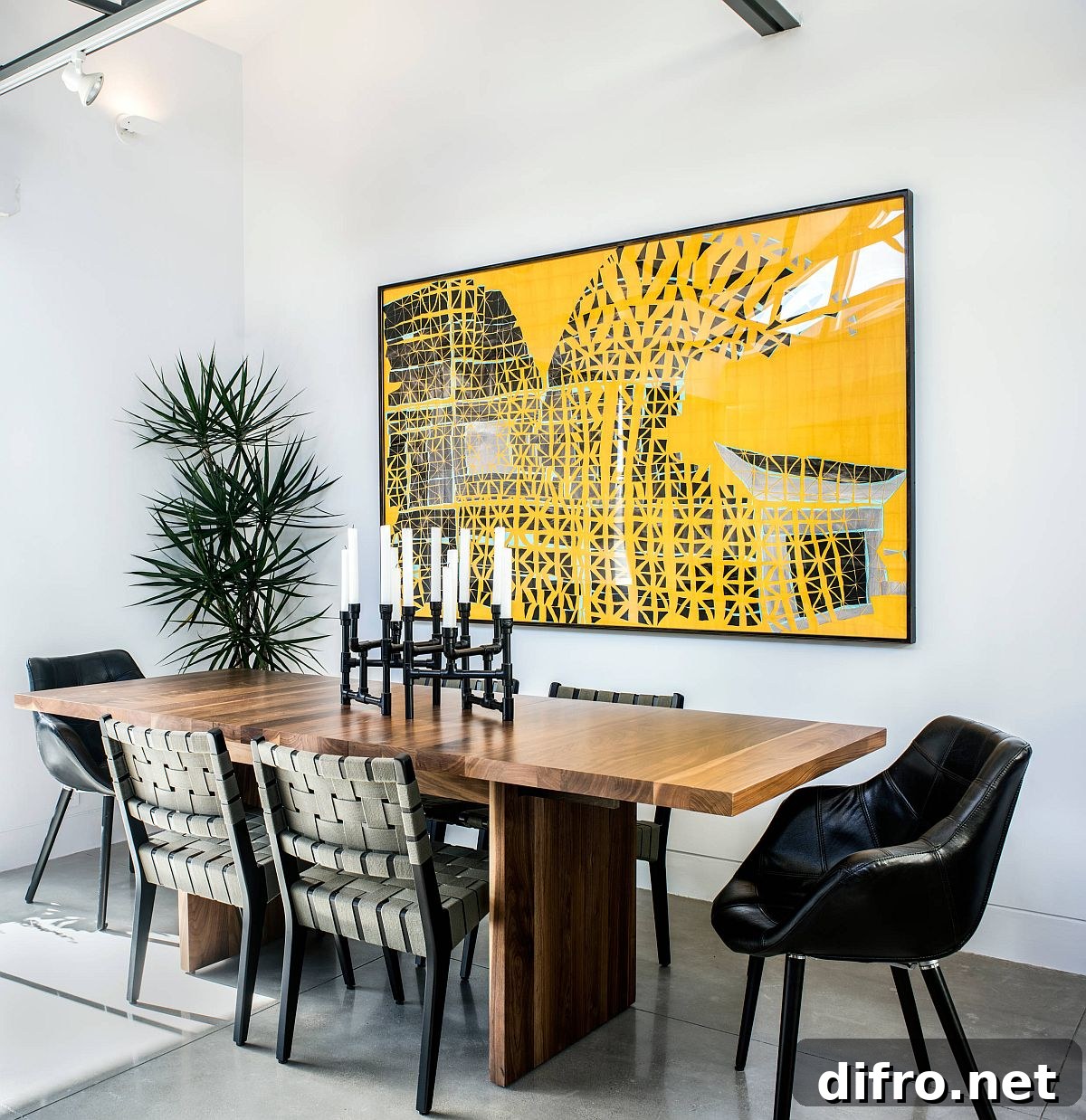
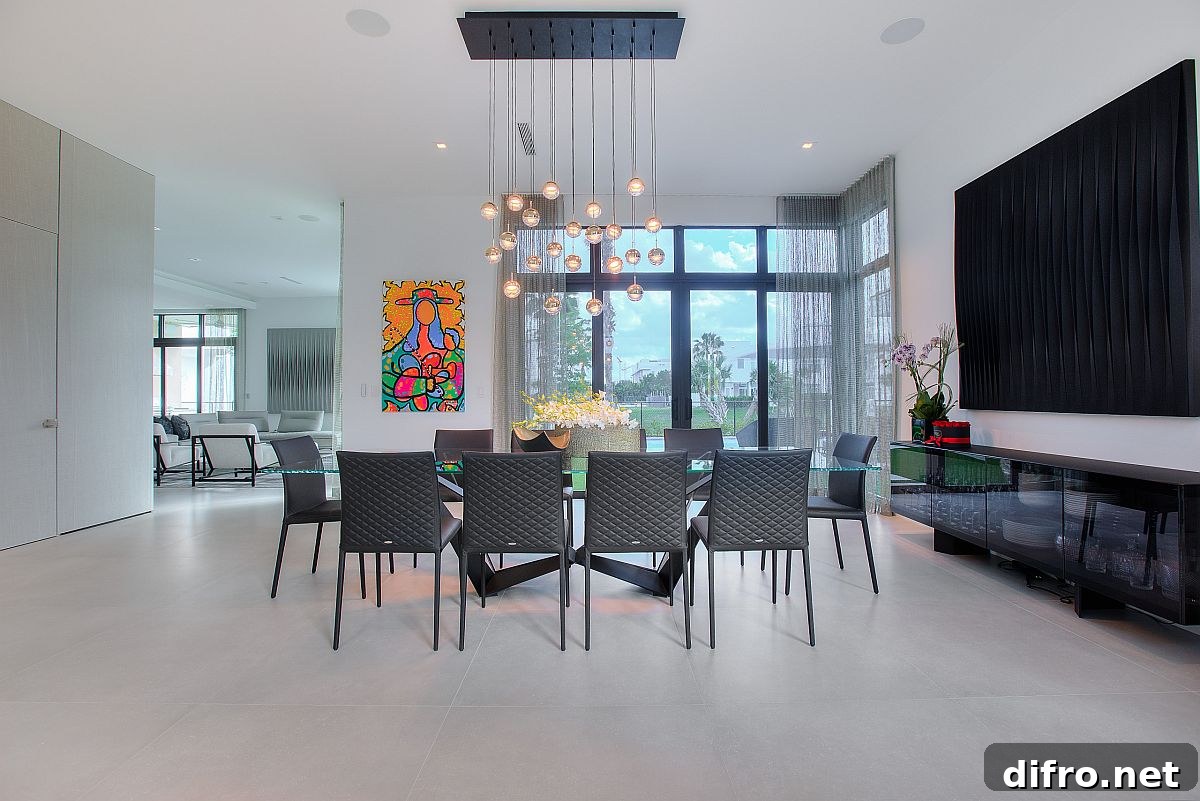
Wall art is one of the most effective ways to introduce color and personality into a minimal dining room without disrupting its overall rhythm. A single large artwork or thoughtfully arranged gallery can inject pattern, texture and narrative into an otherwise restrained setting. Art gives the room a focal point and a sense of identity—whether you choose bold modern pieces, classic images or graphic prints. A strong artwork can add a pop of bright yellow, blue or crimson against a black-and-white or neutral scheme, lifting the entire composition.
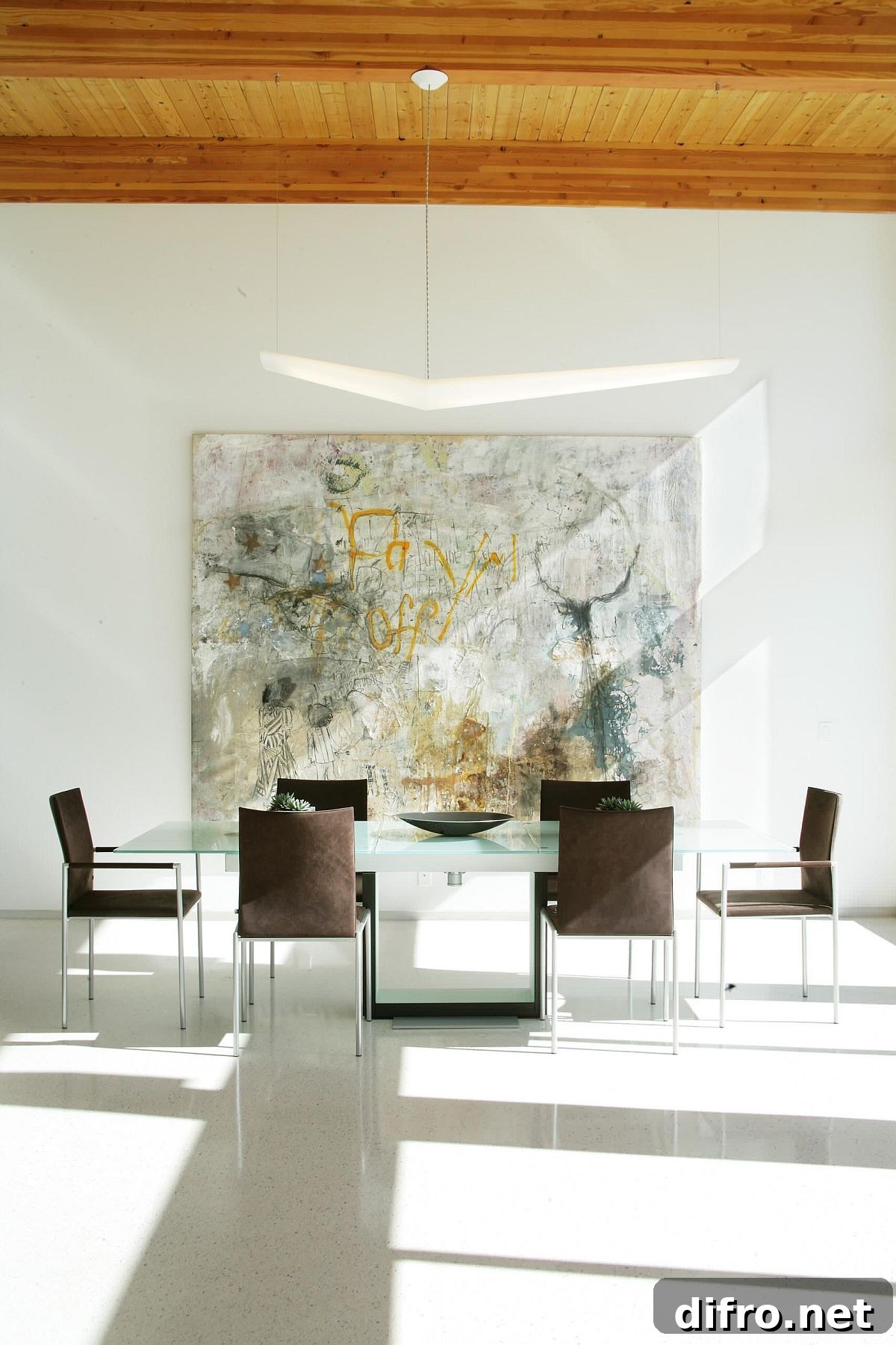
Mixing Styles with Minimalism
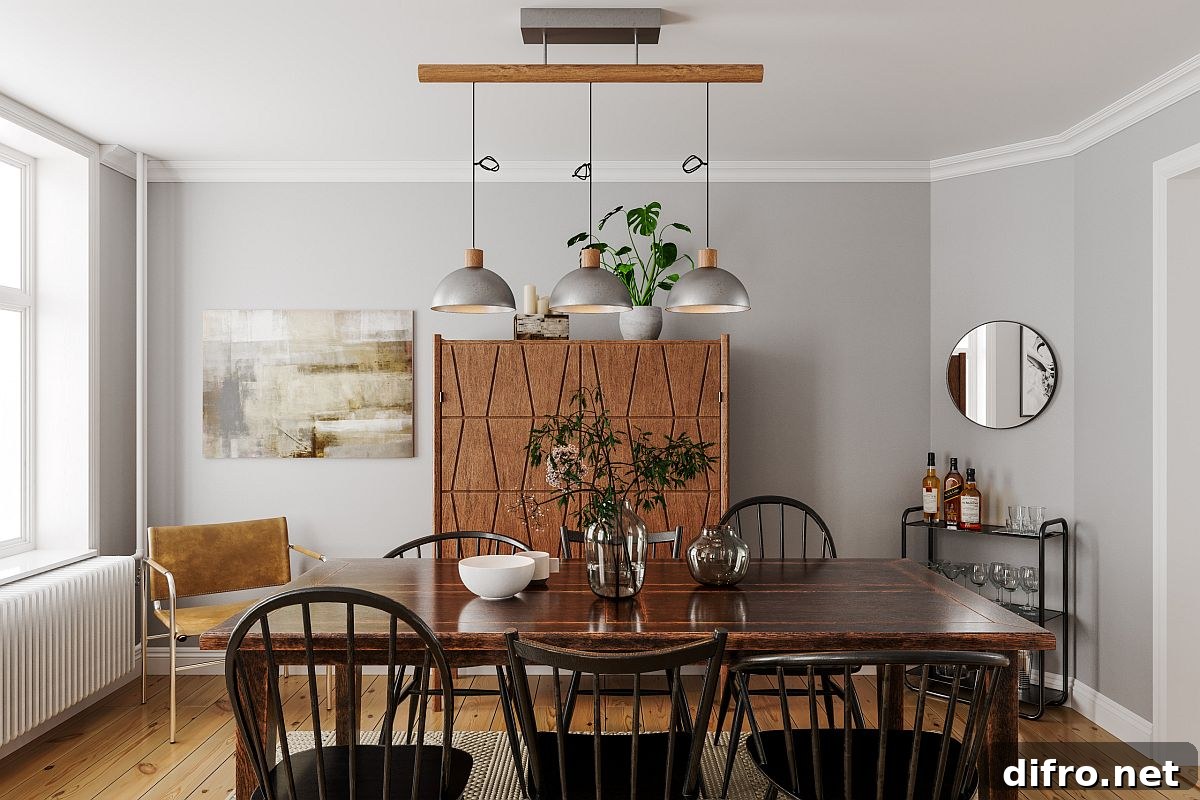
Minimal design in the dining room doesn’t mean a single rigid formula. Thoughtful mixing of complementary styles often produces the most interesting results. Scandinavian minimalism blends naturally with pared-back interiors because of its focus on light, natural materials and function. Modern and industrial touches—like exposed bulbs, metal accents or raw wood—can add warmth and contrast without overwhelming the composition. For a bolder approach, introduce elements from Asian or coastal design, but keep balance by limiting clutter and maintaining a simple color foundation.
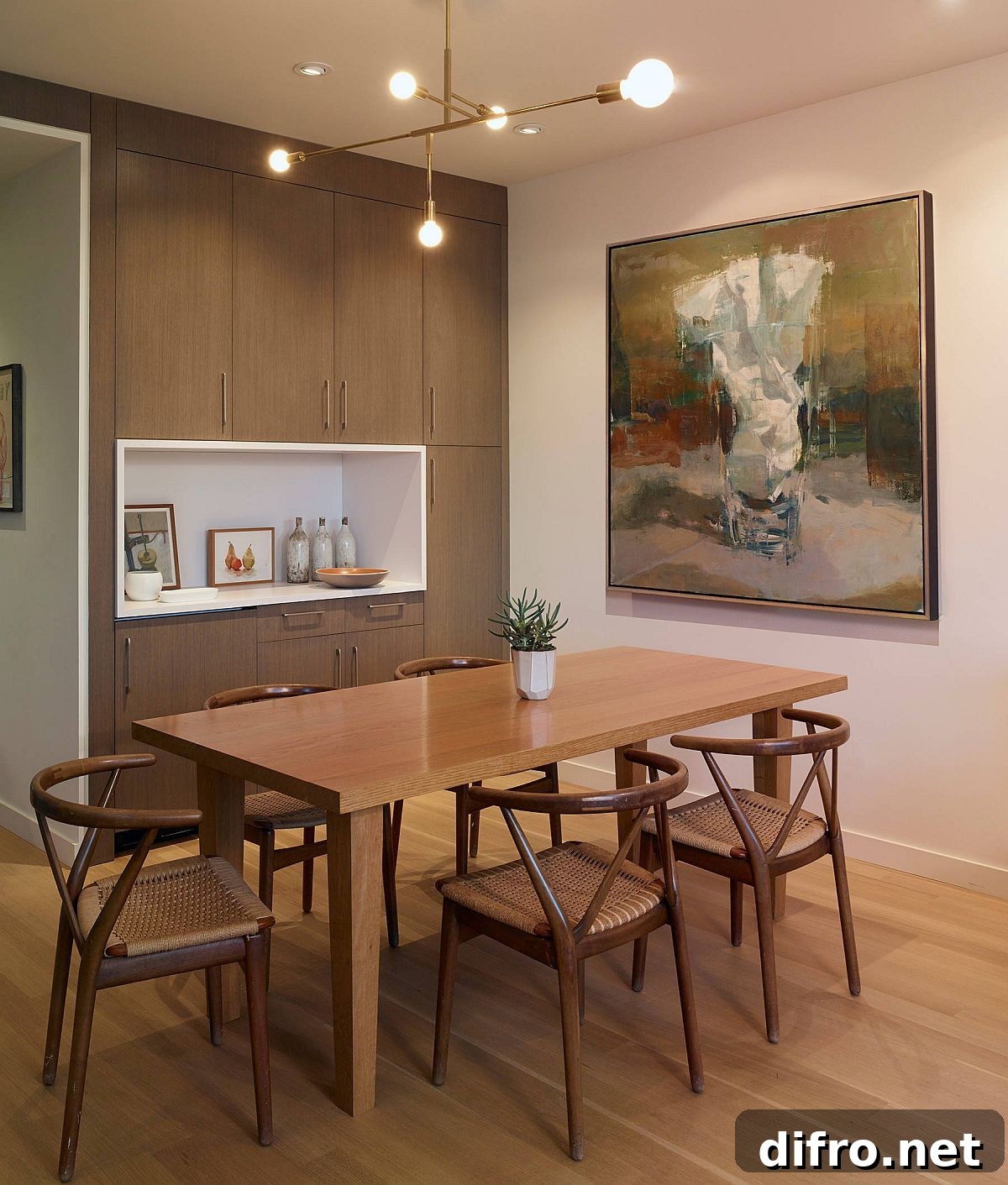
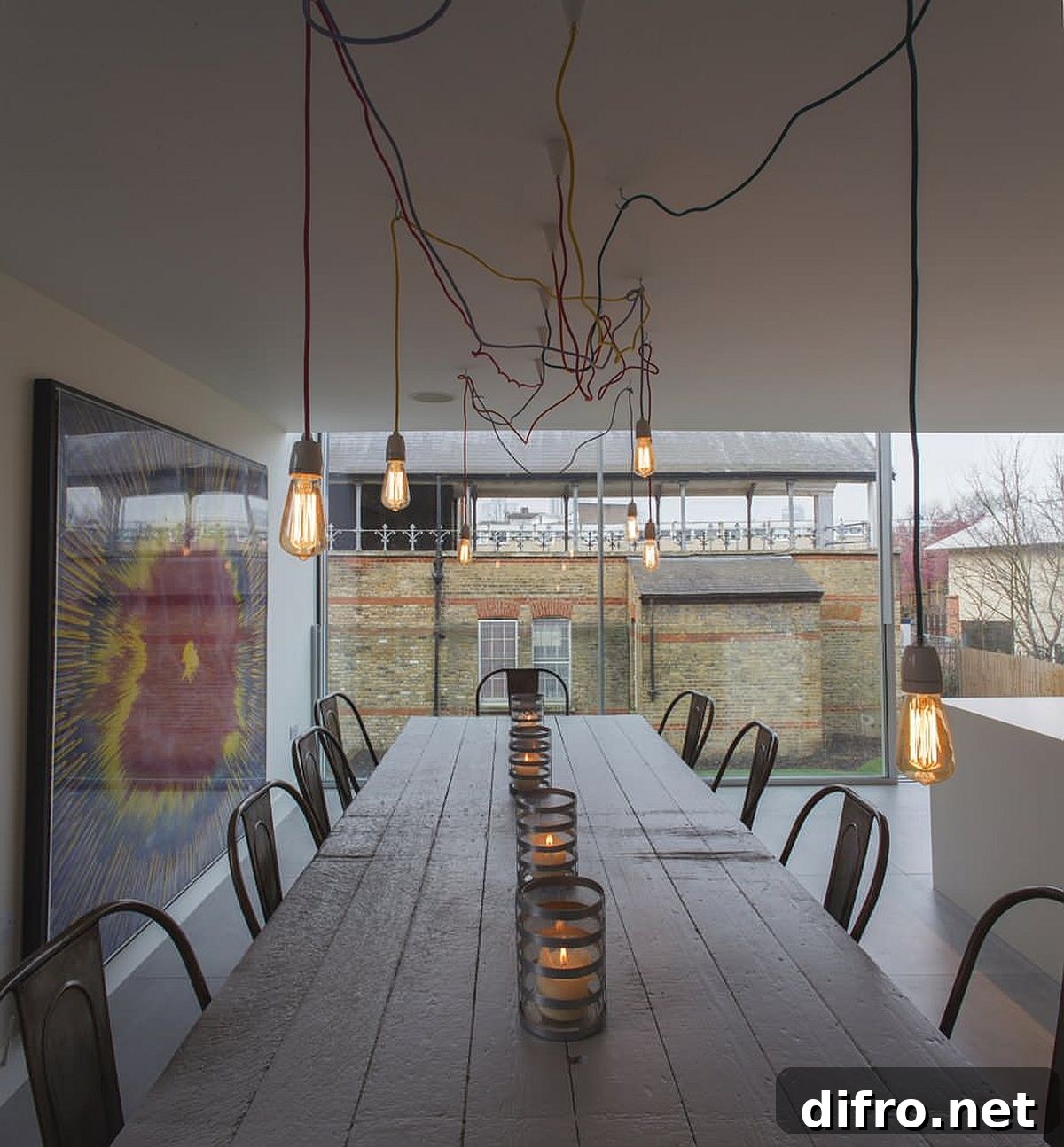
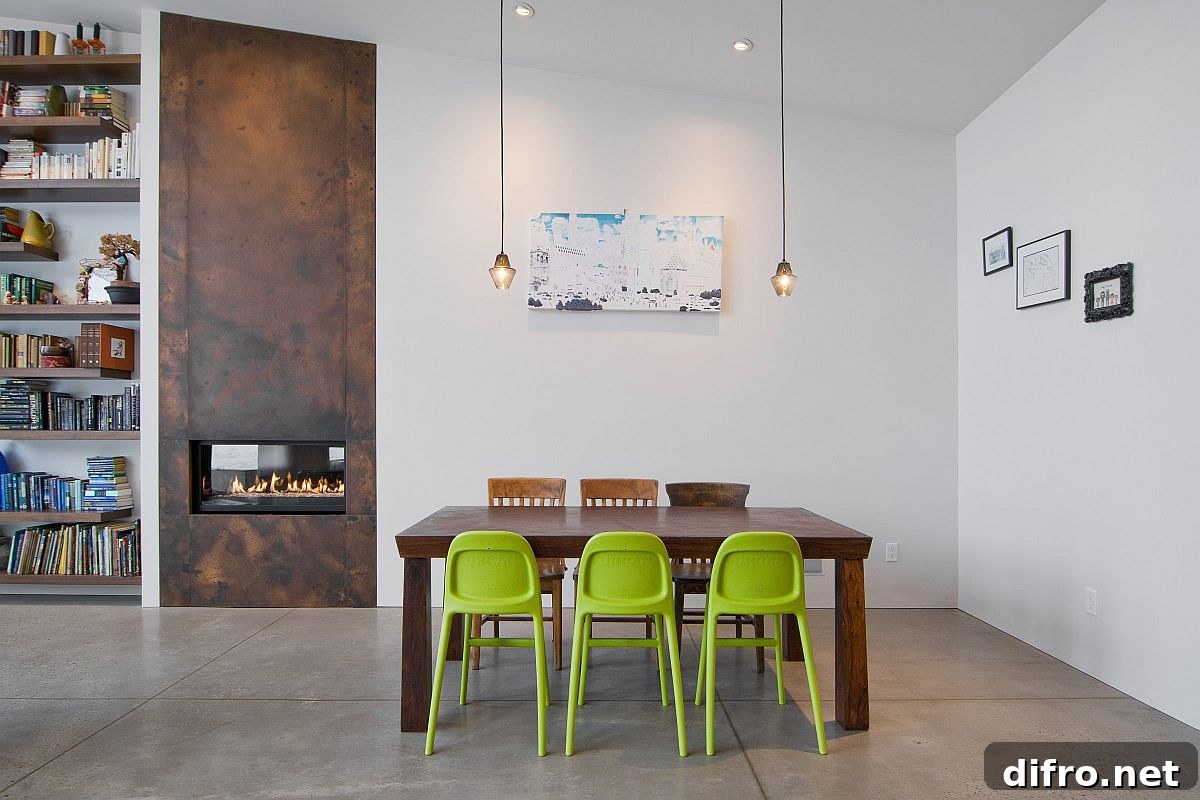
Embracing minimal style in your dining room this season means focusing on clarity of form, purposeful color and a few standout elements—whether it’s a dramatic painted wall, a singular artwork or a set of colorful chairs. With careful restraint and strategic accents, a minimal dining room can feel warm, sophisticated and undeniably stylish.