Church Transformed into a Modern Loft on Vancouver’s Fraser Street
Adaptive reuse breathes new life into old buildings, conserving resources while preserving a piece of history. This conversion of a 1920s church on busy Fraser Street in Vancouver exemplifies how sensitive design can transform sacred architecture into a comfortable, contemporary home. Renovated by Hodgson Design Associates, the project maintains the building’s original character while introducing modern comforts and an open, light-filled layout that reads as both respectful and refreshingly current.
From the exterior, much of the church’s original charm remains intact. Ornate window patterns and masonry cues still define the facade, giving the building a strong sense of place within its urban context. Inside, those historic elements are embraced and woven into a contemporary interior scheme that emphasizes light, proportion and material honesty. The design preserves defining architectural features while adapting the floor plan to suit modern daily life.
The lower level is arranged as an open-plan living space that combines a relaxed seating area with a dining zone. A contemporary kitchen sits discreetly behind the social spaces, where stainless steel and warm wood finishes create a balanced, functional backdrop for everyday life. Neutral tones and modest decorating allow the architecture itself—the high ceilings and tall windows—to remain the focal point.
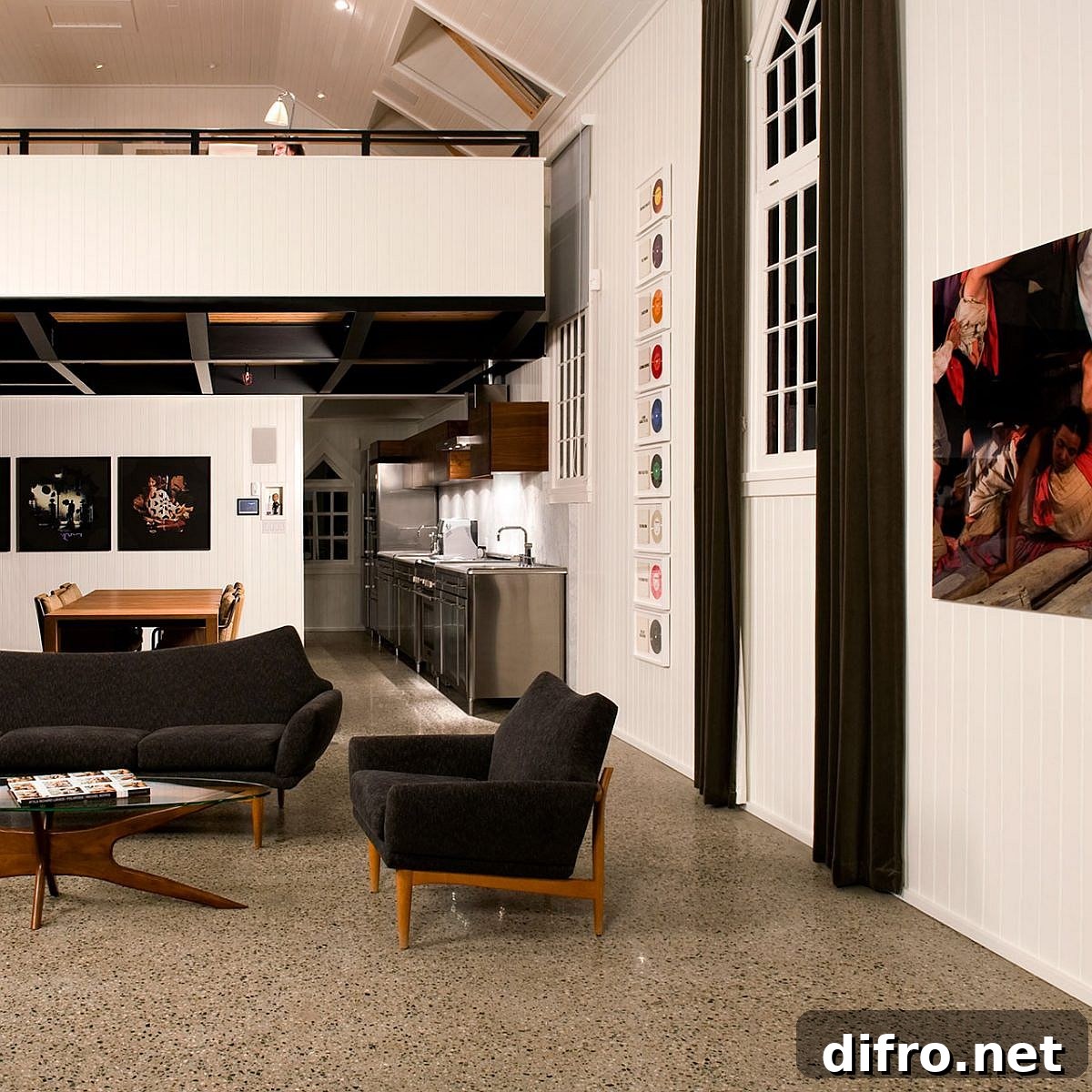
A mezzanine upper level contains the private functions: bedrooms and a spacious home workspace. The elevated volume creates visual connectivity between levels and helps preserve the building’s original sense of openness. To enhance natural illumination and summer airflow, four new skylights were added, strategically placed to bring daylight deep into the plan and to improve cross-ventilation. This measured intervention highlights how thoughtful upgrades can significantly improve comfort while keeping the historic fabric intact.
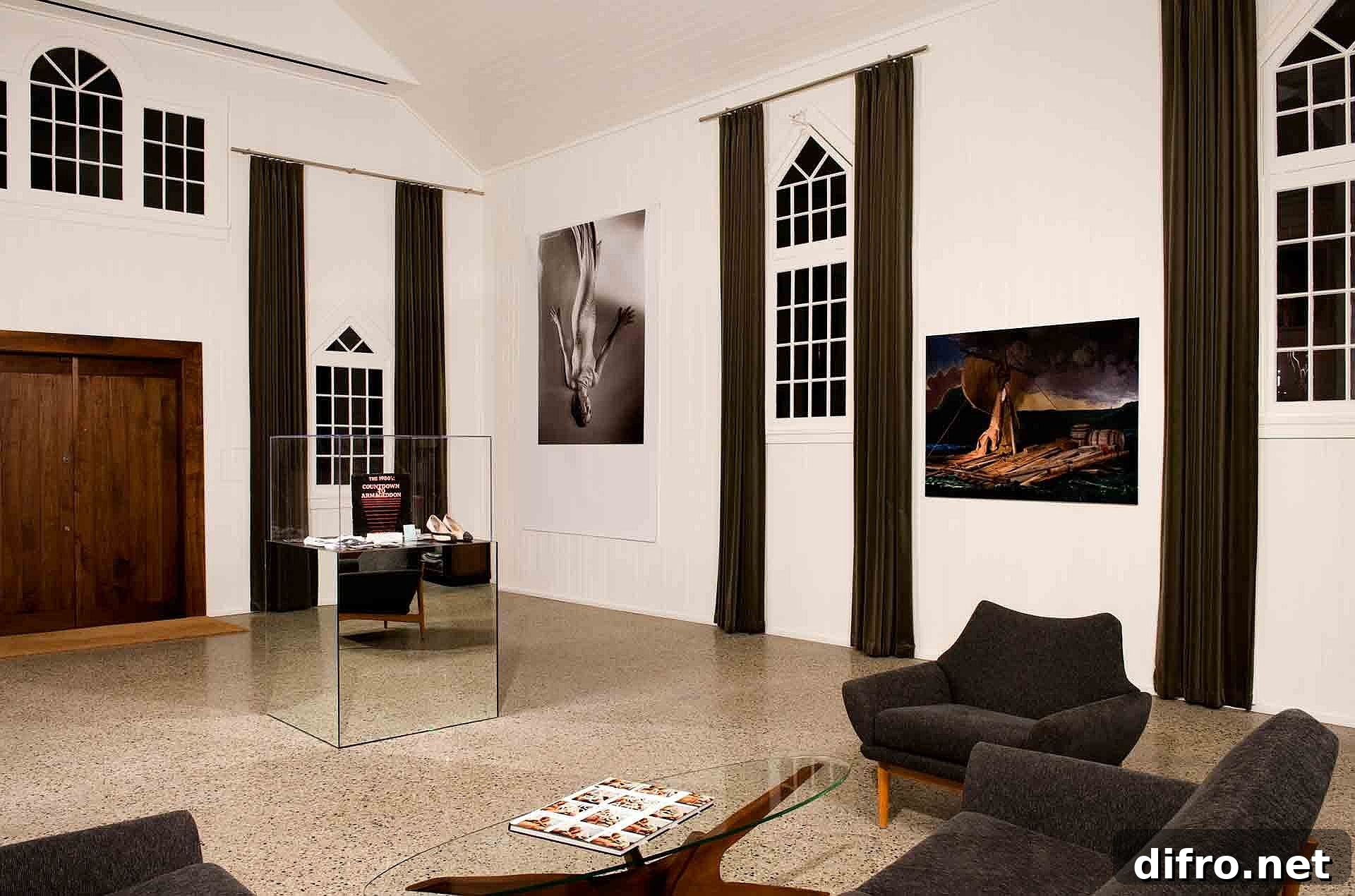
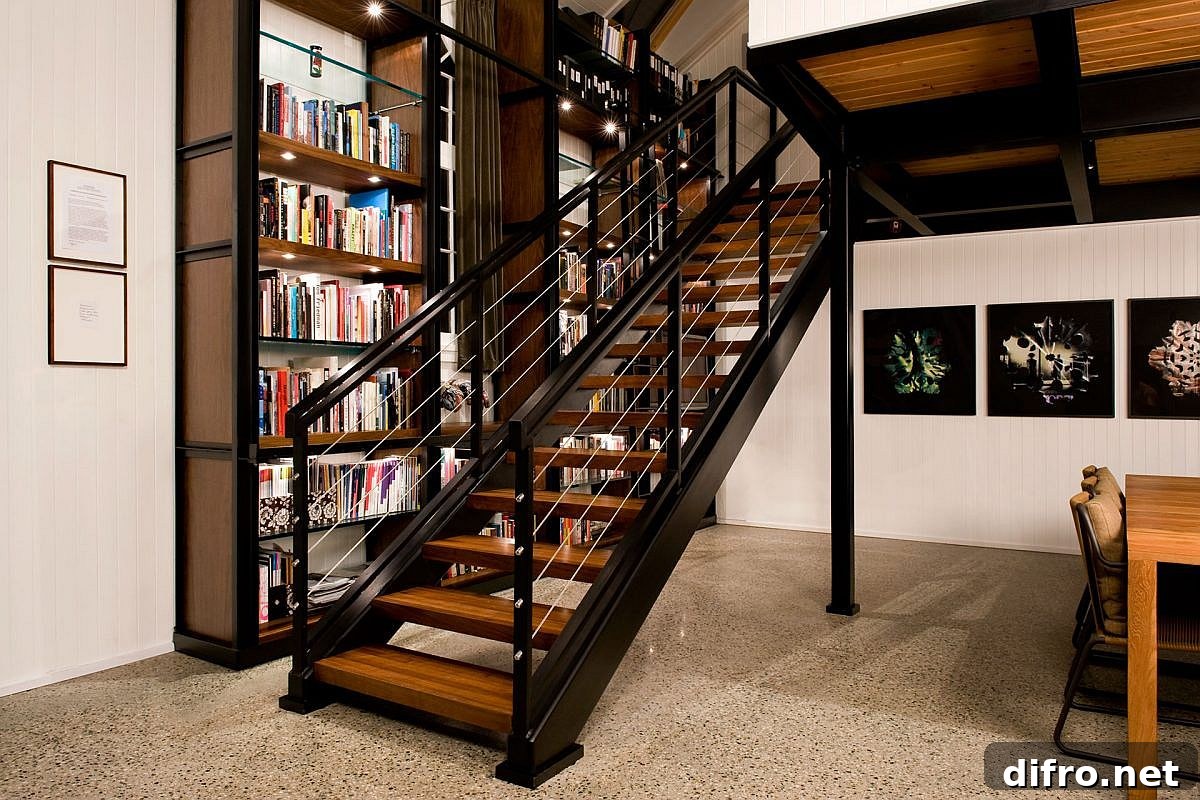
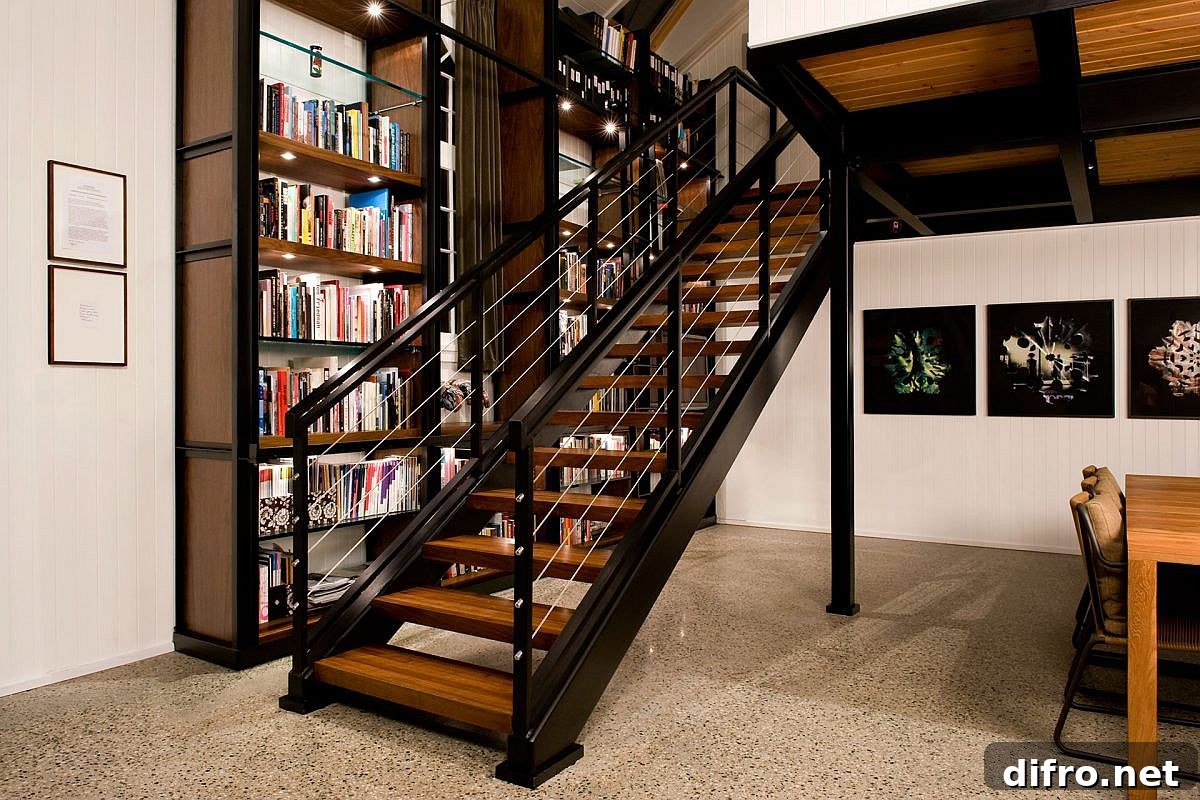
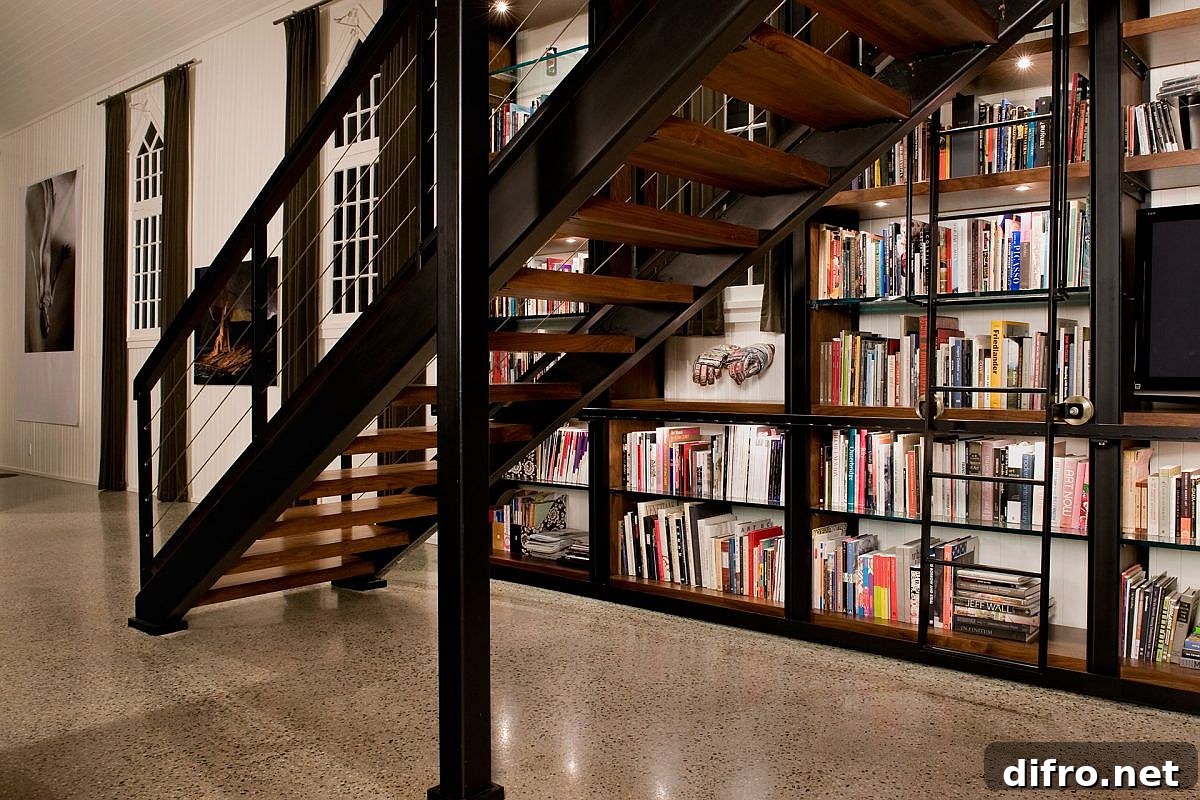
What stands out in this conversion is the restraint and clarity of the material palette. Wood and steel work together to define circulation and storage: a custom staircase composed of metal and timber becomes both a sculptural element and a practical connector between floors, while an integrated bookshelf of the same materials anchors the living space and provides generous storage. These elements underscore the project’s blend of industrial character and residential warmth.
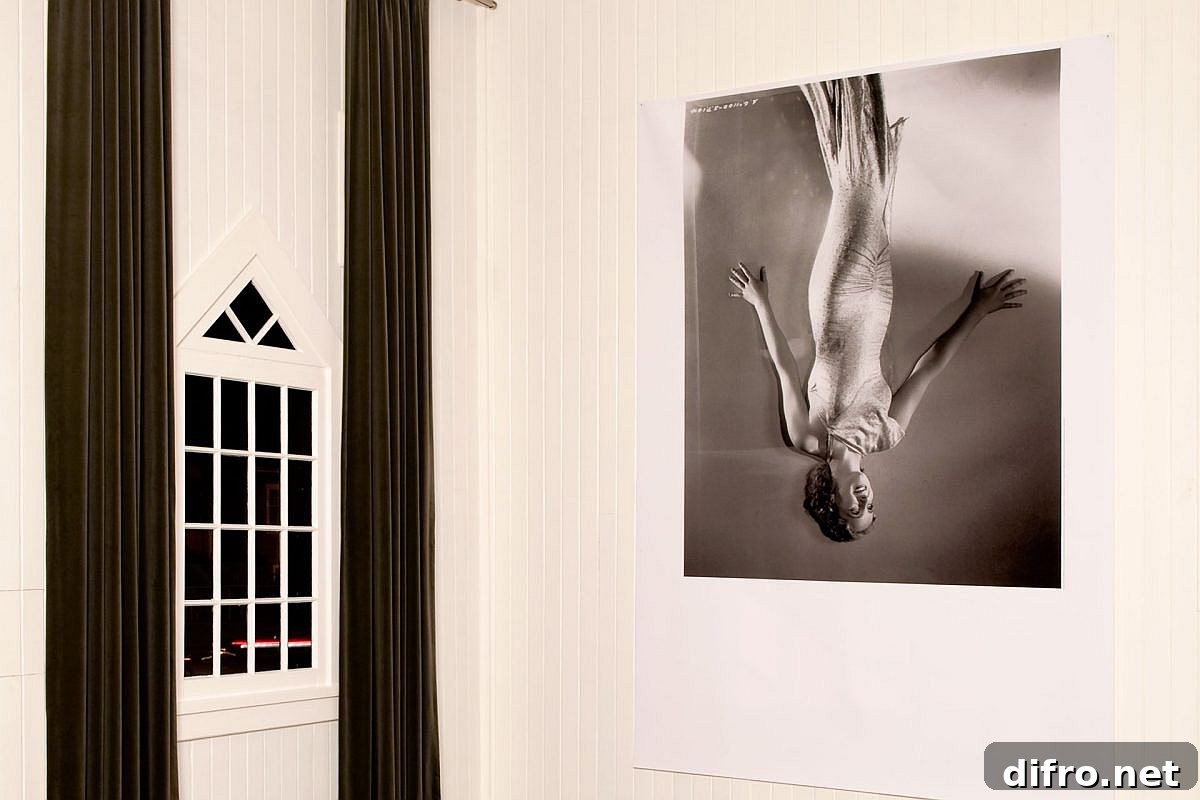
The overall interior approach pairs contemporary fixtures and finishes with the building’s original bones to create a cohesive aesthetic that feels authentic rather than contrived. Skylights and tall windows flood the rooms with natural light, reducing the need for artificial lighting during the day and emphasizing the textures of wood, metal and masonry. The result is a calm, layered home that reads as both historic and contemporary.
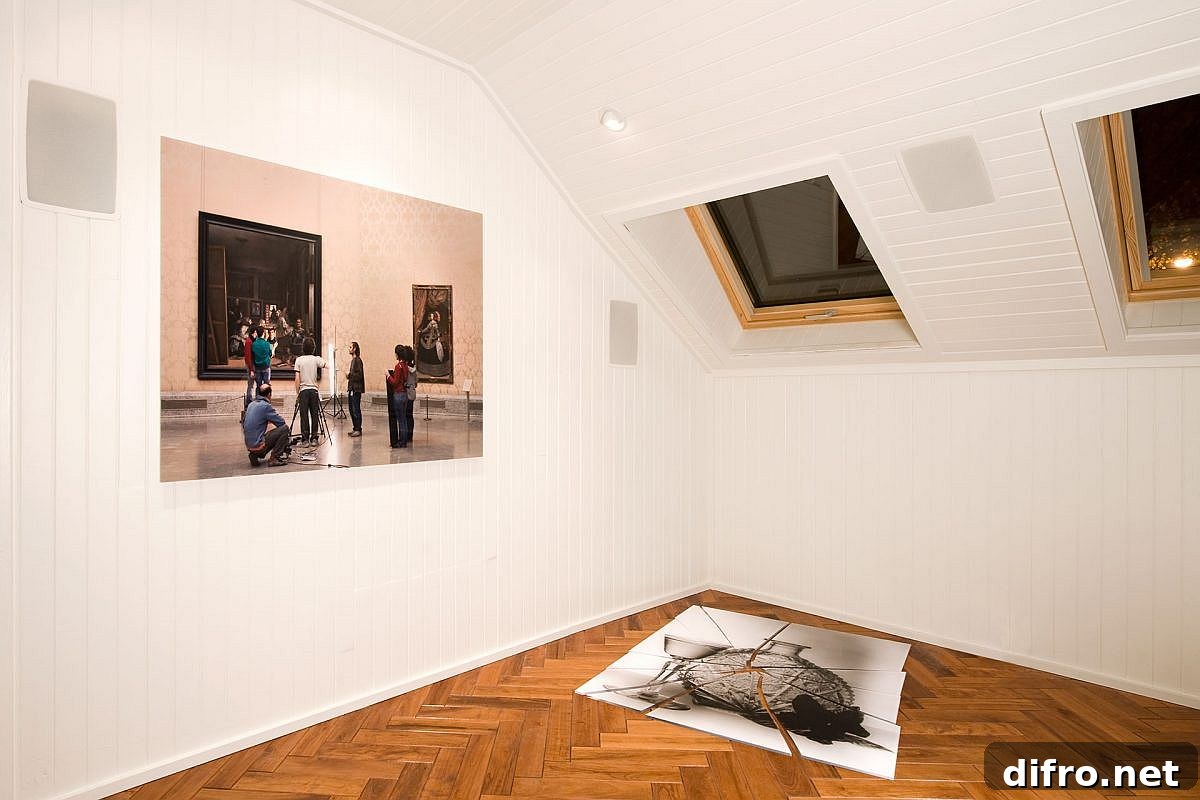
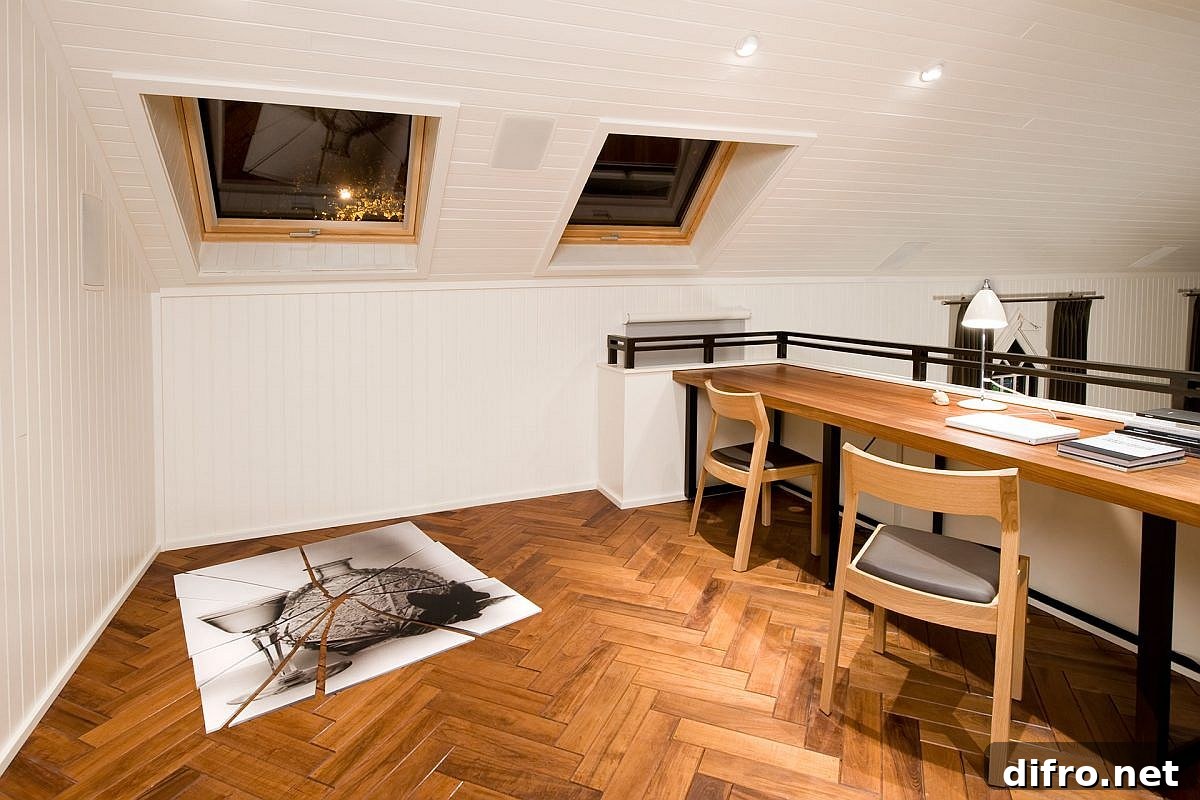
Beyond its visual appeal, the project illustrates the environmental and cultural benefits of adaptive reuse. Reworking an existing building reduces construction waste, extends the life of quality materials, and sustains the neighborhood’s architectural memory. In this Vancouver example, the careful balance between preservation and modernization delivers a livable, attractive home that honors its past while meeting present-day needs.
This church-to-loft conversion is a subtle, well-executed example of how sensitive design can transform historic buildings into contemporary homes. With preserved architectural details, selective modern interventions and a restrained material palette, the renovation celebrates both heritage and everyday living in equal measure.