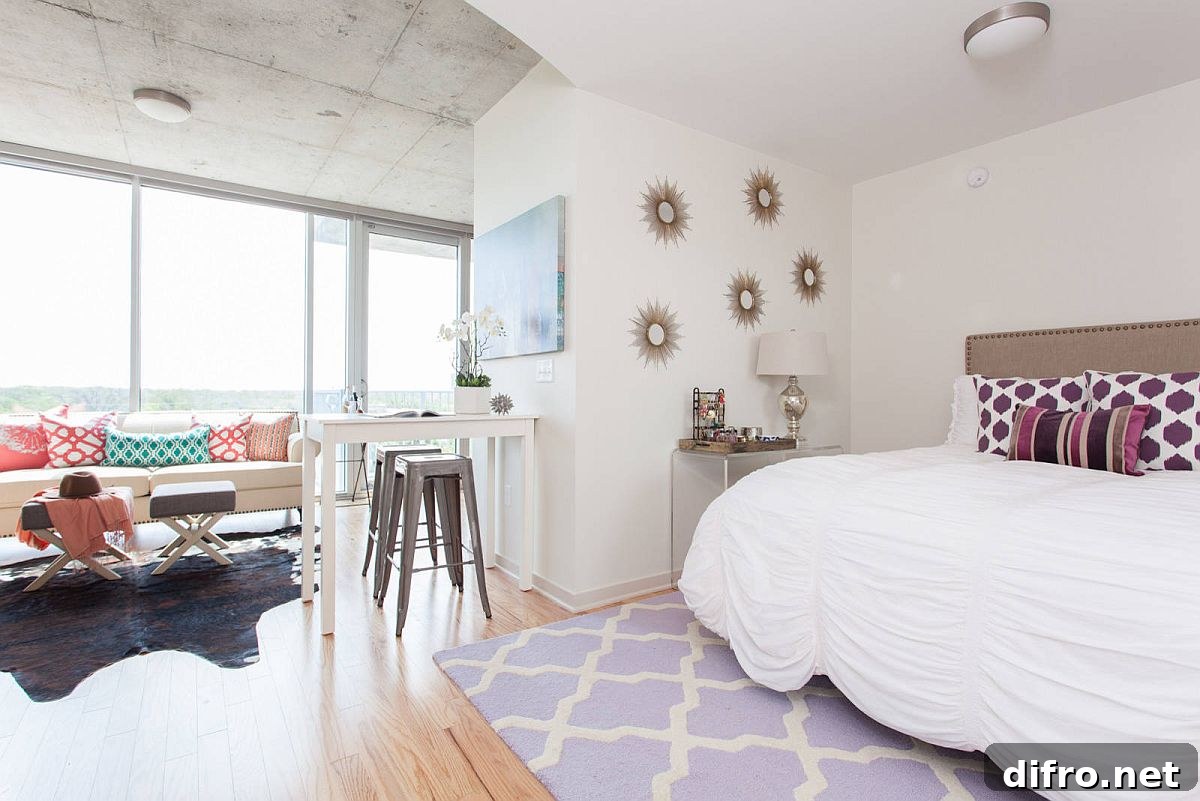
Few of us imagined a time when nearly the whole world would be urged to stay home and avoid close contact. The Coronavirus outbreak has changed life on a global scale, disrupting economies and communities and causing widespread human loss. For now, experts agree that personal hygiene and social distancing are the best defenses. We’ve already shared practical information about how long Coronavirus survives on surfaces. Today we want to do what we do best: offer design ideas for your makeshift home office.
Working from home will be the norm for weeks or even months for many of us. If you don’t already have a dedicated home office, creating a comfortable, productive workstation is easier than you think. While some people have improvised with ironing boards or cardboard, this guide focuses on practical, sustainable ideas for a long-term home workspace. Below are tips and inspirations to help you set up an efficient home workstation.
Finding Space Everywhere
The first step is choosing a space that will work for your daily routine. For many, all you need is desk space and a comfortable chair, especially if most work happens on a laptop. Ergonomics matter: position your screen so you can look straight ahead rather than downward, and make sure your chair height lets both feet rest flat on the floor to reduce shoulder and spinal strain.
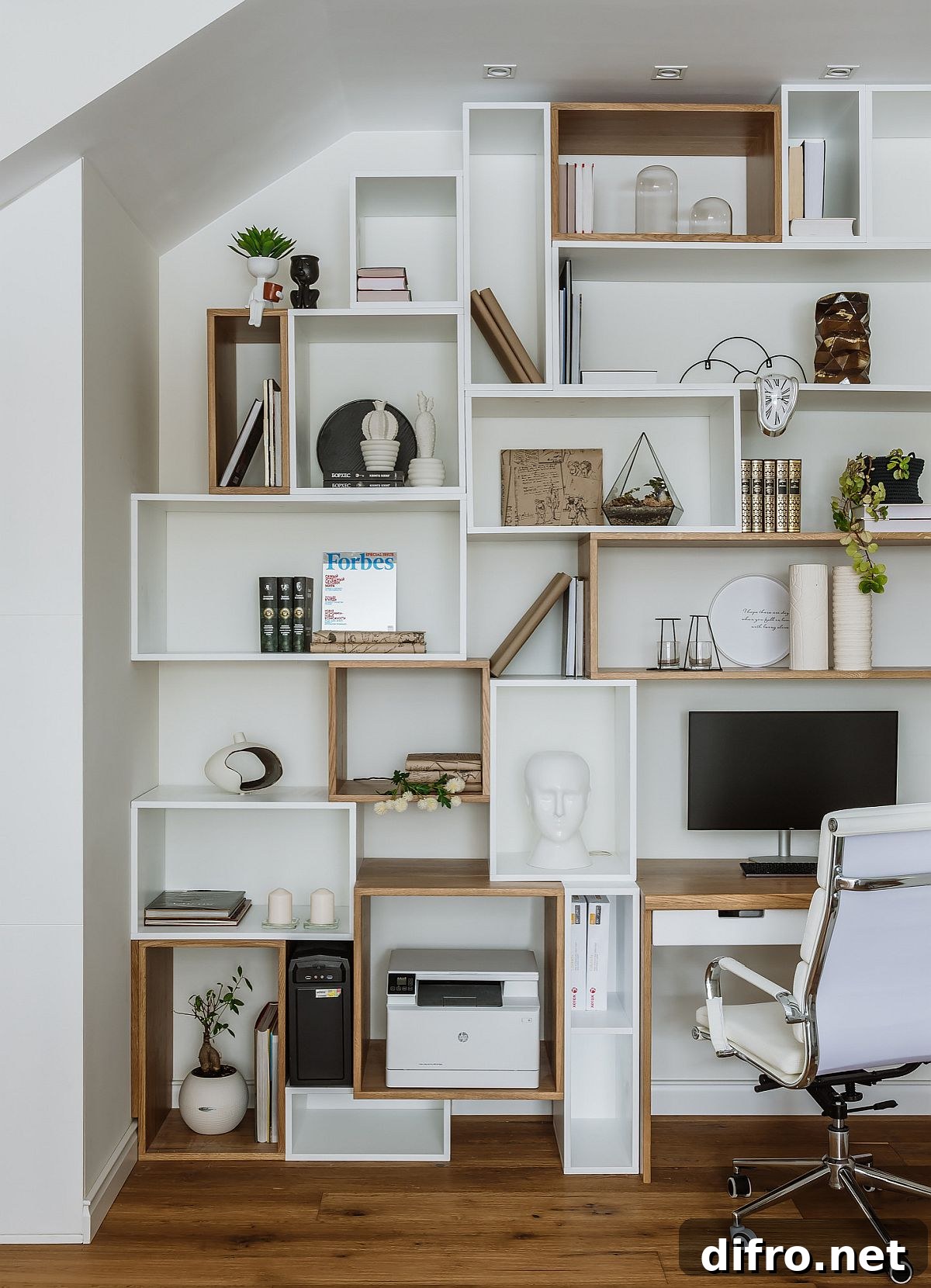
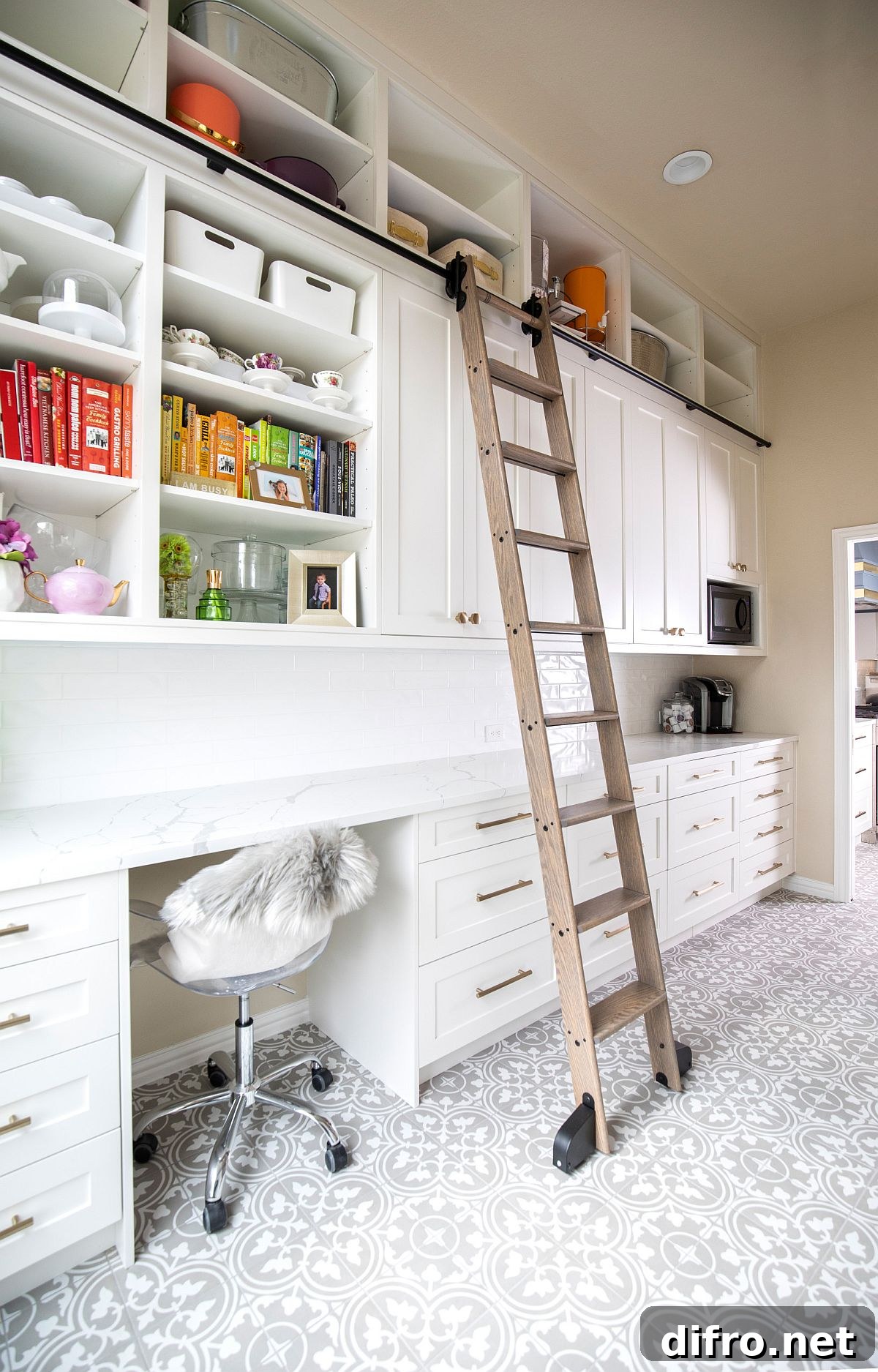
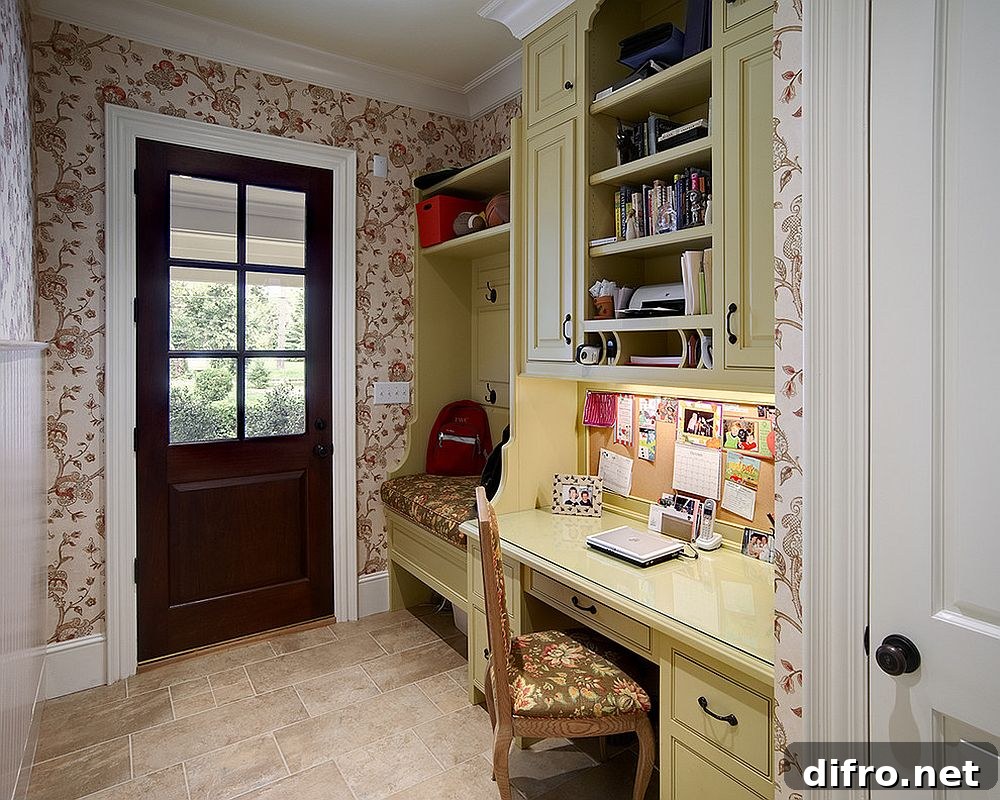
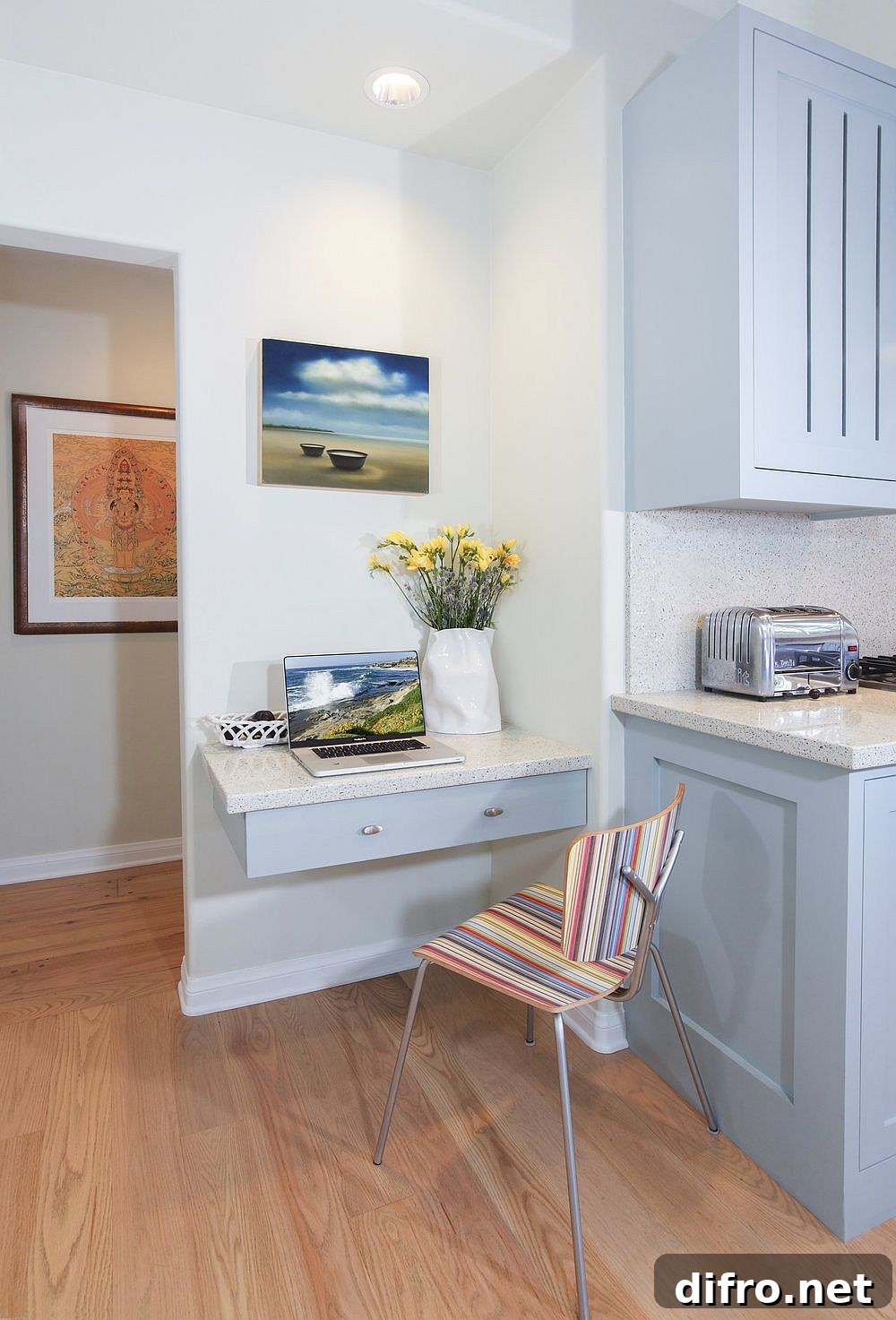
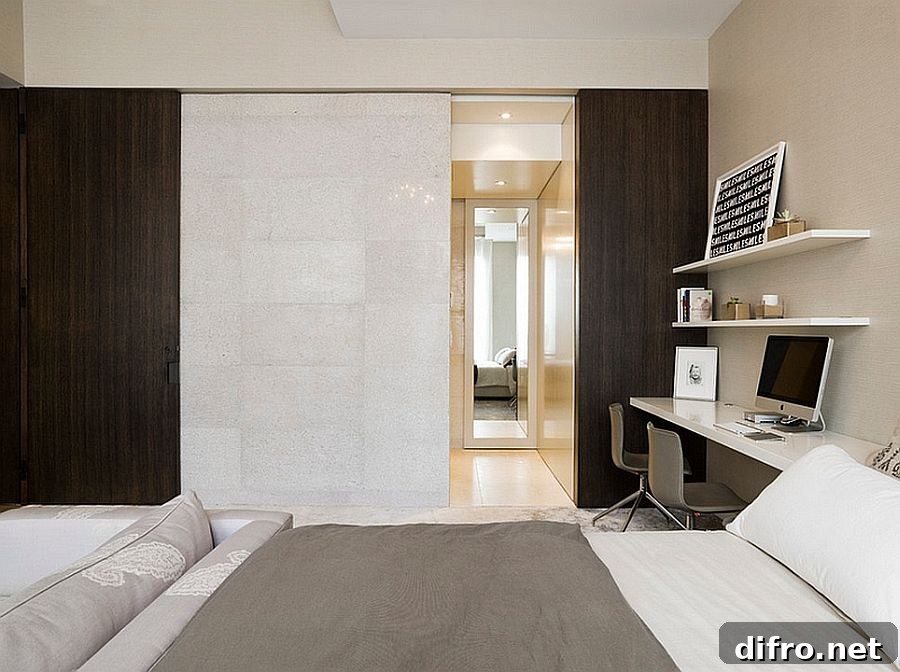
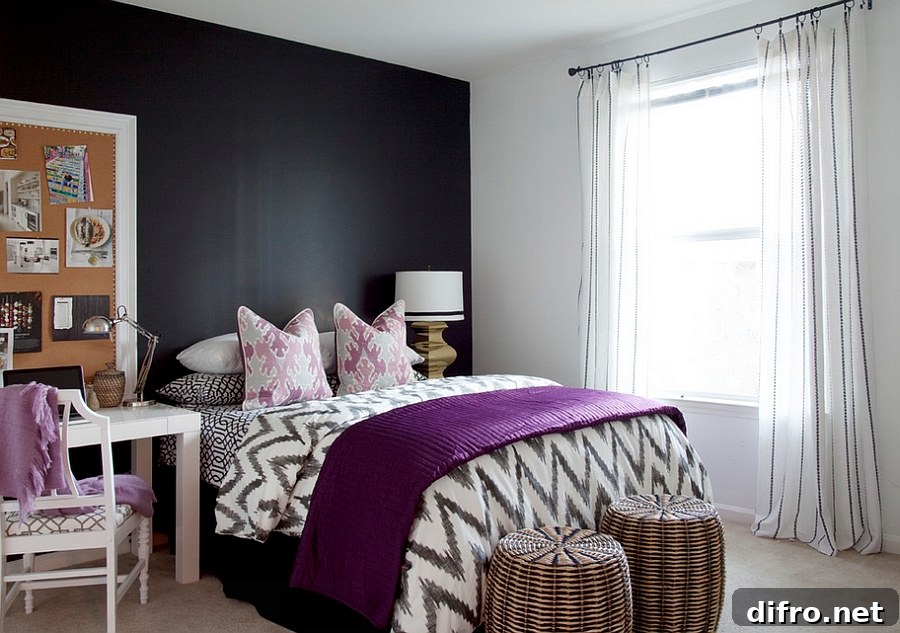
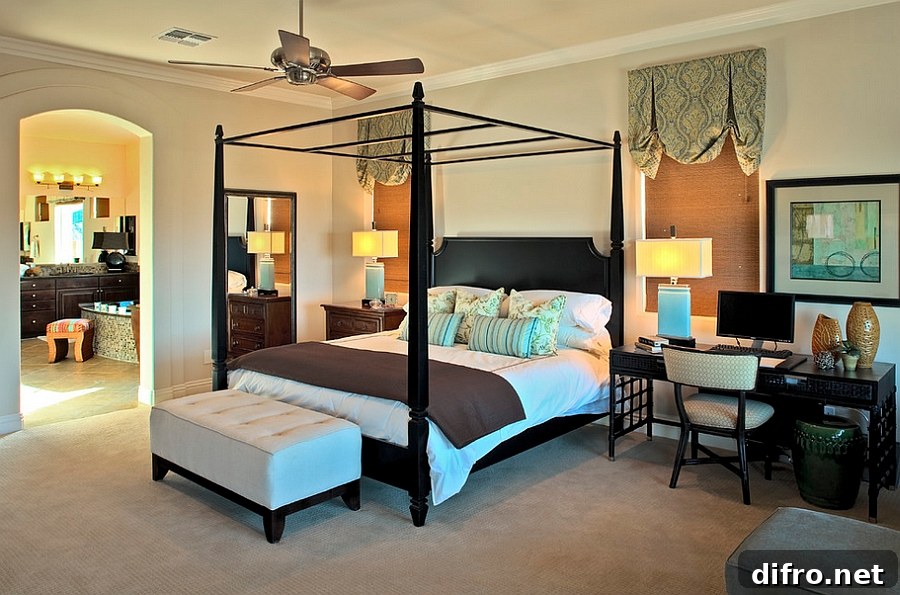
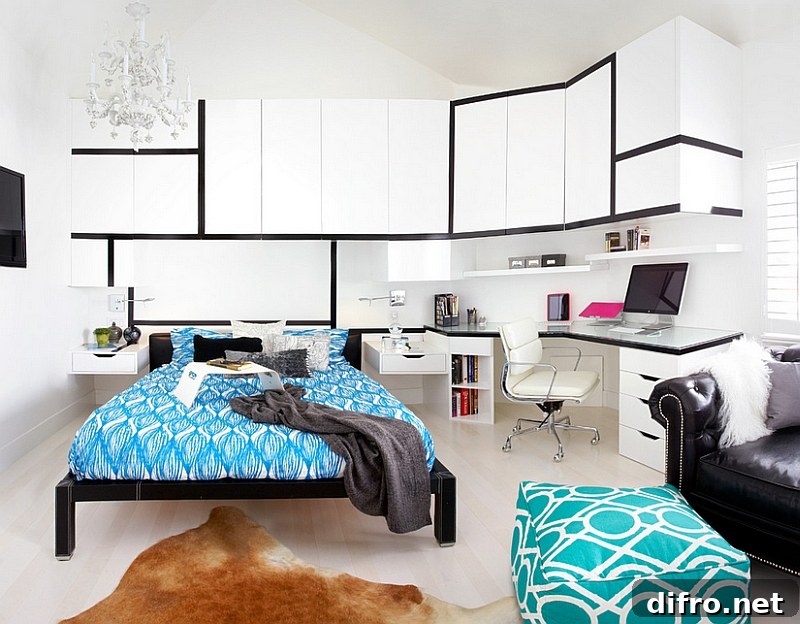
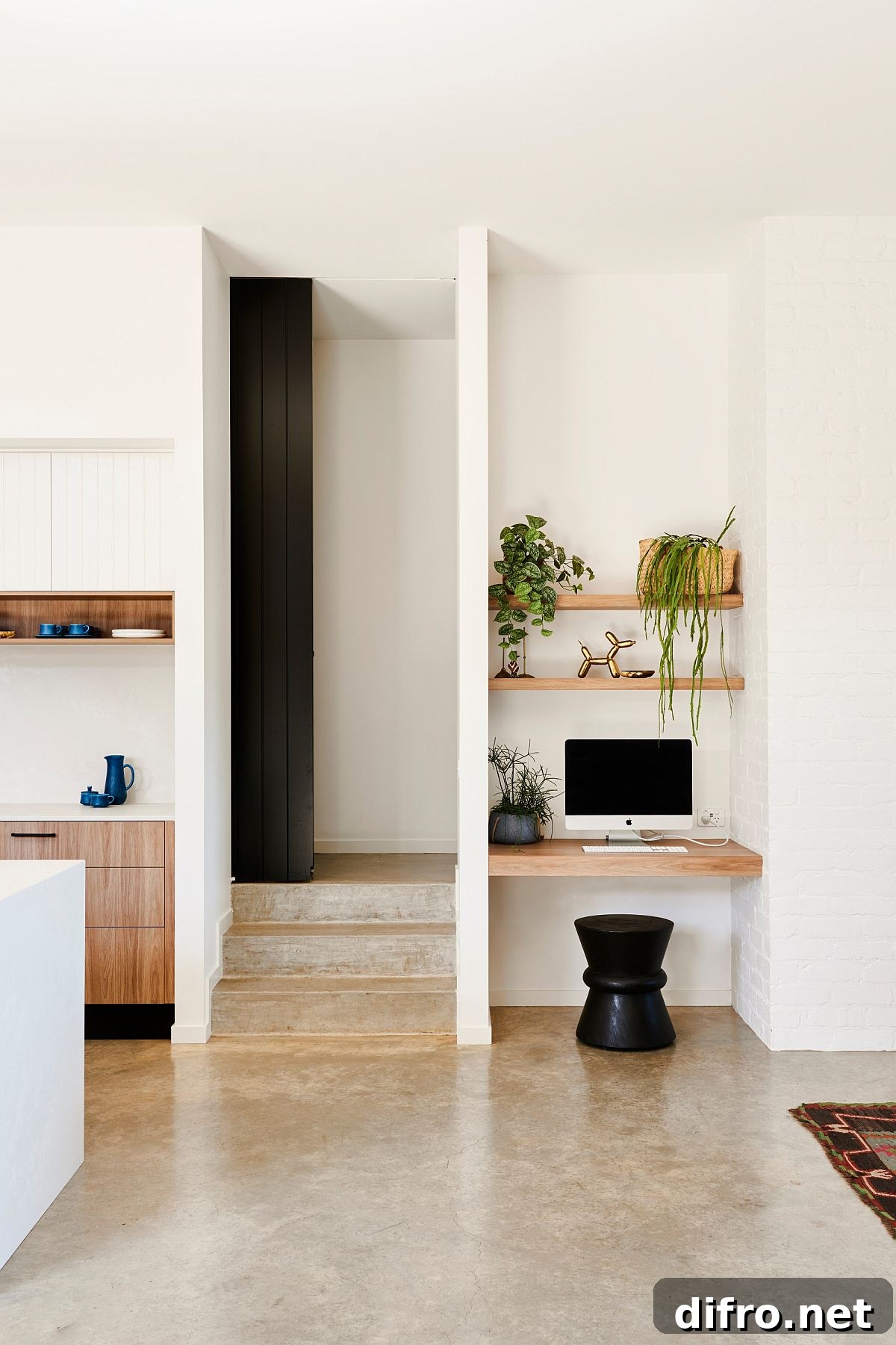
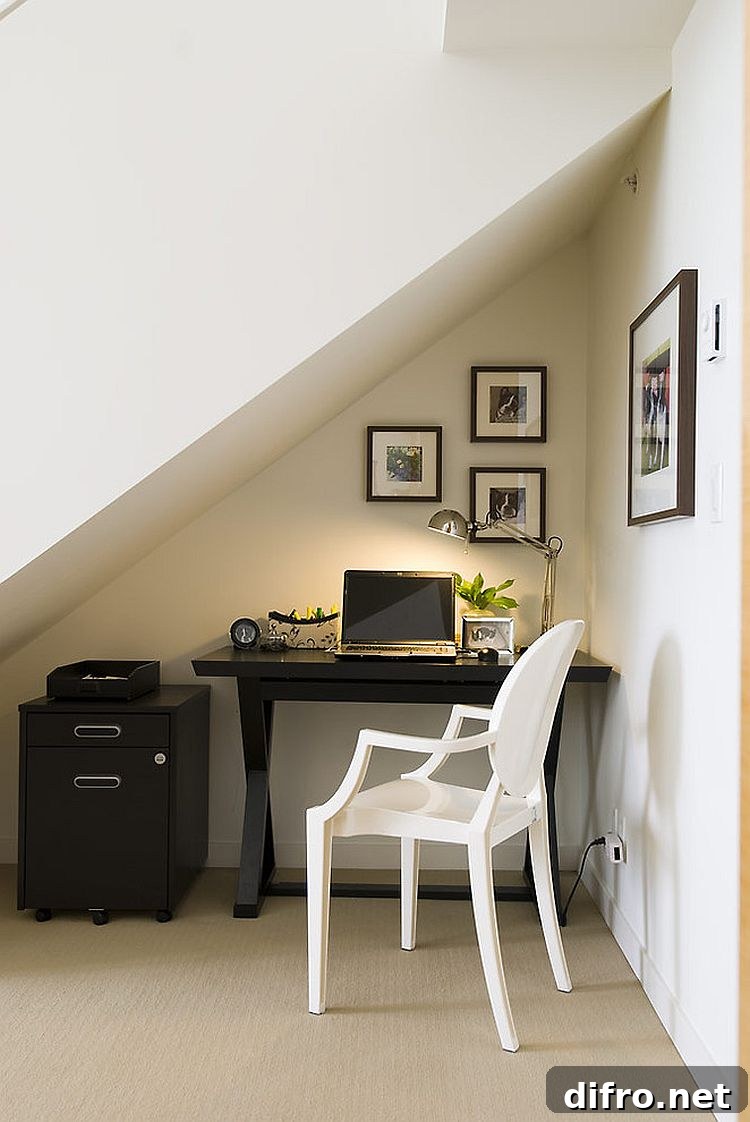
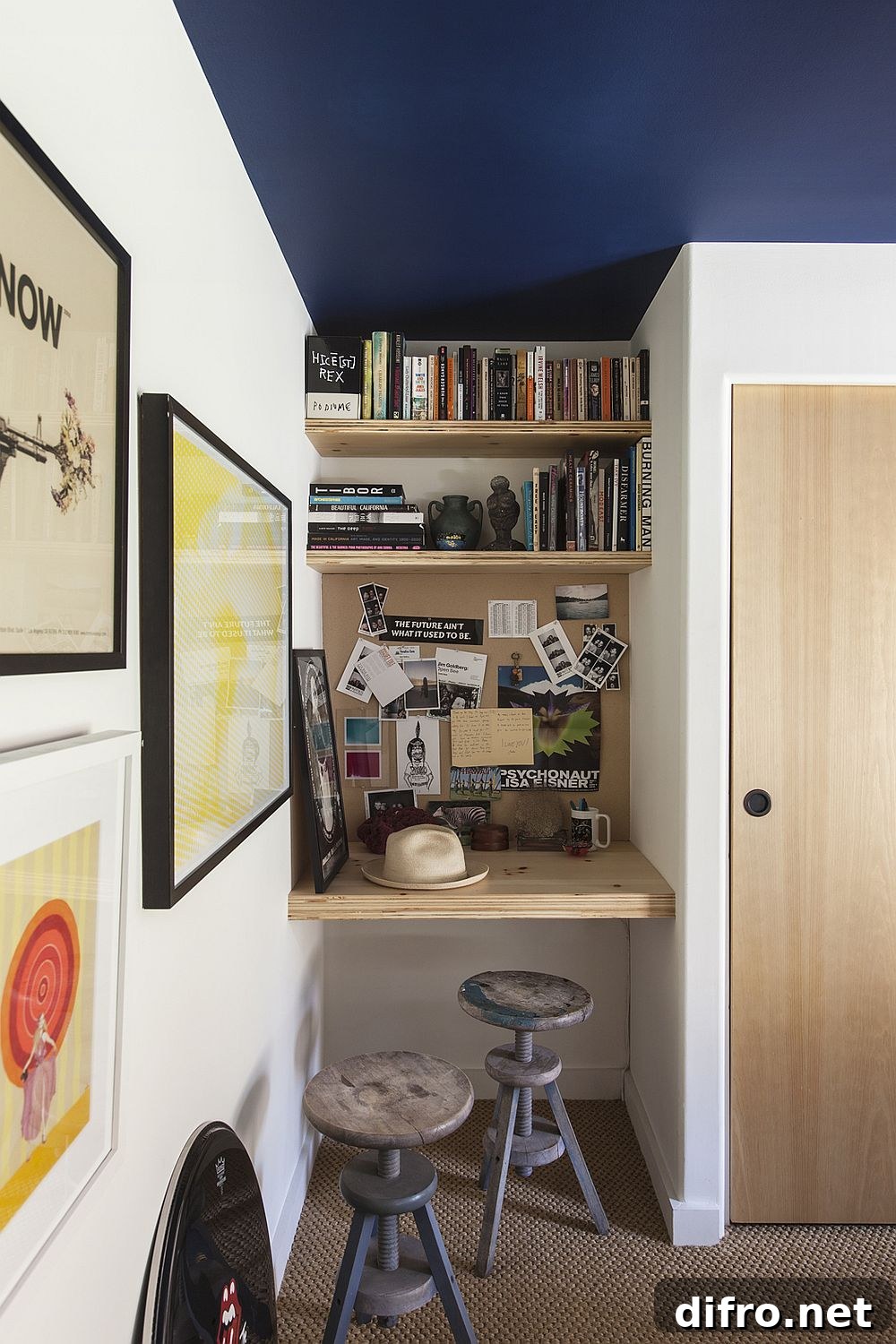
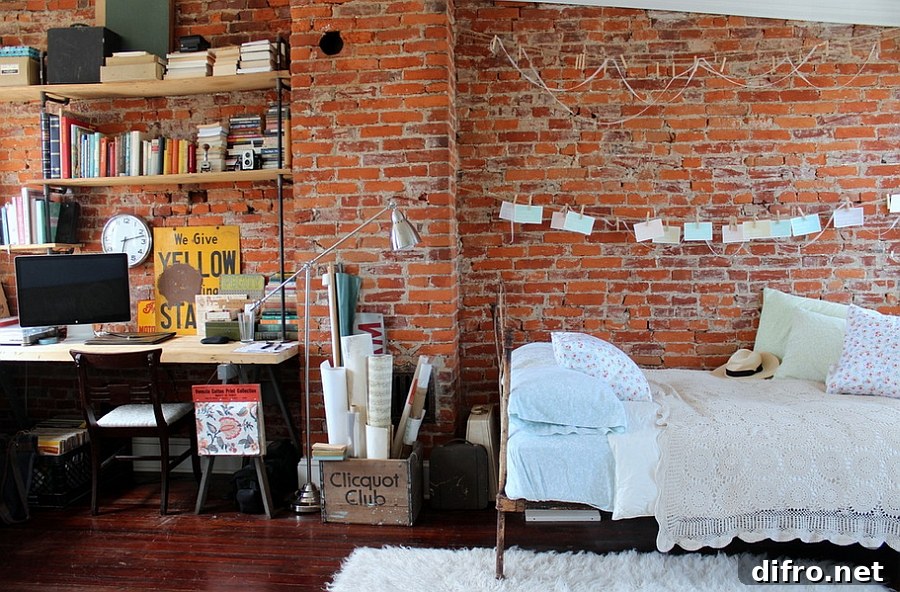
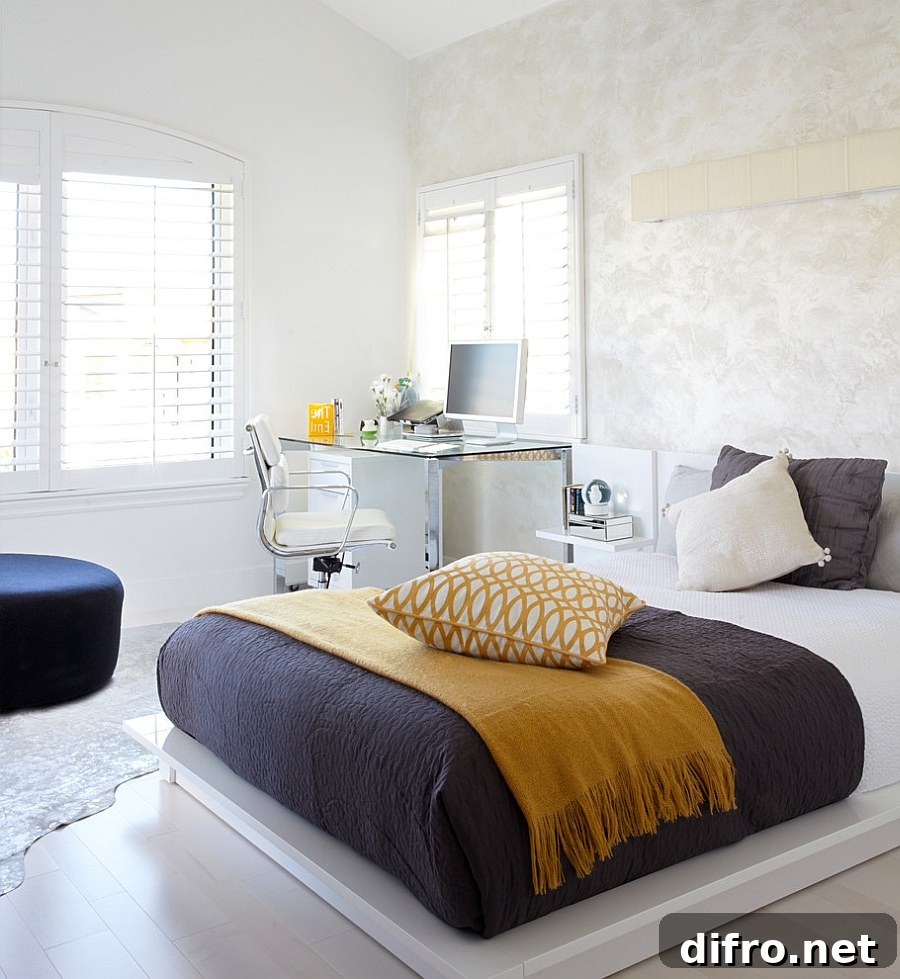
Look for unused pockets of space: a kitchen corner, a bedroom niche, or even under the stairs can become an effective home workspace. If you have children at home, place your workstation where you can keep an eye on them—kitchen islands and breakfast bars often work well. If you need privacy and quiet, a bedroom corner provides a calm niche for focused work.
Working with What You Have
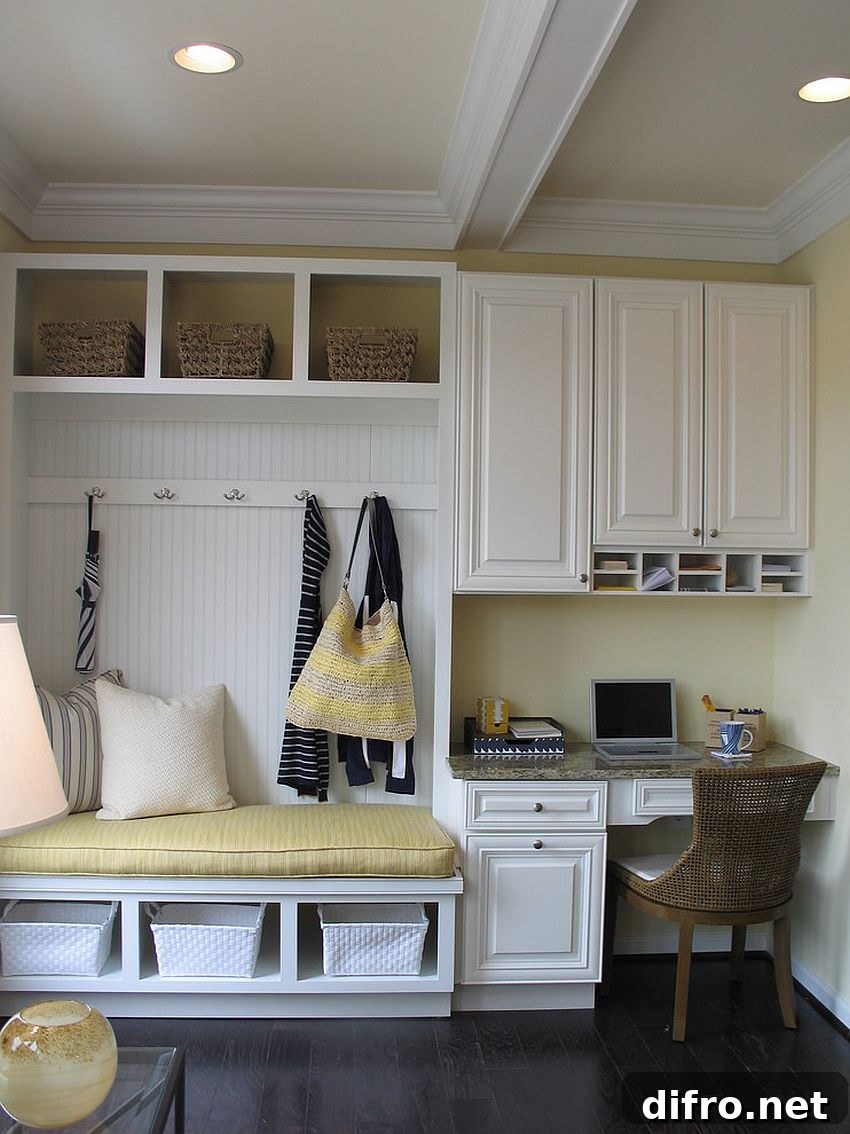
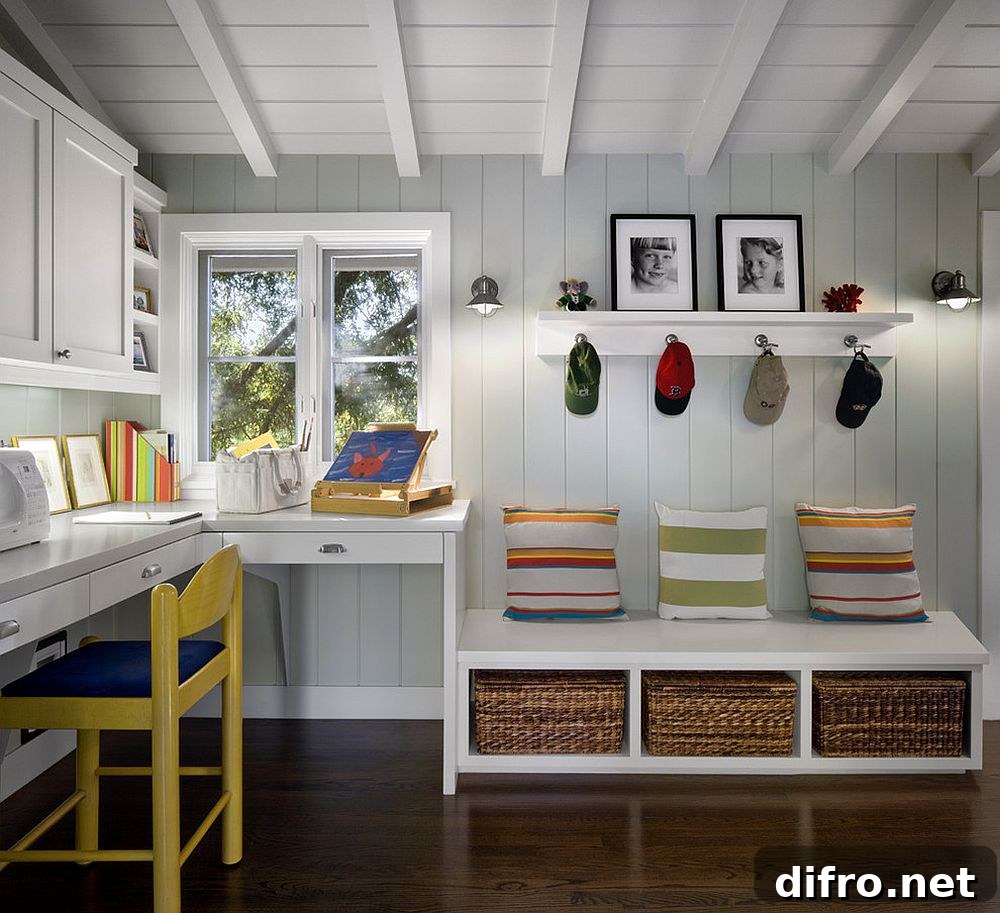
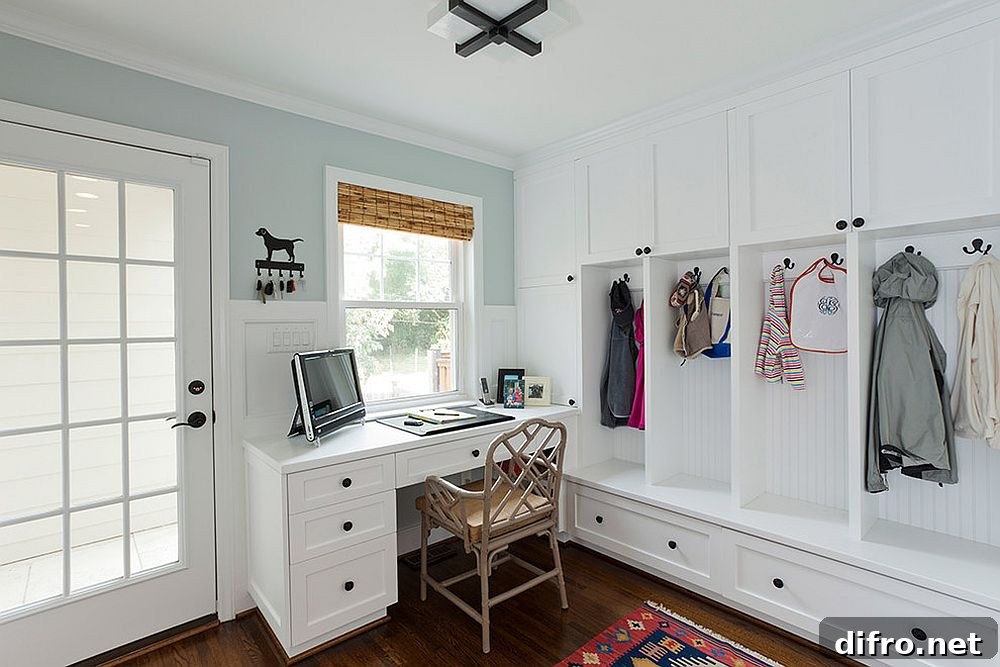
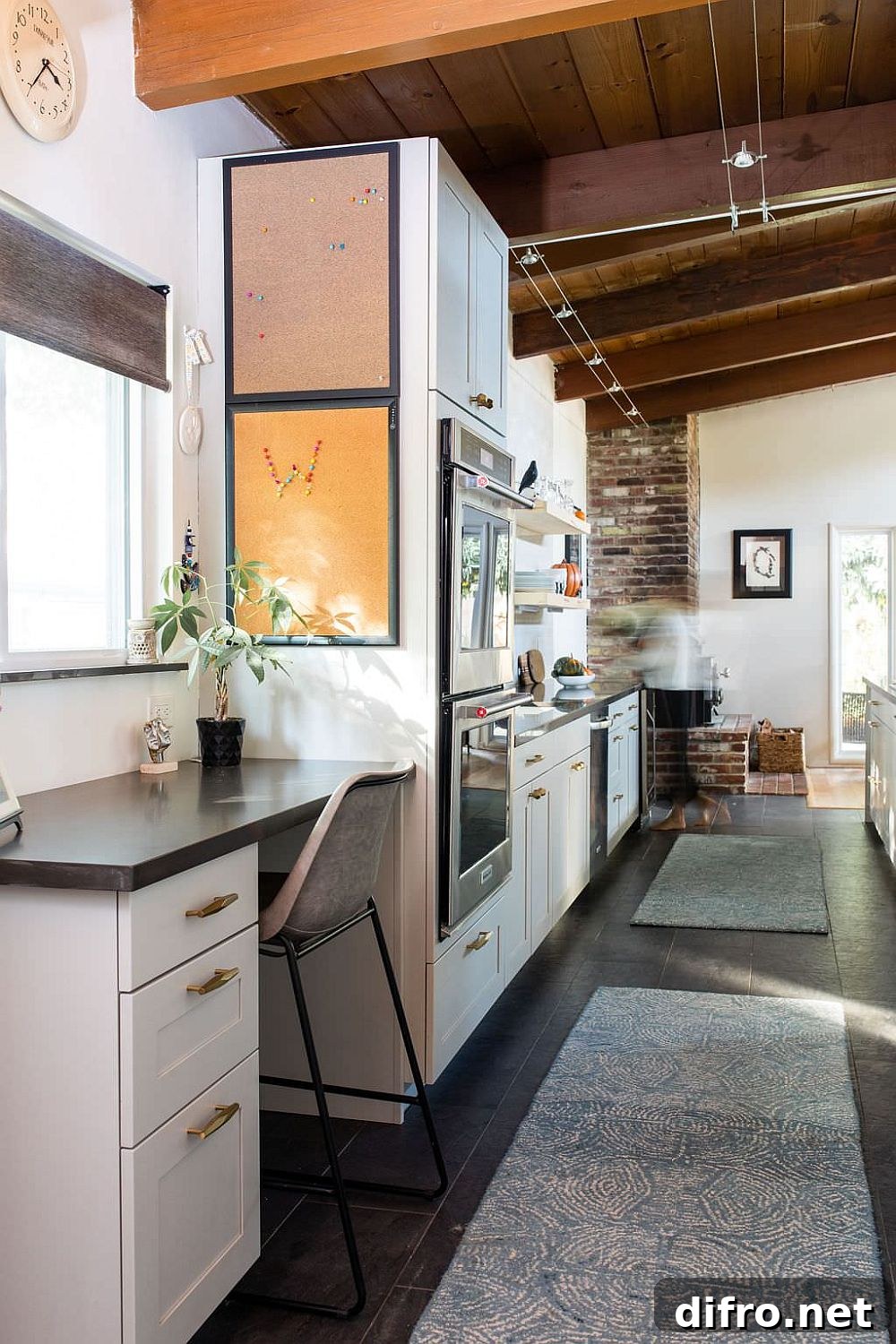
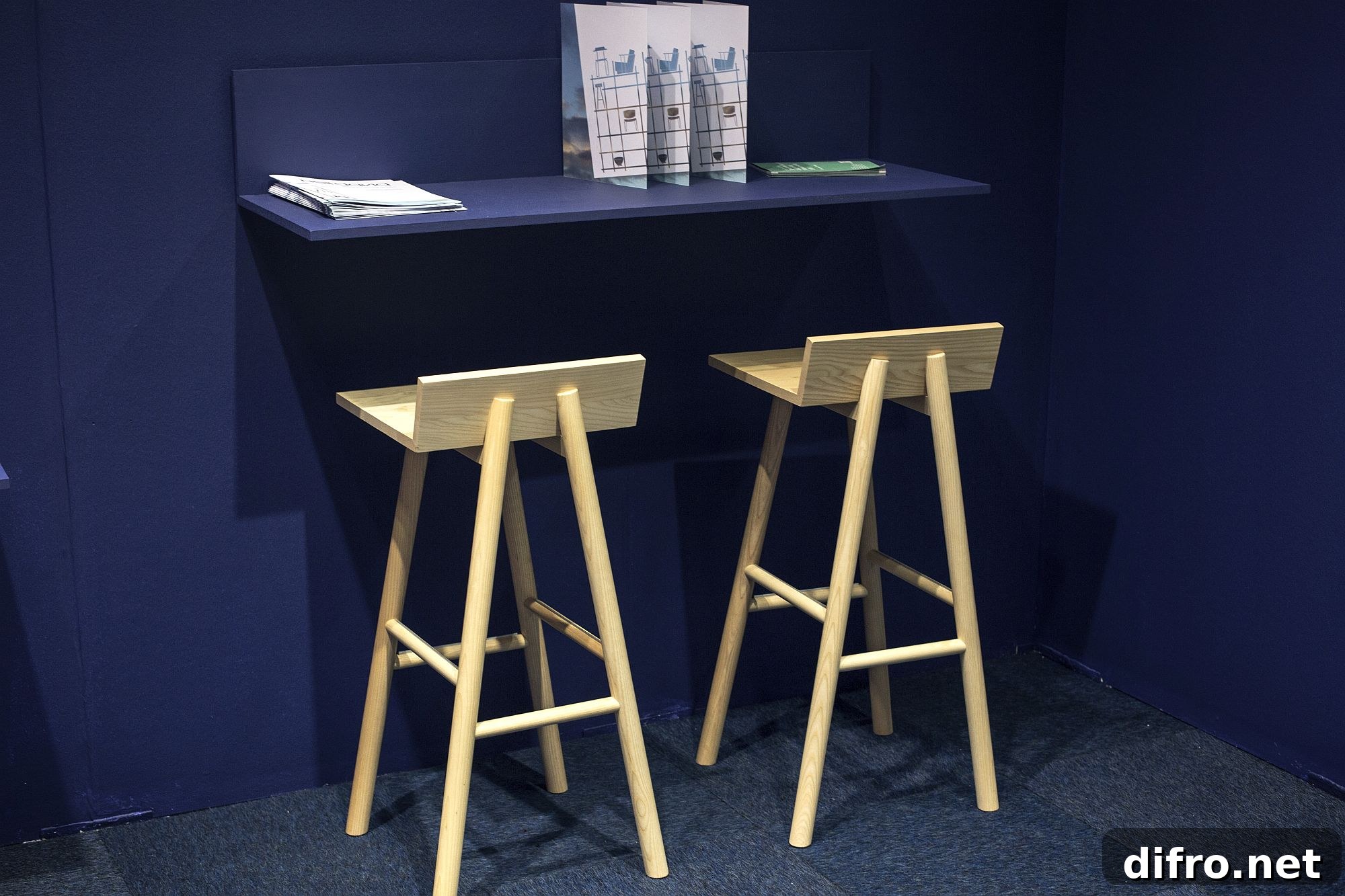
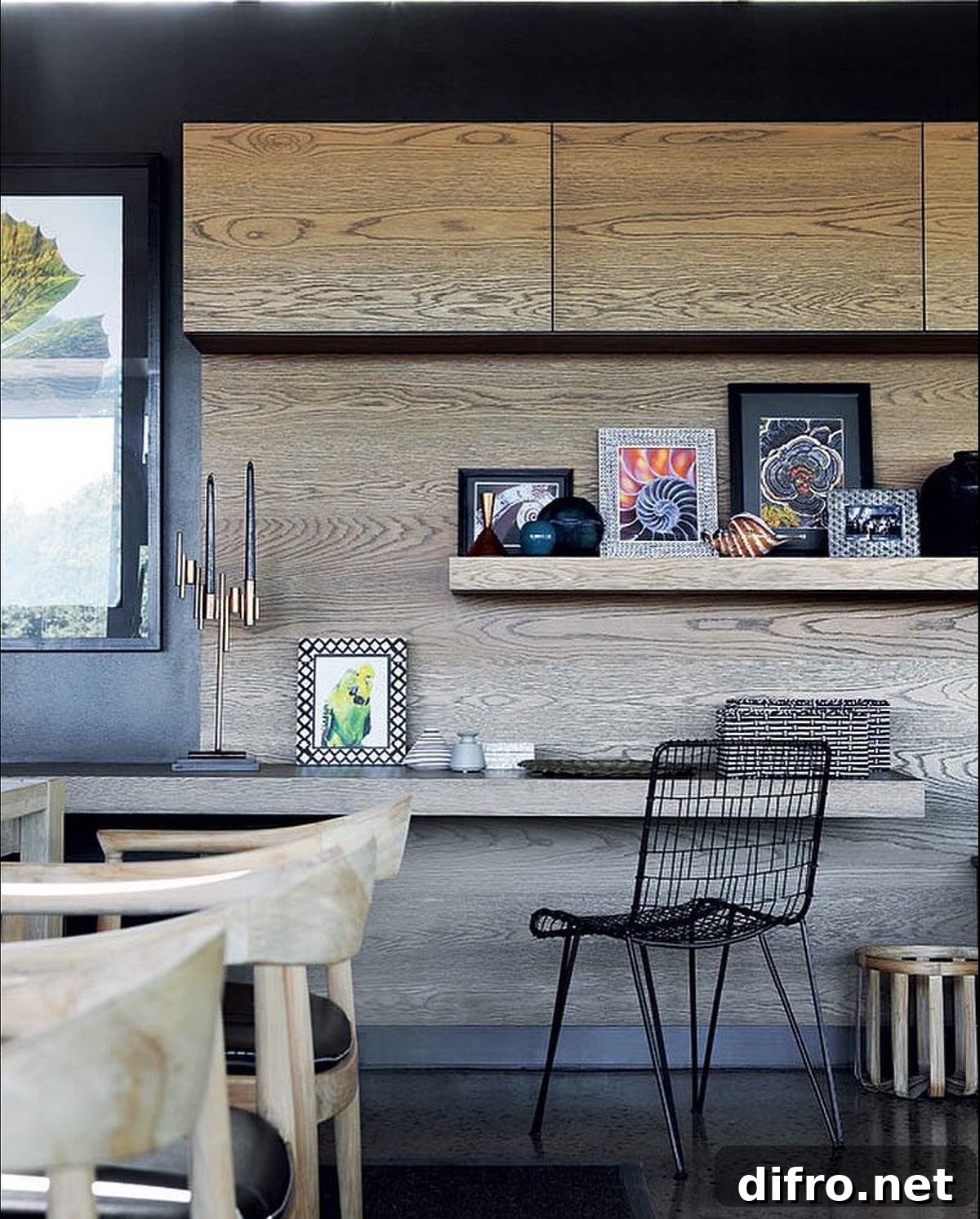
Popular makeshift workspaces include mudrooms, stairlandings and kitchen counters. If you can’t find an existing surface at the right height, a basic DIY solution—mounting a wooden plank as a desk—can create a durable workspace in a few hours. Avoid short-lived setups like stacked cardboard; invest in a stable surface and a comfortable chair. A bar stool at the breakfast bar or a properly adjusted nightstand can be surprisingly effective for daily work.
Small Home Workspaces
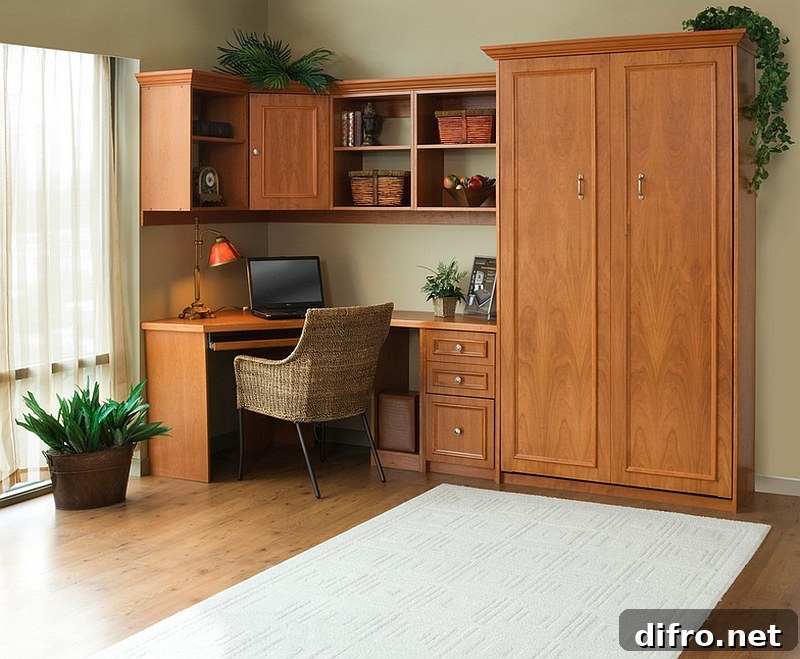
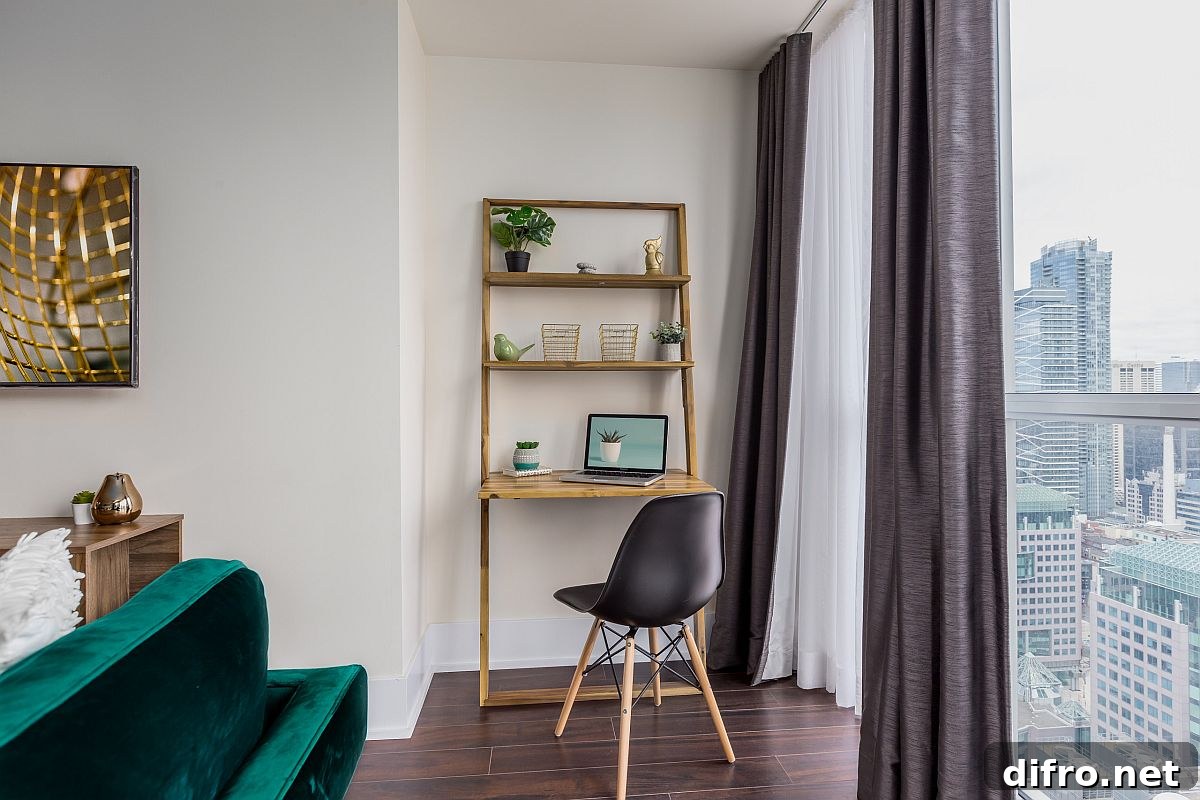
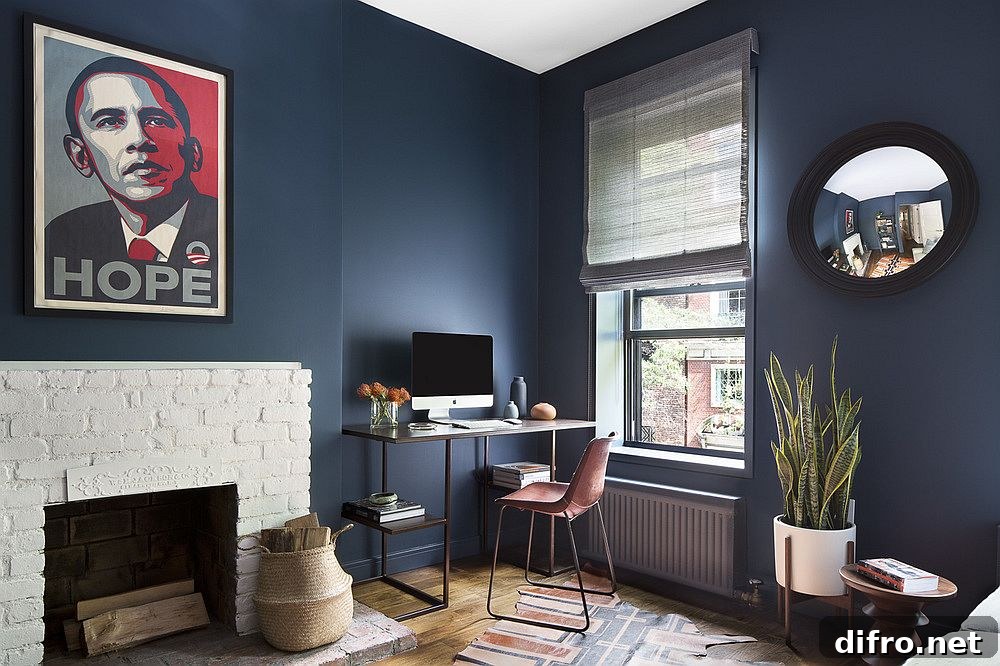
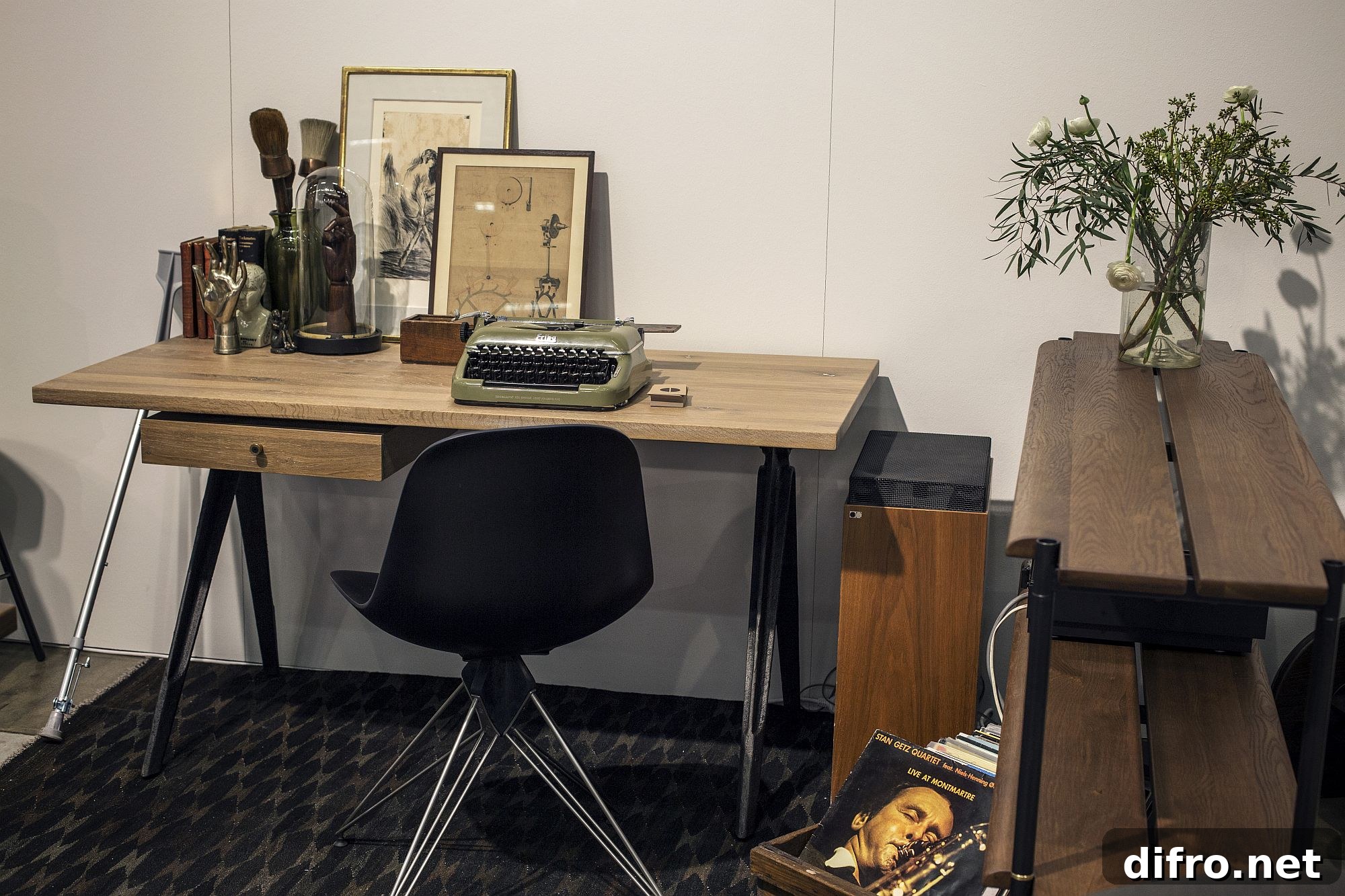
Your home workstation doesn’t need to be a separate room. A corner by a window provides natural light that reduces eye strain and improves mood. Small, well-designed workstations help you balance home life and work during this shift to remote work. Make a smart setup: prioritize ergonomics, good lighting and a clutter-free surface. A thoughtfully arranged workstation can make working from home more productive and less stressful, giving you a positive space during difficult times. Stay safe!