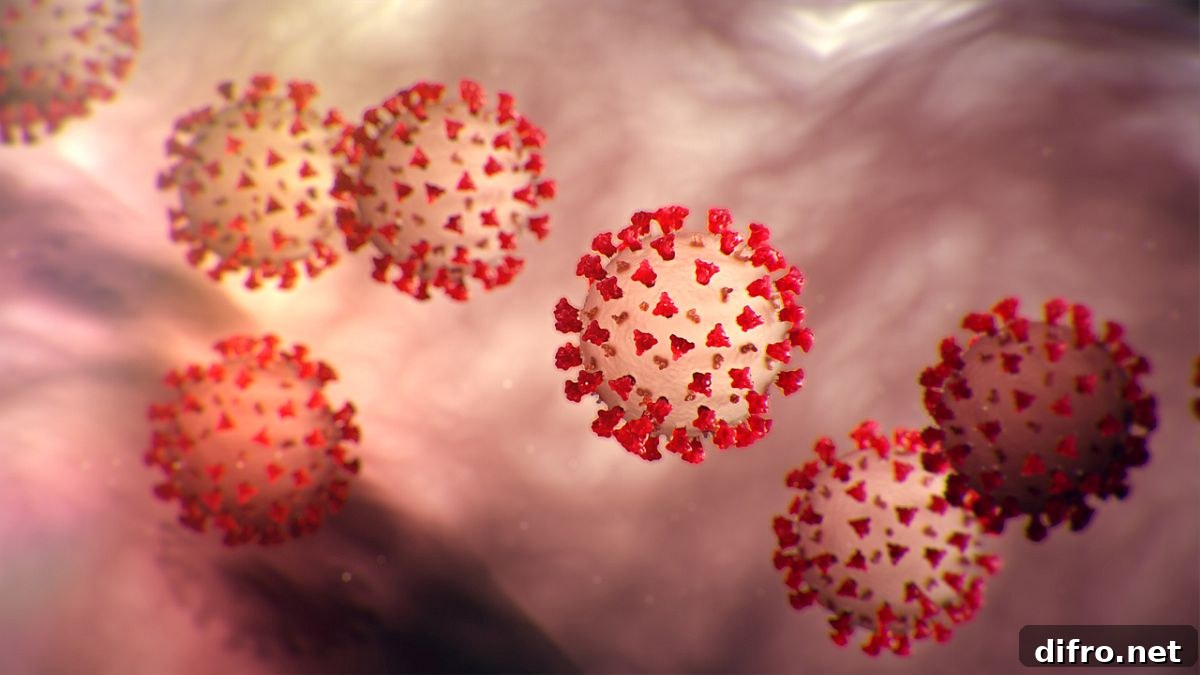
The coronavirus pandemic has become a global crisis, disrupting lives and communities around the world. With entire cities and countries imposing restrictions, almost everyone’s daily routine has been affected in one way or another. It would be a mistake to assume immunity to this airborne virus: recent weeks have made clear that the threat reaches across regions and demographics. For now, personal hygiene, regular cleaning of surfaces, and social distancing are the primary tools available to reduce the risk of infection while medical researchers continue work on longer-term solutions.
How long the virus can survive in air and on surfaces
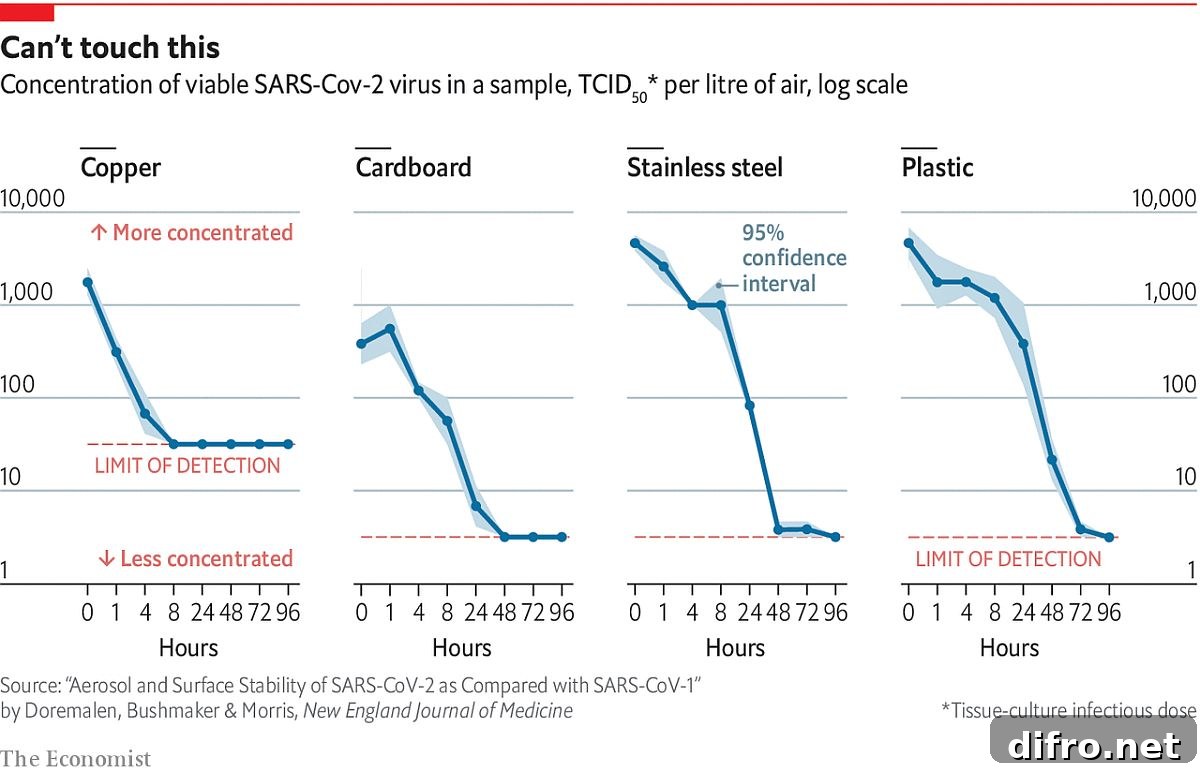
Scientific studies conducted over recent months have examined how long the virus can remain viable in airborne particles and on different materials. Preliminary data indicate that the virus can persist in aerosols for a range of times depending on environmental conditions, with some laboratory studies reporting detectable viability for tens of minutes to a few hours. On surfaces, survival times vary significantly by material: in controlled studies the virus has been detected on plastics and stainless steel for multiple days, on cardboard for about a day, and on copper for only a few hours. These findings highlight why caution around shared surfaces and public spaces is important.
Practical steps to reduce risk at home and in public
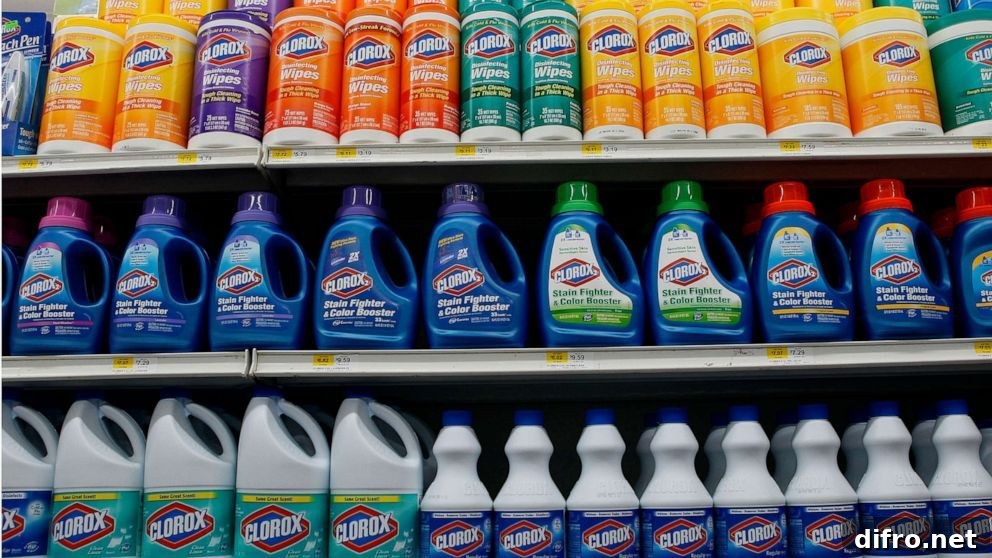
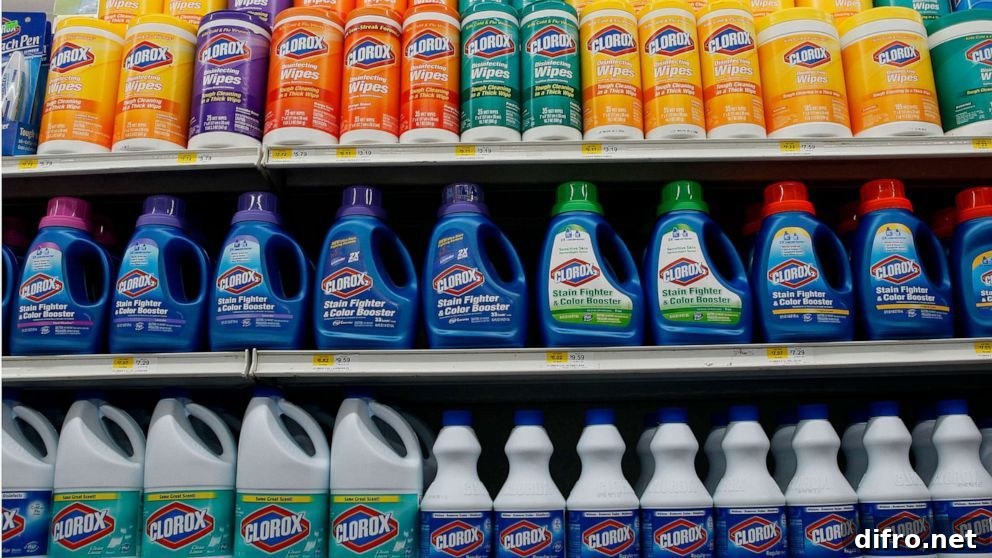
Understanding how long the virus can linger highlights a few simple, effective precautions to keep your household safer. Regularly cleaning and disinfecting frequently touched surfaces—door handles, countertops, light switches, phones, and tabletops—reduces the chance of transmission from contaminated objects. Common household disinfectants that contain active ingredients such as hydrogen peroxide, alcohol, or sodium hypochlorite are effective against many viruses when used according to the product instructions. Many public health authorities also maintain lists of approved disinfectant products and usage guidelines to help consumers choose the right cleaners.
In addition to surface cleaning, these everyday measures help reduce transmission:
- Wash your hands frequently with soap and water for at least 20 seconds, especially after returning home, after coughing or sneezing, and before preparing or eating food. When soap and water are not available, use an alcohol-based hand sanitizer.
- Avoid touching your face—mouth, nose and eyes—unless your hands are clean.
- Maintain physical distance from people outside your household and follow local guidance on gatherings and masks in public spaces.
- Regularly clean high-touch items like phones, keyboards, and remote controls with appropriate disinfectant wipes or solutions.
- When receiving packages or groceries, consider placing items on a clean surface and washing hands after handling them; if you choose to wipe down packaging, follow product instructions and ensure proper ventilation while cleaning.
- Keep indoor spaces well ventilated where possible, and follow any workplace or public health recommendations for hygiene and distancing.
These measures, taken together, form a practical approach to lowering risk: disinfect surfaces, practice consistent hand hygiene, and maintain social distance. While research into vaccines and treatments continues, these everyday actions are the most reliable defenses available for individuals and families.
We hope this information helps you make informed, practical choices for keeping your home and loved ones safer. By staying vigilant, following public health guidance, and using trusted cleaning methods, we can all contribute to slowing the spread and protecting our communities.