Ombre—originally a hair-coloring trend from the early 2000s—didn’t make a major impact on interior design until after 2010. When ombre design arrived, it unlocked an entire world of gradient-inspired ideas and products. From painted accent walls that shift from light to dark shades of the same hue to textiles with a dip-dyed appearance, the versatility of ombre continues to inspire designers and homeowners alike. While it may not dominate headlines every season, gradients remain a timeless design device. Below are favorite ombre products and ideas for rooms of any size, from dramatic wallpaper to subtle accessories. [image/wallpaper below from MuralsWallpaper]
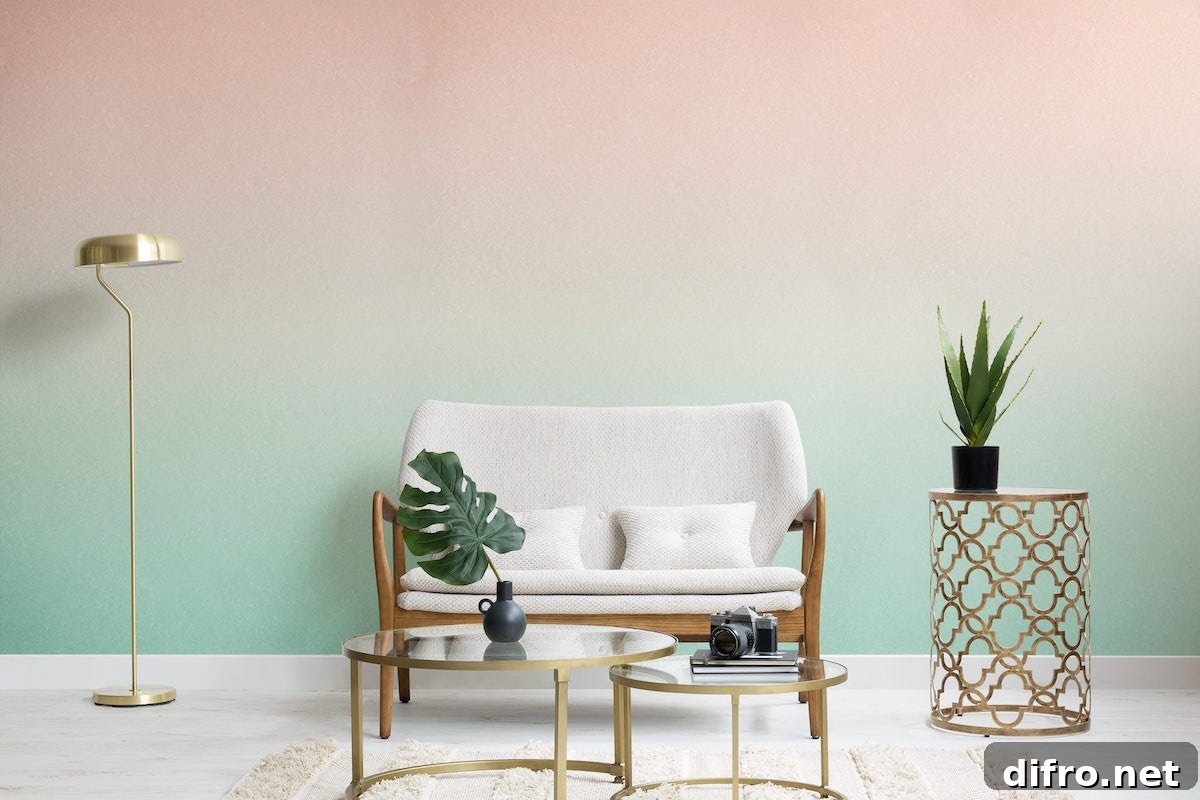
Ombre Backdrops
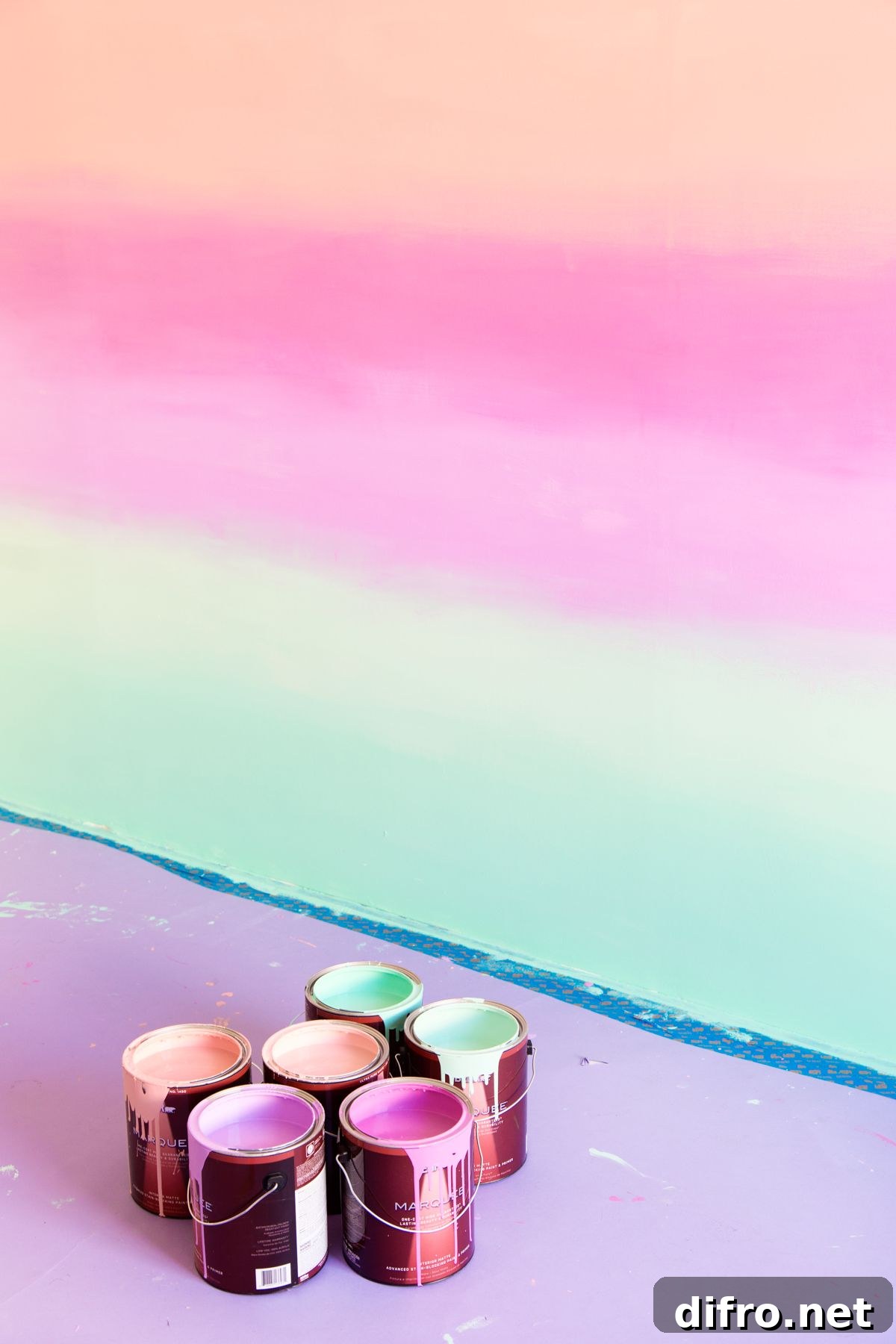
At the height of the movement, designers, retailers and bloggers eagerly embraced ombre across interiors. Tutorials for ombre accent walls range from sharply defined bands of color to softer, dreamlike blends—perfect for bedrooms, living rooms, and nurseries. A candy-colored wall, for example, can transform a space into an uplifting focal point while a more muted ombre can add depth without overwhelming the room.
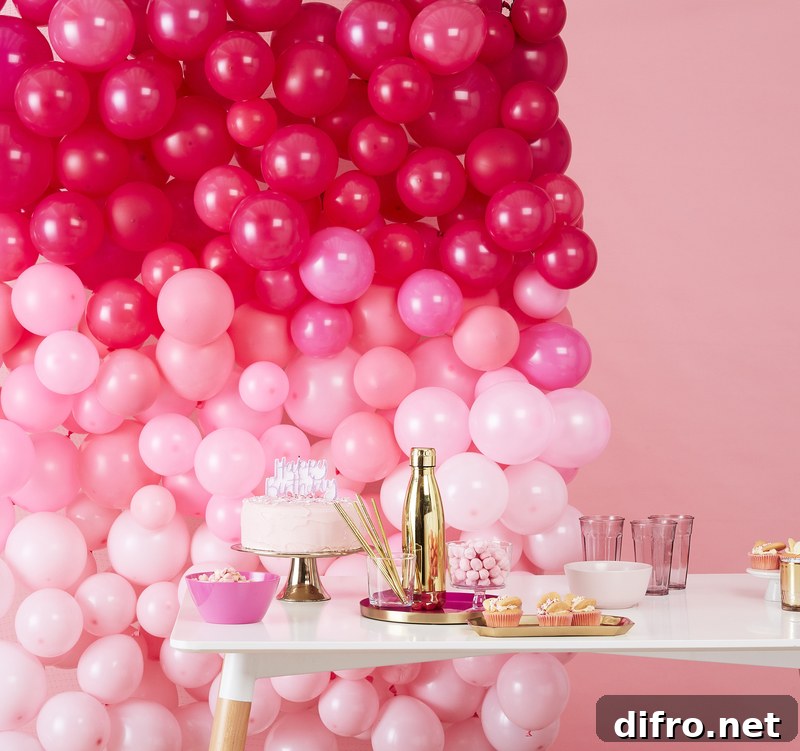
If a full wall feels like too much, try an ombre backdrop for special events. A balloon wall kit in graduated shades adds instant drama to party photos and tablescapes without the commitment of paint. Small DIY installations can be a playful way to experiment with color transitions before applying them permanently.
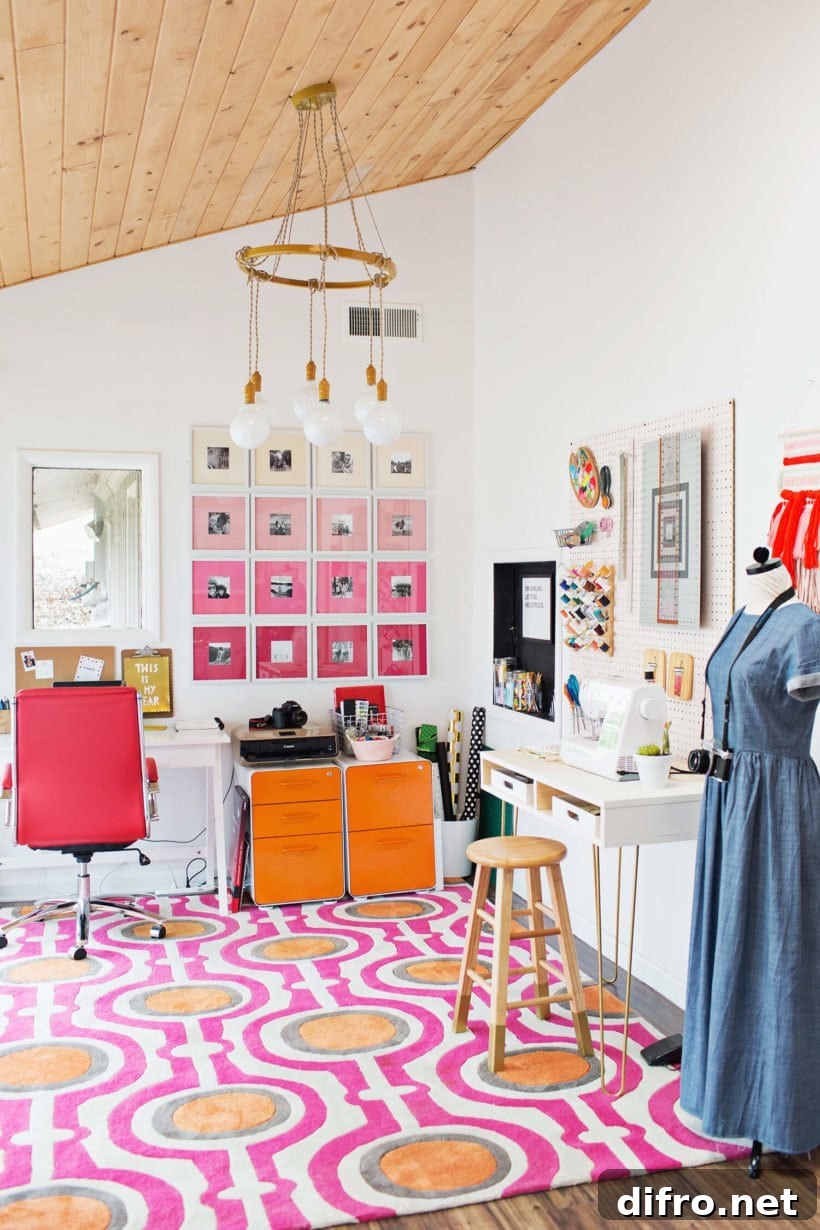
An ombre gallery wall is another flexible option that works in both compact apartments and rooms with soaring ceilings. Arrange framed photos or art prints so the matting or background tones gradually darken across rows—this creates a cohesive gradient while showcasing meaningful imagery. The scale of the grouping can be tailored to your wall size, making it a great way to introduce ombre without repainting.
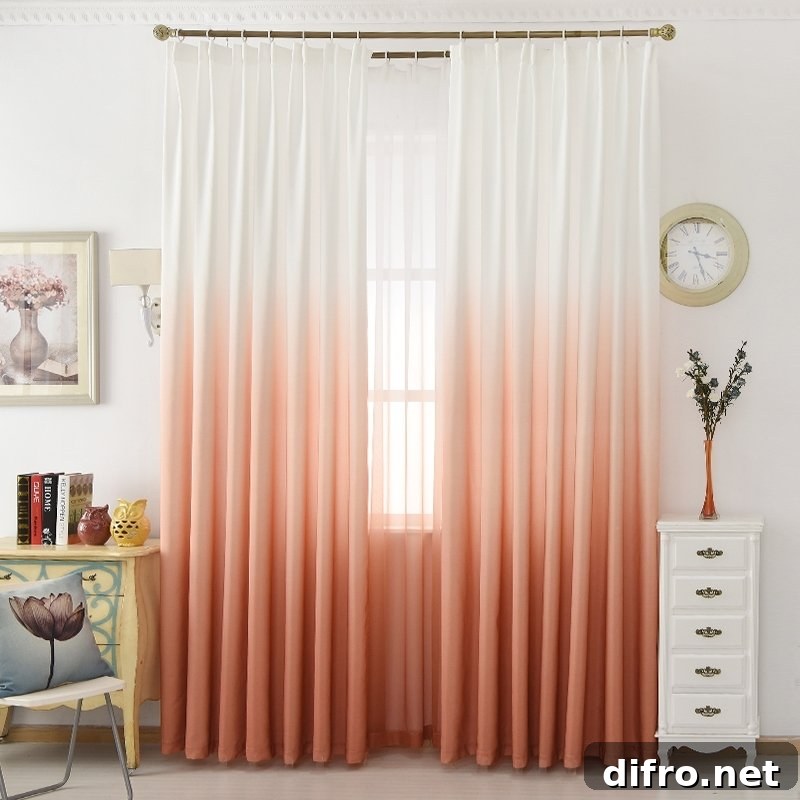
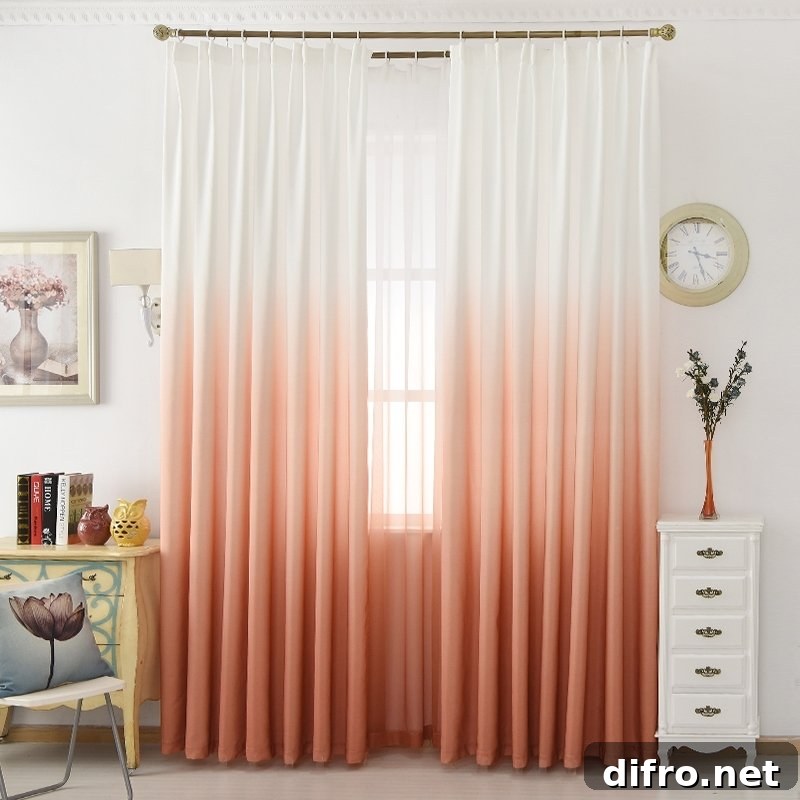
Ombre textiles—curtains in particular—offer an easy visual update. Curtains that fade from soft white to peachy coral or blush provide movement and color without overpowering the room. When left open or closed, ombre drapery maintains that elegant gradient effect while framing windows beautifully.
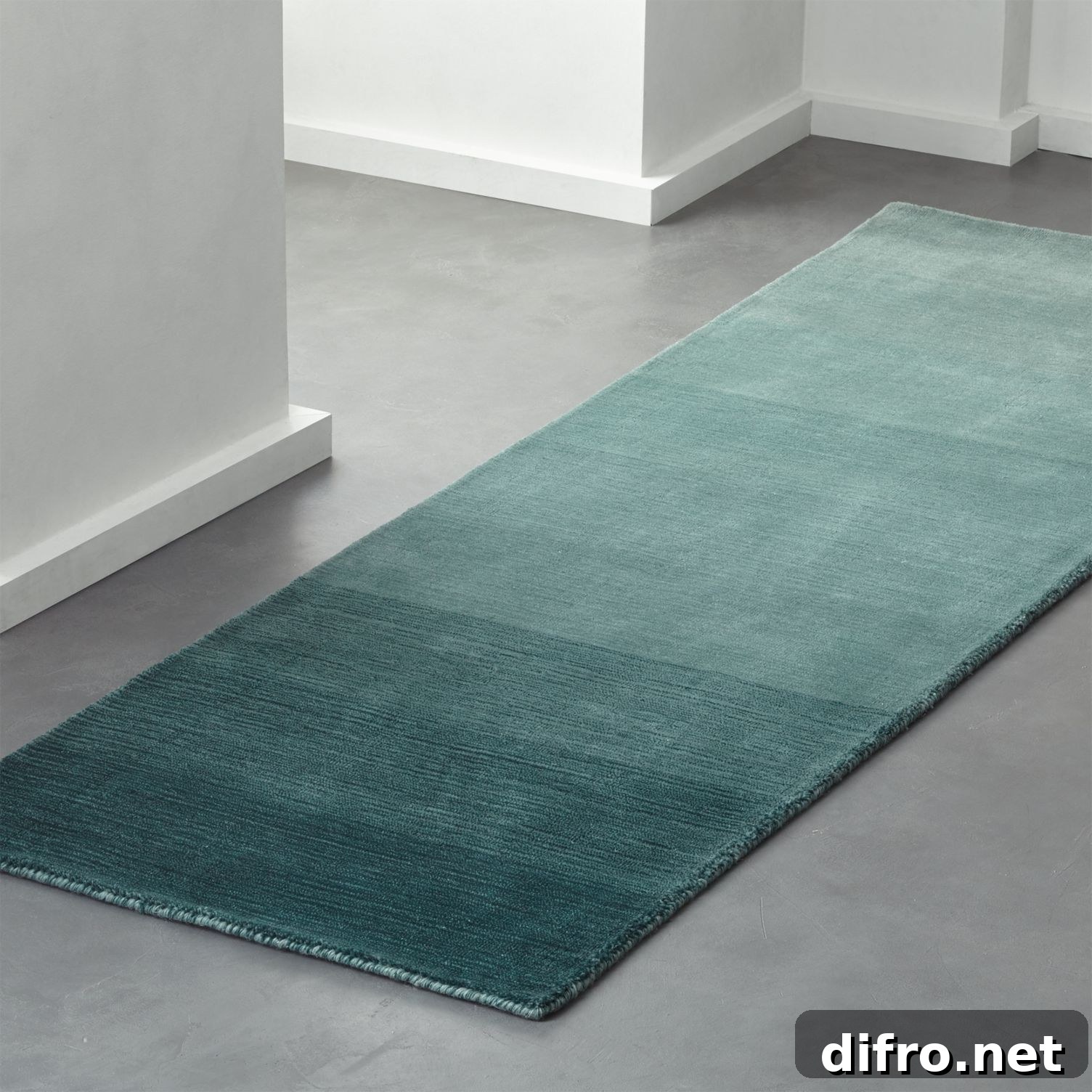
Floor coverings are another elegant way to introduce ombre. A hand-loomed runner in soothing teal tones, for example, can anchor a hallway or living area with a subtle gradient that reads as both modern and serene. Rugs translate ombre into a functional, tactile element that complements cabinetry, paint, and upholstery.
Small Statements
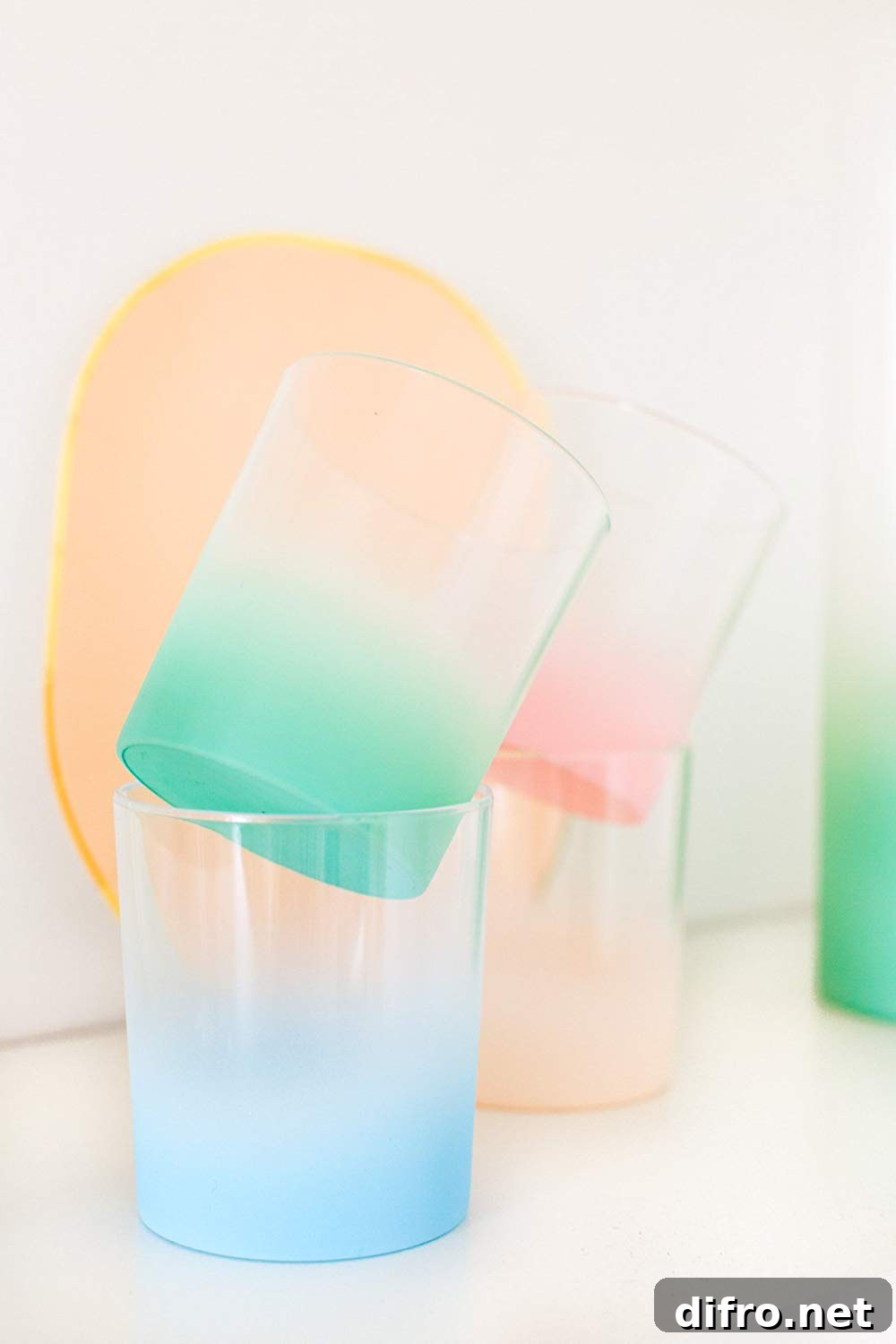
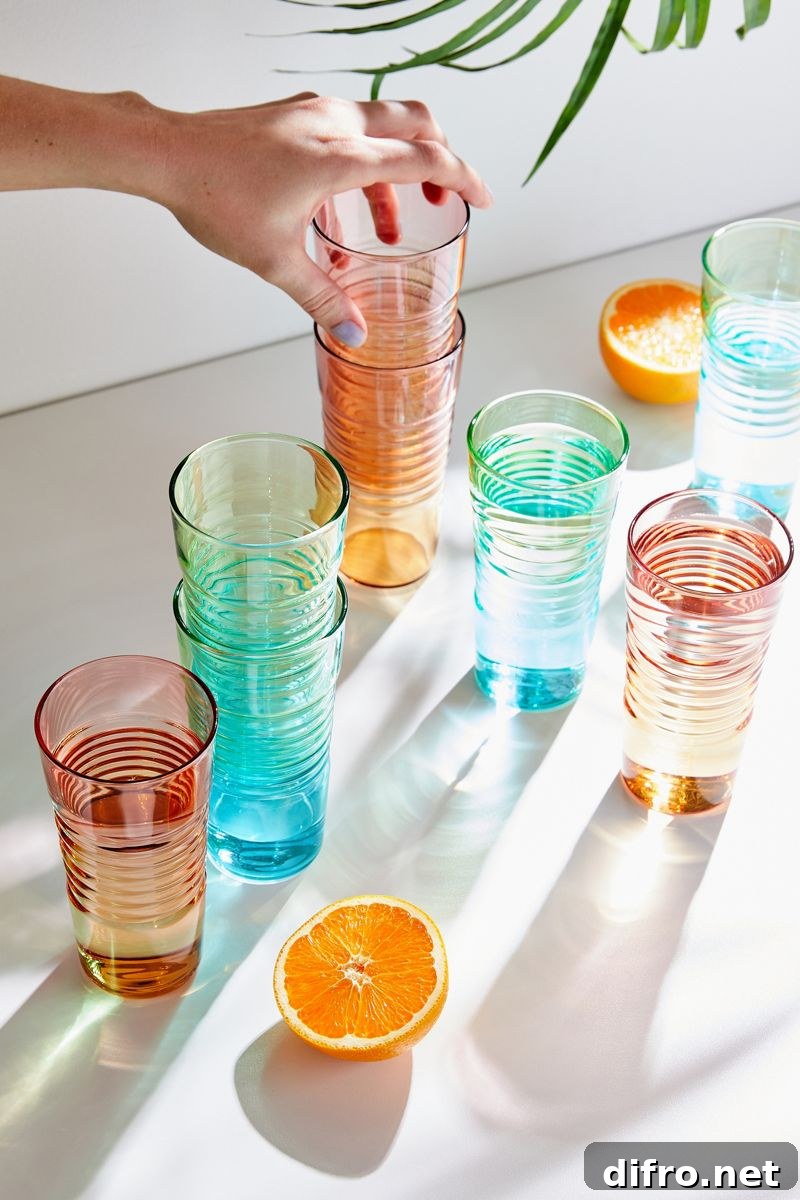
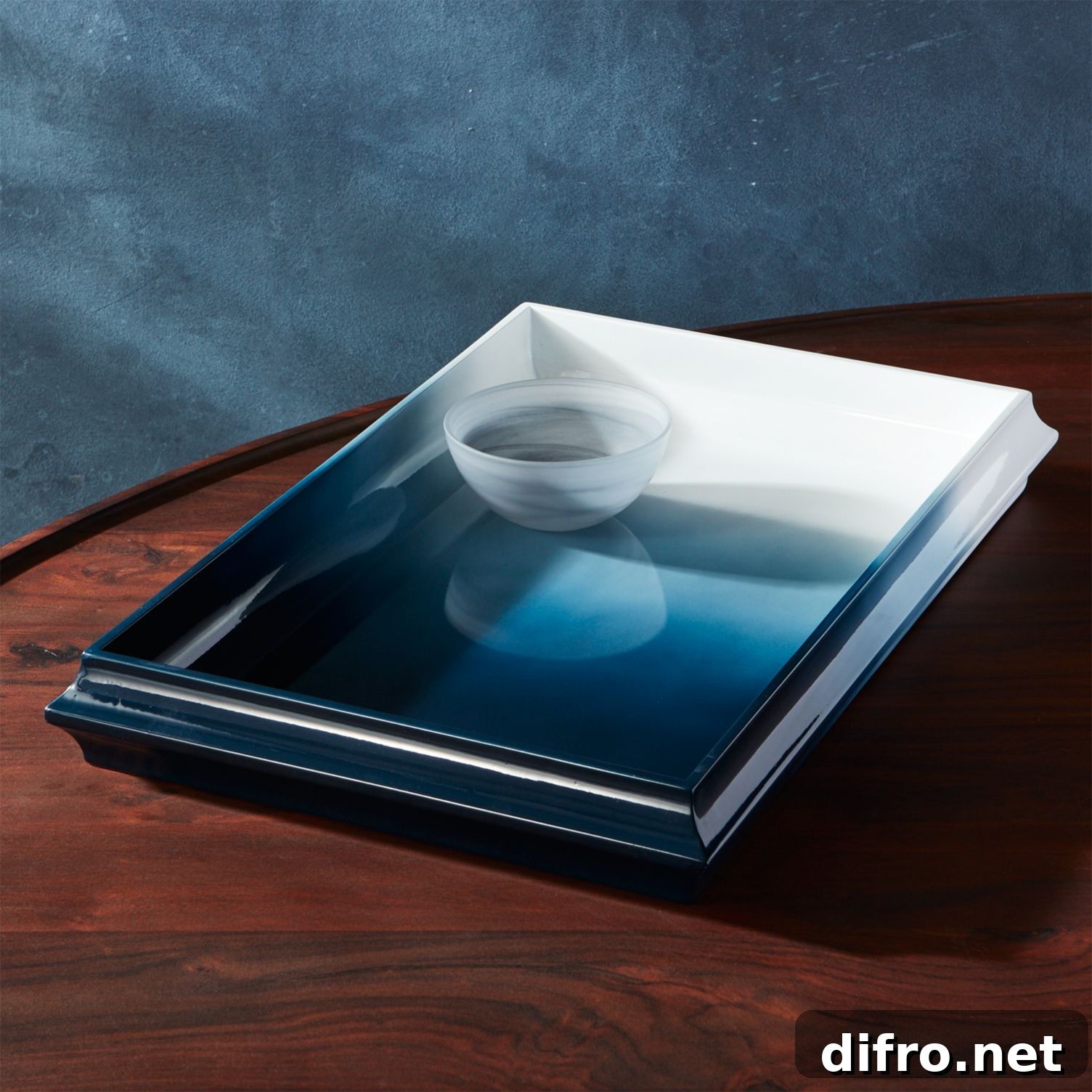
Ombre doesn’t require large-scale commitment. Small objects—cups, glasses, trays, and decorative accents—can deliver a concentrated dose of gradient style. These pieces are ideal for renters, those with limited space, or anyone who prefers subtle touches.
Color-washed drinkware, for instance, brightens a tabletop and stores neatly in a cabinet when not in use. Ridged milk glasses and ombre tumblers bring texture and color to everyday settings, while lacquer trays in graduated blues or indigo serve as elegant catch-alls on coffee tables or consoles. These accessories work alone or layered, and they’re an easy way to test an ombre palette in your home.
Ombre Goes Earthy
The next evolution of ombre moves away from purely vibrant palettes and introduces natural textures and muted, earthy tones. Woven baskets that fade from light to darker fibers, stoneware mugs with creamy transitions, and furniture with lacquered metallic gradients are helping ombre feel grounded and sophisticated.
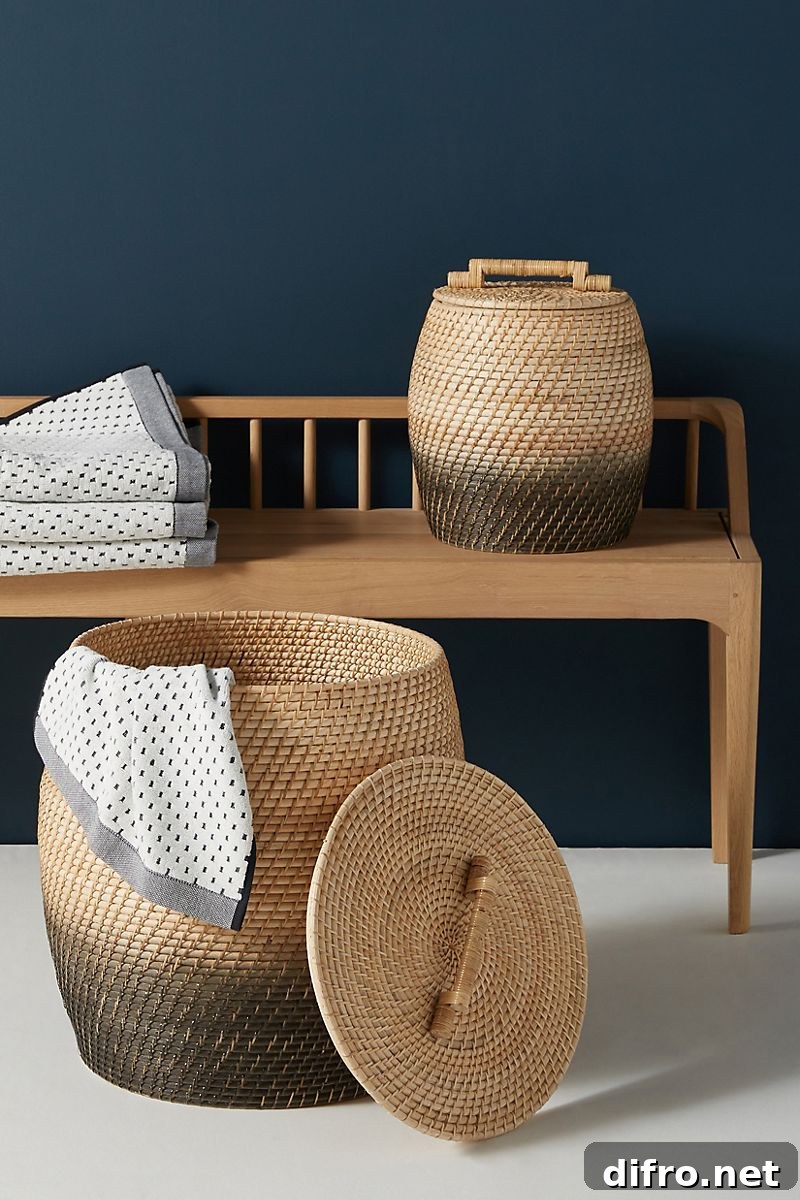
Today, “ombre” can describe a range of effects: a dip-dyed look that appears as if an object was dipped into color, a subtle fade that appears and recedes, or textured transitions that rely on material rather than pigment. The technique adapts to many materials—woven fibers, ceramics, metal finishes and lacquer—so designers are finding fresh, tactile ways to interpret gradients.
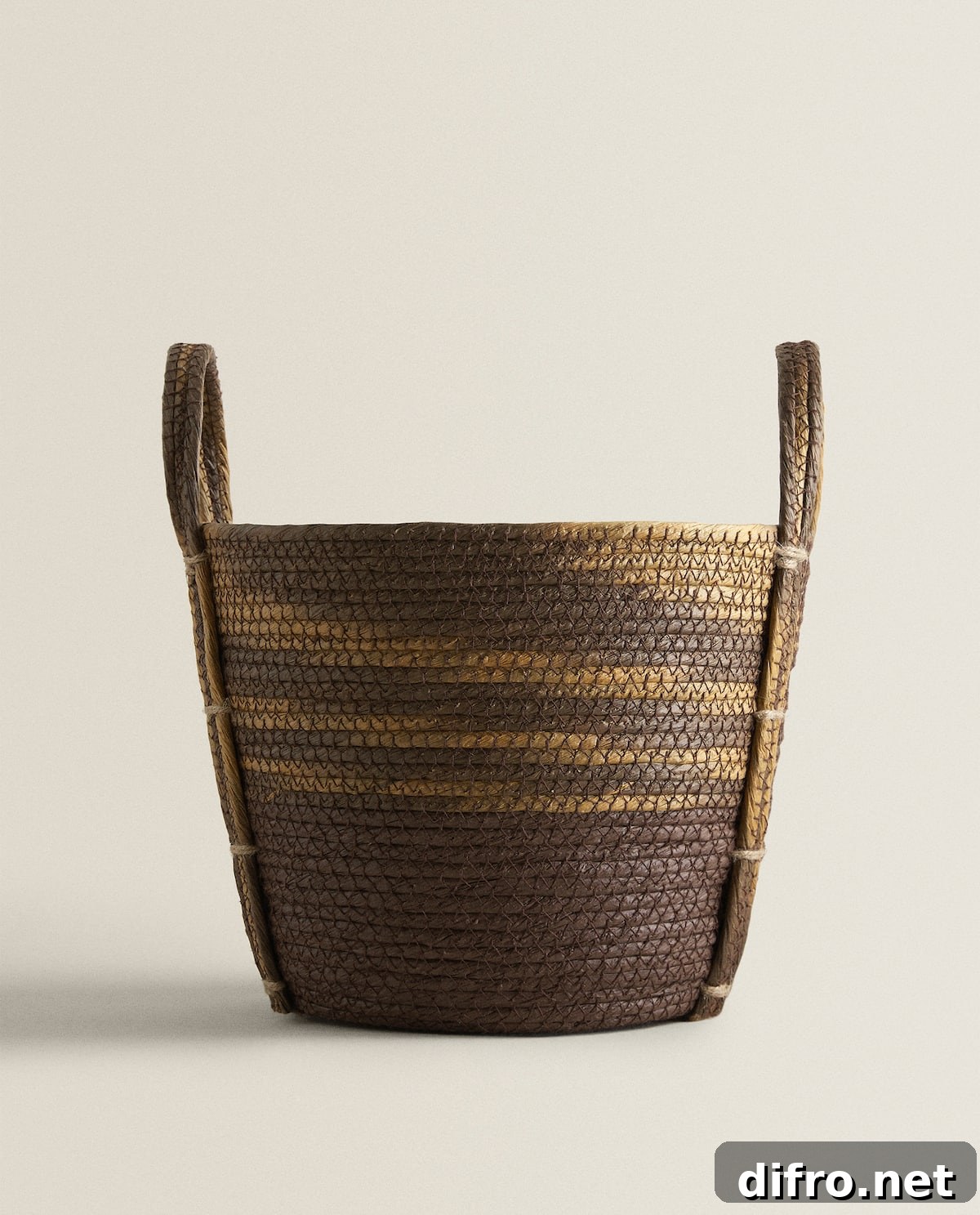
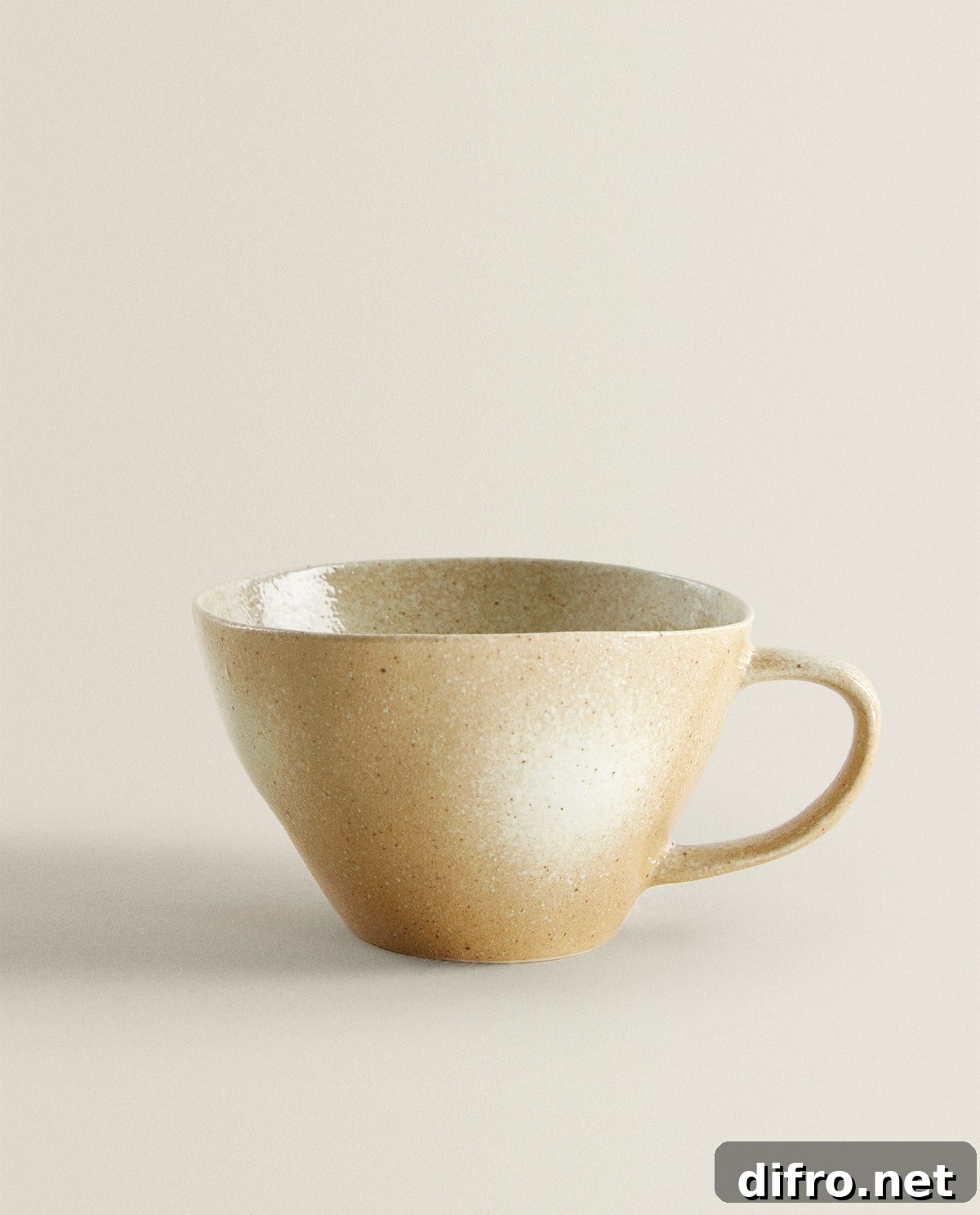
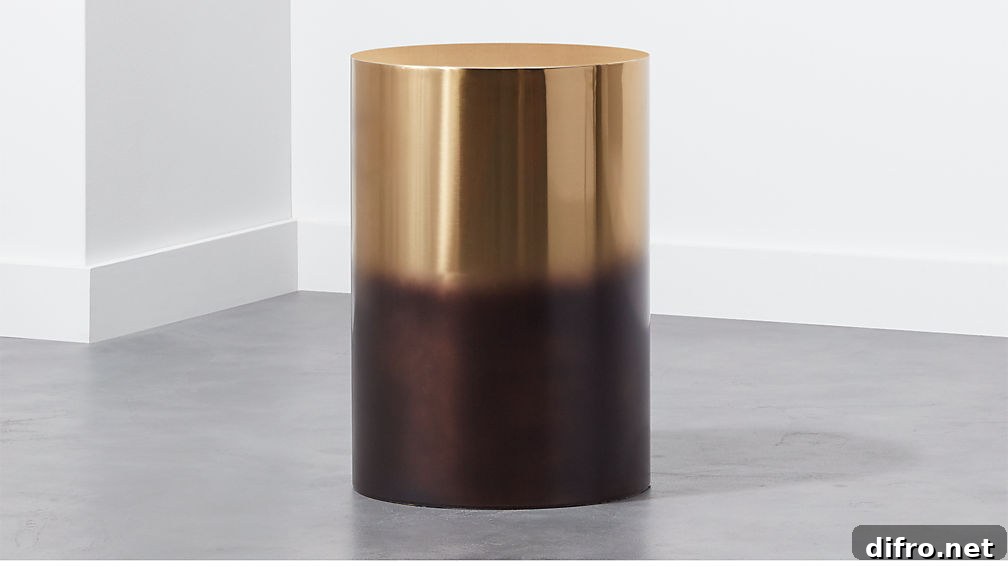
Earthy ombre pieces can read as understated or glamorous depending on finish and materials. A dark-to-metallic side table, for example, blends matte and sheen to create drama without relying on bright color. Similarly, natural-fiber baskets and stoneware mugs bring warmth and tactility to modern interiors.
Ombre design continues to evolve—moving from playful, candy-colored gradients to refined, texture-driven interpretations. Whether you prefer bold walls, subtle textiles, or small accessories, ombre remains a flexible and compelling way to add depth, movement, and color to your home.