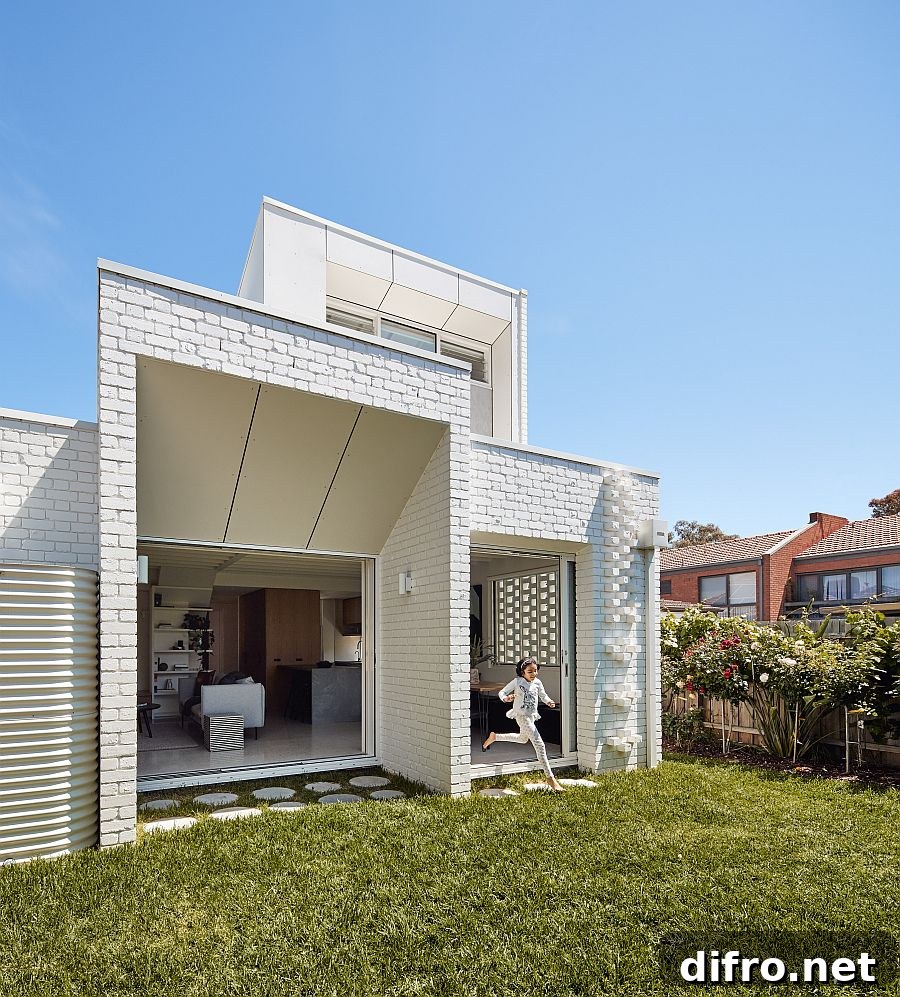
Homes around the world vary widely in the materials they use. Differences come from local building techniques, regional availability of materials and vernacular design traditions. For example, homes in Brazil often showcase concrete in rugged, expressive ways, while wood is the dominant building element in many Nordic and Japanese houses. In Asia, brick has long been a favored material and continues to shape residential landscapes today. Drawing on memories of childhood in such regions, an Australian homeowner commissioned Atelier Red + Black in collaboration with Kleev Homes to design a thoughtful and sustainable brick extension to a classic residence in Northcote, Melbourne.
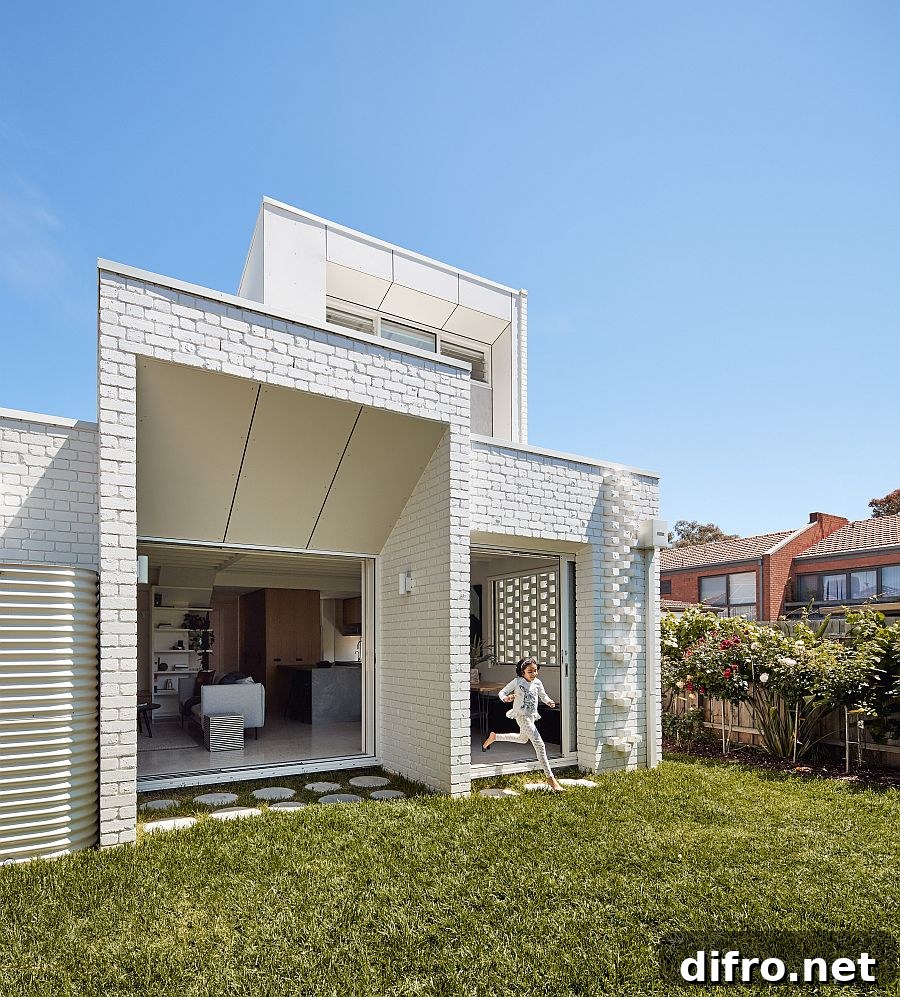
Design approach and heritage
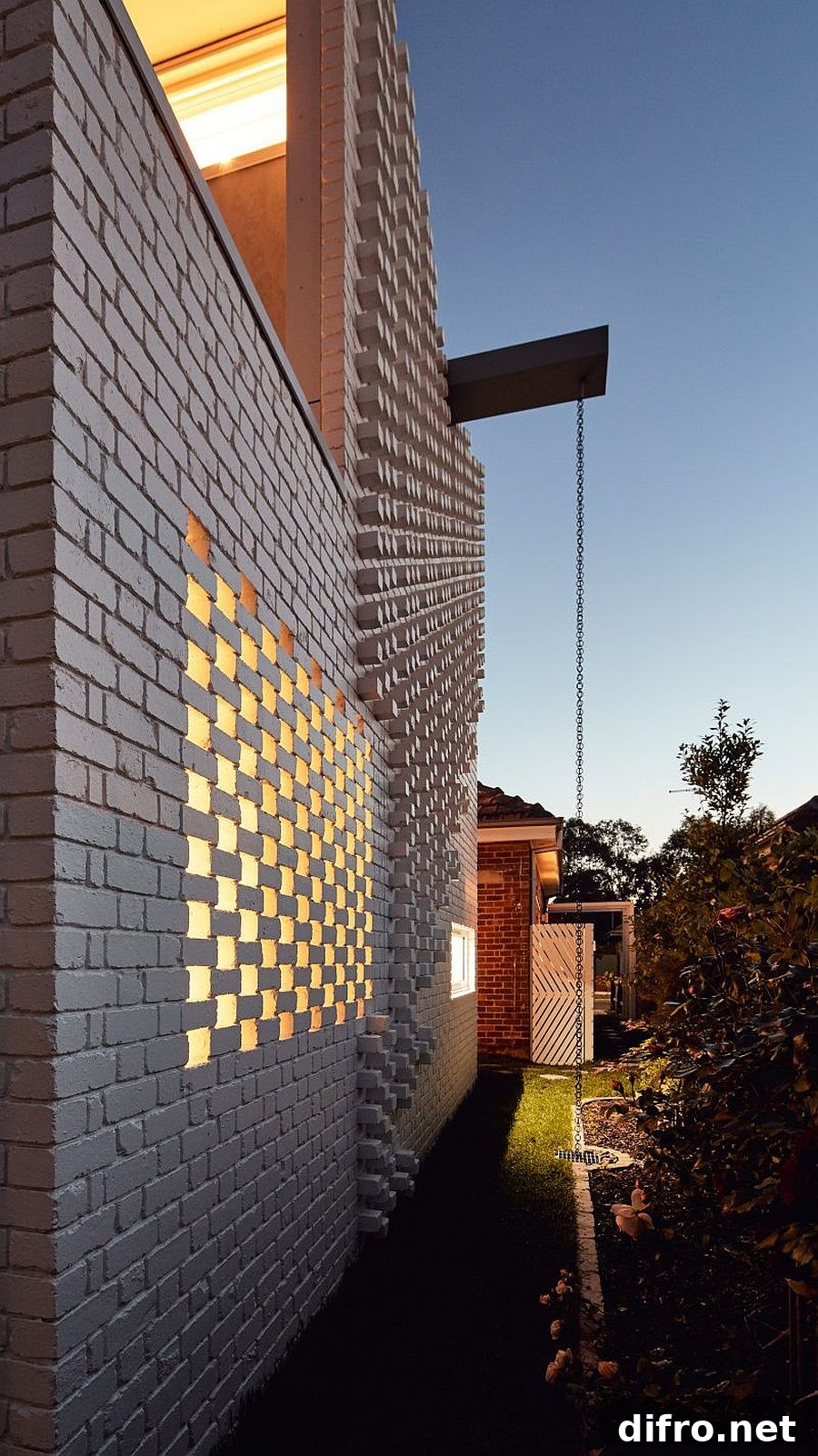
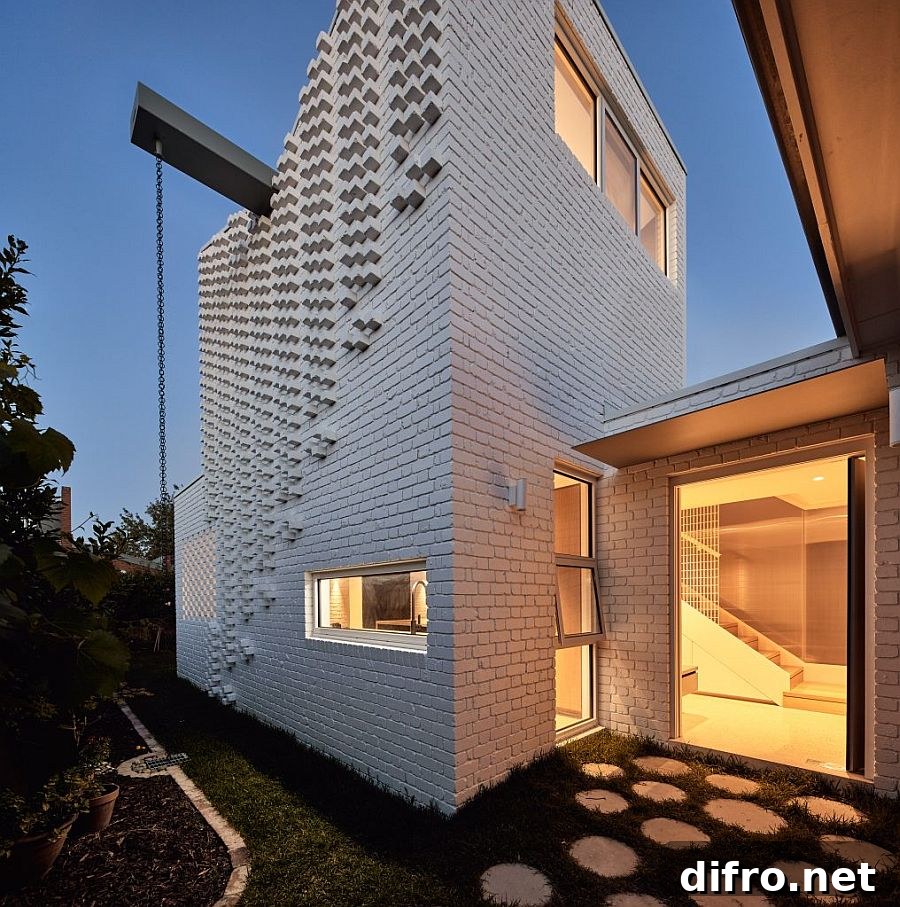
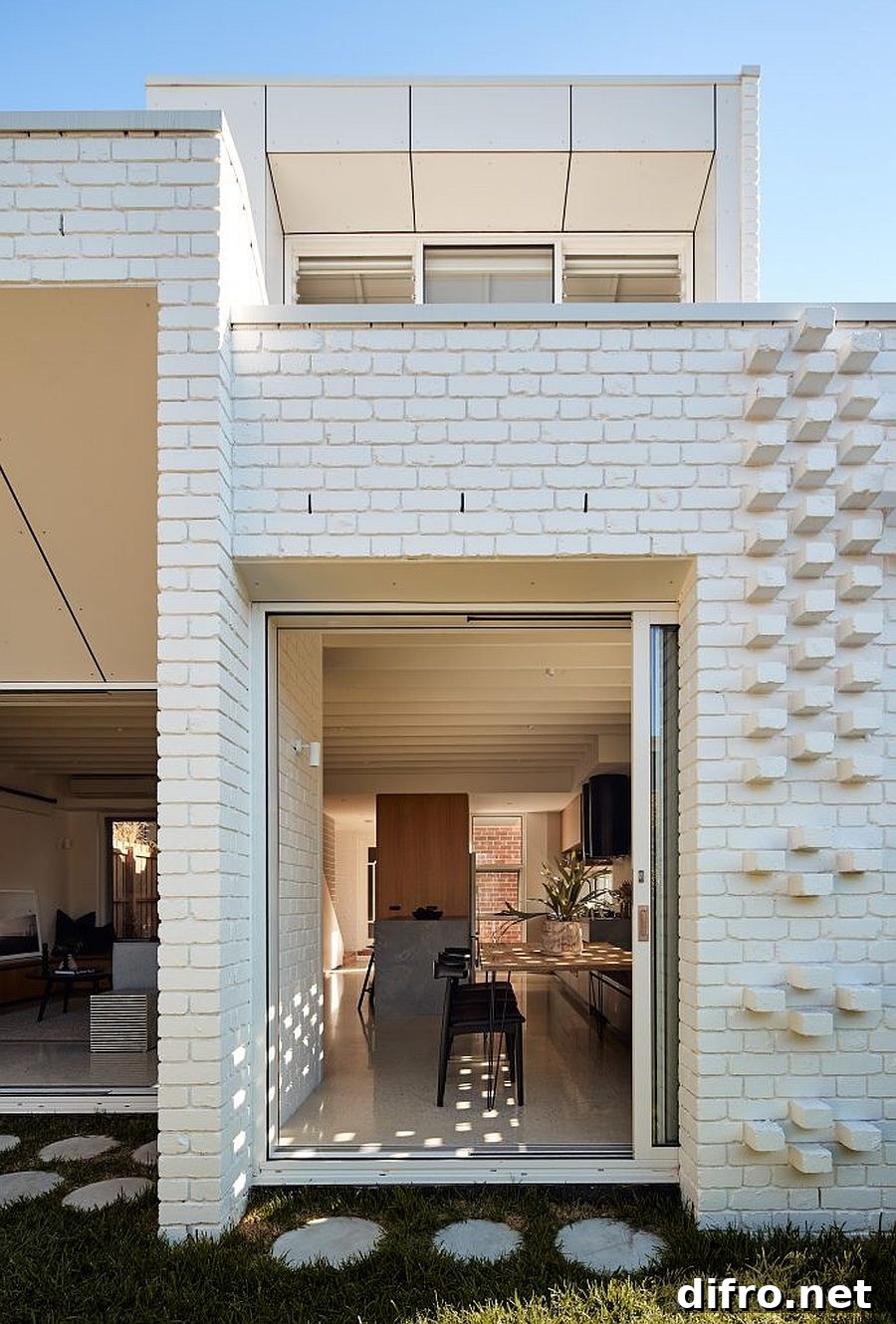
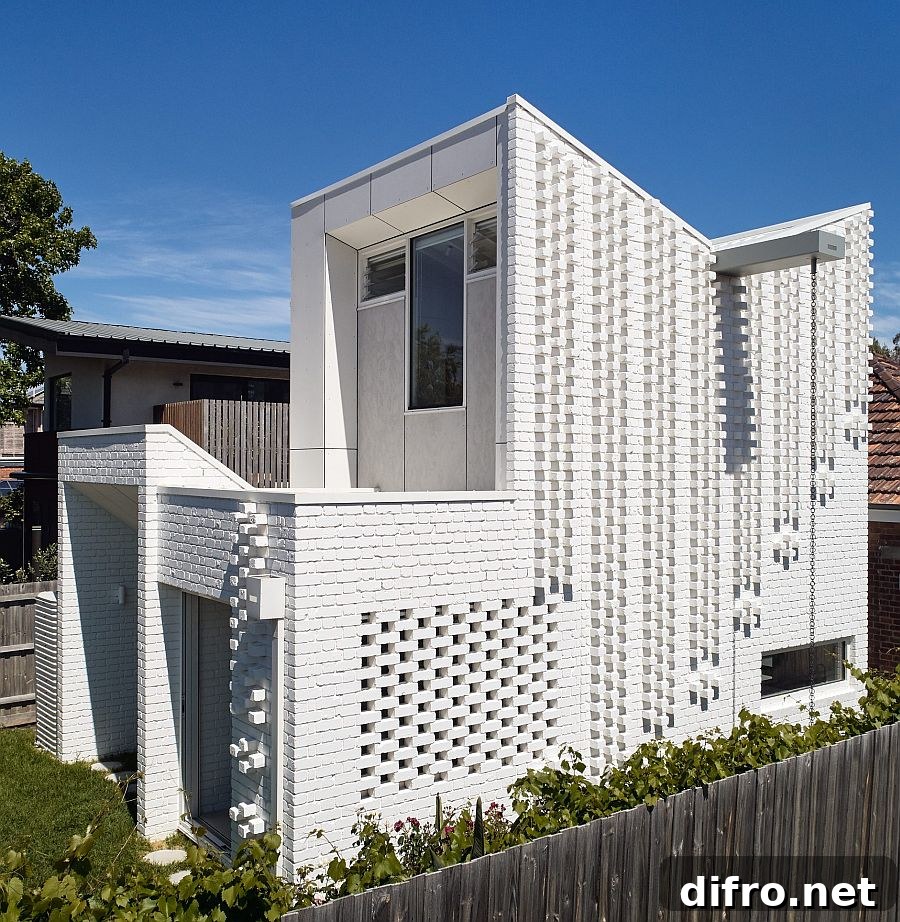
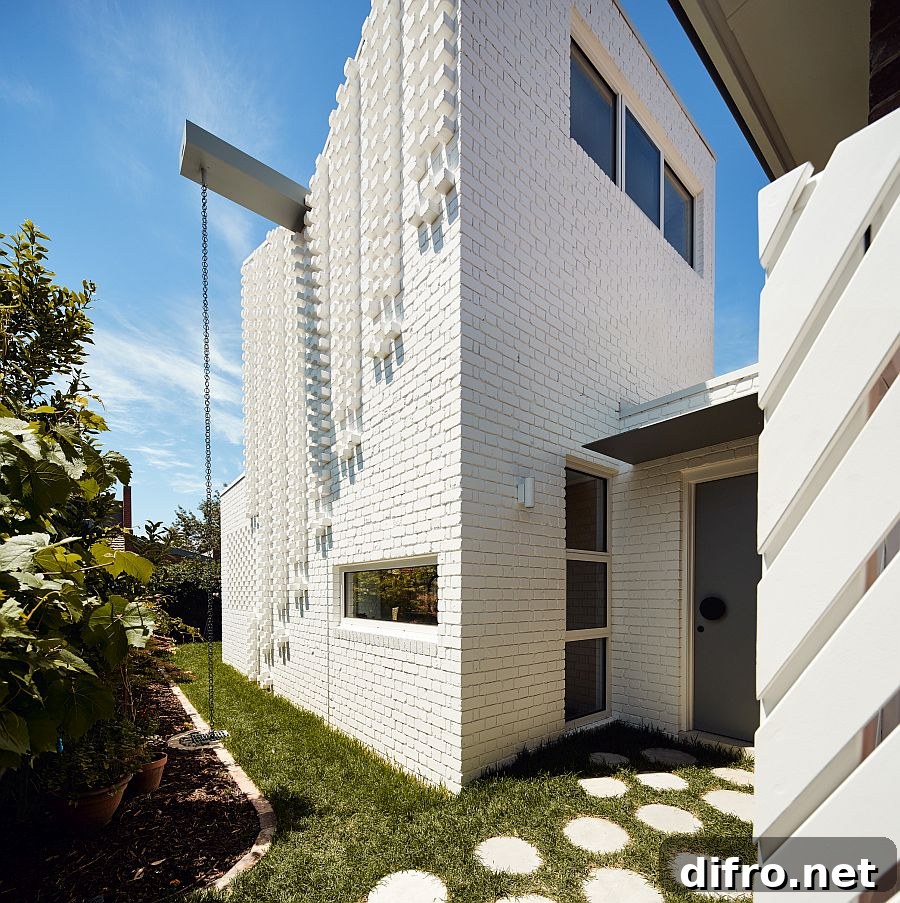
The project preserves the character of the original home by leaving the street façade intact. The new extension is located at the rear of the property and is linked to the existing house by a long hallway, a strategy that honors the residence’s heritage while delivering contemporary living spaces. Painting the red brick of the addition white helps the extension sit comfortably alongside the older structure, while the bricklaying pattern introduces subtle texture and visual contrast.
Layout and living spaces
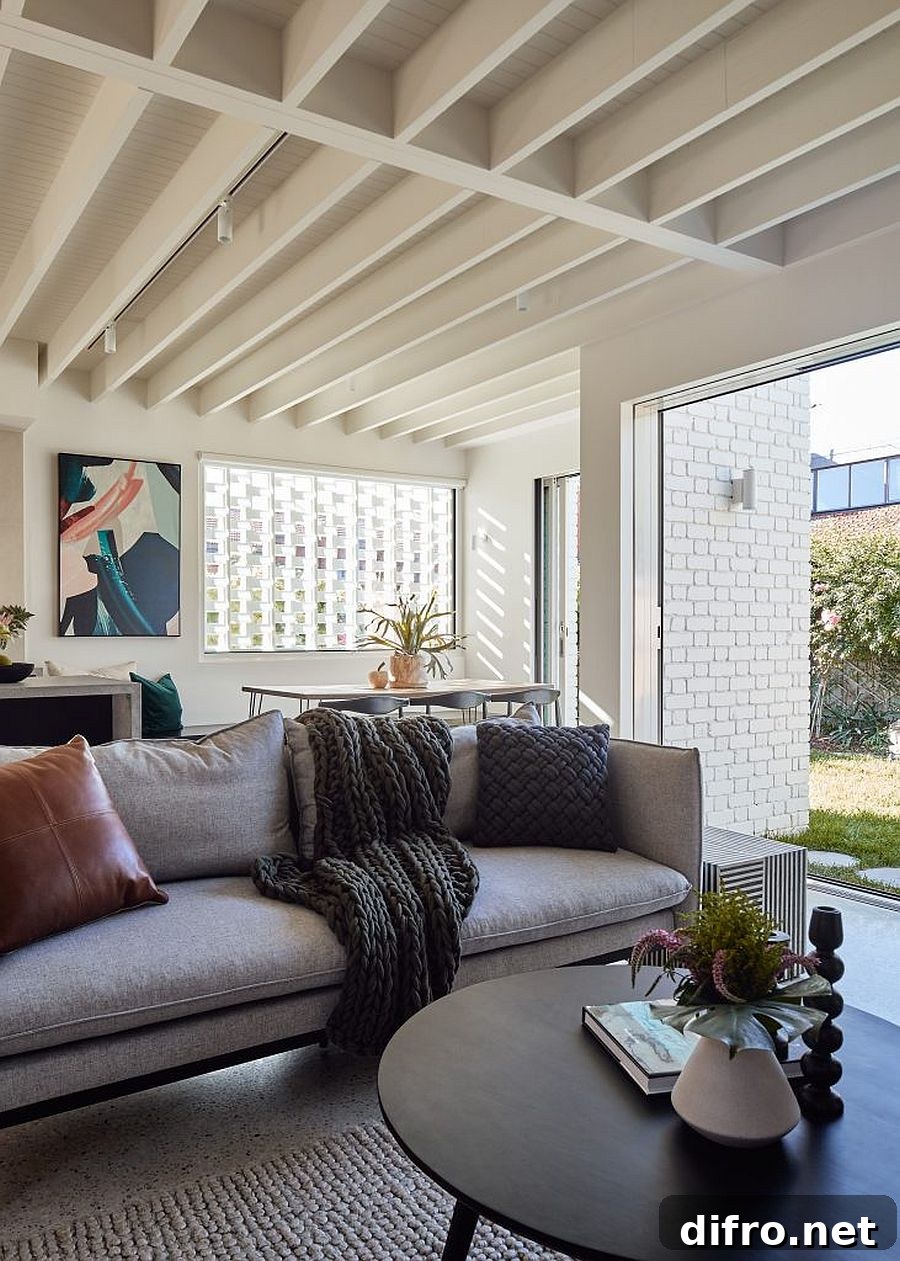
The extension houses an open-plan kitchen, dining area and living room that are oriented toward the garden. Large glazed openings and carefully positioned overhangs allow natural light and ventilation to flow through the spaces, visually connecting the interior with the outdoor landscape. The arrangement creates a bright, welcoming communal zone for family life, while the upper level accommodates bedrooms and modern bathrooms, offering privacy and quiet separate from the main living areas below.
Materials, finishes and interior palette
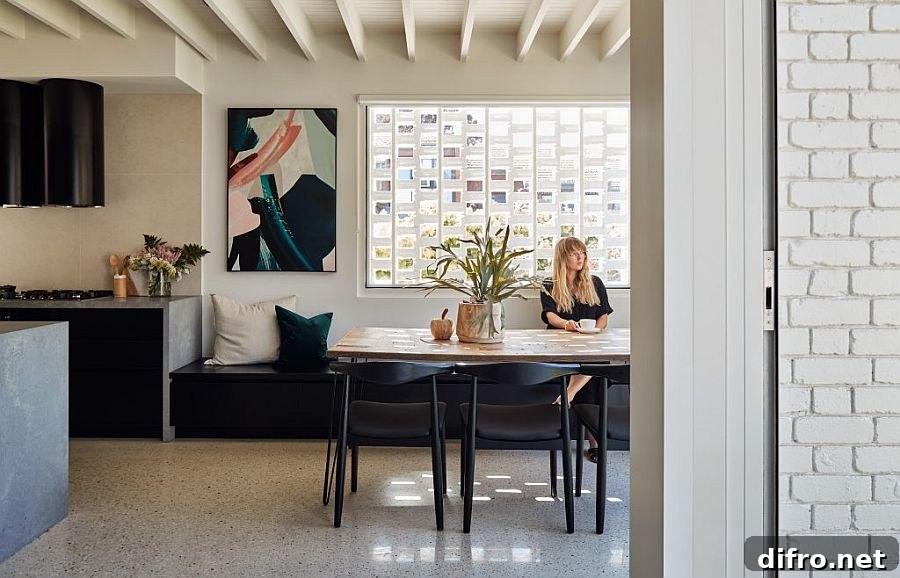
The interior relies on a restrained palette of white, wood and accents of black. White-painted brick and timber create a fresh, airy backdrop, while natural wood details—overhangs, shelving and furniture—bring warmth and tactility. Black features such as kitchen hardware, chimneys and select décor elements add contrast and a contemporary edge without overwhelming the calm, neutral scheme. Together these materials produce a refined, homely atmosphere that remains visually cohesive from garden to kitchen.
Sustainability and garden connection
The extension integrates practical green strategies that complement its brick construction. A visible rainwater chain and collection system capture roof runoff, supporting garden irrigation and reducing demand on mains water. Landscaping at the rear is designed to blur the boundary between indoor and outdoor living: sliding or folding doors and generous glazing visually and physically connect the kitchen and living spaces to the yard, creating a seamless flow for everyday life and entertaining.
Bedrooms and bathrooms
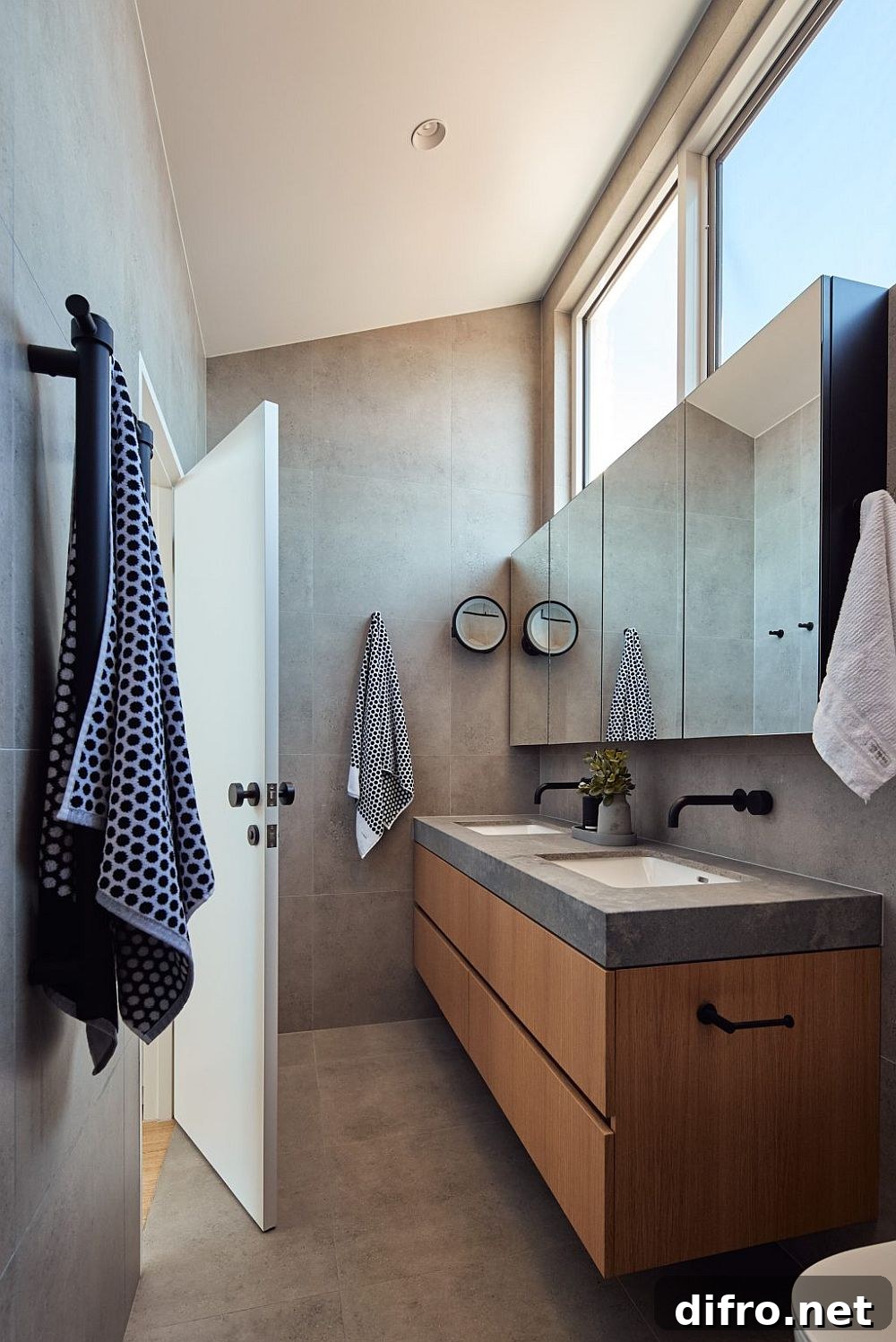
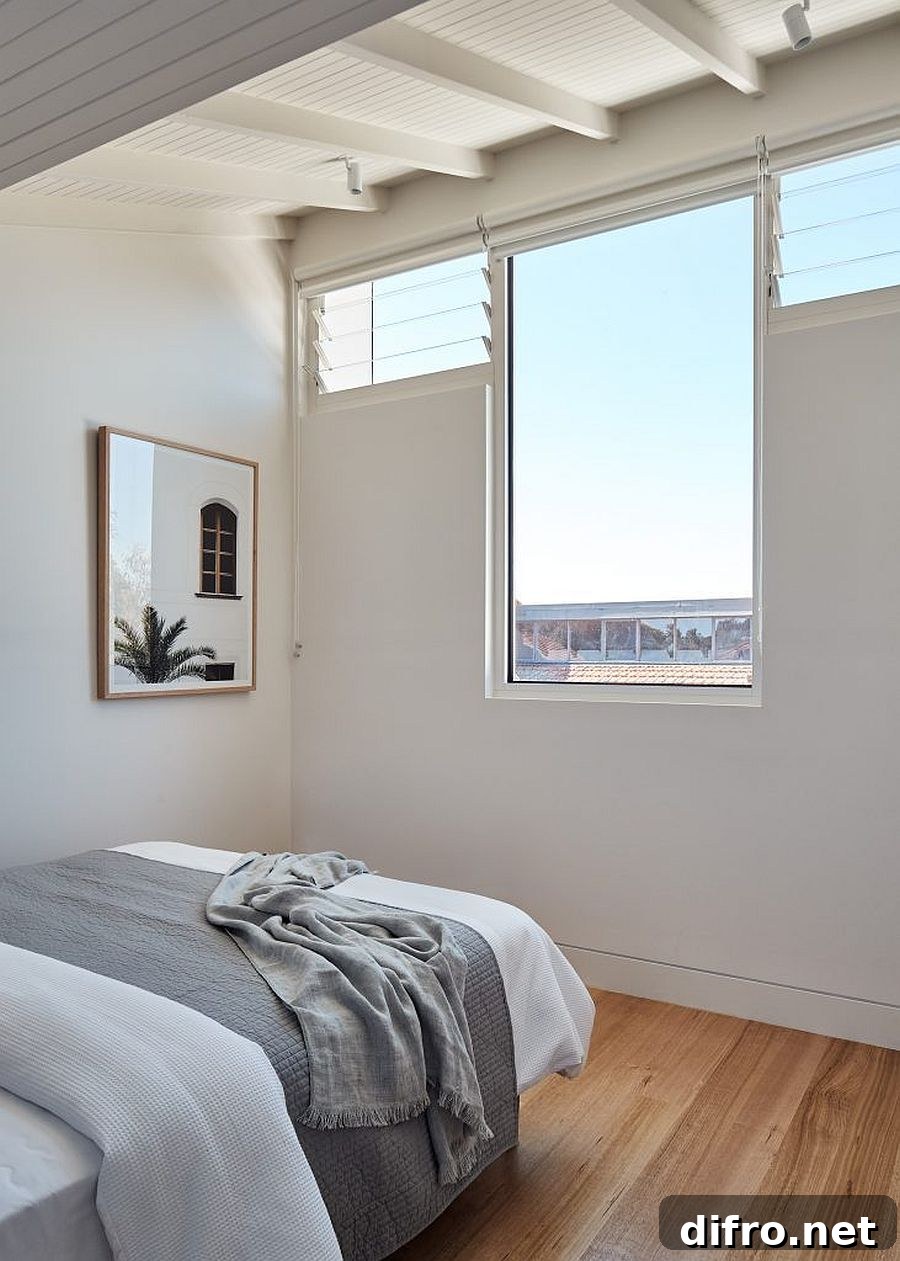
Natural light penetrates the upper-level bedrooms through well-proportioned windows, creating bright and comfortable private spaces. Bathrooms are handled with the same material restraint and attention to detail as the rest of the house, pairing clean white surfaces with warm timber tones for a calm, modern finish.
Conclusion
This brick extension demonstrates how a sensitive, well-considered addition can enhance a traditional home—preserving its street presence while delivering modern, sustainable living at the rear. By combining painted brick, natural timber, a restrained monochrome palette and simple yet effective sustainability features, the project creates a welcoming, functional and visually pleasing family home in suburban Melbourne. Photography: Peter Bennetts.