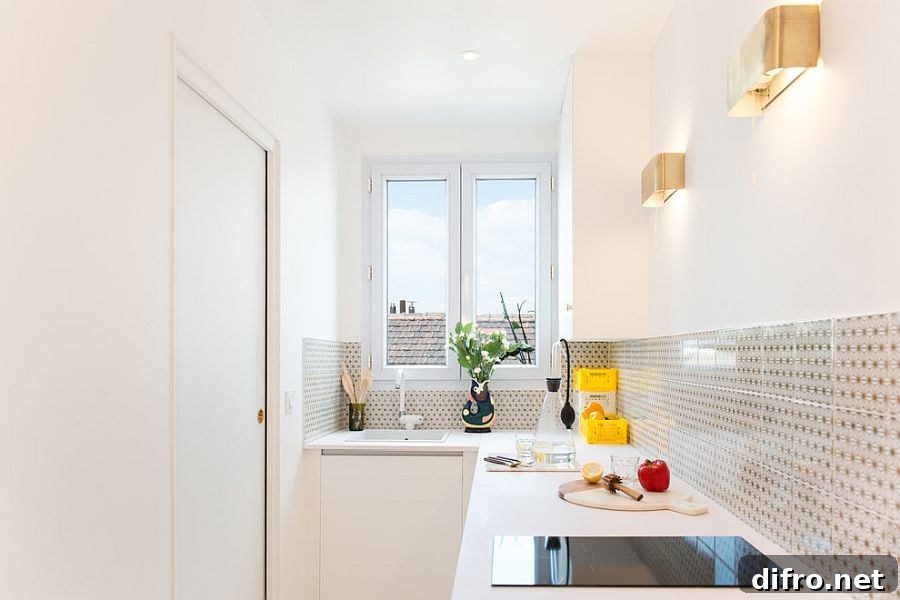
The kitchen needs a balanced mix of functional and attractive lighting to work well and look inviting. That balance becomes crucial in a small kitchen, where lighting can dramatically change how spacious and welcoming the room feels. In compact kitchens, every inch counts. Clever storage solutions such as wall-mounted shelving, slim cabinets and custom modular fittings help save space, but smart lighting is the fastest way to banish a cramped or gloomy atmosphere. Thoughtful lighting can open up the room visually and highlight architectural or material details that make the space feel larger and more comfortable.
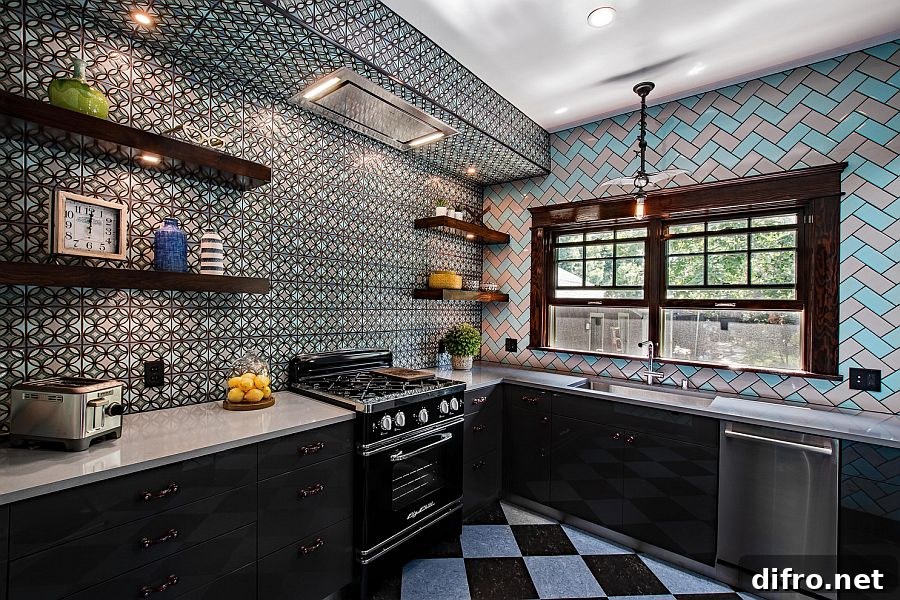
Designing lighting for a small kitchen begins with combining natural daylight with layered artificial light. Use daylight wherever possible to reduce energy use and to visually connect the kitchen to the outdoors. Layered artificial lighting—comprising ambient, task and accent sources—lets you control brightness for different needs and moods. Popular fixtures include pendants, chandeliers, recessed lights, sconces and strip LEDs; the right mix enhances functionality while keeping the small footprint uncluttered. Below are practical ideas and examples showing how to brighten and expand compact kitchens with lighting sensibility.
Finding the Right Pendant
Pendants are a staple in contemporary kitchens because they provide focused task lighting while adding style. In larger kitchens, designers often group three pendants over an island, but in small kitchens you usually have space for one or two. That makes choosing the right pendant even more important: aim for a slim, unobtrusive shape that complements your kitchen’s style. A pendant should provide effective task light without overwhelming the space. When possible, combine a pendant with recessed lighting or position it near a skylight or window so natural light and artificial light work together. Avoid oversized industrial pendants in tight spaces, as they tend to dominate the room and create visual clutter.
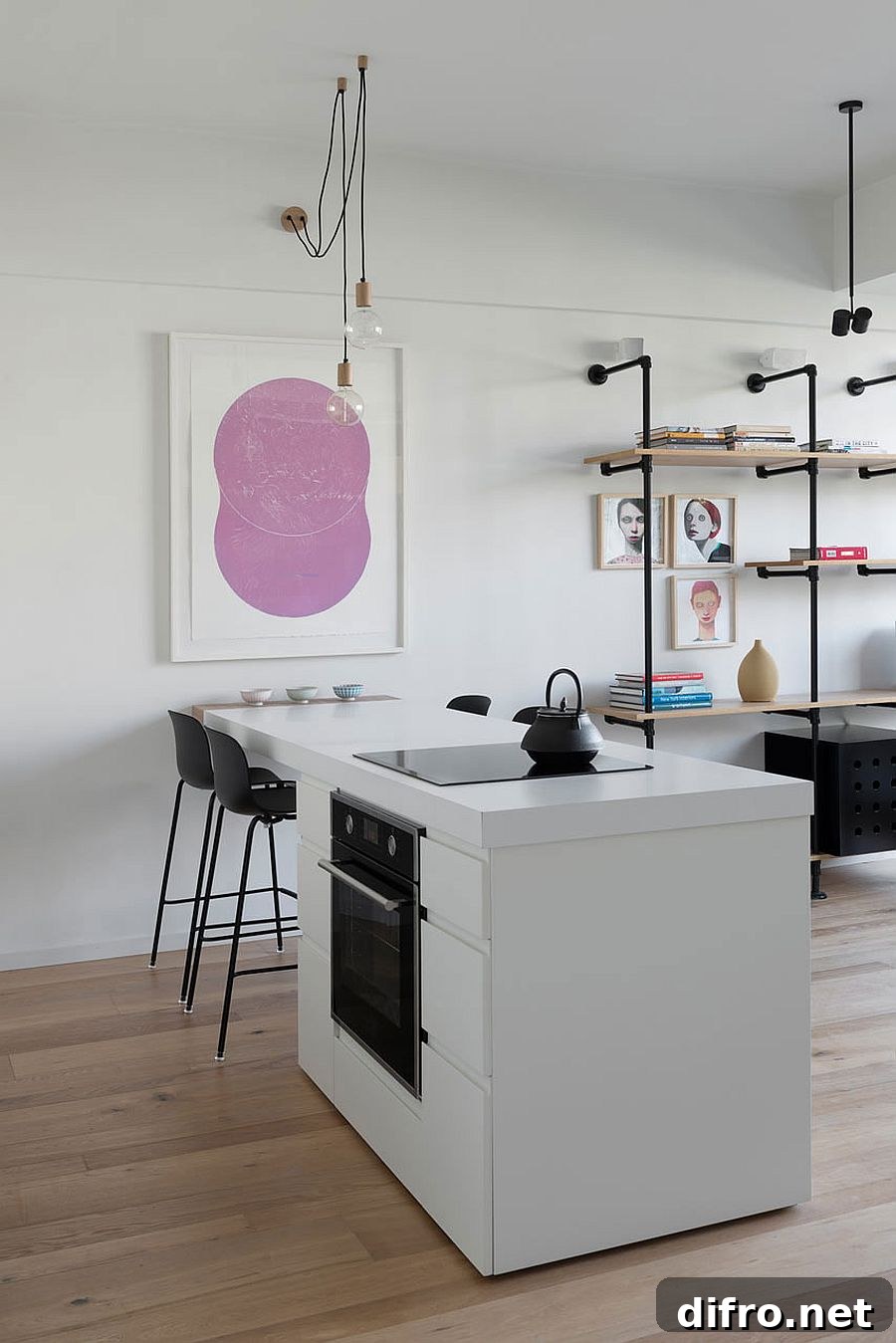
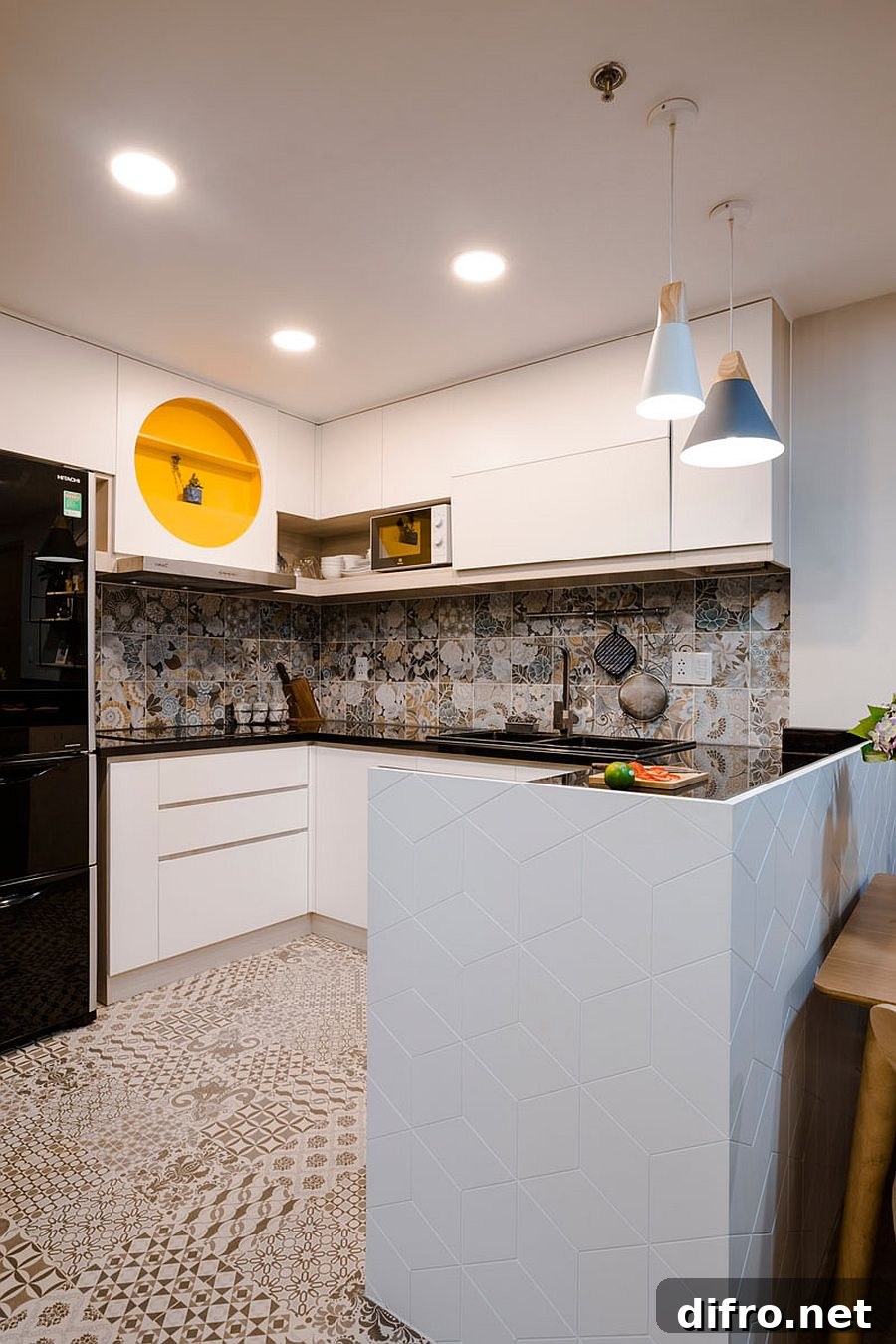
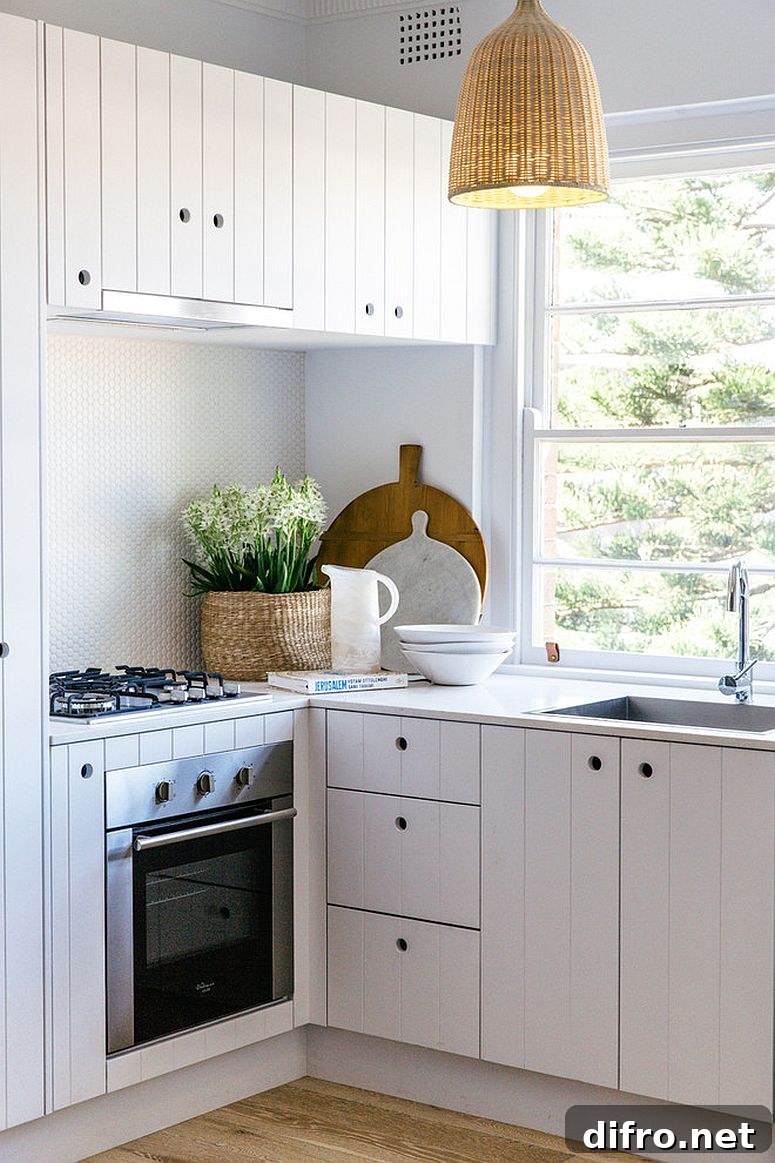
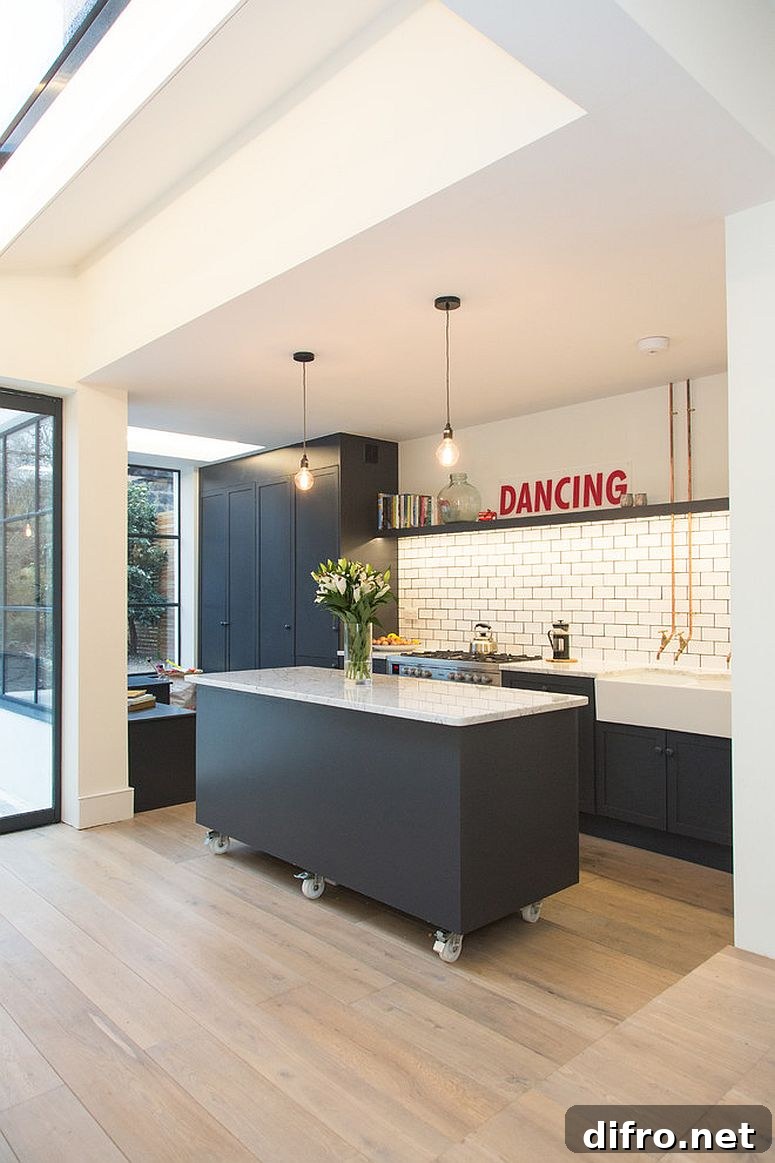
For small kitchens, choose pendants with clean lines and smaller profiles so they blend into the background and preserve sightlines. Metal finishes, glass shades or slim fabric pendants can all work depending on the room’s palette. Pairing pendants with recessed lights ensures task areas are well lit while keeping a warm, layered ambiance.
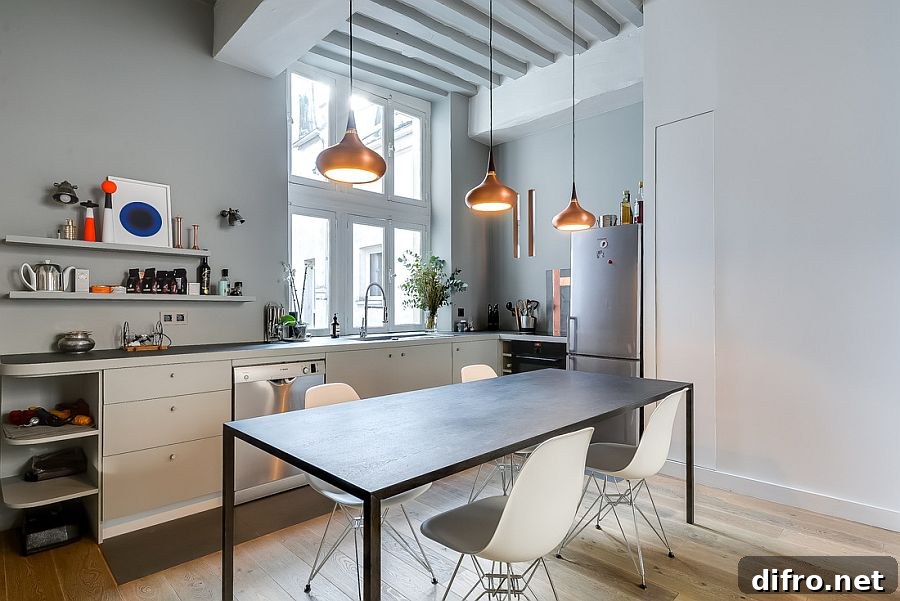
Usher in Ample Natural Light
It’s easy to think only of recessed lights and pendants when planning kitchen illumination, but natural light is the single most impactful resource for small spaces. A well-placed window or skylight floods a compact kitchen with daylight, reducing the need for artificial light during the day and visually extending the room toward the outdoors. Natural light also improves comfort and makes surfaces, colors and materials look more vibrant. When possible, prioritize windows or a skylight, keep window dressings minimal, and arrange reflective surfaces to bounce daylight deeper into the room.
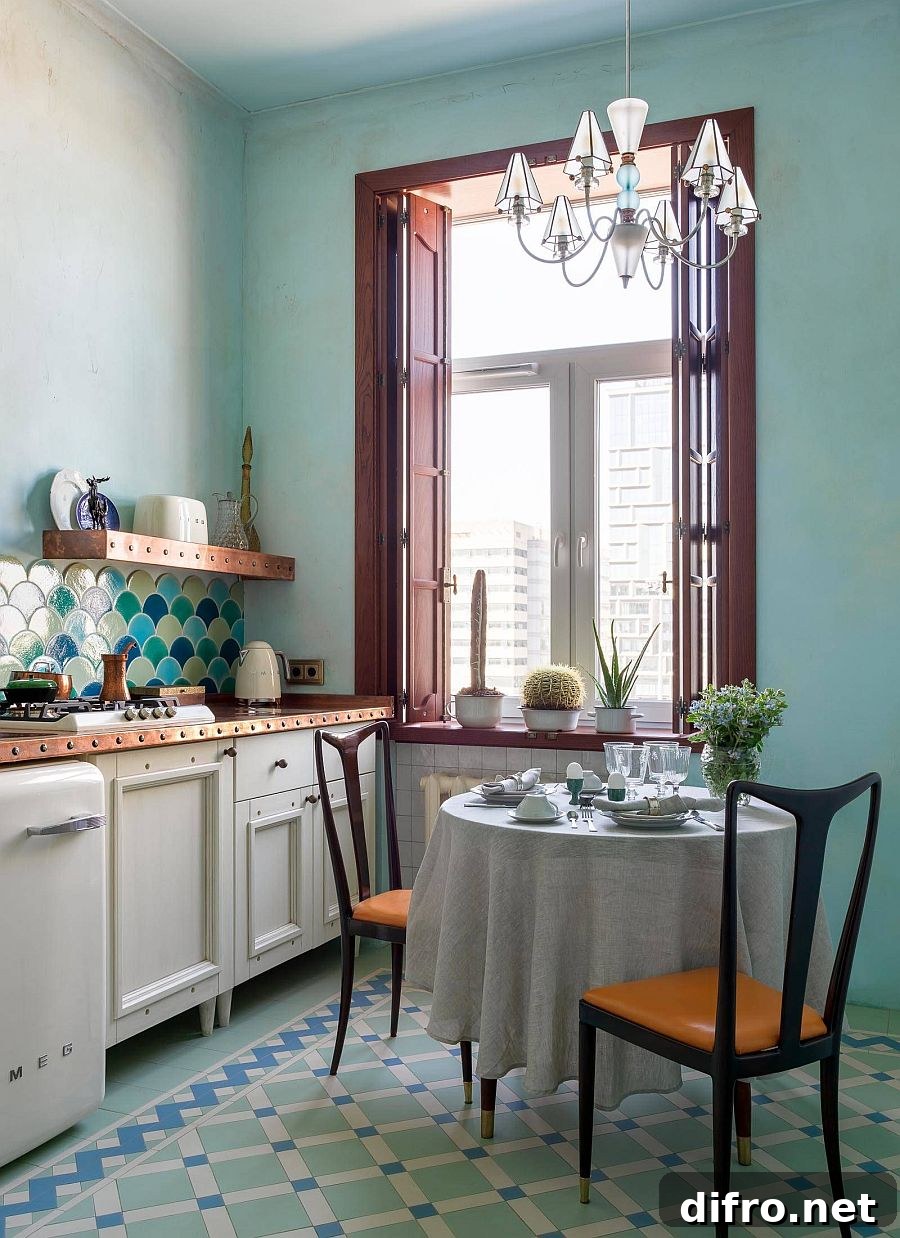
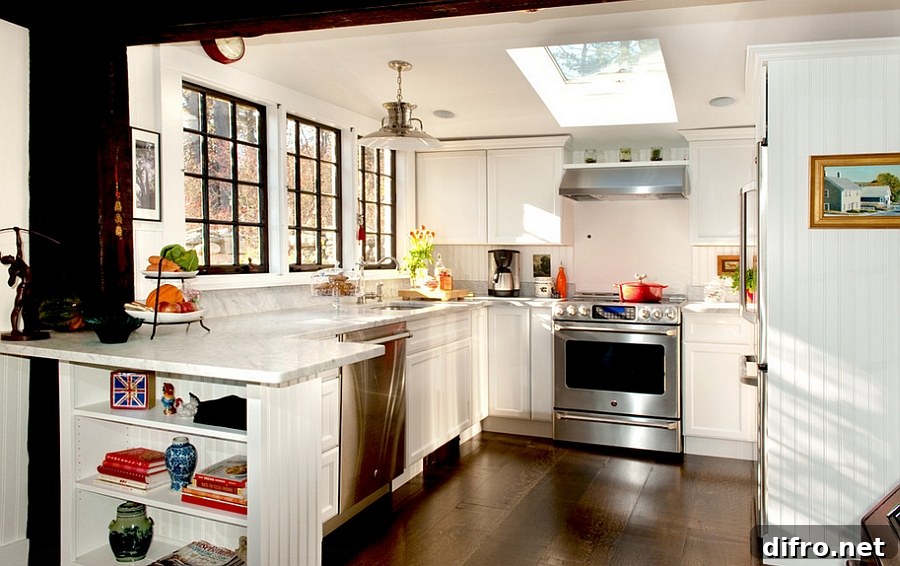
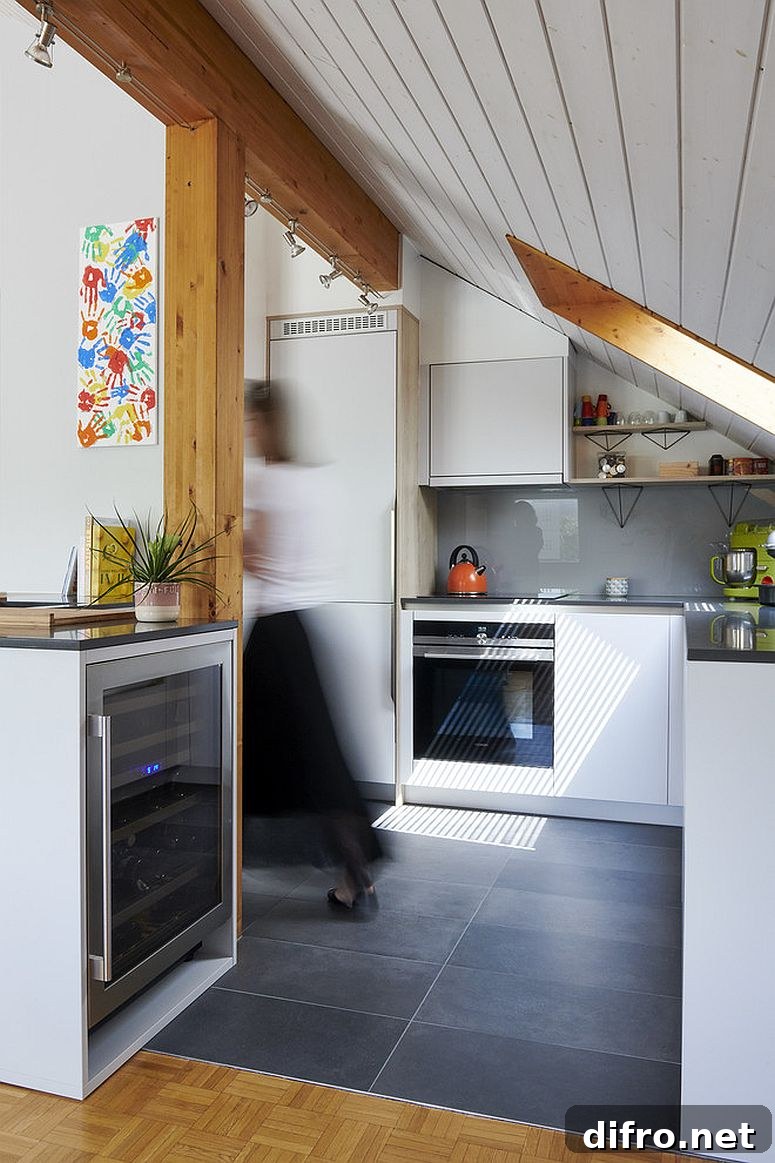
Even small windows, when positioned smartly, can brighten counters and work zones. Consider corner windows, a narrow horizontal window above the sink, or a clerestory to admit daylight without sacrificing privacy. Use light, airy finishes and minimize heavy upper cabinetry where you want daylight to reach.
Creating More Visual Space
Good kitchen lighting is about even distribution as much as it is about style. Avoid placing bright fixtures where they leave dark corners or cast deep shadows on work surfaces. An even layer of recessed lights, combined with targeted task lighting—under-cabinet LEDs, pendant task lights and adjustable sconces—eliminates shadows and makes every surface usable. Pale, monochromatic color schemes reflect light best; white or very light tones across walls, cabinetry and countertops help daylight and artificial light travel farther. Mirrored or glossy backsplashes and light-reflective countertops can amplify brightness and add a subtle sense of depth.
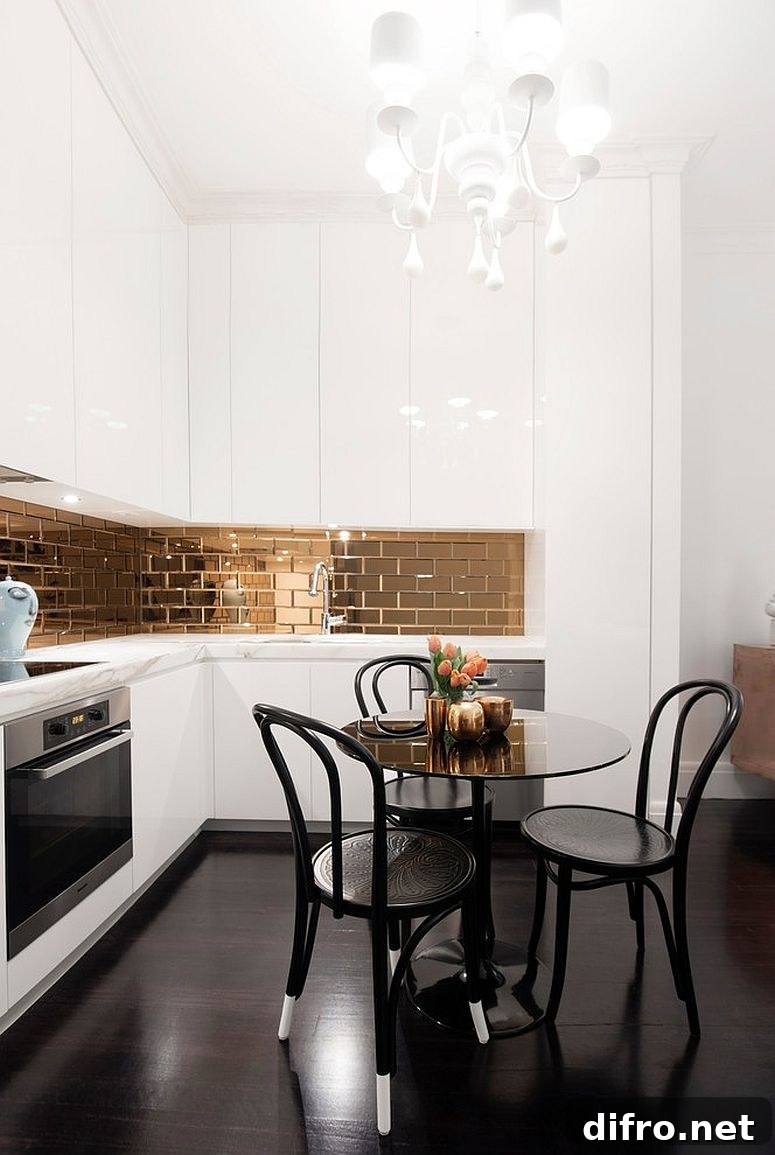
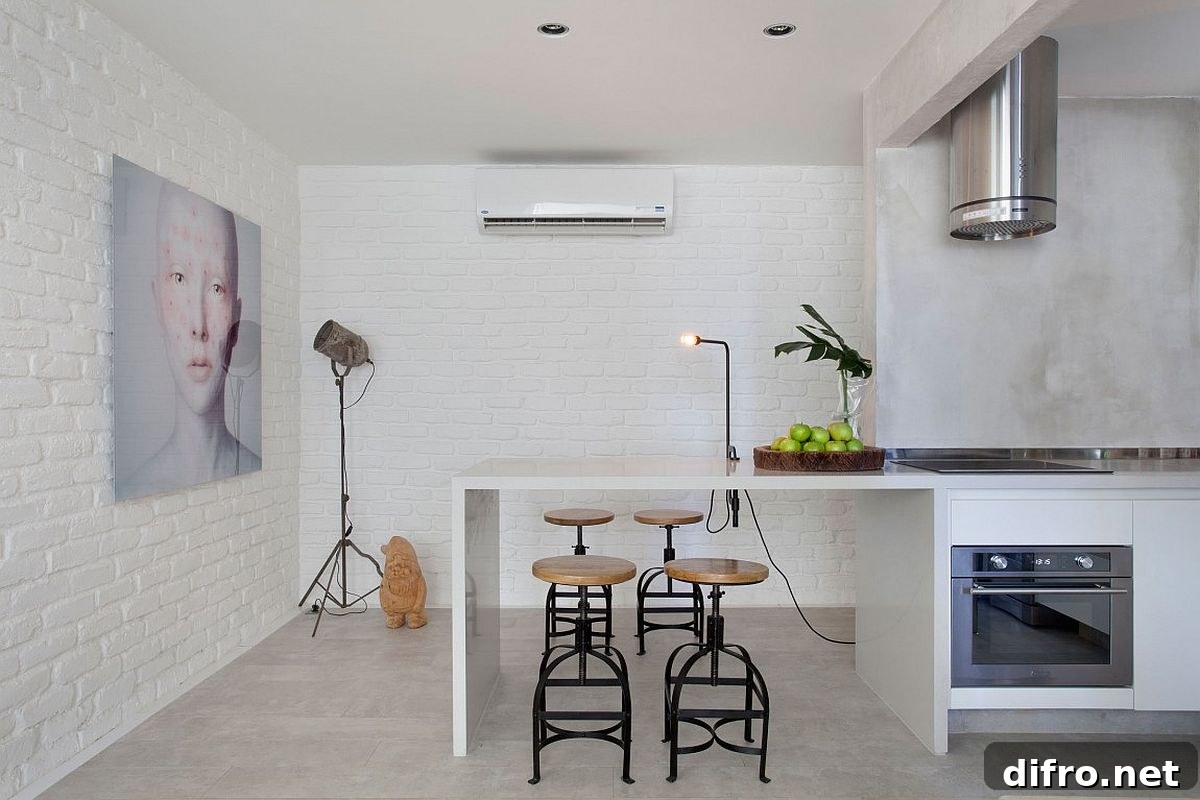
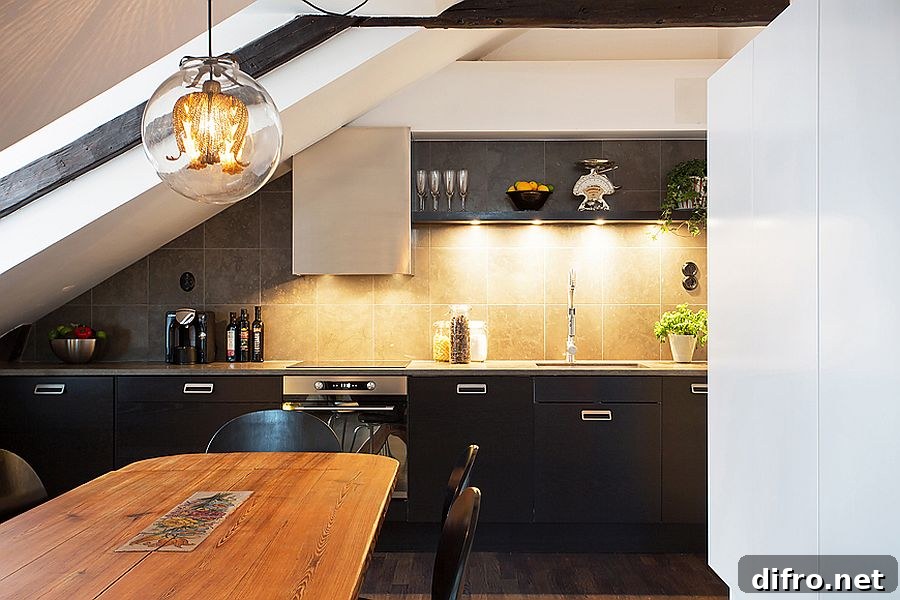
Track lighting or a well-planned grid of recessed fixtures ensures even, controllable general lighting. Use under-cabinet LED strips for precise countertop illumination and consider dimmers to adjust intensity for cooking, dining or entertaining. With layered lighting, reflective surfaces and a light color palette, even the smallest kitchen can feel bright, airy and visually expansive.