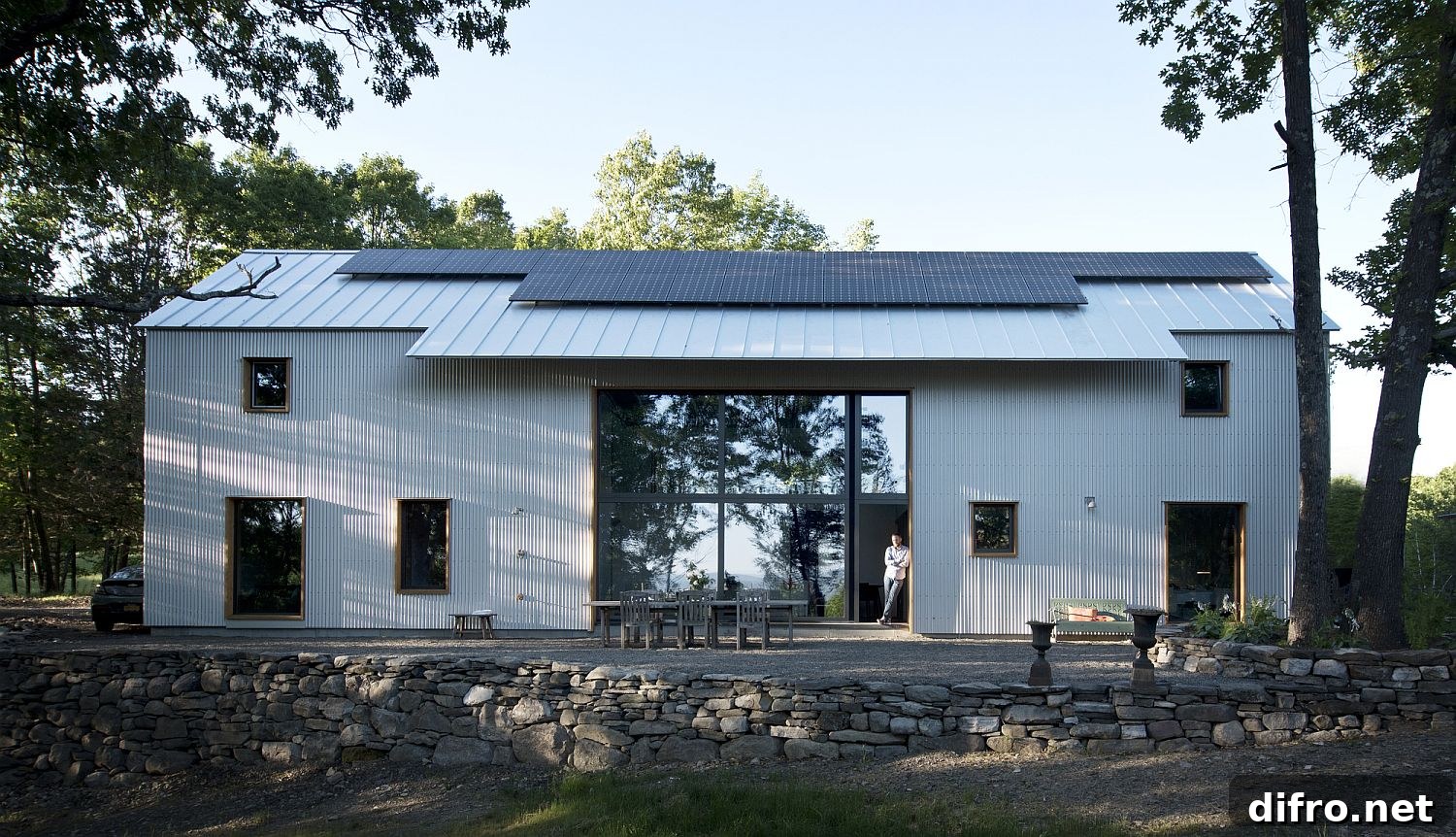
NY Accord Passive House: An Affordable, Net-Zero Energy Home in New York
Many homeowners assume that green homes require high-tech gadgets and large budgets. The NY Accord Passive House designed by North River Architecture & Planning proves otherwise. This modest, sustainably built home combines a vernacular exterior with a contemporary, light-filled interior while using locally sourced and readily available materials to keep construction costs low. Thoughtful orientation and passive heating and cooling strategies work together with efficient systems to deliver a truly energy-conscious residence.
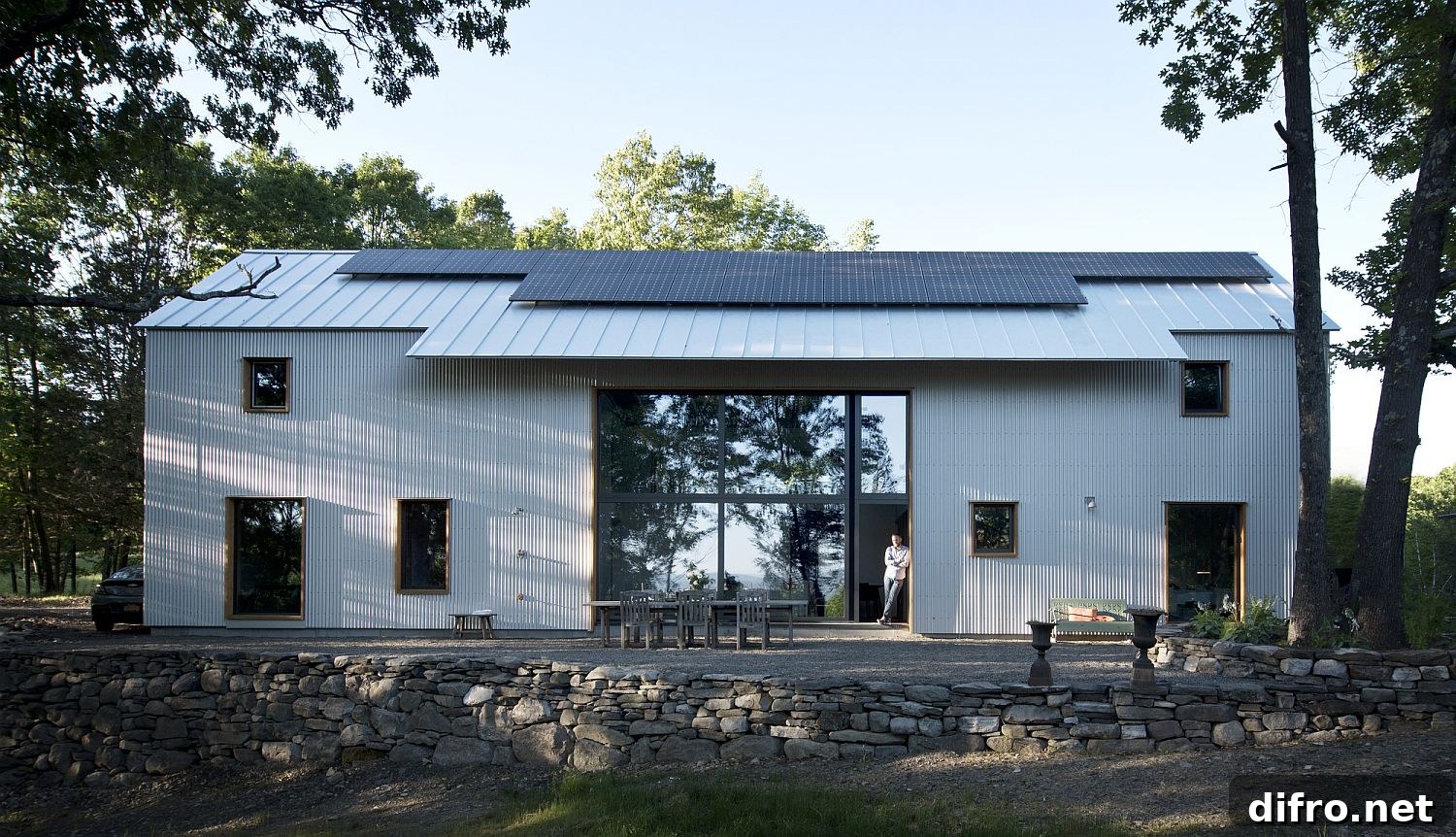
The house draws its exterior language from regional Dutch settler architecture, giving it a timeless profile that blends with the local landscape. Inside, a polished modern aesthetic creates bright, open spaces. Large glass walls and carefully placed windows maximize daylight and passive solar gain, reducing reliance on mechanical heating and cooling throughout the year.
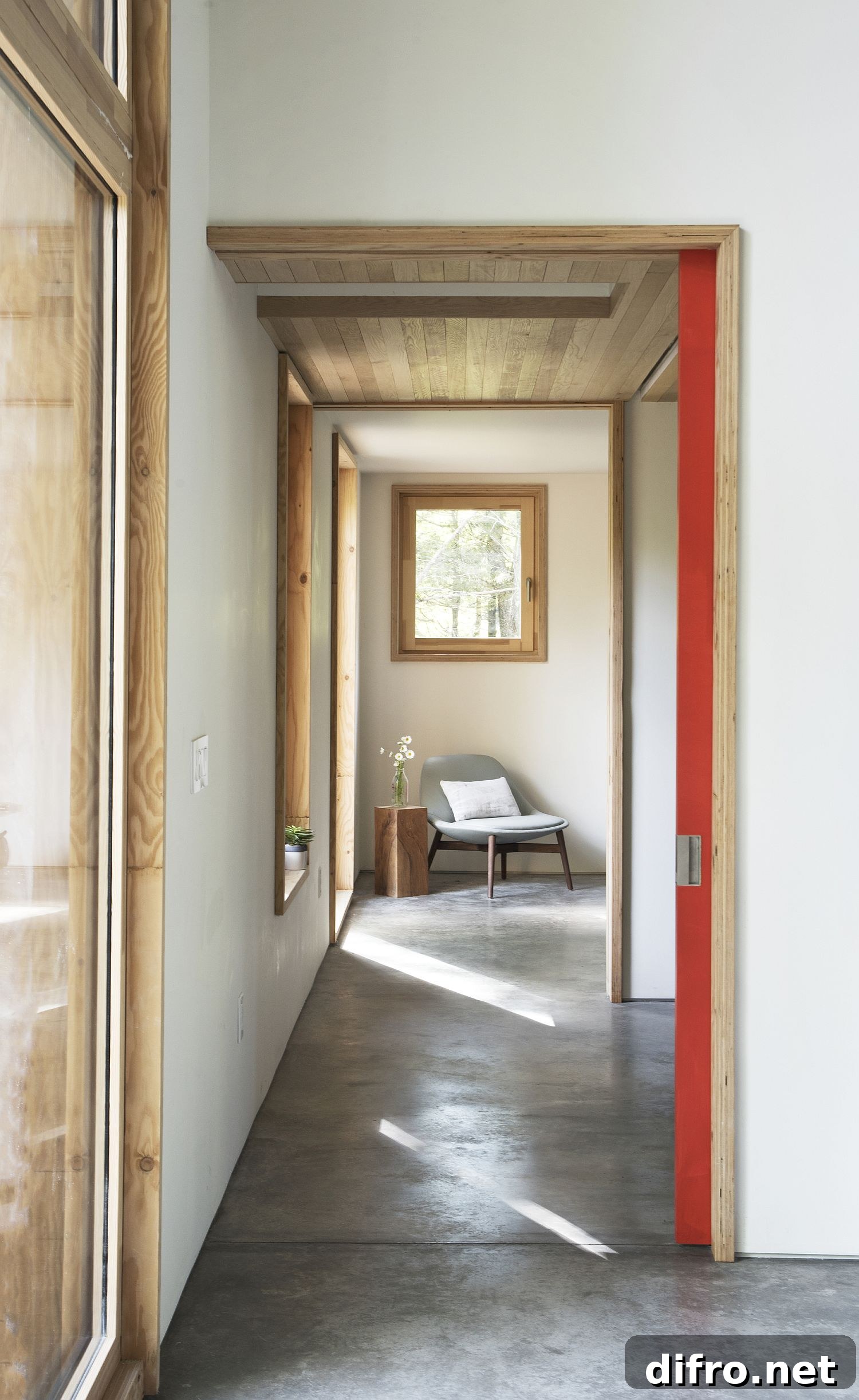
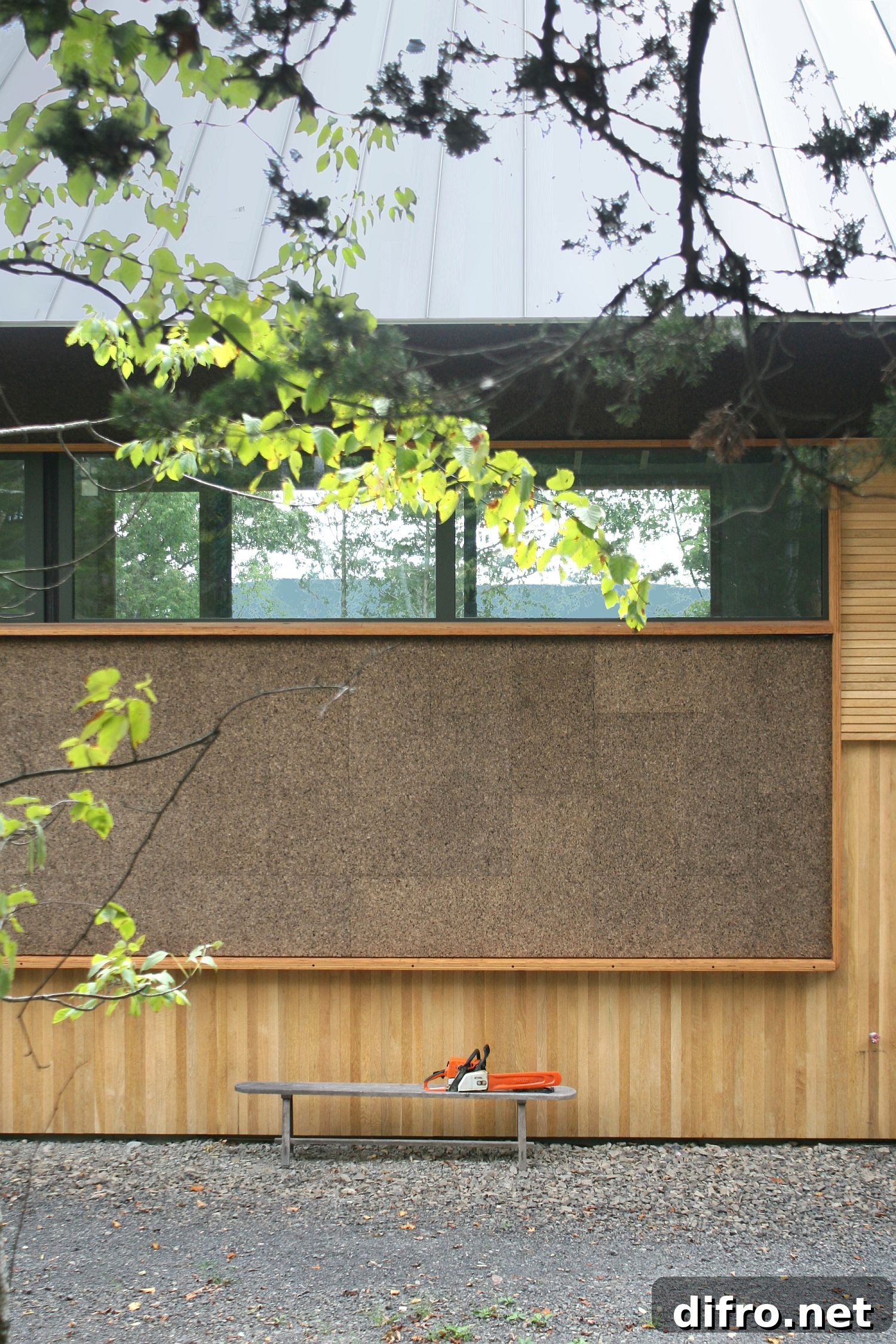
Cost-efficiency was a primary goal. The architects used local materials and components that were easily available in bulk to reduce construction expenses without compromising performance. Trim and finishes were selected for low environmental impact, prioritizing reclaimed or low-resource-extraction options where possible. These choices support durability and low-maintenance living, aligning with the project’s sustainability goals.
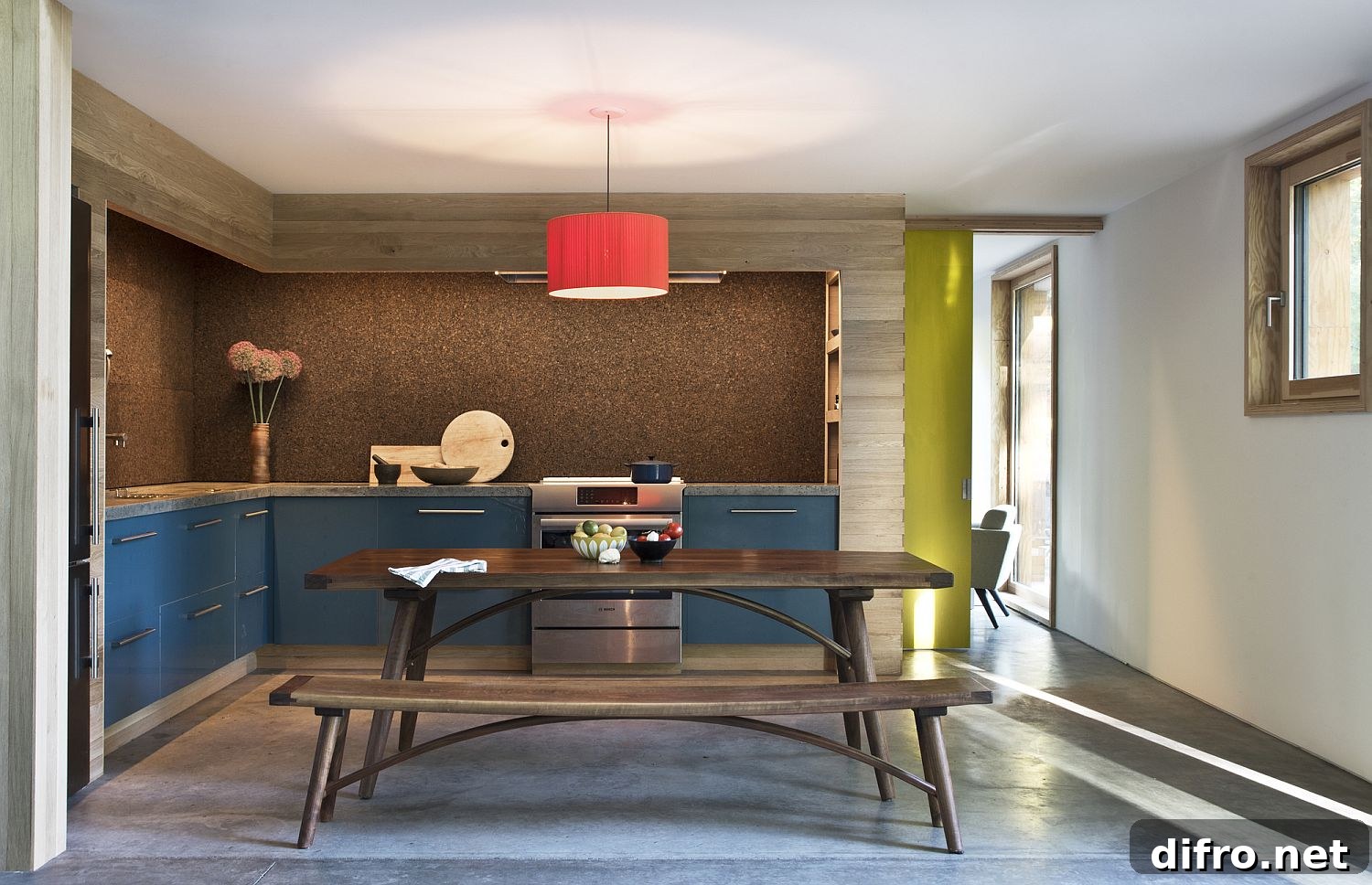
Energy performance is central to the house’s design. The project achieved PHIUS+ certification, which reflects a high standard for Passive House performance in North America. Compared to code-compliant homes, this design reduces energy use substantially through exceptional insulation, airtight construction, and balanced ventilation with heat recovery.
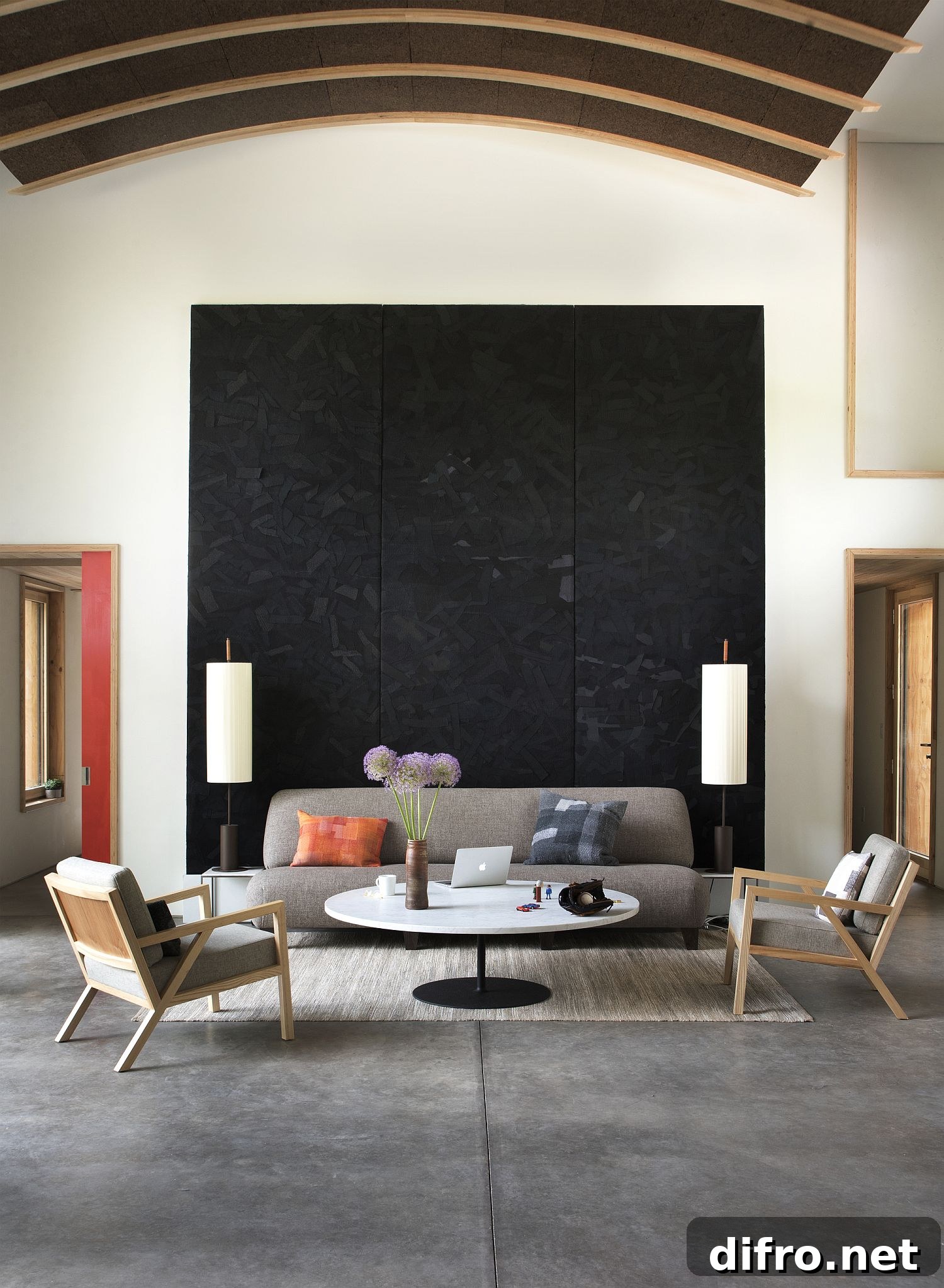
A 9 kW photovoltaic array supplies renewable electricity, connected to the local utility via net metering. This Net Zero Energy approach means the homeowner is expected to have no net annual energy costs, as on-site solar production offsets the building’s consumption over the year. Energy-efficient appliances, low-flow fixtures, and LED lighting further reduce the overall energy demand.
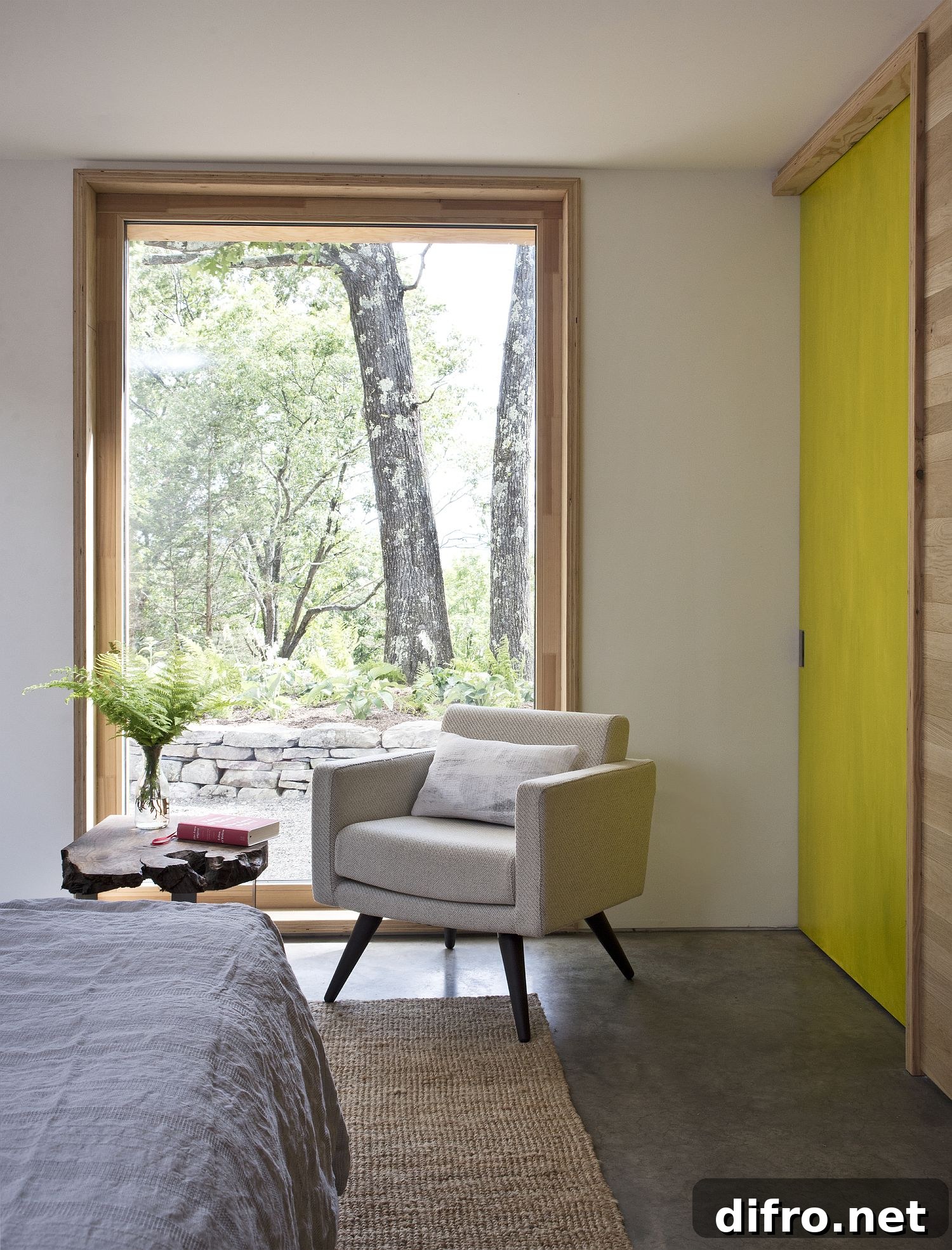
“With PHIUS+ Certification, the project achieves an 80 percent reduction in energy use compared to code compliant structures. The Net Zero Energy strategy ties the house to the local power grid with a 9KW photovoltaic array through a net metering agreement with the local utility; as such, the homeowner will carry no net energy costs annually. Trim materials inside and out were chosen for their adaptive re-use and low resource extraction properties…”
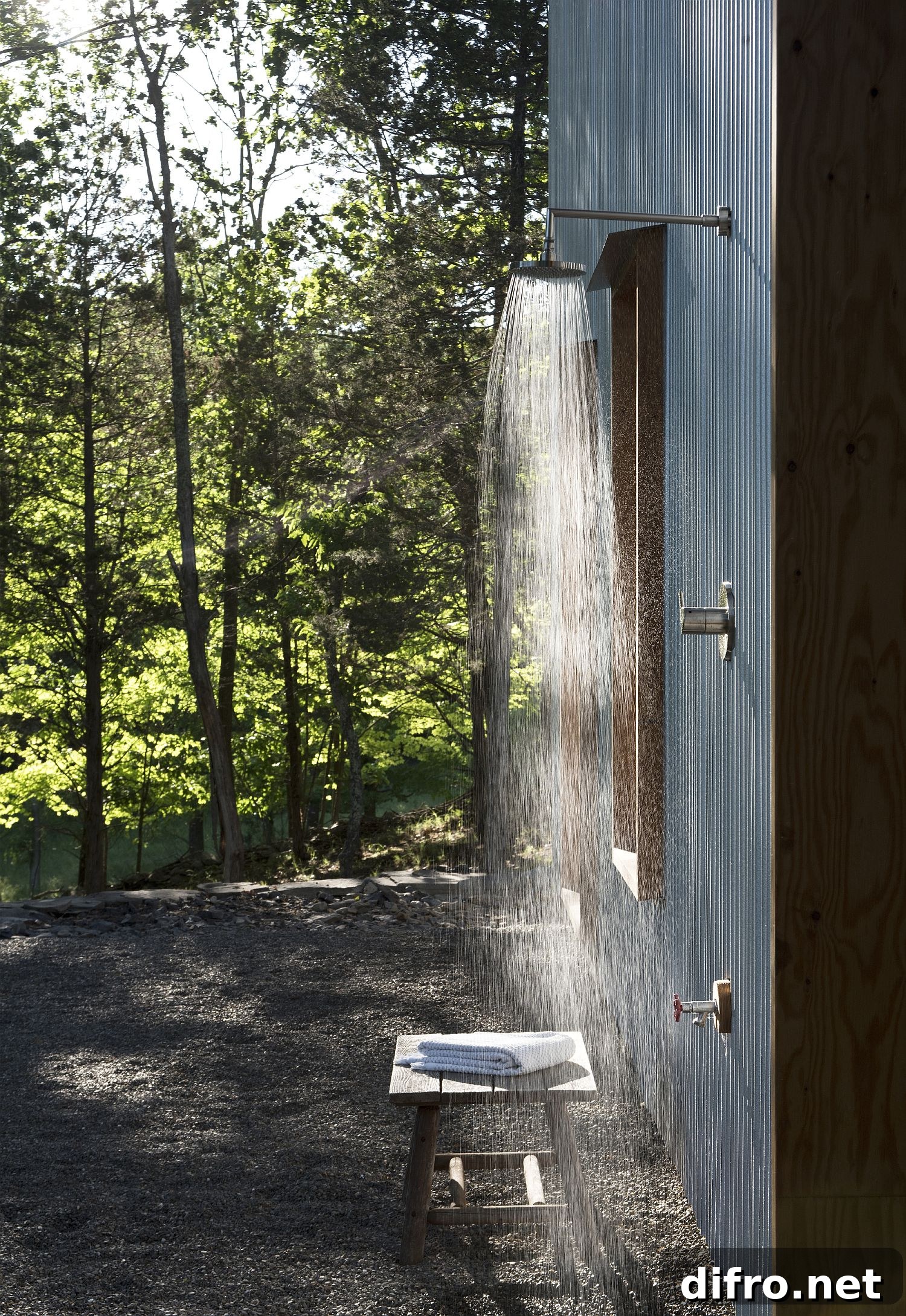
Beyond energy metrics, the home emphasizes connection to the outdoors. Generous glazing and outdoor spaces invite natural light and ventilation, while landscaping and green features enhance biodiversity and passive cooling. An outdoor shower, planted zones, and small exterior gathering areas expand living spaces and support a low-impact lifestyle.
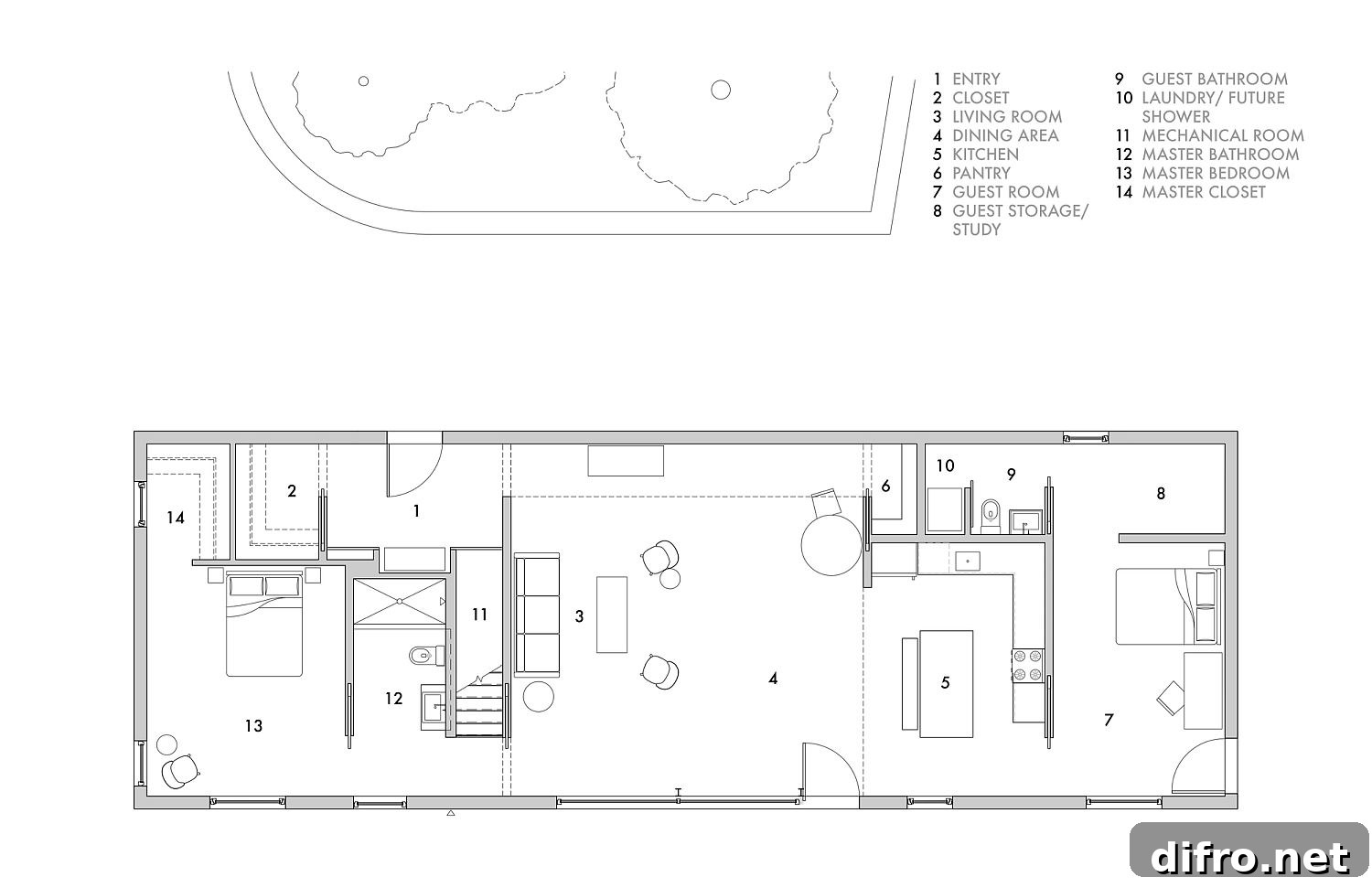
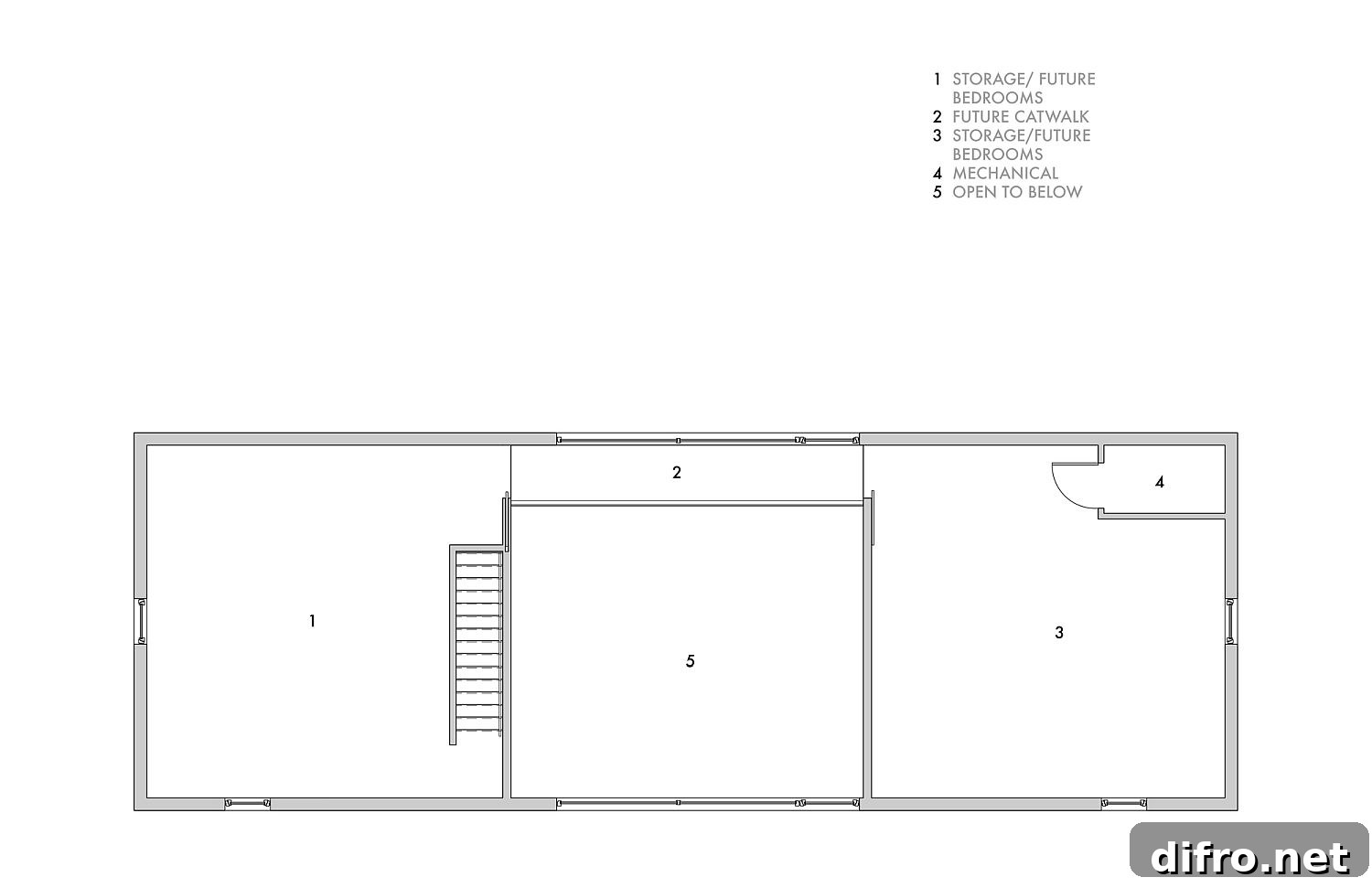
The floor plans emphasize efficient circulation and flexible living. Ground- and upper-level plans allocate space for social areas, private bedrooms, and service zones in a compact footprint that minimizes heat loss and material use. The resulting layout supports modern family life while keeping embodied and operational energy low.
This Accord Passive House is a practical example of how passive design principles, careful material selection, and on-site renewable energy can deliver a comfortable, low-cost, and low-carbon home. It demonstrates that high-performance, net-zero-capable architecture can be accessible and sympathetic to regional traditions, proving that sustainability and affordability are compatible goals.
RELATED: Waterfront New York Home Gets A Steely New Extension With Prefab Panels
RELATED: Colorado’s First International Passive House Inspired by Japanese Design