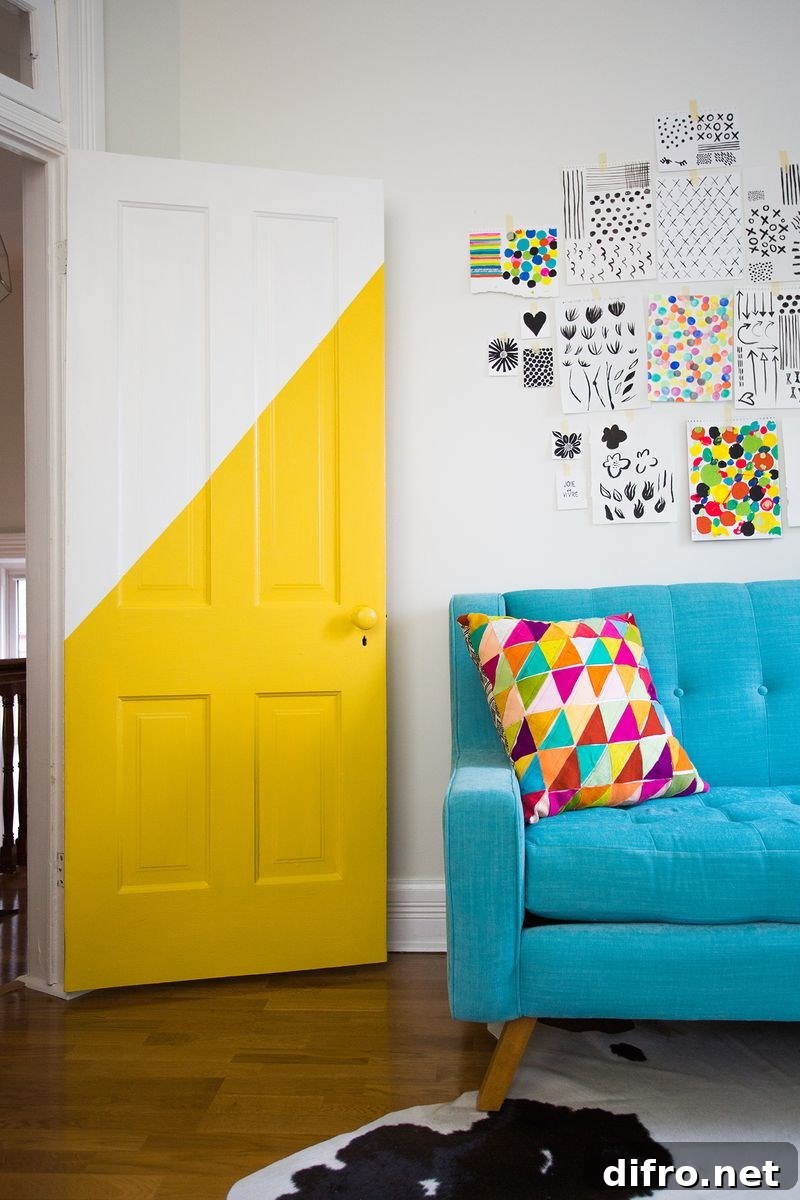
Today’s post explores the vibrant trend of color blocking — the art of pairing bold, solid hues in two or more shades to create a striking, modern look. Once primarily a fashion technique, color blocking has crossed over into interior design, photography and DIY decor. It’s an accessible, budget-friendly way to inject personality and visual impact into a space or a shoot. Below, we look at how color blocking appears in still life photography, wall treatments, doors and everyday decor, and we suggest simple ways you can use the technique at home.
Color Blocking in Still Life Styling
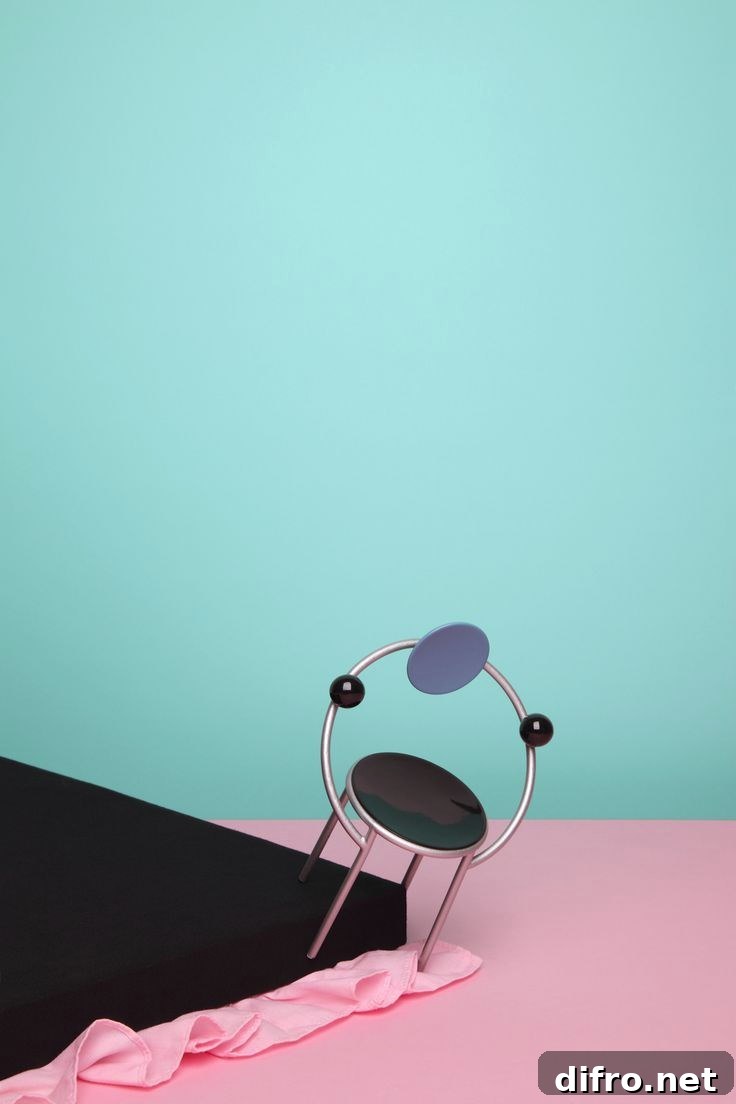
The recent resurgence of still life styling — from product photography to small art projects — often uses color-blocked backdrops or surfaces to make objects pop. Dutch artist Wyne Veen’s images demonstrate how vibrant blocks of color can frame simple compositions and elevate form and texture.
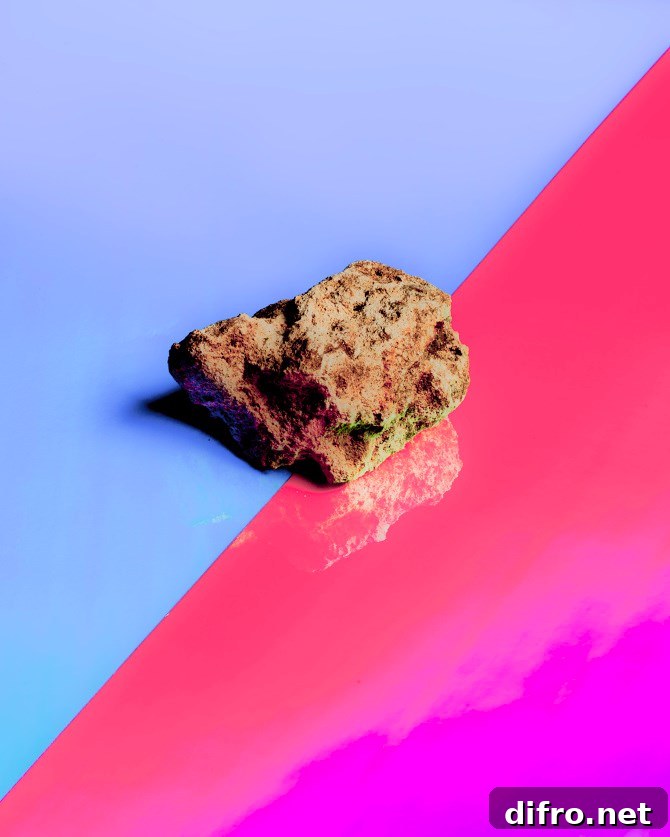
Sometimes the color block is the surface beneath the subject rather than the backdrop. Photographer Wessel Baarda uses a blue-and-pink base to dramatize an earth-toned rock, showing how contrast and simple geometry can transform a still life.
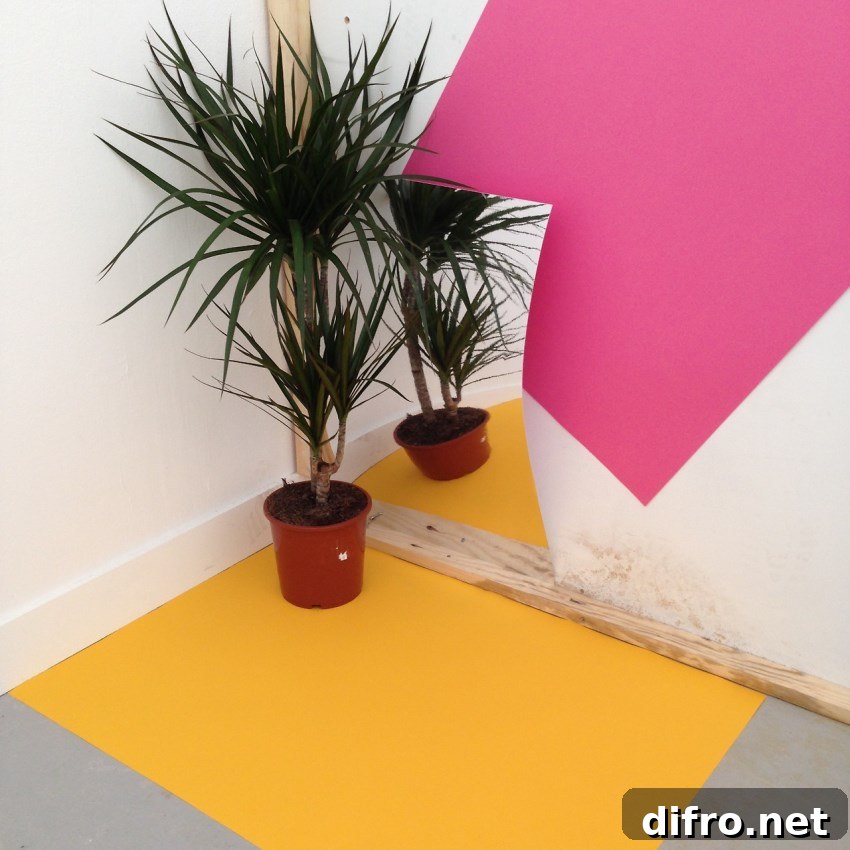
Diagonal divisions of color are a frequent choice for photographers and stylists. I often use diagonally split color planes in my own shoots; the purposeful angle adds energy and helps guide the viewer’s eye, as in the air plant and marble-tile composition below.
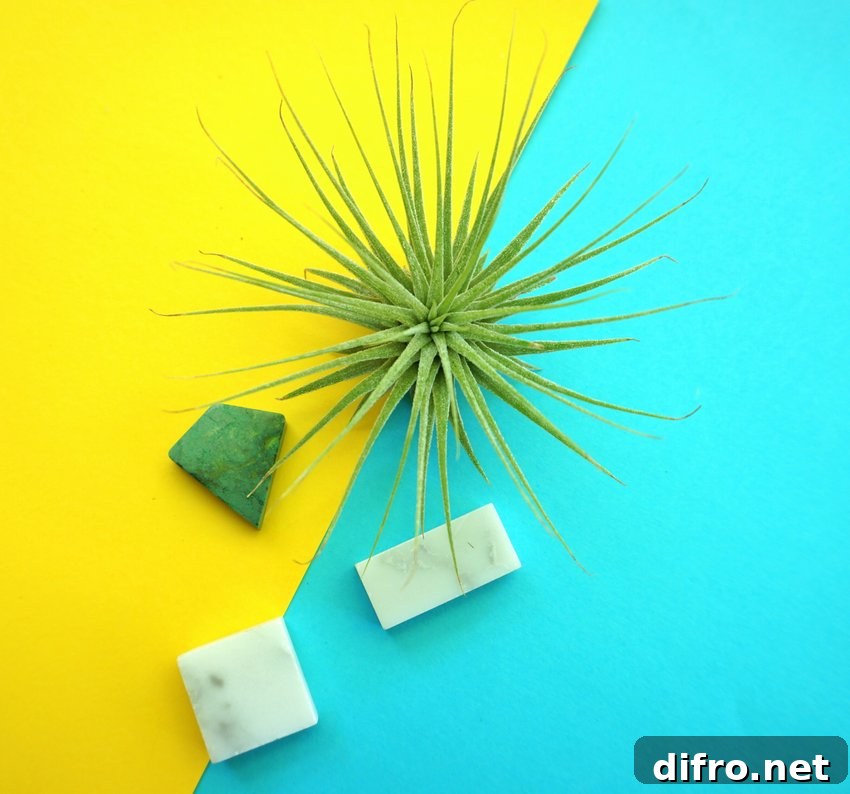
Simple supplies — paint, poster board or art paper — make color-blocked backdrops fast and inexpensive. Whether creating a full set or a small panel, these color planes instantly enhance texture, shadow and composition.
Deck the Walls
Painting walls with a two-tone, color-blocked design is an immediate way to bring this style into your home. Diagonal splits, bold contrasts and complementary palettes can turn a bedroom or living room into a focal point. For instance, a diagonal meeting of bright red and deep eggplant creates dramatic depth and modern flair.
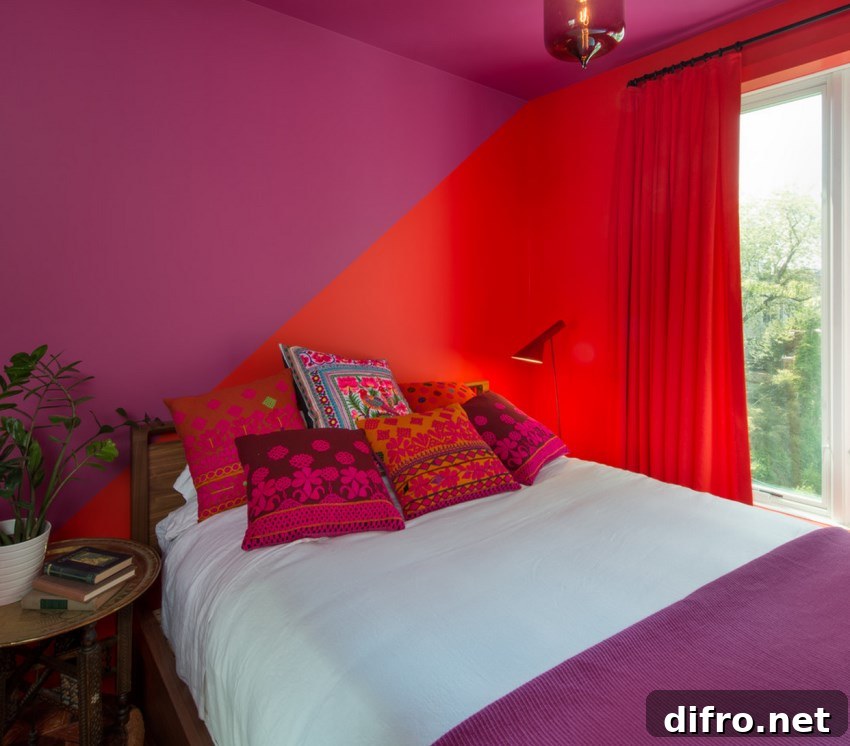
Color blocks don’t need to be angled to work. Horizontal or vertical rectangular panels and clean lines can create a calm, contemporary atmosphere when paired with a considered palette. Combining wall color with painted floors or accent features amplifies the effect and lends cohesion to a room.
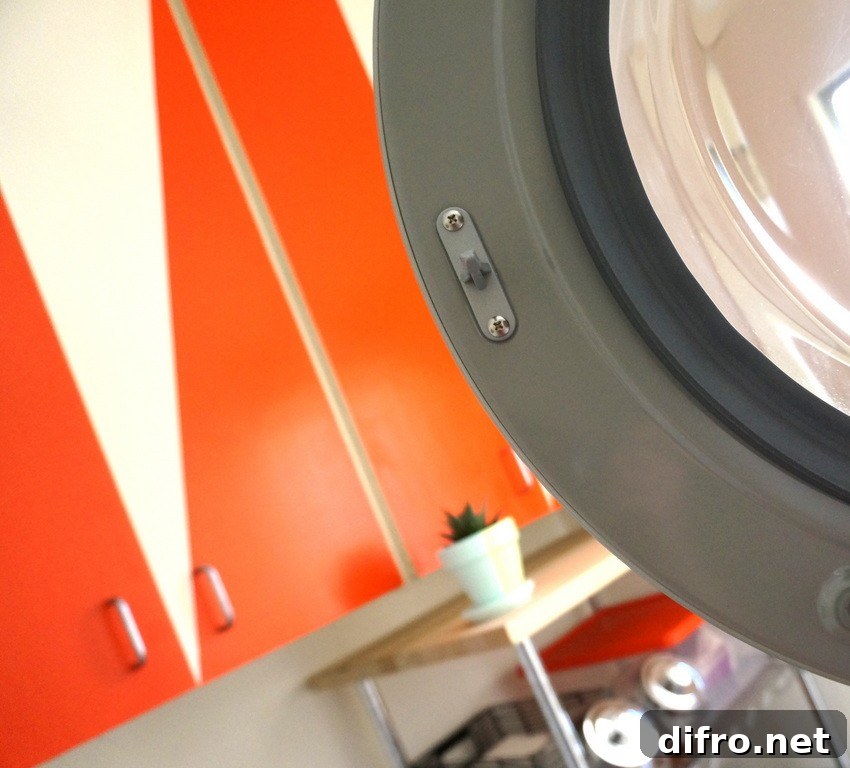
If painting an entire wall feels like a big step, try painting cabinets, doors or a single piece of furniture in a two-tone treatment. Alternating full-color doors with doors bisected on the diagonal, or creating asymmetrical triangles of color, delivers a playful, modern result. Painter’s tape makes crisp lines easy to achieve.
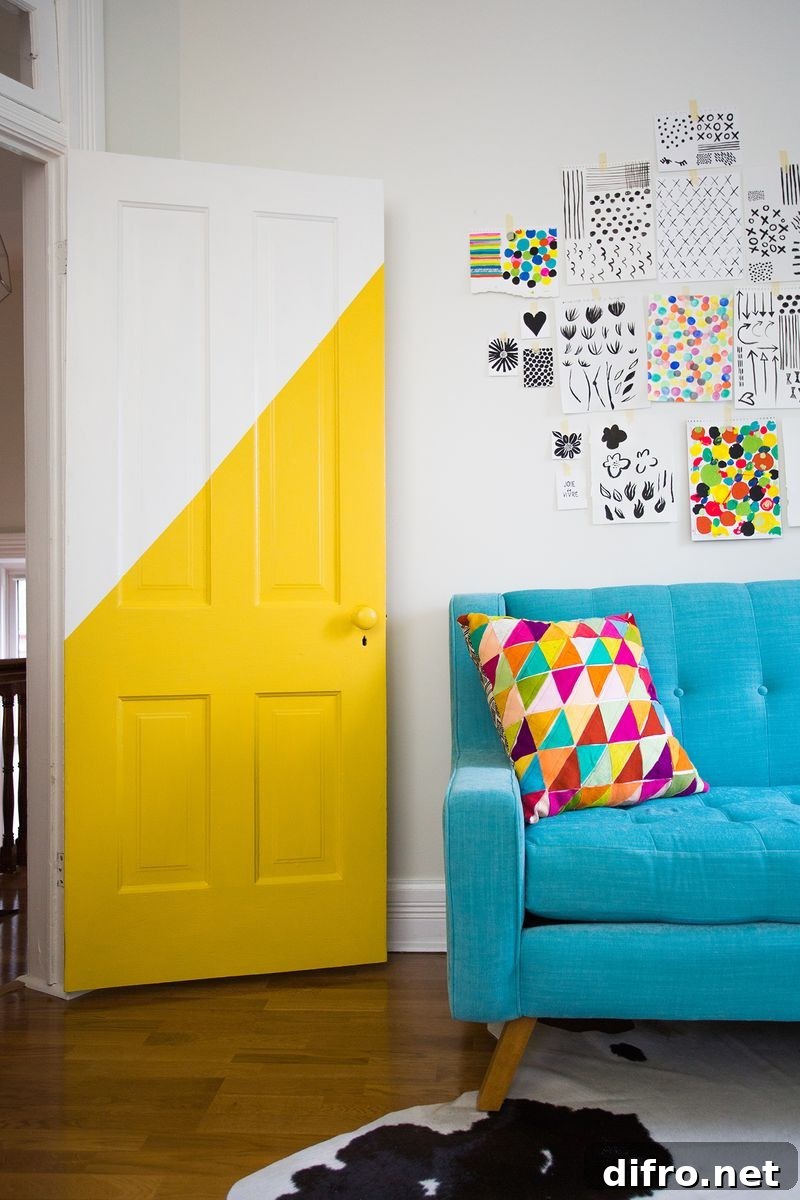
Half-painted doors and asymmetrical barn doors are another low-commitment way to add color-blocked interest. Whether you choose an unexpected hue like brilliant yellow or a muted nude and pink combination, the divide draws attention and adds character without overwhelming the space.
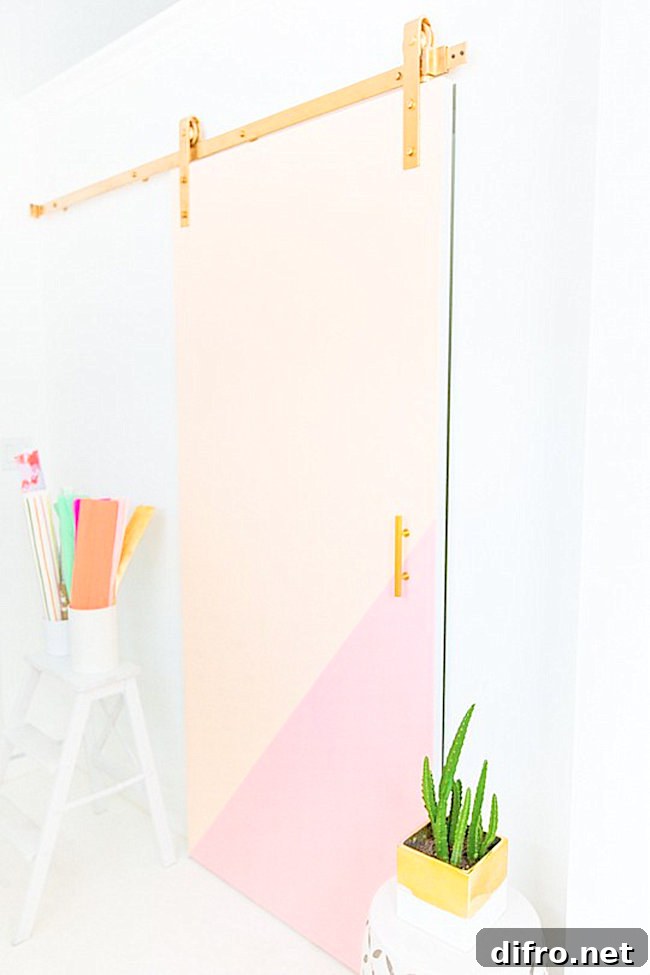
Color-Blocked Decor
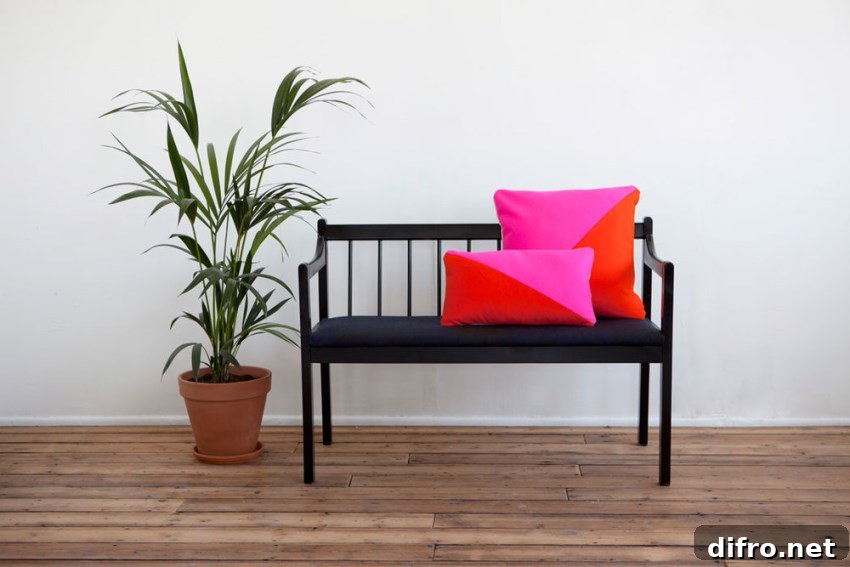
If you’d rather not pick up a paintbrush, color-blocked accessories make it easy to introduce the trend. Cushions, vases, planters and small sculptures add color and pattern without commitment. Handcrafted or ready-made pieces in contrasting hues anchor a room and coordinate with neutral furnishings.
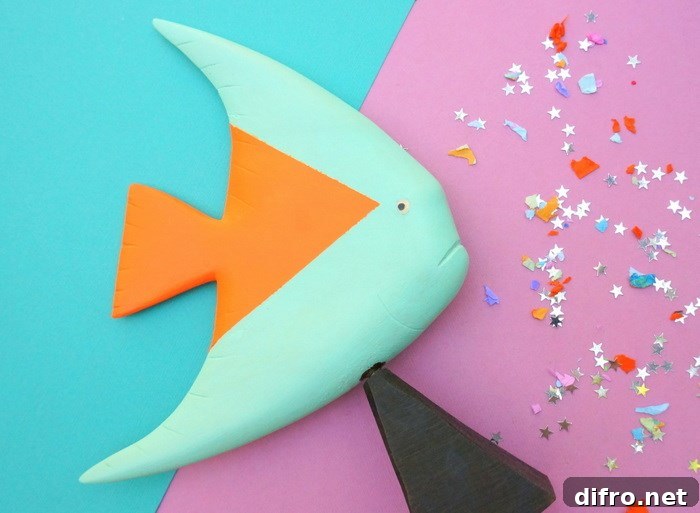
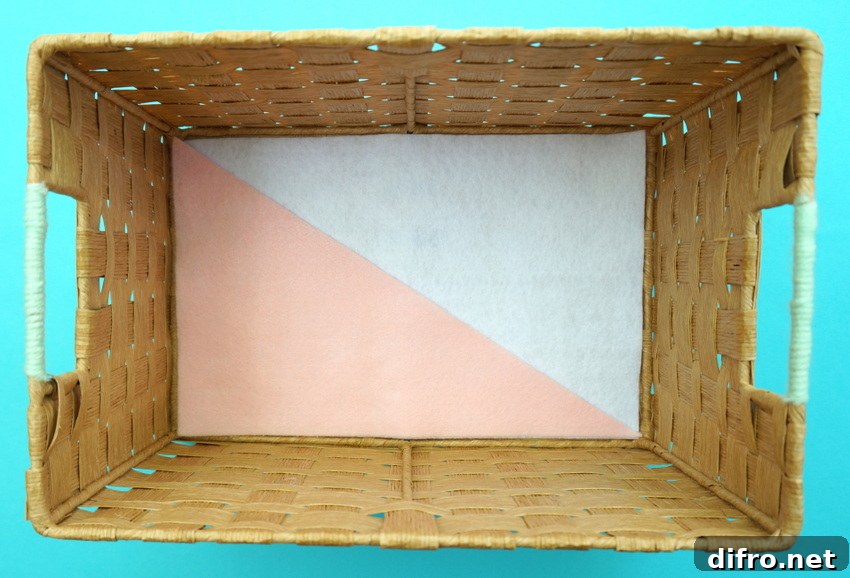
Small DIY projects also offer high impact on a low budget. A vintage figurine painted with geometric color blocks, a felt-lined gift basket with a geo pattern, or a contact-paper wrap for presents are quick ways to apply the aesthetic. These projects are ideal for practicing clean edges and experimenting with color pairings.
Retail pieces such as color-blocked vases and hanging planters use bands of contrasting glaze to create painterly, contemporary bouquets or living displays. For small spaces or shelves, a single colorful objet d’art can act as a focal point and inspire the room’s palette.
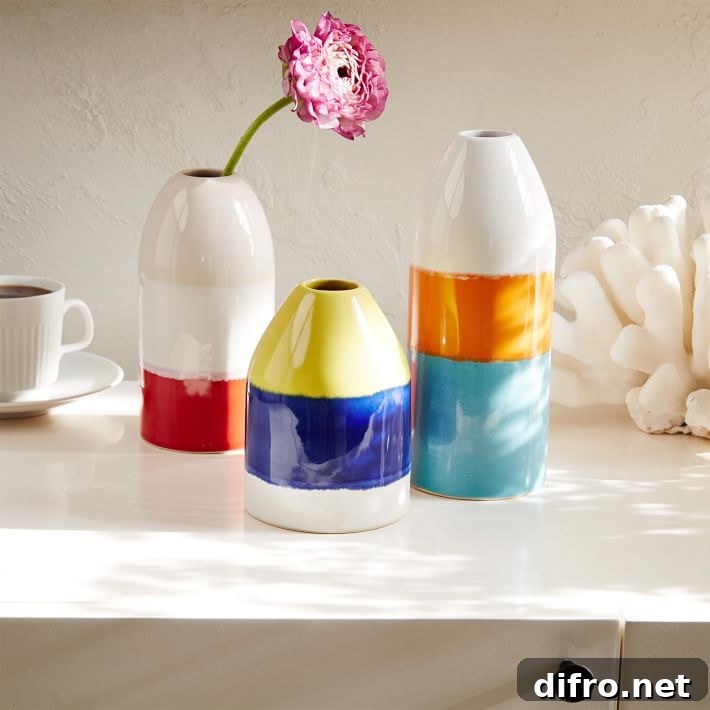
For a finishing touch, use contact paper or decorative tape to create color-blocked gift wrap or package accents. Diagonal or geometric motifs work especially well and are a stylish, budget-friendly way to extend the color-blocking look into everyday details.
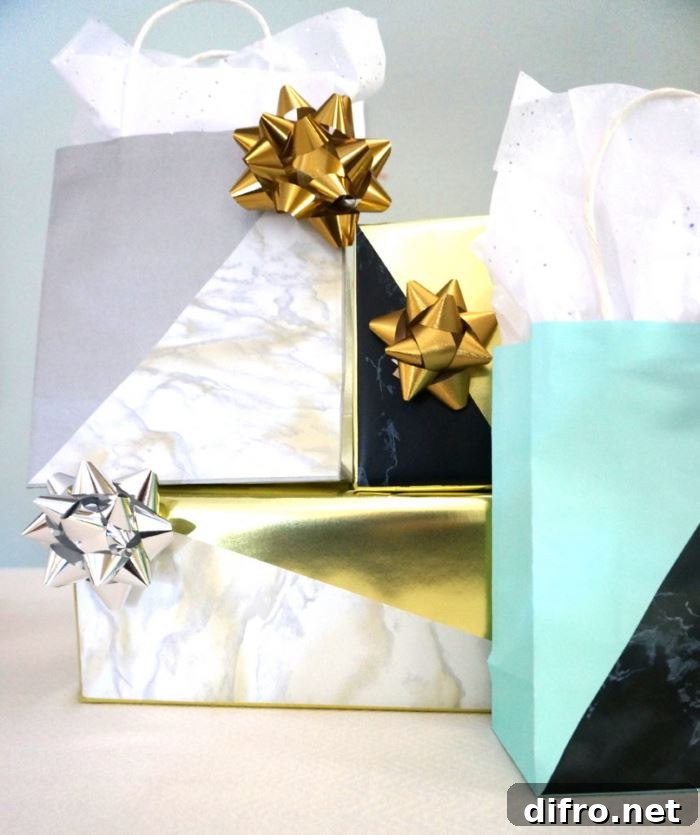
Color blocking is versatile, approachable and instantly transformative. Whether you try a bold painted wall, a half-painted door, a set of vibrant cushions or a small DIY object, the technique offers countless ways to refresh your home and photography with modern, geometric energy. Which color combinations will you try first?