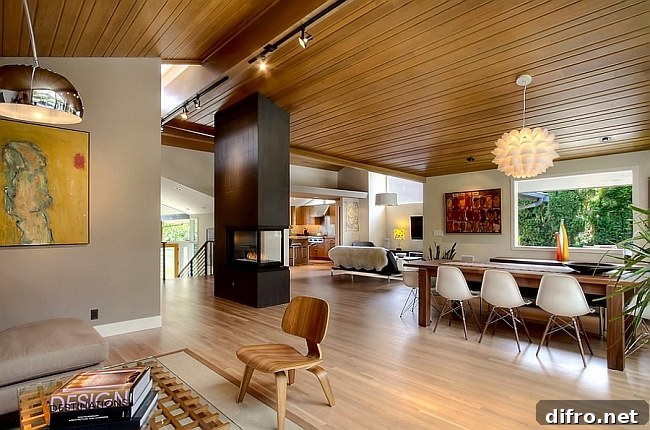
When mid-century modern began resurfacing a few years ago, many dismissed it as a brief trend. That reaction missed the mark. Interest in this design language has only grown, inspiring contemporary designers to reinterpret classic pieces with fresh perspectives. Icons such as Saarinen, Eames, Noguchi and Nelson remain influential, and their aesthetic continues to shape modern interiors with graceful lines, functional beauty and a timeless appeal.
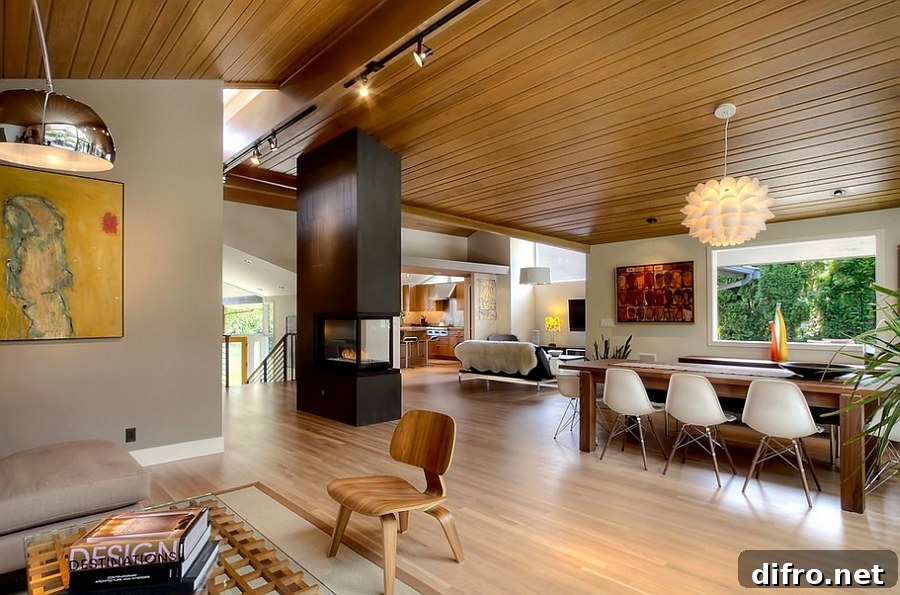
Popular culture—television shows that celebrate mid-century style and the streamlined minimalism of contemporary tech products—has nudged many of us toward the clean, unfussy charm of mid-century modern. If you want to bring this enduring style into your home, there are accessible and tasteful ways to do so without a full renovation. Here are practical ideas to adopt the mid-century modern look with confidence and flair.
1. Embrace Simplicity and Purpose
Mid-century modern grew from a movement that favored simplicity, functional design and uncluttered spaces. At its heart the style removes the unnecessary and highlights furniture with clean lines, sculptural forms and smooth curves. If your home already leans toward minimalism, you’re halfway there—focus on defining a single focal point in each room and let standout pieces, lighting or artwork take center stage.
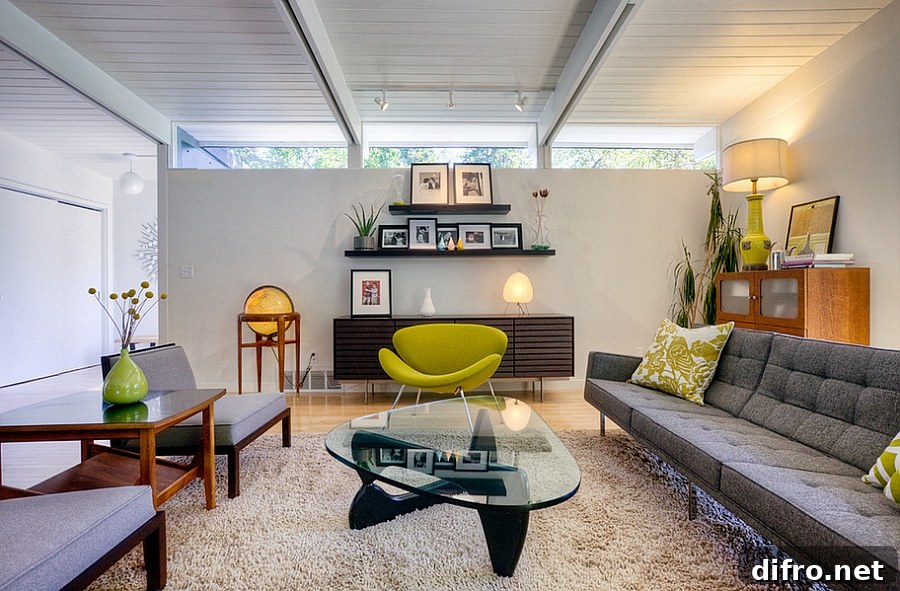
by Coop 15 Architecture
2. Add Sculptural, Timeless Pieces
Introduce one or two iconic or sculptural mid-century pieces to anchor a room. A classic lounge chair or a simple, elegant coffee table instantly conveys mid-century character without overwhelming the space. If budget is a concern, search local flea markets and vintage stores for authentic finds, or choose well-made replicas from reputable makers. The aim is to find pieces that feel purposeful, sculptural and enduring—investments you’ll enjoy for years.
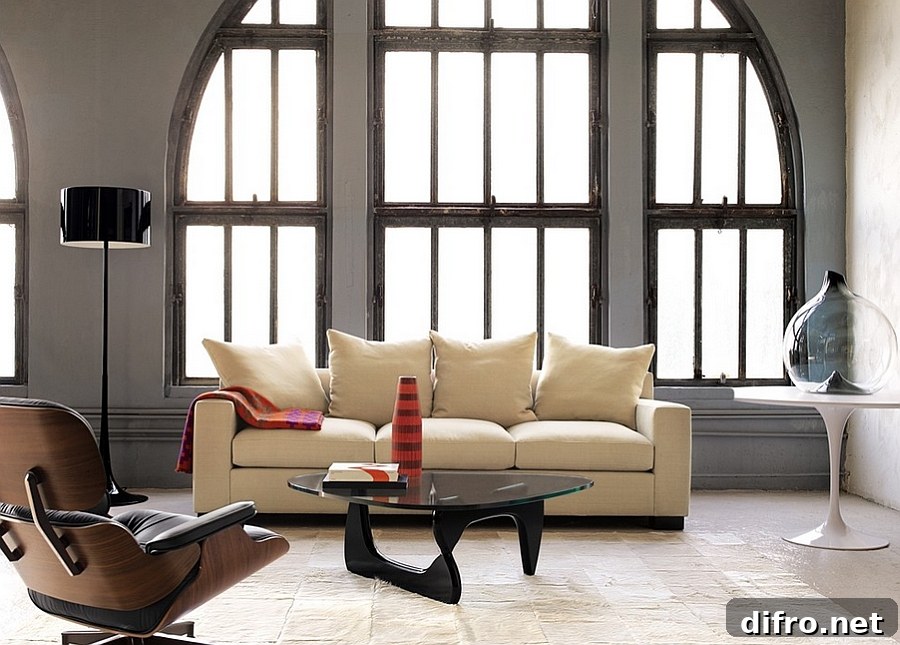
3. Use Geometric Patterns and Bold Wallpaper Sparingly
Geometric patterns are a hallmark of mid-century modern design. Rugs, drapes and wallpapers in bold, graphic motifs can energize a neutral room, but balance is essential. Use pattern to create contrast against clean, simple backdrops—too many competing patterns will make a space feel cluttered. A single statement wall or a striking rug often provides just the right visual interest.
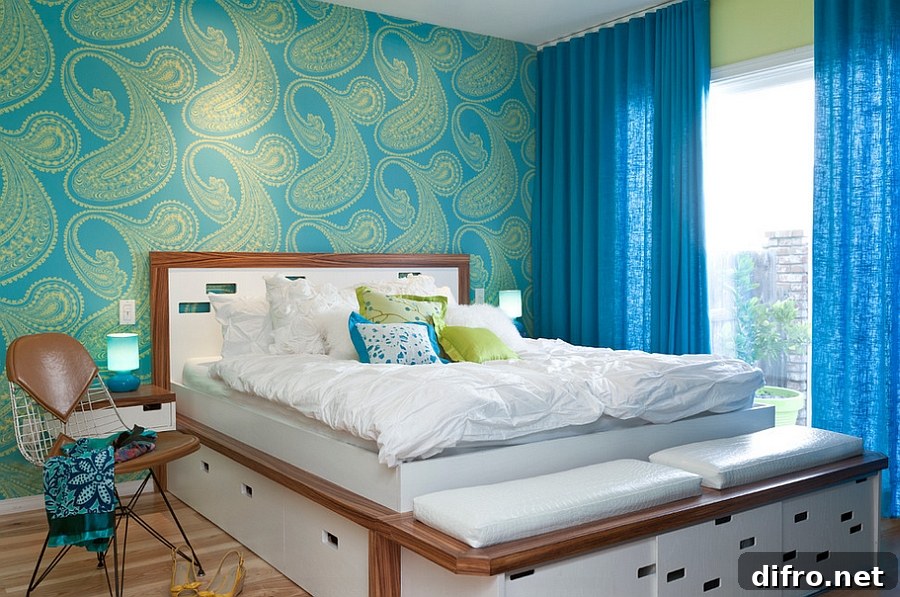
by Kropat Interior Design
4. Build on a Neutral, Textured Backdrop and Add Saturated Accents
A warm, neutral palette—think wood tones, soft creams and gentle grays—provides an ideal canvas for mid-century interiors. More than flat paint, include natural textures like wood panels, woven fabrics and stone to create depth and warmth. Once the neutral base is established, bring in saturated colors—rich blues, mustard yellow, deep greens—in furniture, cushions or art to give the room a clear identity without overpowering the space.
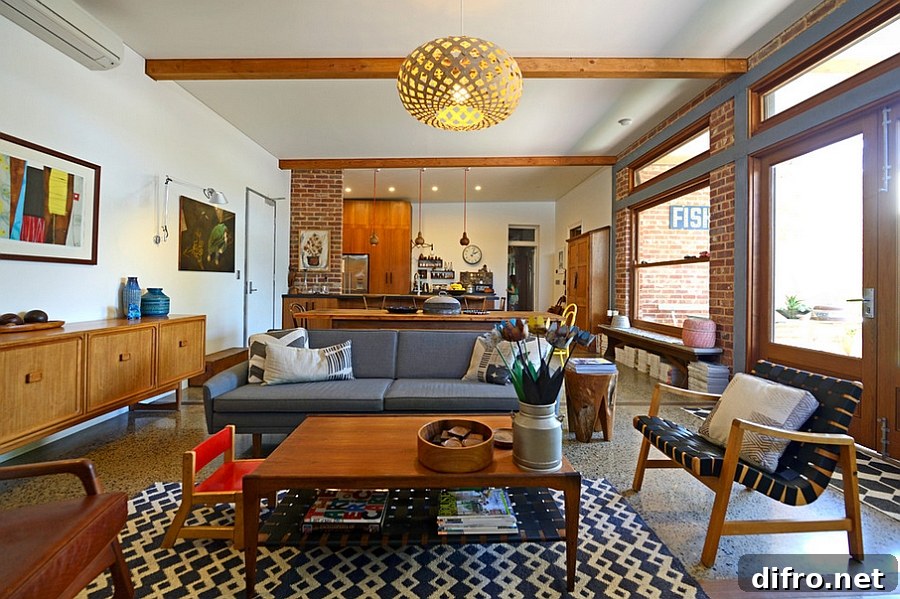
by Jeni Lee
5. Encourage an Indoor–Outdoor Connection
Mid-century architecture emphasized a seamless relationship between interior spaces and the outdoors. Large windows, sliding glass doors and open floor plans invite natural light and landscape views into the home, reinforcing a sense of calm and connection with nature. This interplay feels modern and sustainable, and it complements the simple, functional spirit of mid-century design.
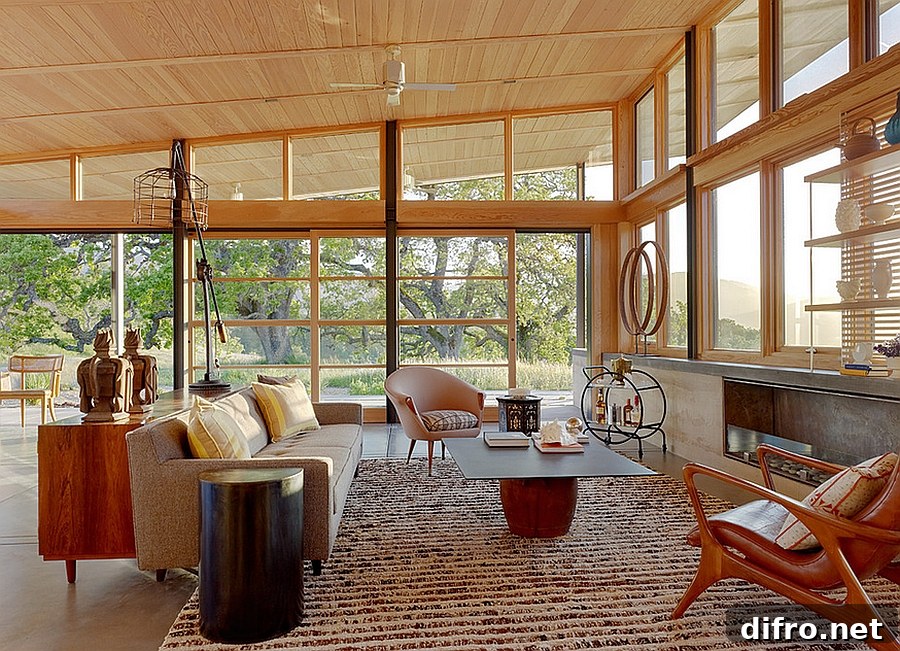
by Jeffers Design Group
6. Curate Art and Collectibles
Art and carefully chosen collectibles bring personality to mid-century interiors. Look for colorful abstract prints, sculptural objects and distinctive clocks or ceramics that echo the era’s graphic sensibilities. You don’t need to buy expensive originals—thrift shops, flea markets and emerging artists often yield affordable treasures. Potted plants and ceramic vases also pair beautifully with the era’s warm, organic textures.
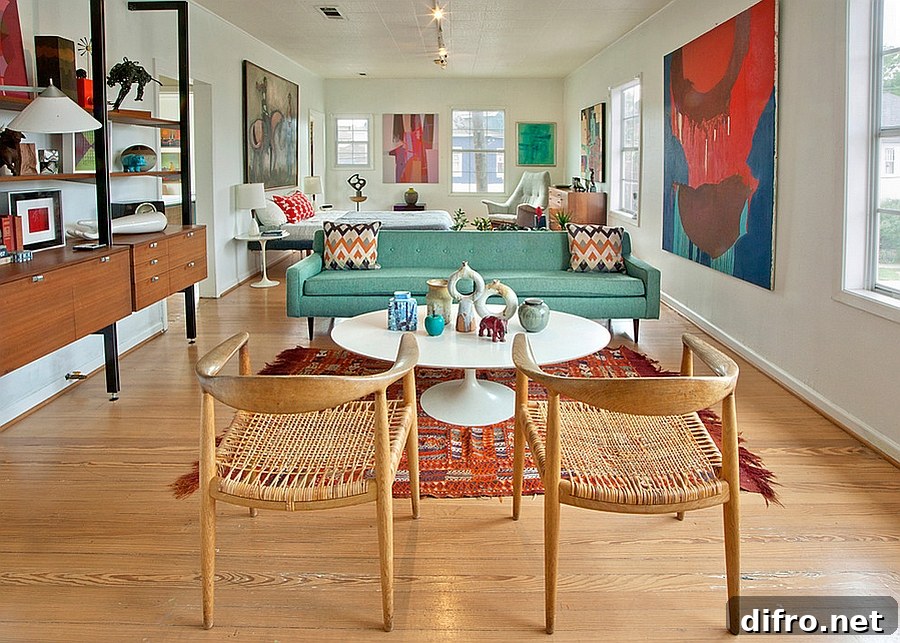
7. Choose Lighting as a Defining Element
Lighting in mid-century design is often sculptural and expressive. Iconic floor lamps, pendant fixtures and table lamps can serve as both functional sources of light and strong visual anchors. Select fixtures with clean silhouettes, organic curves or bold materials to enhance the room’s character. Effective lighting will shape the mood and draw attention to the pieces you most want to showcase.
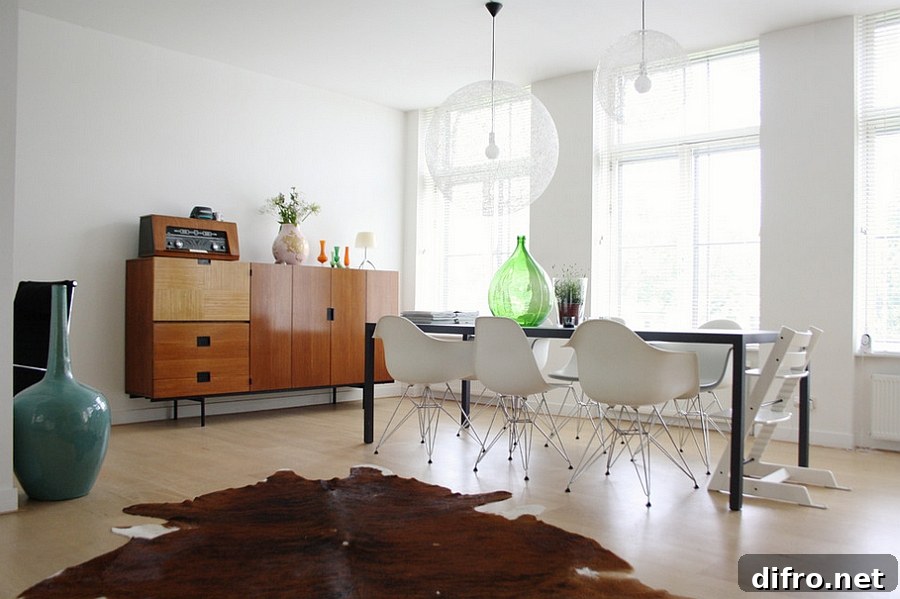
by Sarah Greenman
Design trends often cycle between generations, but mid-century modern endures because it balances form, function and warmth. Whether you adopt its principles through a single standout piece or rework a whole room, the style’s emphasis on simplicity, natural materials and thoughtful details makes it a versatile choice. Mid-century modern remains a powerful source of inspiration—and a practical way to create interiors that feel both contemporary and timeless.