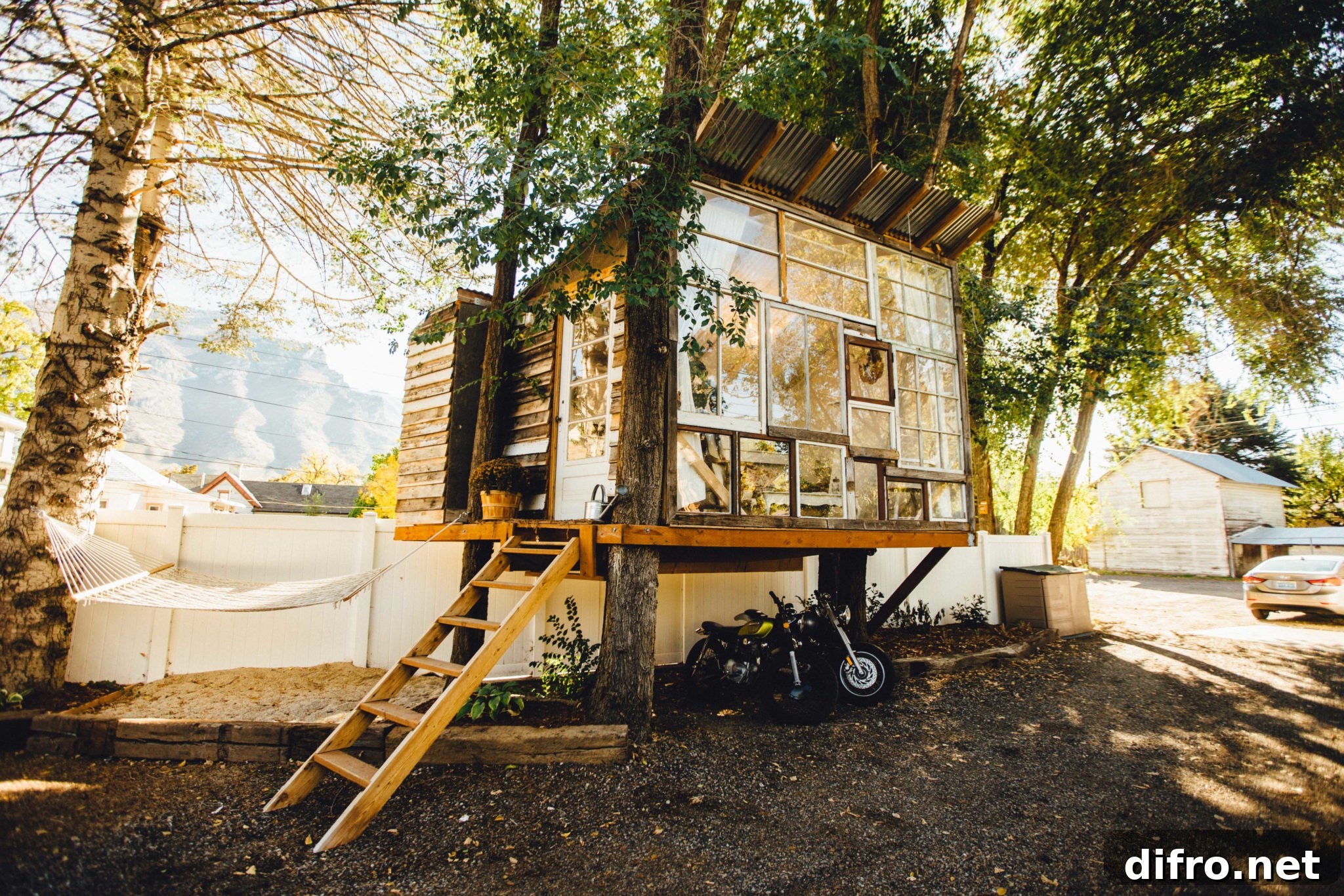
As children we all dreamed of treehouses — secret, elevated hideaways where imagination ran wild. As adults, that same sense of adventure often combines with a desire for comfort, luxury and a restorative escape. The result is a new generation of modern treehouses: sophisticated, thoughtfully designed homes set among the branches, ideal as permanent residences, weekend retreats, or unforgettable vacation rentals. Below are some inspiring examples of contemporary treehouse design, showcasing how architecture can harmonize with nature.
Blending Modern and Natural
Modern treehouses balance contemporary aesthetics with respect for their natural surroundings. Clean lines, large windows, and refined materials can coexist beautifully with wood, greenery and the organic shapes of the landscape, creating spaces that feel both fresh and timeless.
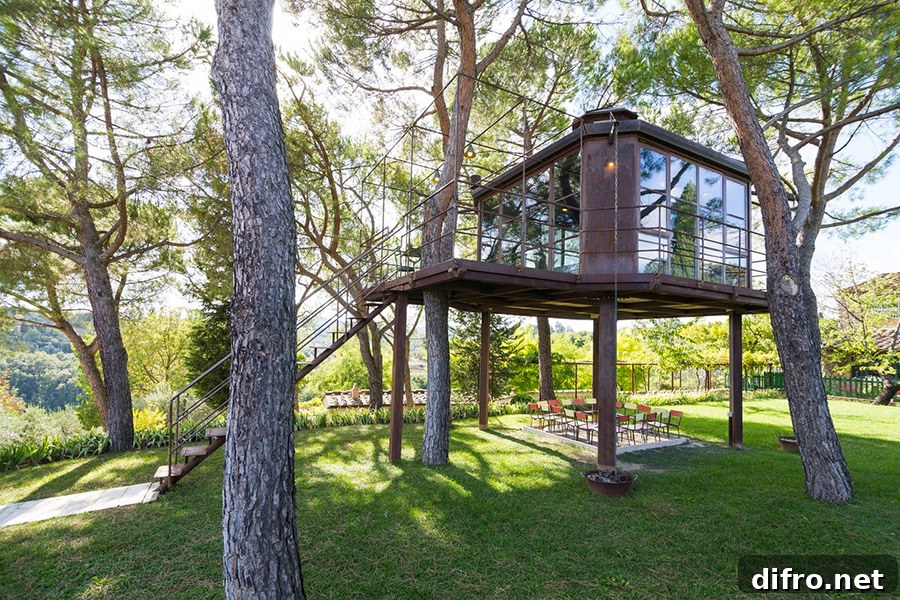
Glass-walled treehouses open the interior to panoramic views and daylight, turning the surrounding forest into the home’s most prominent feature. These transparent designs feel remarkably spacious and luminous, blurring the boundary between interior and exterior.
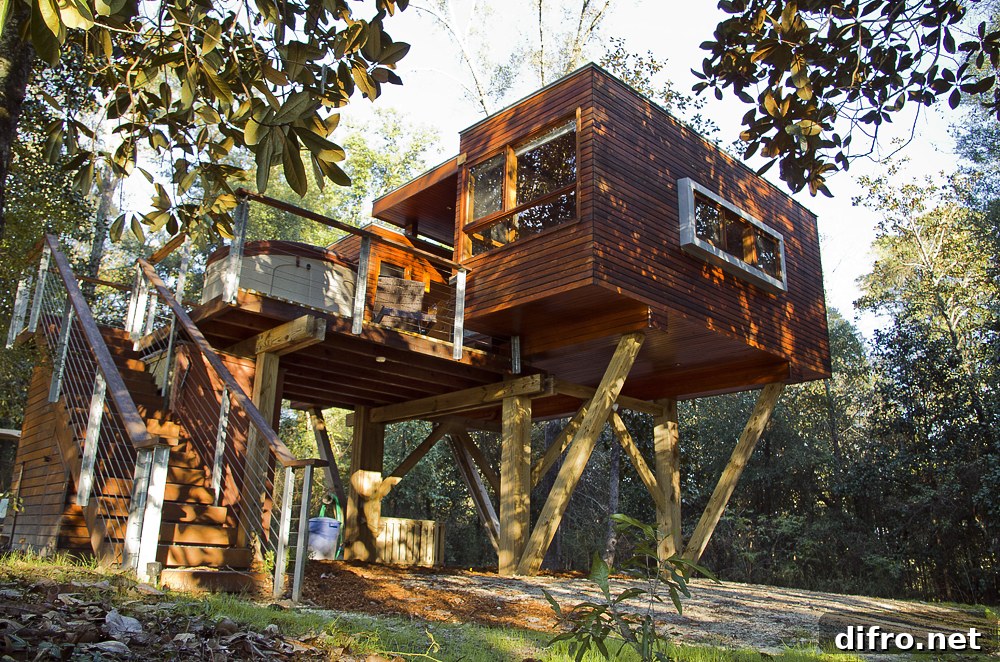
Polished wood and dynamic geometry create a contemporary yet context-aware aesthetic. When craftsmanship highlights natural textures while maintaining a refined silhouette, the treehouse reads as both modern and rooted in its environment.
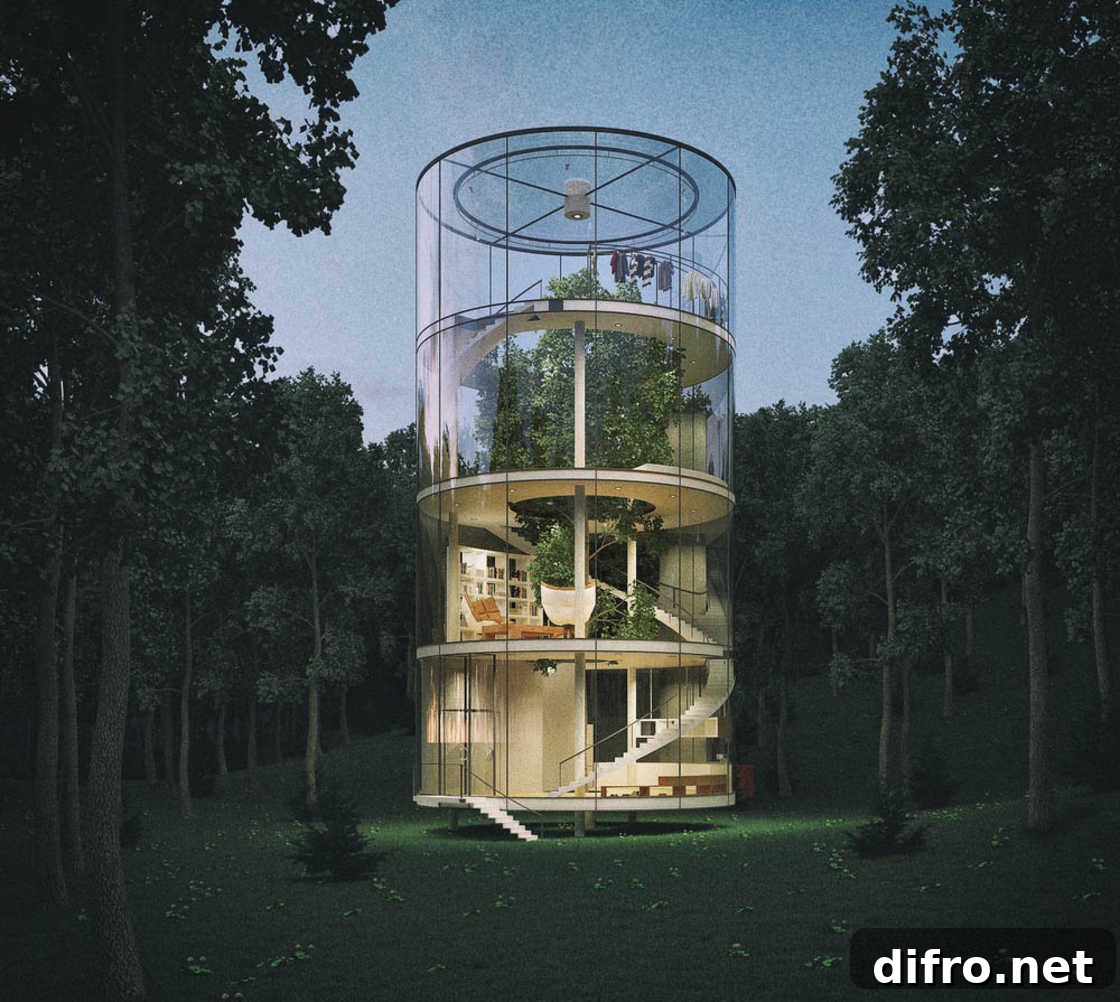
Vertical, multi-level designs capitalize on the height of their site, wrapping living spaces around a central tree to bring the canopy into every room. Transparent walls and stacked volumes offer 360° viewing opportunities and a strong visual connection to the landscape.
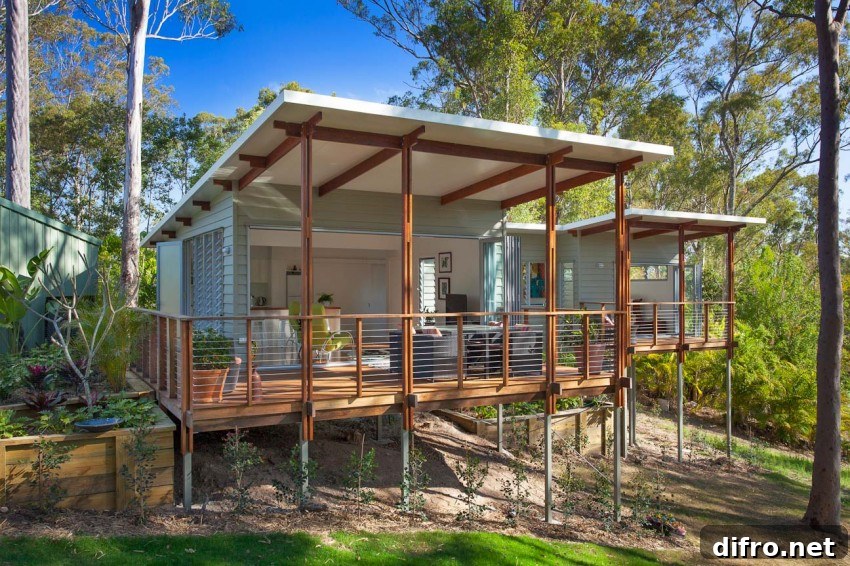
Combining warm wood with soft pastel accents produces a fresh, inviting palette. Subtle color and simple detailing keep the composition modern while amplifying the light and airy feel of the home.
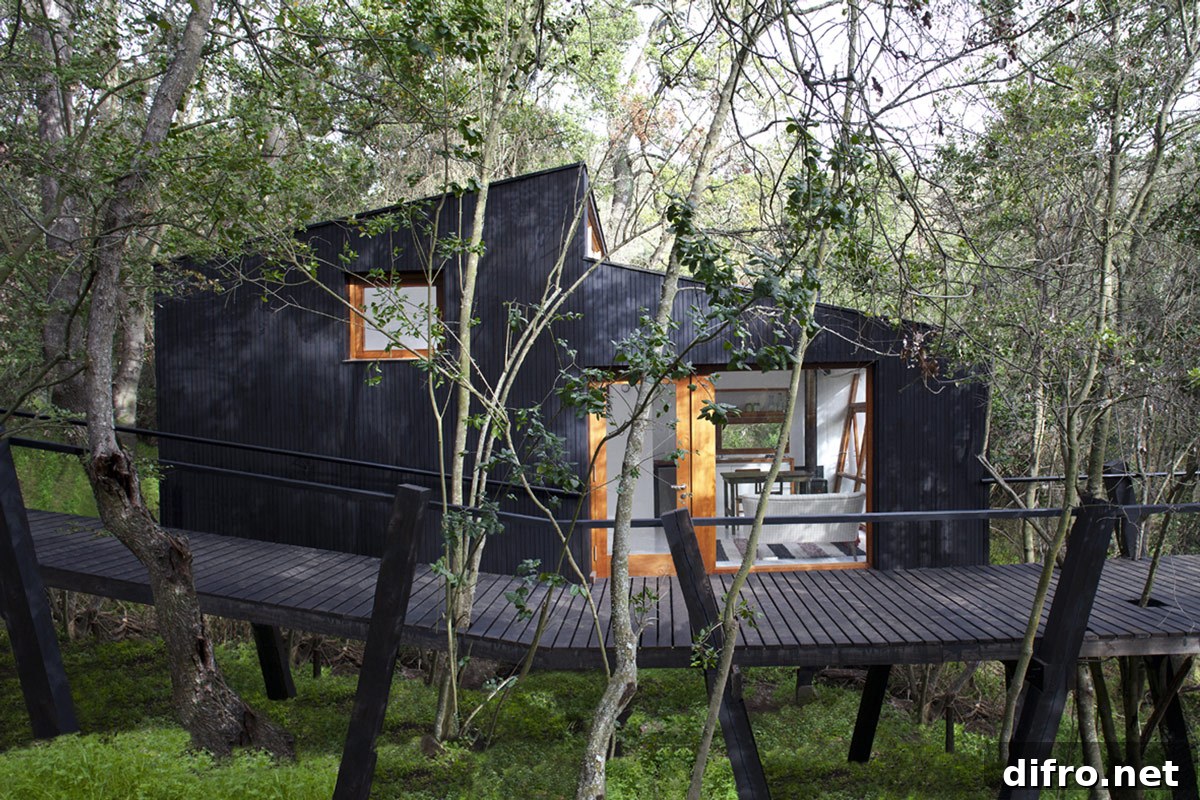
A dark exterior can give a treehouse a strikingly elegant, contemporary presence. Deep tones set off textures and silhouettes, producing a sophisticated contrast within the green landscape.
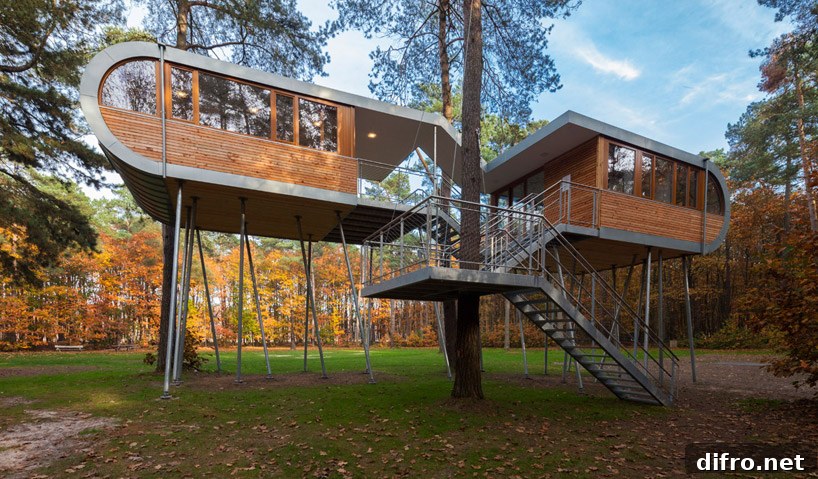
Combining silvery finishes and light wood creates a refined sanctuary in the trees. Innovative details—like staircases that wrap around the trunk—celebrate the tree itself as an integral structural and visual element.
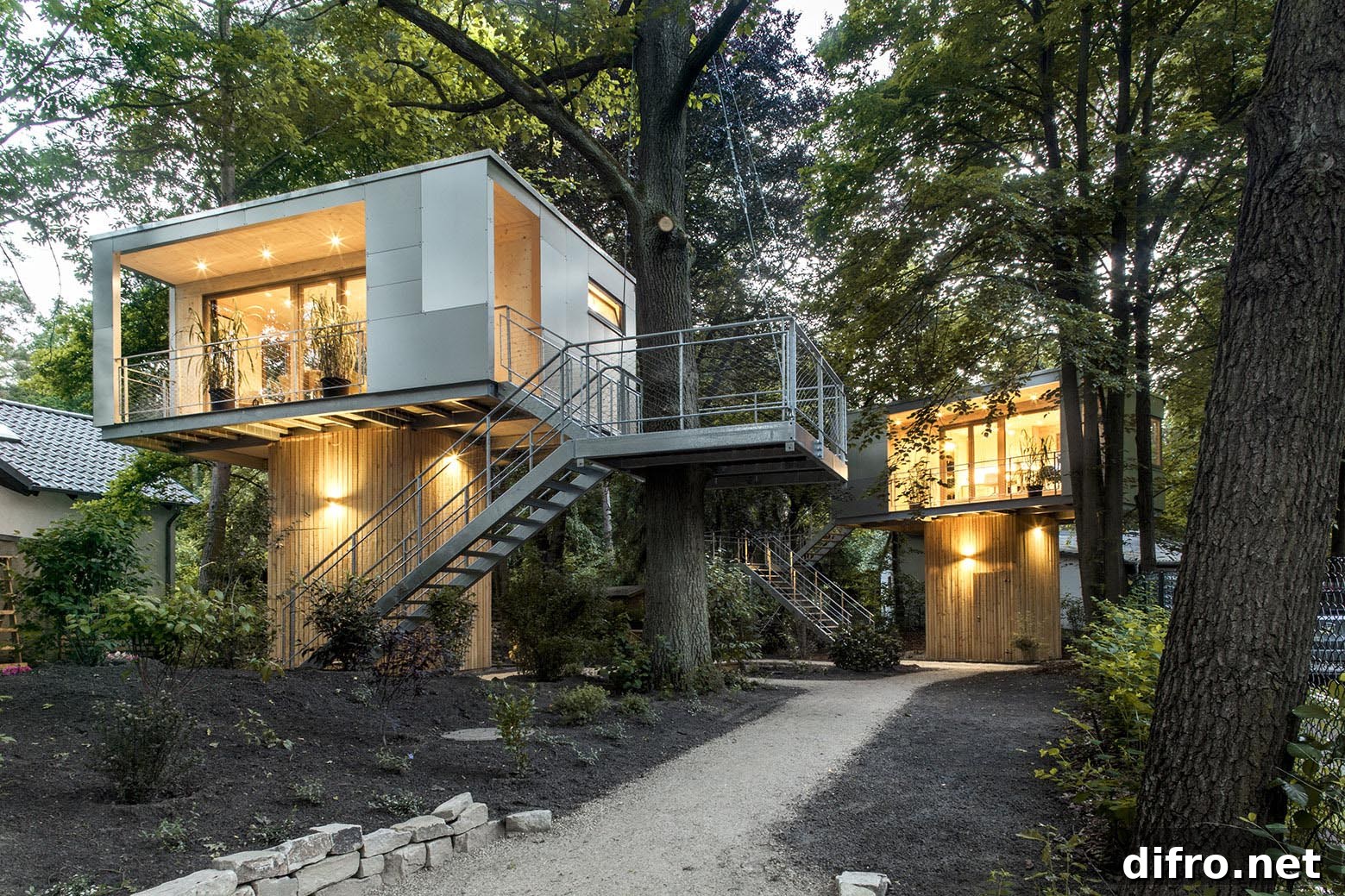
Neutral tones and matte surfaces let warm interior lighting and the surrounding foliage take center stage. A restrained exterior palette harmonizes with the forest while creating a calm, contemporary backdrop.
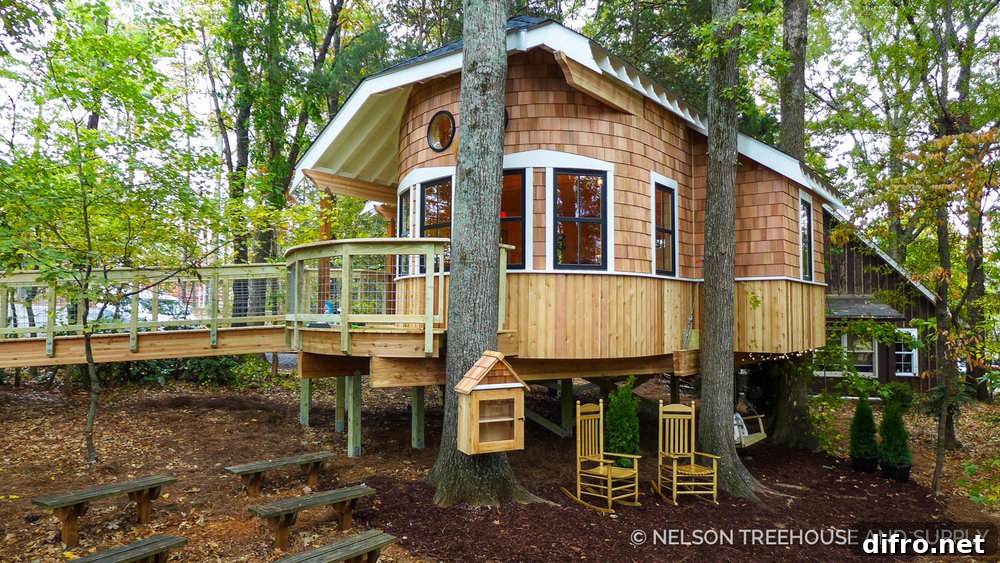
Layering different wood species and finishes can produce a fairytale-like quality that appeals to both children and adults. Thoughtful joinery and playful proportions underscore the storybook charm of wooden treehouses.
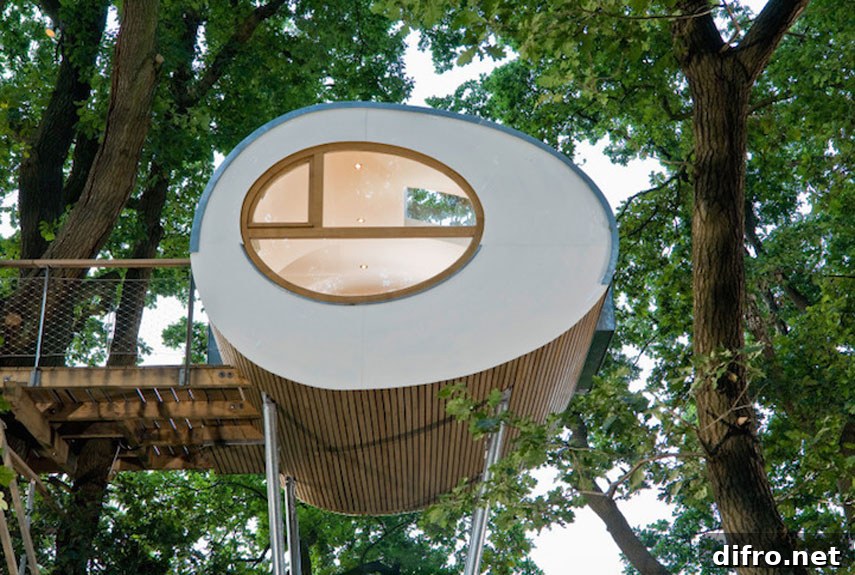
Minimalist treehouse pods emphasize simplicity and efficient use of space. Their compact, uncluttered interiors offer a peaceful overnight retreat while remaining visually light and playful among the trees.
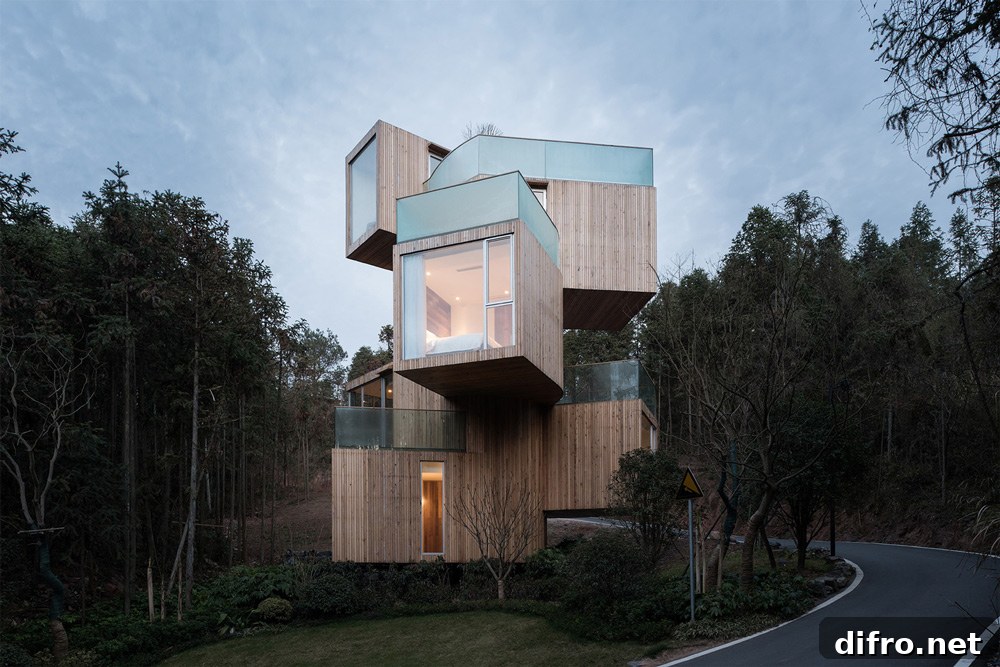
Some modern treehouses integrate planted terraces and green roofs to extend living spaces and blur the line between architecture and landscape. Natural planting softens materials and enhances privacy while promoting biodiversity.
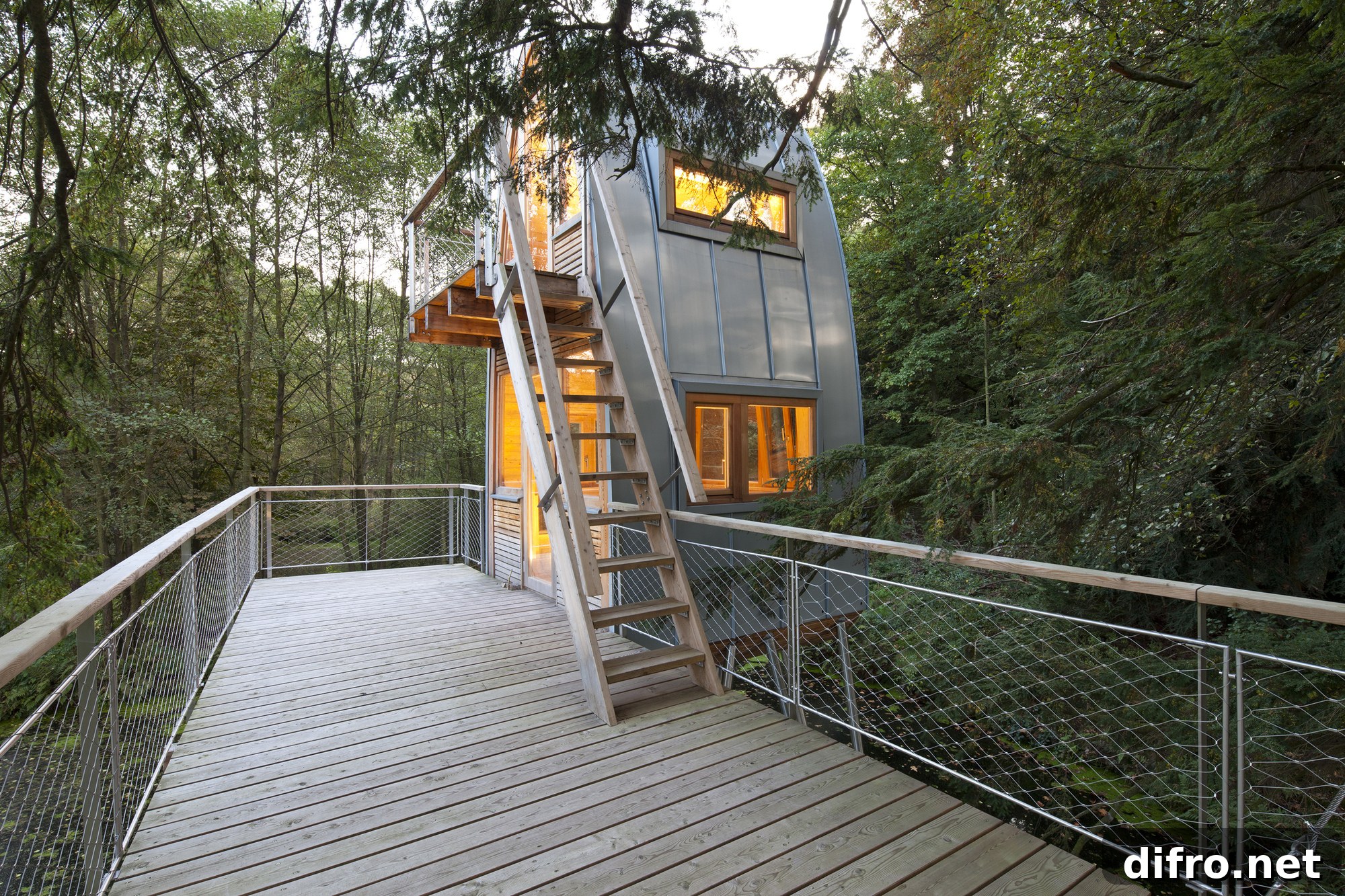
Metal-clad treehouses can create a dramatic modern contrast with the forest. When combined with warm, inviting interior light and well-designed decks, these structures become compelling focal points without overwhelming the site.
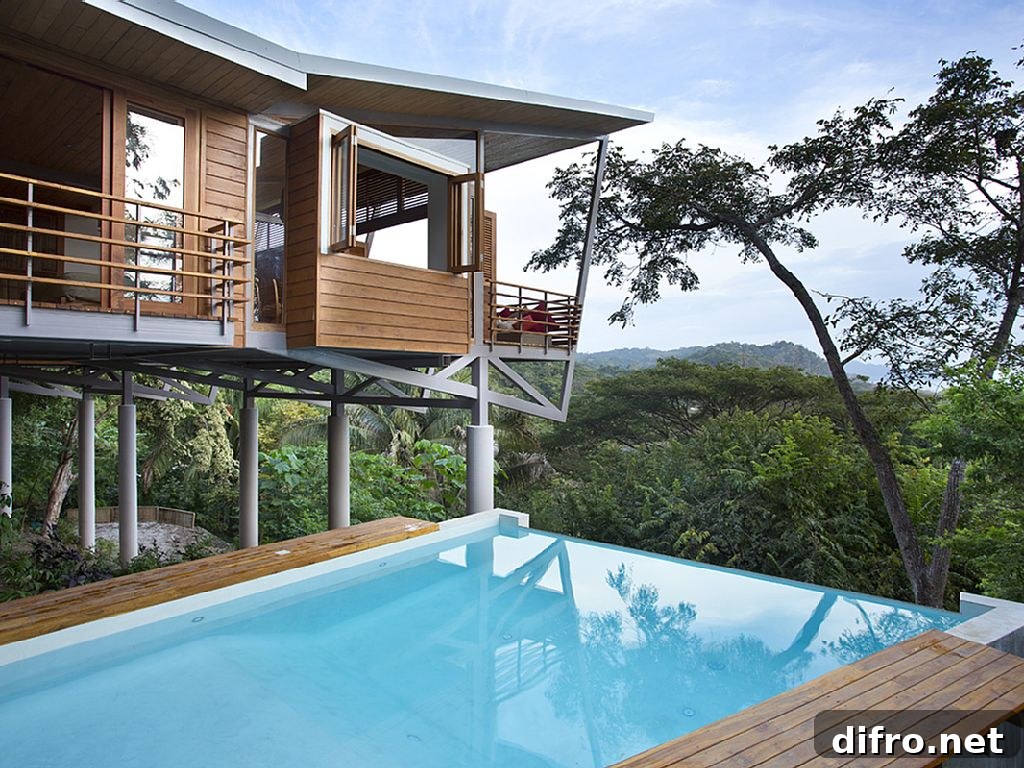
At the intersection of luxury and nature, some treehouse retreats include high-end amenities such as pools and expansive decks. These projects demonstrate that contemporary comforts and immersive forest living can coexist beautifully.
Hidden in the Forest
Many treehouses are designed to be discreet, camouflaging with the canopy or tucked deep into the woods. These hidden retreats emphasize privacy, serenity and an intimate connection to their natural setting.
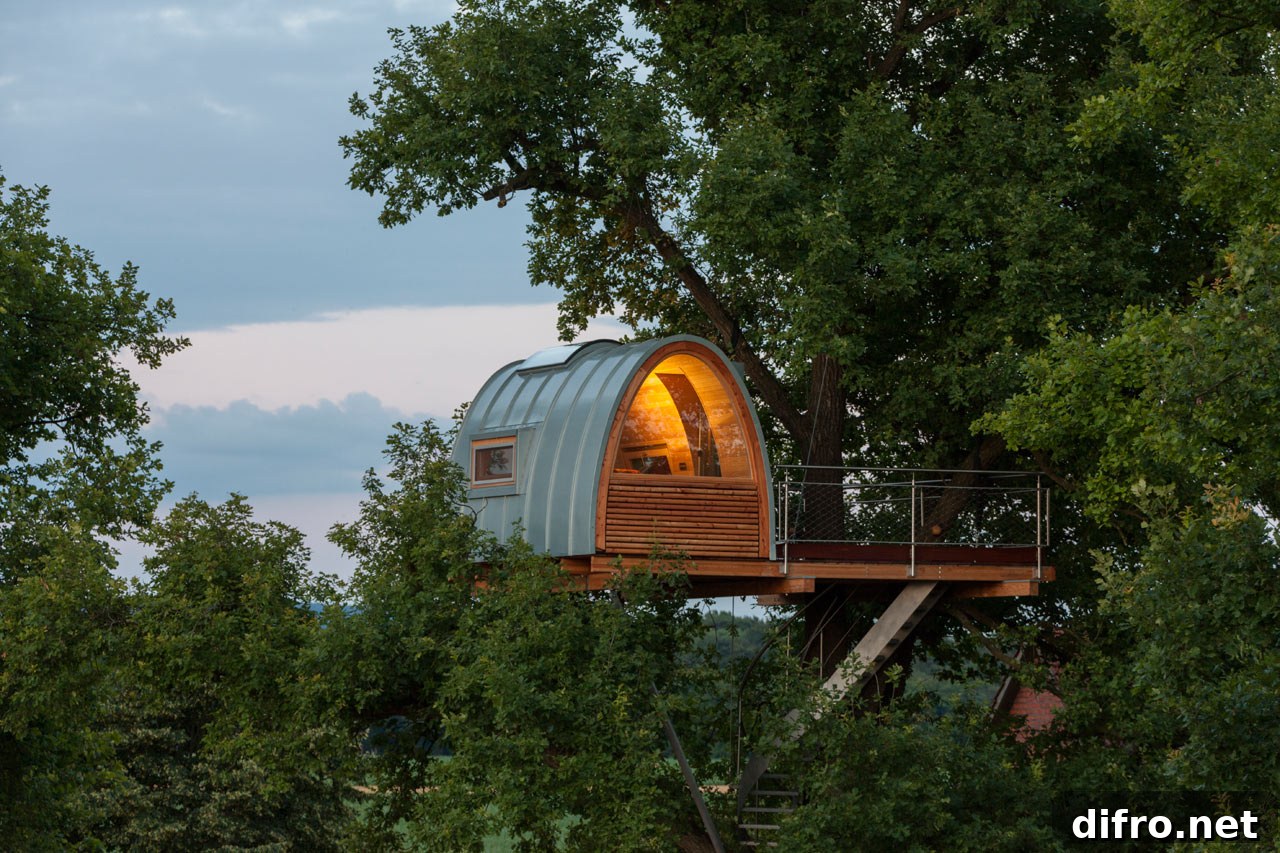
Elevated just above the treetops, a bungalow-style treehouse delivers sweeping views while remaining immersed in the landscape. These designs often prioritize long sightlines and generous outdoor living areas.
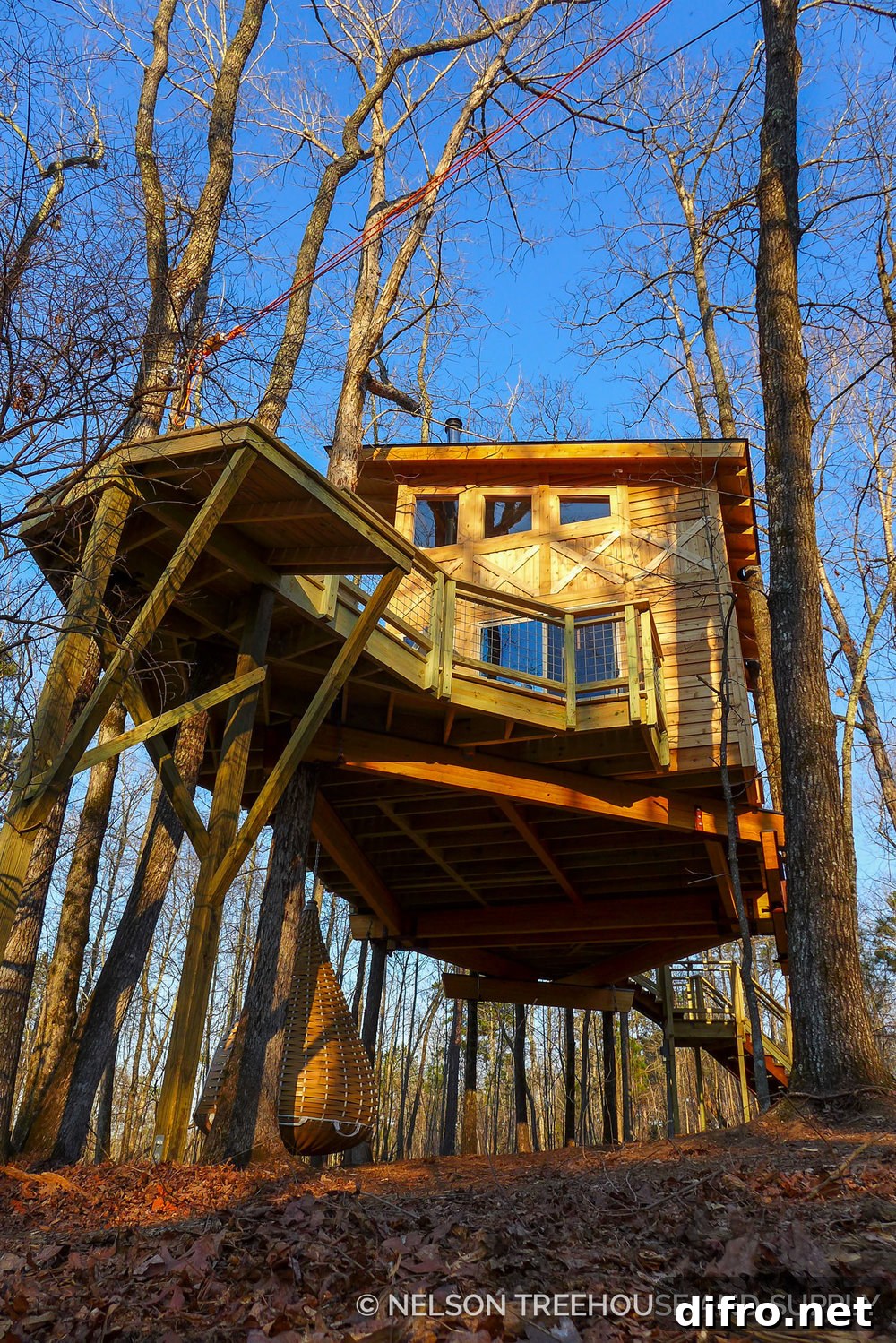
Fully wooden treehouses celebrate natural materials and sustainable sensibilities. When carefully detailed, these structures provide cozy, intimate hideaways that do not compromise on comfort.
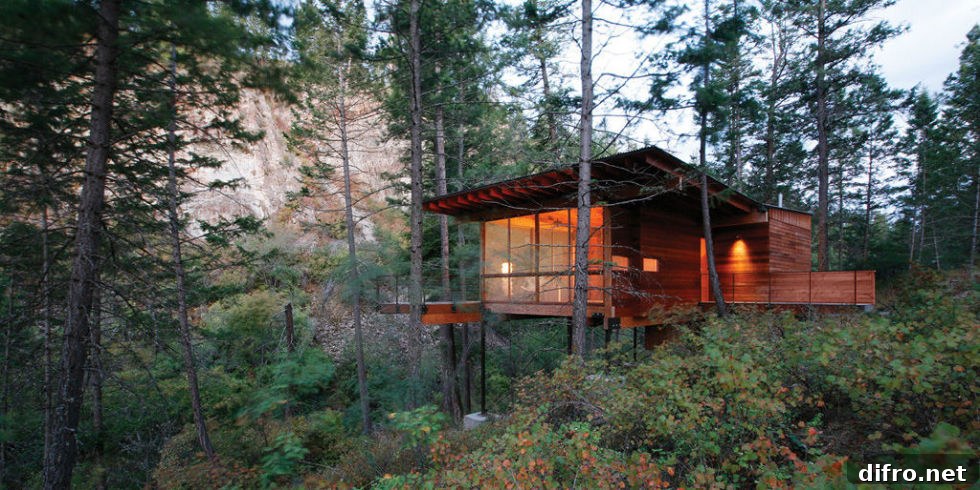
Rich, polished wood tones give a warm, inviting presence that stands out in the green canopy. Thoughtful lighting enhances the interior’s cozy ambiance while the exterior remains integrated with the forest palette.
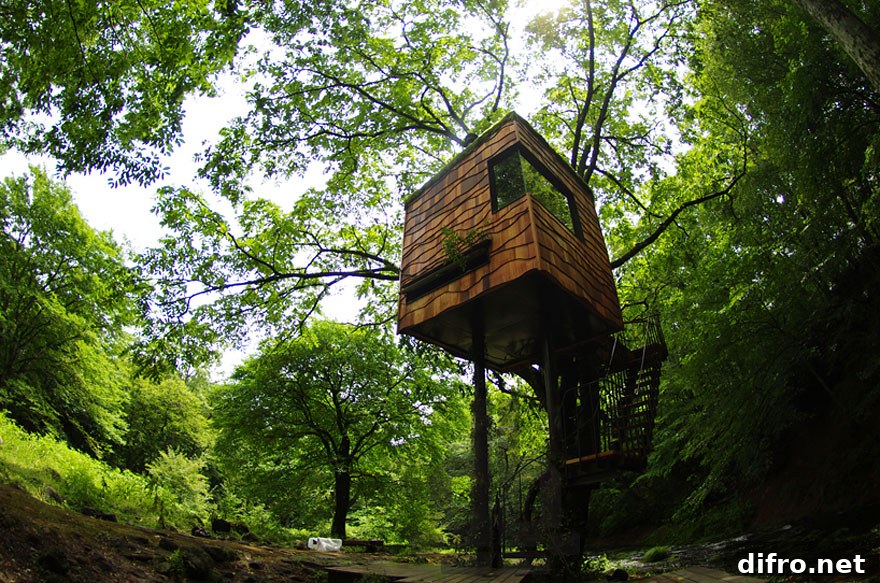
Tiny treehouses, nestled low among leafy branches, can feel like natural extensions of their trees. Small-format designs encourage simplified living and are especially suited to minimalist or seasonal use.
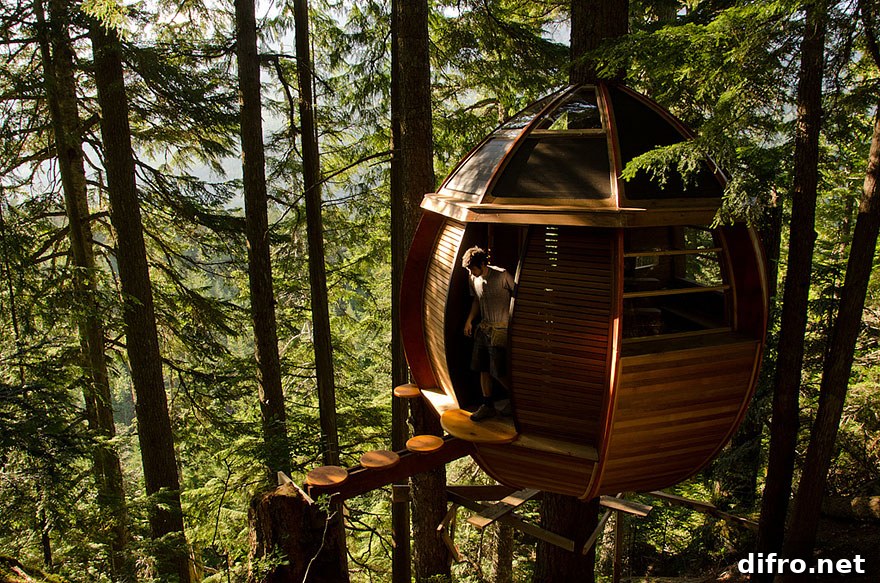
Perched high above the forest floor, some treehouses are best suited to those who love an adventurous perspective. Elevated platforms offer spectacular views and a feeling of seclusion that many seek in a retreat.
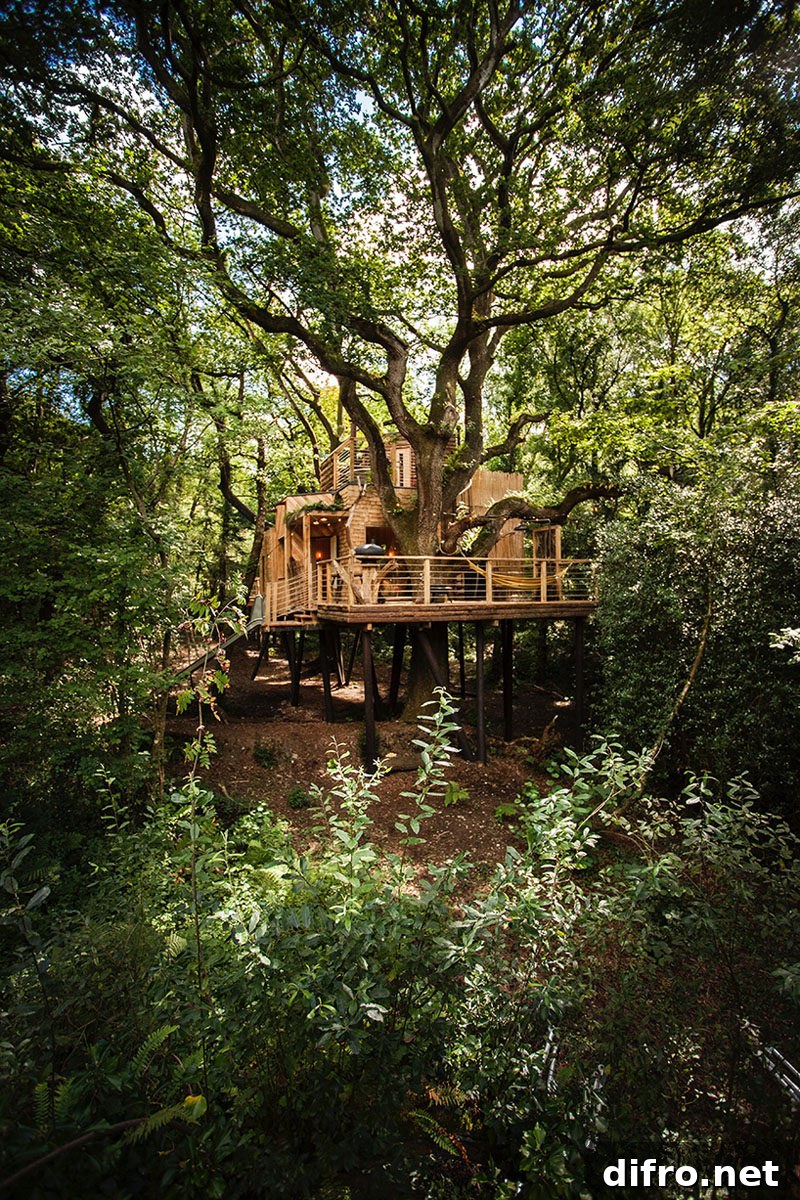
Large, multi-room treehouses can be woven around mature trees to create immersive environments that feel like something from an adventure novel. Skillful structural design preserves tree health while delivering memorable spaces.
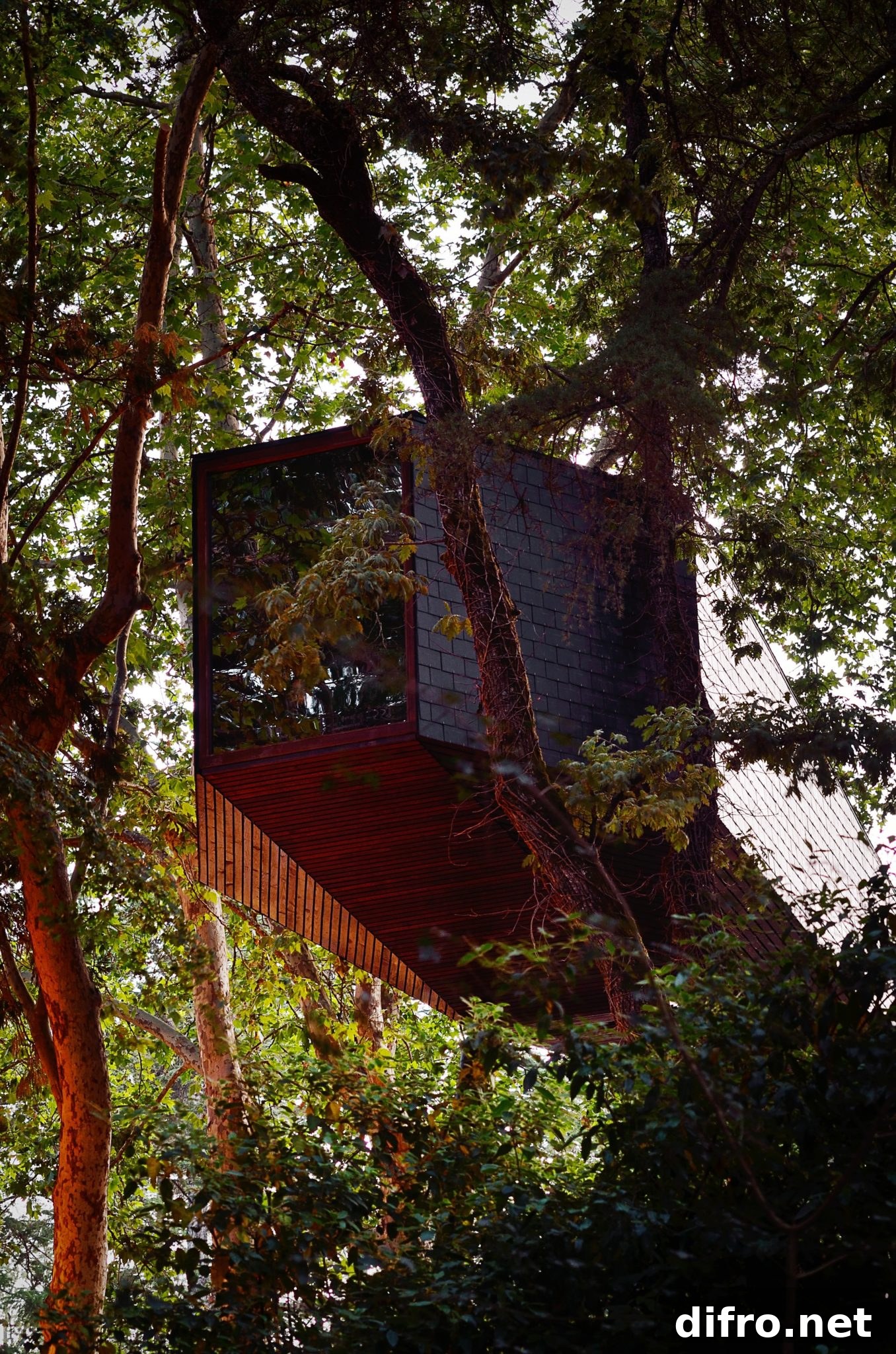
Geometric wooden volumes with large glazing panels strike a modern balance: a strong architectural form that still invites daylight and views, creating bright interiors high in the canopy.
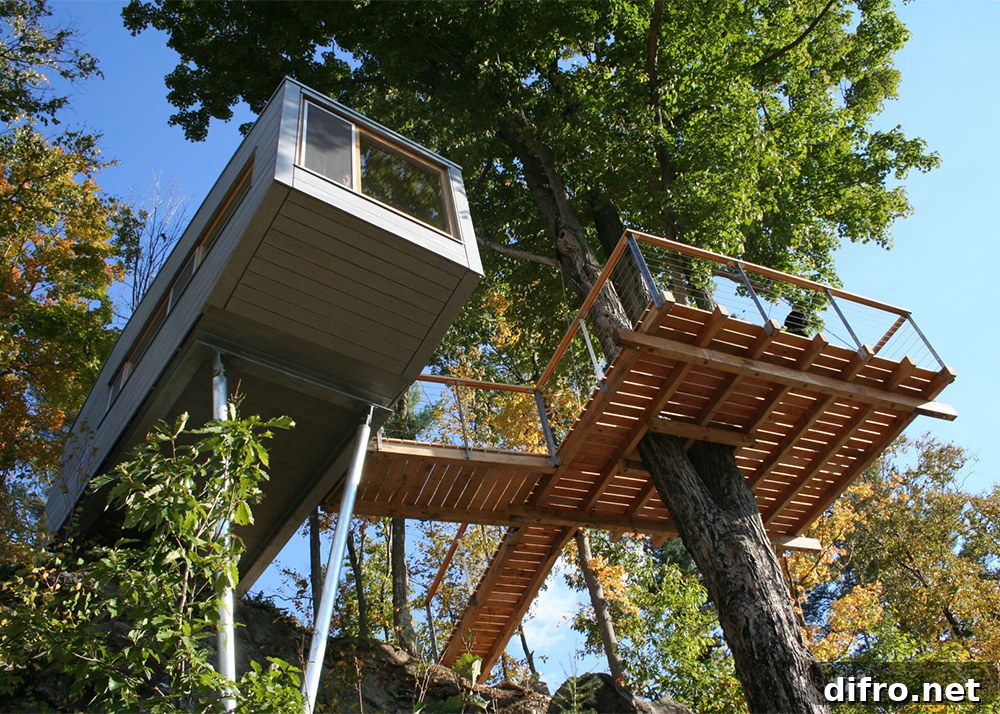
A shaded deck beneath broad branches often becomes the heart of a treehouse, a relaxed place to observe wildlife, read or share meals while protected from sun and rain.
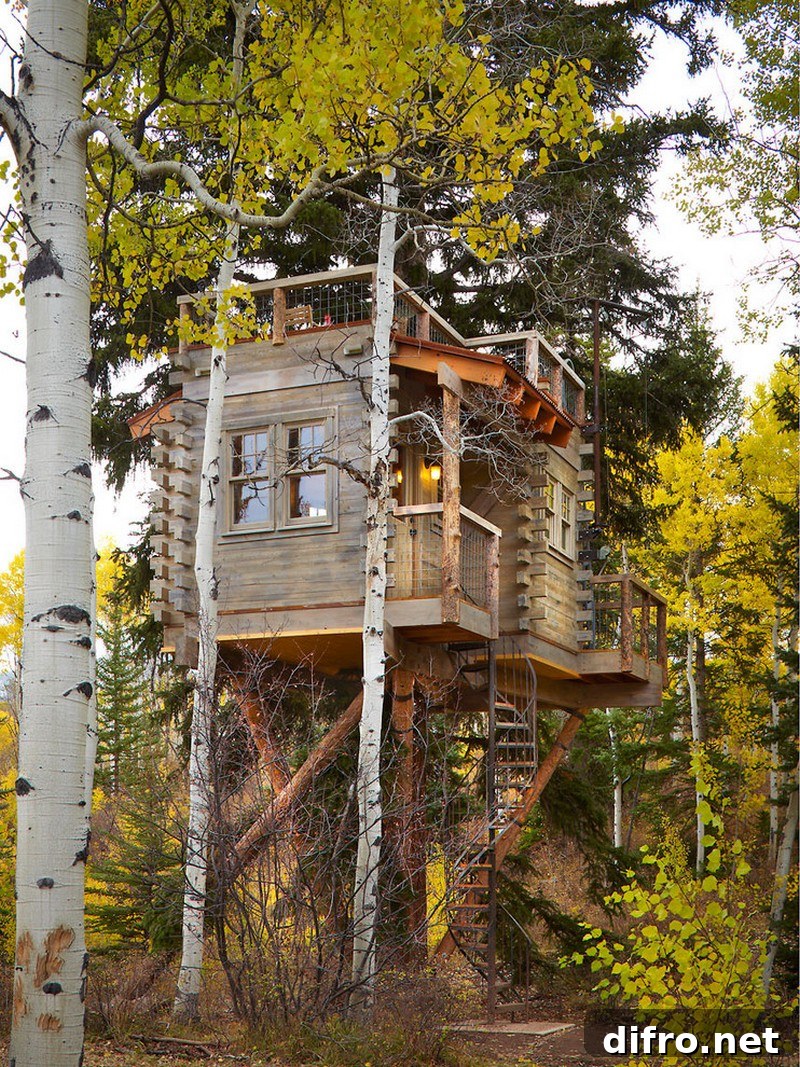
Even rustic-expressing treehouses can incorporate contemporary forms: dynamic shapes and creative circulation—like spiral or multi-level staircases—bring a modern sensibility to traditional materials.
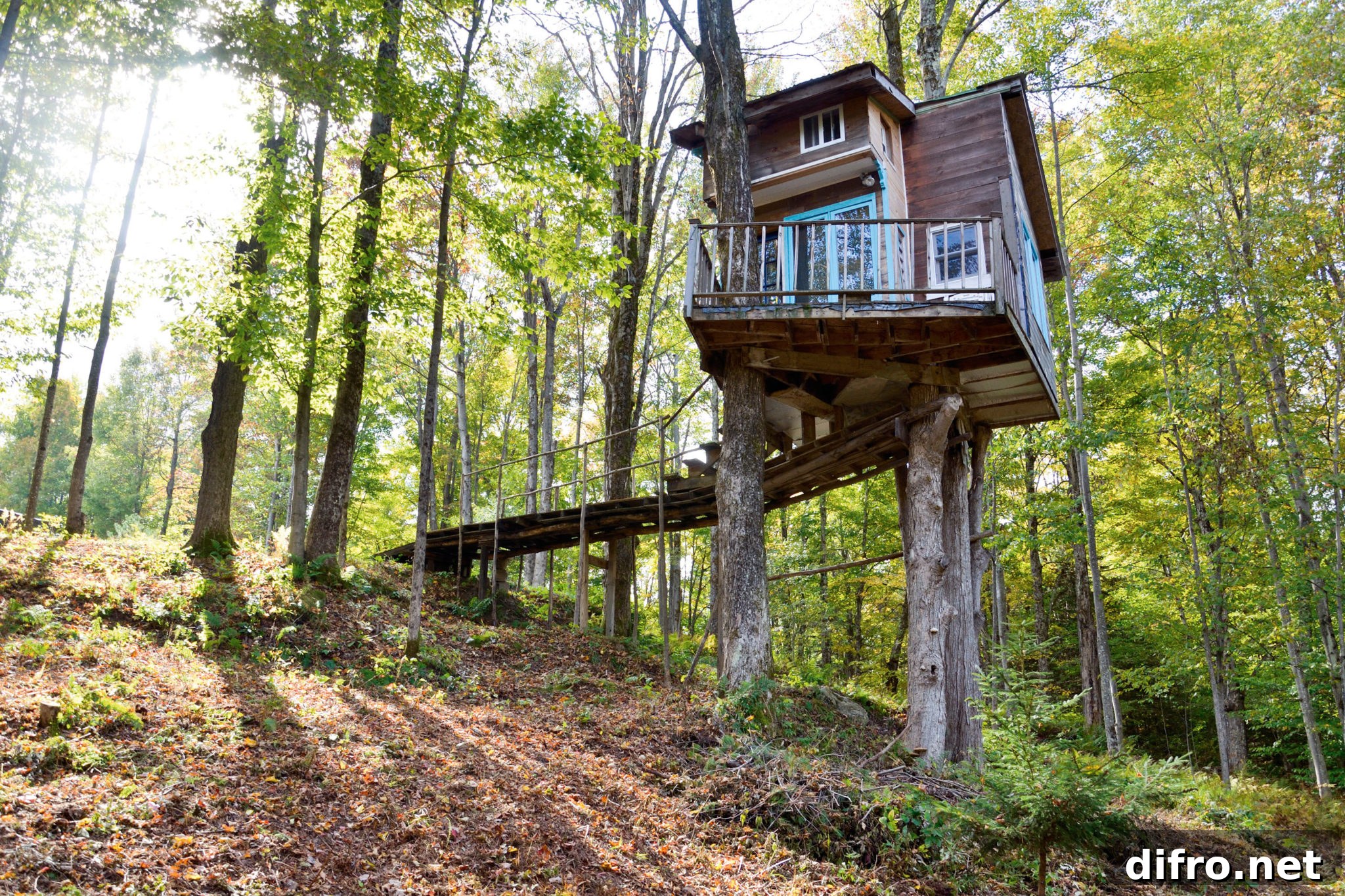
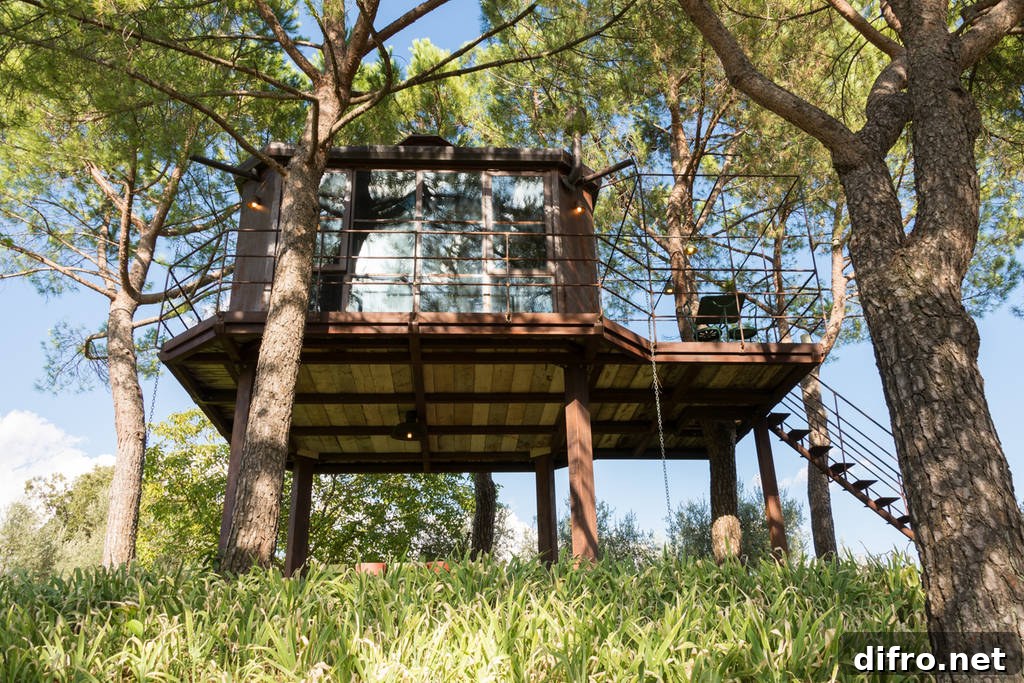
When exterior tones closely match the surrounding bark and foliage, a treehouse can appear as if it has grown out of the landscape itself. Large windows ensure well-lit interiors, while a matched palette preserves visual harmony.
Unique Twist on a Classic Concept
Designers continue to reinterpret the treehouse, blending classic charm with unexpected approaches. From industrial materials to near-ground huts, inventive thinking expands what a treehouse can be while retaining the qualities that make them magical.
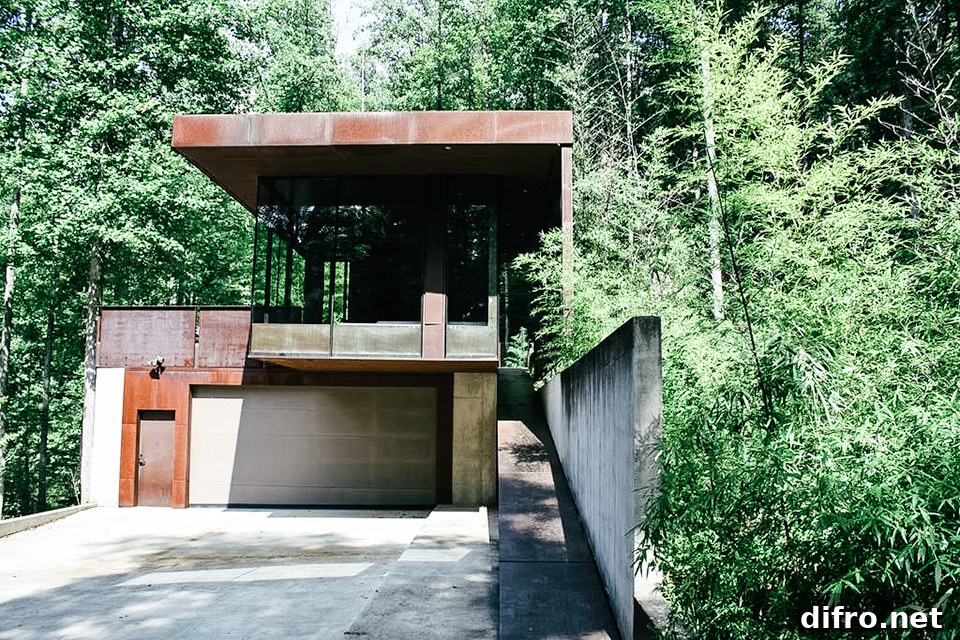
Industrial materials like steel, aluminum or corrugated metal can create a striking counterpart to the forest’s softness. These contrasts highlight the manmade elements while celebrating the natural context.
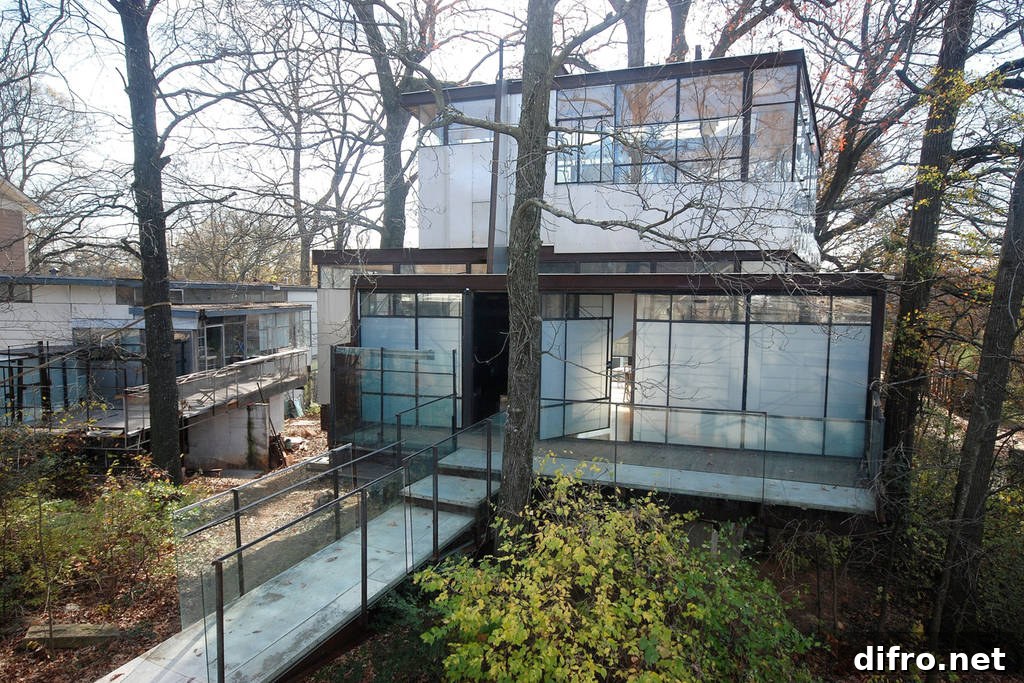
All-glass structures fully immerse occupants in the landscape, offering uninterrupted daylight and views. When thoughtfully sited and climate-considered, these designs elevate the experience of forest living.
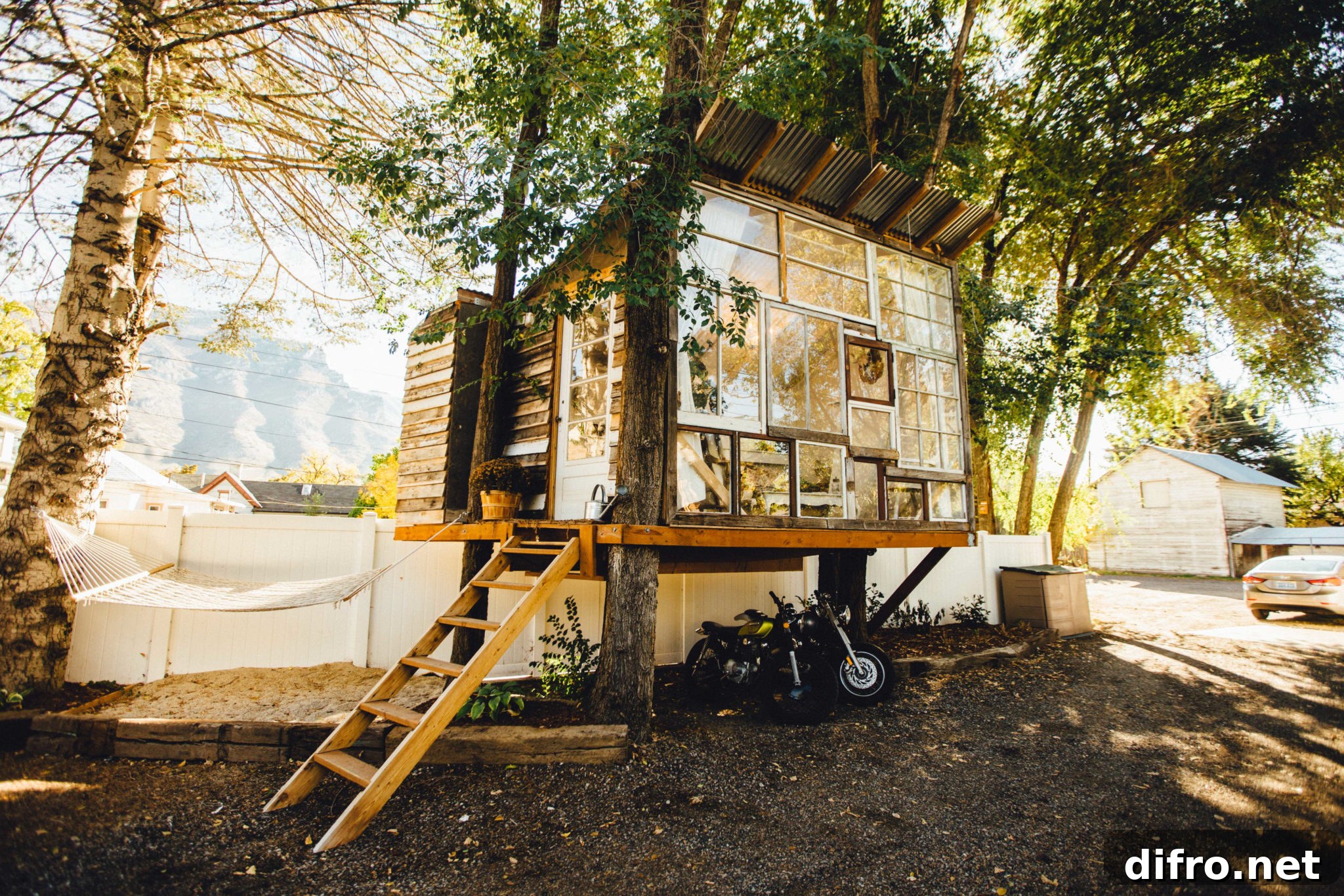
Treehouse design isn’t limited to lofty perches. Placing a small house closer to the ground retains charm and accessibility, making the treehouse experience available to more people without sacrificing character.
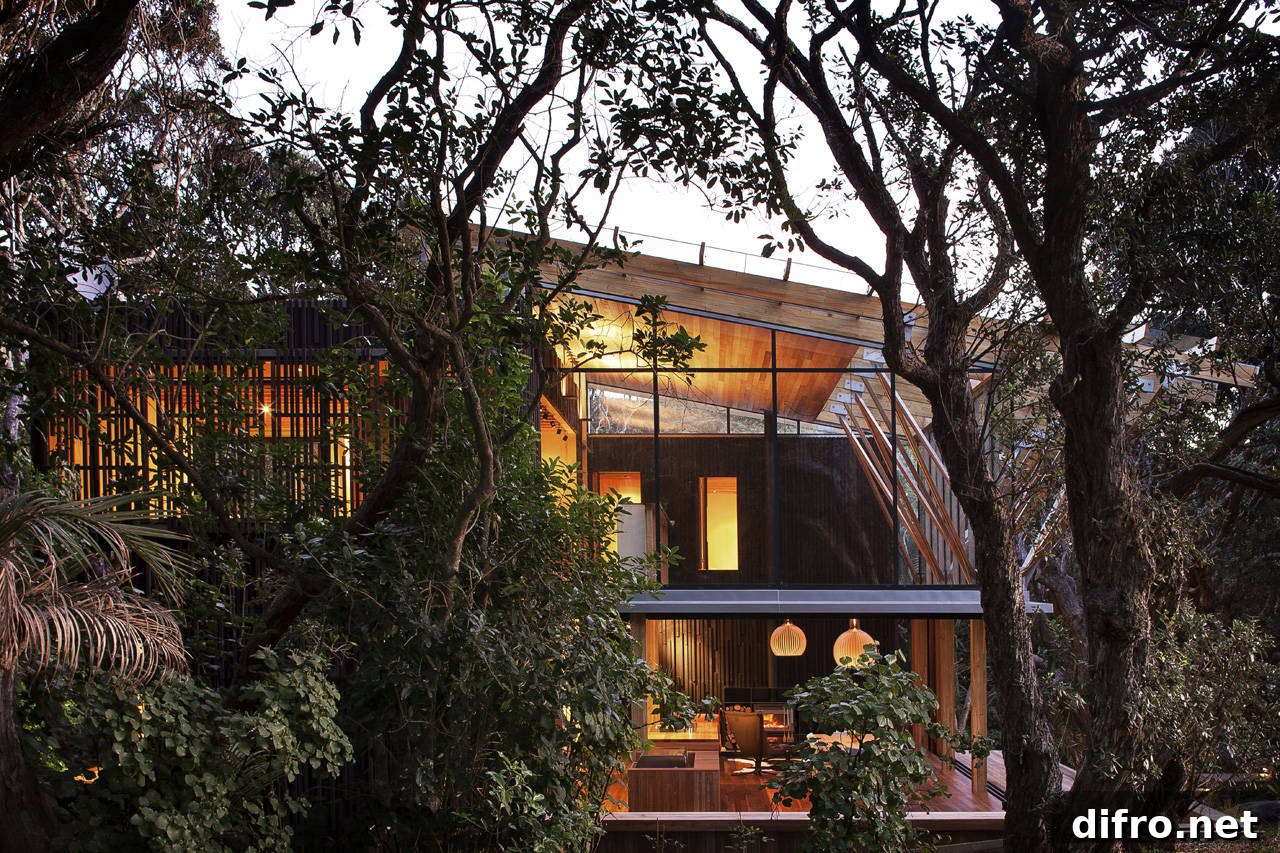
Large, luxurious treehouses prove that privacy and comfort can be combined with immersive natural settings. Expansive glazing, open plans and generous decks create memorable, livable spaces among the trees.
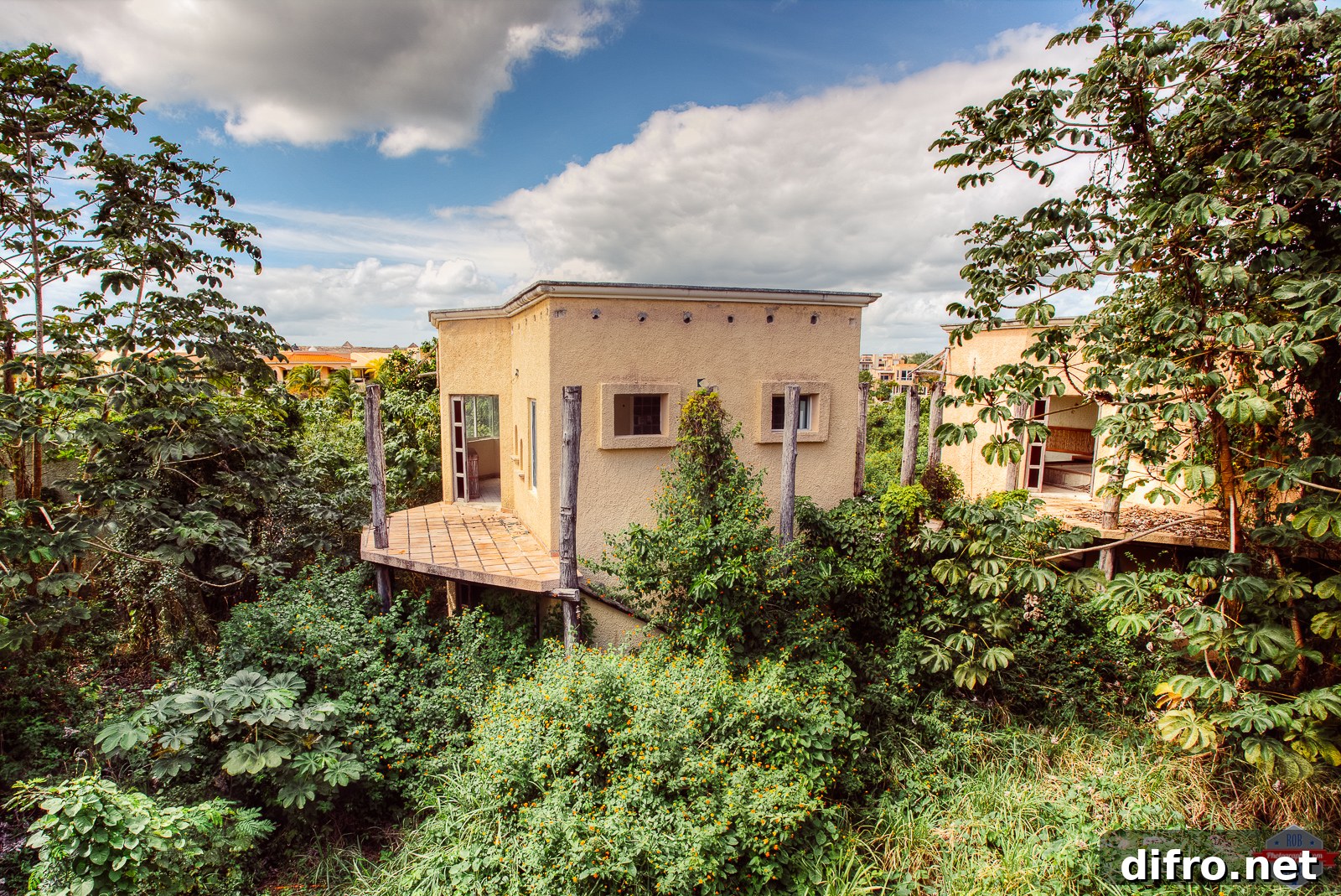
Distinct exterior colors can make a treehouse stand out within a clearing while still respecting the site’s scale. Thoughtful color choices help define identity and visual contrast with the surrounding vegetation.
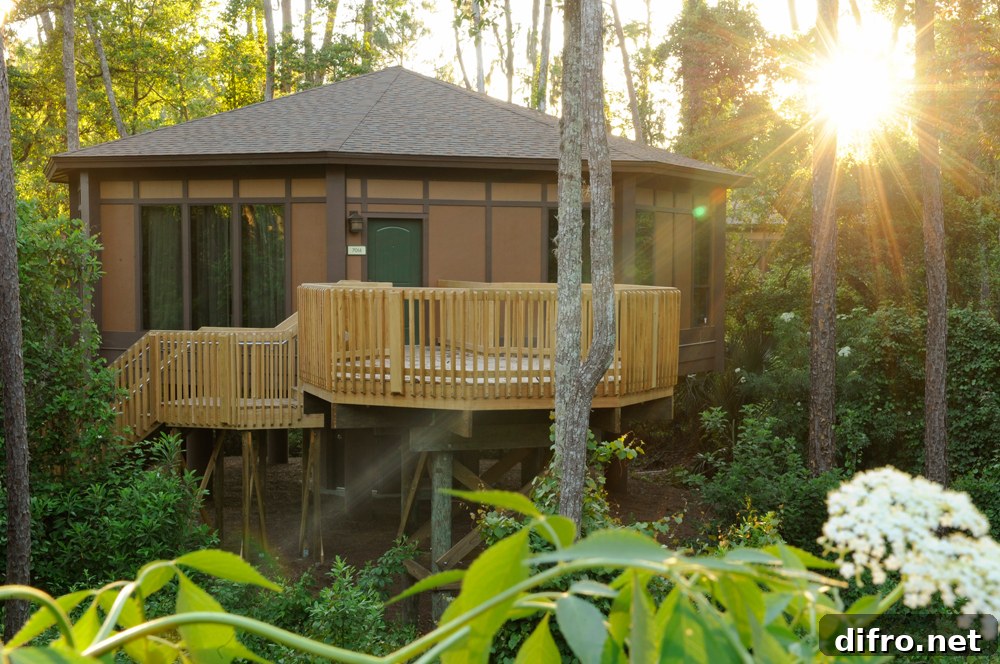
Small design gestures, such as a light-fenced deck, can provide the perfect finishing touch—adding functionality, safety and a visual accent that complements the broader design.
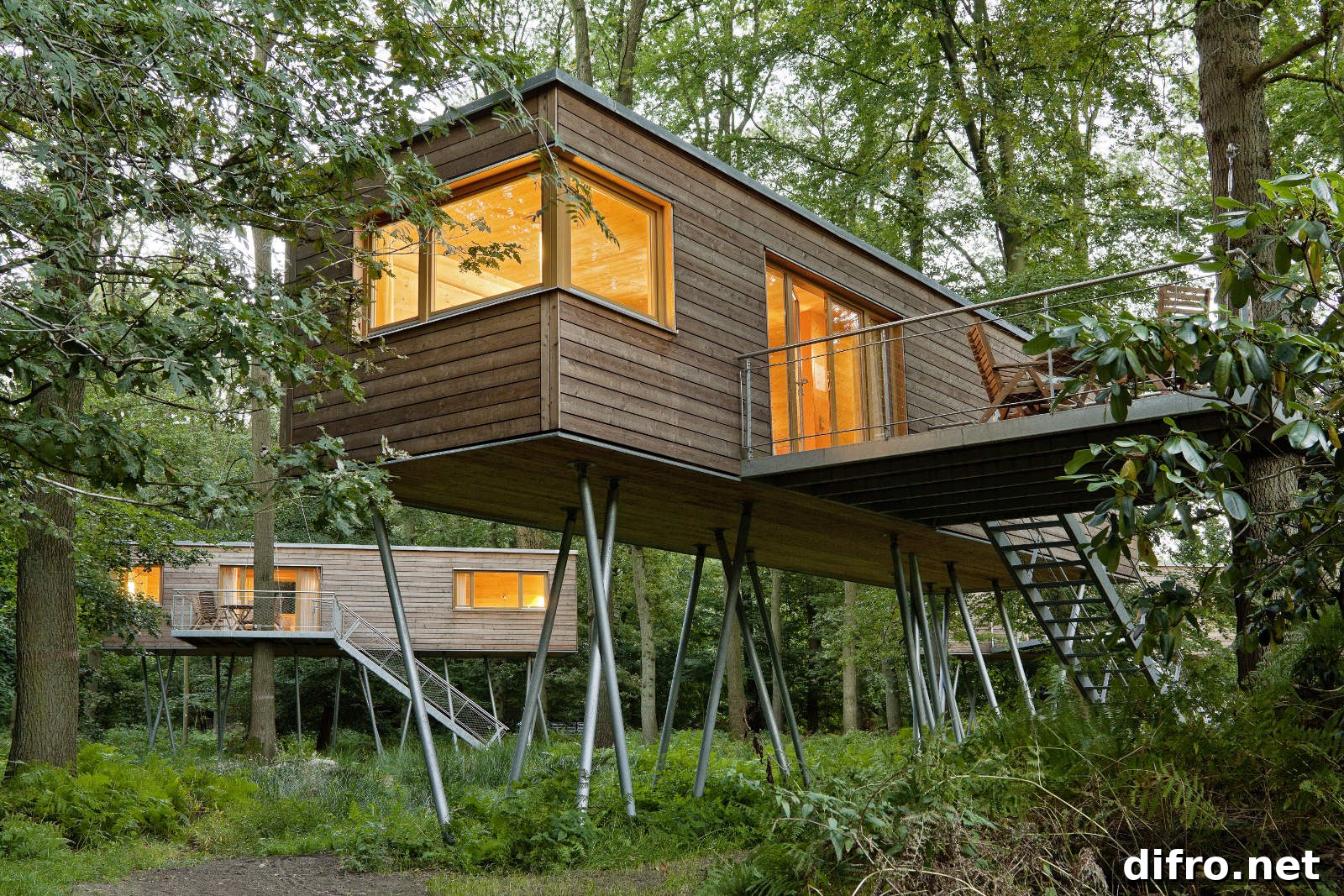
Well-crafted wooden treehouses offer a graceful retreat from everyday life, inviting busy people to slow down, reconnect with nature and enjoy the unique comfort of elevated living.
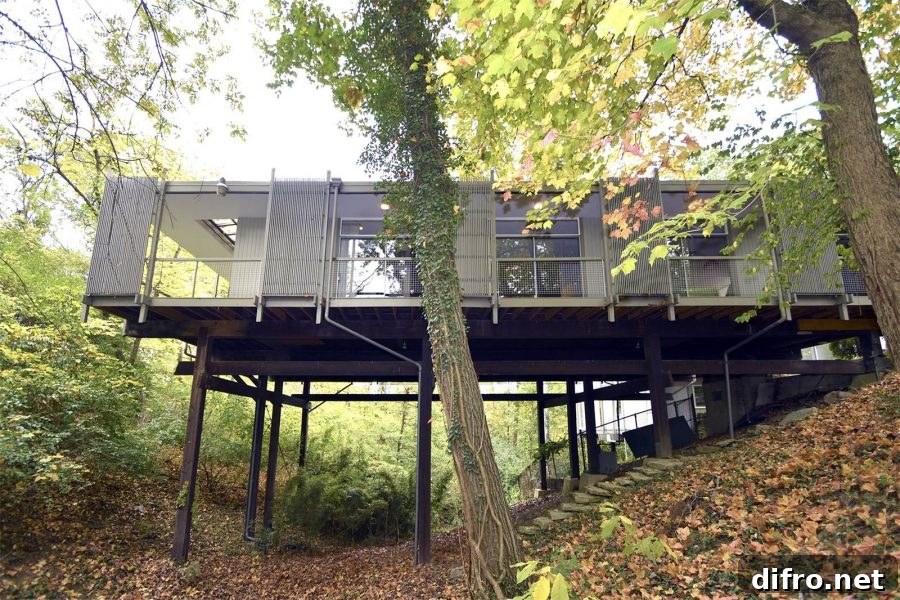
Industrial and mid-century influences can be adapted to treehouse design, resulting in bold, sculptural forms that feel both of their time and wholly integrated into the wooded setting.
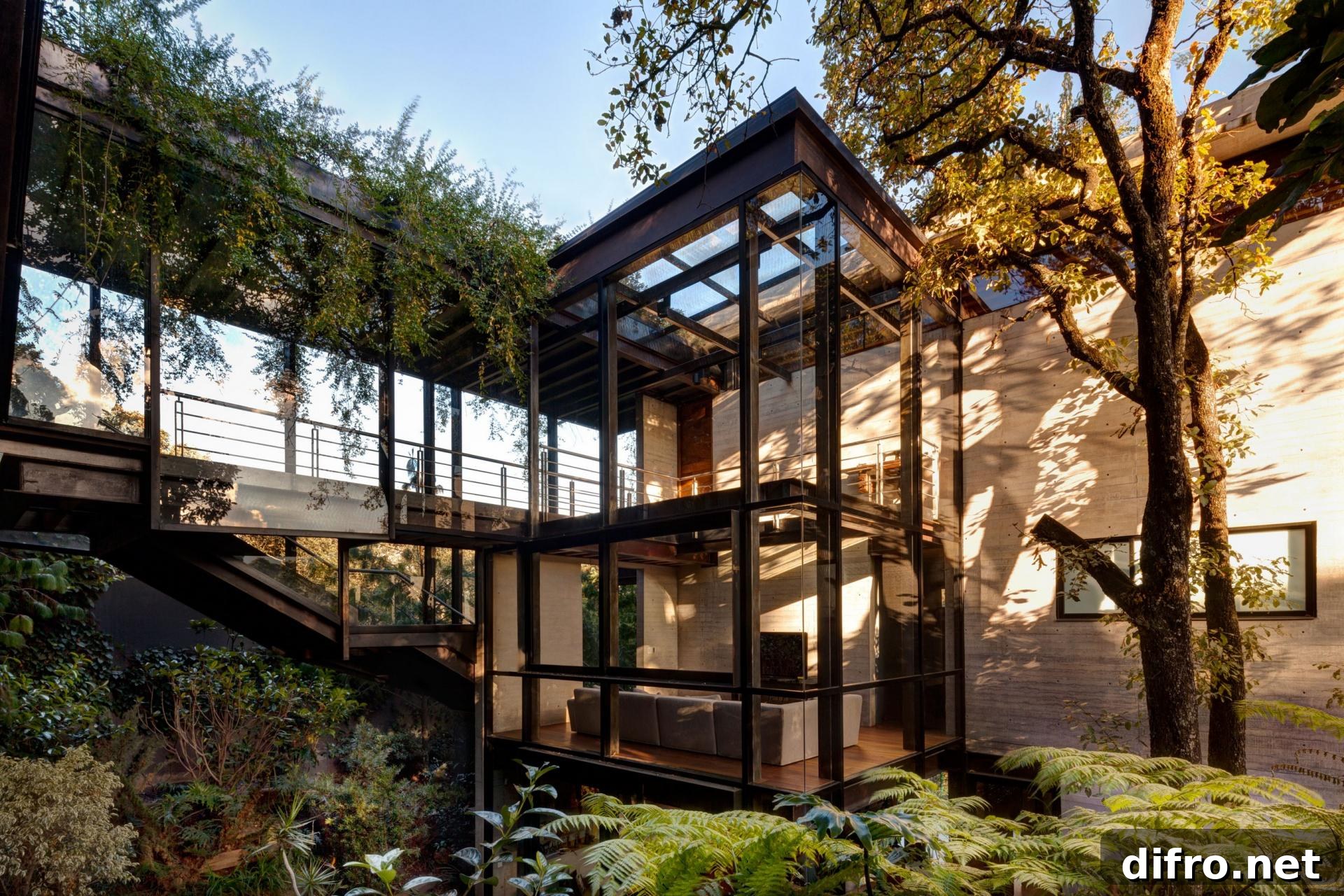
Transparent walls offer a literal and figurative openness that celebrates the surrounding ecosystem. When combined with sensitive siting and sustainable detailing, these designs allow contemporary architecture and nature to coexist in harmony.