Our pillows are more than simple comfort items—they support our head and neck, influence sleep quality, and contribute to daily wellbeing. But like everything, pillows wear out: they flatten, clump, or lose their loft and are no longer comfortable for sleeping. Instead of throwing them away, there are many creative and practical ways to repurpose old pillows, reduce waste, and get more use from the materials. Below are several useful ideas for upcycling old pillows into functional and attractive items for the home, garden, and pets.
1. Transform Old Pillows into Pet Beds
Repurposing old pillows into pet beds is an easy and eco-friendly option. Layer a couple of pillows inside a sturdy fabric cover, or open a pillowcase and sew the fillings into a simple rectangular mat for dogs or cats. Add a removable cover that’s machine-washable for easier cleaning. If you don’t have pets, consider donating clean, gently used pillow solids to animal shelters—many rescues welcome bedding for their animals. A small donation can make a big difference in keeping shelter animals warm and comfortable.

2. Create Floor Cushions or Poufs
Old pillows can be combined to make floor cushions or poufs, perfect for casual seating and creating a cozy atmosphere. Sew two or three pillows together, compress the filling as needed, and insert them into a durable decorative cover. Use thrift-store fabric or durable upholstery scraps to match your décor. These floor cushions are ideal for reading nooks, playrooms, or informal living spaces and are a budget-friendly upcycle that adds personality to any room.
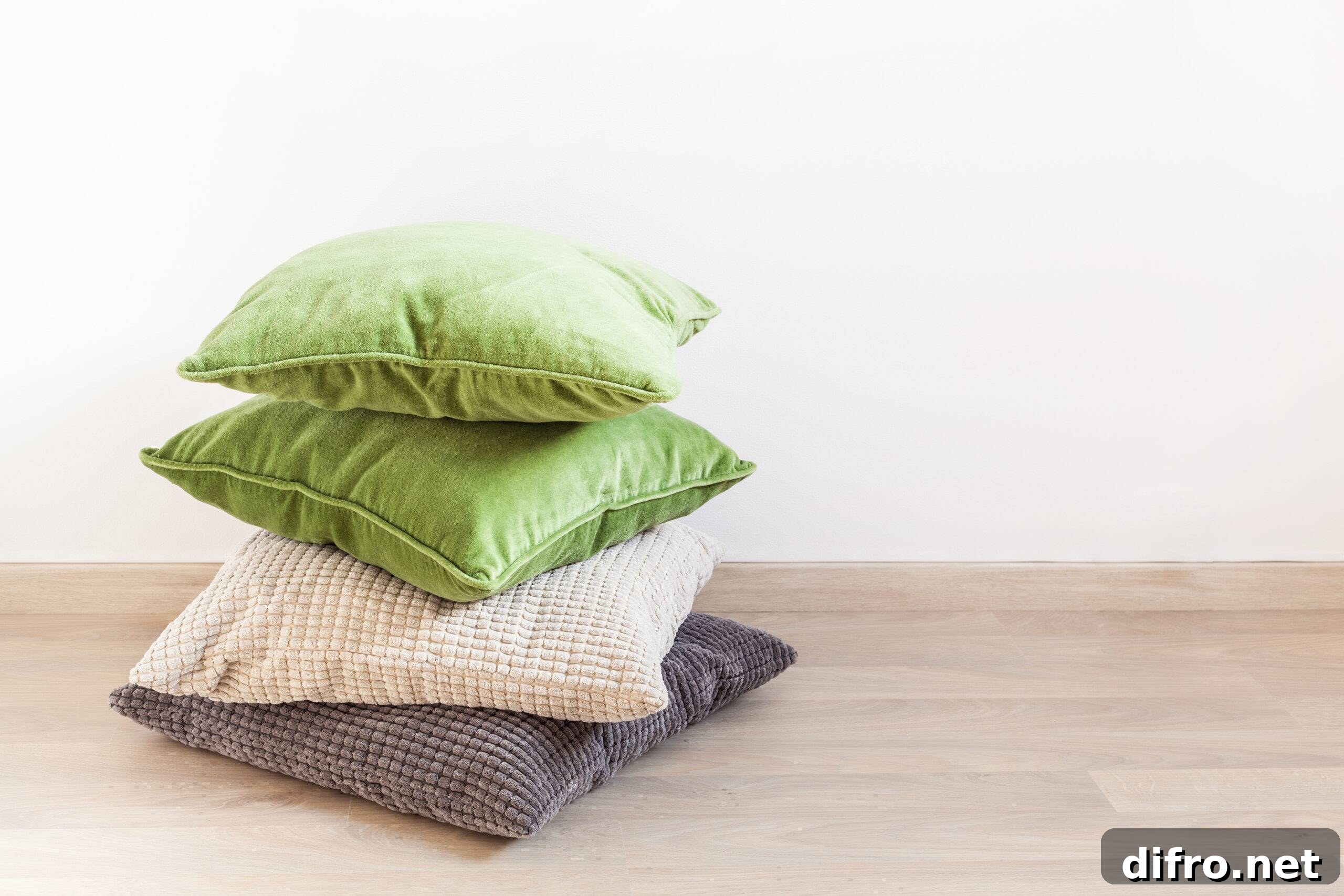
3. Use Pillow Filling for Craft Projects
The stuffing inside pillows—whether synthetic fiberfill, feathers, or foam—can be reused for many craft projects. Salvage filling to stuff homemade plush toys, draft stoppers, small decorative cushions, or even padded panels for quilting. Foam from torn pillows can be cut to size for seat padding or supportive inserts. Using reclaimed filling is a budget-friendly way to make personalized gifts and creative home accessories while keeping materials out of the landfill.

4. Recycle into Garden Cushions
If you spend time gardening, repurpose old pillows as cushioned kneelers or seat pads. Protect the stuffing by covering it with weather-resistant fabric, a tarp, or a heavy-duty outdoor cover to keep dirt and moisture out. These padded supports make planting, weeding, and outdoor projects more comfortable and can be easily stored when not in use. For a longer-lasting solution, remove the old cover and insert the pillow filling into new outdoor-grade fabric or a recycled plastic cover.
5. Donate, Recycle, or Compost When Possible
When pillows are too worn for upcycling, look for responsible disposal options. Many textile recycling programs accept old bedding and pillow materials for conversion into insulation, carpet padding, or industrial stuffing. If your pillow is made from natural fibers like cotton, wool, or kapok, and it contains no synthetic components, consider composting the natural filling—ensure the fabric cover is removed and any zippers or trims are separated first. Local recycling centers or charity organizations can often advise on the best route for donation or recycling in your area.

Upcycling old pillows is both practical and sustainable. With a little creativity and basic sewing skills, you can give worn bedding a second life as pet beds, floor cushions, craft materials, or garden pads. When reuse isn’t possible, responsible donation, recycling, or composting helps keep materials out of landfills and supports circular use of textiles. Whether you’re making something useful or donating to a local shelter, repurposing old pillows is an easy step toward a more sustainable home.