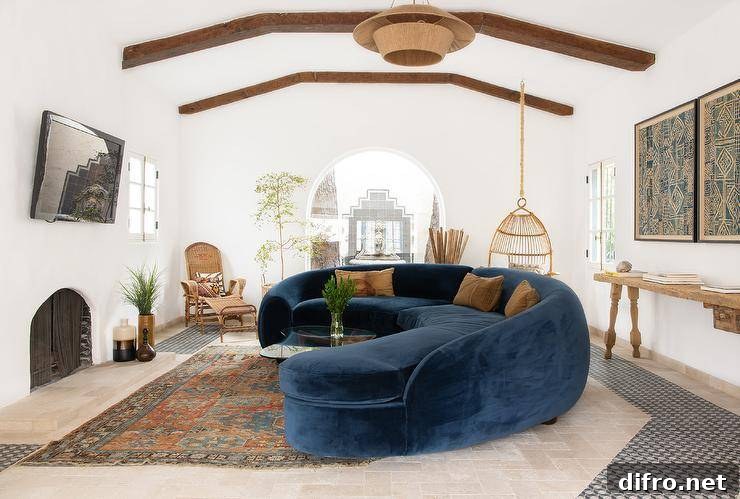
Floor tiles are a stylish, practical choice for living room floors. They offer long-lasting durability, simple maintenance, and a wide variety of colors, textures, and patterns to suit any interior style. From classic ceramic and porcelain options to marble, wood-look, mosaic, and bold patterned tiles, there are endless ways to use tile to define the look and feel of your living space.
Tiles can anchor a room, create visual focal points, or provide a complementary backdrop for your furniture and decor. Whether your aesthetic is minimalist, rustic farmhouse, mid-century modern, or eclectic, the right floor tile can enhance the atmosphere and add lasting value to your home.
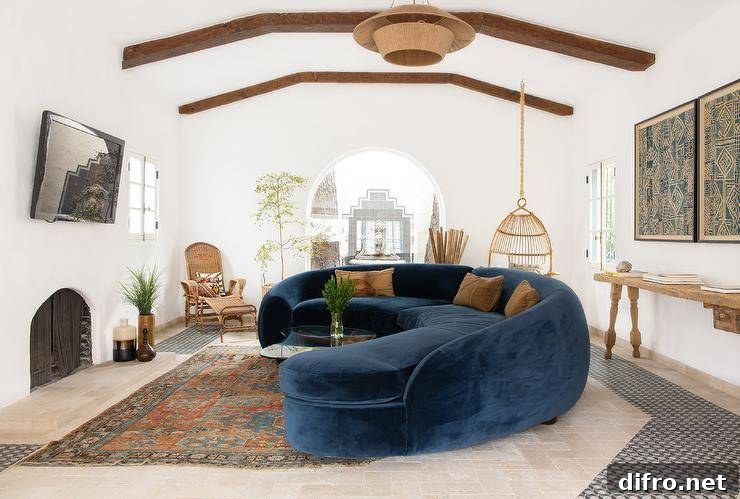
Below are fresh ideas and practical tips for selecting floor tiles for your living room. Learn the strengths of the most popular tile types, see design recommendations, and find helpful guidance to choose the right tile size, material, and finish for your space.
Porcelain Tiles
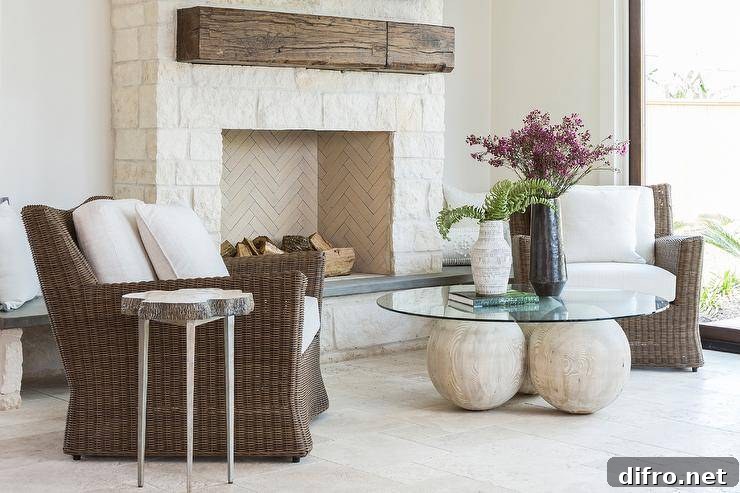
Porcelain tiles are prized for their durability, low maintenance, and design versatility. They can convincingly reproduce the look of wood, marble, or natural stone while offering superior resistance to wear, stains, and moisture. Porcelain is ideal for high-traffic living rooms and for homeowners seeking a long-lasting floor option that requires minimal upkeep.
Our Pick
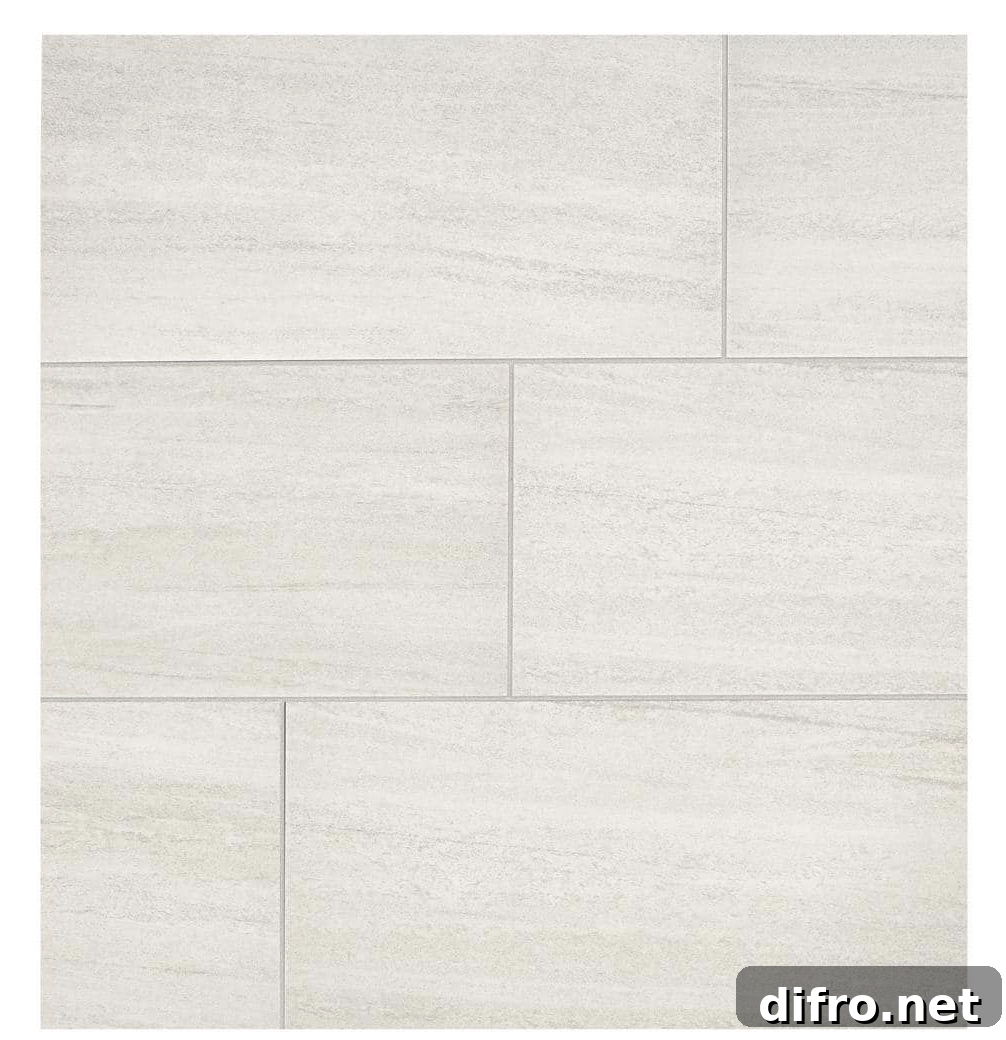
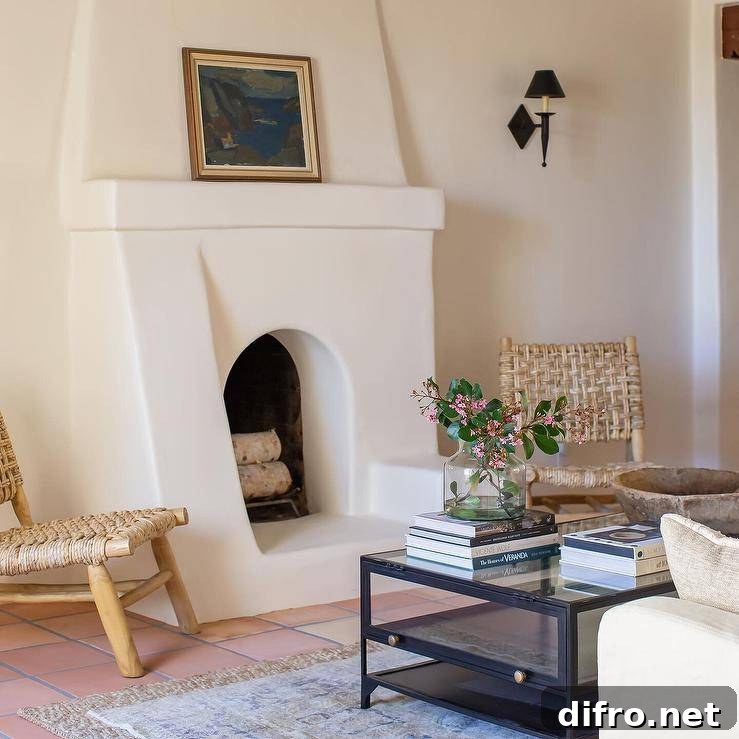
A soft cream porcelain tile delivers a warm, farmhouse-inspired aesthetic that pairs well with natural textures and light wood furniture.
Ceramic Tiles
Ceramic tiles are an economical, versatile choice for living room floors. Available in many shapes, sizes, and finishes, ceramic is ideal for creative layouts and custom patterns. Modern ceramic tiles can imitate marble or stone, offering style without the higher cost of natural materials.
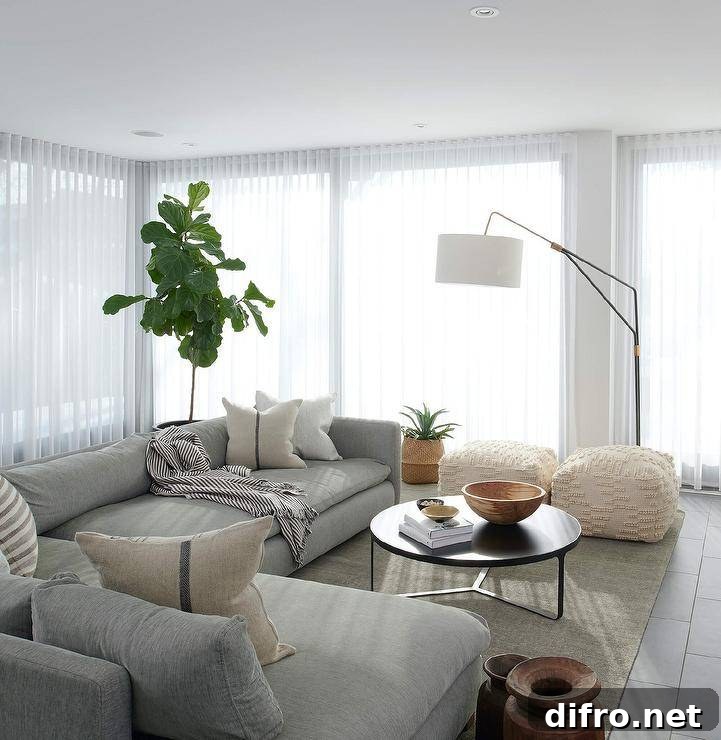
Our Pick
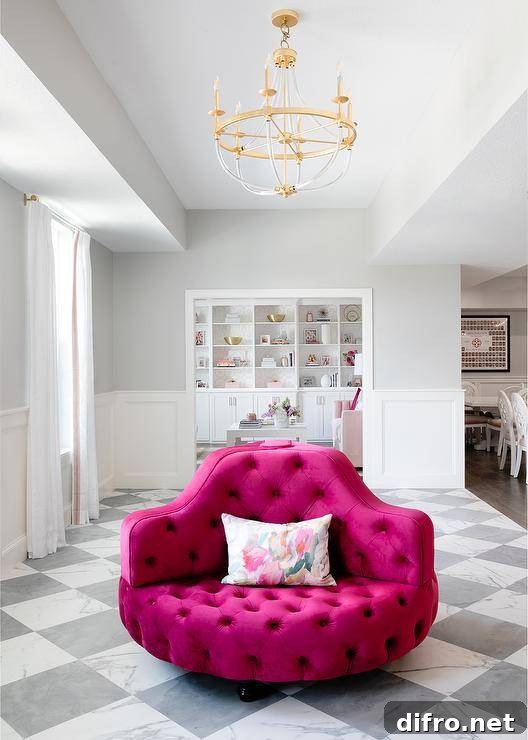
Ceramic tile that mimics marble is a great option for homeowners who want a refined look on a smaller budget—luxurious appearance with easy maintenance.
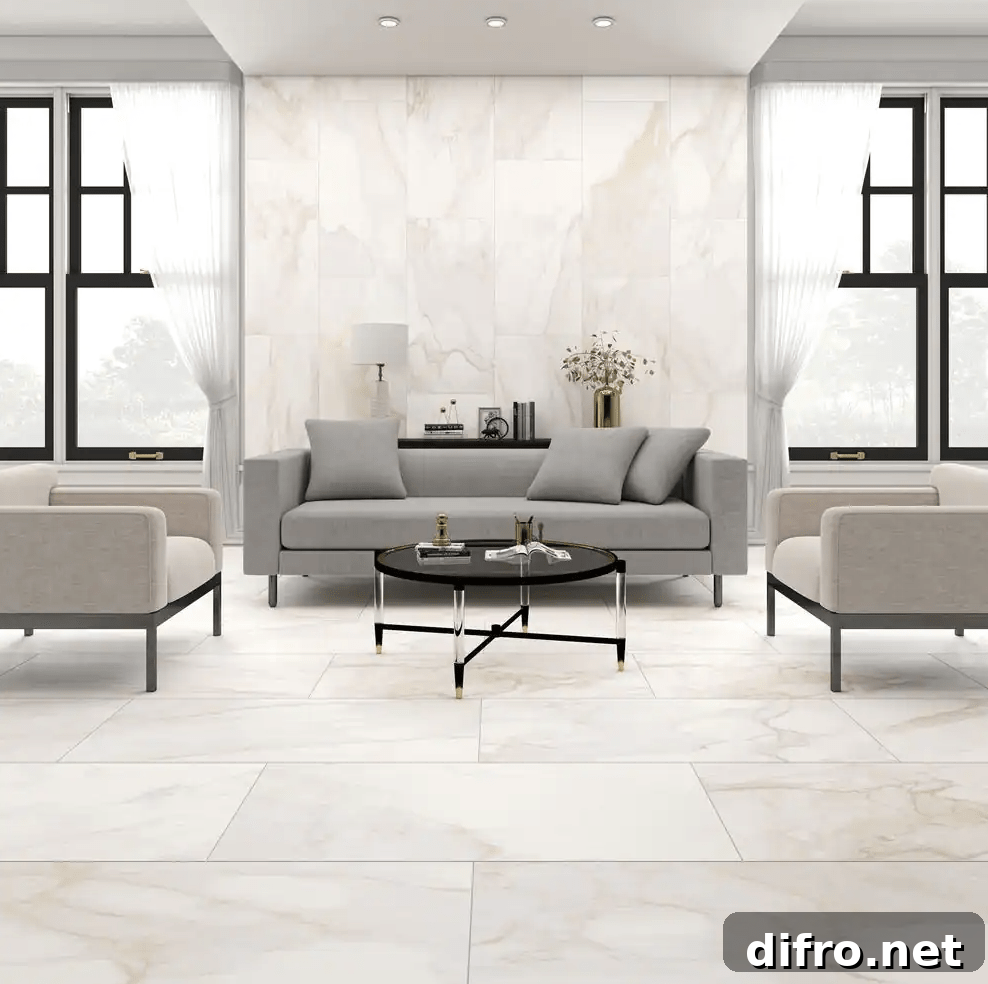
Marble Tiles
Natural marble conveys timeless elegance and refinement. Marble tiles bring unique veining and subtle color variations that elevate a living room’s style. Because marble is a natural material, it requires periodic sealing and attentive care but rewards with an unmistakable luxury feel.
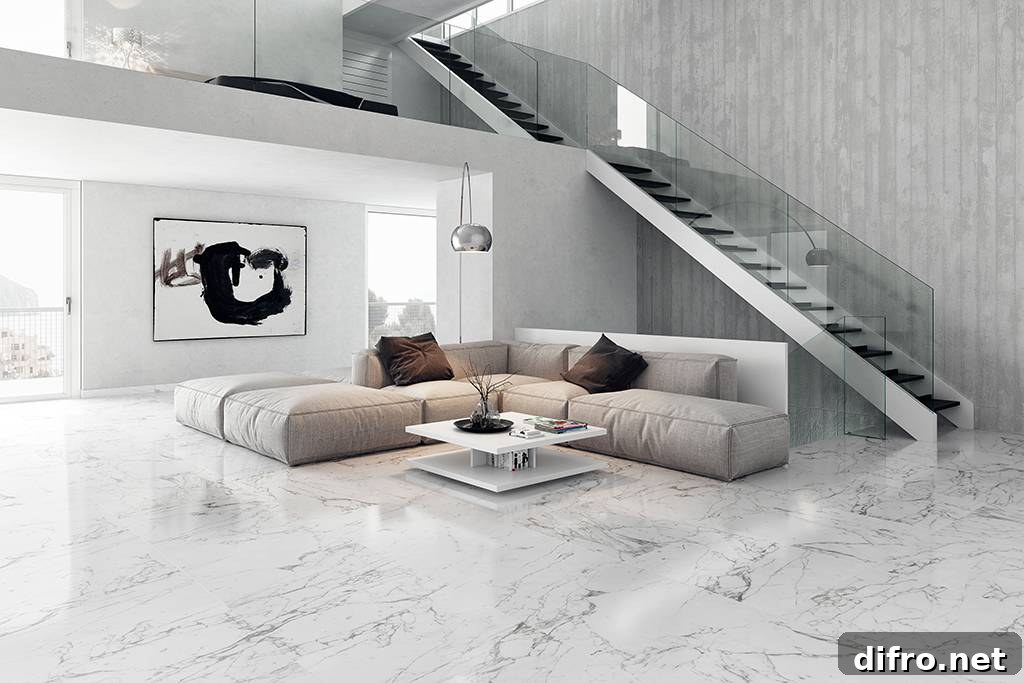
Our Pick
Polished white marble-look tiles complement minimalist and contemporary interiors, giving rooms a calm, upscale atmosphere without overwhelming the design.
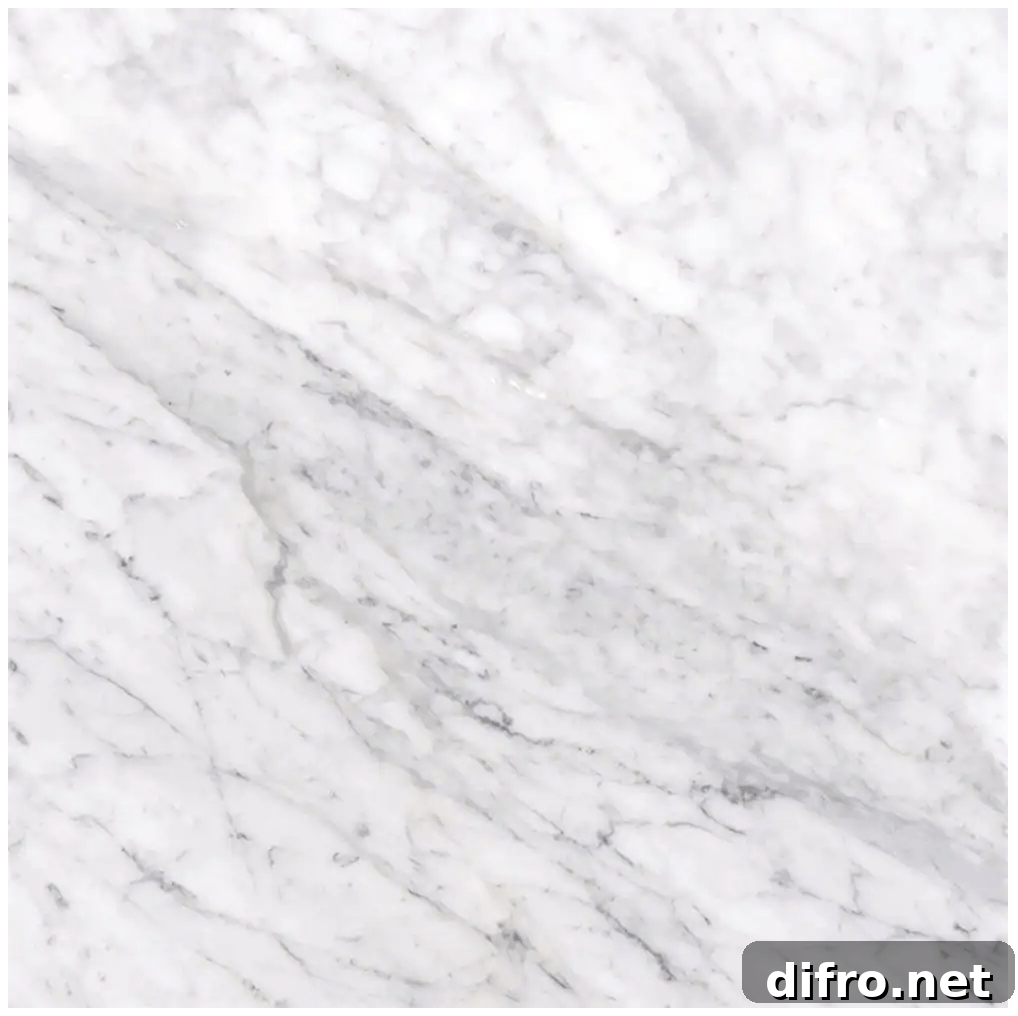
Wood-Look Tiles
Wood-look porcelain or ceramic tiles give you the warm, familiar appearance of hardwood with the durability of tile. These tiles are scratch-resistant, moisture-tolerant, and great for households with pets or high traffic. Available in plank sizes, herringbone layouts, and a variety of stains, they make it easy to achieve the charm of wood without the maintenance challenges.
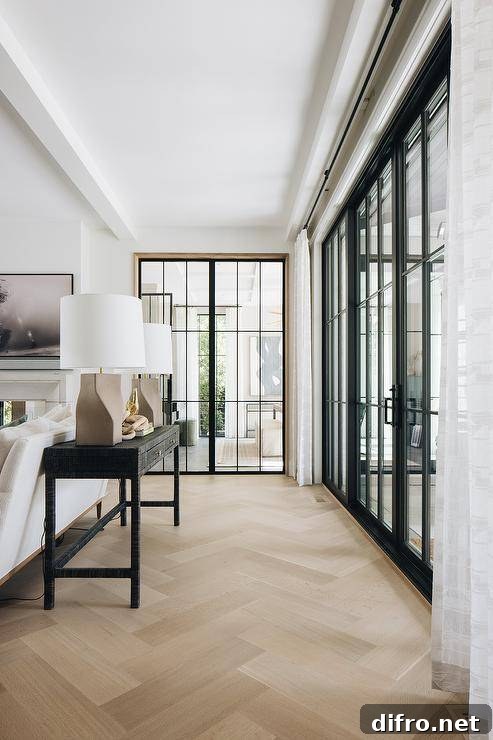
Our Pick
Wood-look tiles combine realistic texture and warm tones with tile-level durability—an excellent choice for busy living rooms that need both comfort and longevity.
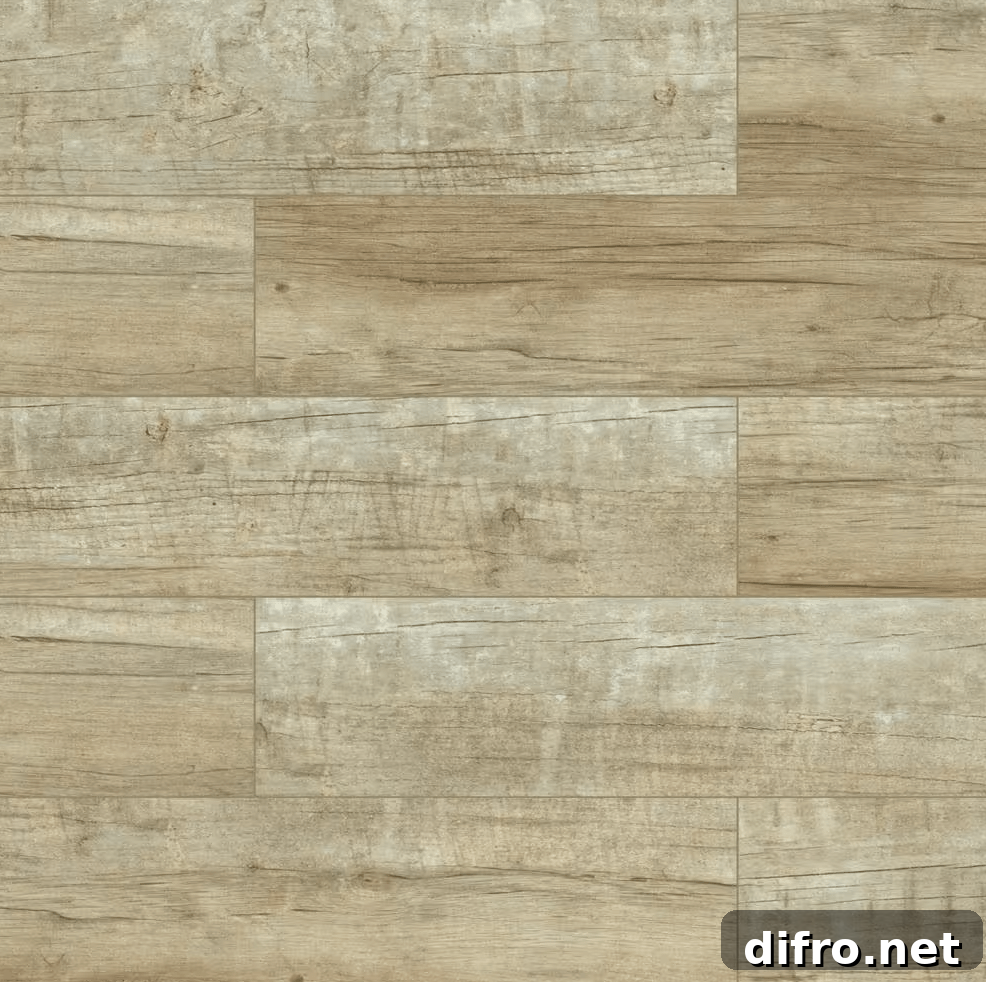
Patterned Tiles
Patterned and encaustic-style tiles are a bold way to infuse personality into a living room floor. From geometric repeats and floral motifs to traditional encaustic patterns, these tiles can create a central focal area, define seating zones, or act as an artistic rug replacement.
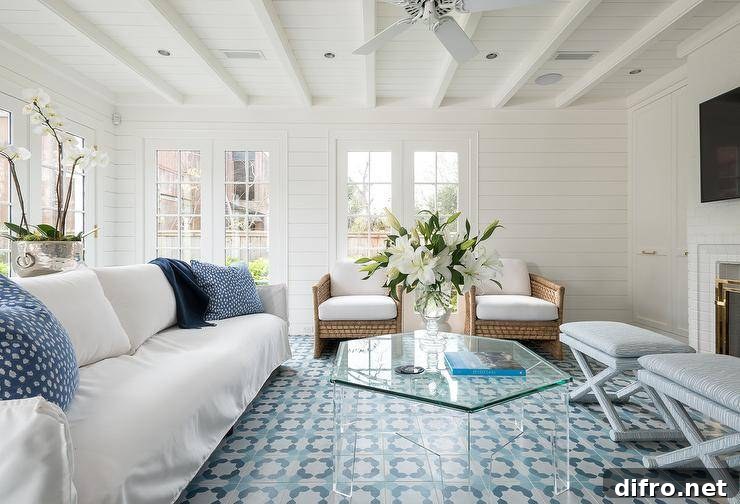
Our Pick
Select a patterned tile with a restrained palette to add visual interest while preserving a calm, cohesive room palette. Patterned tile works especially well as a central area or entry focal point.

Mosaic Tiles
Mosaic tiles let you compose intricate designs and visual textures at a smaller scale. Available in glass, stone, or ceramic, mosaics are excellent for inset areas, fireplace surrounds, or as a feature band within a larger tile field. They’re perfect for homeowners who want a unique, handcrafted feel.
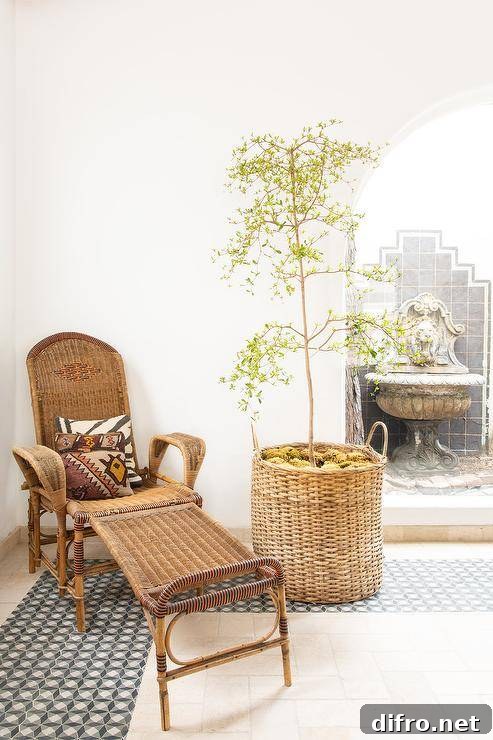
Our Pick
Bold mosaic tiles can serve as a striking statement floor for contemporary or modern interiors. Use them selectively to avoid overpowering the space.
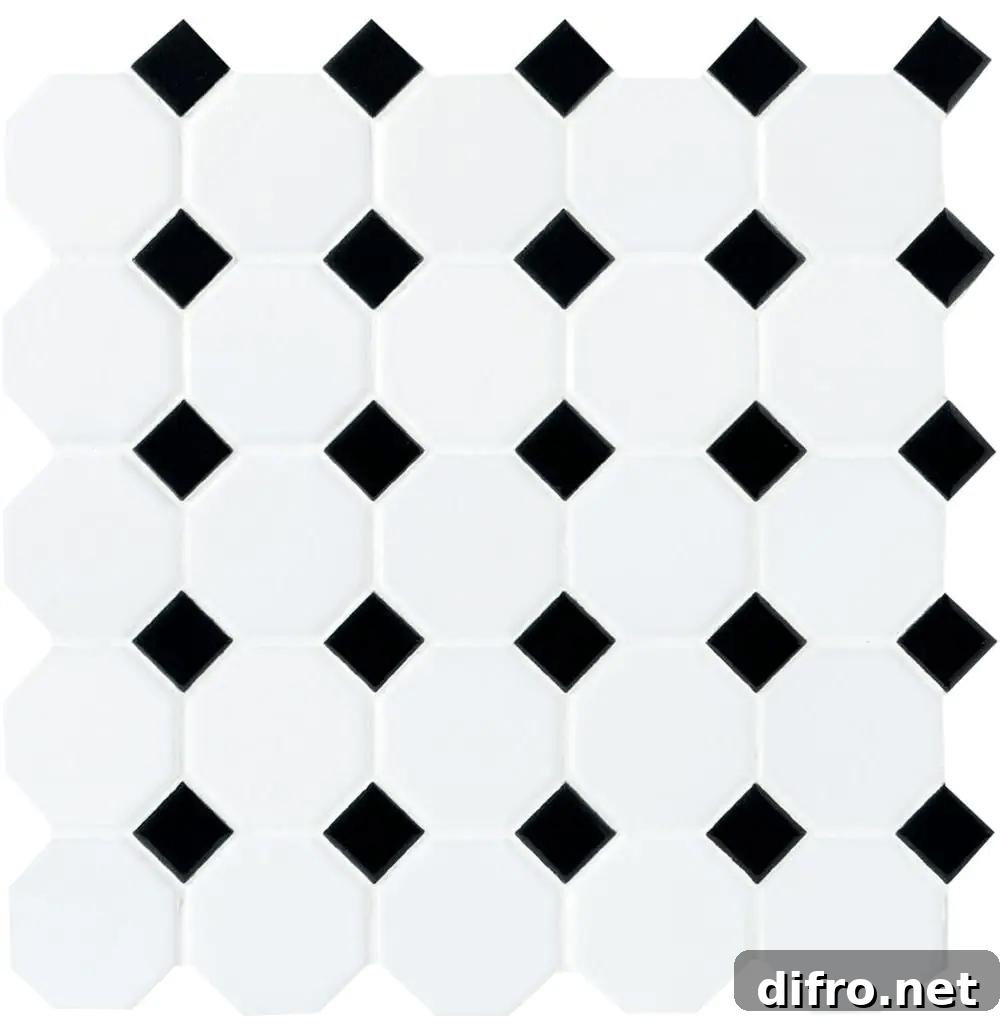
When selecting floor tile for a living room, weigh durability, maintenance needs, and the visual impact you want to achieve. With thoughtful material and color choices, tile can create a beautiful, functional living room that reflects your taste and lifestyle.
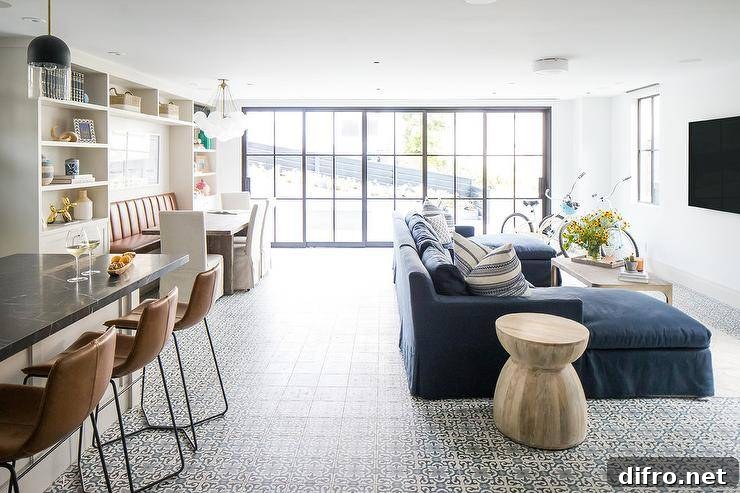
Tips for Choosing the Right Tile
Choosing the right tile for your living room should balance aesthetics, performance, and budget. Consider these practical tips to find the best tile solution for your space.
- Match tile to function: Prioritize durability and slip resistance in high-traffic homes or spaces used by children or pets.
- Define your style: Decide whether you want a neutral backdrop or a statement floor—tiles can support both approaches.
- Scale matters: Large-format tiles make rooms feel more open, while smaller tiles add texture and visual detail.
- Factor in maintenance: Porcelain and glazed ceramic are low-maintenance; natural stones like marble need periodic sealing.
- Choose grout carefully: Grout color influences the overall look—matched grout creates a seamless field, while contrasting grout emphasizes pattern.
- Set a realistic budget: Include both material and installation costs when planning your tile project.
- Gather inspiration: Look at completed projects, photos, and sample boards to preview how a tile will read in your lighting and with your furniture.
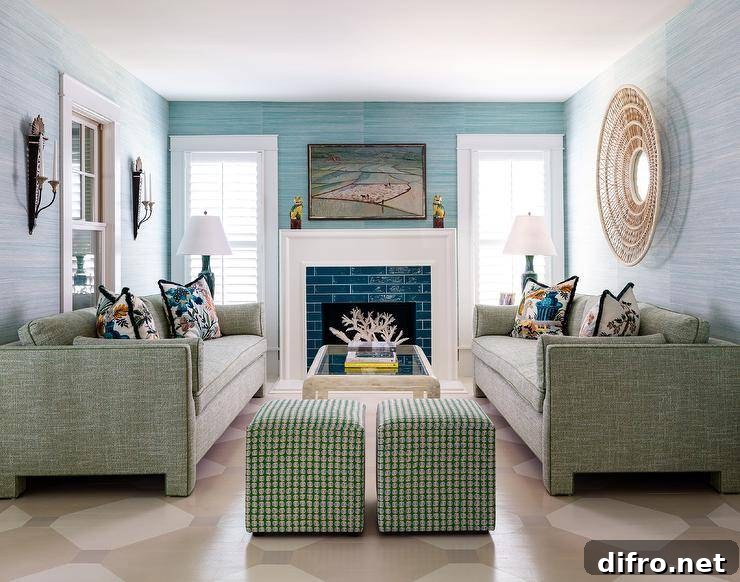
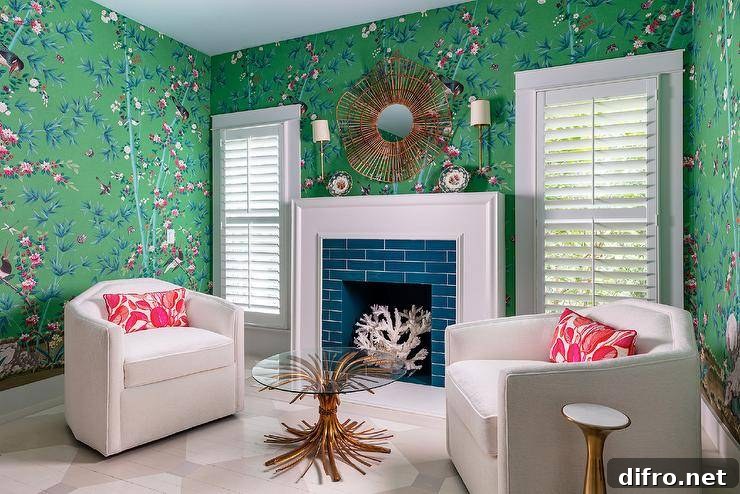
Pros and Cons
Tile flooring offers many benefits but also some trade-offs. Review these pros and cons to determine whether tile is the right choice for your living room.
Pros
- Durability: Tile stands up to heavy foot traffic and daily wear.
- Low maintenance: Easy to clean with basic sweeping and mopping.
- Design variety: Wide selection of colors, patterns, and textures.
- Allergy-friendly: Tile doesn’t trap dust and allergens like carpeting.
- Stain resistance: Glazed tiles resist stains and spills.
- Heat compatibility: Suitable for underfloor heating systems.
- Moisture resistance: Tile performs well in humid conditions.
- Home value: Quality tile can increase resale appeal.
Cons
- Cold underfoot: Tile can feel cool without underfloor heating or rugs.
- Slipperiness: Some finishes can be slick when wet—choose slip-resistant options where needed.
- Hard surface: Tile is firm and less forgiving than carpet for sitting or playing on the floor.
- Potential for cracks: Heavy impacts can chip or crack tile.
- Installation cost: Professional installation adds to total project cost.
- Acoustics: Tile can amplify sound; area rugs help reduce echo.
Frequently Asked Questions (FAQs)
Is tile a good option for the living room?
Yes. Tile offers durability and easy maintenance, making it a solid option for living rooms—especially in homes with pets, children, or high traffic.
What are the best tile options for the living room?
Porcelain and ceramic tiles are popular for living room flooring because they balance durability, cost, and design flexibility. Wood-look and marble-look tiles are commonly chosen for their aesthetic appeal.
How do I choose the right tile size for my living room?
Large-format tiles can make a room feel more spacious and create a sleek, modern look. Smaller tiles and mosaics add texture and can define zones; choose based on room size, furniture scale, and desired visual impact.
Can I install tile myself or do I need a professional?
DIY installation is possible for experienced homeowners, but professional installation ensures proper substrate preparation and long-lasting results—especially for large-format or intricate layouts.
How do I clean and maintain tile in the living room?
Routine sweeping and damp mopping with a mild cleaner keeps tile looking great. Seal natural stone tiles as recommended by the manufacturer to protect them from stains.
Can I install tile over my existing flooring?
Often yes—if the existing floor is level, stable, and properly prepared. Consult an installer to assess the condition and recommend prep work or underlayment as needed.
How much does it cost to install tile in the living room?
Installation costs vary by region, tile type, room size, and layout complexity. Typical ranges can vary widely; budget for both materials and professional labor for the most accurate estimate.