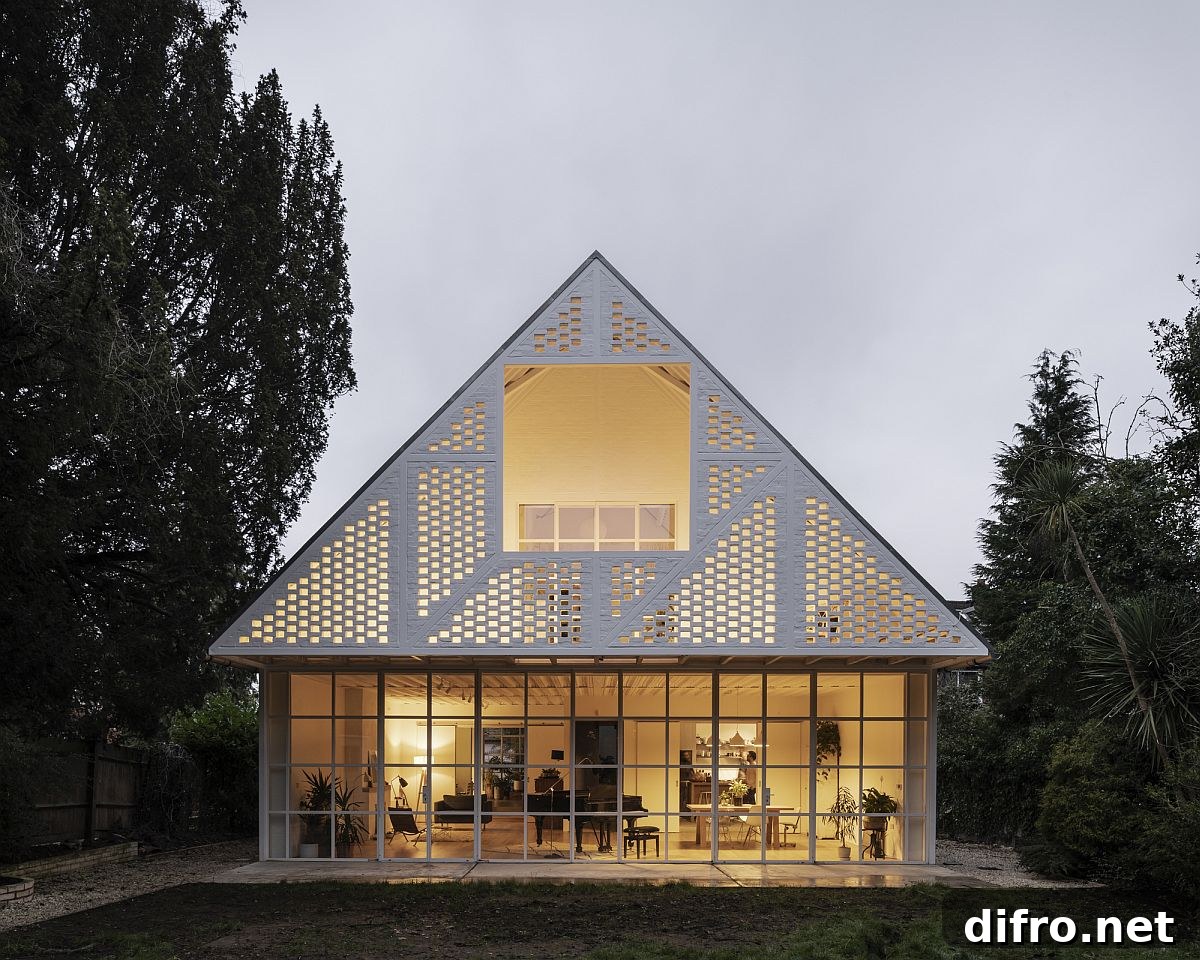
Ditton Hill House: A Modern Take on Tudor Revival
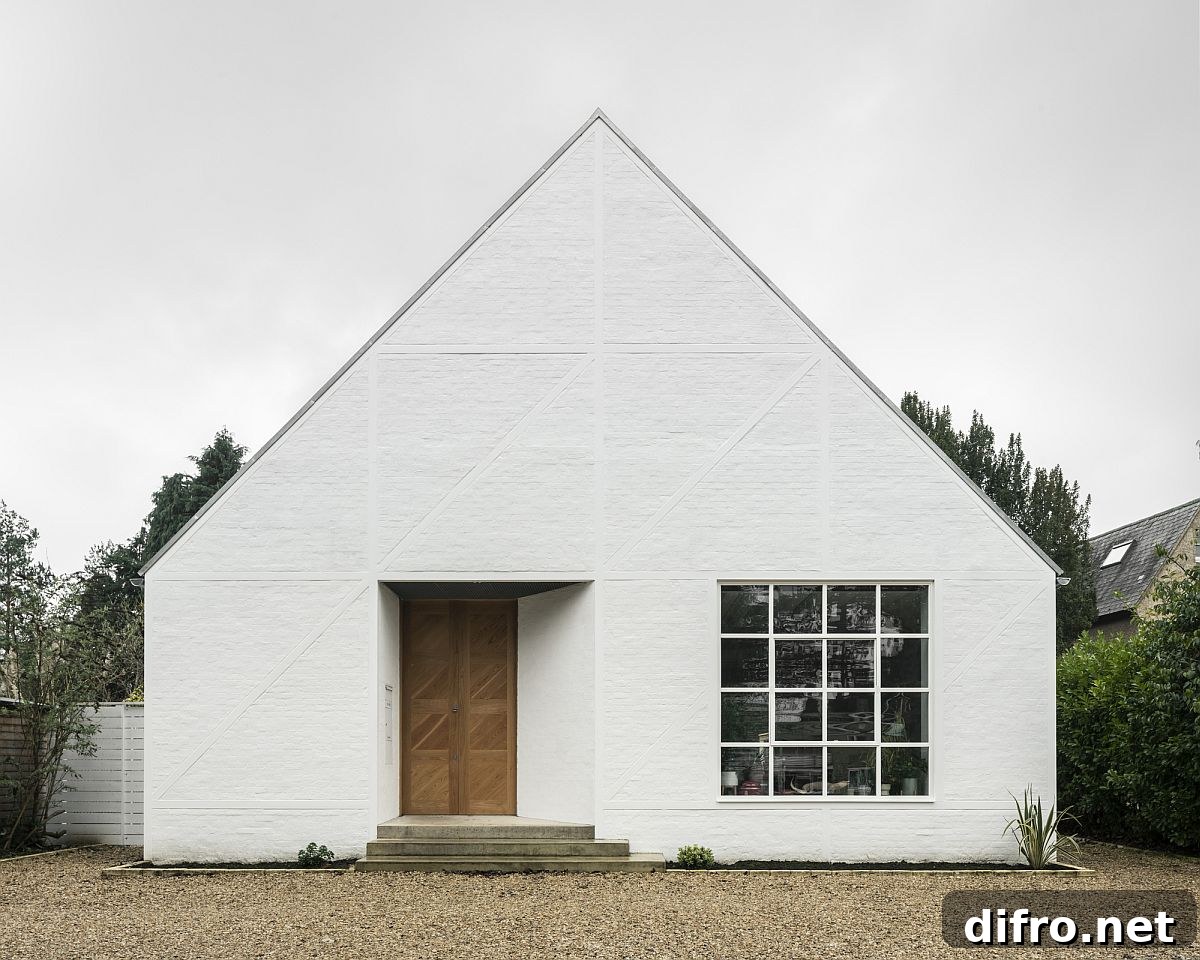
Tudor revival homes have a distinctive charm, and the Ditton Hill House in the UK is a refined example of how traditional forms can be reinterpreted for contemporary living. Designed by Surman Weston, this residence revisits the classic A-frame silhouette associated with mock-Tudor architecture, while embracing a crisp white exterior and clean modern detailing. The result is a home that balances nostalgic character with light, openness and a contemporary material palette.
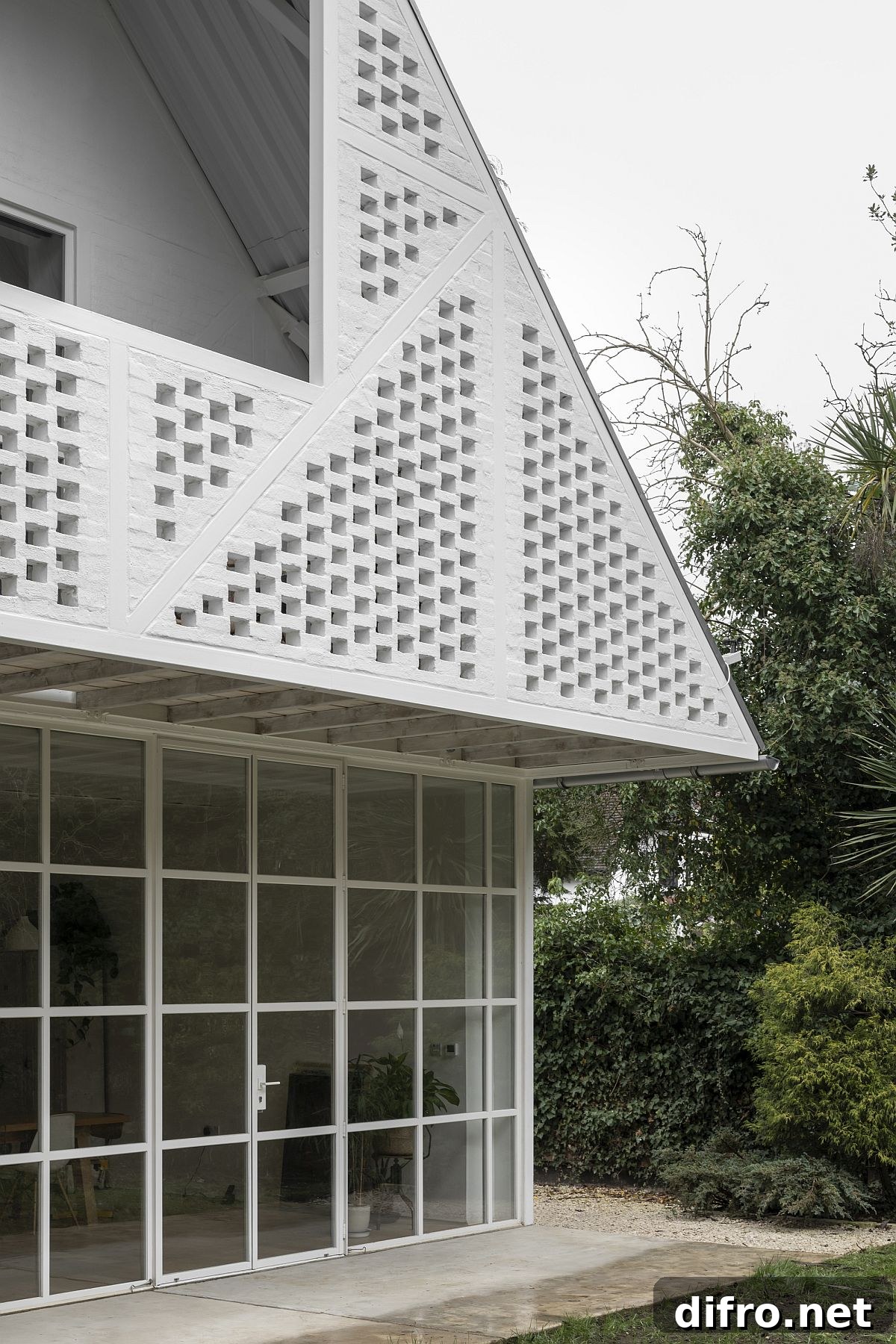
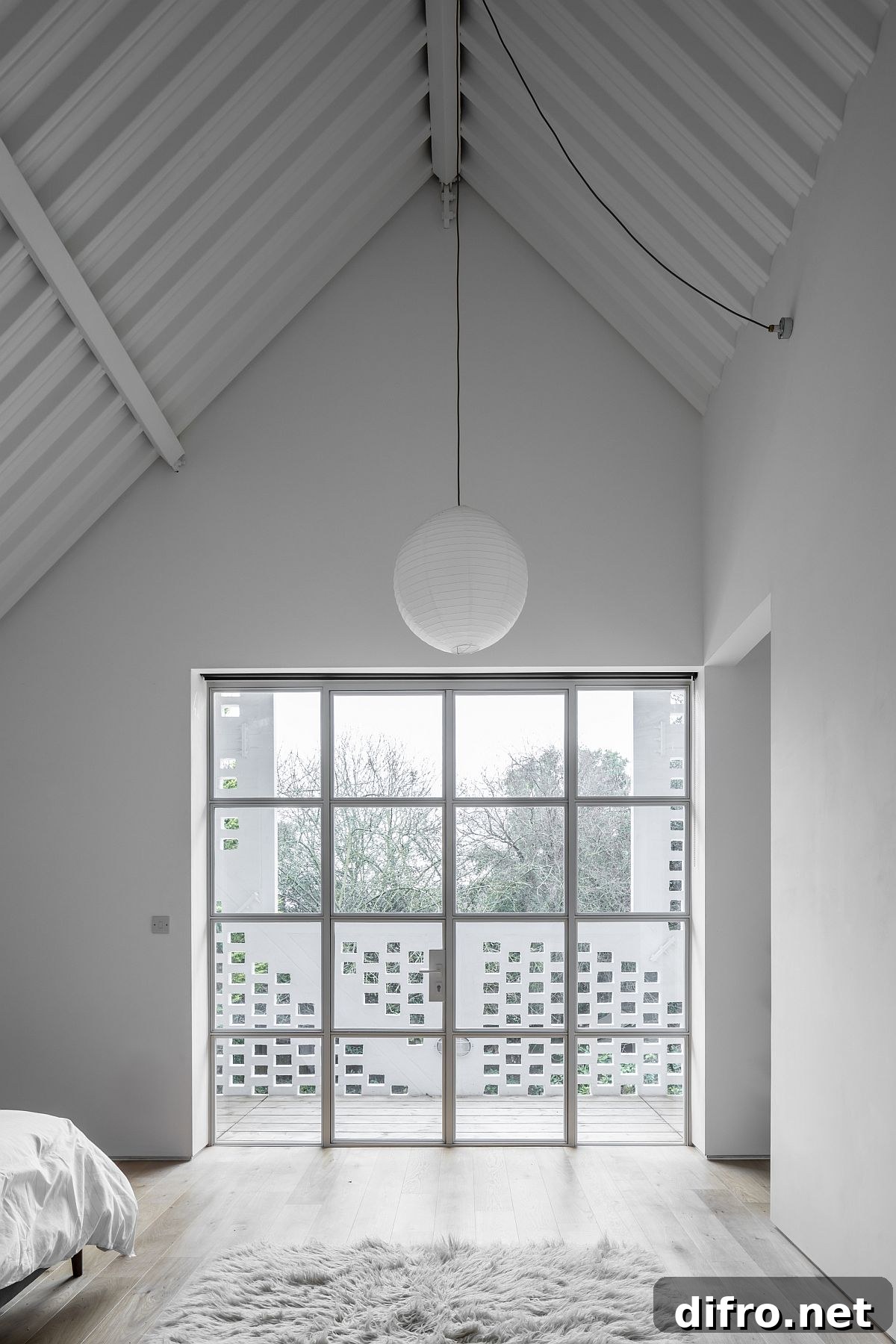
The house makes strong use of framed glazing to bring the garden into the main living zones. Large glass walls on the ground level visually and physically connect the interior to the outdoors, flooding the kitchen, dining and living areas with daylight and extending the sense of space. Upstairs, bedrooms and bathrooms are arranged within a lofted A-frame that gives each room a cozy, cathedral-like volume while maintaining privacy from the public areas below.
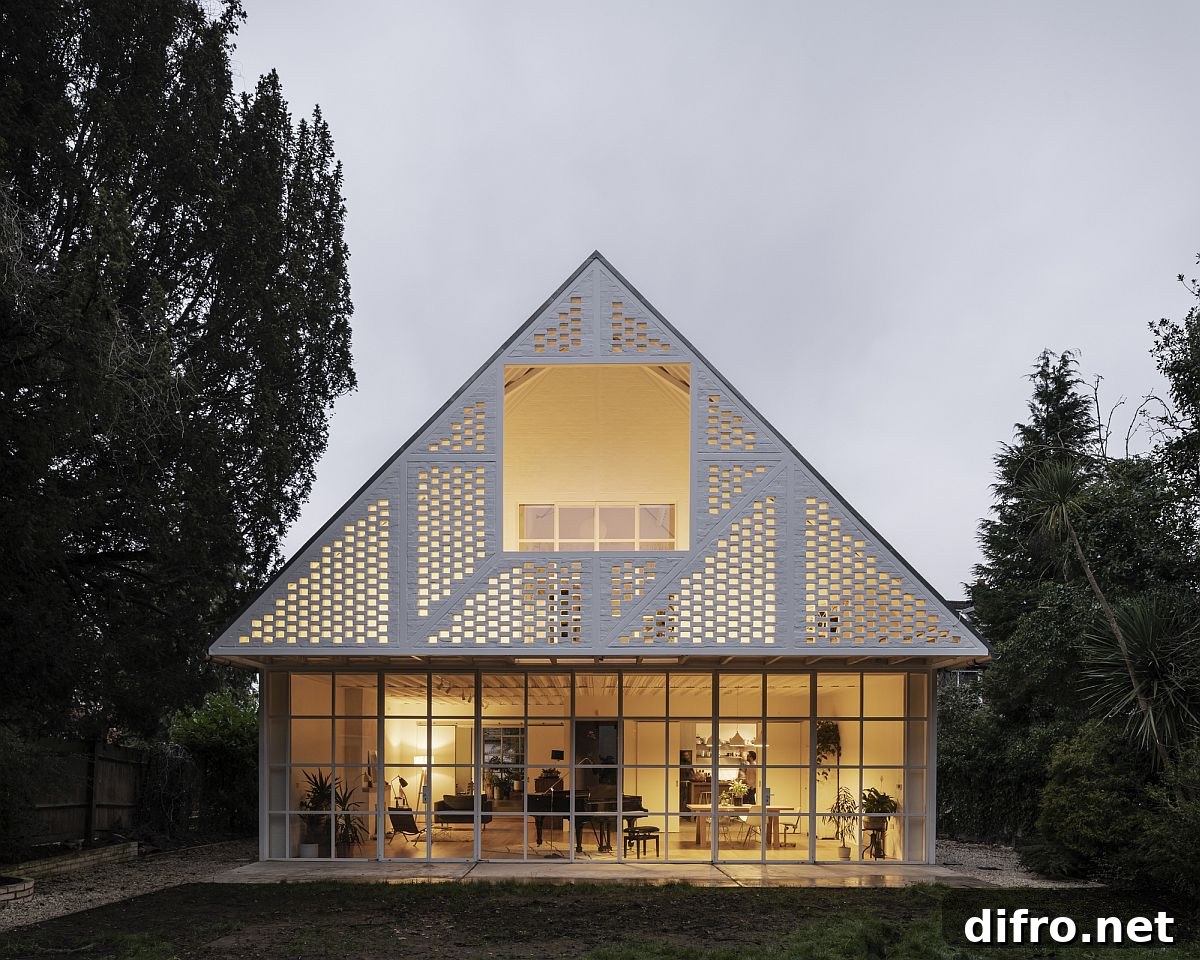
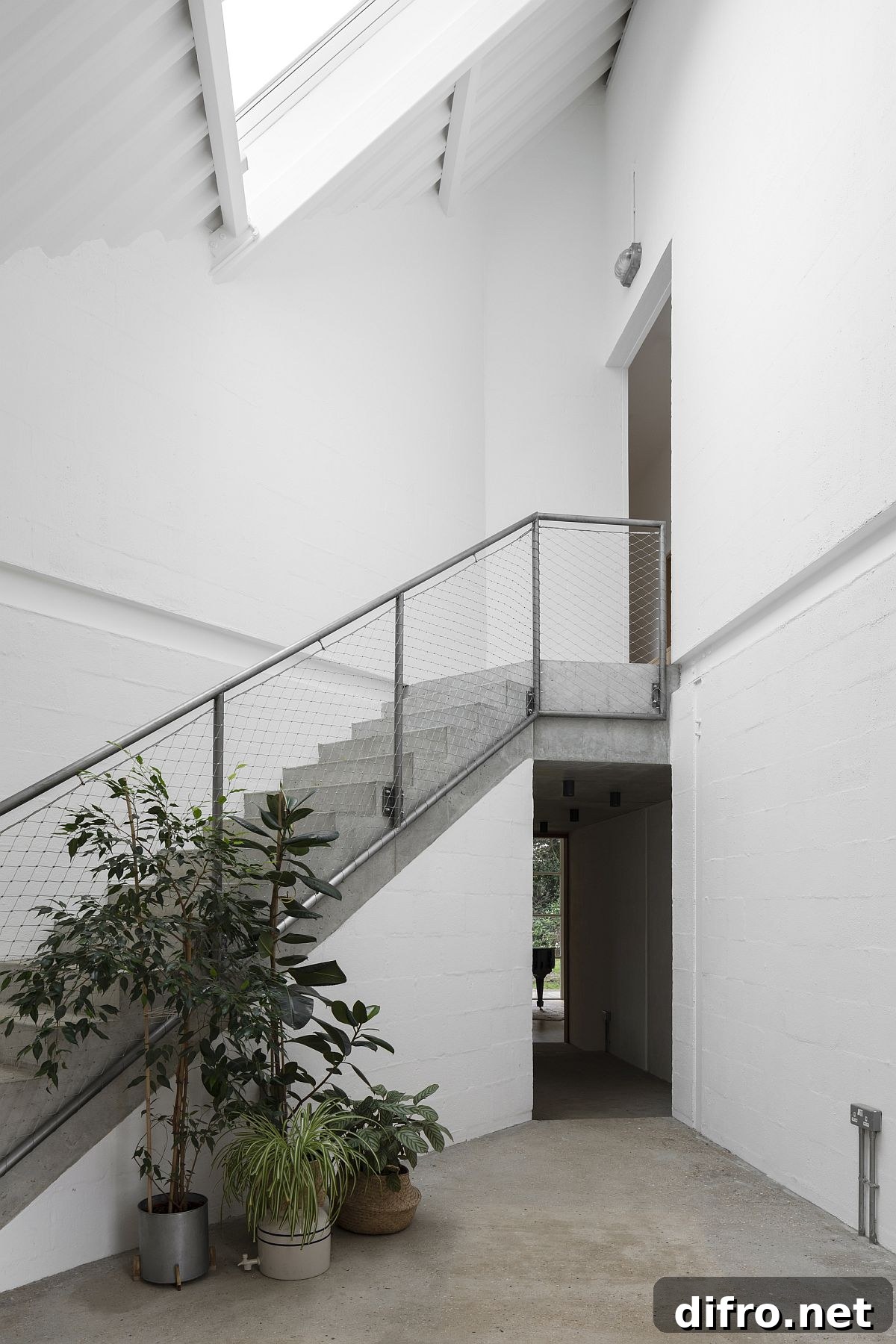
Entry to the home is generous and dramatic: a triple-height foyer welcomes visitors and sets an open, airy tone. Exposed concrete stairs and a mix of concrete and timber floors introduce a subtle industrial edge, while the extensive use of white on walls and ceilings creates a calm, understated backdrop. Wood-clad living spaces and warm finishes throughout the public rooms add texture and balance the cool tones of concrete and steel.
The project was commissioned by the founder of the bohemian fashion brand Star Mela, and the interiors reflect a relaxed yet refined lifestyle. Open-plan living encourages social interaction, while the lofted sleeping quarters provide a quieter, more intimate retreat. Thoughtful transitions between materials and levels make movement through the house feel fluid, and large openings strengthen the relationship between interior spaces and the landscaped garden.
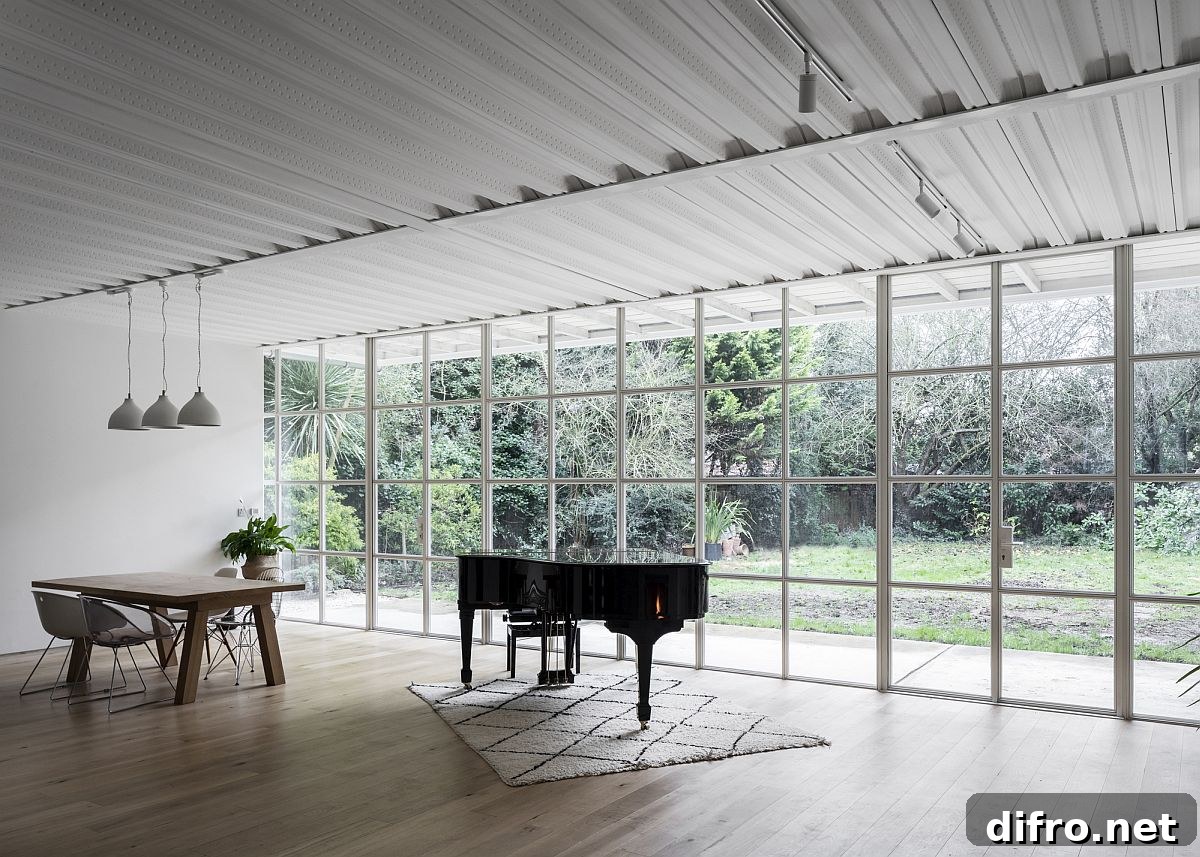
Structurally, the house borrows from mock-Tudor forms but expresses them in modern materials. A steel exoskeleton gives the pitched roof its strong, slender profile; the choice of steel permitted slimmer structural members and a diagrammatic clarity to the A-frame that reads almost like a simple, elegant sketch. This contemporary materiality amplifies the pitched form without obscuring the traditional silhouette that inspired the design.
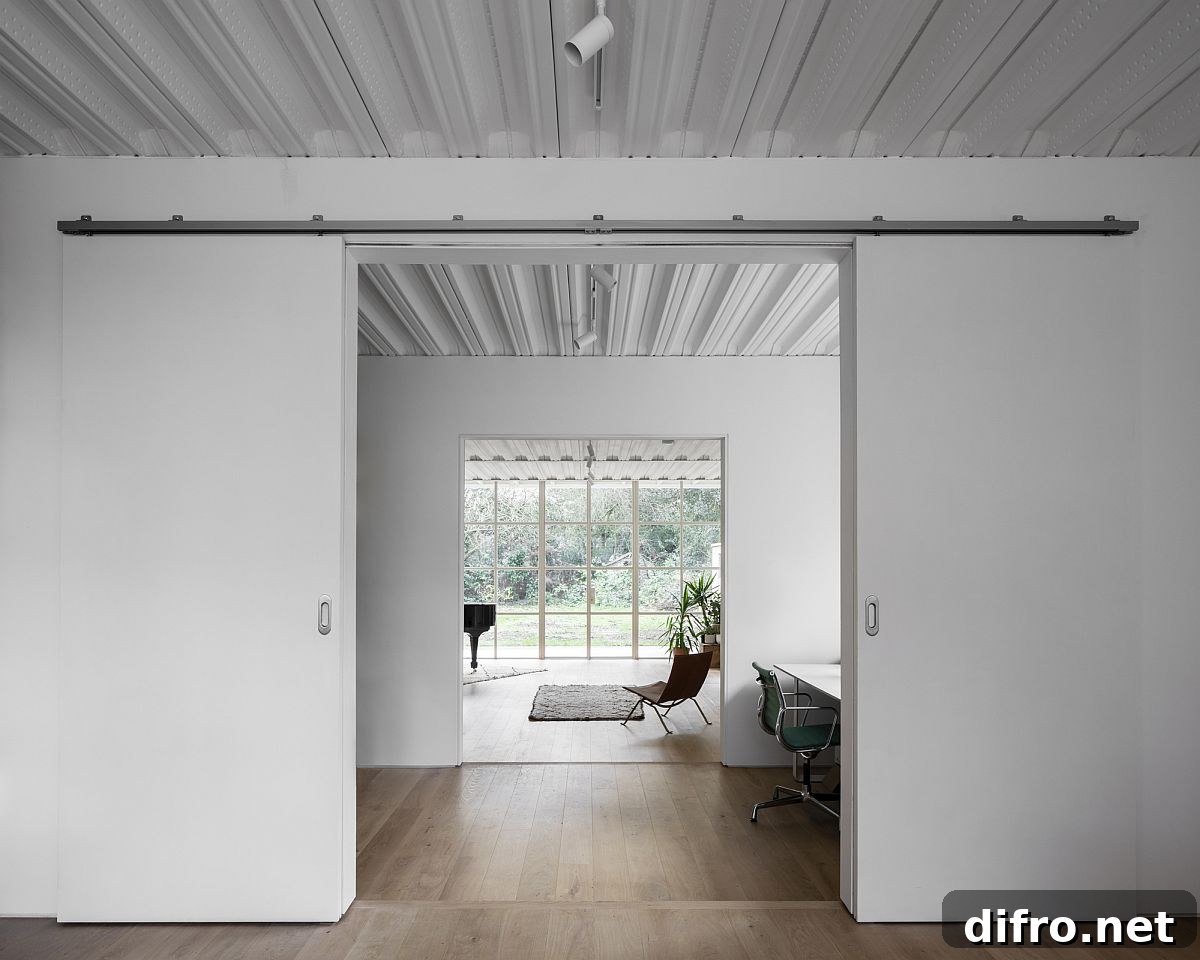
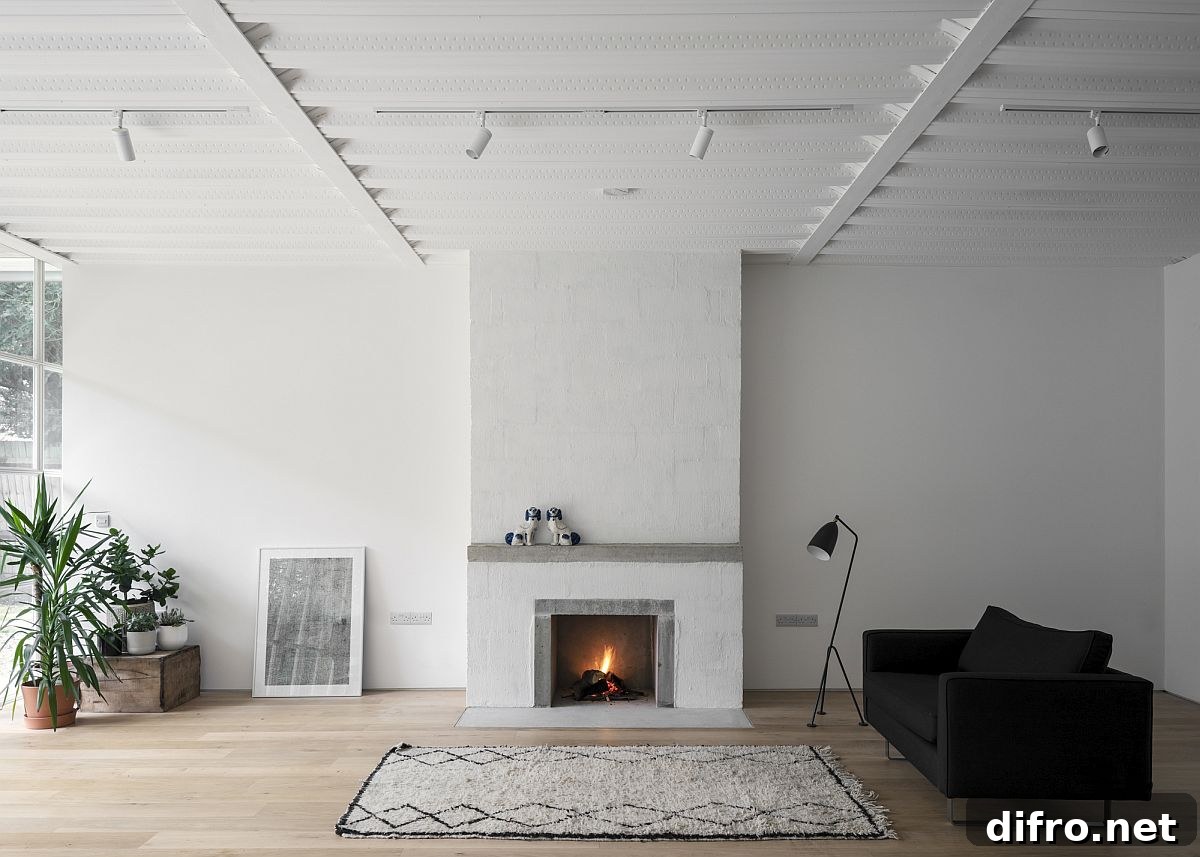
Inside, a clean, contemporary palette keeps the atmosphere informal and inviting. A cozy fireplace anchors the main living area, while carefully chosen furnishings and finishes lend a timeless quality. Natural light is a defining feature: the combination of glass walls, double-height spaces and white surfaces ensures interiors remain bright and welcoming throughout the day.
The home reads as a calm, modern interpretation of suburban Tudor idioms: familiar in form, but contemporary in detail and material. It demonstrates how an A-frame and mock-Tudor references can be reimagined—scaled down into elegant, contemporary lines—while remaining warm, practical and suited to everyday family life. Photography by Johan Dehlin captures the light-filled interiors and precise geometric expressions that define the project.
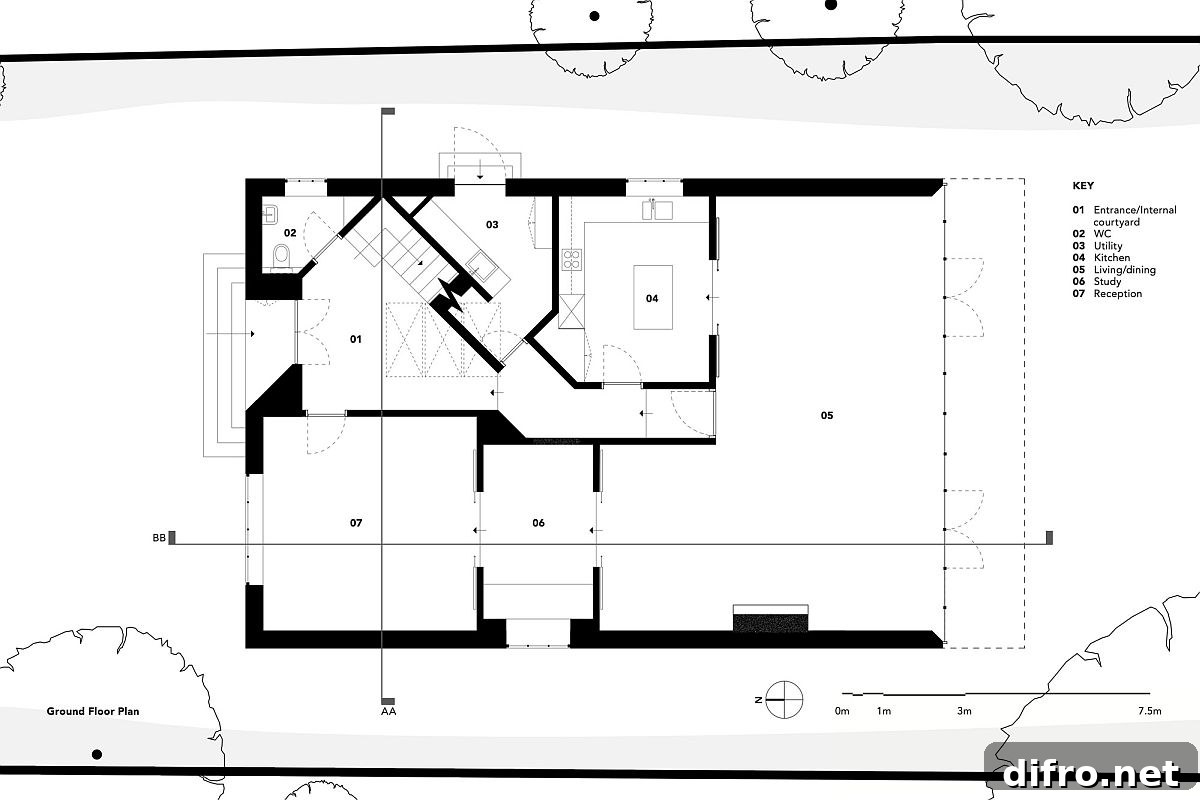
Plans for the house show a clear division of levels: open, communal living on the ground floor and private sleeping quarters on the first floor. This spatial arrangement reinforces the home’s dual personality—social and open downstairs, intimate and restful upstairs—while the A-frame roof ties both levels together as a cohesive architectural statement.
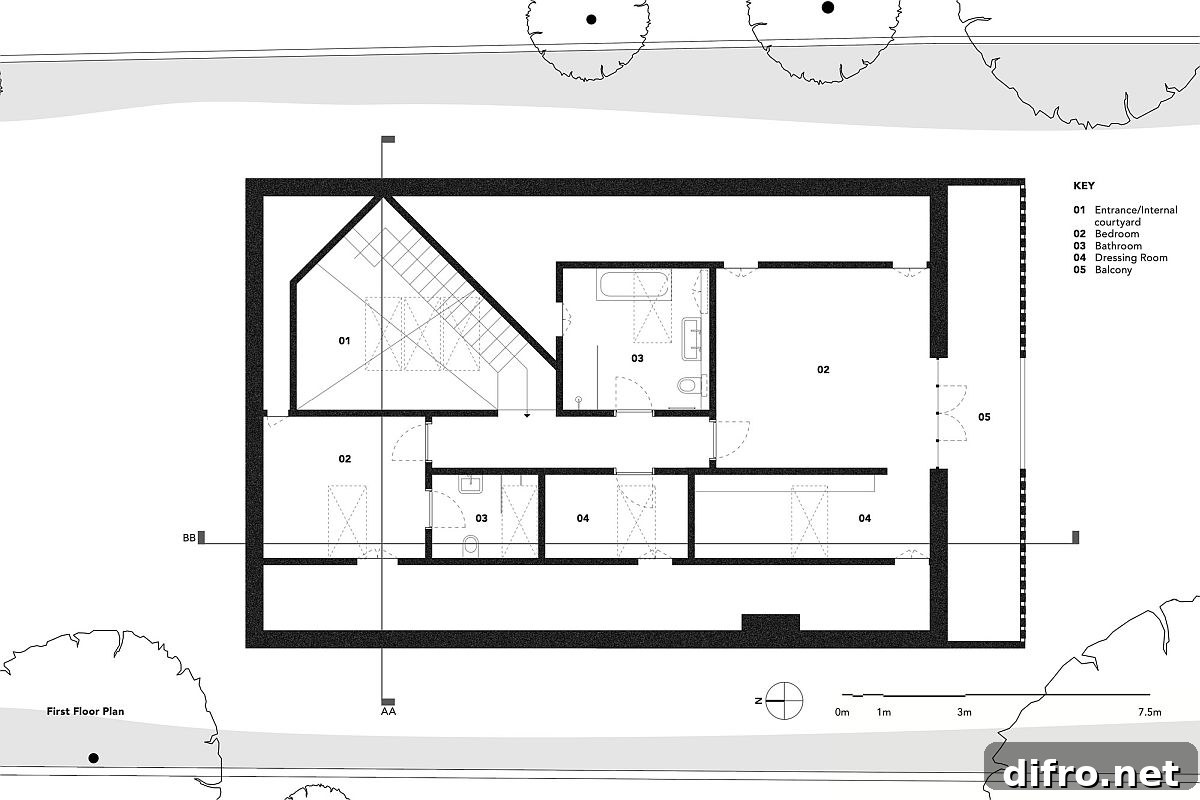
Ditton Hill House is a study in how heritage-inspired forms can be reinterpreted with a contemporary mindset: simple, confident geometry, pared-back materials and generous glazing create a home that is both respectful of tradition and fully of-the-moment.