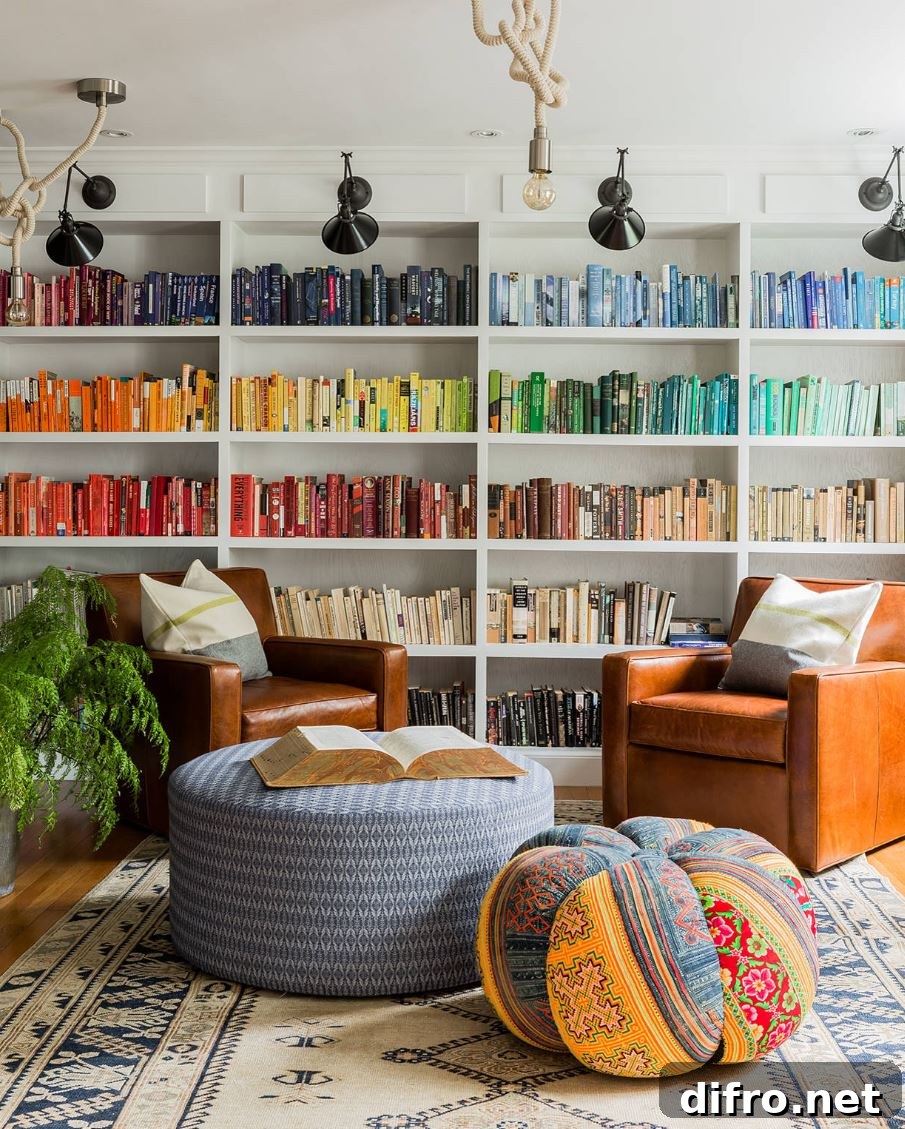
Call it a cushion, an ottoman or a floor seat: the pouf is a surprisingly versatile piece of accent furniture. Available in round, cylindrical or cube shapes and made from a wide range of materials, poufs serve as extra seating, footrests, side tables and even modular coffee tables. Because they’re compact and portable, poufs are a bold, low-commitment way to introduce color, texture and pattern into a room—an easier choice for experimentation than a large sofa. This article explores practical and decorative ways to use poufs throughout the home, with product inspiration from brands like CB2, Crate & Barrel, West Elm and Anthropologie.
Extra Seating for Small Spaces
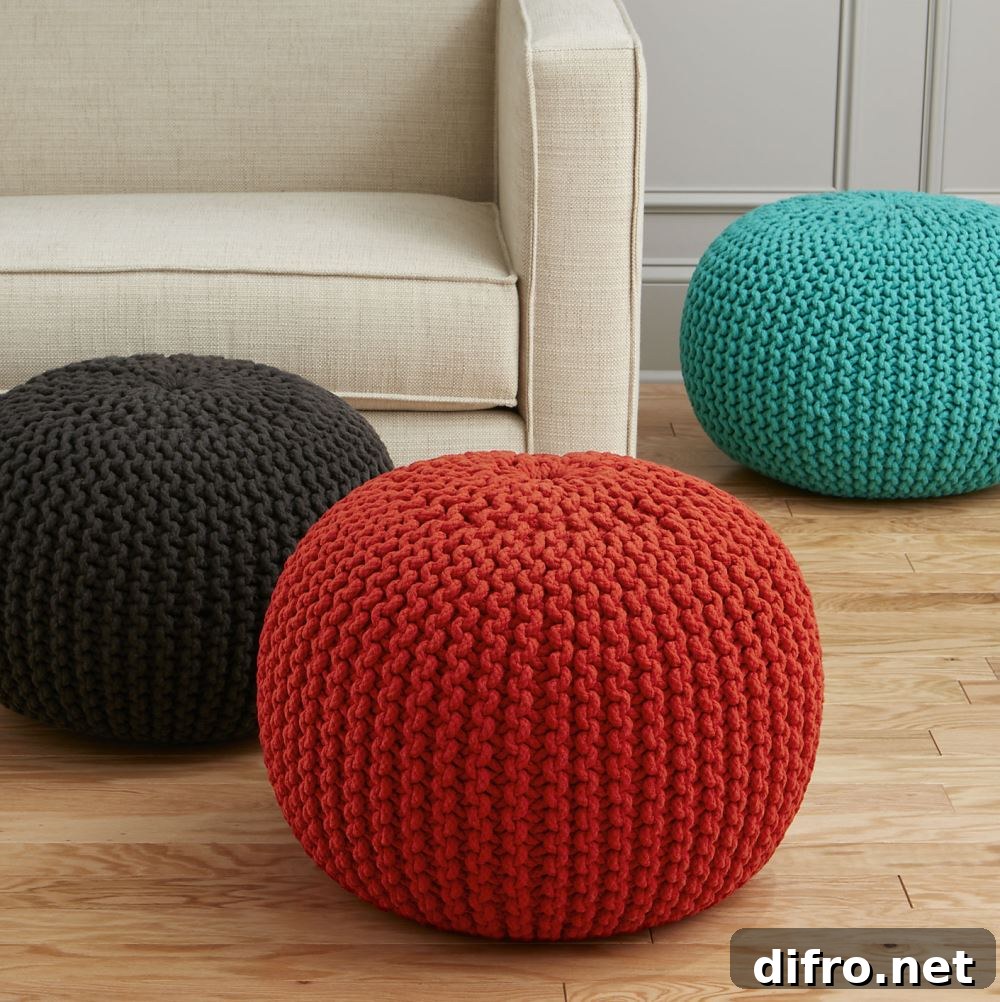
Poufs provide flexible seating that’s especially useful in compact living areas. Their small footprint makes them easy to tuck under tables or stack near a sofa, ready to be pulled into use when guests arrive. In tight apartments or family rooms, several poufs can offer essential seating without overwhelming the space. Knitted, woven and upholstered varieties all work well—choose firmer fills for seating and softer textures where comfort is a priority.
Side Table and Surface Solution
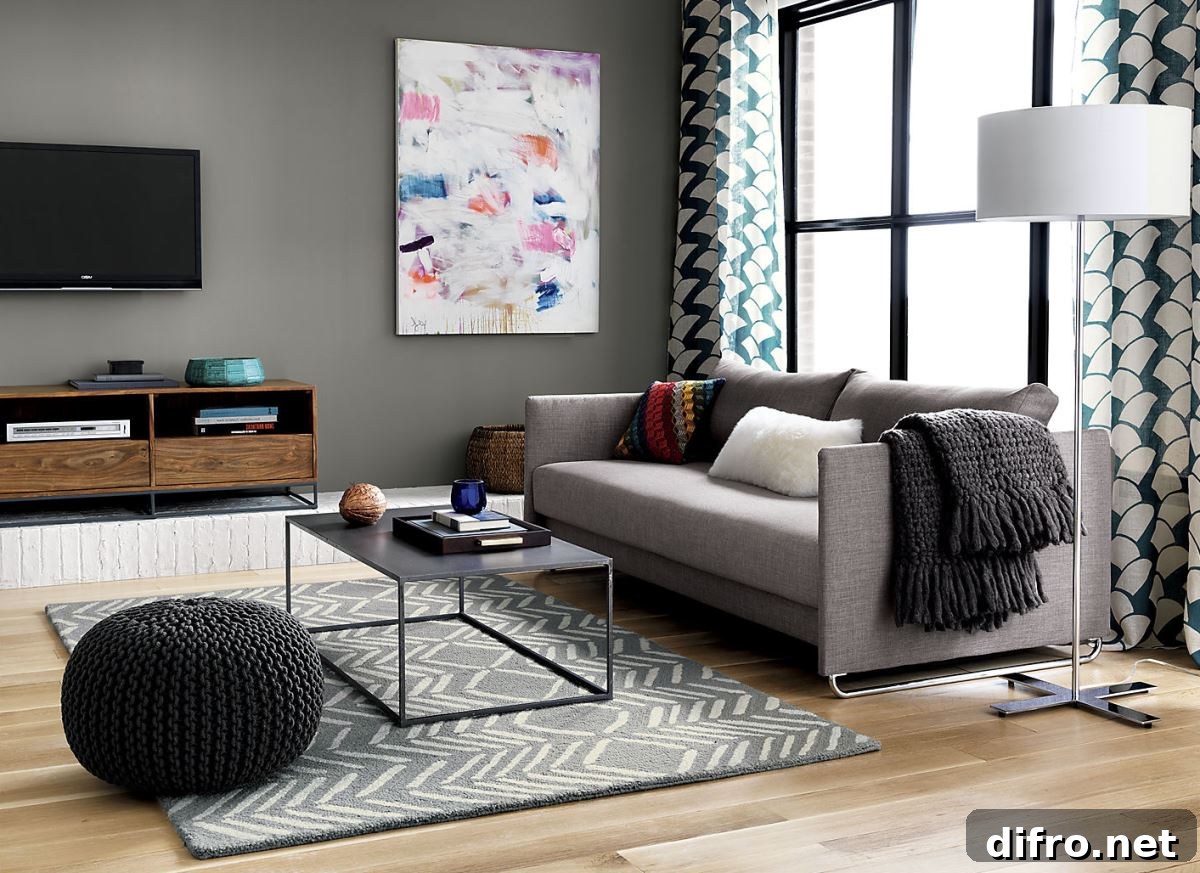
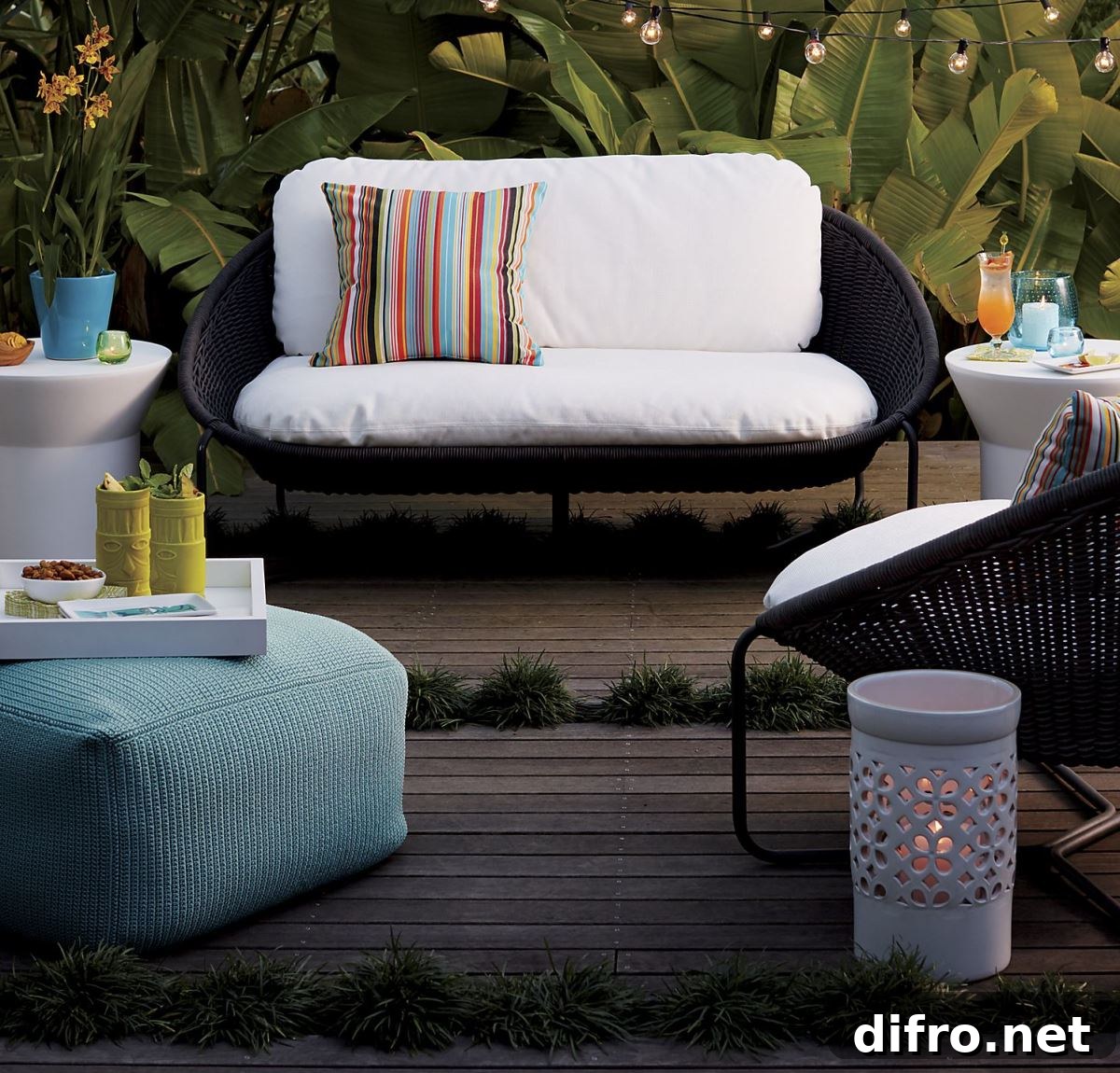
Poufs double as convenient side tables. Place a tray on a firm pouf to create a stable surface for drinks, small plates or a stack of books. Weather-resistant outdoor poufs work equally well on a patio or balcony, providing a surface that won’t suffer from brief exposure to moisture. Textured and braided poufs also bring a softened edge to kids’ rooms, where they can hold toys or serve as a restful spot for story time.
Modular Coffee Table Options
Use poufs to build a modular coffee table: two or more poufs grouped together make a casual focal point that can be separated for seating when needed. Smaller poufs can be combined in a grid to form a larger surface, or a single oversized pouf can anchor a seating area and add tactile contrast. This approach is ideal for multipurpose living rooms where flexibility is key.
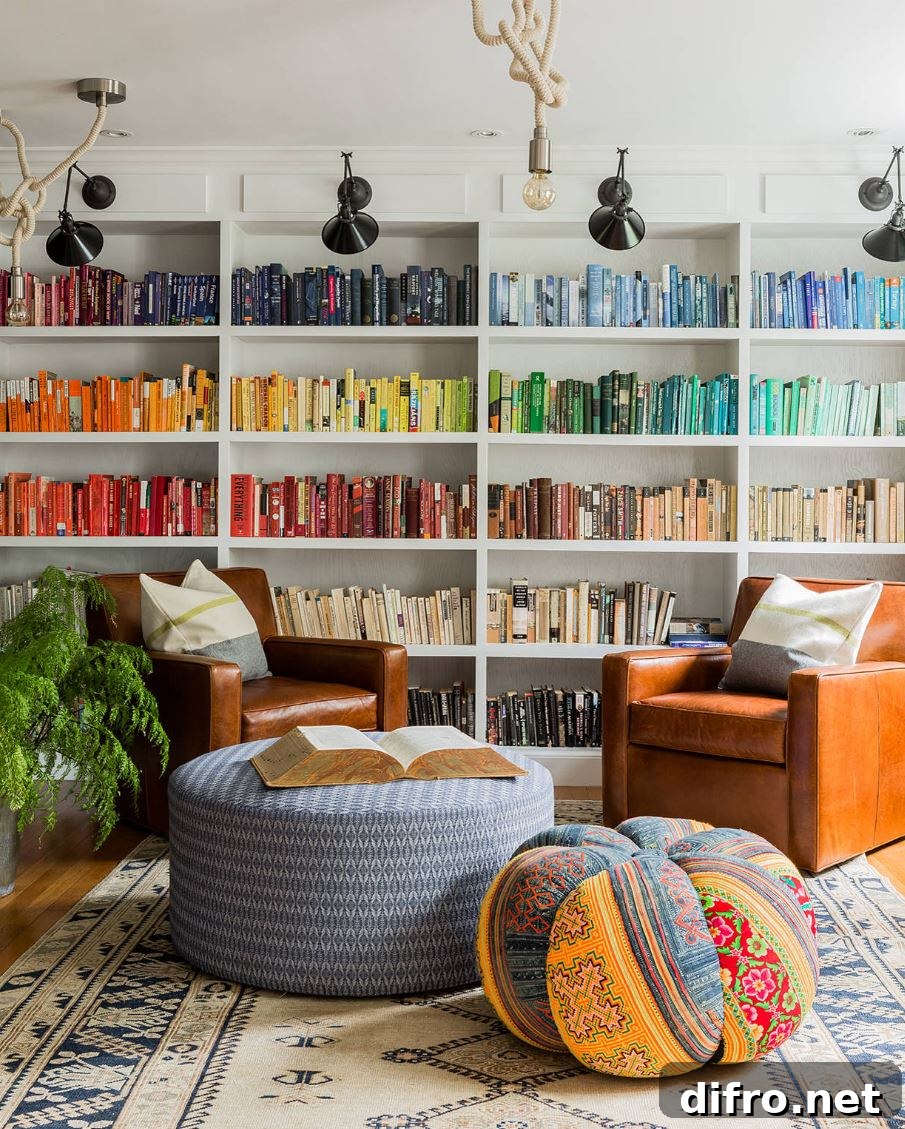
Comfortable Footrest
Poufs are ideal as portable footrests. Move one in front of a favorite armchair or between two seats to kick back comfortably. Their mobility means you can shift them to suit the moment—closer for lounging, farther away when you need floor space.
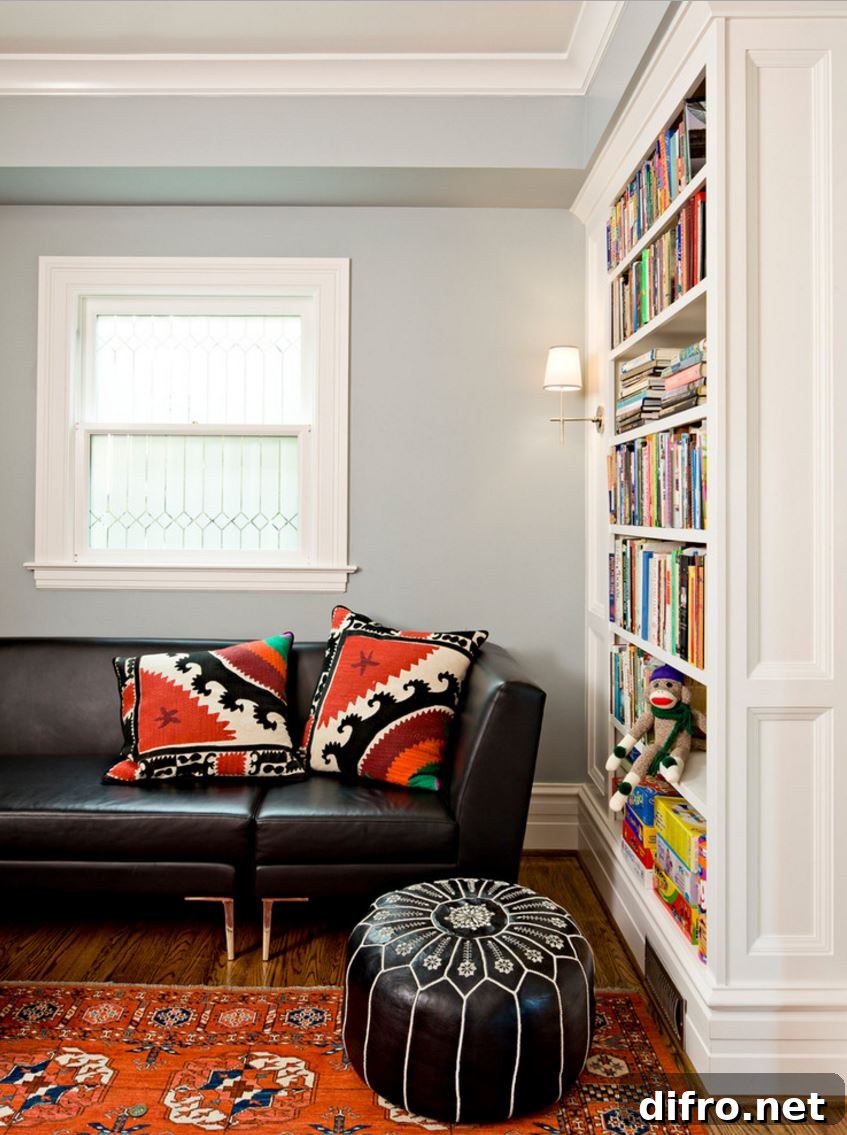
Outdoor Lounge Essential
Outdoor-safe poufs allow you to extend this flexible seating to terraces and gardens. Natural-fiber styles such as braided hemp bring an earthy, tropical feel that complements current outdoor trends. Choose weather-resistant fillings and fabrics for durability, and mix poufs with low tables and planters to create a relaxed lounge zone.
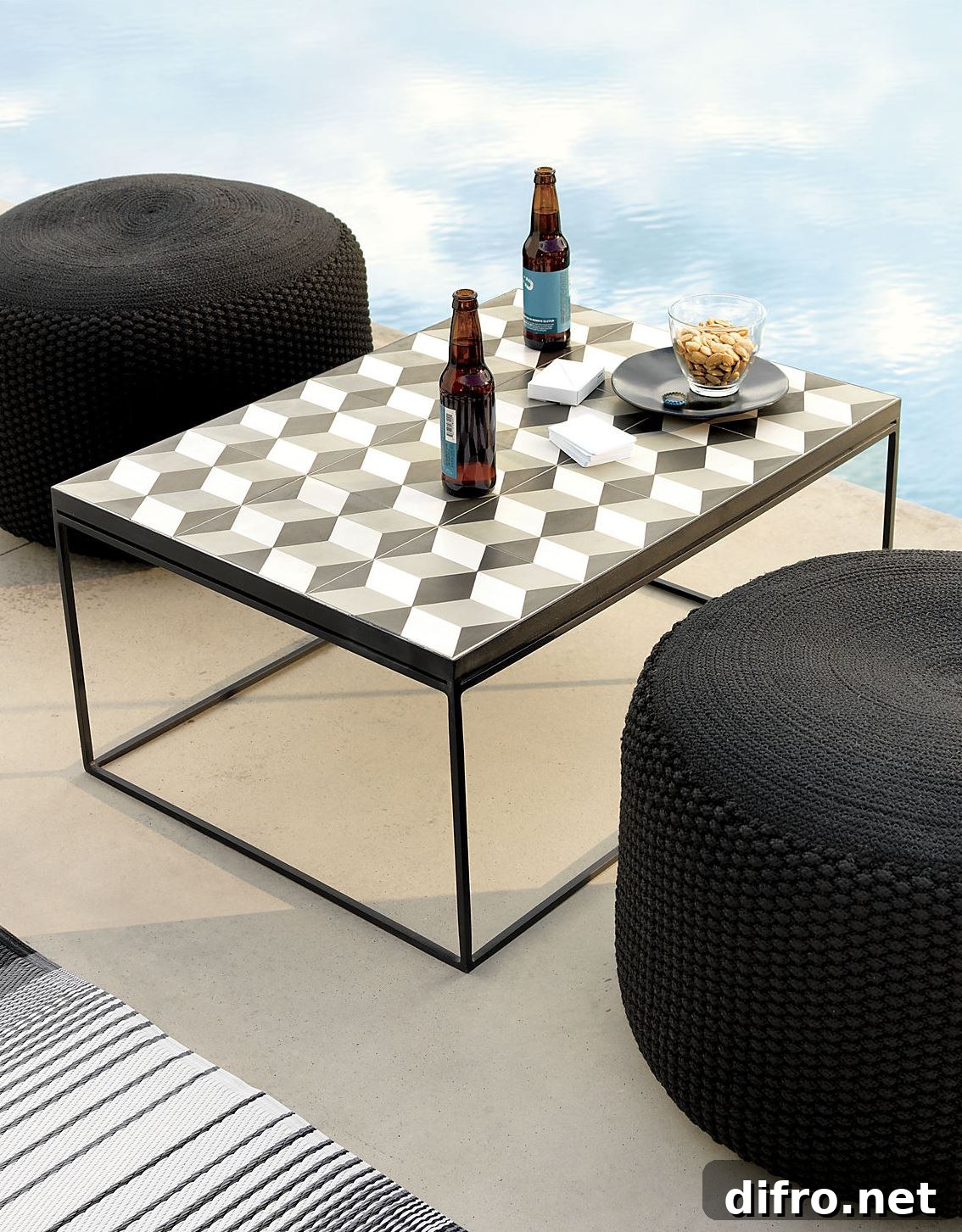
Bedroom Alternative to a Bench
At the foot of the bed, a pair of poufs can replace a traditional bench and add an eclectic, layered look. Patterned or metallic-accented poufs work well here: they create a spot to sit while dressing, set down a robe or place a tray, and they introduce texture without overwhelming the bedroom’s palette.
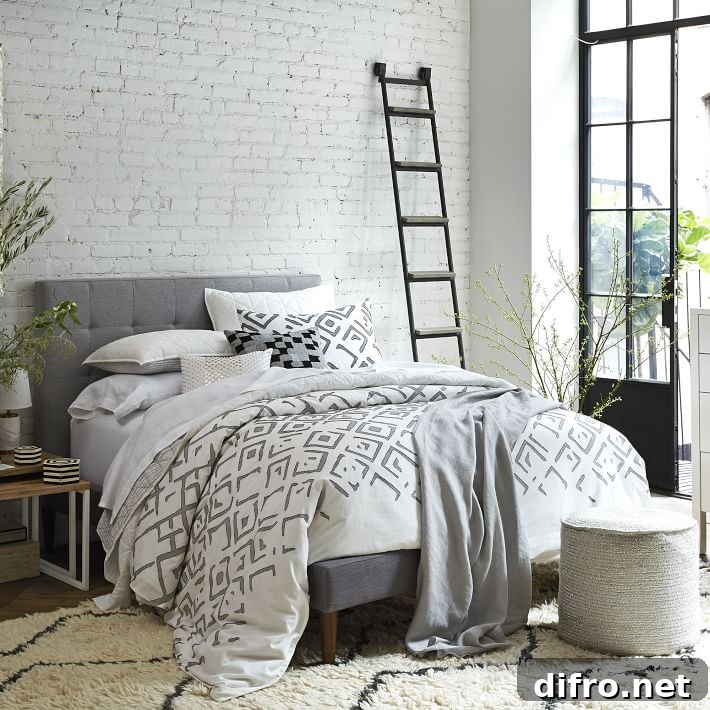
Sculptural Accent and Pattern Play
Poufs can act as sculptural accents when grouped as a trio or arranged for visual interest. Their small scale makes them a safe place to experiment with bold prints and eclectic patterns—use one patterned pouf to introduce a motif, then balance the room with solids and textures. For a Boho flourish, opt for earthy prints, fringes or metallic highlights that add personality without crowding the space.
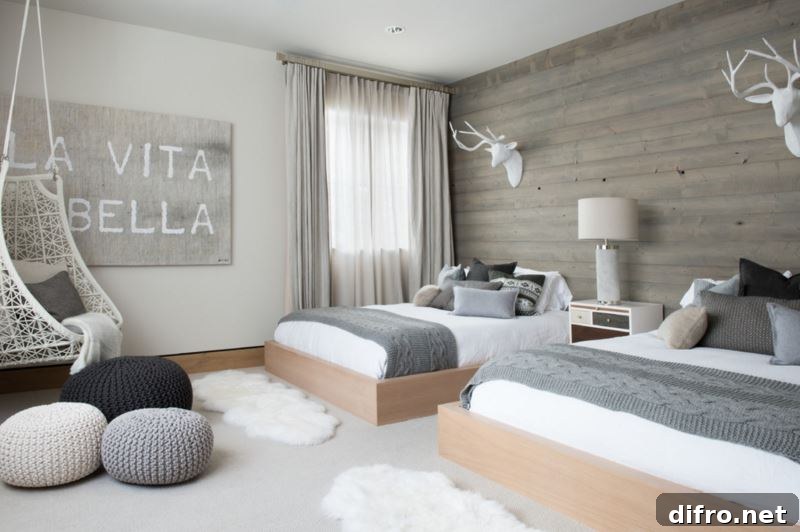
Cozy Texture: Shag and Lambswool
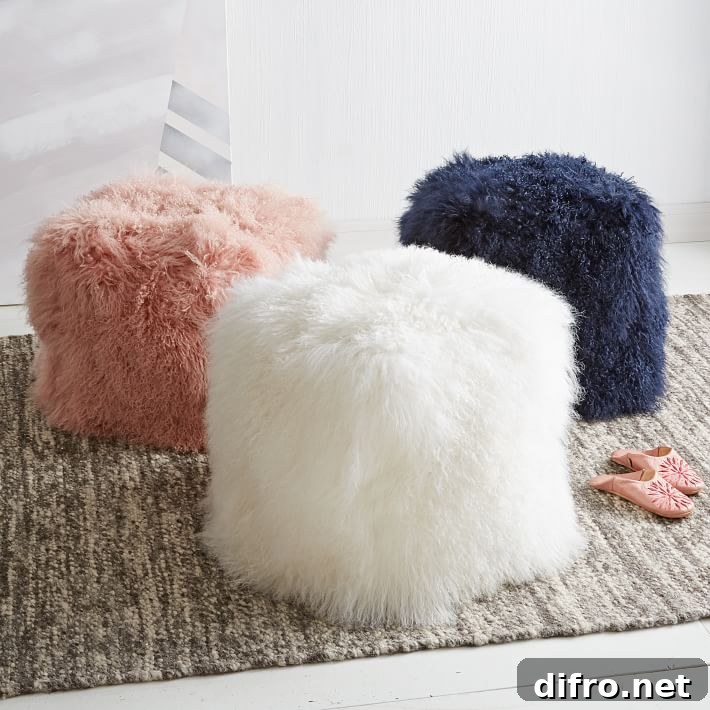
To layer in cozy texture, choose shaggy or faux fur poufs that add warmth and softness to a room. Mongolian-style or lambswool poufs are popular picks for bedrooms and living rooms where a plush accent helps make the space feel inviting. Mix these tactile options with smoother textiles to create depth and contrast.
Will you add a pouf to your space this season? Share which styles or textures you prefer—patterned, braided, shaggy or outdoor-safe—and how you plan to use them.