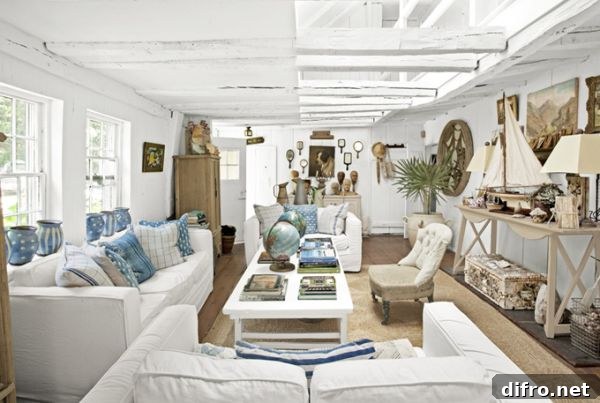
A schooner is a distinctive sailing vessel known for its elegant profile and clever use of sails. For antique dealers Chris Mead and Zoe Hoare, a salvaged schooner became the seed for an extraordinary home in New York. The vessel, with roots dating back to 1748, was carefully transformed into a modern living space while preserving tangible traces of its maritime past. Those remnants—weathered timbers, nautical artifacts and a sense of long-lived history—give the house a singular character you rarely find in the city.
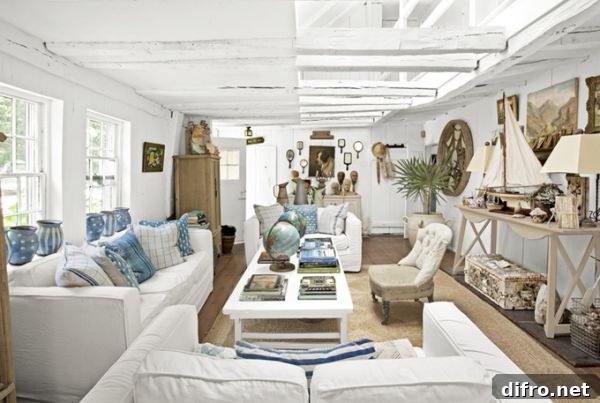
What makes this converted schooner so compelling is the way its designers balanced preservation with contemporary comfort. In an era where many interiors lean toward minimalism and industrial minimal lines, this home embraces “old world” warmth. The couple leaned on their expertise as antique dealers and layered genuine period pieces and carefully chosen decorative items throughout the house. Rather than creating a museum piece, they composed lived-in rooms that celebrate the vessel’s past while remaining entirely comfortable and functional for everyday life.
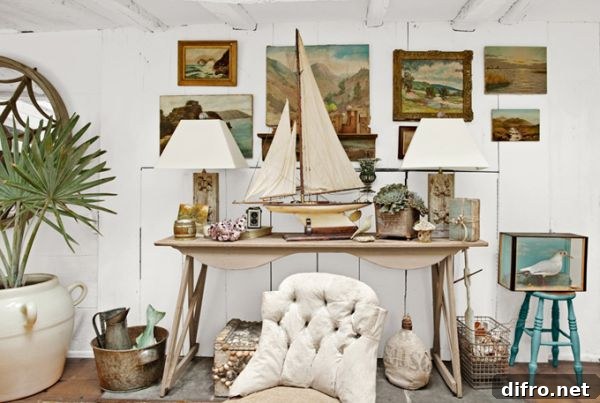
Inside, the design language is quietly nautical: a soothing palette of blues, crisp whites and warm neutrals creates a serene backdrop for maritime accents and textured surfaces. The living spaces feel open and airy, benefiting from ample natural light and cross ventilation that echo the breezy atmosphere of life at sea. Decorative objects—maps, ship models, and other maritime artifacts—are used thoughtfully, adding narrative and visual interest without overwhelming the architecture or the furniture.
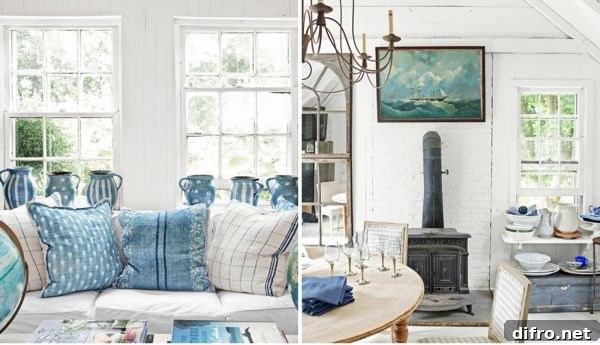
Antiques play a central role in the home’s aesthetic, yet they are arranged with modern sensibility. Each room features pieces that complement one another, creating cohesive vignettes that feel curated rather than contrived. The result is a series of inviting spaces where history and contemporary living coexist: textured upholstery, layered rugs, and period furniture harmonize with cleaner, modern touches to deliver comfort and visual depth.
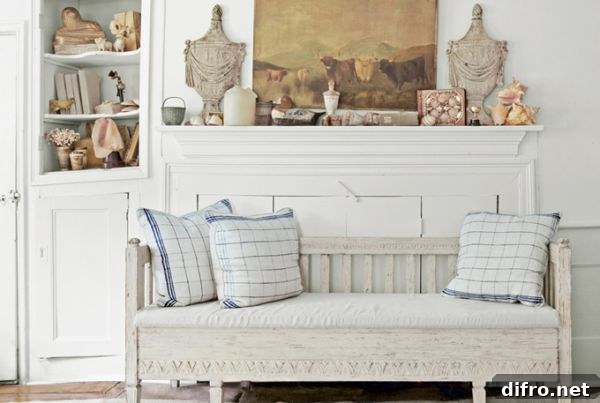
Throughout the home, thoughtful detailing reinforces its nautical backstory without resorting to kitsch. The design favors authentic materials and honest finishes: painted surfaces in muted tones, tactile textiles, and selected antiques that speak to the couple’s background and eye for provenance. These choices help the interior feel timeless, anchored in craftsmanship while fully suited to modern life in New York.
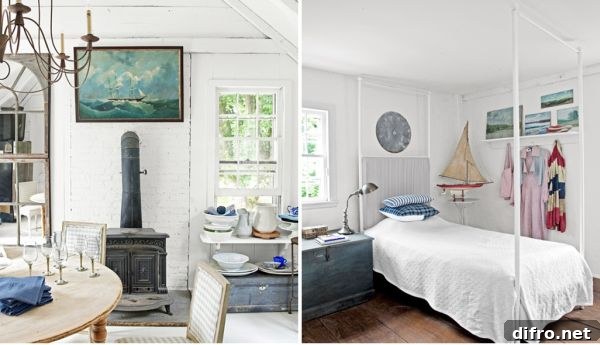
Conversion projects like this one are rare, particularly in dense urban environments where new construction and high-rise living dominate. That rarity contributes to the home’s appeal: it feels like a private refuge shaped by maritime history and the personal tastes of its owners. The result is an interior that reads as both a celebration of a storied past and a comfortable, contemporary home.
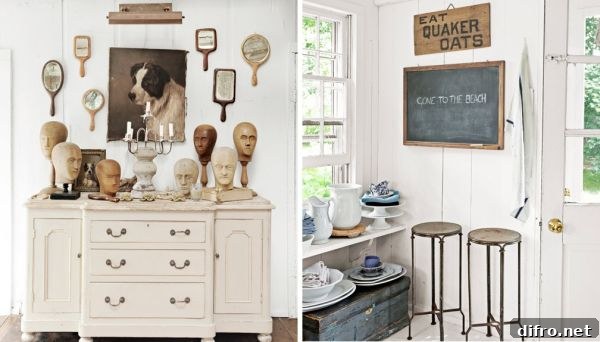
Ultimately, the schooner-turned-home is an exercise in thoughtful adaptation: it preserves the soul of a vessel built in 1748 while offering modern comforts and a warm, personalized interior. For anyone interested in nautical design, historic preservation or uniquely conceived living spaces, this New York residence offers an inspiring example of how maritime heritage can be translated into contemporary domestic life.