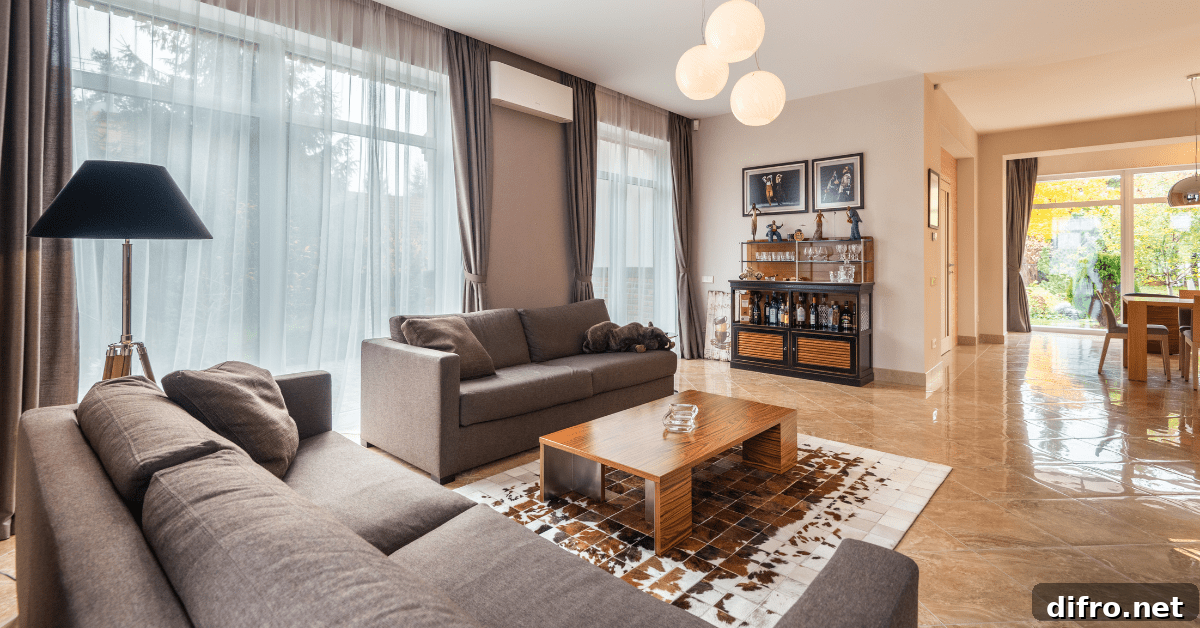
Your living room layout reveals more about your lifestyle than you might expect. The arrangement of furniture, the choice of focal point, and the amount of seating all send subtle signals about how you live, socialize, and relax. Whether you’re focused on conversation, media, quiet comforts, or a flexible open plan, the way you design this central space reflects your priorities and daily routines.
The Living Room as a Mirror of Your Life
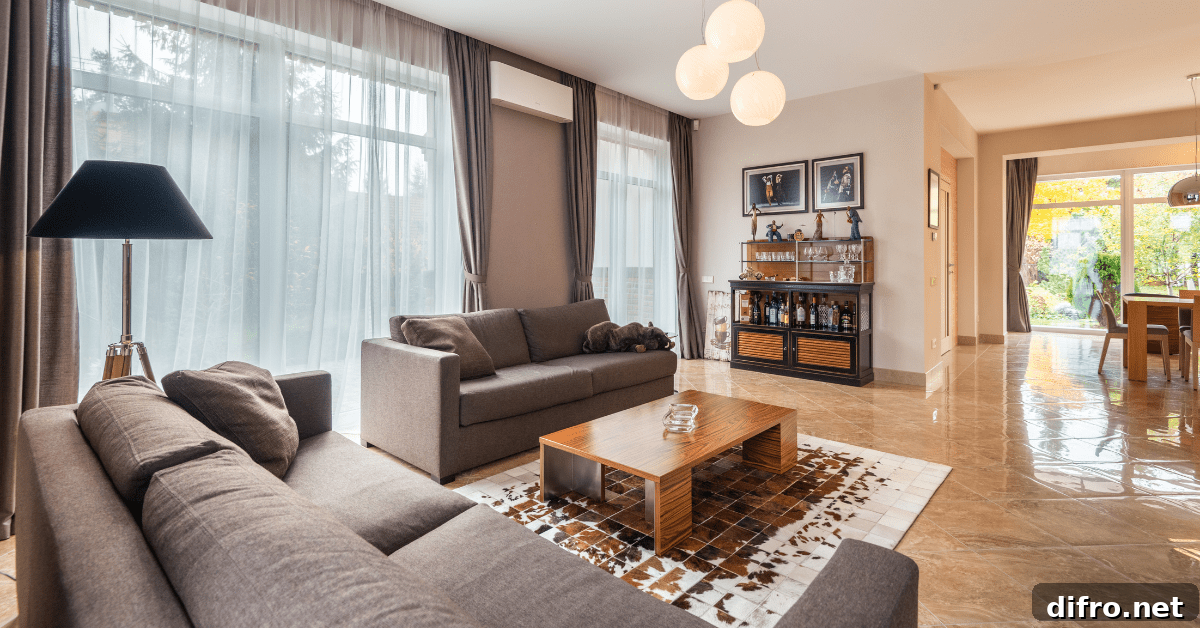
Your living room is more than a place to sit; it’s a snapshot of how you want to spend your time. A sofa positioned toward the television suggests one set of habits, while a grouping of chairs that face inward hints at a preference for conversation. Elements such as bookshelves, ambient lighting, and the balance between open space and accessories all contribute to the story your living room tells. Recognizing these signals can help you make intentional changes that better align the room with your lifestyle goals.
There’s no single best way to design a living room, but understanding common layout types—conversation-focused, cozy nooks, TV-centered, open-concept, minimalist, and eclectic—can offer useful perspective. Below we explore what each layout typically communicates and how it aligns with habits, personality, and use.
Conversation-Centric Layouts Reveal an Outgoing Nature
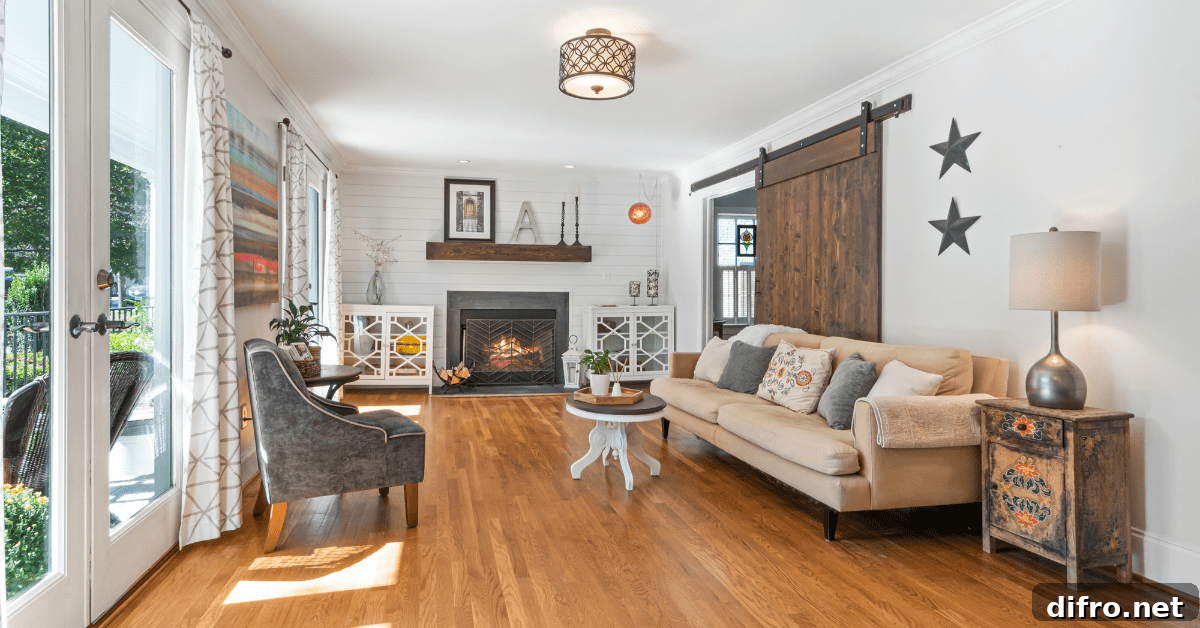
A circular or U-shaped seating arrangement that encourages face-to-face interaction typically points to a sociable, outgoing personality. When sofas and chairs face each other and the television is not the dominant focal point, the layout promotes conversation and connection. This setup is ideal for people who host friends often and value shared moments over solitary screen time.
Conversation-centric living rooms indicate a strong emphasis on relationships and community. Those who choose this layout tend to be energized by company and are often the ones who organize gatherings, game nights, or dinner parties. If your living room prioritizes conversation, it likely supports lively social calendars and attentive entertaining.
Intimate Nooks Signal a Love for Quiet Comfort
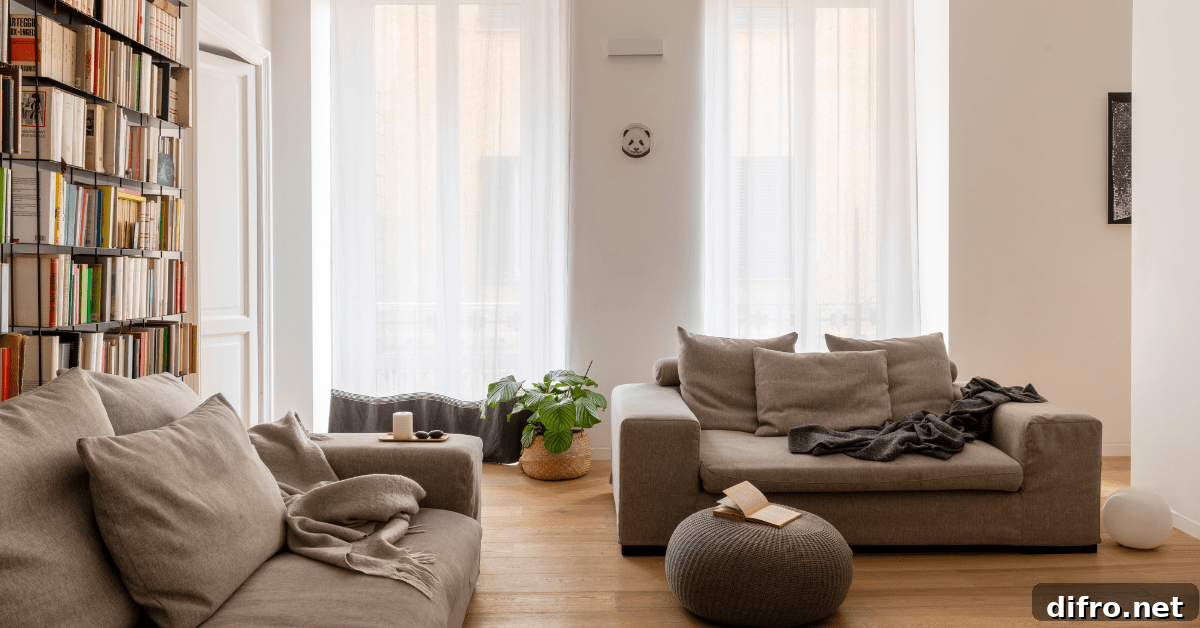
A small reading corner, a comfortable chaise, or a tucked-in seating area speaks to people who appreciate quiet, restorative time at home. These intimate nooks are designed for solitude and comfort, often featuring bookshelves, soft lighting, and plush textiles. People who prefer this layout usually enjoy slow evenings, reading, creative hobbies, or simply recharging away from larger gatherings.
Such living rooms often reflect a thoughtful, introspective lifestyle. Whether introverted by nature or simply valuing downtime, the occupants of these spaces prioritize comfort, calm, and personal rituals that restore energy. If this is your living room style, it likely supports focused activities and a soothing atmosphere.
TV-Centric Layouts Indicate a Love for Media
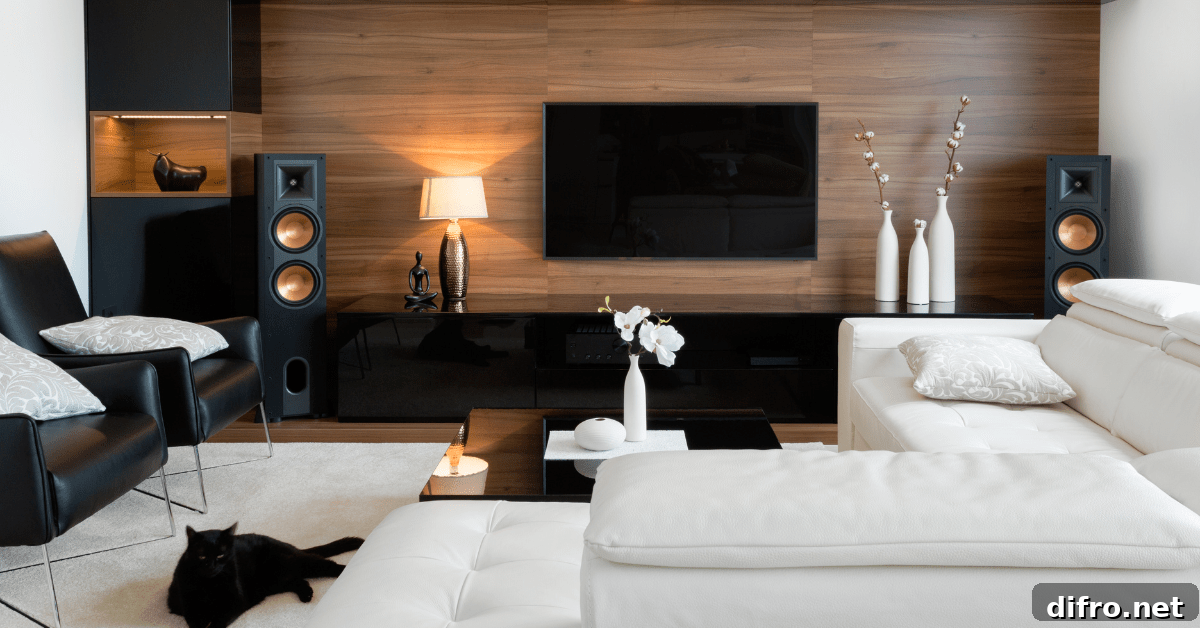
A living room arranged around a large television, projector, or entertainment center signals that media—movies, sports, or gaming—plays a central role in leisure time. Seating oriented for optimal viewing, integrated sound systems, and visible consoles indicate a commitment to immersive entertainment and shared viewing experiences like watch parties or game nights.
People with TV-centric living rooms often keep up with the latest shows, sporting events, and streaming trends. The space supports group entertainment as well as solo immersion, and it may be the hub for family gatherings centered on shared media experiences.
Open-Concept Layouts Reveal a Dynamic Lifestyle
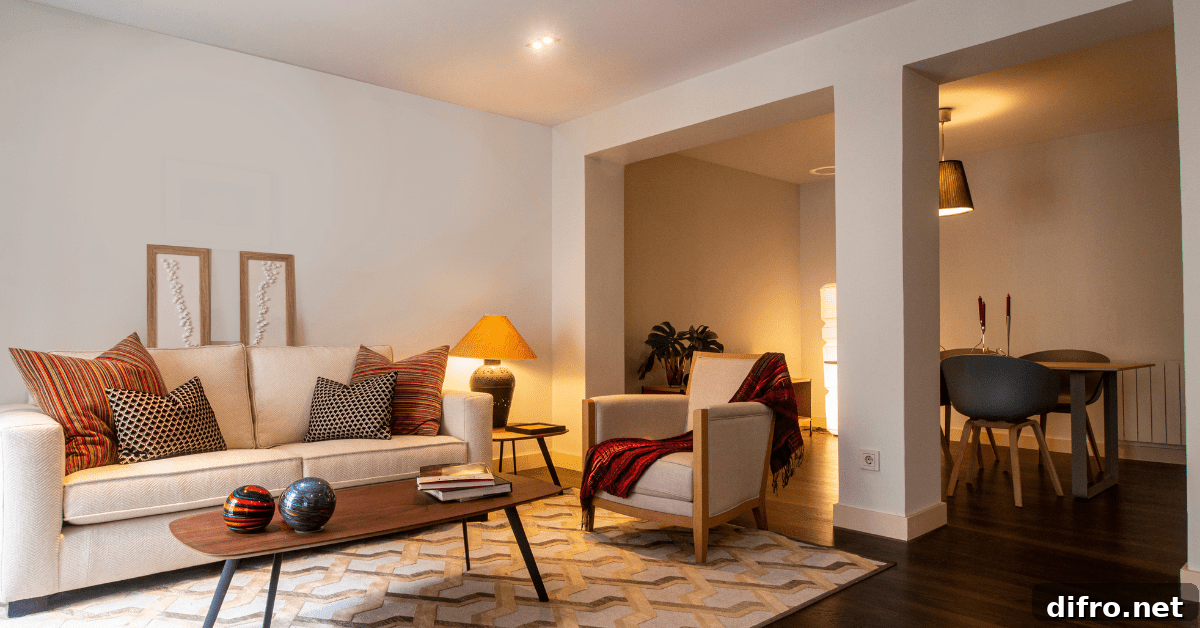
An open-concept living room that flows into a kitchen or dining area supports a flexible, multitasking lifestyle. This layout is ideal for people who cook while entertaining, supervise children while relaxing, or work from home and need interconnected spaces. The lack of rigid partitions encourages movement, visibility, and sociability throughout daily routines.
Open-plan designs suit households that balance multiple roles in a single space. They promote inclusivity and interaction while enabling a practical, communal approach to daily life.
Clean, Uncluttered Spaces Indicate a Focus on Essentials
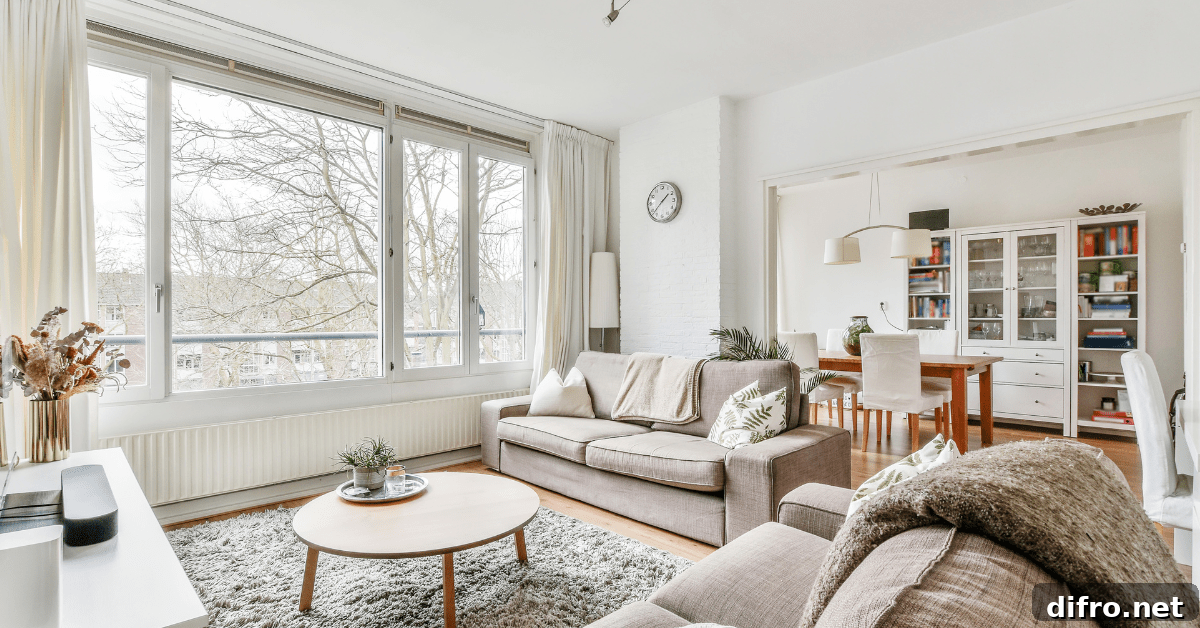
Minimalist living rooms with streamlined furniture and open floor space reflect a focus on essentials. This design approach values functionality and quality, reducing visual clutter and prioritizing items that serve a purpose or bring joy. Clean lines, neutral palettes, and selective decor typically indicate an intentional, organized lifestyle.
People who favor minimalism often prefer calm, orderly environments that support clear thinking and intentional living. Their living rooms provide breathing room both physically and mentally.
Diverse Decor Showcases a Rich, Varied Life
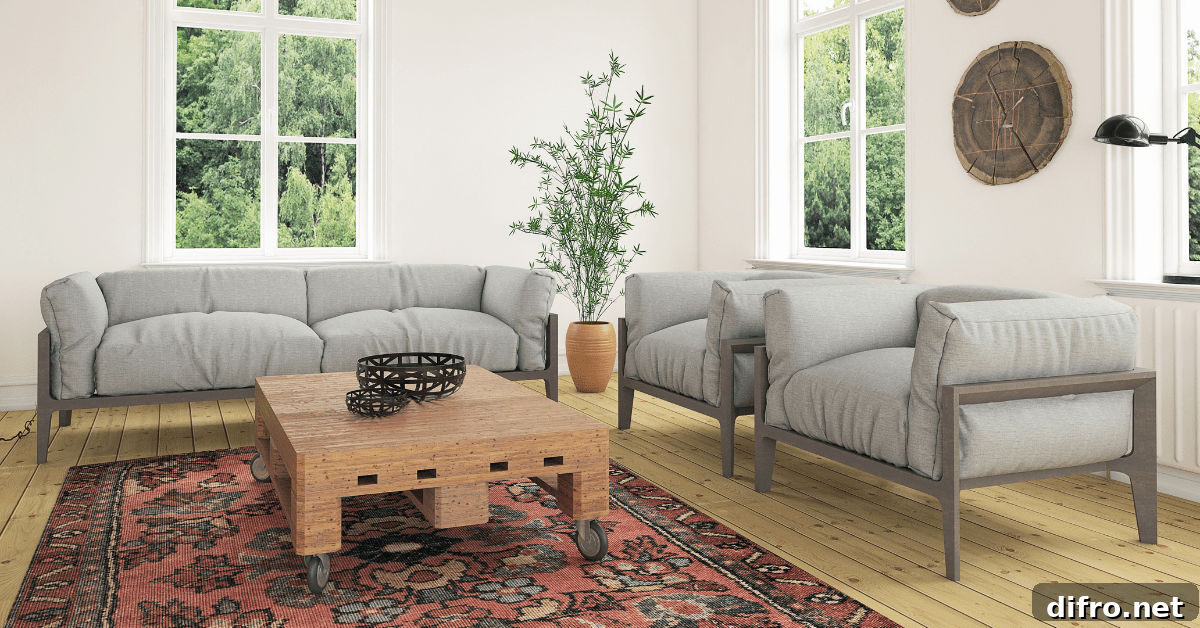
An eclectic mix of furniture, art, and artifacts signals a life filled with varied interests and experiences. When your living room displays pieces collected from travels, family heirlooms, and diverse styles, it creates a layered narrative that invites conversation. This approach reflects curiosity, creativity, and an openness to blending influences rather than adhering strictly to a single design trend.
Eclectic living rooms often double as visual journals—each item can carry a story or memory. Hosts with this aesthetic enjoy sharing those stories and creating an environment that feels personal and lived-in.
Related Topics
- Simple sophistication for a modern minimalist living room
- Transitional living room style blending modern and traditional elements
- Embracing the charm of a modern farmhouse living room
Ultimately, the most important consideration is that your living room supports how you actually live. Use these layout insights as inspiration rather than rigid rules: small adjustments—reorienting seating, adding a reading lamp, or decluttering surfaces—can reshape how you use the space and how it reflects your priorities.
Turn your house into the home you want. Sign up for design tips and decor ideas to help you transform your living spaces.