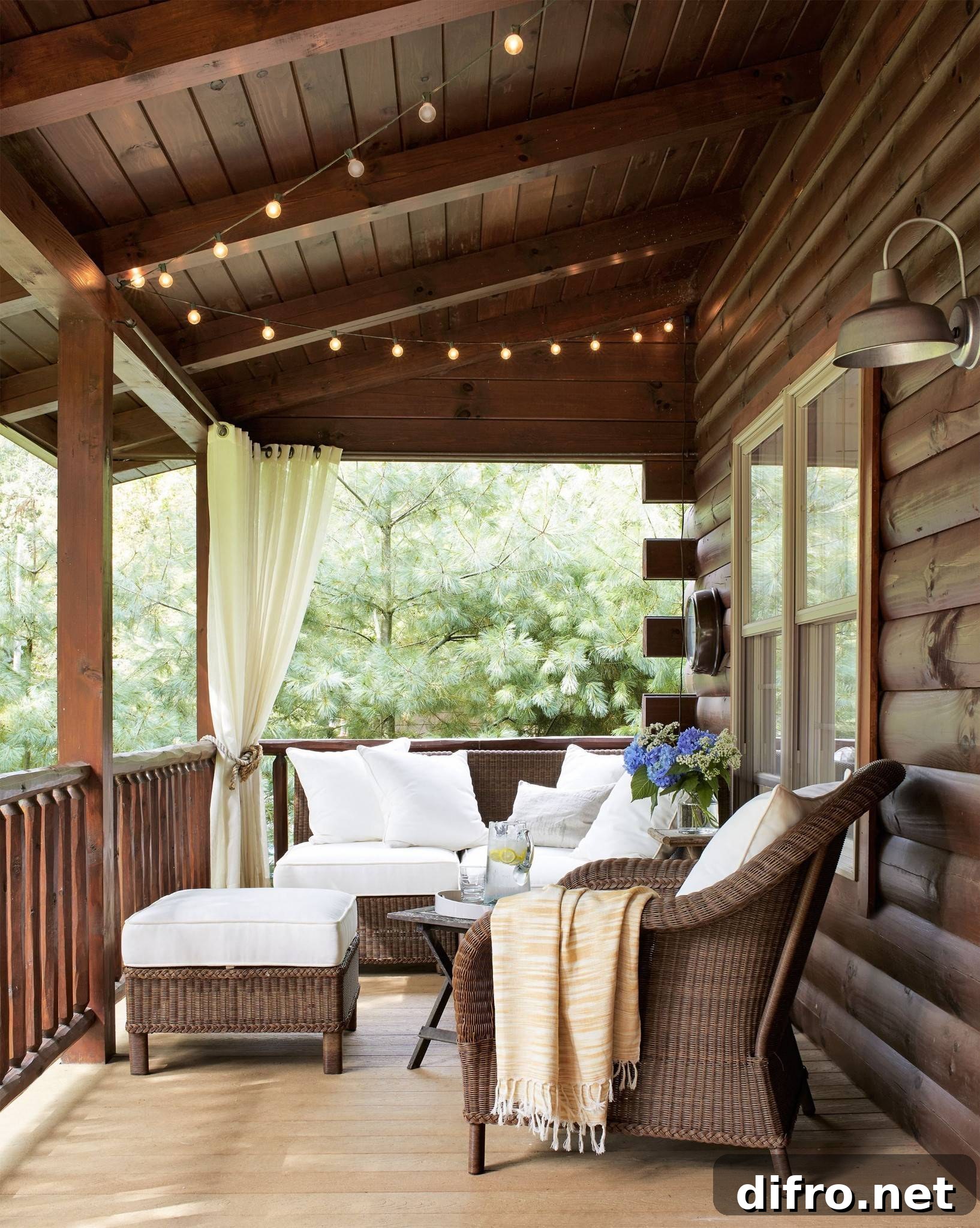
“Porch” and “patio” are often used interchangeably because both describe outdoor living areas designed for relaxation and socializing. While they share the same goal—extending usable living space outdoors—they differ in structure, typical materials, and common uses. Understanding those differences will help you choose the right solution for your home, climate, and lifestyle.
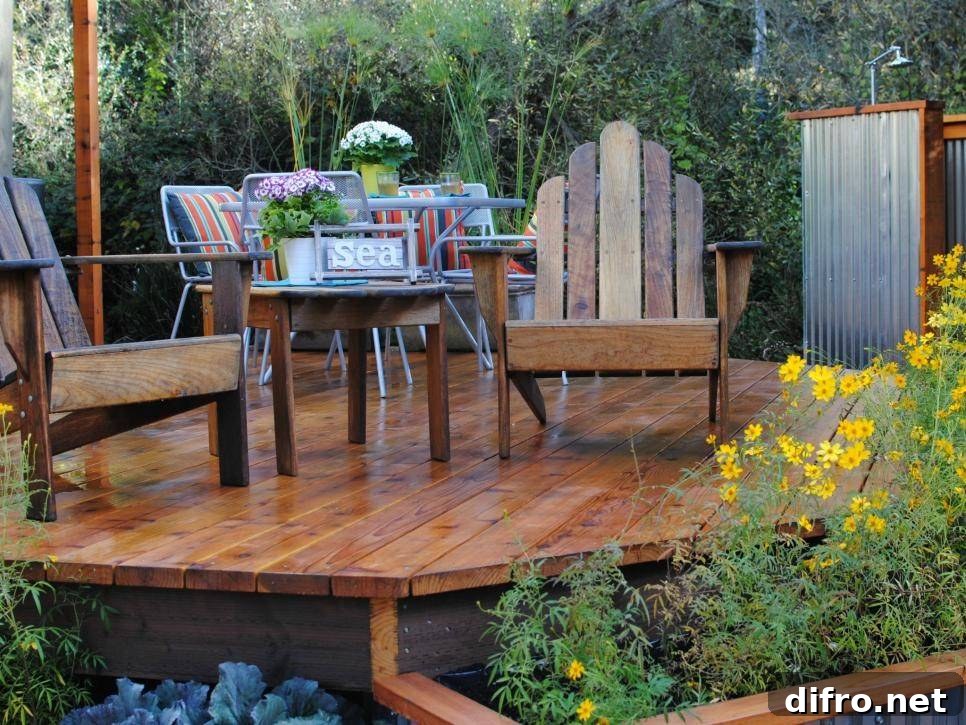
Many homeowners treat their porches and patios as extensions of interior design, selecting furniture, lighting, and decor to create inviting outdoor rooms. With thoughtful planning, these areas can be as comfortable and stylish as indoor spaces while also taking advantage of fresh air and natural light.
Many People Love a Porch
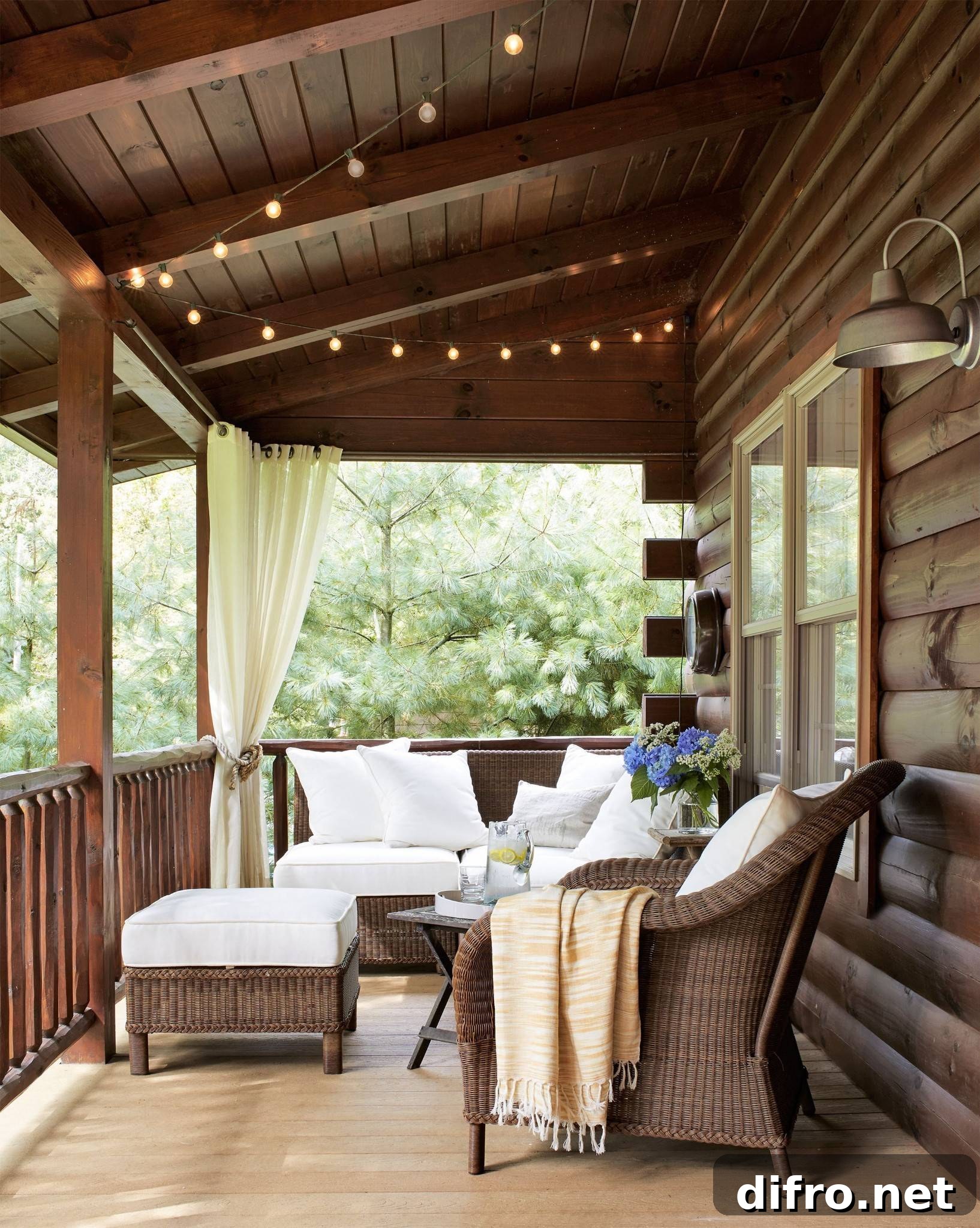
A porch is typically a covered outdoor structure attached to the front or rear entry of a home. Because it usually has a roof and may include partial walls or screens, a porch offers shelter from sun, rain, and wind while still connecting you to the outdoors. This makes it an ideal transitional space for greeting guests, storing shoes or umbrellas, or enjoying a morning coffee protected from the elements.
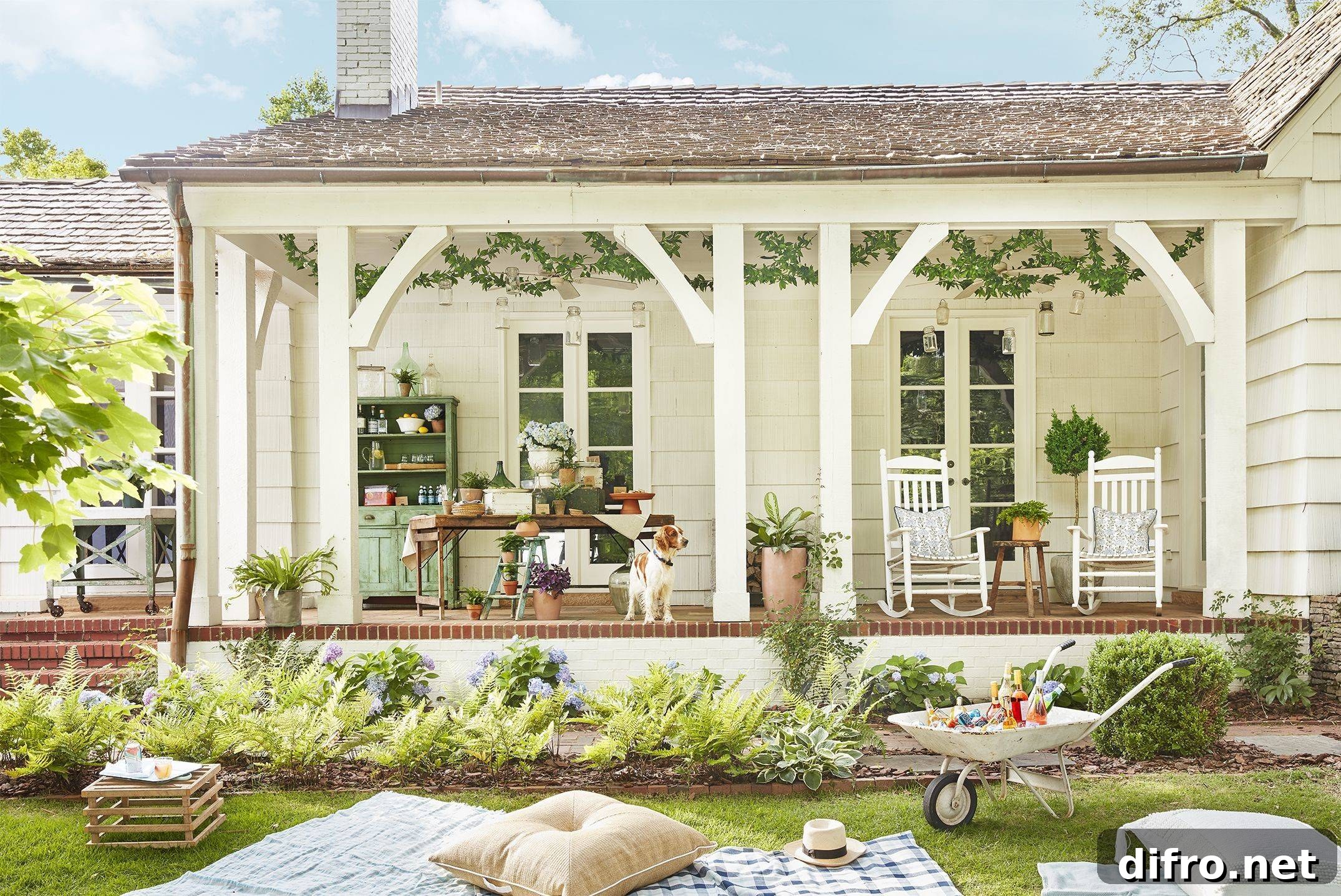
Porches can be adapted to season and setting. In buggy or colder climates, homeowners often add screens or removable panels to keep insects and drafts out. A porch also acts as a practical space to store outdoor gear and can provide privacy and security when paired with a door.
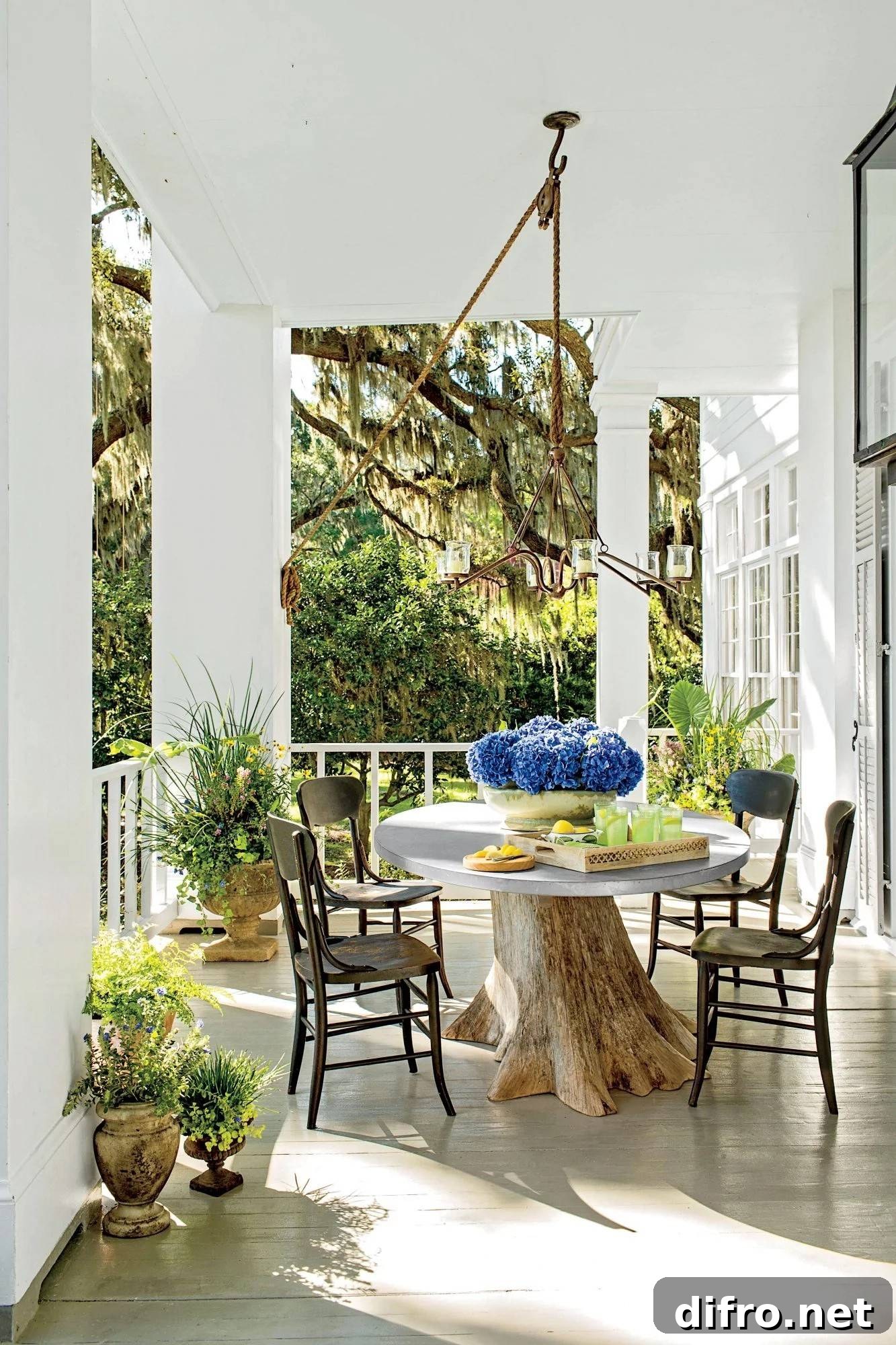
Porch styles vary widely depending on architecture and regional traditions. Common types include:
- Open porch
- Front entry porch
- Farmer’s porch
- Back porch
- Detached porch
- Portico
- Arizona room
- Loggia
- Lanai
- Wrap-around porch
- Rain porch
- Screened porch
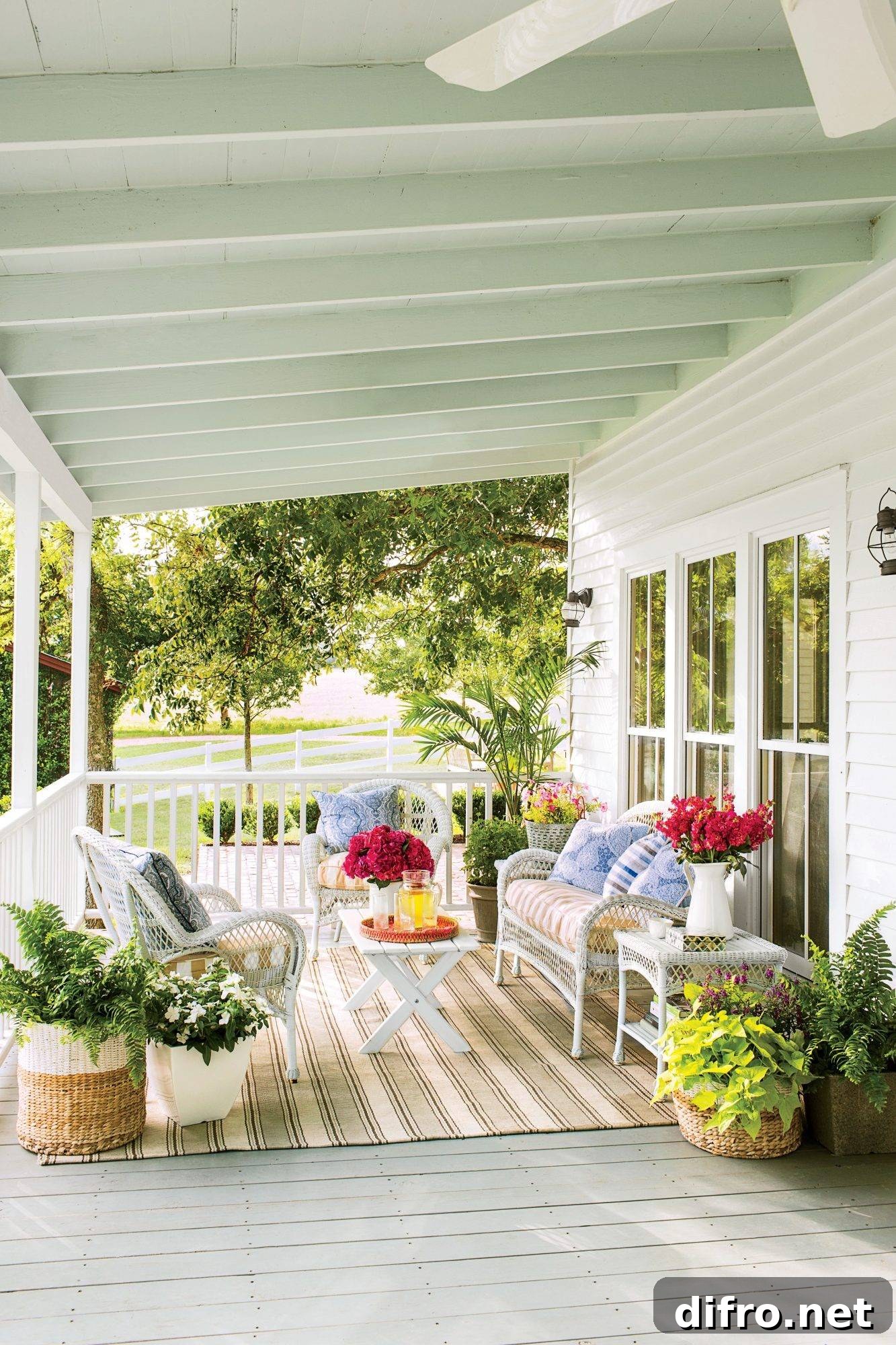
Choosing porch flooring depends on the look you want and the porch’s exposure. Popular materials include concrete, wood, brick, bluestone, limestone, deck tile, mosaic tile, and textured stone. Each option balances durability, maintenance, and aesthetic appeal differently.
Others Prefer a Patio
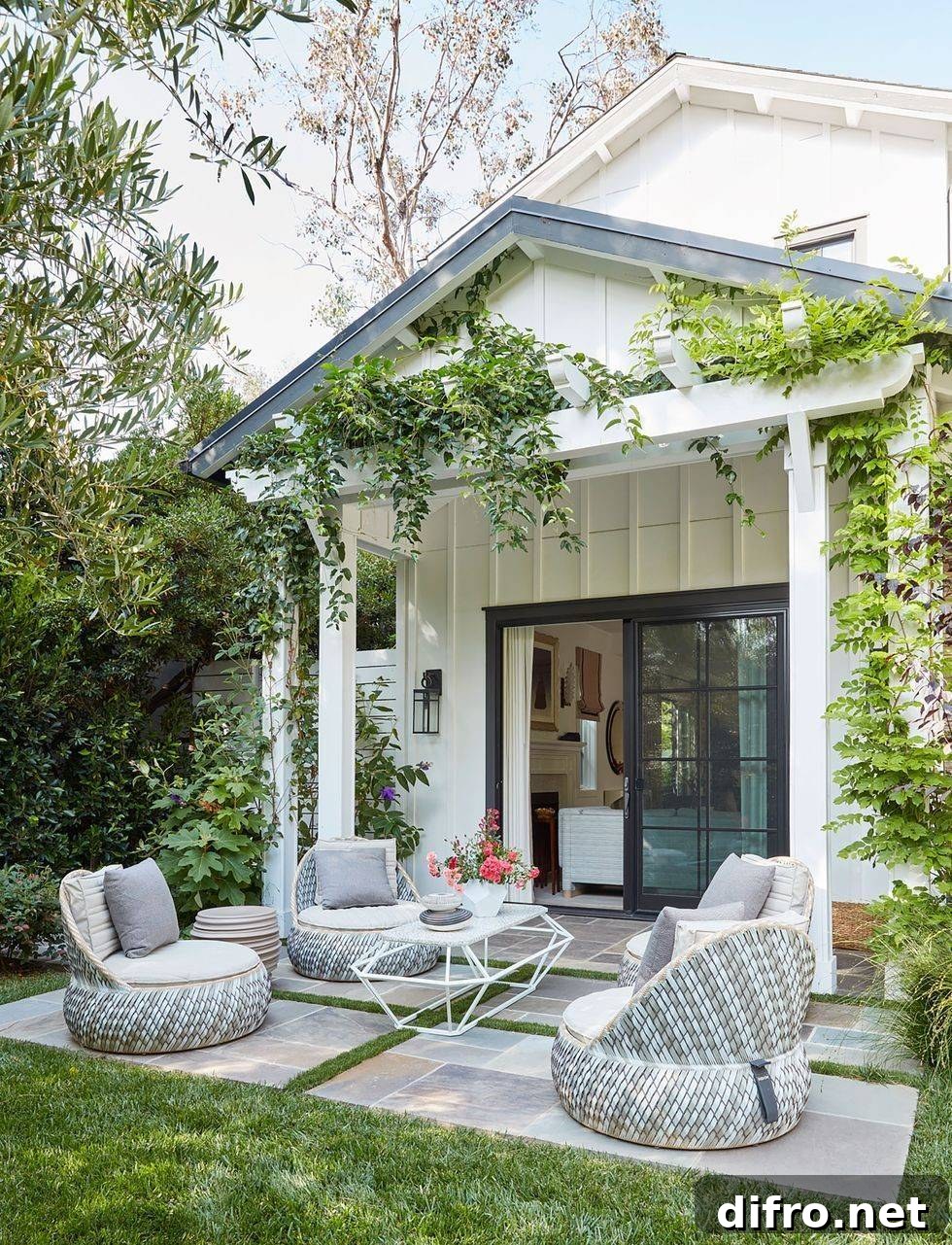
A patio is usually a paved outdoor area that can be attached to or separate from the house. Unlike a porch, patios are commonly open to the sky and often sit at ground level, making them ideal for sunbathing, outdoor dining, barbecues, and gatherings. Patios also tend to be larger and more flexible for arranging seating, dining sets, and cooking stations.
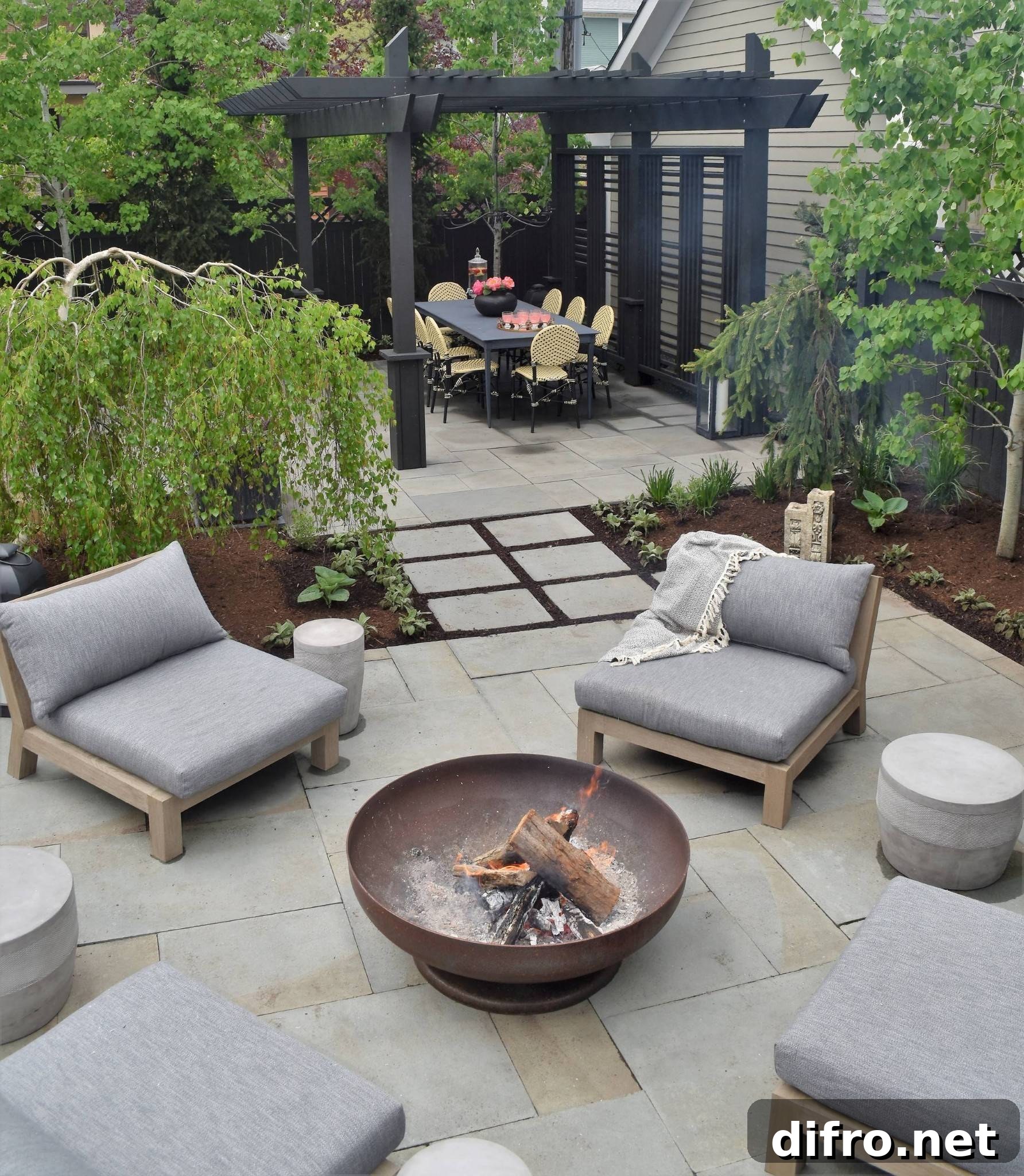
Patio surfaces vary to suit budget and style. Common materials include:
- Gravel
- Concrete
- Pavement
- Clay bricks
- Flagstone
- Tiles
- Sand
- Cut stone
- Interlocking patio pavers
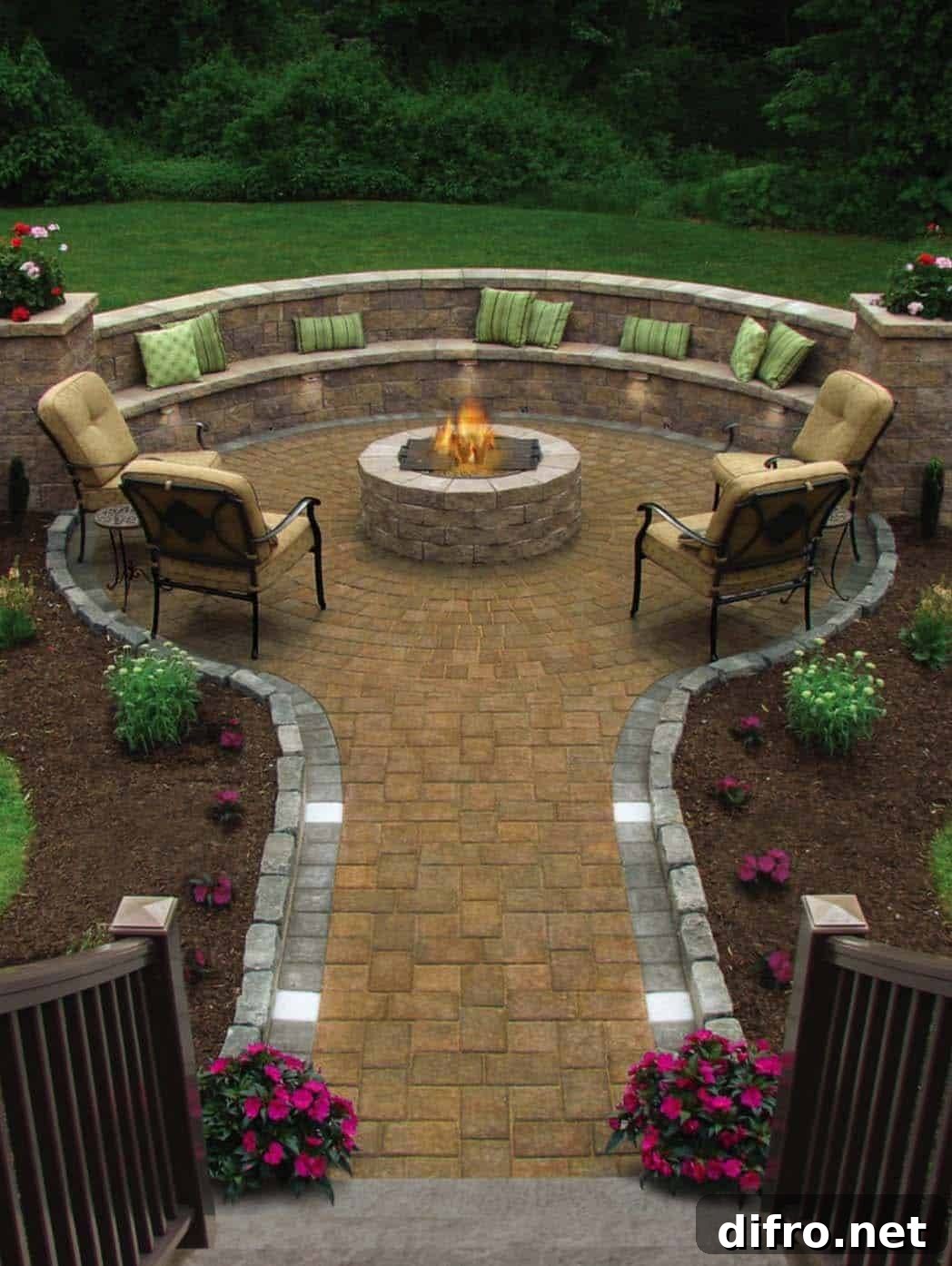
Natural stone is one of the most durable and visually appealing patio finishes. Although it can cost more upfront, it weathers well and complements a variety of landscapes and architectural styles.
The Importance of Having a Porch or Patio in Your Home
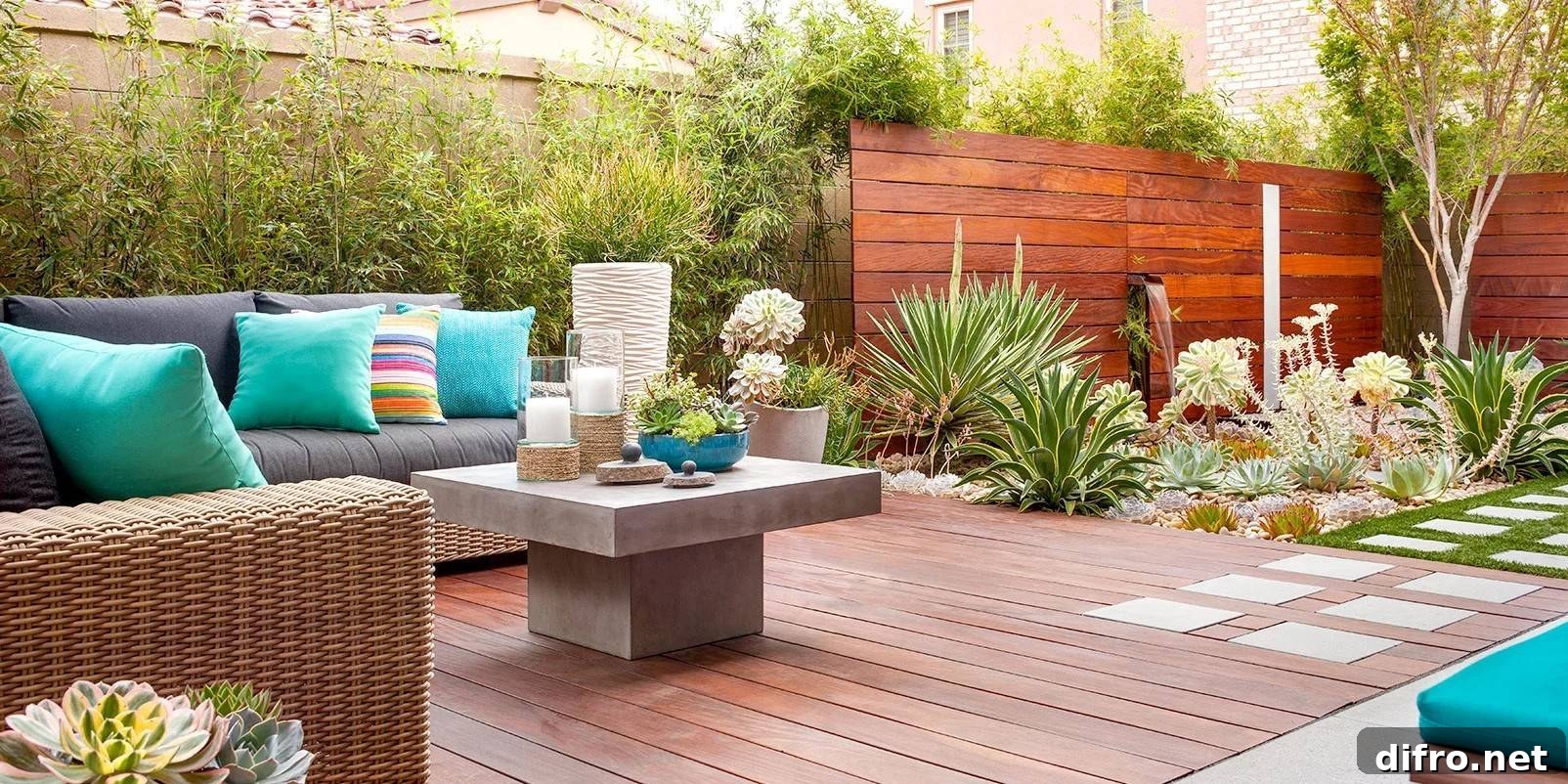
Both porches and patios add functional outdoor living space that can increase a home’s appeal and market value. A well-designed outdoor area serves many purposes: it provides a spot for daily relaxation, a venue for entertaining, and a safer, more comfortable way to enjoy fresh air. A porch with a door or screened enclosure can enhance privacy and security, while an open patio encourages bright, sunny activities like grilling and dining.
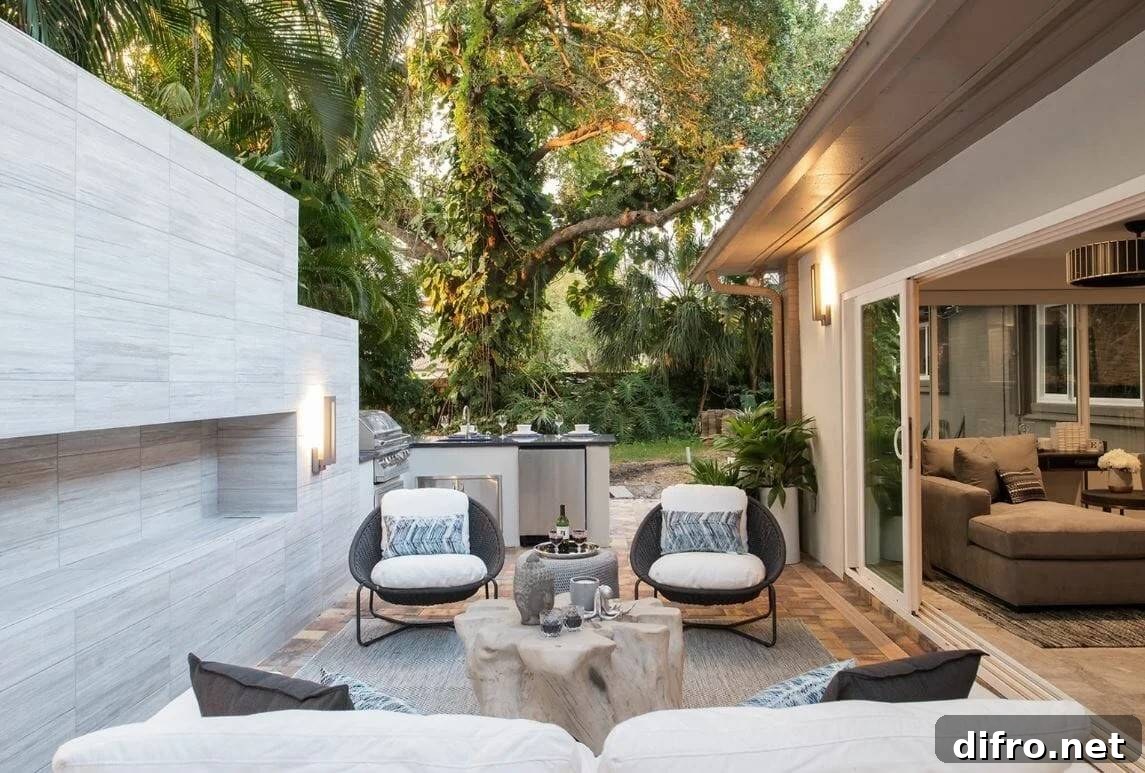
When deciding between a porch and a patio, think about how you’ll use the space. If you want sheltered seating, weather protection, and a welcoming entry, a porch may be the best choice. If you prefer open-air sun, flexible entertaining zones, and durable paving, a patio will likely suit your needs better. Either way, thoughtful material selection and functional design will maximize comfort, longevity, and the overall return on your investment.
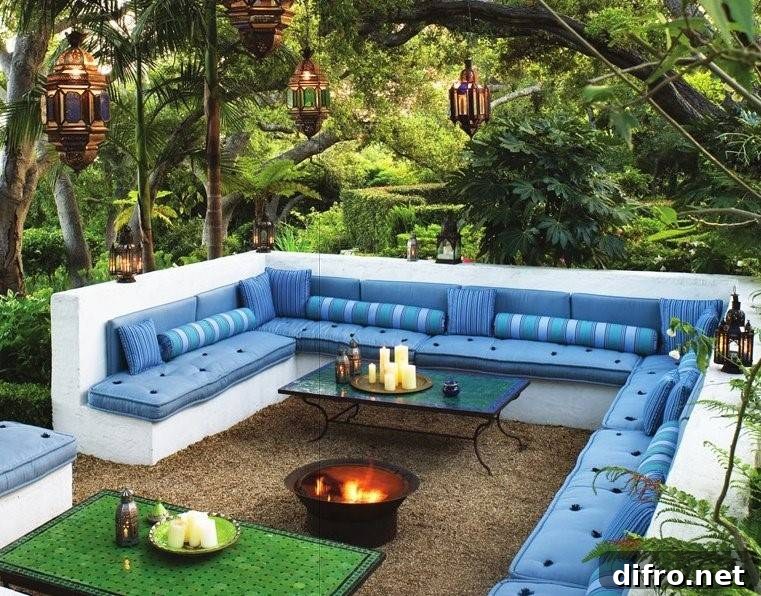
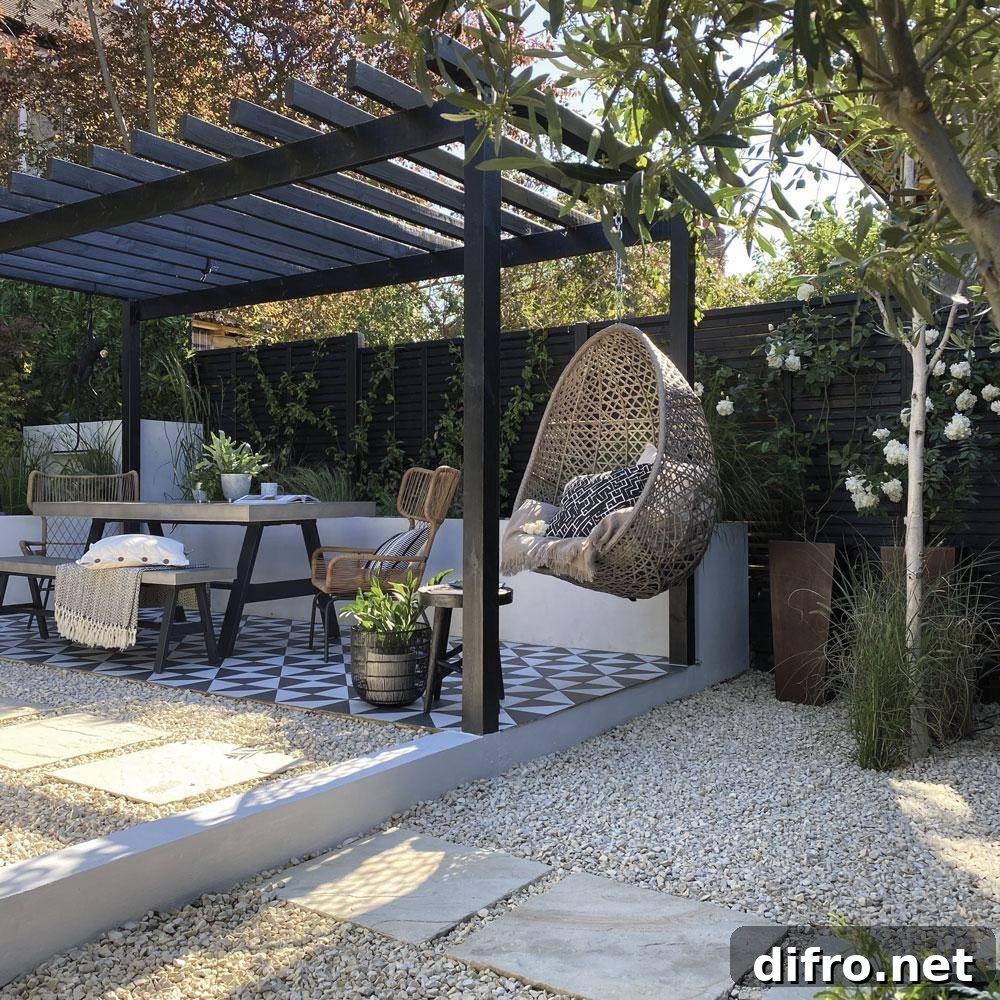
Consider your climate, the activities you plan to host, and your budget when planning an outdoor space. With the right choices, a porch or patio becomes a valuable extension of your home—one that enhances daily life and boosts curb appeal.