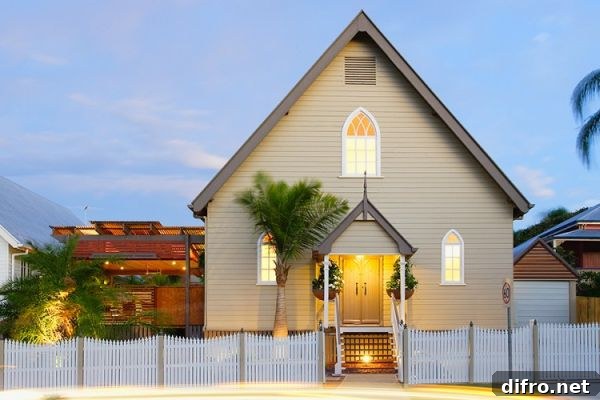
Converted 1867 Church Becomes Luxurious Home in Brisbane
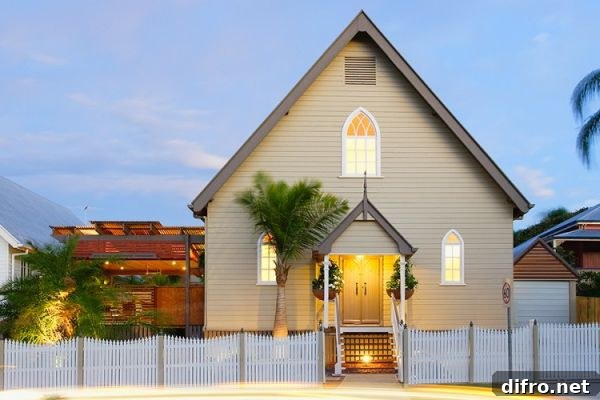
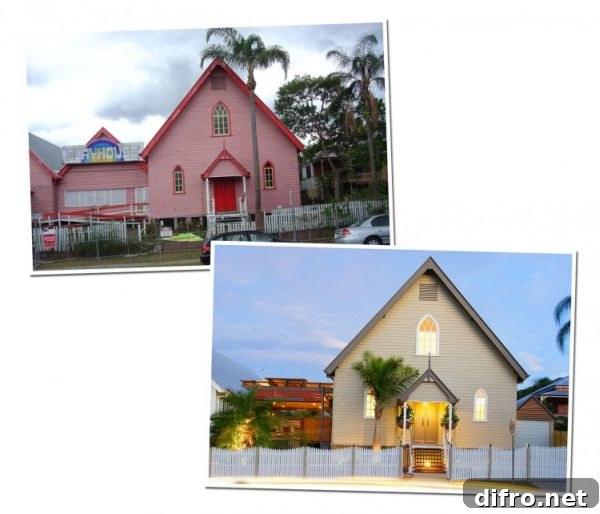
Once a place of worship, this striking 1867 building in Brisbane has been transformed into a luxurious private residence that is currently on the market. Known as the Church of Palms, the heritage structure has undergone two major adaptive reuses: first converted into a theatre and later reimagined as an elegant home by Willis Greenhalgh Architects after the building was saved from demolition.
The conversion preserves the building’s historic character while introducing contemporary comforts and a refined aesthetic. The result is a rare example of sensitive heritage adaptation: a grand former church now offering the layout and amenities expected of a high-end urban residence.
Interior Layout and Luxurious Amenities
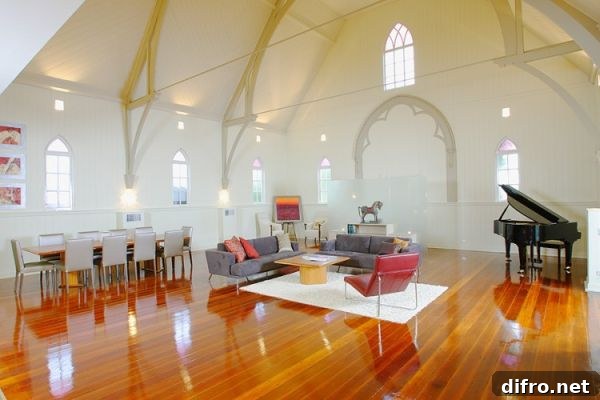
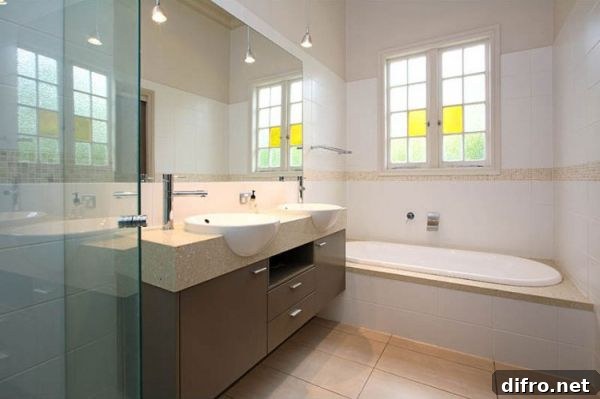
The converted church now accommodates three bedrooms and three bathrooms, organized to maximize natural light and spatial drama inherent in the original volume. A mezzanine level provides a quiet study area that overlooks the main living space, while a dedicated library and media room offer separate zones for work and entertainment. The open-plan living areas emphasize the building’s vertical proportions and original architectural features while incorporating modern fittings.
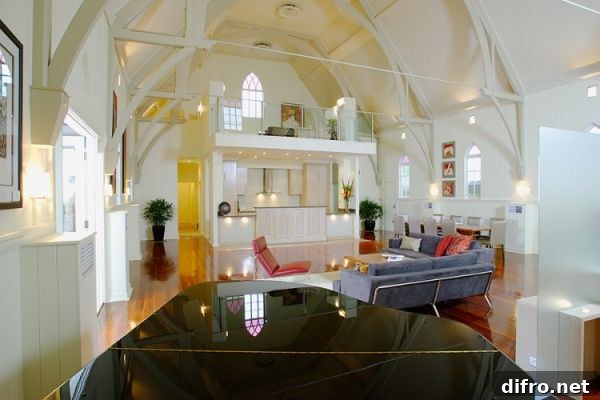
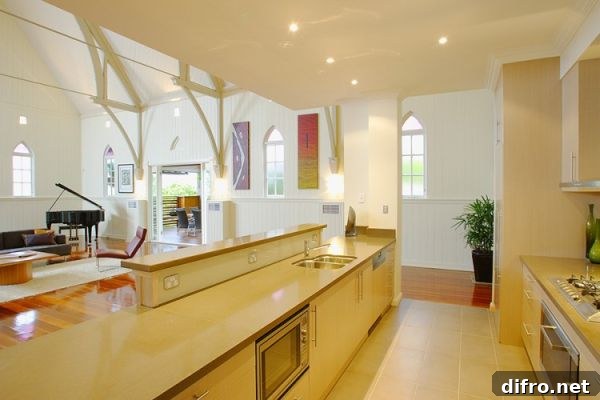
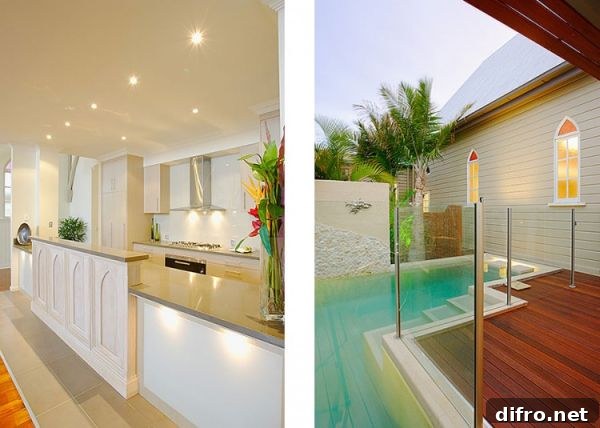
The gourmet kitchen is fitted with premium appliances and contemporary finishes, creating a focal point for daily living and entertaining. Adjacent to the kitchen, a climate-controlled wine cellar provides storage for a curated collection, reflecting the home’s emphasis on refined living. Throughout the interior, high-quality materials such as polished timber floors, custom joinery and tasteful light fixtures establish a warm and sophisticated atmosphere.
Architecture, Heritage and Design Approach
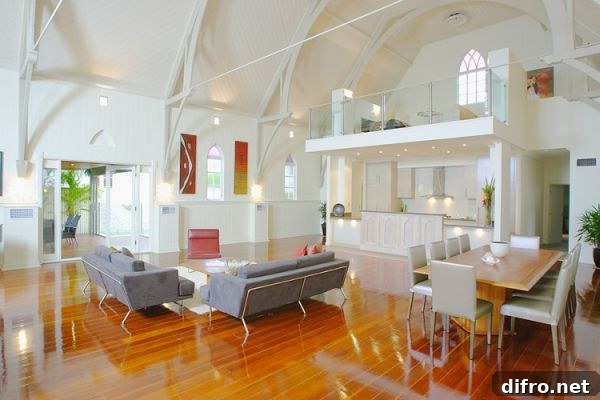
Willis Greenhalgh Architects aimed to balance conservation with contemporary intervention. The design approach preserves the integrity of the original church fabric while introducing modern elements that respond to the building’s proportions and the site context. Strategic insertions—such as the mezzanine and carefully considered joinery—create functional living spaces without compromising the architectural character that defines the structure.
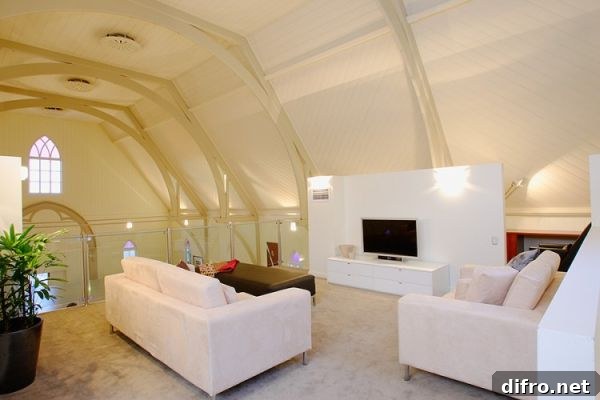
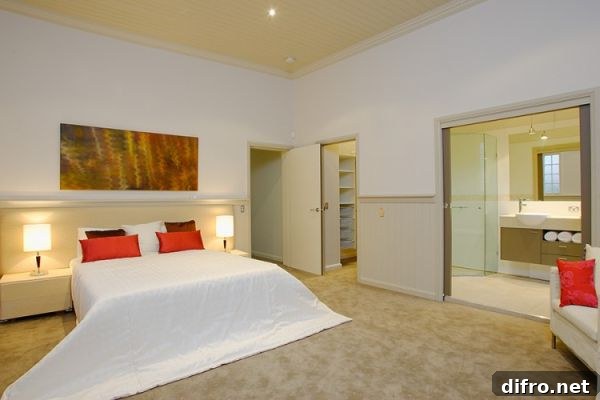
The interiors feature bright color accents paired with natural timber flooring, and carefully chosen lighting fixtures bring both warmth and theatricality to the spaces. Furniture selections remain simple and sophisticated, allowing the historic architecture to remain the visual anchor while contemporary pieces enhance comfort and function.
Outdoor Living and Landscape
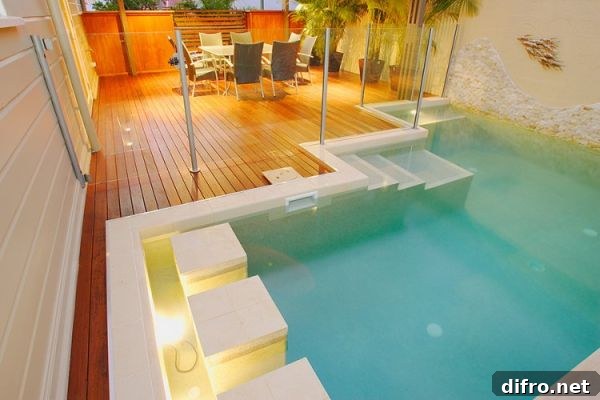
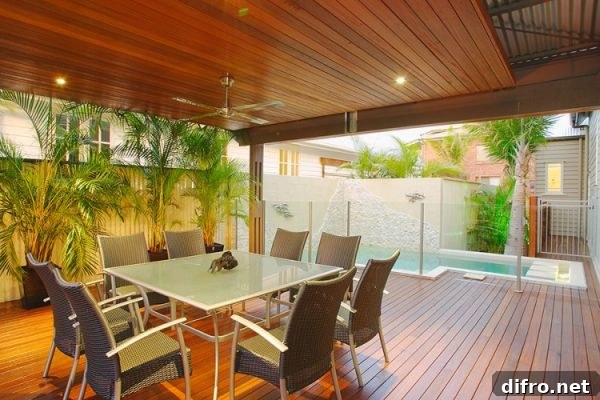
Outdoor areas are thoughtfully landscaped to complement the building’s scale and form. A terrace provides a relaxed setting for entertaining, and the saltwater swimming pool offers a private retreat within the grounds. Together, these exterior spaces extend the home’s living areas and create a strong connection between indoor and outdoor environments—an important consideration for comfortable, modern living in Brisbane’s climate.
A Home with Story and Character
This converted church offers more than luxury finishes; it embodies a story of preservation and adaptive reuse. The design honors the building’s past while making it suitable for contemporary living. Large open spaces, refined materials, and a careful architectural intervention combine to produce a distinctive home with strong visual presence and comfortable functionality.
Combining heritage preservation with contemporary design, this converted church in Brisbane stands as an example of successful adaptive reuse. Its blend of original architectural character, luxurious amenities and considered landscaping makes it a compelling residence for buyers who value history, design quality and modern comfort.