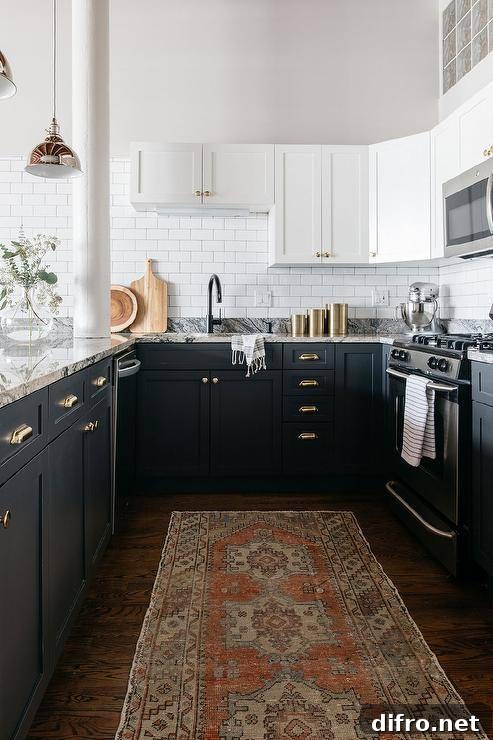
In the ever-evolving world of interior design, two tone kitchen cabinet ideas have become a powerful way to combine practicality with striking visuals. Moving beyond single-color schemes, two-tone cabinets let you layer color and texture to create a kitchen that feels intentional and personal. By pairing complementary or contrasting shades—whether subtle or dramatic—you can define zones, highlight architectural features, and give your kitchen a distinct character that suits any style, from modern minimalism to cozy farmhouse to bold eclectic designs.
This guide explores design approaches, popular color combinations, practical benefits, and selection tips to help you plan a successful two-tone kitchen cabinet makeover.
Design Ideas for Two Tone Kitchen Cabinet Styling
Modern Minimalist
For a clean, contemporary feel, combine high-gloss white upper cabinets with matte black lower cabinets. The contrast creates a sharp, uncluttered look that reads modern and refined. Keep hardware simple—think stainless steel or brushed nickel—and choose streamlined appliances to preserve the minimalist aesthetic.
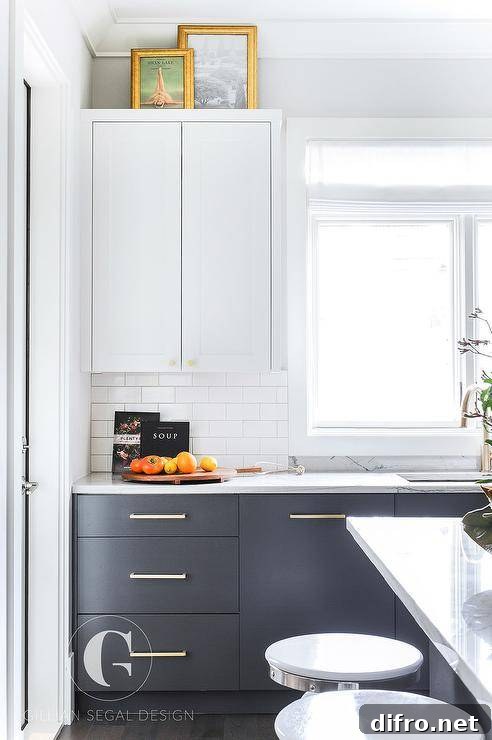
Farmhouse Chic
To achieve a warm, welcoming farmhouse vibe, pair muted painted cabinets—such as sage green, soft gray, or cream—with natural wood finishes. Shaker-style doors, rustic hardware, and a butcher block island reinforce a lived-in, comfortable feeling while still looking curated and contemporary.
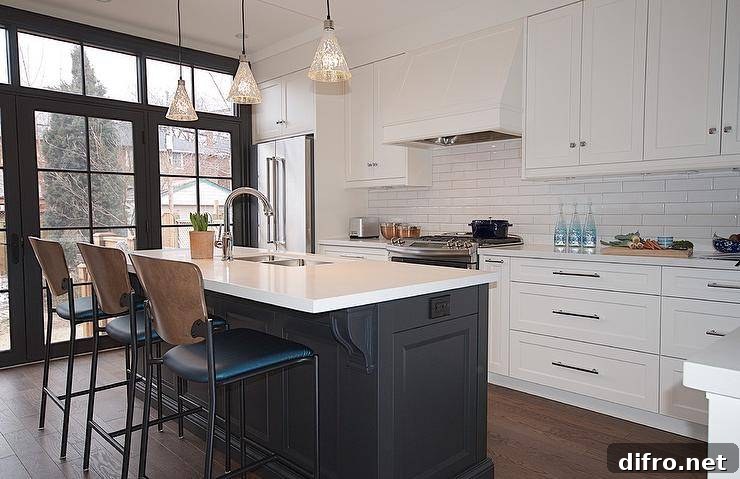
Bold and Eclectic
If you enjoy color and personality, choose lively pairings like navy upper cabinets with mustard lower cabinets or teal with warm wood tones. Mix in patterned backsplash tiles, colorful accessories, or textured hardware to enhance the eclectic look while keeping key surfaces neutral enough to avoid visual overload.
Benefits of Two-Tone Kitchen Cabinets
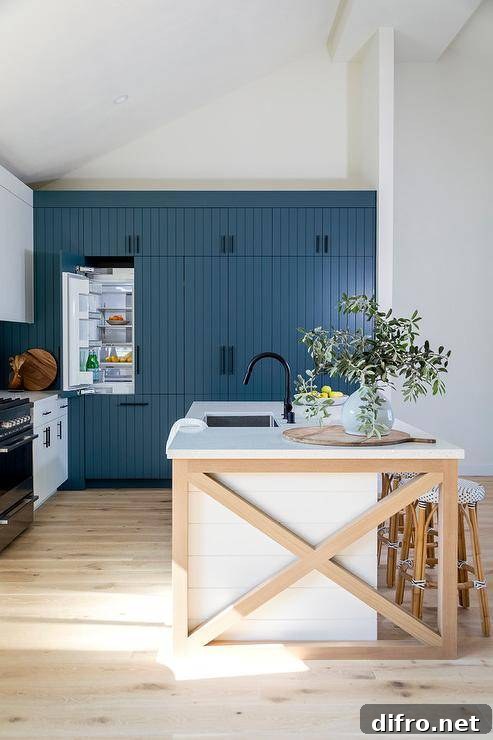
Two-tone cabinets are popular because they add visual depth and instant character to a kitchen. Using two finishes or colors breaks up large expanses of cabinetry, creates focal points, and can emphasize architectural details like islands or hood surrounds. Whether you choose a subtle tonal pairing or a dramatic contrast, two-tone schemes elevate an ordinary kitchen into a thoughtfully designed space.
These cabinets are also highly versatile. They suit a wide range of design languages—from modern and minimalist to rustic and traditional—because you can mix painted finishes, stained wood, and different textures to match the rest of your home. Two-tone treatments also help manipulate perceived space: lighter colors on upper cabinets and darker tones below can make compact kitchens feel more open.
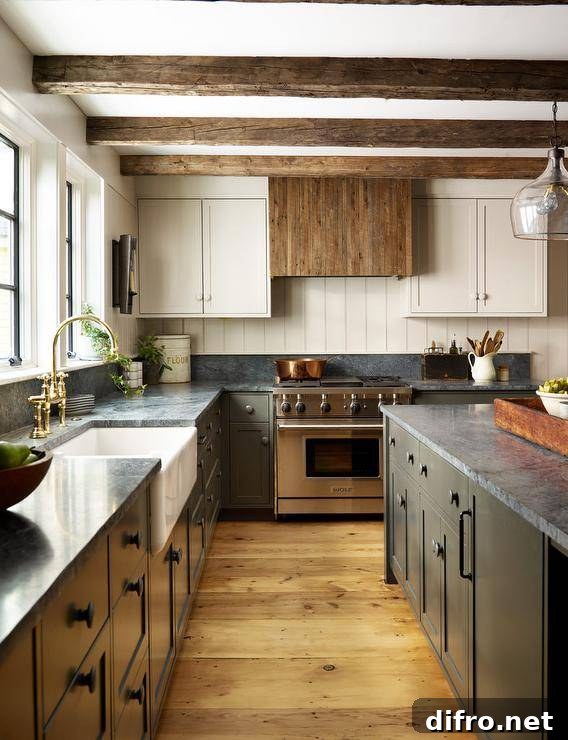
How to Choose the Right Two Tone Kitchen Cabinet Ideas For Your Home
Assess Your Kitchen’s Layout and Size
Consider room size and layout when choosing two-tone cabinet colors. Larger kitchens can support stronger contrasts and bolder palettes, while compact kitchens benefit from subtler combinations that prevent a cramped feeling. Take note of natural light sources and how sunlight changes color perception throughout the day.
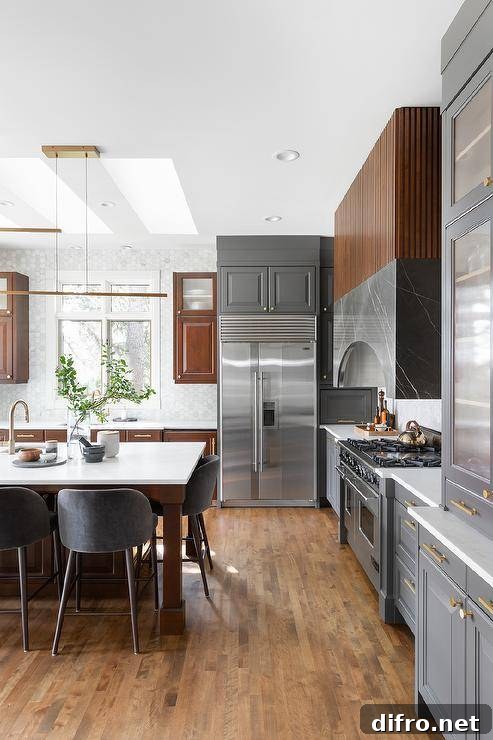
Consider Existing Elements
Match your two-tone choices to permanent elements such as countertops, floors, and appliances. Stainless steel appliances pair well with cool or neutral tones, while warm stone or wood floors can be complemented by cream, beige, or rich wood stains.
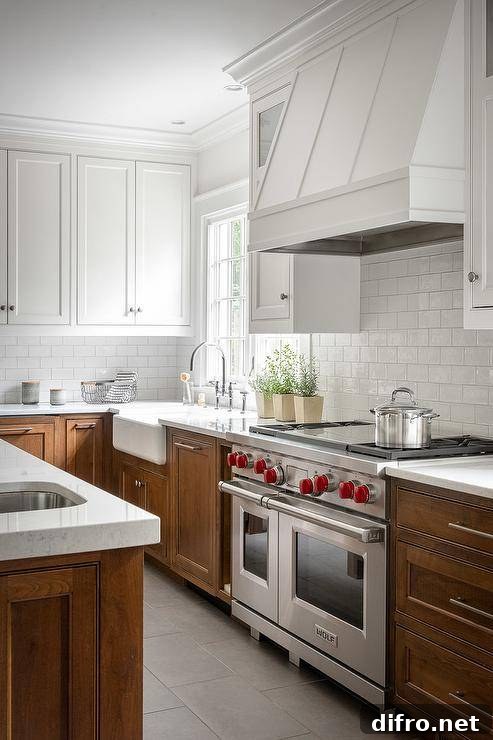
Balance Bold and Subtle Elements
When mixing bold colors with neutrals, aim for balance. A vivid lower cabinet color pairs nicely with neutral uppers, or vice versa. You can also reserve a bold tone for an island or a single feature wall while keeping other cabinetry muted to maintain cohesion.
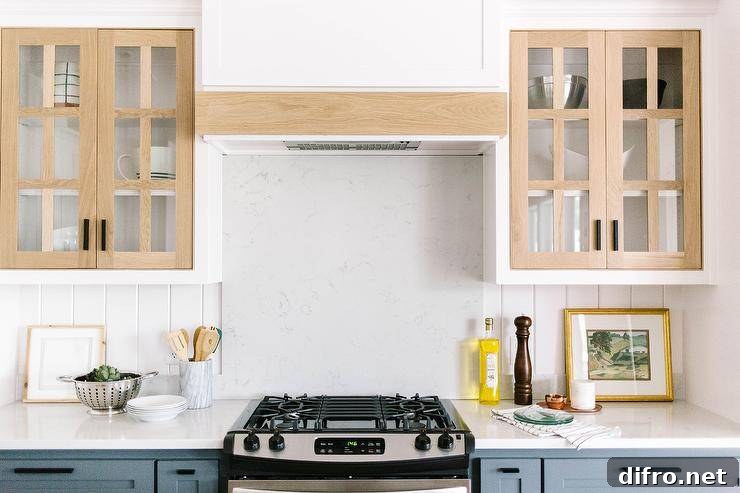
Harmonize with the Rest of Your Home
Since the kitchen connects with other living spaces, choose two-tone palettes that complement adjacent rooms. For modern homes, contrast and sleek finishes work well; for traditional interiors, classic pairings like navy and white or sage and cream provide timeless appeal.
Tips for Pairing Colors
Consider the Overall Aesthetic
Select cabinet colors that support the desired style—modern, rustic, or eclectic—and ensure they coordinate with fixtures, lighting, and materials used elsewhere in the kitchen.
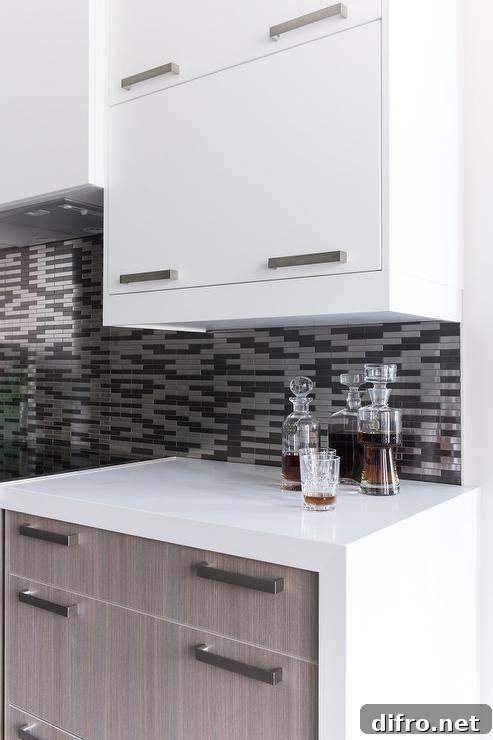
Use a Neutral Base
Anchor one section of cabinetry with a neutral shade to temper stronger colors. For instance, white or soft gray uppers will keep a bright lower cabinet color from overpowering the room.
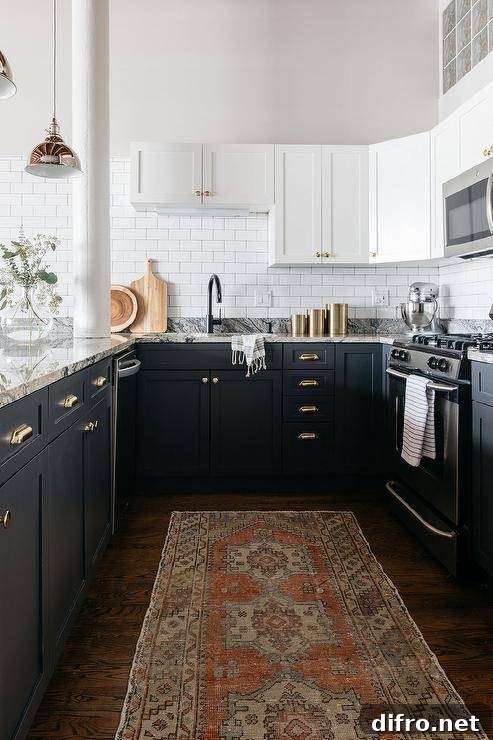
Pay Attention to Lighting
Test paint and finish samples under both natural and artificial light. Colors shift with lighting, so preview samples at different times of day and with your kitchen’s light fixtures on to ensure the chosen tones behave as expected.
Balance Bold Colors with Subtle Accents
Complement bold cabinet hues with understated countertops, simple hardware, and clean tile choices to maintain a composed, cohesive look that doesn’t feel cluttered.
Frequently Asked Questions (FAQs)
What are two-tone kitchen cabinets?
Two-tone kitchen cabinets use two different colors or finishes—commonly separating upper and lower cabinets or highlighting islands and feature walls—to create layered visual interest.
What are the benefits of two-tone kitchen cabinets?
They add depth and character, allow greater customization, and can make smaller kitchens feel larger when lighter hues are used above darker ones.
How do I choose the right colors?
Evaluate your kitchen’s style, lighting, and existing materials like countertops and appliances. A neutral base paired with a bolder tone is an easy and effective approach.
Can two-tone cabinets work in a small kitchen?
Yes. Lighter upper cabinets and darker lower cabinets can create vertical contrast that visually lifts the space, making it feel more open.
Do I need a professional to install two-tone cabinets?
DIY is possible for straightforward projects, but a professional ensures precise installation and a polished finish—especially for custom cabinetry or layout changes.
How do I maintain two-tone cabinets?
Clean regularly with a mild detergent and a soft cloth, and avoid abrasive cleaners that can damage paint or finishes. Proper maintenance preserves color and finish over time.
Final Thoughts
Two tone kitchen cabinet ideas offer a flexible way to refresh your kitchen’s look without a full renovation. Whether you choose subtle tonal variations or high-contrast pairings, thoughtful color placement, material choices, and attention to lighting will help you create a kitchen that’s both stylish and functional. Use these ideas as a starting point to craft a space that reflects your taste and enhances daily life.