When my cat adopted me last year, I didn’t think to check whether my houseplants were safe for pets. After reading about pet-safe greenery, I realized it was time to review every plant in my home. If you have cats or dogs, this guide is for you: a selection of attractive, pet-friendly houseplants and tips on displaying and caring for them. Remember that “non-toxic” does not mean ingestion is harmless—eating plant material can still upset a pet’s stomach. If you have any concerns, confirm a plant’s safety with your veterinarian or reputable resources such as the ASPCA. Below are six beautiful, pet-safe houseplants that can enhance your home without compromising your furry friends’ safety.
Spider Plant
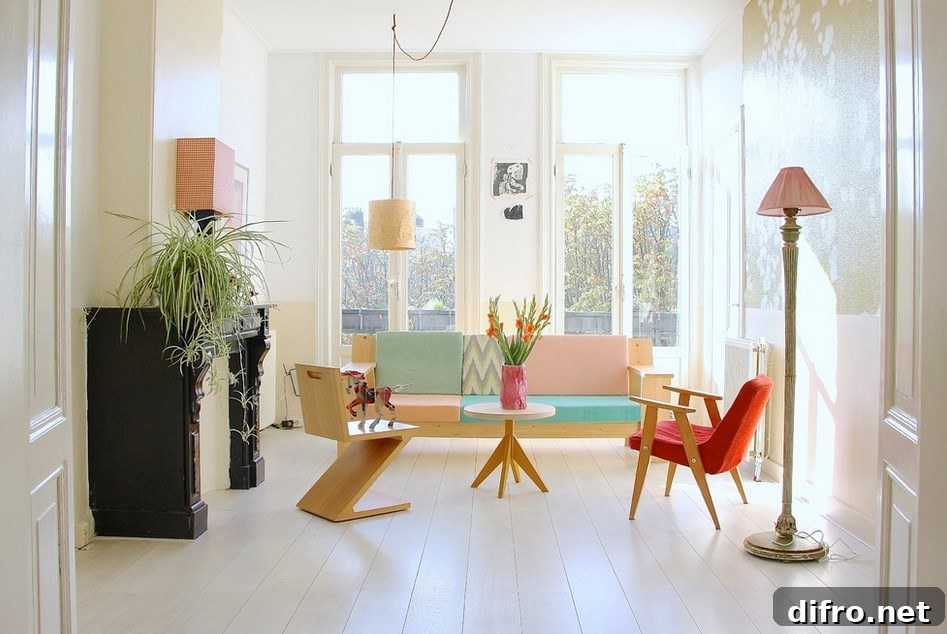
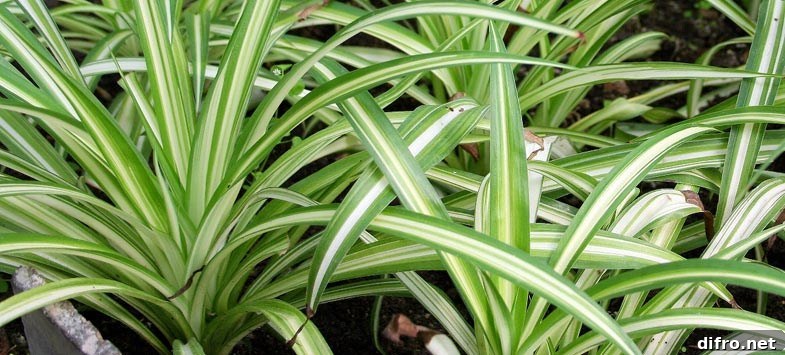
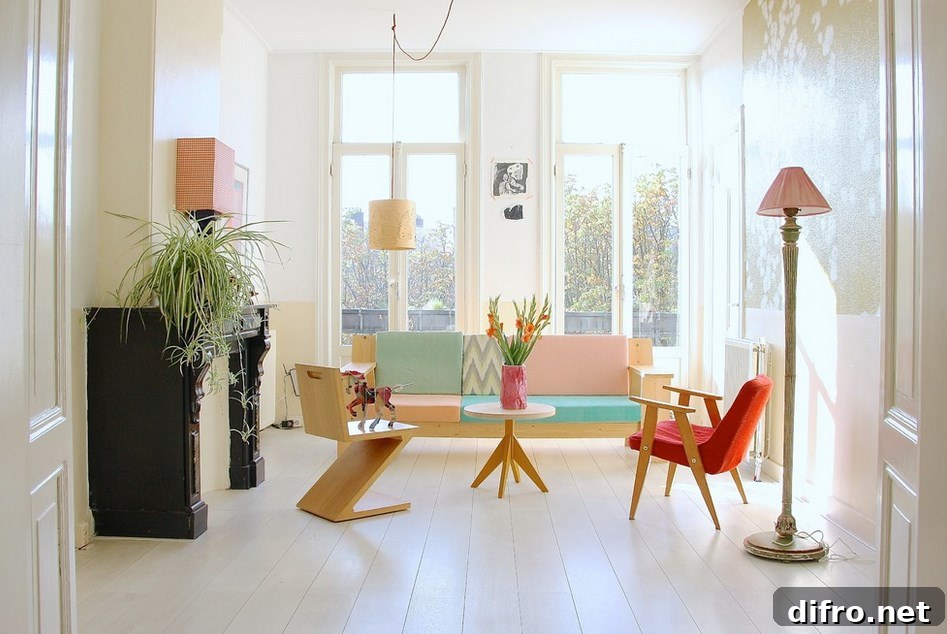
The spider plant (Chlorophytum comosum) makes a bold statement with long, arching, striped leaves. Its cascading foliage and tendency to produce small hanging plantlets make it ideal for hanging baskets or high shelves, where it can soften corners and add visual movement to a room. Spider plants prefer bright, indirect light and should be allowed to dry out slightly between waterings—this forgiving watering schedule suits busy households. Display it near a window for best growth. Source: Inscribd and design photo credits.
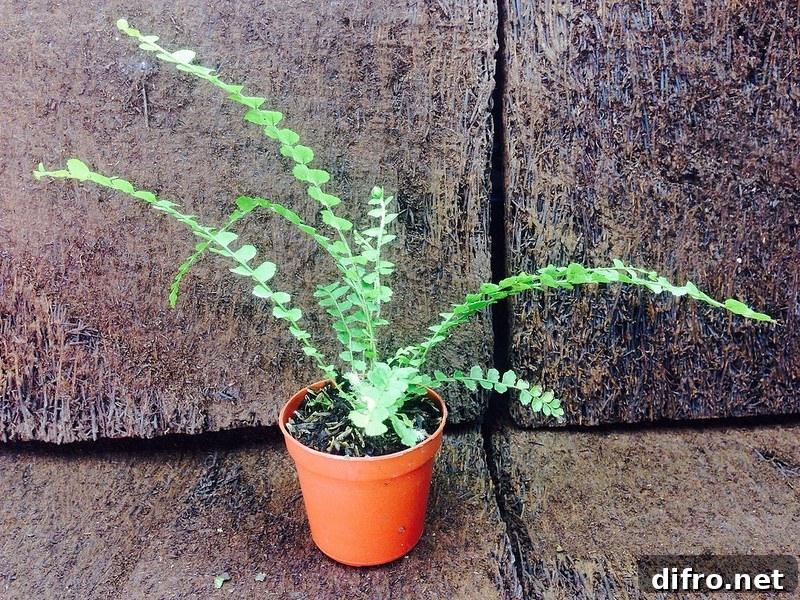
Lemon Button Fern
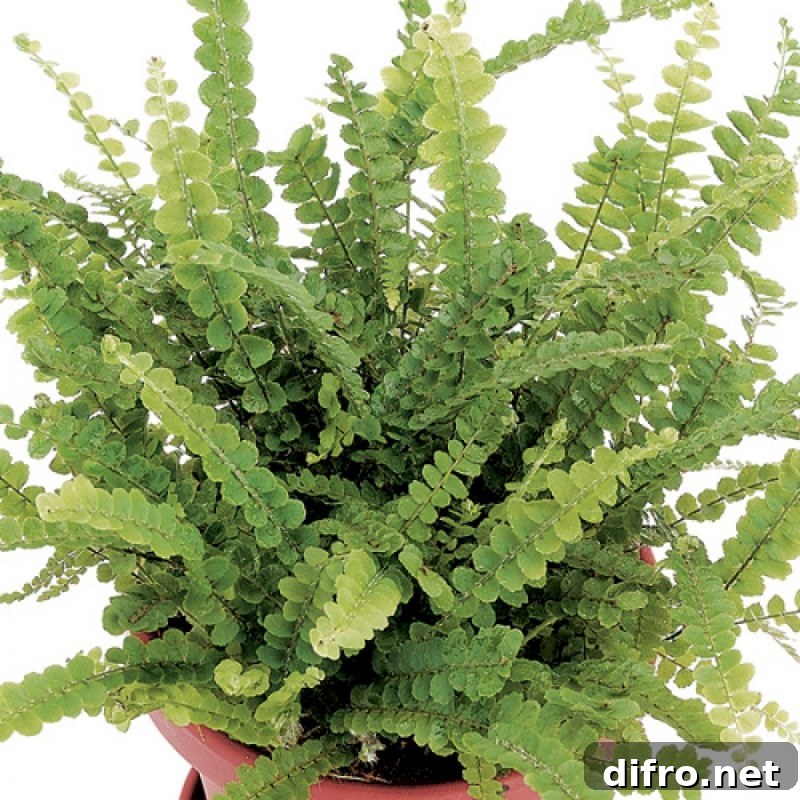
The lemon button fern is a compact, charming fern with button-like fronds and a gently arching habit that works beautifully on shelves, side tables, or in hanging baskets. Typically maintaining a low profile of around a foot tall, it brings texture and a soft green accent to interior spaces. Lemon button ferns thrive in low to medium light and appreciate consistently moist—but not waterlogged—soil. A terracotta pot helps regulate moisture while complementing the fern’s delicate form. Source: Exotic Angel Plants.
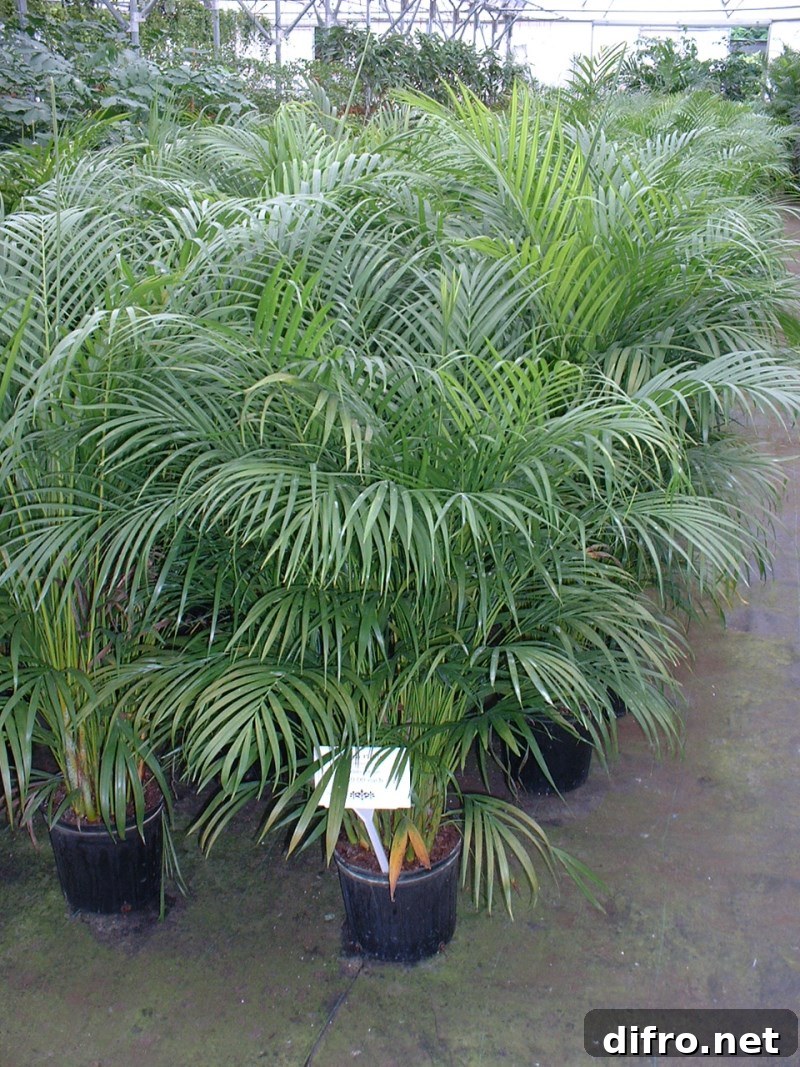
Areca Palm
If you want a tropical focal plant that’s safe around pets, the areca palm is an excellent choice. Its feathery fronds and upright habit create an elegant, leafy statement suitable for large planters in living rooms or entryways. Areca palms are often praised for improving indoor air and are fairly easy to care for: keep the soil from becoming soggy, water when the topsoil begins to feel dry, and gradually acclimate the plant to indoor light if it has spent time outdoors. A large decorative planter emphasizes its sculptural presence and can become a room’s centerpiece. Source: Fox Hill Nursery and design references.

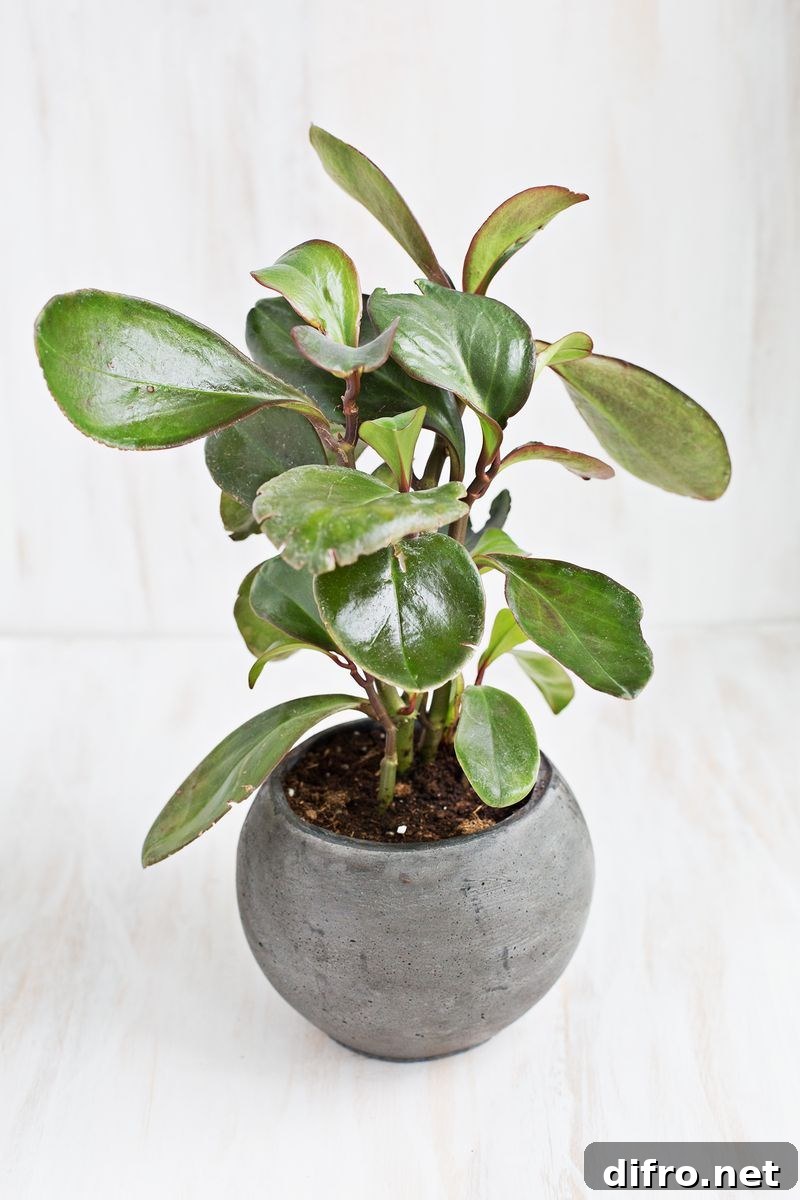
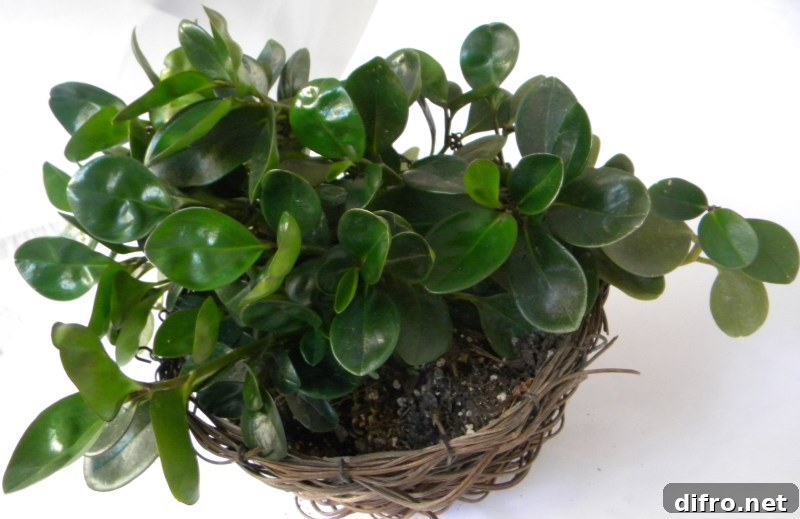
Baby Rubber Plant
The baby rubber plant (Peperomia obtusifolia) is perfect for container displays and small spaces. Glossy, rounded leaves give it a polished look that complements modern, rustic, or eclectic interiors. This plant enjoys bright, indirect light and is drought-tolerant; let the soil dry almost completely between waterings to avoid root rot. Its compact size and low-maintenance nature make it a great tabletop or shelf plant. Source: A Beautiful Mess and Plants Rescue.
Ponytail Palm
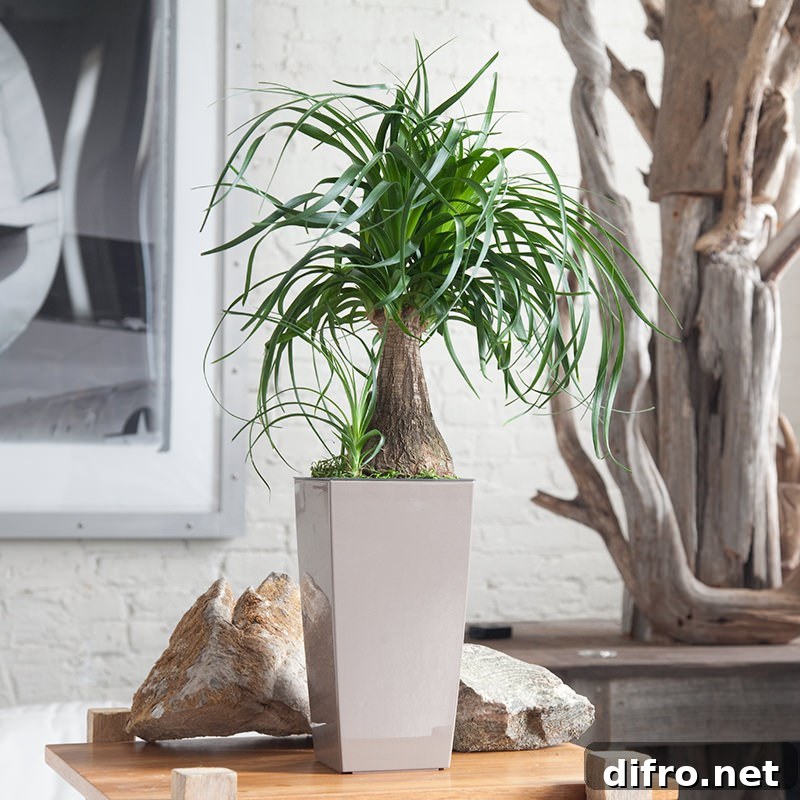
The ponytail palm (Beaucarnea recurvata) is a dramatic, sculptural plant with a swollen base, striking trunk, and a fountain of long, narrow leaves. Its architectural silhouette makes it a favorite for modern interiors and bright corners. Ponytail palms prefer bright light and a relaxed watering schedule—typically every one to two weeks depending on conditions—allowing the soil to dry between waterings. They look striking when planted alone in a bold pot or grouped to create a tropical, resort-style display. Source: My City Plants and design sources.

Prayer Plant
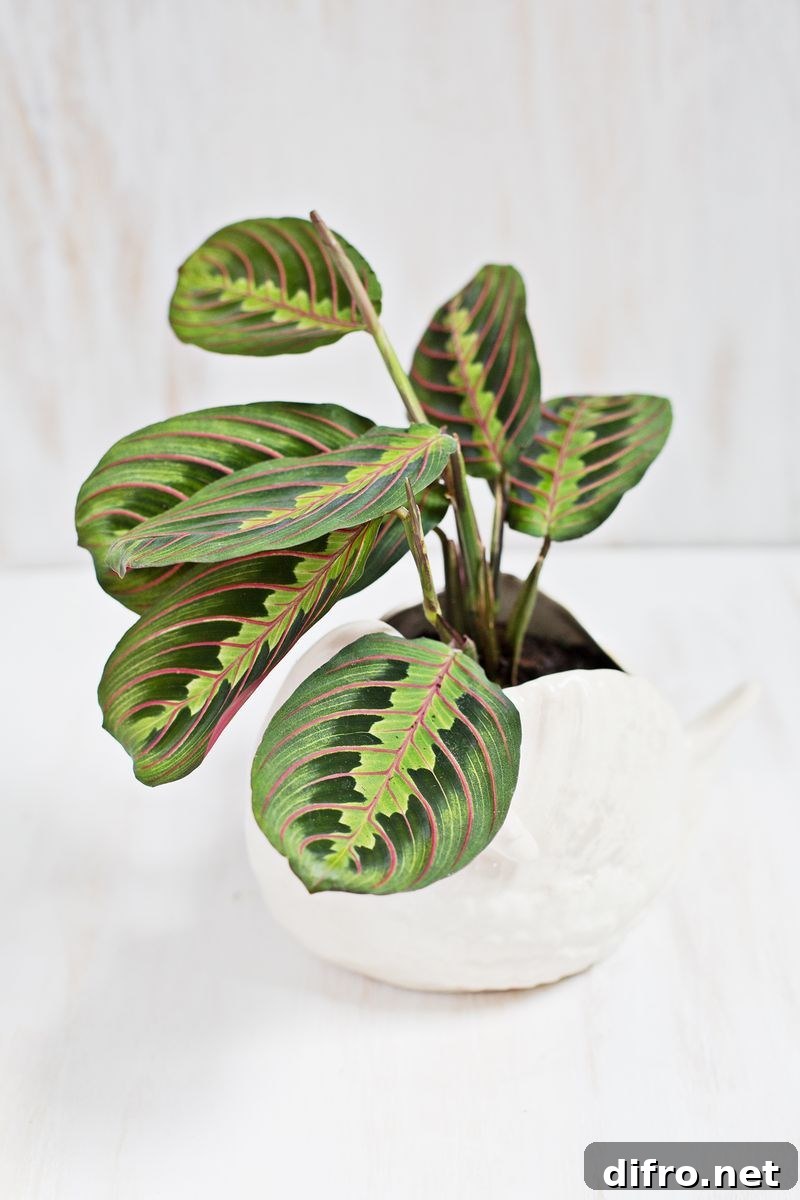
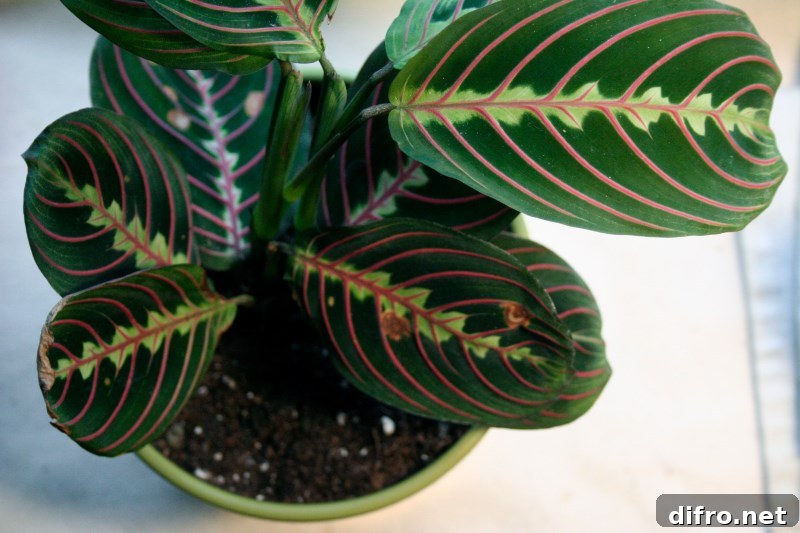
The prayer plant (Maranta leuconeura) draws attention with striking, patterned leaves in multiple shades of green, often accented by pink or red veins. These intricate leaves fold up at night—hence the common name—and make the plant a natural conversation piece. Prayer plants thrive in medium, indirect light and prefer consistently moist soil without sitting in water. Avoid harsh direct sunlight, which can fade the leaf colors. Choose a simple pot to let the foliage take center stage. Source: Growing Wild Seeds and gardening references.
Thanks for joining me on this tour of pet-friendly houseplants. Introducing greenery into your home can be safe and stylish with the right choices. I’ll share updates when I’ve settled on my final selections and staging ideas for pet-proof plant displays.