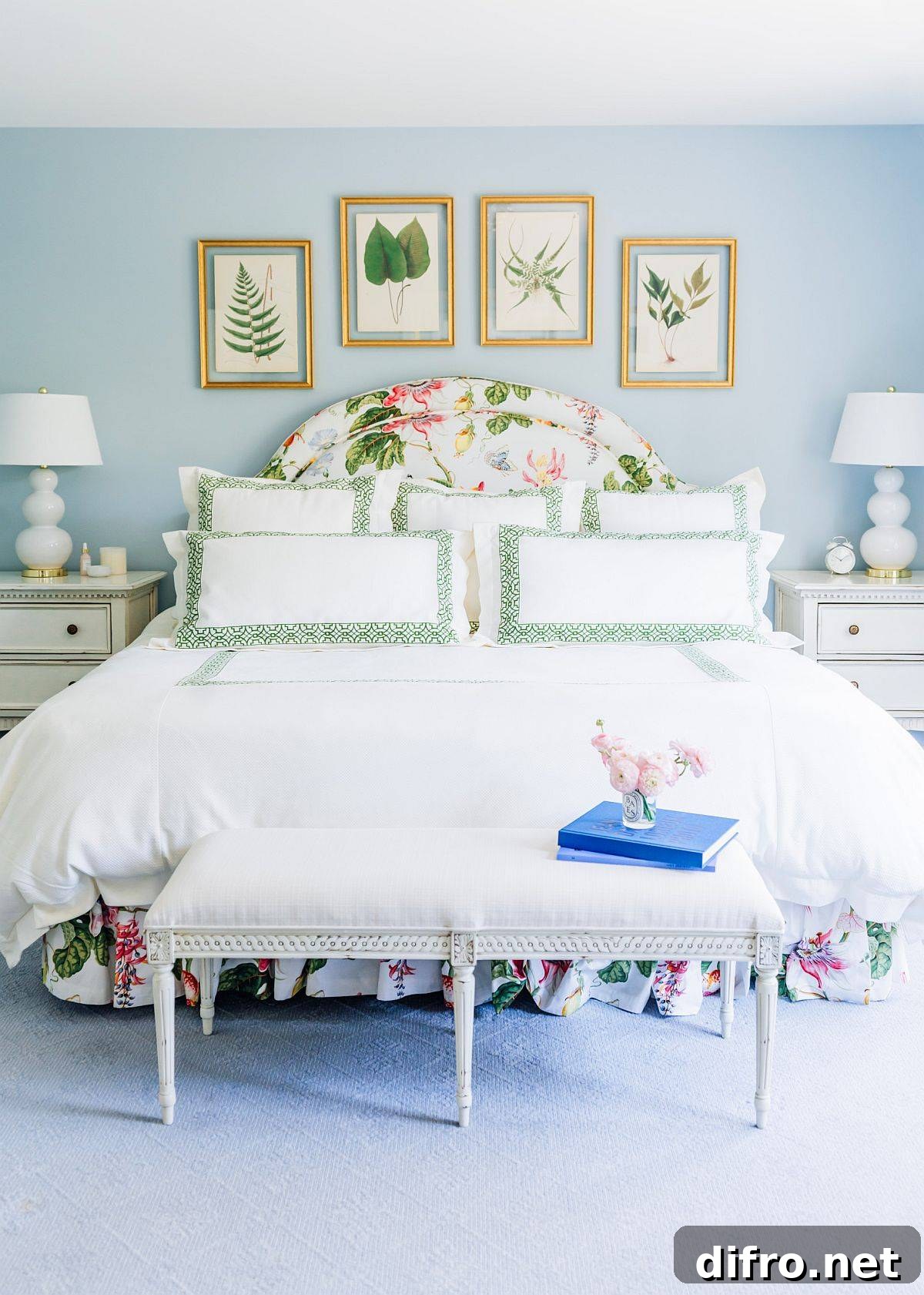
Choosing colors for a new home often sparks lively debate, and nowhere does that conversation heat up faster than in the bedroom. While living rooms and kitchens set the tone for shared spaces, bedrooms reflect personal taste and function: restful retreats for adults, playful canvases for children. Some choices follow passing fads, while others remain dependable year after year. Below is a practical guide to the most timeless and versatile bedroom colors—options that work across styles and seasons and are easy to live with.
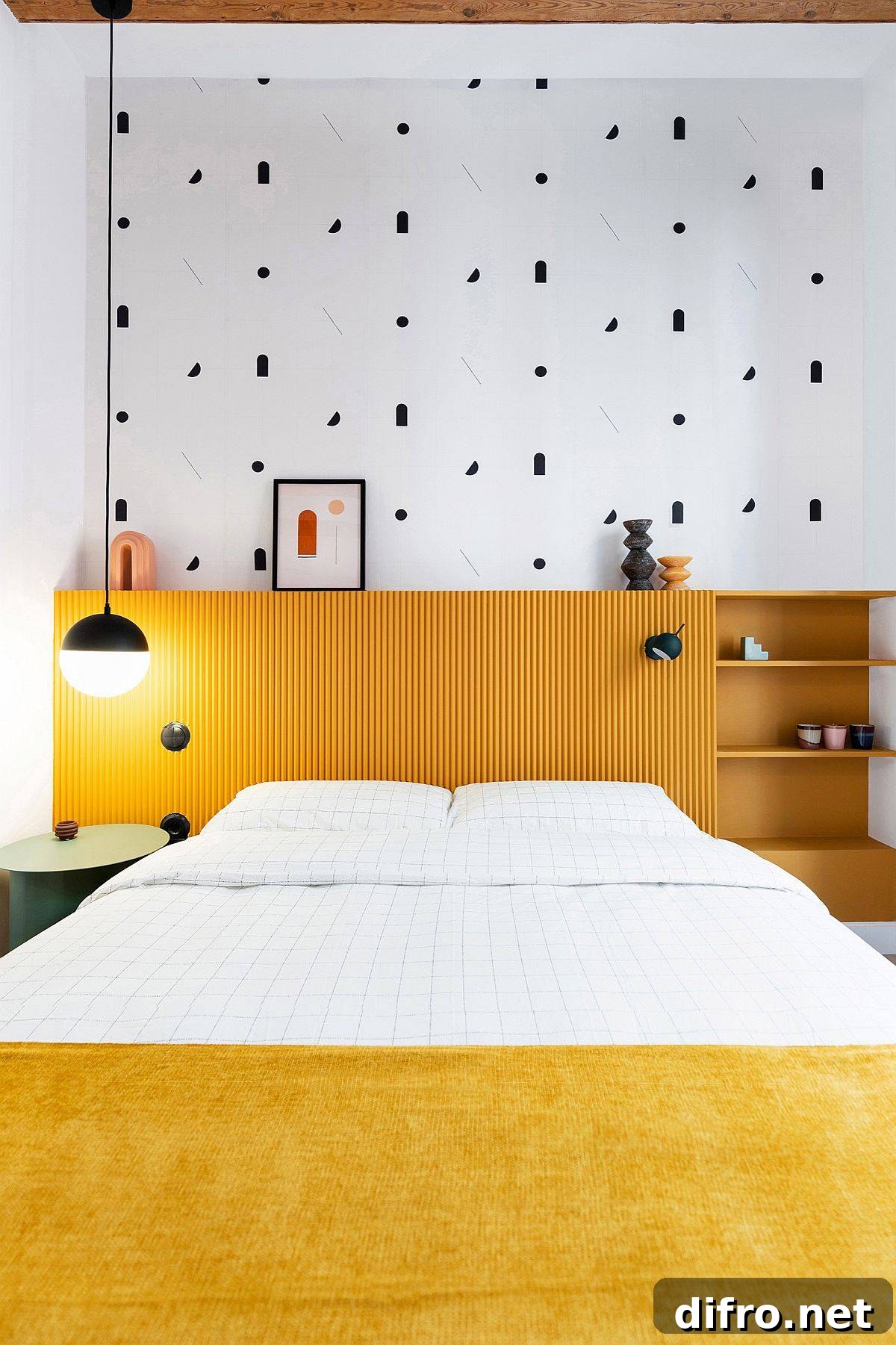
The most successful bedroom palettes balance calm neutrals with selective bursts of color. Neutral backdrops—white, gray, or natural wood—let bedding, textiles and lighting take center stage, while richer hues can be used to energize or soothe the room. Below are colors that consistently deliver great results, with practical pairing ideas and style notes to help you choose the right shade for your space.
Serenity of Blue
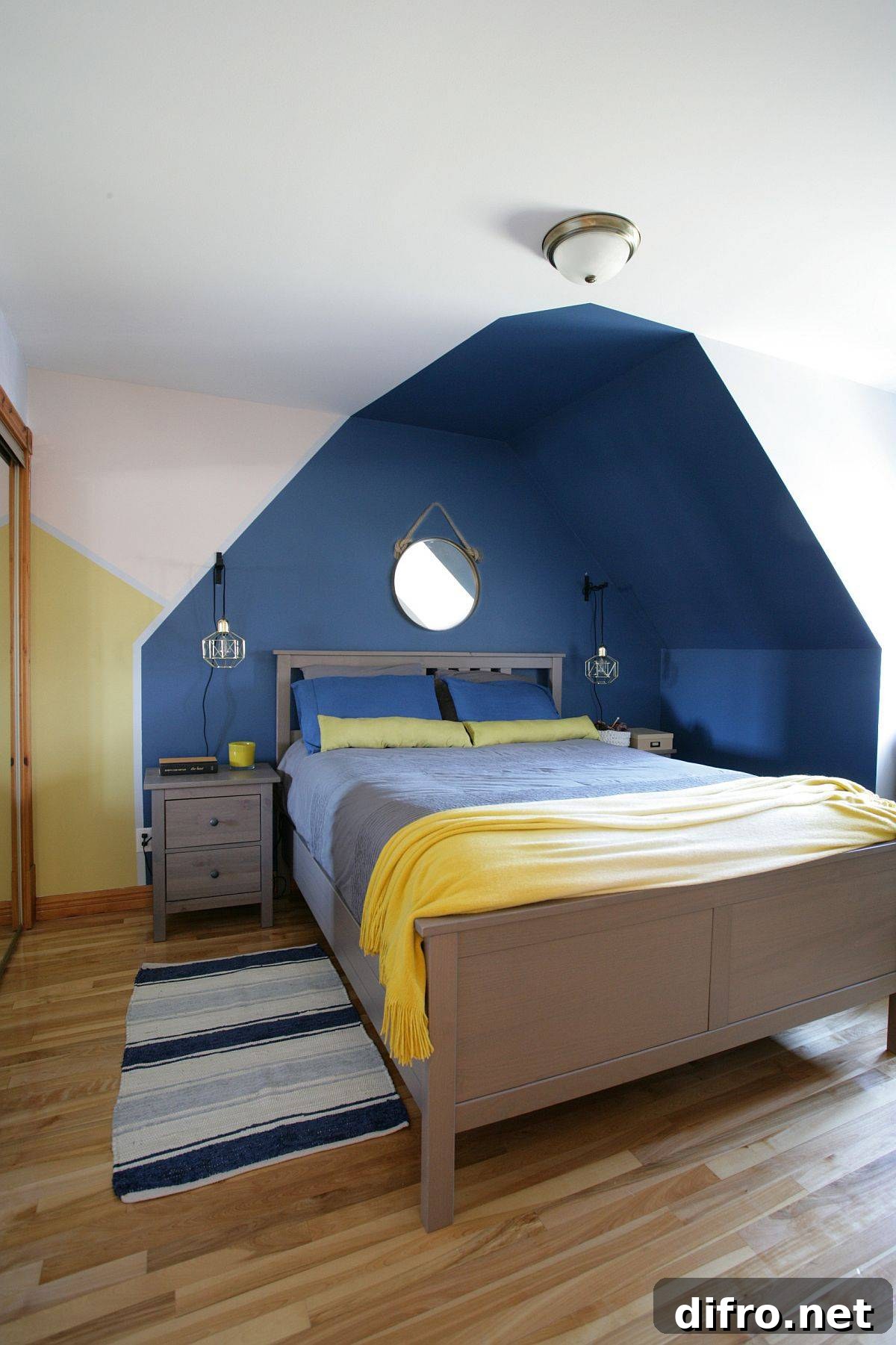
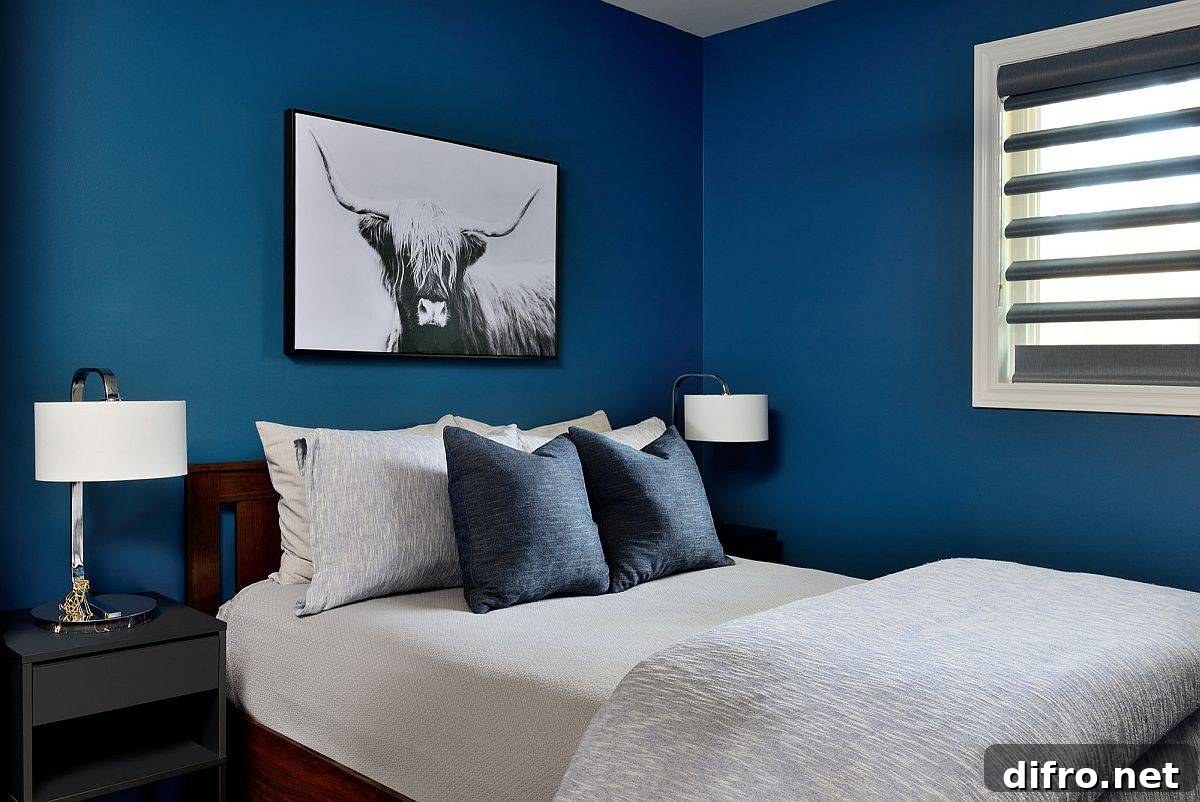
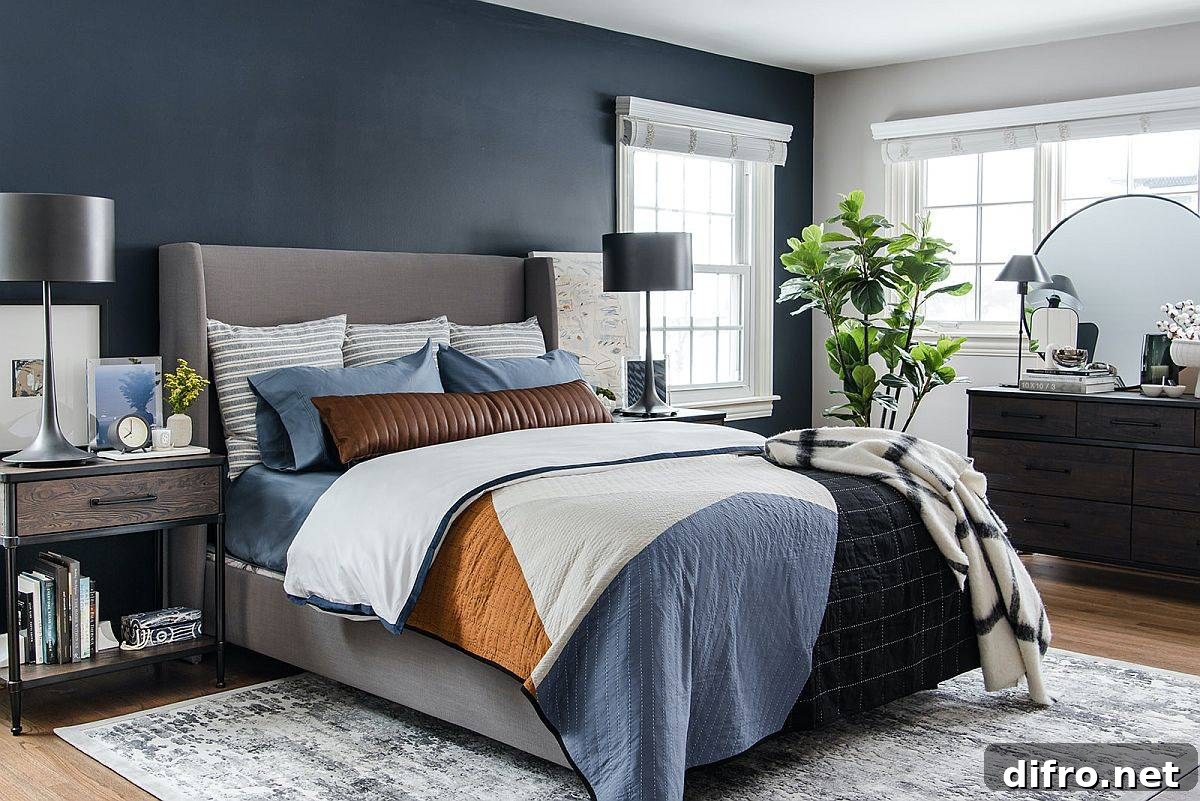
Blue is a perennial favorite for bedrooms because it’s calming, versatile and easy to pair. From pale sky blues to deeper navy tones, blue supports a wide range of decorating styles: coastal, Scandinavian, traditional and modern. Light blues open up small rooms and feel airy when paired with white trim and linens. Deeper blues—teal, navy or indigo—create a dramatic, cocooning effect when used on an accent wall behind the bed or across the entire room, especially when balanced by lighter floors and metallic or wooden accents. Blue works beautifully with gray, white, warm wood, and even pops of yellow or ochre for contrast.
Warm and Charming Yellow
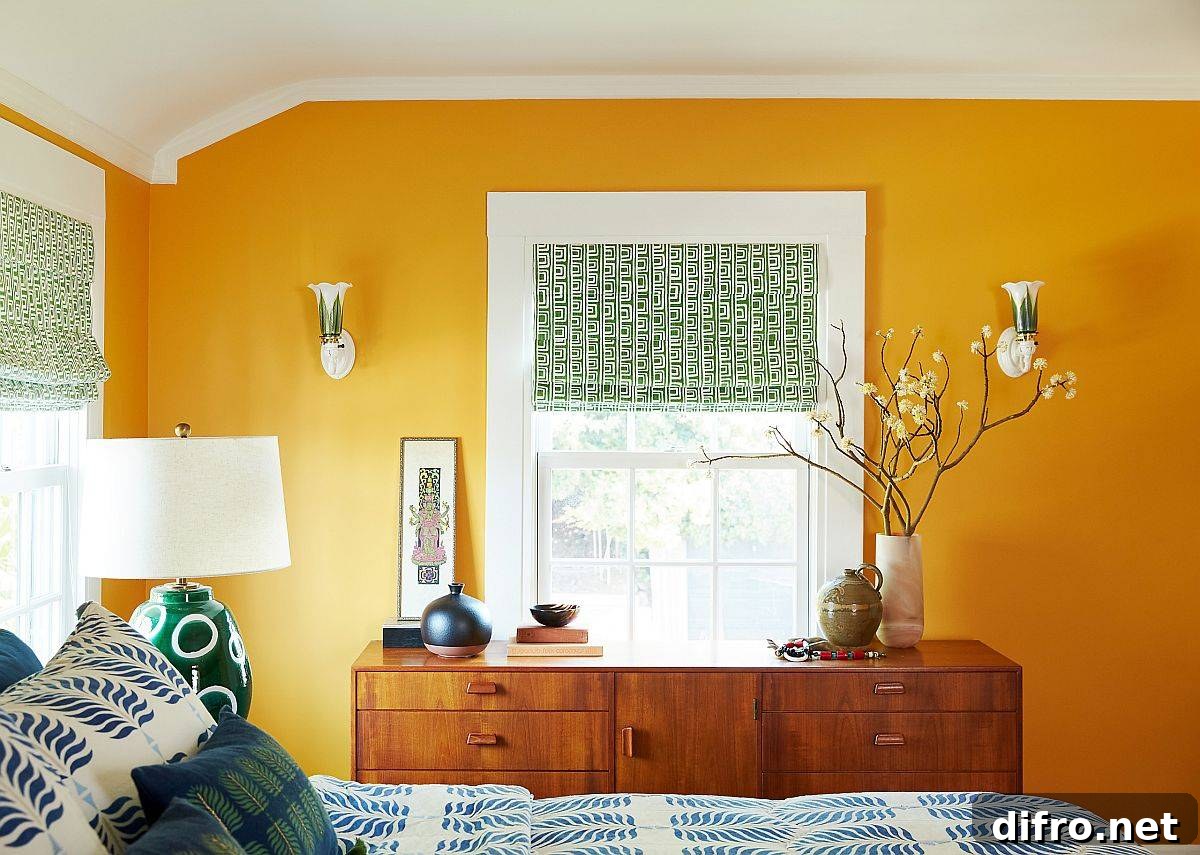
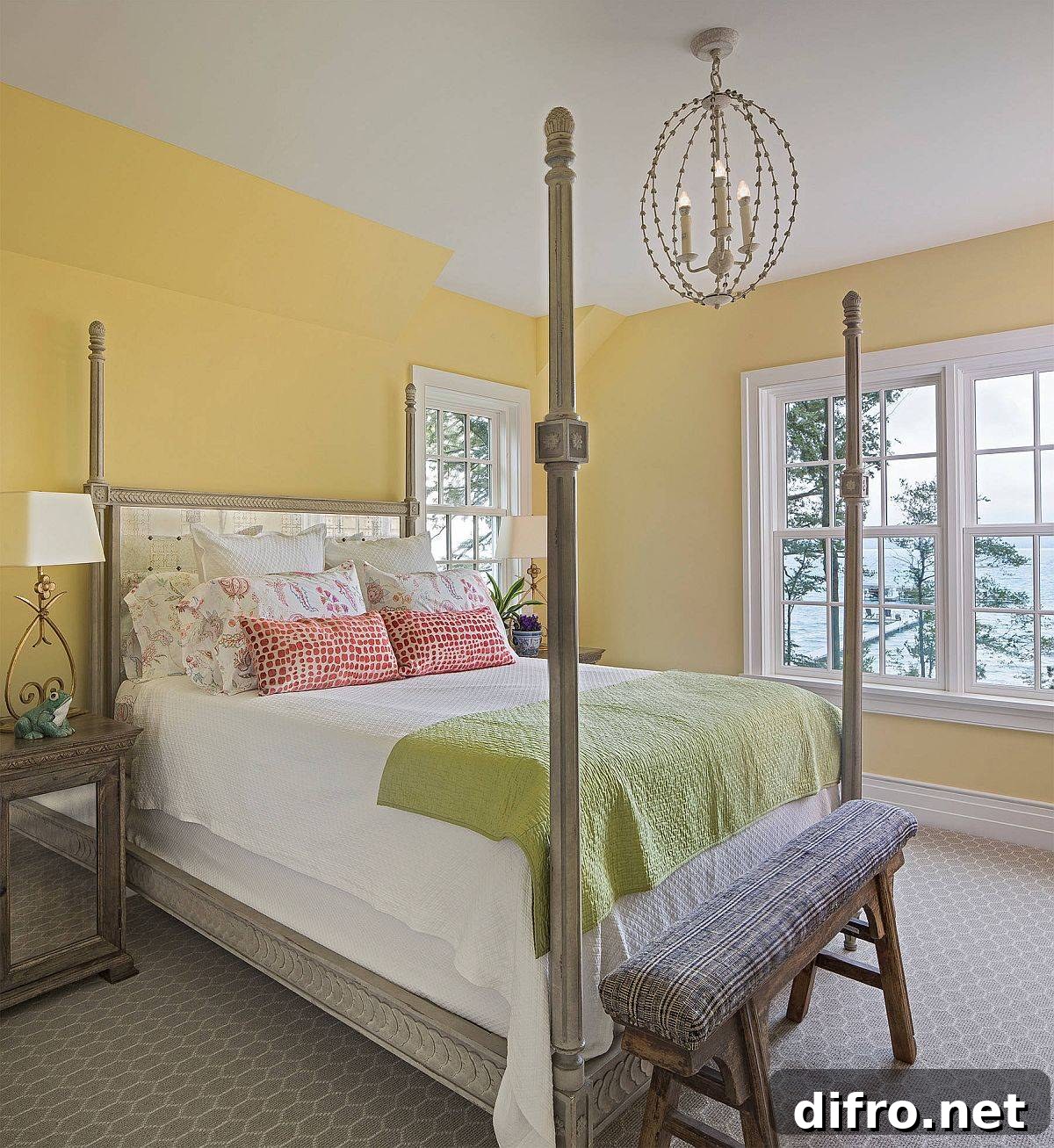
Yellow is less common in bedrooms, but it brings warmth, optimism and a fresh energy when used thoughtfully. Softer, buttery yellows work well as wall colors in larger bedrooms or rooms with good natural light, creating a sunny, relaxed atmosphere. Brighter yellows are best reserved for accents—pillows, a headboard, an accent wall or art—so they add personality without overstimulating the space. Yellow pairs beautifully with natural wood and white for a Mediterranean or beach-inspired look, and can also be teamed with navy, gray or green for a lively, balanced palette.

Gray and Other Neutrals
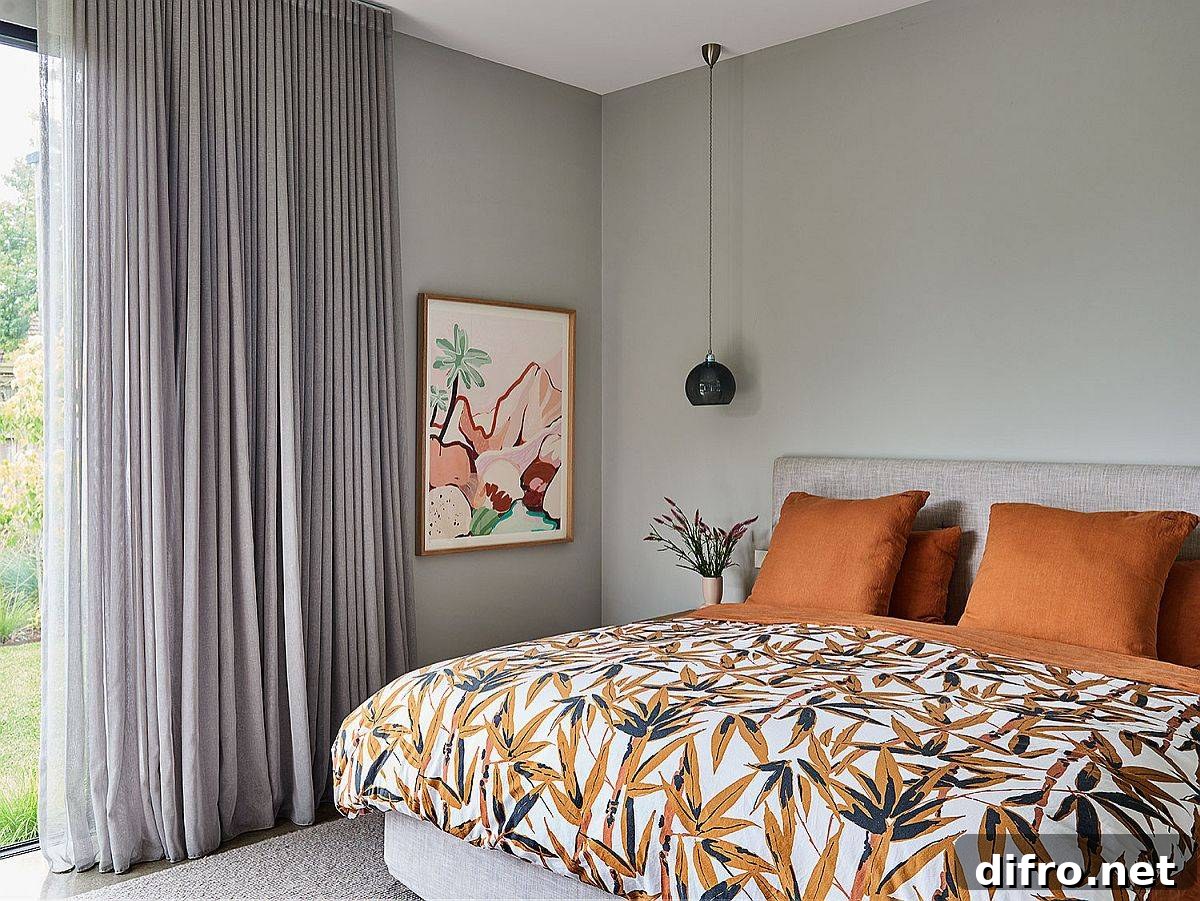
Neutral bedrooms are classic because they provide a versatile foundation for texture, pattern and accent colors. Gray has dominated interiors for decades for good reason: it’s adaptable and available in countless shades, from warm greige to cool charcoal. Lighter grays create a soft, contemporary backdrop; mid-tones make rooms feel cozy; charcoal or slate can add drama as an accent without overwhelming. Neutrals pair well with nearly every accent color—blue, green, yellow and even bolder shades like terracotta or navy—to create a layered, sophisticated look. For variety, blend beige, cream and warm wood tones rather than relying on a single neutral.
Green at Its Gorgeous Best
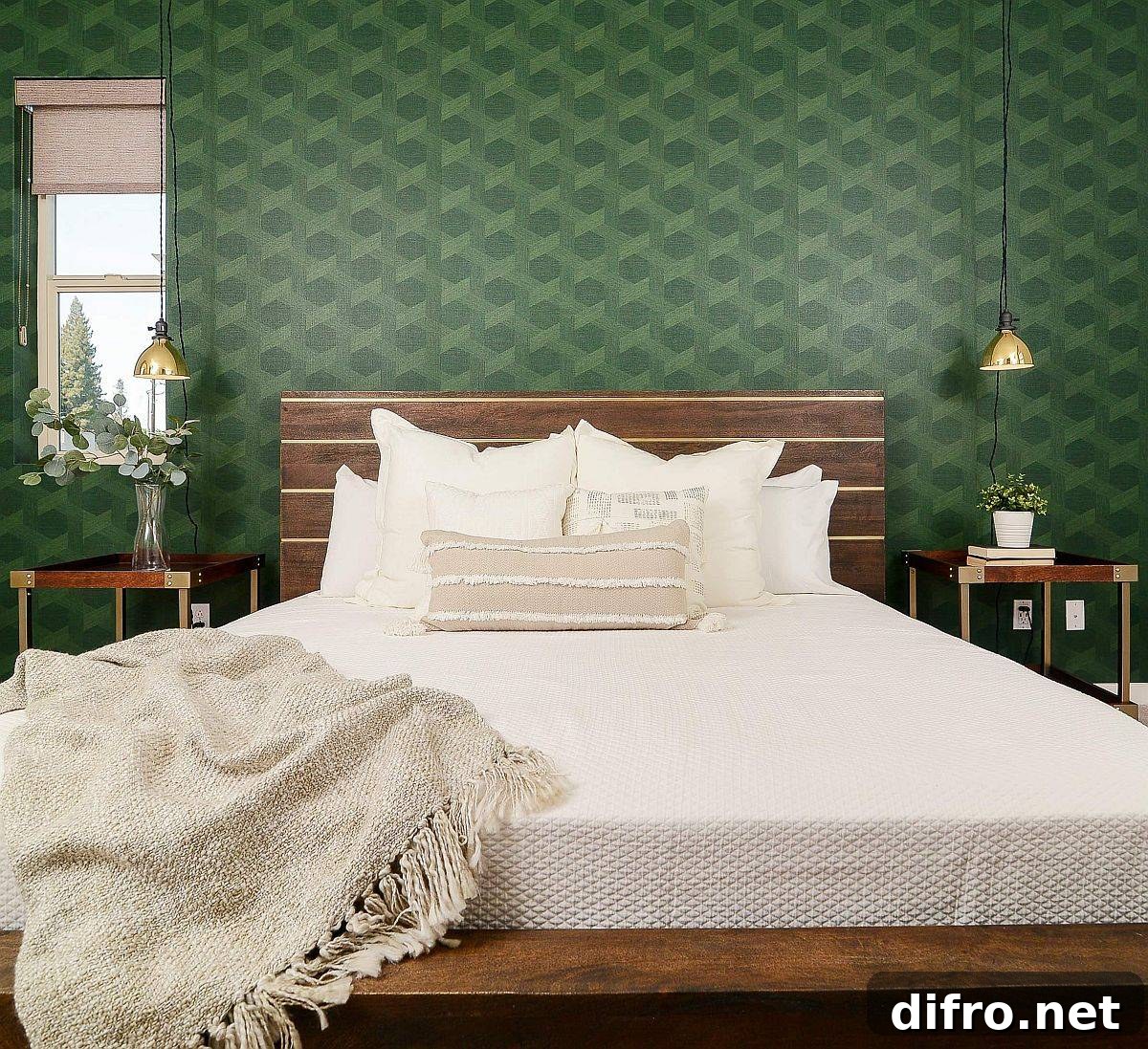
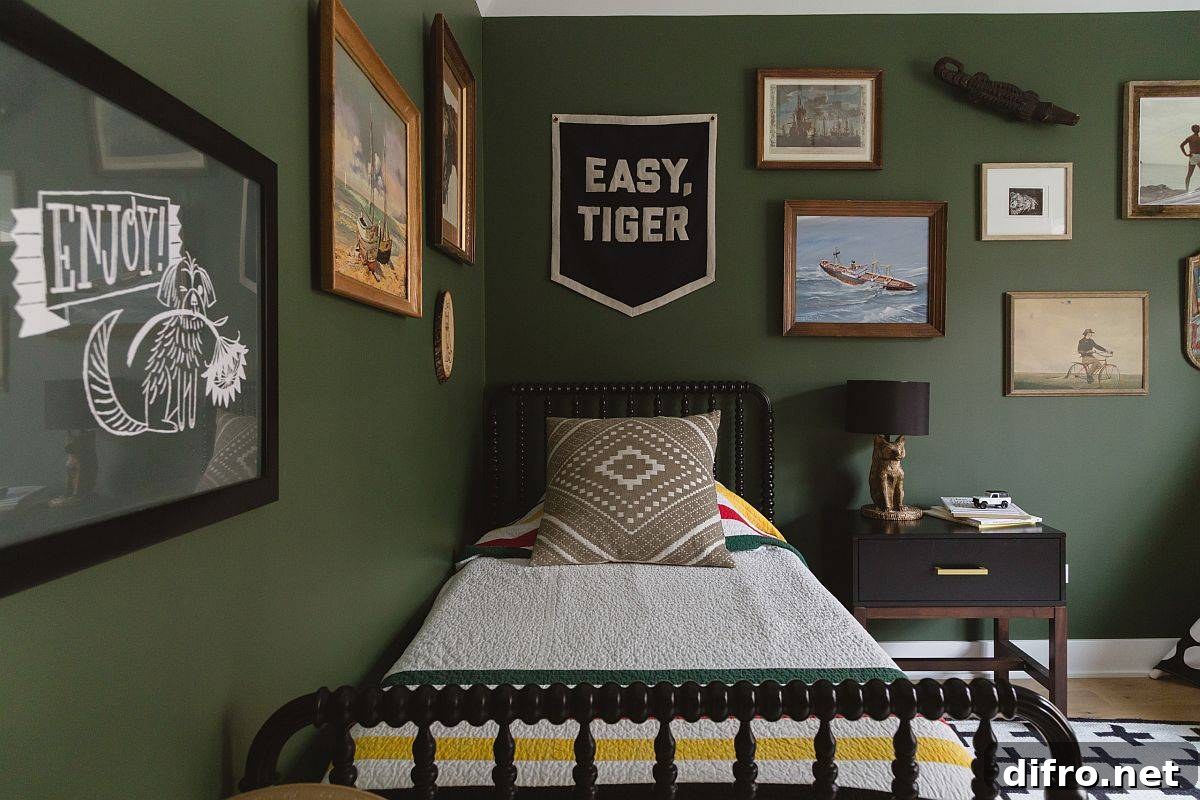
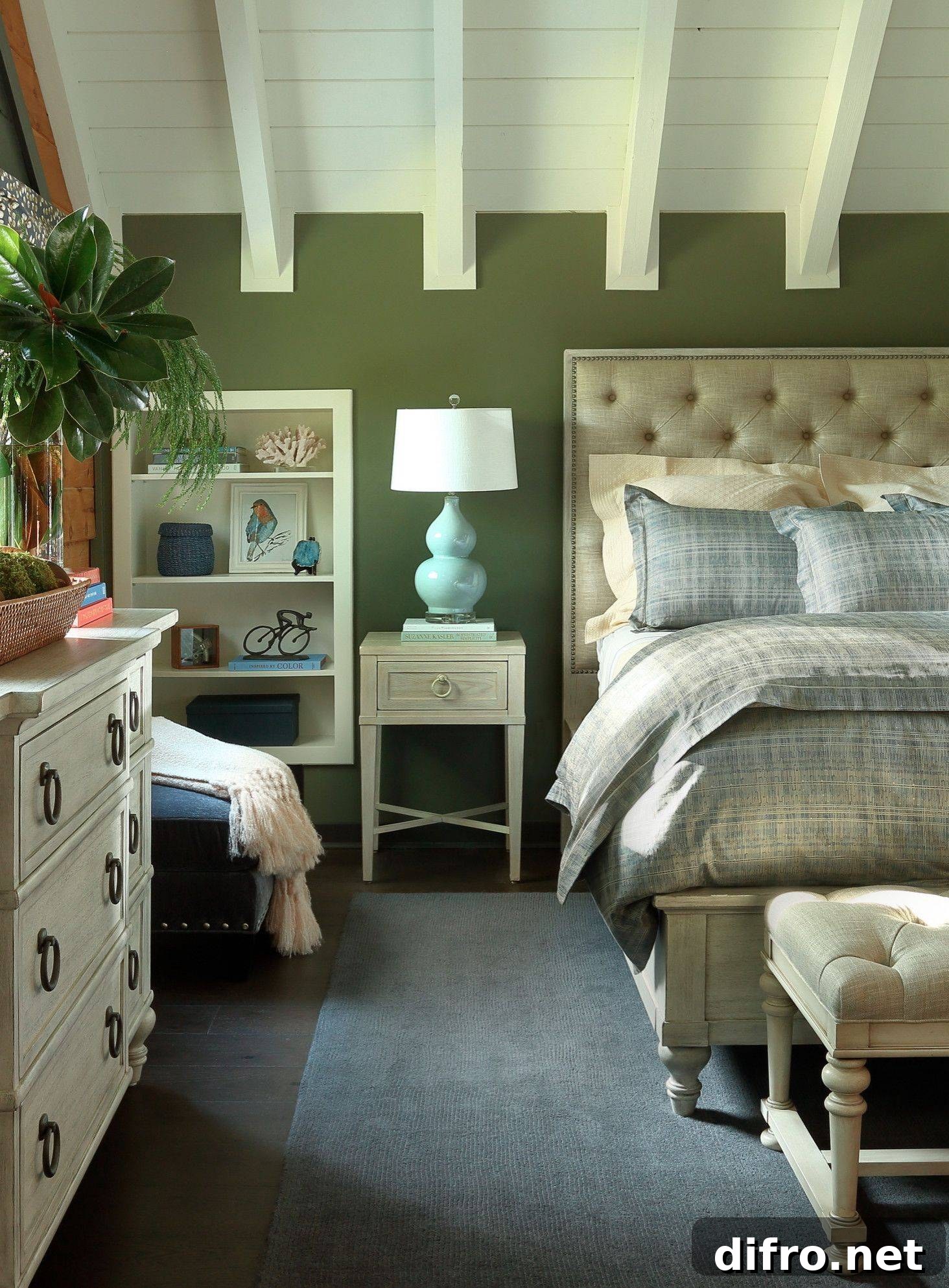
Green is an increasingly popular bedroom choice because it evokes nature and promotes relaxation. Softer greens—sage, olive or muted moss—make excellent wall colors and pair beautifully with natural materials like rattan, linen and oak. Darker greens create a moody, elegant atmosphere when balanced with crisp white trim and brass or black metal accents. Green suits traditional, rustic and botanical-inspired interiors and blends nicely with wood tones, pale neutrals and warm metallics. Use wallpaper, framed art or a painted accent wall to introduce green without overwhelming small spaces.
The White and Wood Look
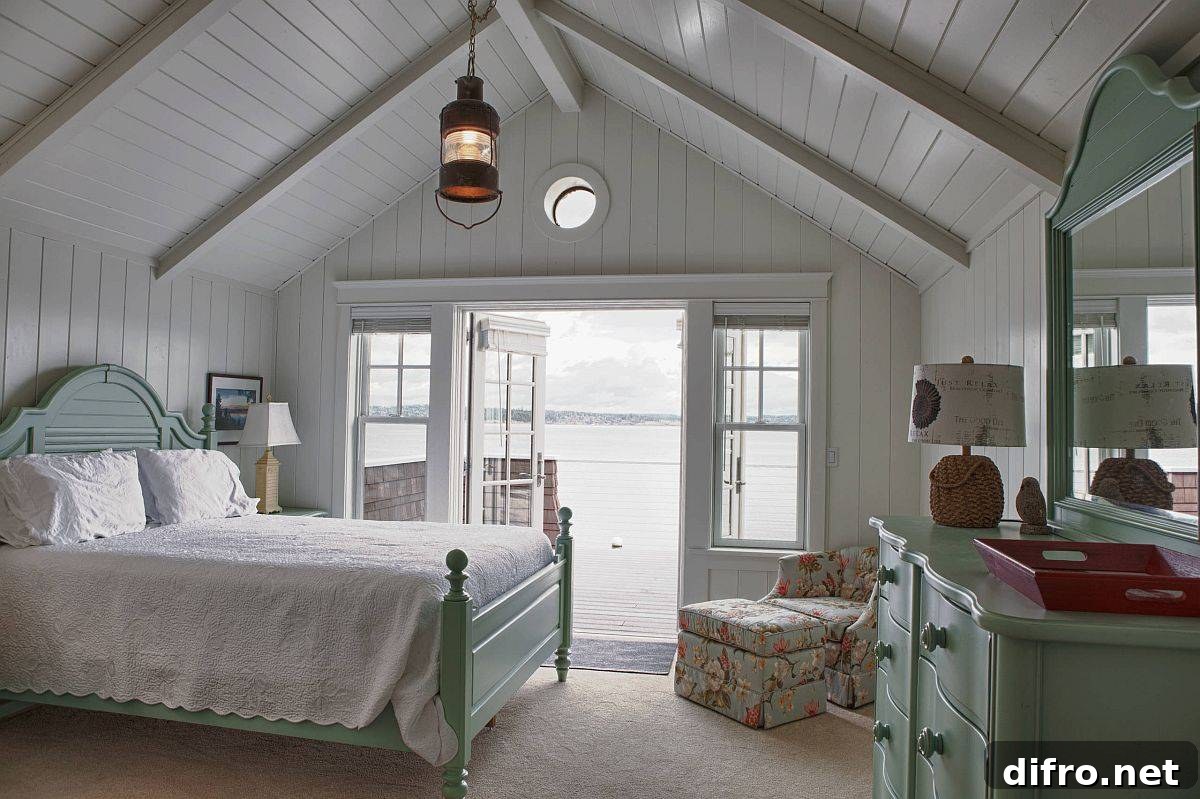
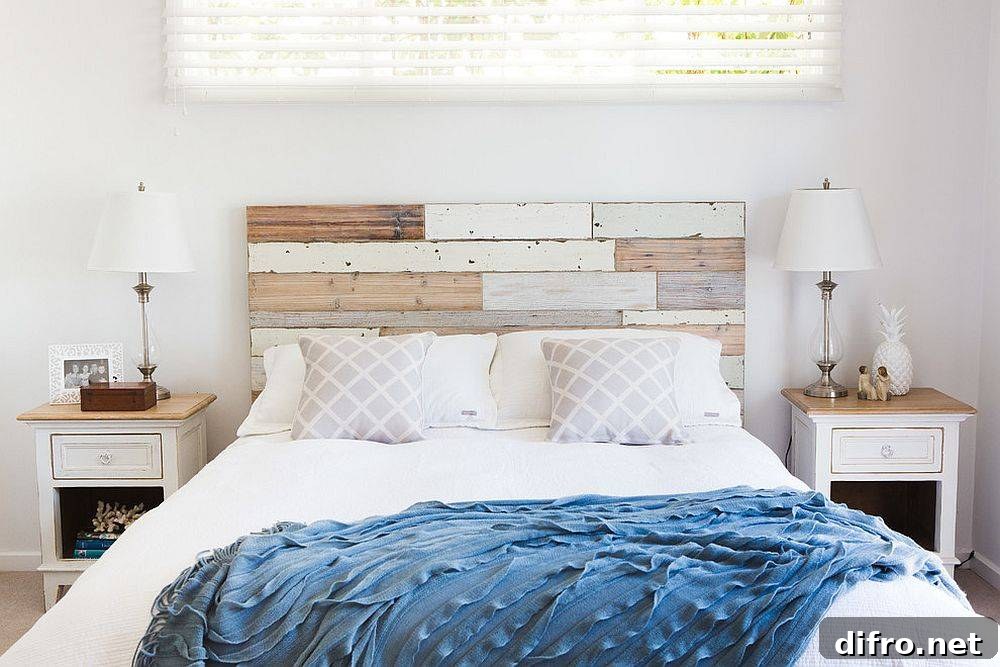
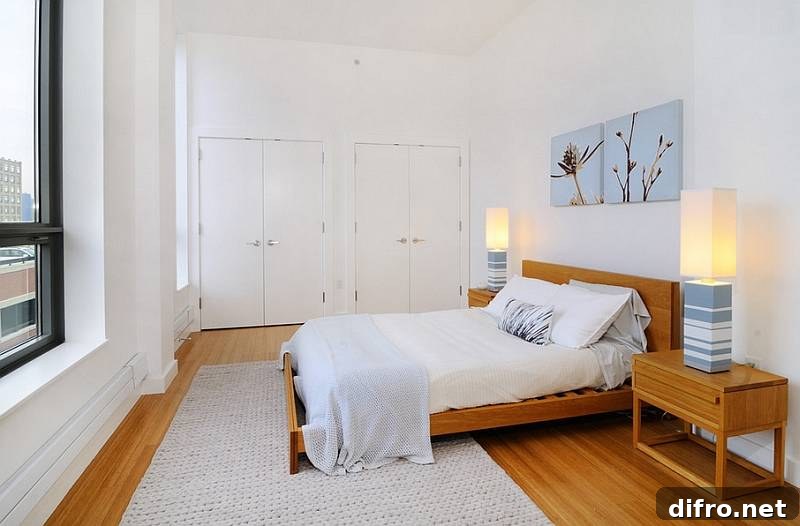
The combination of white and natural wood remains one of the most relaxing and widely loved bedroom aesthetics. Crisp white walls create a clean, bright backdrop while wood elements—flooring, headboards, nightstands—add warmth, texture and visual interest. This pairing suits minimalist, Scandinavian, coastal and modern farmhouse styles and makes it easy to refresh the room by swapping textiles or decorative accents. For a welcoming sleep environment, layer soft bedding, tactile rugs and warm lighting to complement the white-and-wood foundation.

Final tips: avoid overly bright, stimulating colors for full-wall coverage in bedrooms—reserve vivid hues for accents instead. Likewise, be cautious with very deep, dark grays that can make a room feel smaller or dim; use them as accents if you love the depth. Above all, aim for balance: create harmony between calming neutrals and energizing accents so your bedroom becomes both restful and visually appealing.