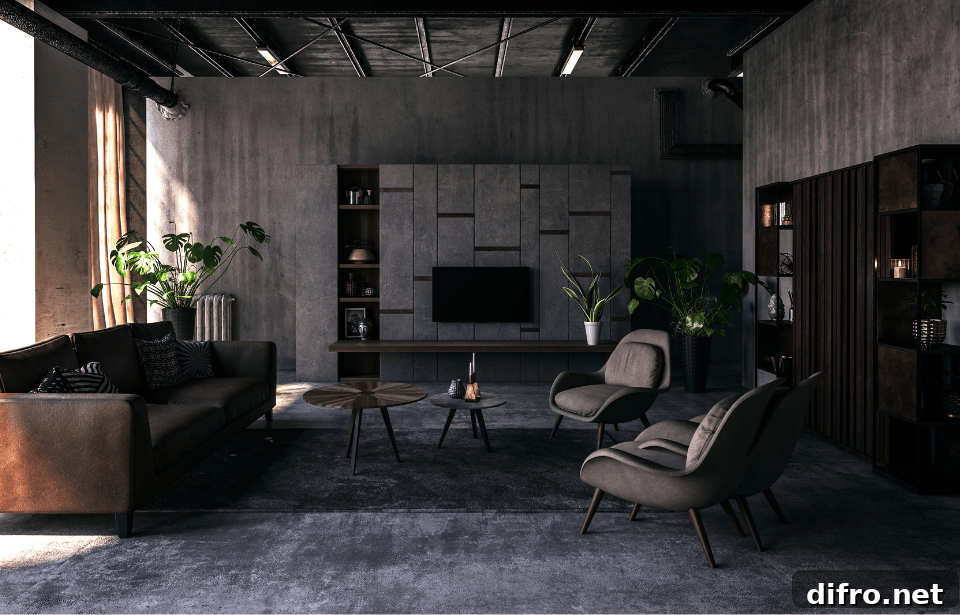
Have you ever walked into a room and immediately felt a sense of confinement? Often the reason is simple: the paint color on the walls. While color can elevate a room’s aesthetic, it also strongly influences how large or small a space feels. If you want rooms that feel open, light, and airy, it helps to avoid certain hues and choose alternatives that enhance perceived space.
Below are common paint colors that tend to make rooms feel smaller, why they have that effect, and practical alternatives that preserve depth without closing the room in.
Dark Charcoal Gray: Dramatic But Can Shrink a Room
Charcoal gray is a stylish neutral that creates drama and sophistication, but its deep tone absorbs light and can make walls feel more imposing. In smaller rooms or spaces with limited natural light, dark charcoal can create an enveloping, heavy atmosphere.
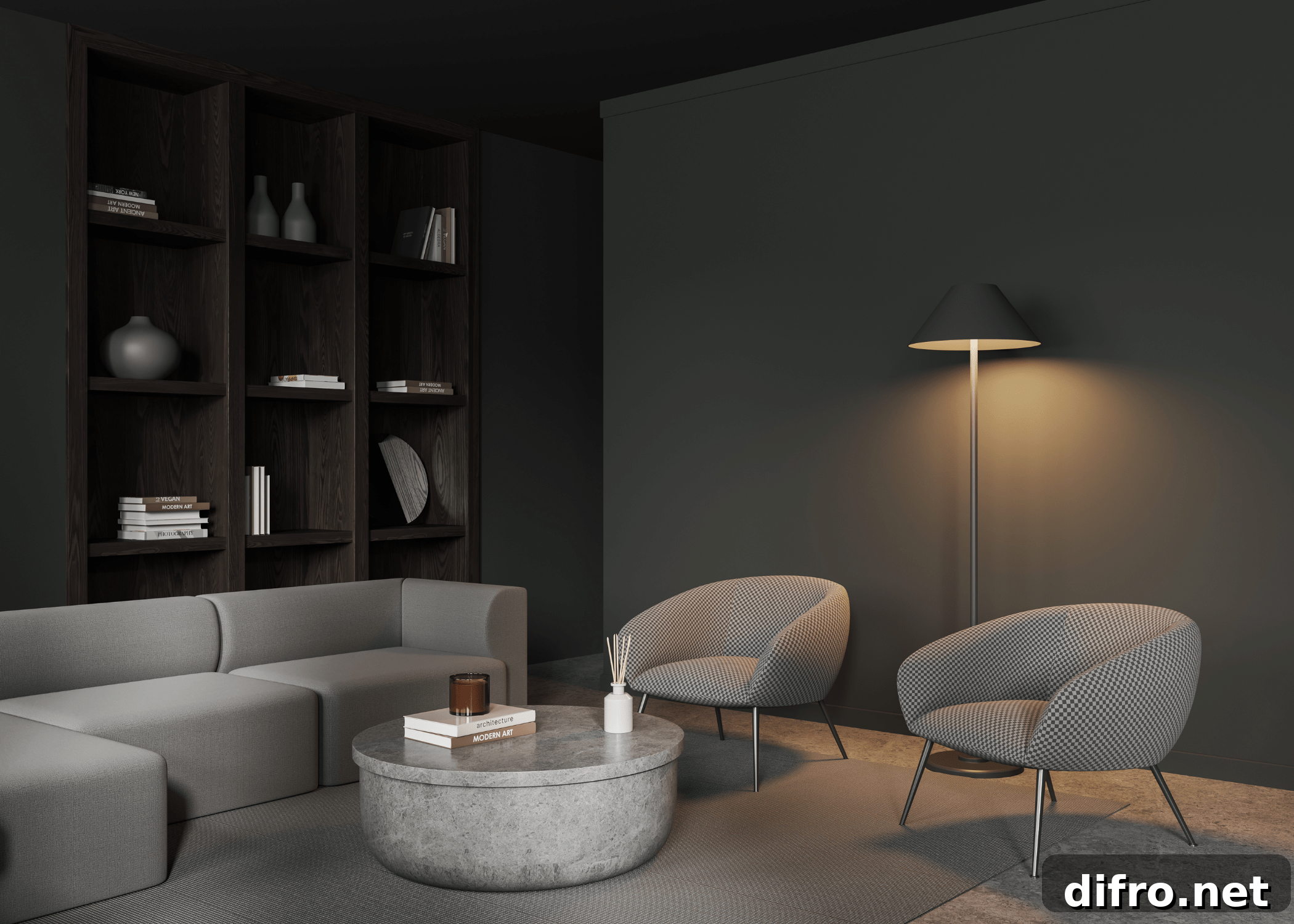
If you love gray’s versatility but don’t want to close a space in, choose lighter, warmer grays or light taupes. These medium neutrals deliver depth and sophistication without the visual weight that comes from very dark tones. They reflect more light and help the room feel more open and inviting.
Navy Blue: Elegant Yet Potentially Enclosing
Navy blue lends elegance and works well in many styles, but its deep saturation can visually pull walls inward. In smaller rooms, or hallways, navy can reduce the feeling of expansiveness by absorbing light and contrast.
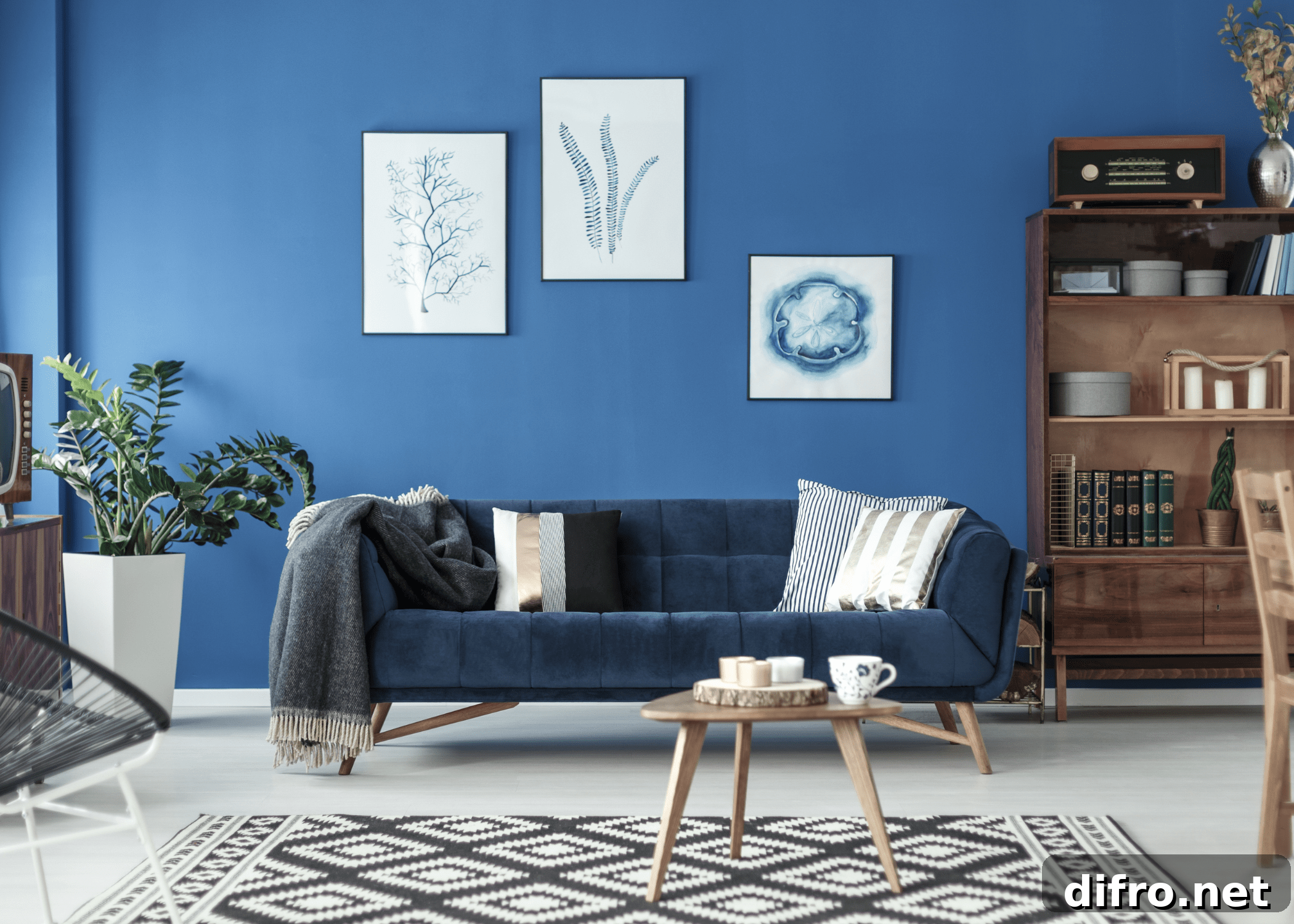
To keep a blue palette while preserving a sense of space, try pale powder blue or soft slate. These lighter blues reflect more light, creating a brighter, airier backdrop that still feels sophisticated but less confining.
Forest Green: Nature-Inspired but Can Darken a Space
Forest green brings a grounded, natural feel and works beautifully for feature walls or cozy corners. However, its rich depth can cast shadows and reduce the perceived openness of a room, especially where daylight is limited.
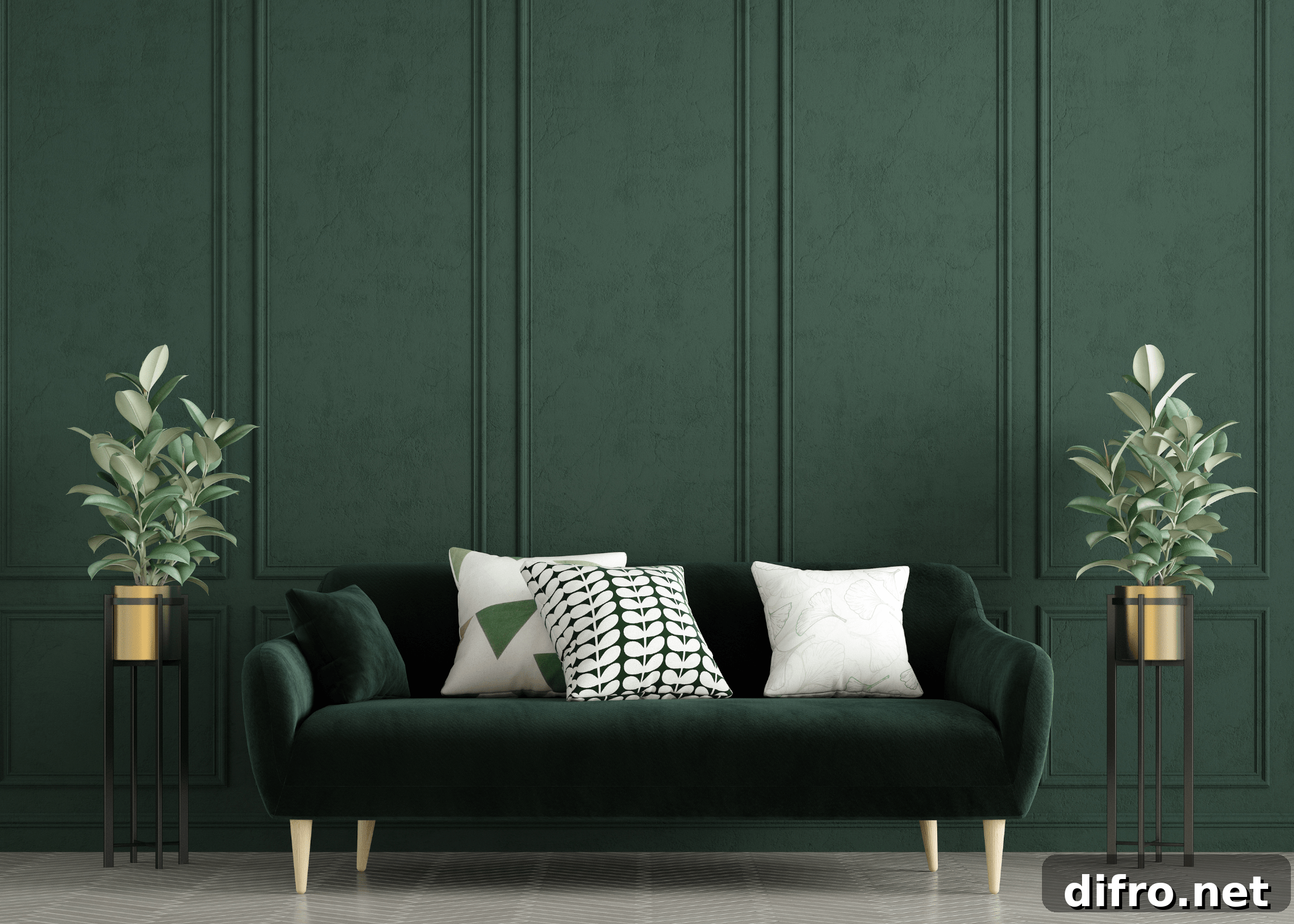
Use forest green as an accent—on a single wall, built-in shelf backing, or in furnishings—rather than the dominant wall color. For larger wall areas, lighter greens like sage or a washed olive maintain a calming, nature-inspired palette while keeping rooms feeling brighter and more open.
Saturated Orange: Energetic But Can Feel Crowded
Bright orange injects energy and warmth into a space, but saturated oranges can be visually overwhelming. Such bold hues tend to advance toward the eye, which can make walls feel closer and the room more confined.
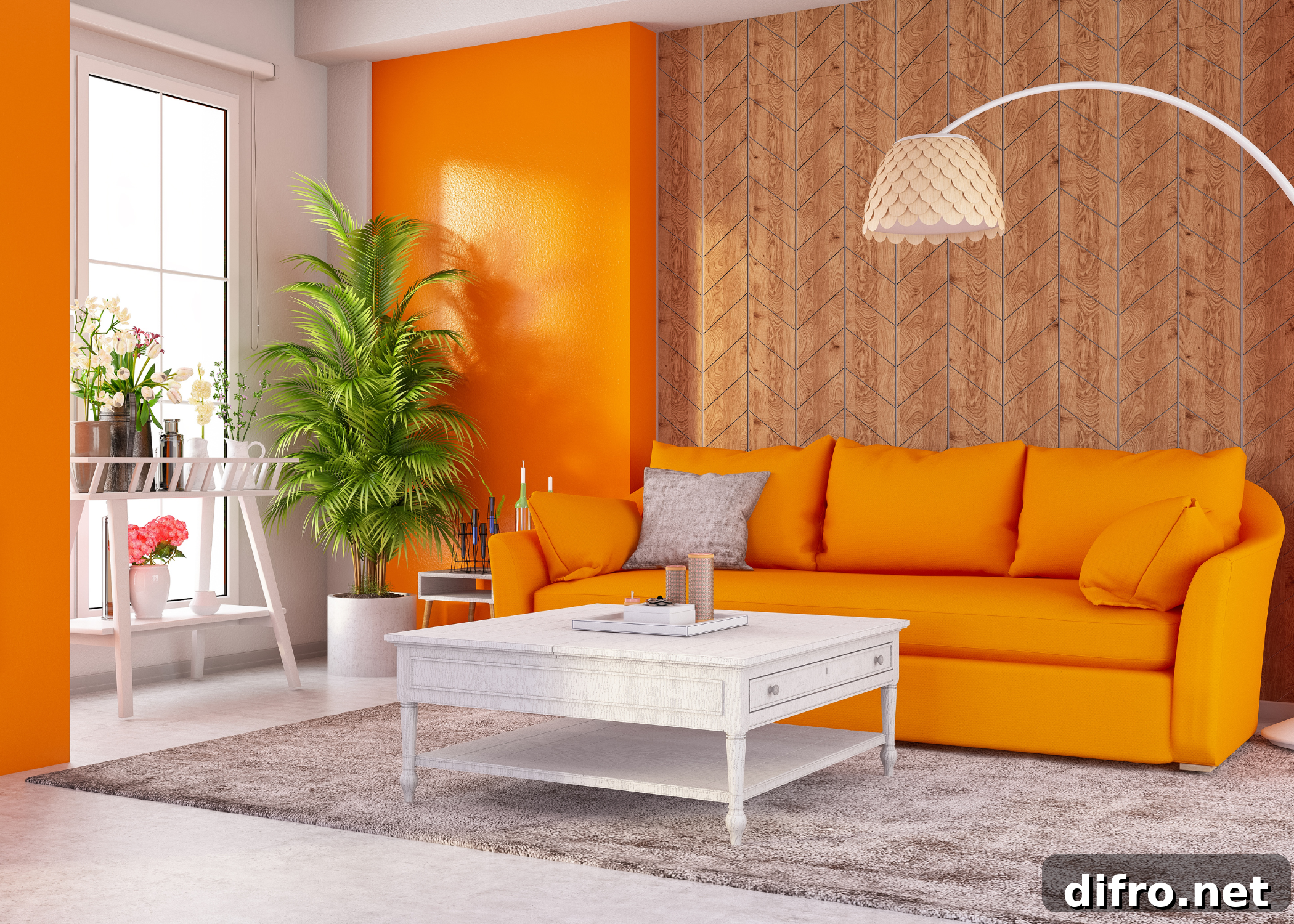
If you want the warmth of orange without the cramped feeling, reach for softer tones such as apricot, peach, or muted terracotta. These shades add warmth and personality while preserving a lighter, more spacious atmosphere.
Vibrant or Heavy Reds: Bold but Boundary-Making
Red commands attention and can make a room feel lively and intimate. But in smaller spaces, intense reds emphasize boundaries and can feel overpowering or claustrophobic when used on all walls.
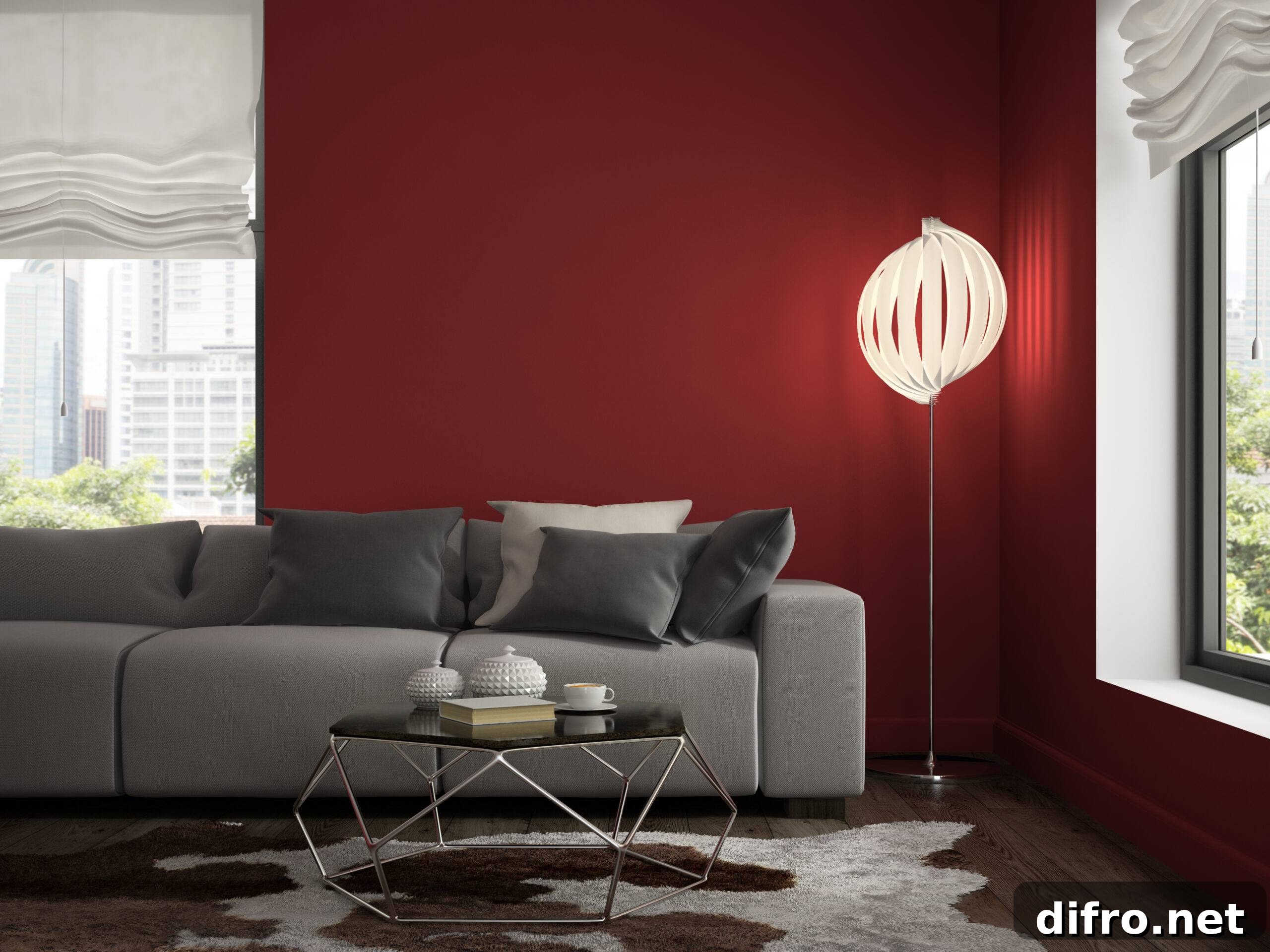
Rather than painting entire rooms red, consider using red as an accent through pillows, artwork, or a statement chair. For walls, lighter neutrals that reflect light will keep the space open while allowing red accents to provide the visual punch.
Helpful Alternatives and Practical Tips
- Choose lighter, warmer neutrals for main walls to reflect light and make spaces feel larger.
- Reserve deep or saturated tones for accent walls, trim, cabinetry, or textiles to introduce personality without shrinking the room.
- Consider the room’s natural light: darker colors work better in bright, well-lit rooms and as accents in darker rooms.
- Test paint samples on several walls and observe them at different times of day to see how color and light interact.
- Combine lighter wall colors with mirrors, light flooring, and simple window treatments to maximize openness.
Related articles
- 9 Most Trendy Ranch Style House Exterior Paint Colors
- Unexpected Color Combos That Actually Work (and Why They Do)
- What Your Front Door Color Says About You
Choosing paint colors thoughtfully can greatly affect how spacious your home feels. Avoid using dark, moody, or highly saturated hues across entire rooms if your goal is to create an open, airy environment. Instead, pick lighter shades for larger areas and use richer colors as accents to add personality without sacrificing perceived space.
With careful color selection and a few strategic accents, you can transform rooms into welcoming, light-filled spaces that feel bigger and more comfortable.
Interested in fresh design ideas and practical tips for your home? Subscribe to a newsletter or design newsletter of your choice to receive curated interior design inspiration, trends, and how-tos.