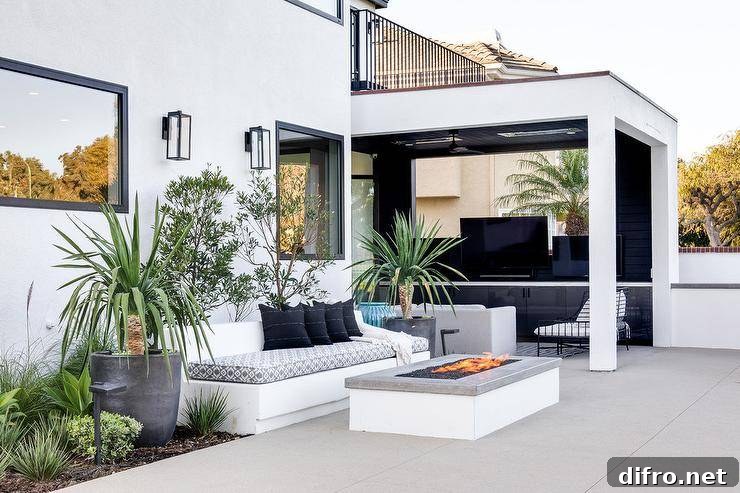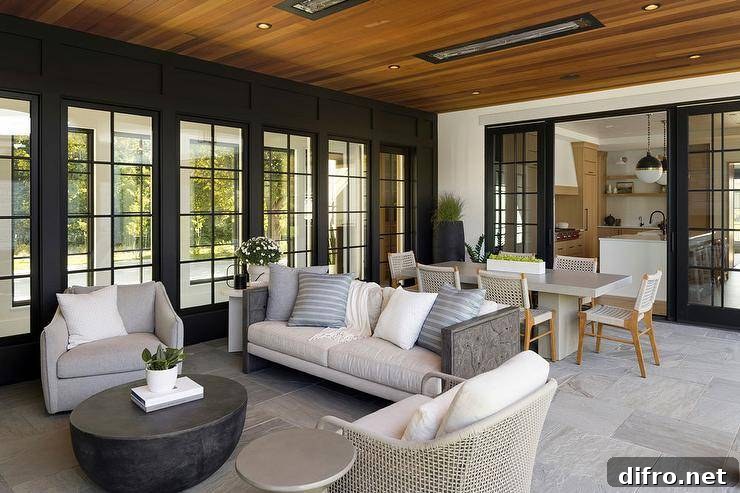
Are you ready to enhance your outdoor living space? A lanai — the Hawaiian term for a covered, often screened porch or patio — is a versatile way to expand your home into the outdoors. With thoughtful design, a lanai can serve as a peaceful retreat, an entertaining hub, or an all-season outdoor room. From minimalist seating and ambient lighting to a full outdoor kitchen, the possibilities for lanai ideas are extensive and adaptable to any home style.
What is a Lanai?
A lanai is a covered outdoor space, commonly found in tropical and subtropical climates, that often features screens or glazing to blur the line between indoors and outdoors. The roof and screening provide shade and protection from insects while preserving natural light and ventilation. Lanais range from intimate porches to expansive, furnished outdoor rooms that include dining, lounging, and cooking zones.
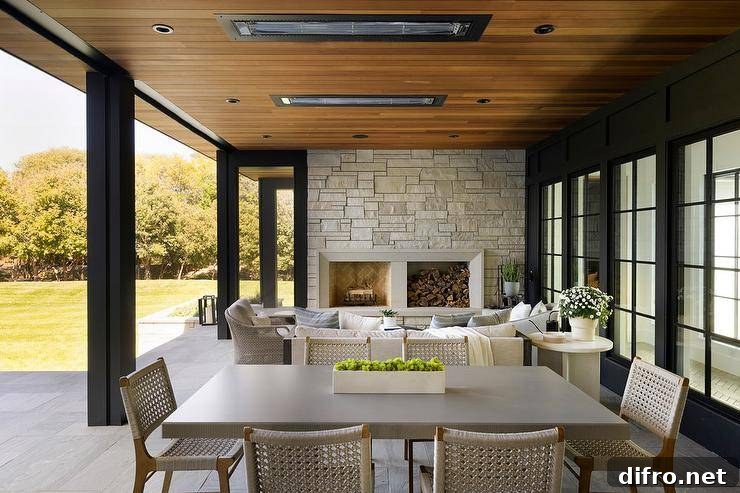
The defining quality of a lanai is its seamless connection to the landscape: wide openings, screening, or folding doors keep sightlines open to the yard or view. Furnished with comfortable sofas, dining sets, or a cozy fire feature, a well-designed lanai becomes a natural extension of the home’s living area and invites year-round use in suitable climates.
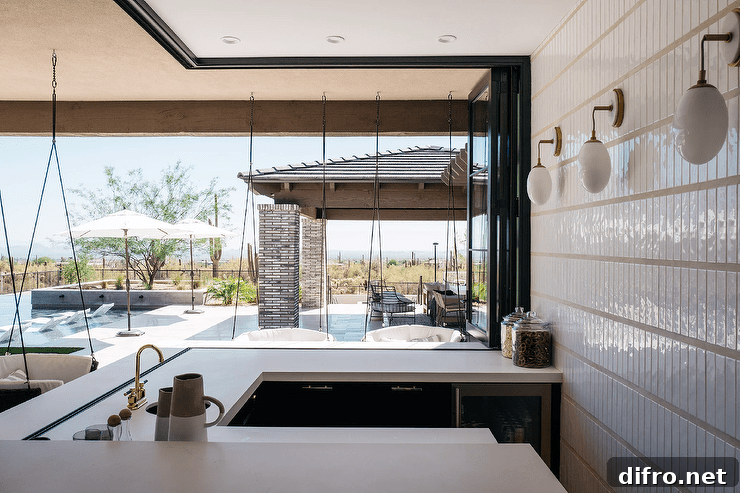
What to Put in a Lanai
When planning a lanai, focus on comfort, functionality, and durability. Start with seating: lounge sofas, sectional pieces, or weatherproof wicker create inviting conversation areas. Choose outdoor fabrics and cushions designed to withstand sun and humidity, and consider furniture that can be left outdoors or easily covered.
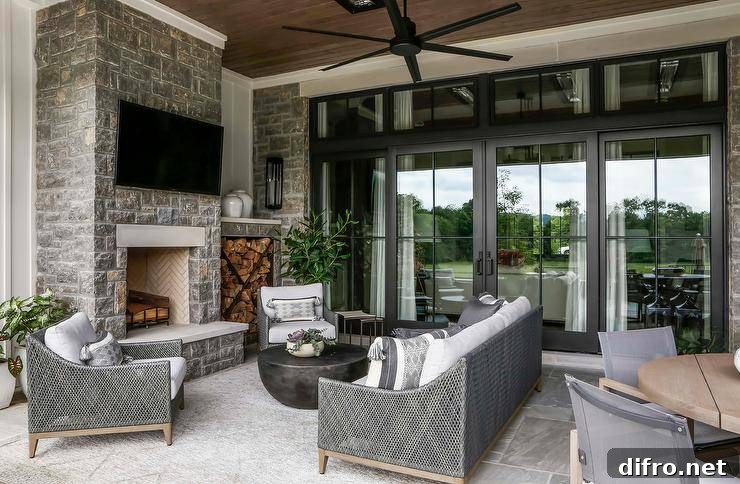
Greenery adds life and softens hard surfaces. Use potted palms, ferns, hanging baskets, or an herb wall to introduce texture and fragrance. Choose plants suited to the lanai’s light conditions and climate to ensure longevity.
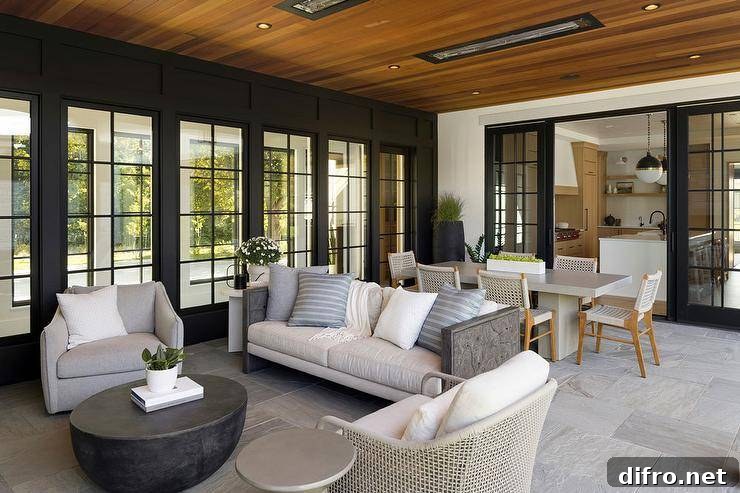
Lighting sets the mood: layered lighting with overhead fixtures, string lights, lanterns, and task lighting near dining and cooking areas creates a warm, usable space after dusk. Add outdoor rugs, throw pillows, and weather-resistant artwork to make the lanai feel like an extension of your interior décor.
Lanai vs Patio
While both patios and lanais create outdoor living zones, important distinctions can help guide your choice. A patio is typically an open, ground-level surface made of concrete, pavers, or stone and may be covered or uncovered. Patios are ideal for climates where exposure to the elements is acceptable or desired.
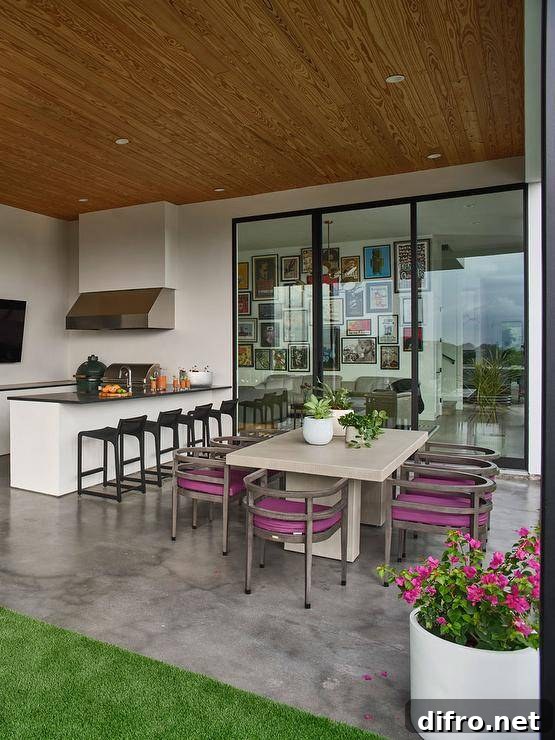
A lanai is usually covered and often screened or partially enclosed, offering greater protection from insects and weather and allowing for more controlled year-round use in milder climates. Material choices differ: lanais commonly use wood, aluminum, vinyl, or composites for framing, while patios rely on masonry and paving materials.
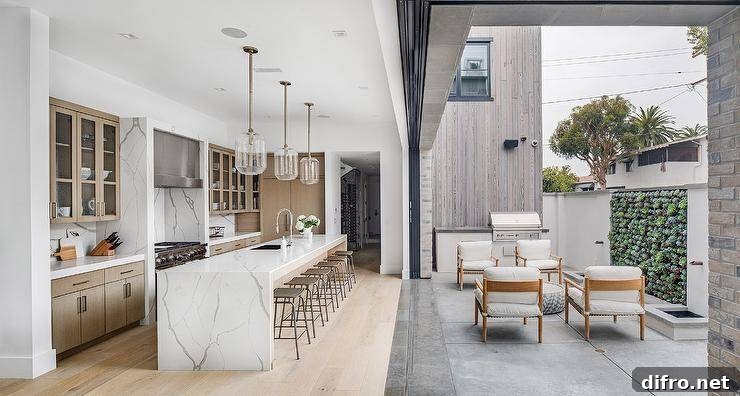
Materials and Construction
Choosing materials for a lanai depends on budget, style, and local climate. Common framing materials include cedar, redwood, and teak for their natural resistance to moisture; aluminum for its lightweight, low-maintenance durability; and vinyl or composite for long-lasting, low-upkeep alternatives. Roofing options range from traditional shingles and metal panels to polycarbonate for natural light transmission.
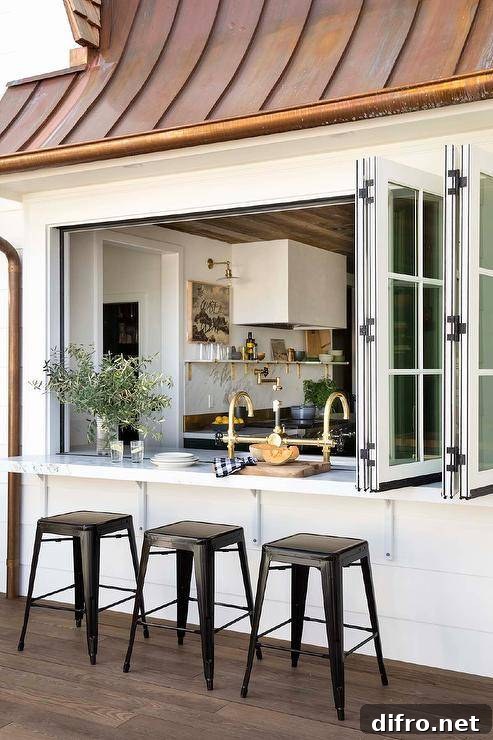
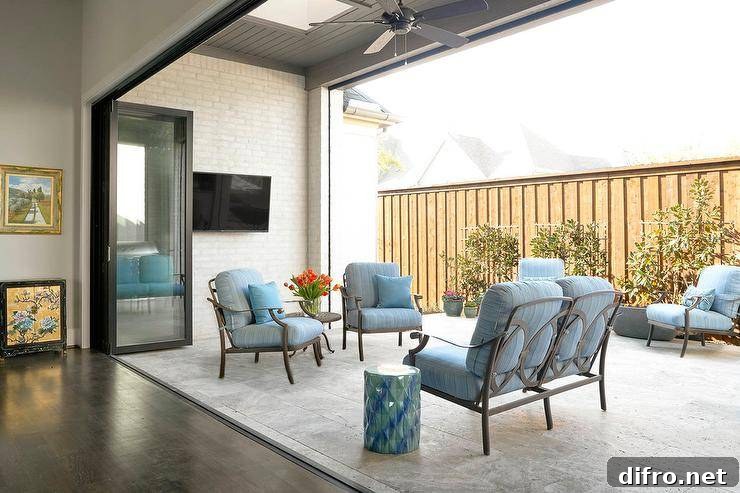
Flooring options include tiled travertine, sealed concrete, wood decking, or composite decking—each offering different maintenance levels and aesthetics. For roofing, consider insulation and ventilation to keep the lanai comfortable through changing temperatures. Properly chosen materials will ensure your lanai remains functional and attractive for years.
Frequently Asked Questions (FAQs)
What is a lanai, and why decorate it?
A lanai is a covered outdoor living area, often screened, that functions as an extension of your home. Decorating it creates a comfortable, usable space for relaxation, dining, and entertaining while connecting you to the outdoors.
What styles work well for a lanai?
Popular approaches include tropical, coastal, modern, and bohemian styles. Choose a palette and textures that complement your home’s interior to create a cohesive flow.
Which furniture and materials should I choose?
Opt for weather-resistant materials such as teak, powder-coated metal, resin wicker, or high-quality composites. Use outdoor fabrics for cushions and add protective covers for extended longevity.
How can I increase privacy and year-round use?
Add curtains, shades, lattice with climbing plants, or retractable screens for privacy. Consider ceiling fans, heaters, and weatherproof enclosures to extend seasonal use.
Designing a lanai is an opportunity to expand your living space and enhance daily life with fresh air and natural light. With the right layout, materials, and accessories, a lanai can become a favorite spot for quiet mornings, lively gatherings, and everything in between.