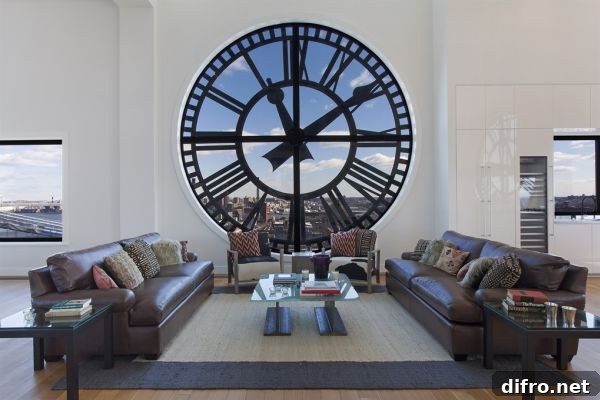
Some of us are so fixated on time that there’s a clock in every room. Often these clocks aren’t chosen for beauty but out of habit — a reminder that our schedules are always a few minutes behind. Yet wall clocks offer far more than basic timekeeping. Once a symbol of luxury and sophistication, the large wall clock has been sidelined by compact, high-tech gadgets. Still, when used thoughtfully, wall clocks can transform a room, acting as striking focal points or subtle complements to a carefully curated interior.
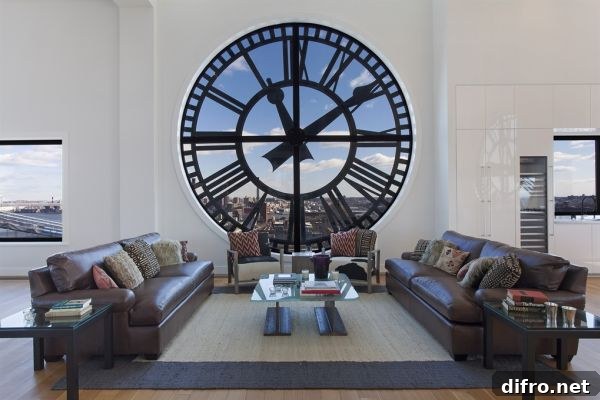
Large wall clocks are often associated with traditional or vintage interiors, but they can be unexpectedly elegant in contemporary homes. Whether bold and conspicuous or quietly integrated, a clock can anchor a wall, balancing scale and proportion while contributing personality. Below are ideas and examples that show how a well-chosen clock elevates different rooms and styles.
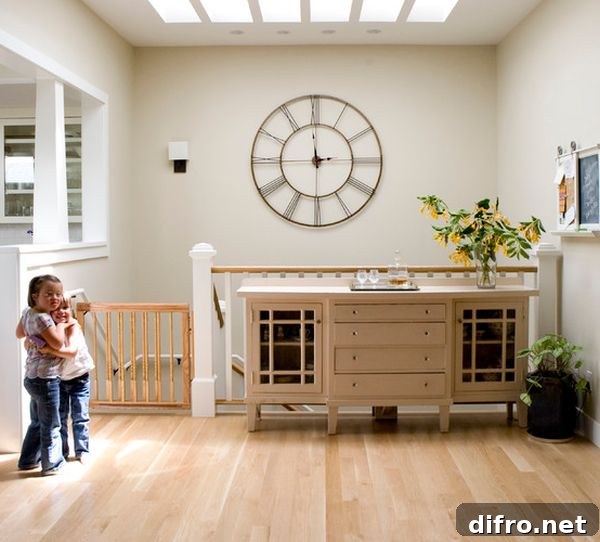
by Boor Bridges Architecture
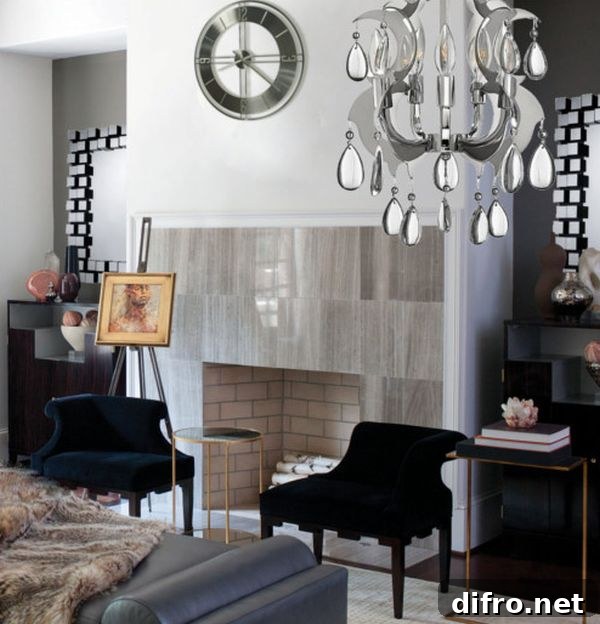
by Clocks247
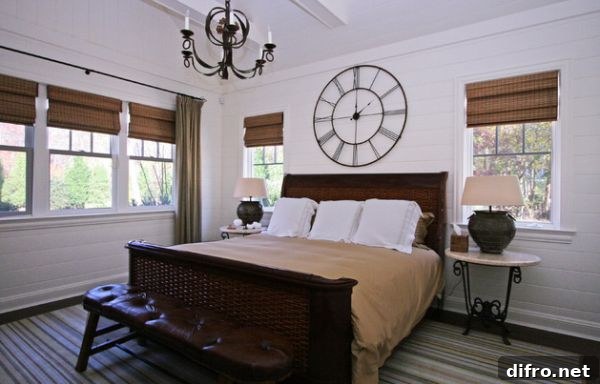
by Jana Happel Interior Design
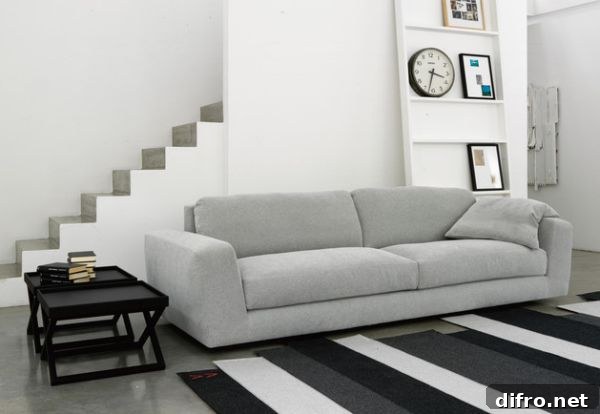
by usona
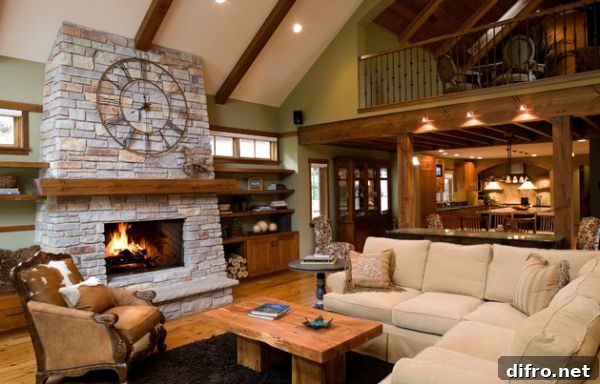
by Streeter & Associates
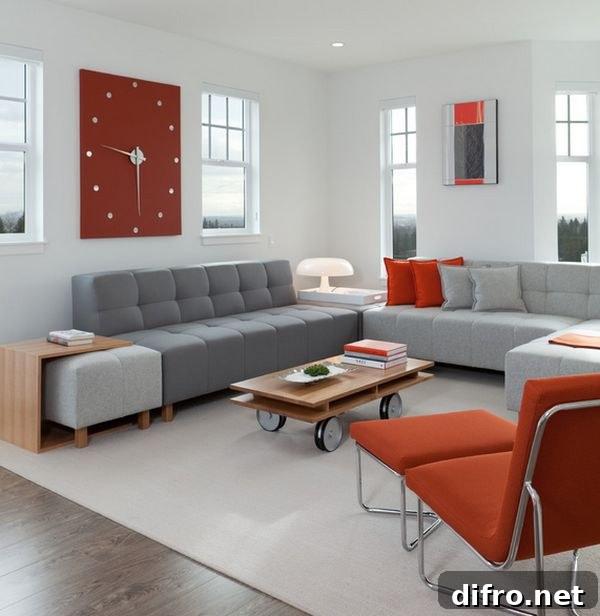
by Portico Design Group
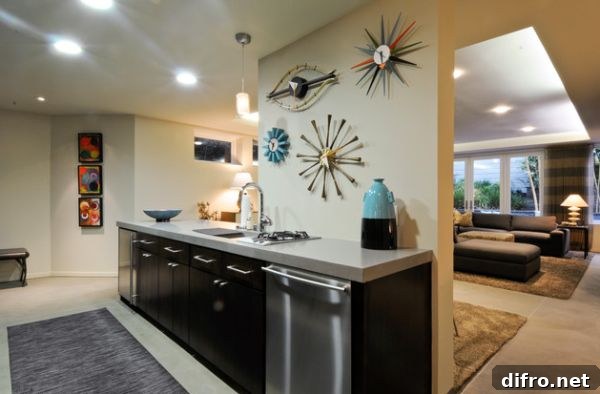
by Blutter Shiff Design Associates
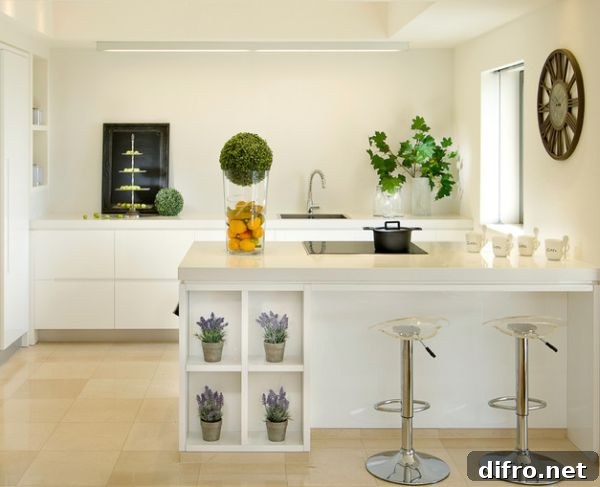
by Elad Gonen & Zeev Beech
Going Way Beyond Function
Today many of us check the time on our phones or laptops, so the practical need for a wall clock has diminished. But that has opened a new role for clocks as decorative objects. In modern interiors, a clock is chosen more for its shape, material and visual balance than solely for readability. A well-placed clock can create symmetry, anchor a gallery wall, or become a sculptural focal point that harmonizes with lighting and furniture.
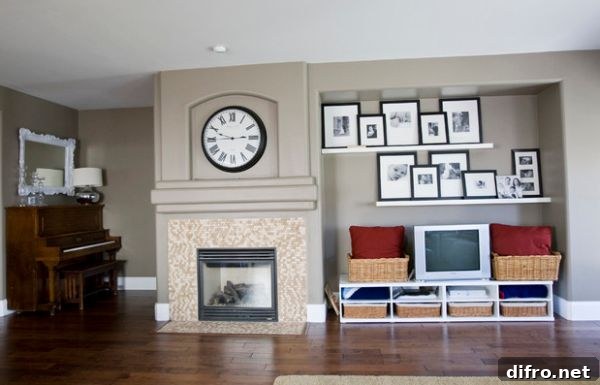
by Michelle Hinckley
Because design matters more than ever, many homeowners are rediscovering large, classic clocks — from Big Ben–inspired faces to oversized minimalist dials. These pieces no longer just tell time; they make a style statement, functioning as both art and anchor for the surrounding décor.
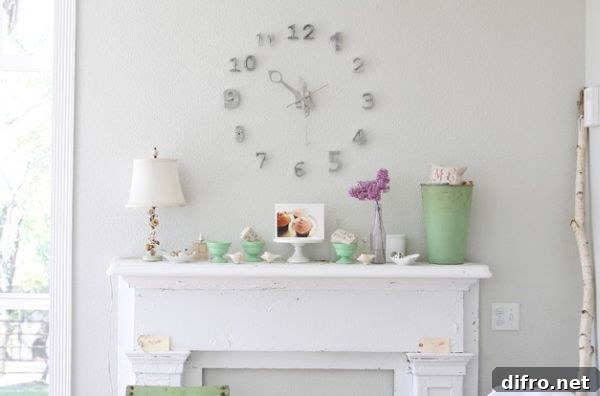
by Dreamy Whites
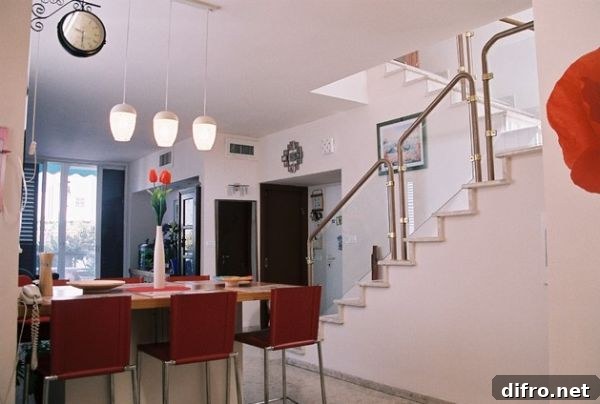
by Adva
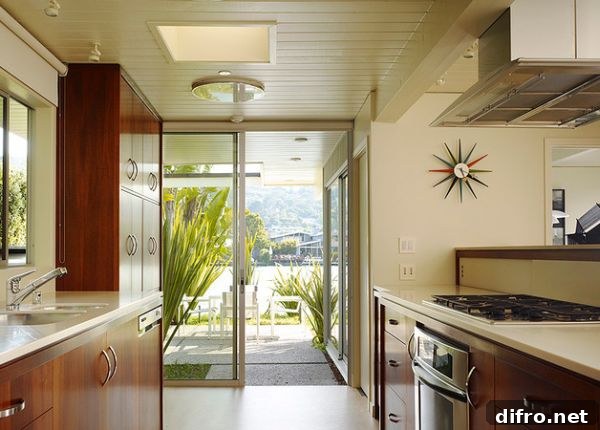
by Gary Hutton
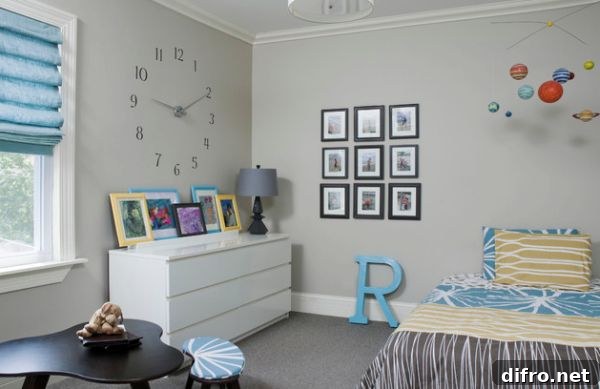
by Molly McGinness Interior Design
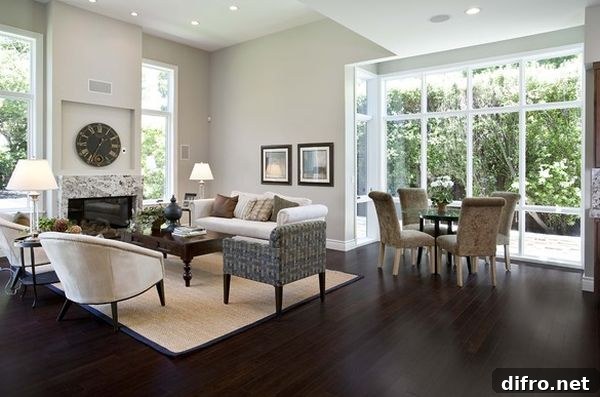
by Mark English Architects
Vintage, Modern and Minimalist
There’s no single ideal clock—style depends on the interior. An ultra-minimalist living room can welcome a mid-century clock as a graphic accent, while a vintage or traditional home benefits from a classic timepiece that reinforces the room’s character. Designers now create clocks that read as art installations, so finding a piece that complements a contemporary space is easier than ever. Whether you prefer ornate hands and Roman numerals or pared-back geometric faces, the right clock will feel intentional rather than out of place.
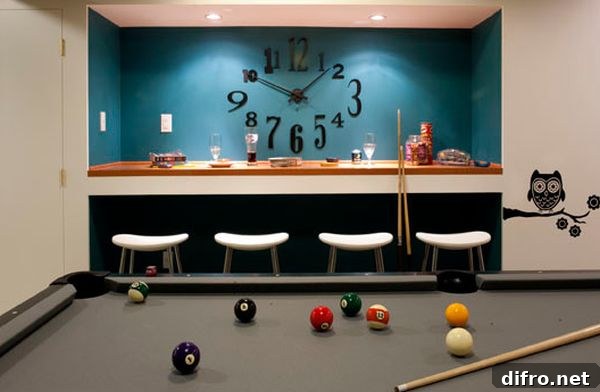
by Susan Yeley Interiors
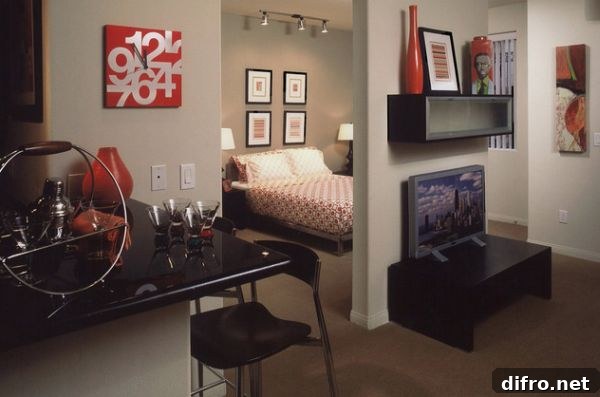
by Design West
Decorating with a clock is an art. Placing a timepiece with precision and style enlivens a room and breaks monotony—its movement and presence add a dynamic element that few other objects can match.
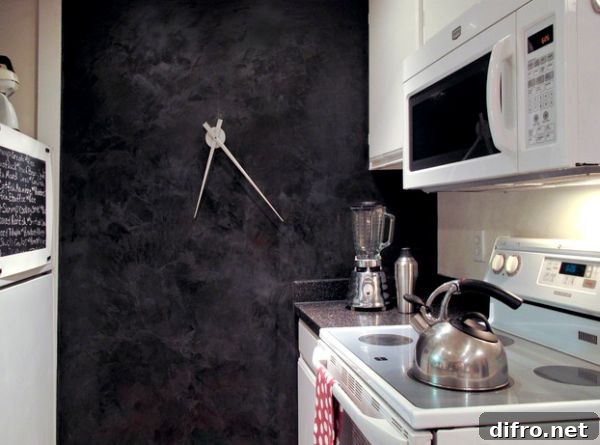
by XOJY
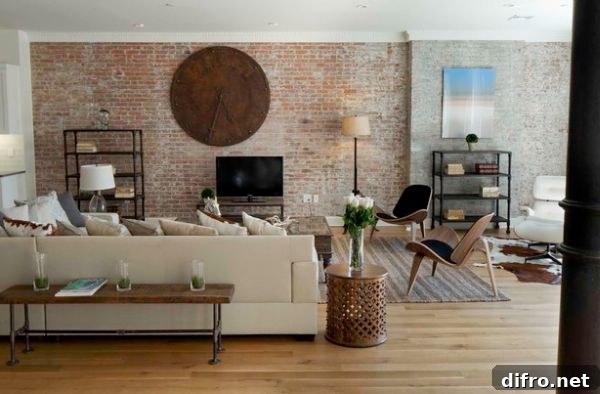
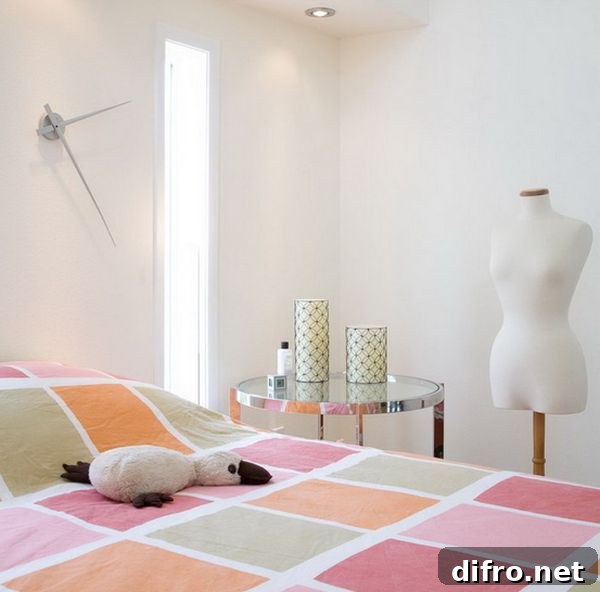
by KuDa Photography
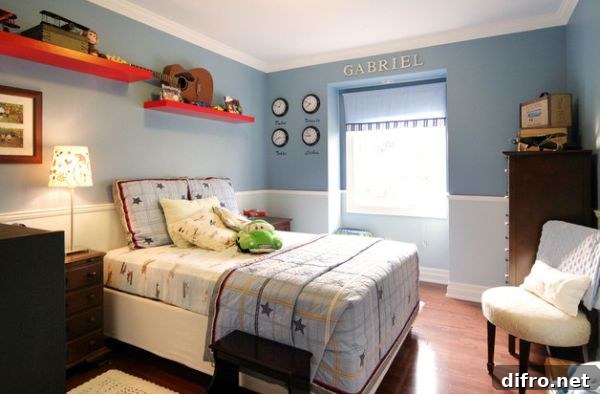
by Capelo Design
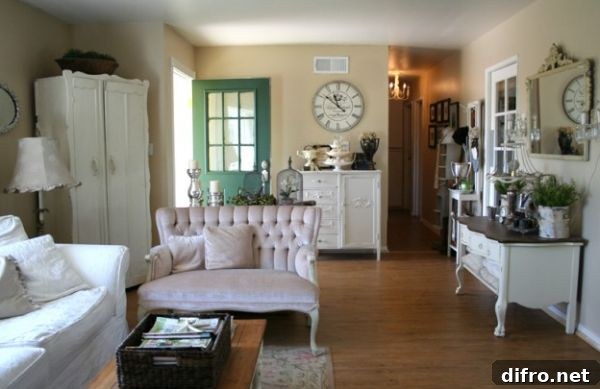
by The Old Painted Cottage
A Hint of Lively Color
Clocks are also an easy way to introduce accent color. A bold clock face or frame against neutral walls adds energy without overwhelming the space. Mid-century pieces like George Nelson’s sunburst or ball clocks are ideal for injecting playful color and sculptural form. A colorful clock can sit comfortably beside framed photos, art, or shelving, filling a small void and tying the room’s palette together.
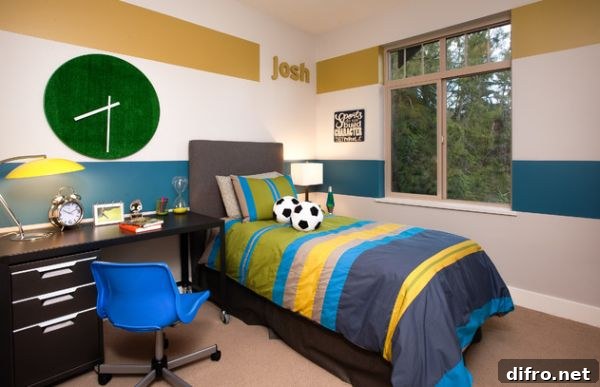
by i3 design group
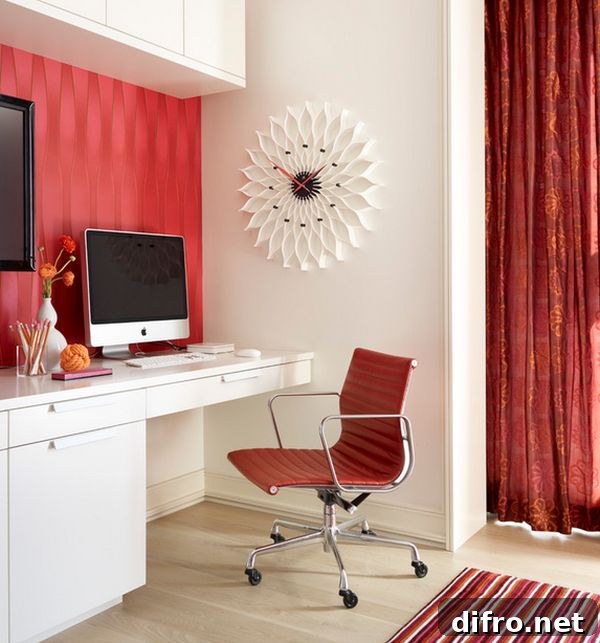
by Jessica Lagrange
Wall clocks remain a simple, effective way to articulate a room’s style. Choose a piece that echoes your home’s theme—vintage, modern, minimalist or eclectic—and let it enhance the visual story. Sometimes it takes looking beyond a smartphone or laptop to rediscover the timeless charm a wall clock brings to a room.
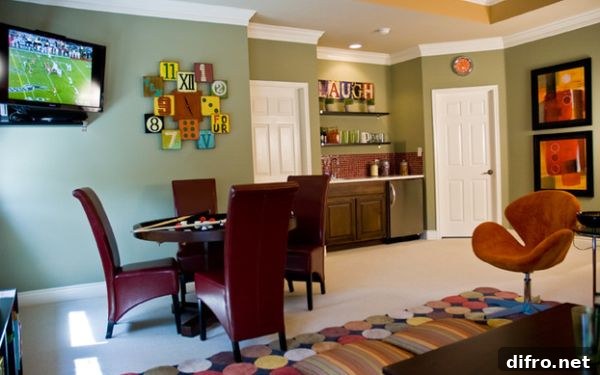
by Adentro Designs
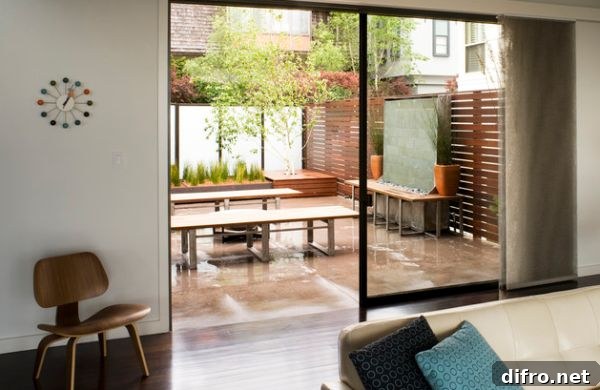
by John Lum Architecture
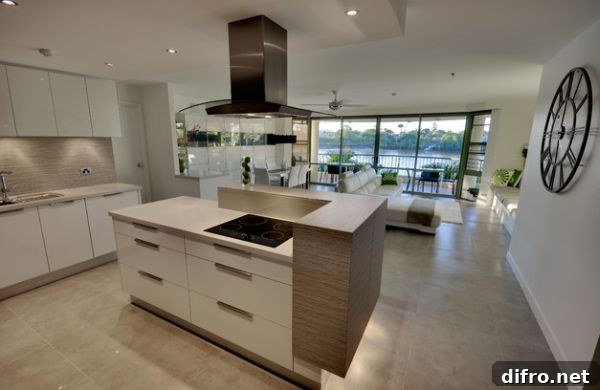
by Sublime Architectural Interiors
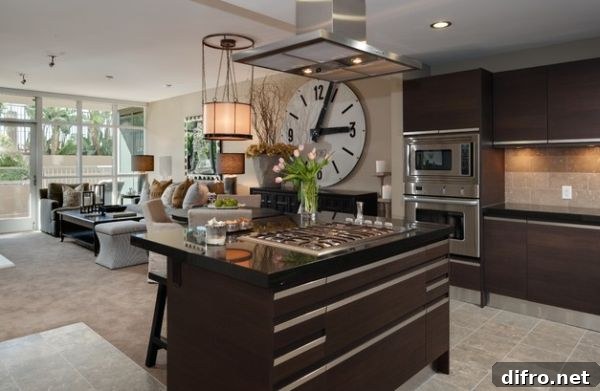
by JillThomson Design
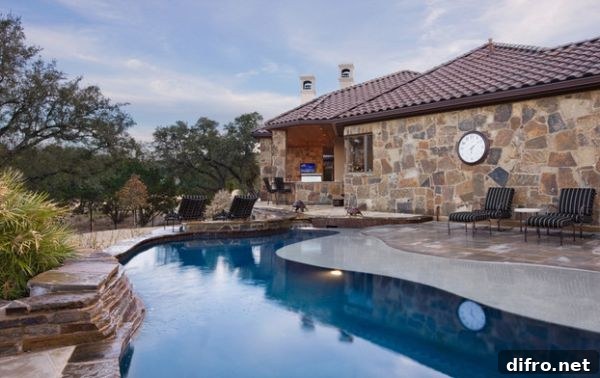
by Sterling Custom Homes