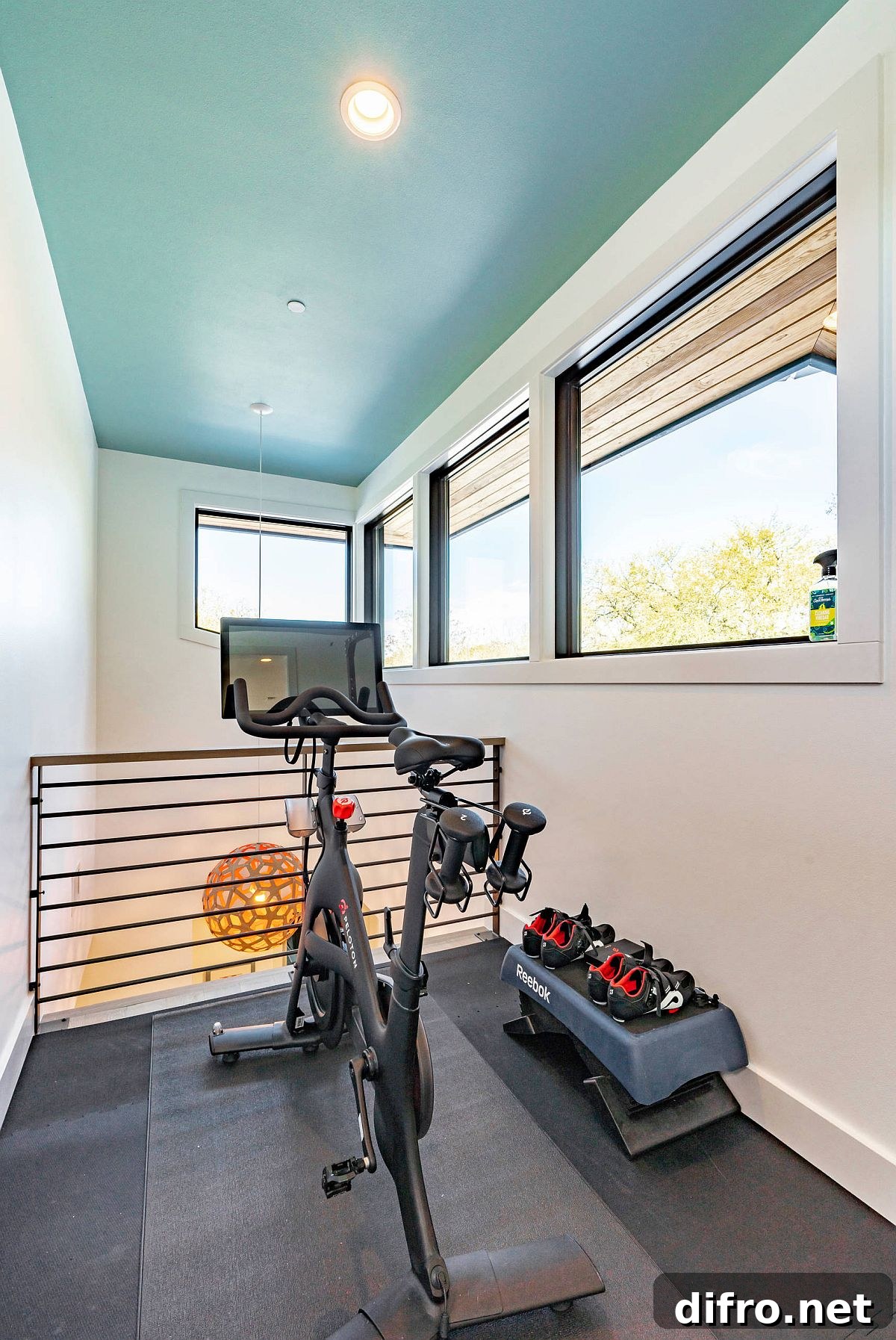
You might be stuck indoors, but that is no reason to let your fitness goals slide. Spending long stretches at home can lead to weight gain and lower energy levels if you become inactive. A compact, well-planned home gym or workout corner makes it easy to keep moving, stay healthy, and maintain routine—without a gym membership or a big expense. Even the smallest apartments often have a nook or unused area that can be converted into an effective exercise space.
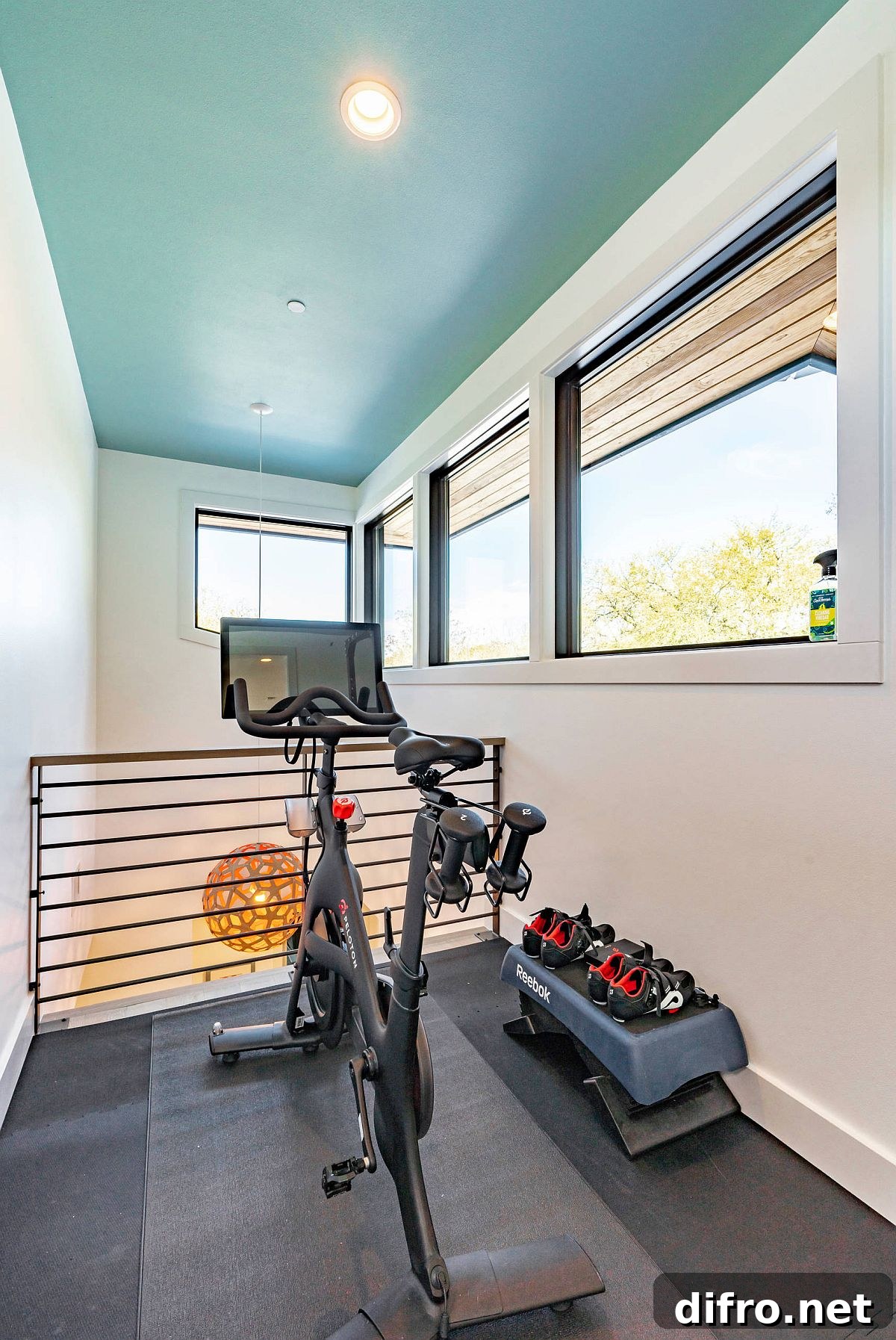
Small home gyms look different for everyone, but a few core ideas apply to every space. You can design a practical workout area using what you already own, or with a few inexpensive purchases from local stores. Whether you prefer a full setup with machines and weights, or a minimalist mat-and-resistance-band arrangement for yoga and mobility work, thoughtful planning will help you create a comfortable, functional place to exercise at home. Below are smart, practical suggestions to guide your setup so you can stay safe, active, and motivated indoors.
1. When Size Does Not Matter
Contrary to what many think, you don’t need a large room to get an effective workout. A few square meters are enough for a complete routine if you choose the right moves and compact equipment. High-intensity interval training (HIIT), bodyweight circuits, yoga flows, and resistance band sessions all require minimal space. Look for small nooks—along a hallway, next to the kitchen, or in your home office—that can be cleared temporarily for exercise. Folding mats, compact dumbbells, and wall hooks let you keep the area tidy between sessions.
2. Smart Storage and Tidiness
Flexible storage transforms multi-use rooms into workout zones without clutter. Use an empty closet, under-bed boxes, or a slim cabinet to store equipment when not in use. Rollaway treadmills and compact exercise bikes free up floor space, while baskets or bins hold towels, resistance bands, and small accessories. A wall-mounted rack or pegboard keeps items organized and accessible. Keeping your workout area tidy reduces friction and makes it easier to stick to a daily routine.
3. Motivation: A View, a Mirror or a TV
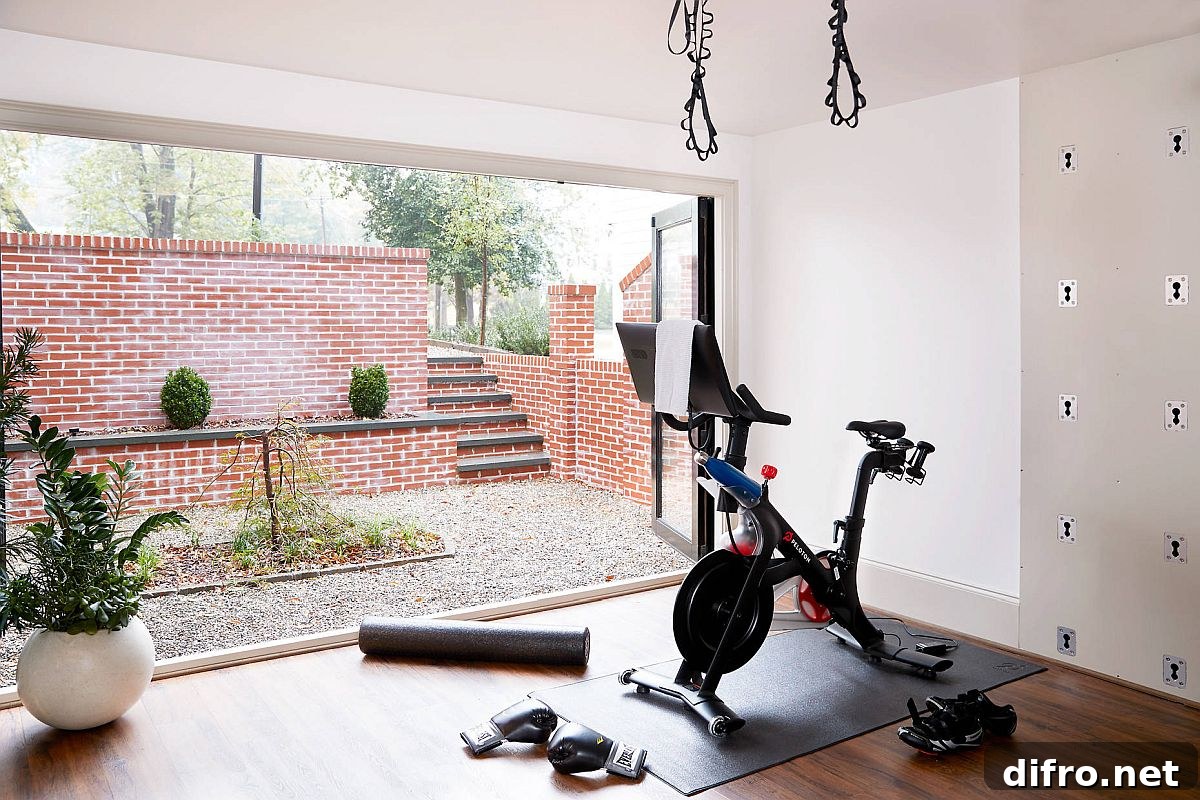
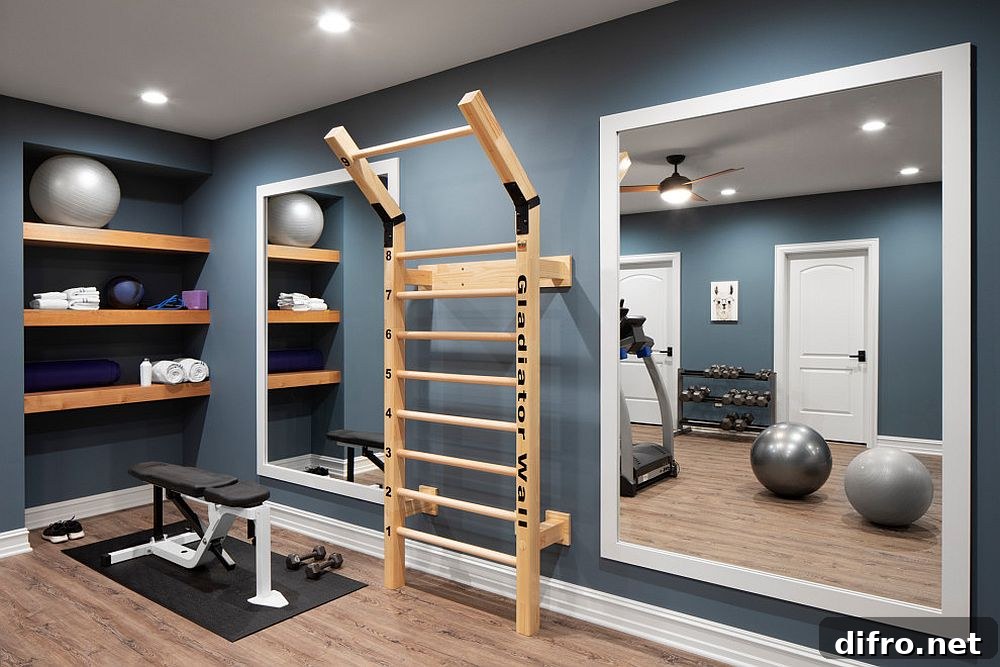
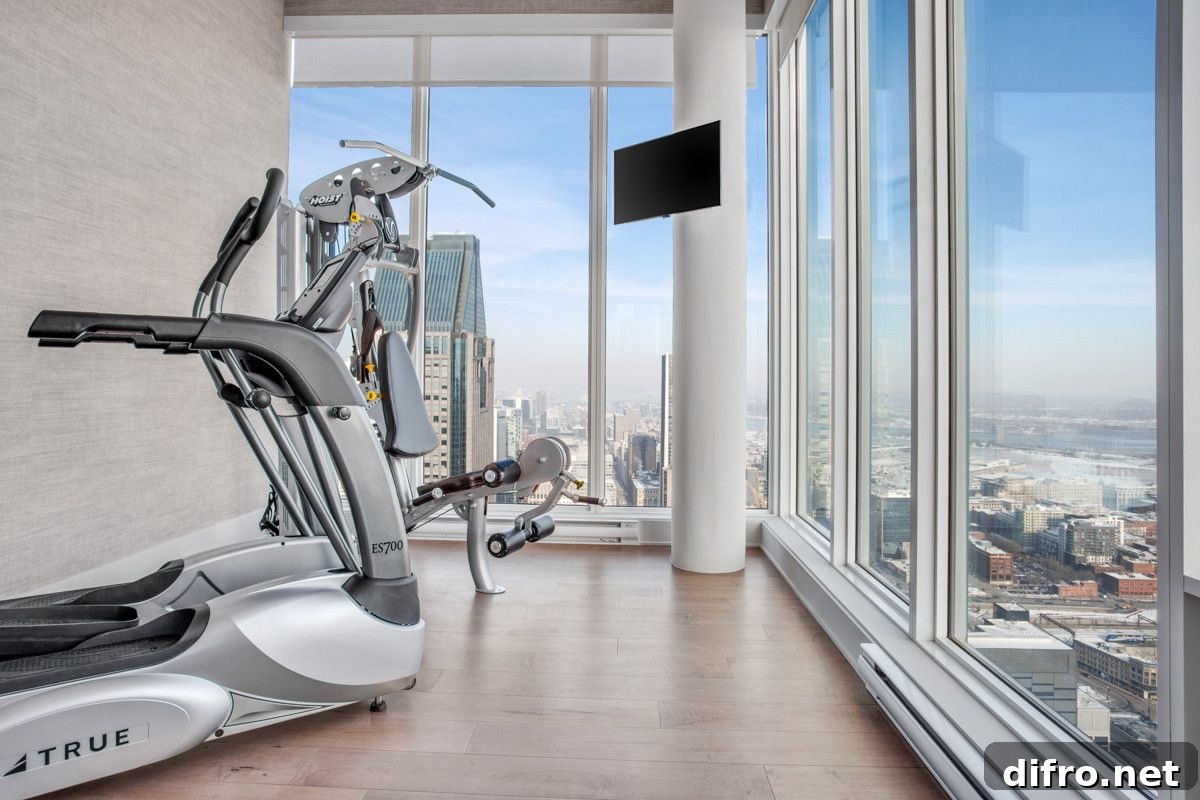
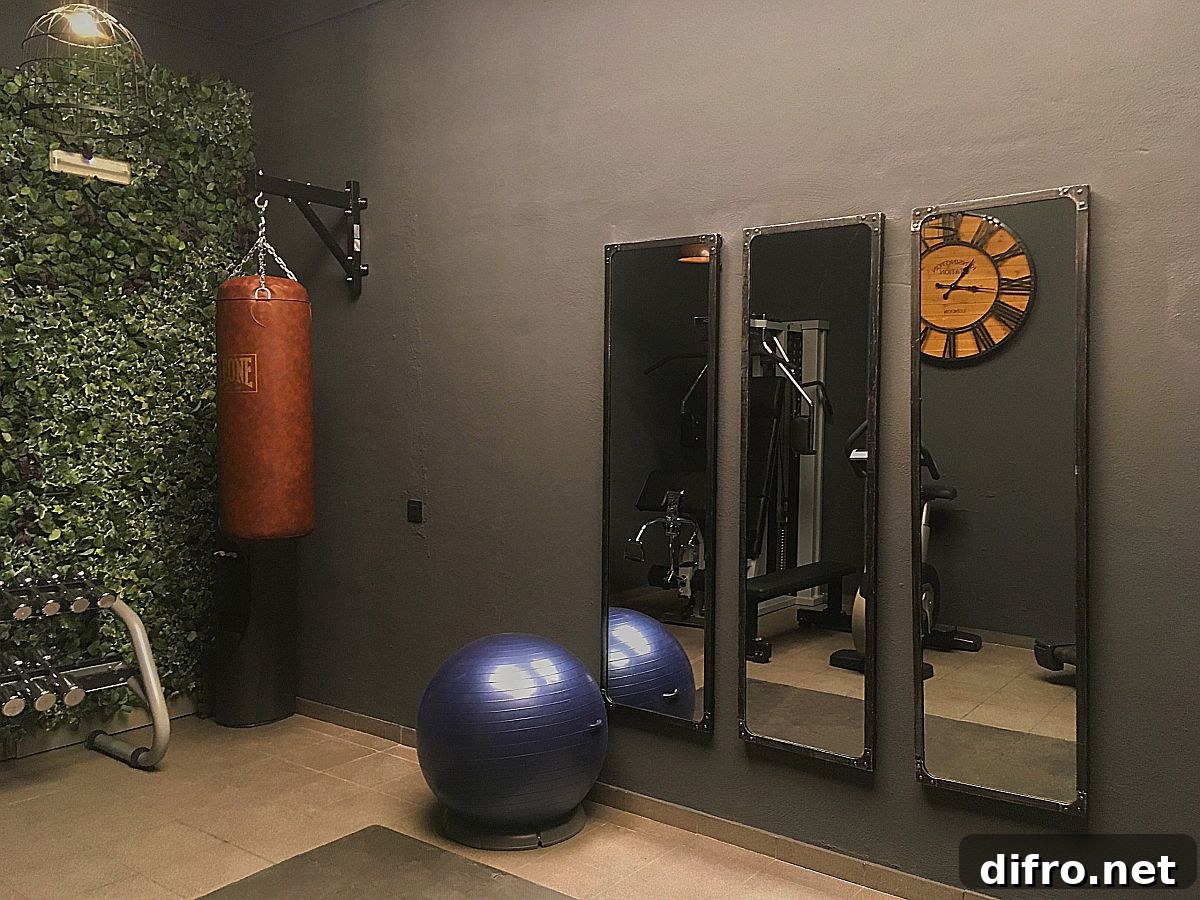
Motivation matters. If your workout corner has a pleasant view, natural light, or fresh air, you’ll be more likely to use it frequently. If that’s not possible, add entertainment—a TV, tablet, or wall mirror—to keep workouts engaging. A mirror not only motivates but helps you check form during strength training. For longer cardio sessions, streaming a show or following a guided class makes time pass faster and keeps you consistent.
4. Combine Recreation and Fitness
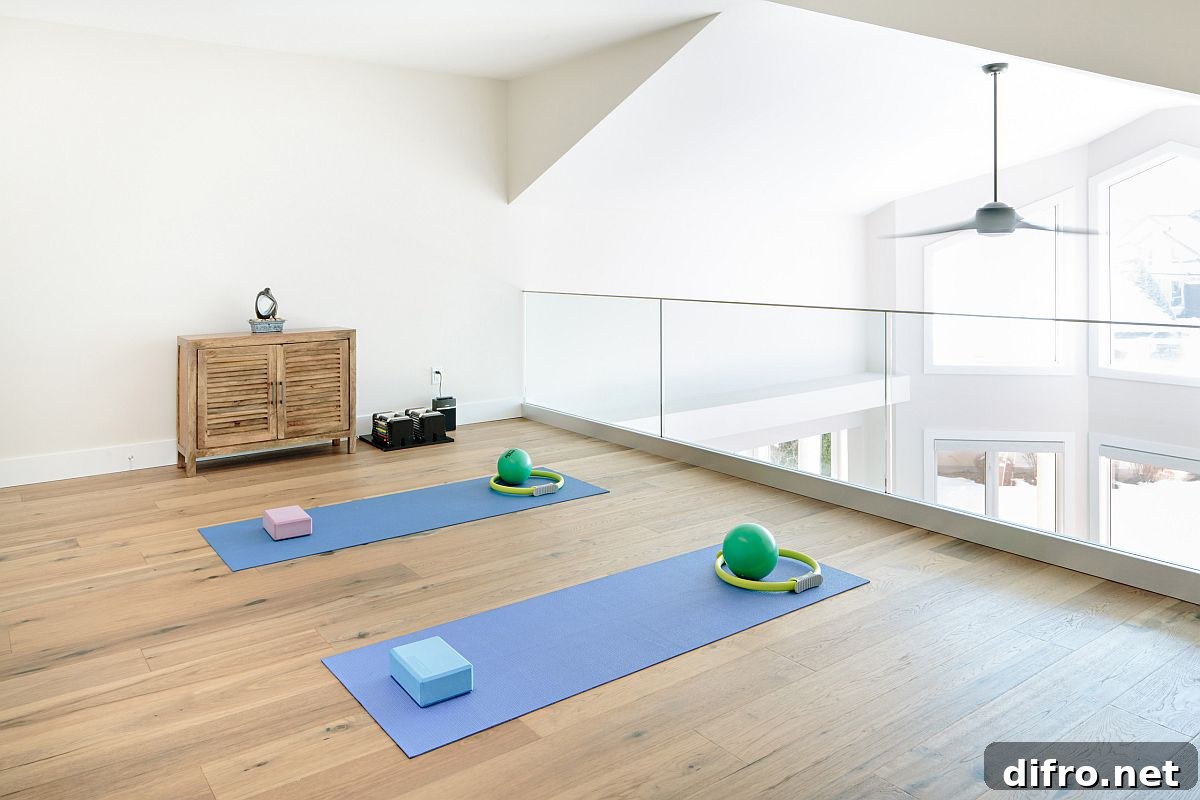
Attics, basements, or converted family rooms offer privacy and sound isolation, making them ideal for louder workouts and music. These spaces can be blended with a recreation area—games, a TV lounge, or a play space—so the home supports both fitness and leisure. If you have more floor area, consider designating separate zones for cardio, strength training, and stretching. Multi-purpose furniture and clever zoning help balance both uses without sacrificing comfort.
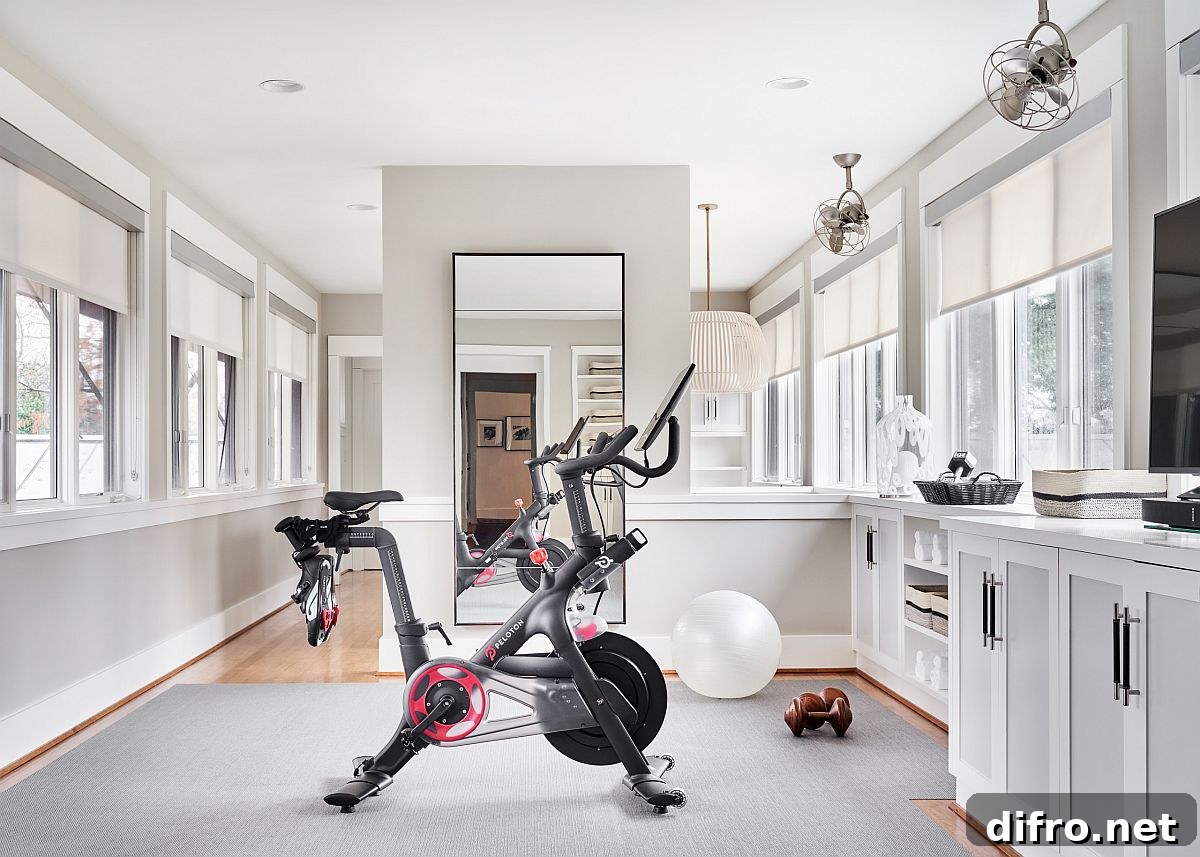
5. Essential Equipment for a Home Workout
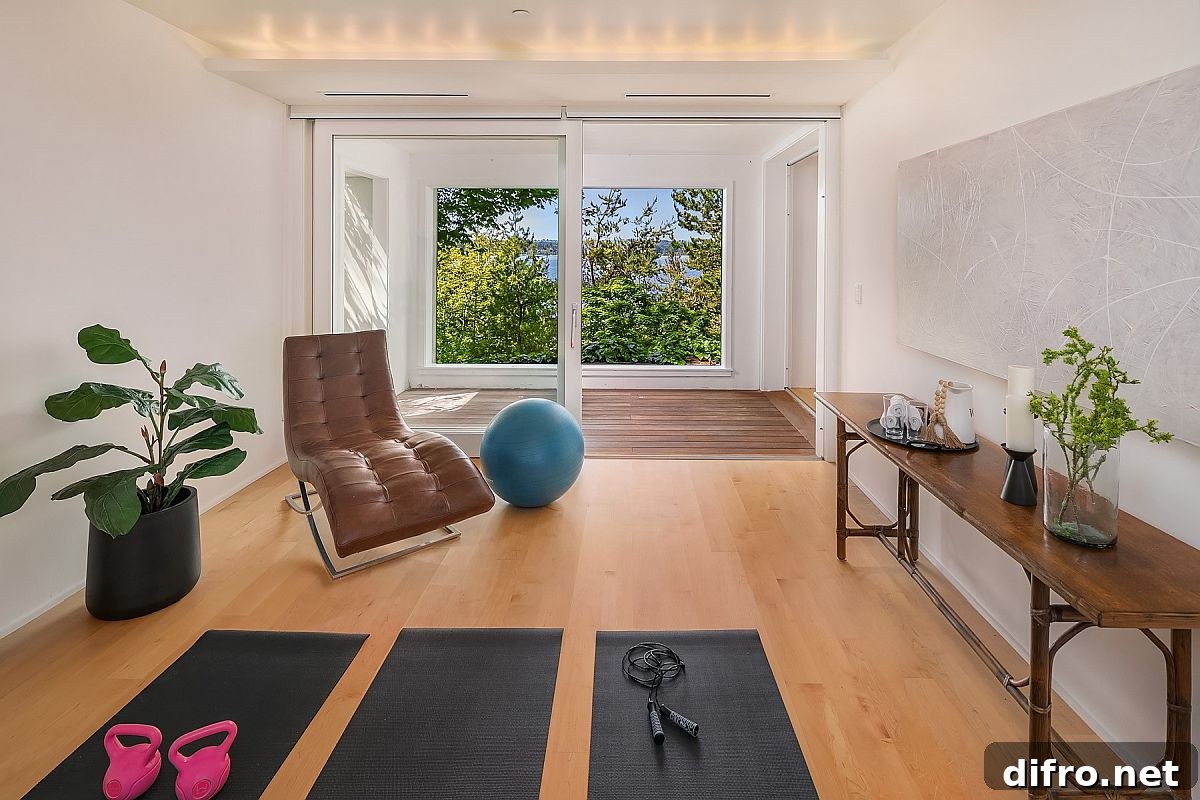
Everyone’s routine is different, but planning for flexibility helps. Keep a few basics ready: a quality exercise mat, a set of adjustable dumbbells or kettlebells, resistance bands, and a foam roller. If space allows, add a compact cardio machine—like a foldable treadmill or upright stationary bike—or a multi-functional bench. These items let two or three people train together when needed. Remember that simple tools often deliver the best value: resistance bands and bodyweight training can provide a full-body workout without the footprint of large machines.
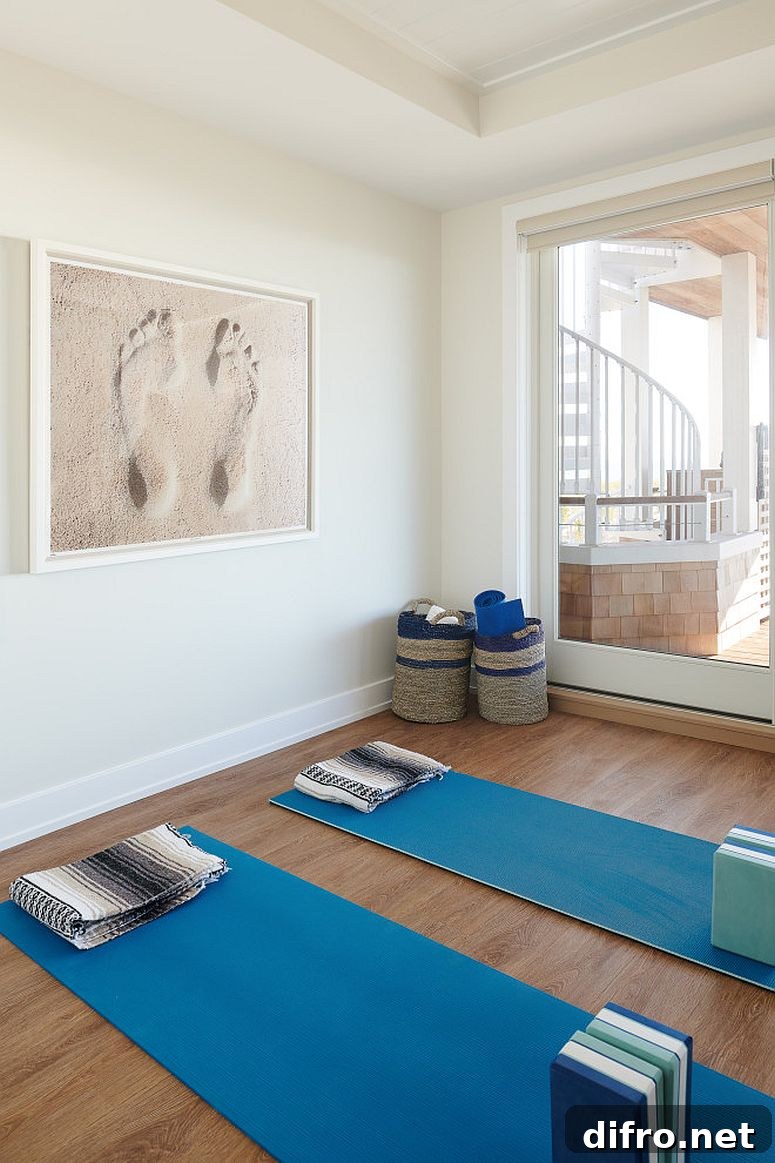
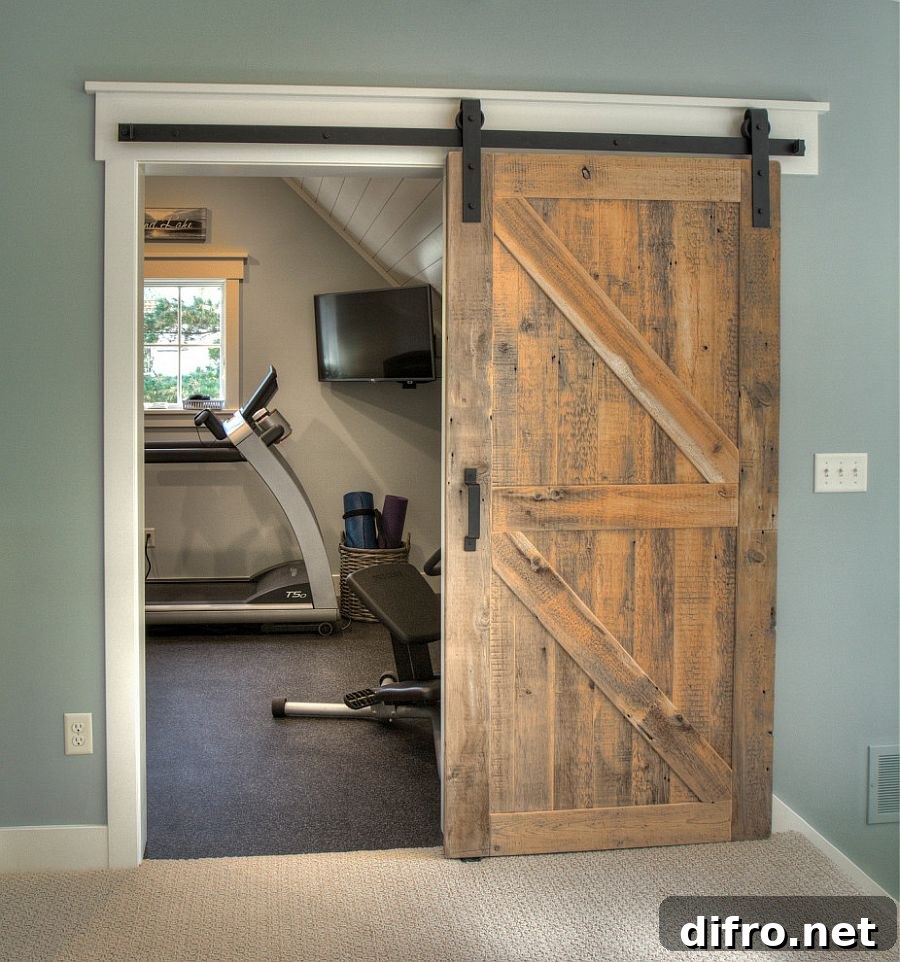
6. Lighting, Mirrors and Finishing Touches
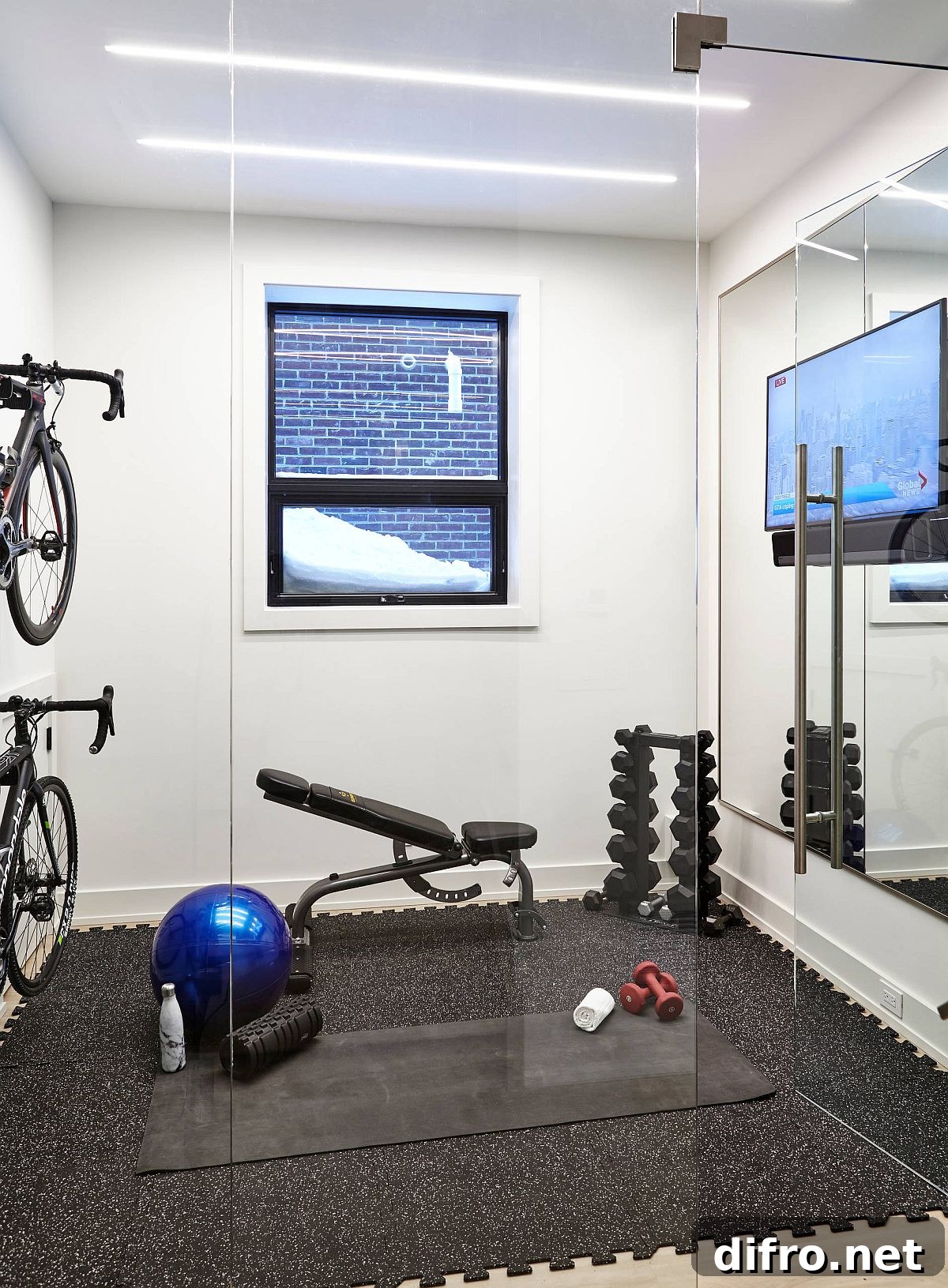
Good lighting and a mirror transform both the look and function of a small gym. Mirrors help you monitor form and make the space feel larger and brighter. Layer overhead lights with task lighting or natural light to reduce shadows and glare. For flooring, use non-slip mats, rubber tiles, or carpet tiles to protect your floor and reduce noise. Add simple comforts—a towel bin, a water station, and airflow from a fan or open window—to make workouts more pleasant and sustainable.
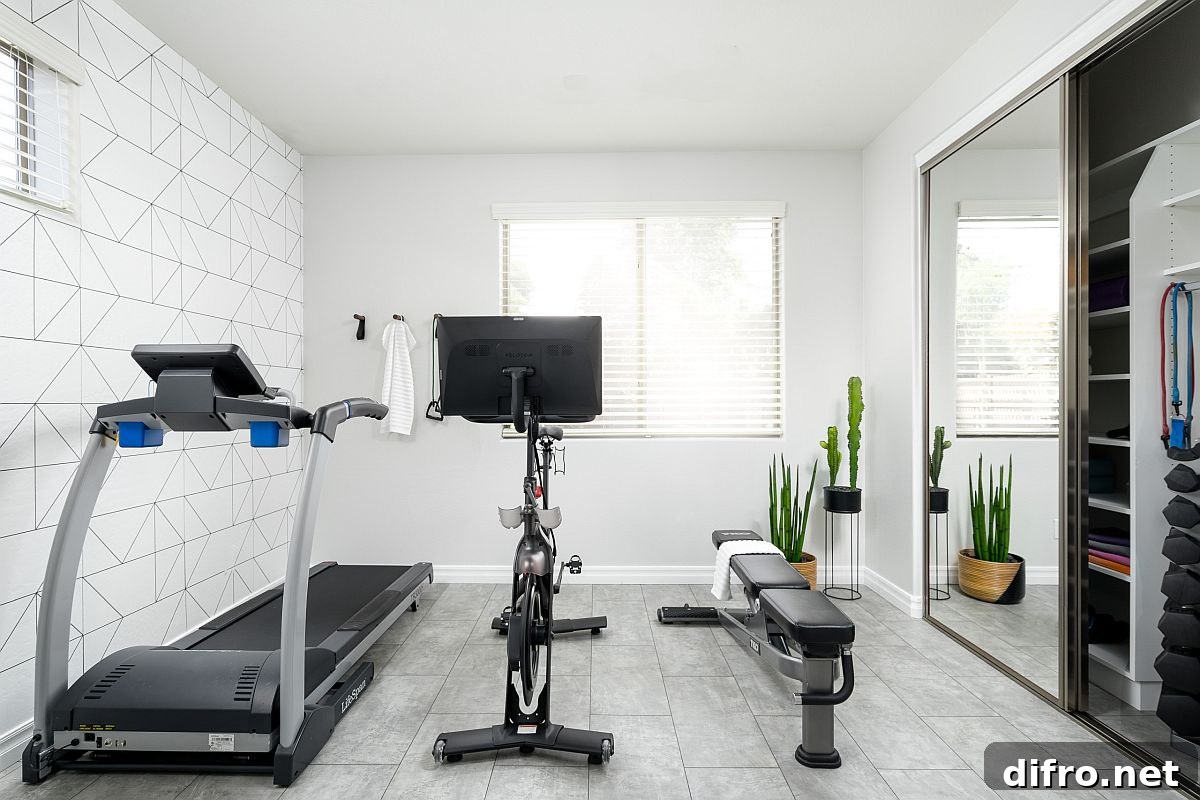
Creating a home gym is as much about habit as it is about design. Prioritize ease of use, storage, and atmosphere—then choose equipment that supports your preferred workouts. With the right setup, even a modest space can become an inviting, effective place to move, train, and recharge every day.