Designing and decorating a compact outdoor space requires a careful balance of style and practicality. Small areas demand smart planning so they feel open and comfortable without becoming cluttered. A small contemporary deck is especially effective because it naturally creates a sense of openness compared with indoor rooms, yet it still calls for deliberate choices. With the right approach, you can turn a modest deck into a stylish retreat for relaxing alone, entertaining friends, or enjoying family gatherings. Below are practical guidelines and inspirational ideas to help you plan a small contemporary deck for spring and summer.
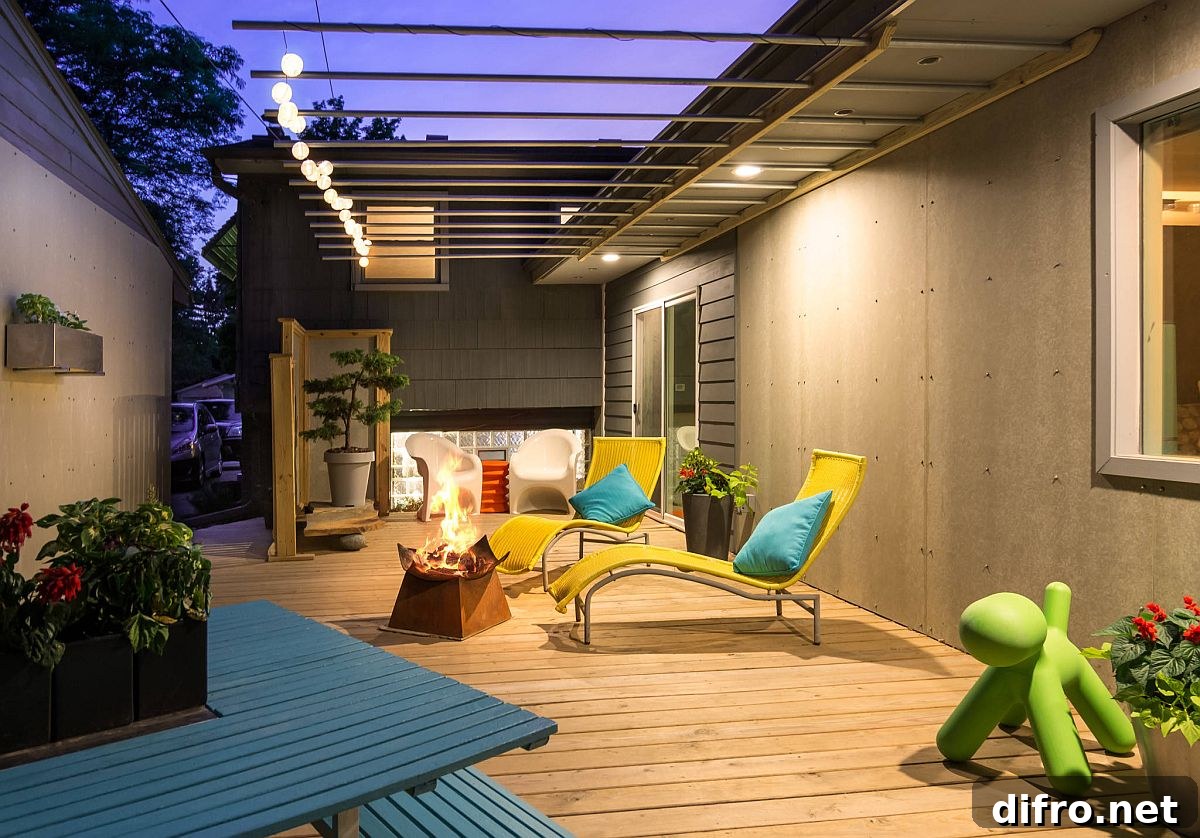
A small contemporary deck can become your favorite spot to unwind after a busy day or a welcoming place for intimate get-togethers. What counts as “small” varies, so these suggestions focus on compact outdoor areas where every square foot matters. Read on for simple ideas that maximize comfort and style while preserving function.
1. Make a Style Statement
Choose a clear aesthetic before you begin. A contemporary deck should feel like a polished extension of a modern home: clean lines, restrained materials, and cohesive finishes. If you prefer a contrasting look—tropical, rustic, or shabby chic—use design details to create that different mood while still keeping the overall layout efficient. Sticking to a single, well-defined style will help your small deck appear purposeful and thoughtfully designed.
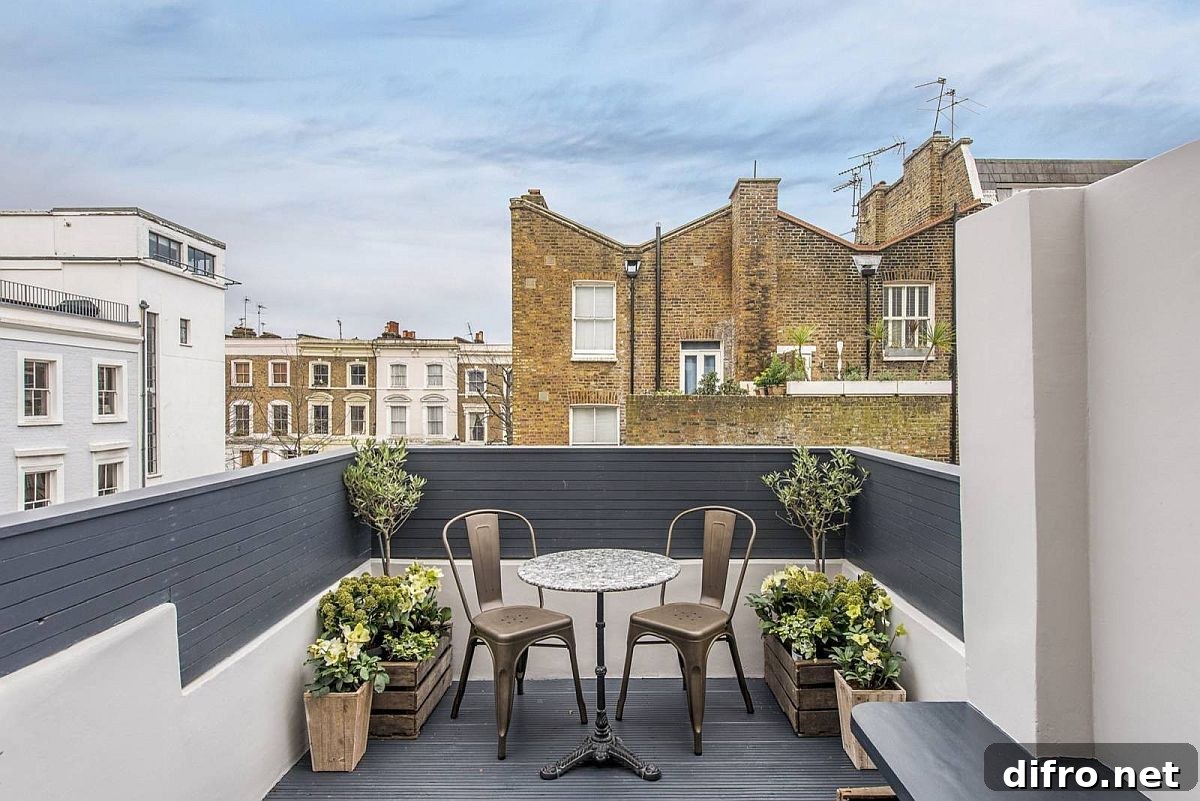
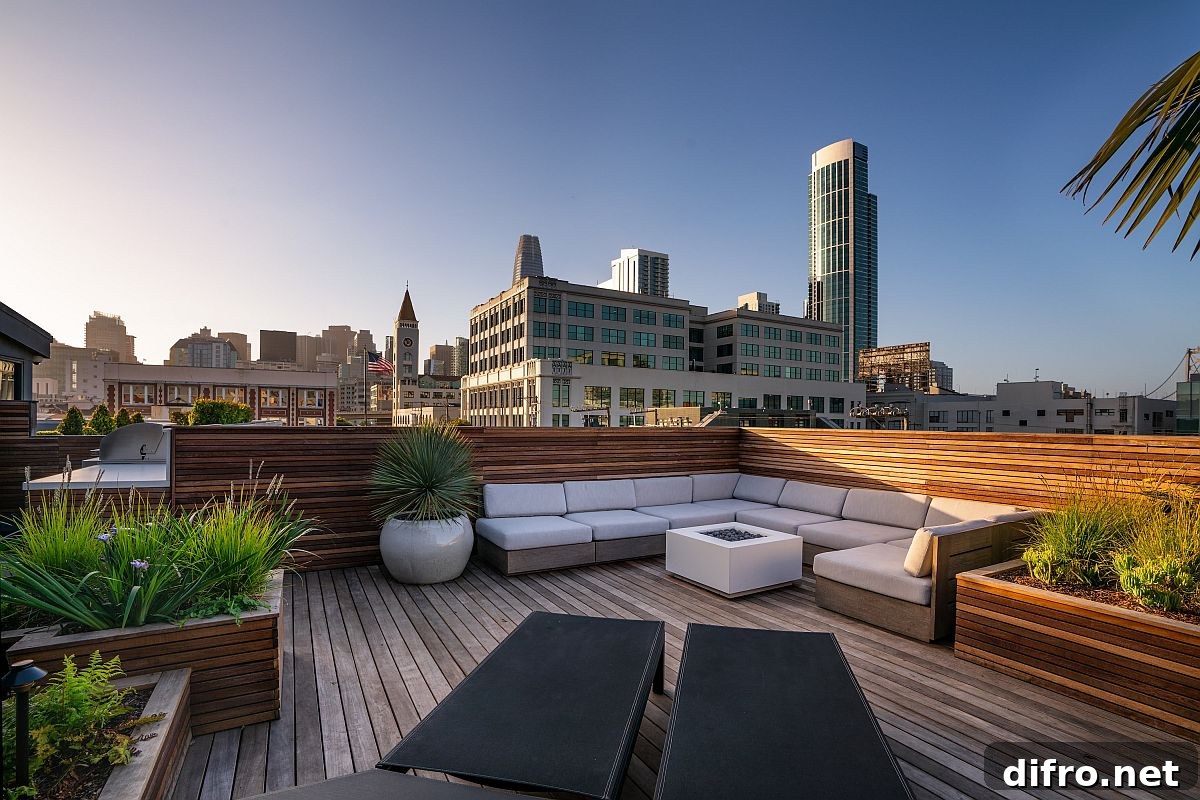
2. Define the Deck’s Function
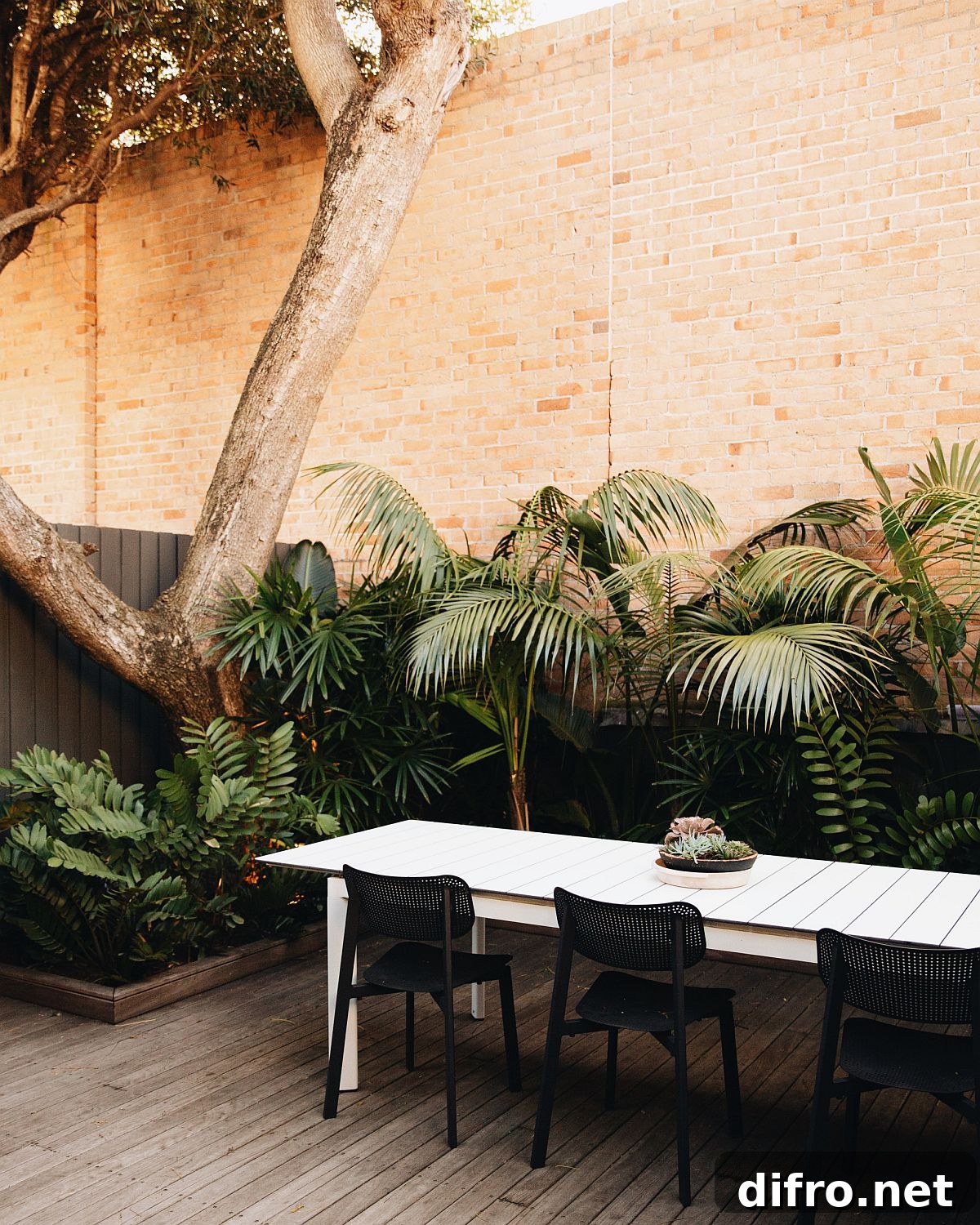
Before decorating, decide how you will use the deck. Is it a quiet retreat for one or two people, an alfresco dining spot, or a social area for guests? In a small space, multi-purpose pieces and careful planning are essential. Avoid overfilling the deck with furniture; instead, choose a few versatile items that serve multiple needs. For example, seating with built-in storage or foldable dining furniture saves space while increasing functionality.
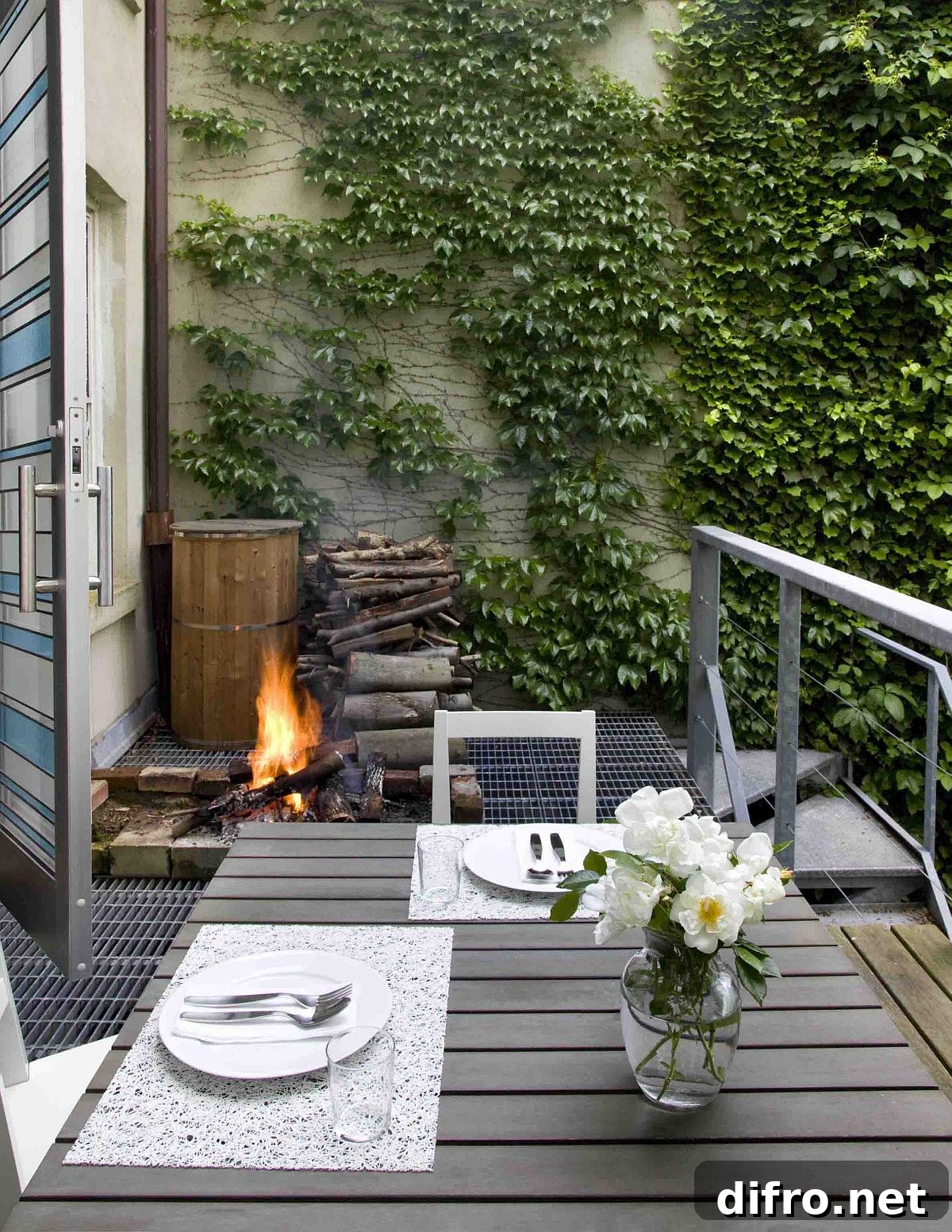
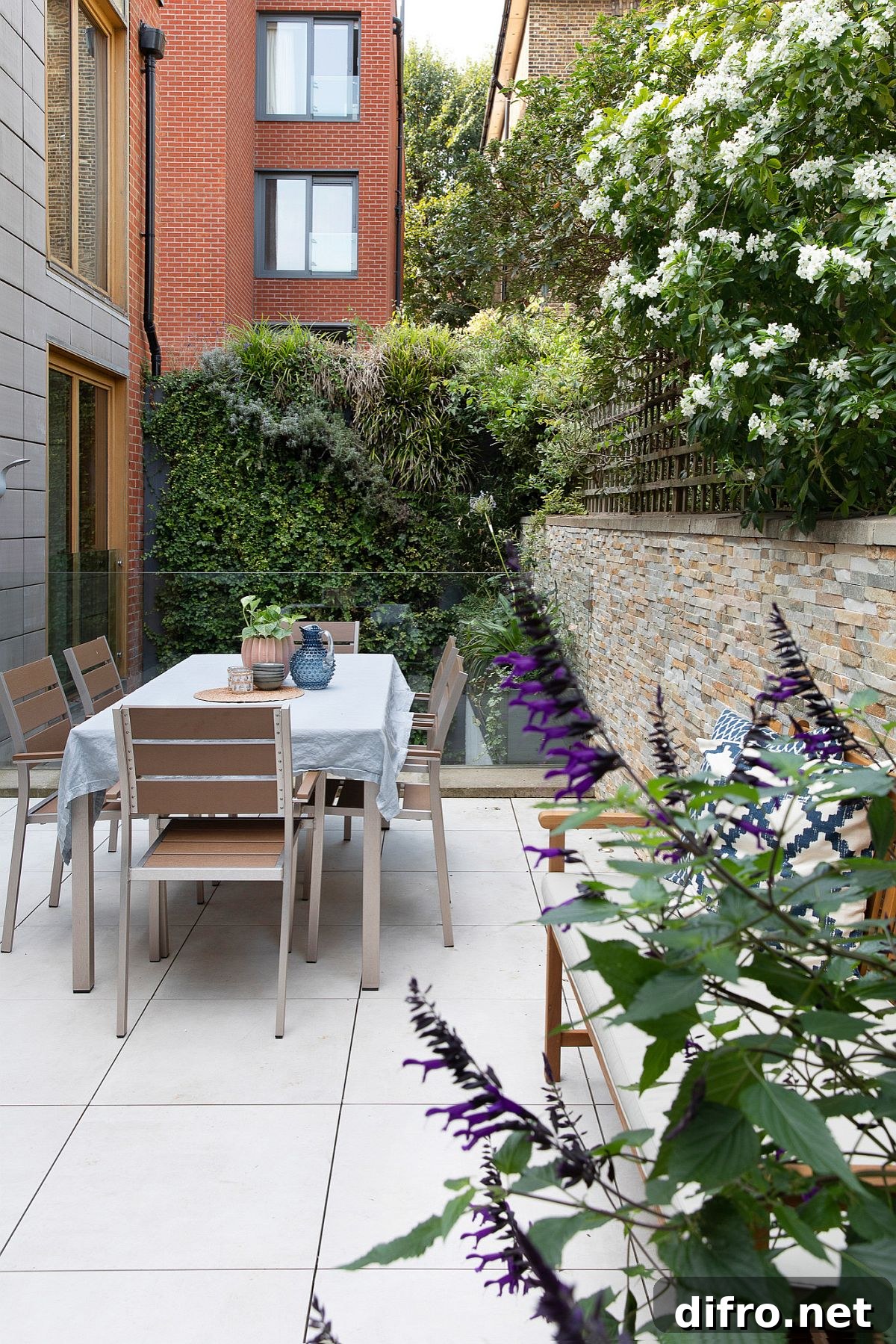
3. Choose the Best Location
Place the deck to take advantage of views, privacy, and seasonal sun patterns. Consider orientation: position seating to avoid harsh afternoon sun in summer while allowing morning or late-afternoon light during cooler months. If your house already provides an overhang or covered porch, you may not need a separate pergola or shade structure. Thoughtful placement enhances comfort and reduces the need for extra structures.
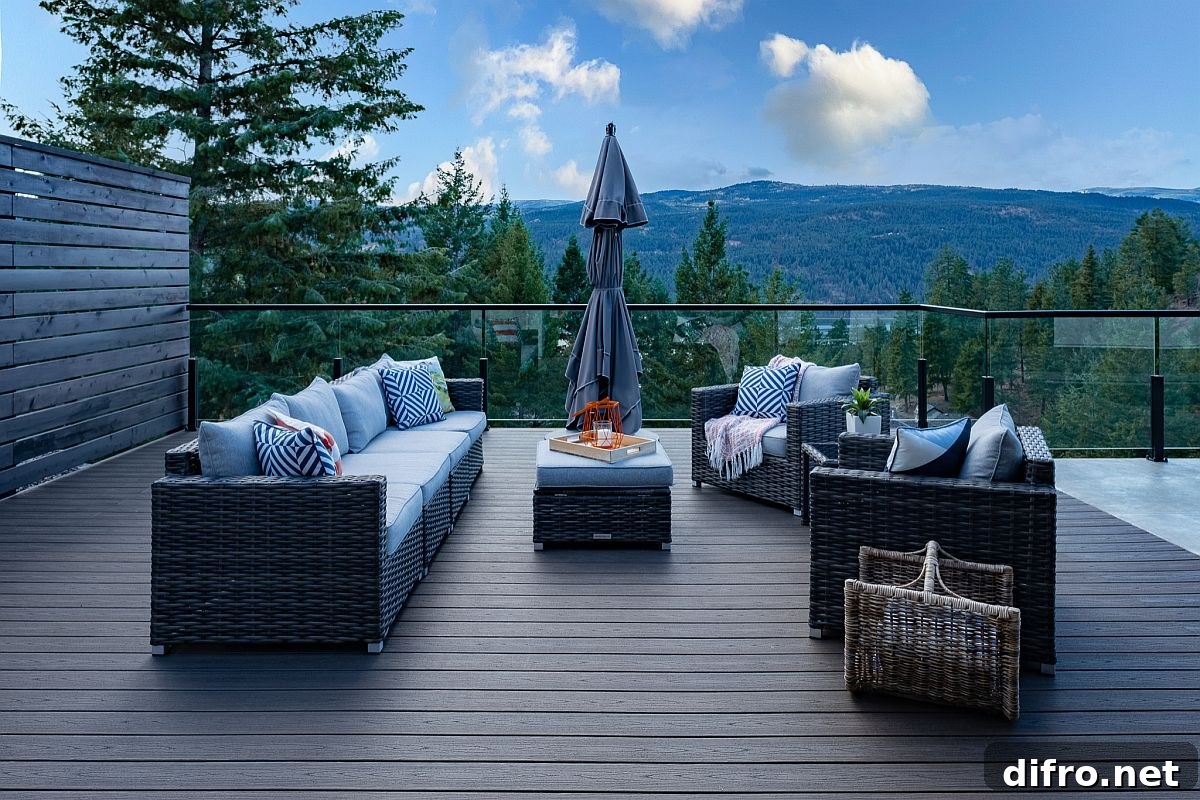
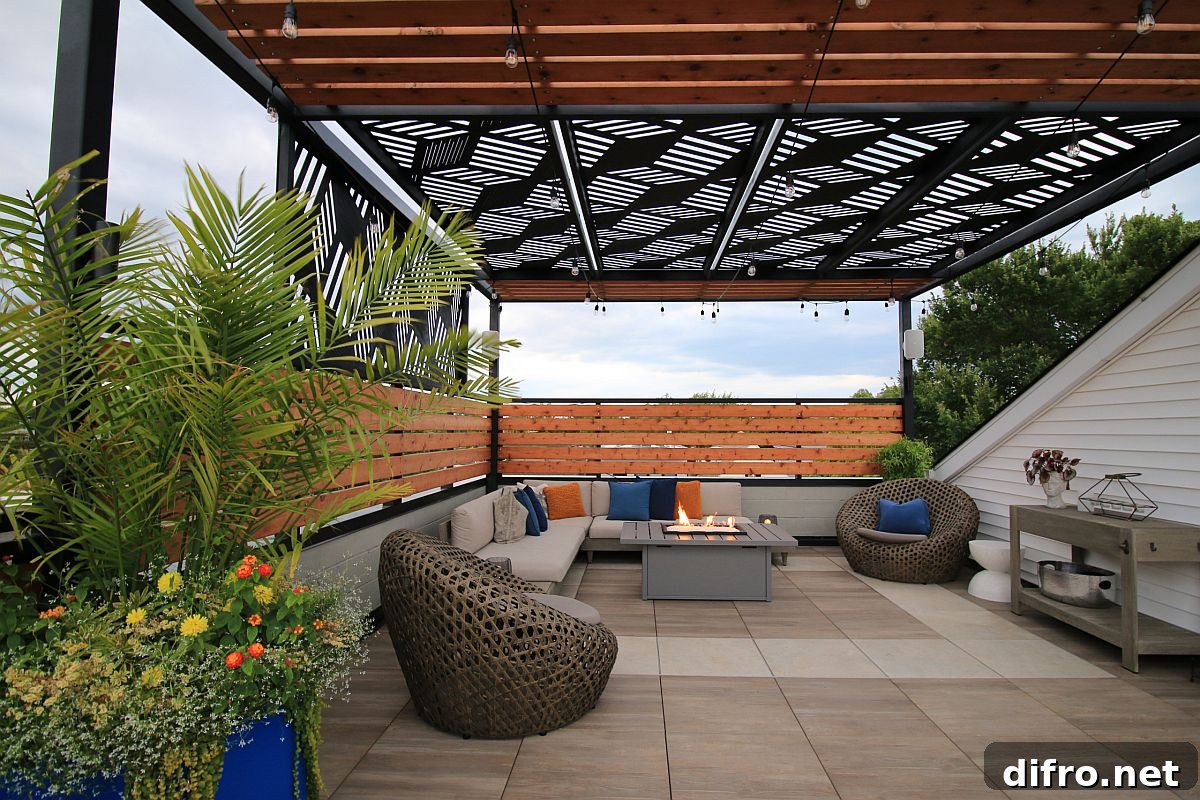
4. Seating: Comfort and Flexibility
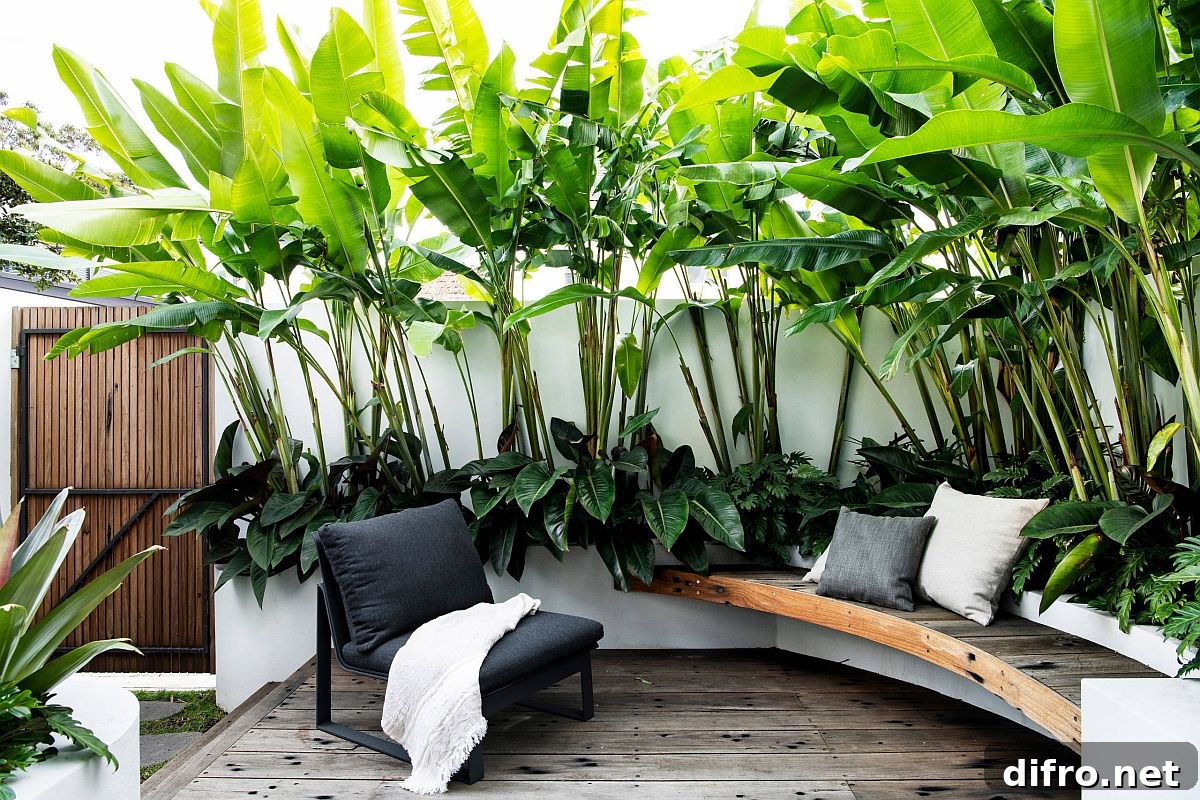
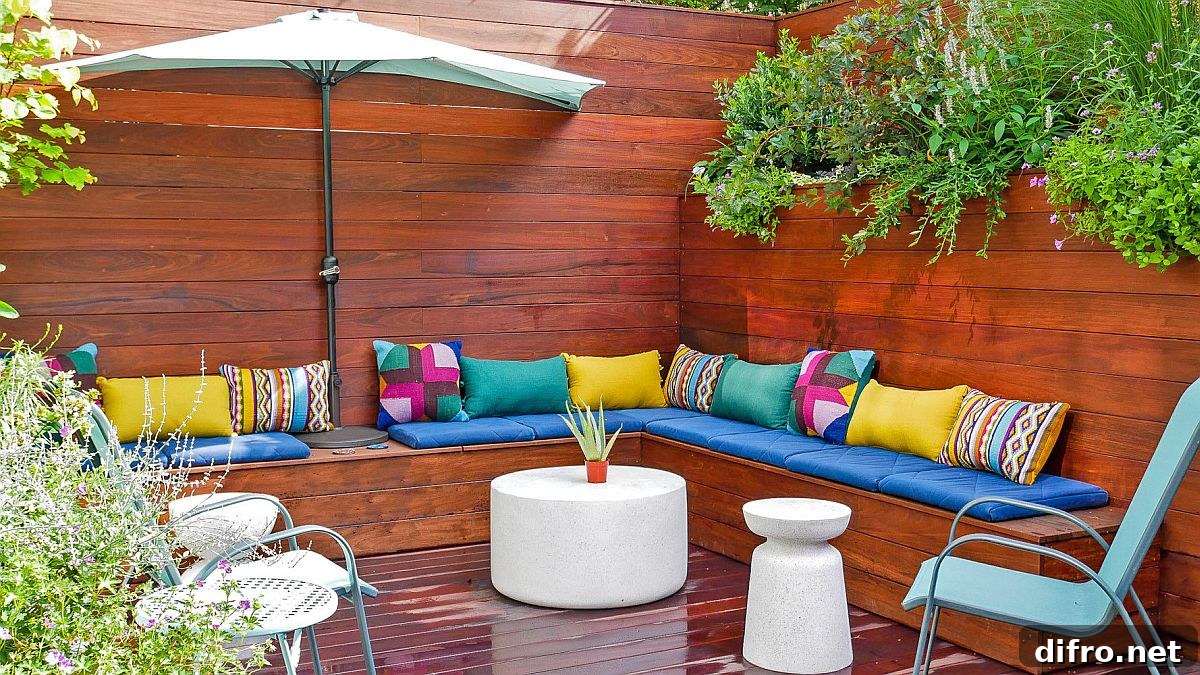
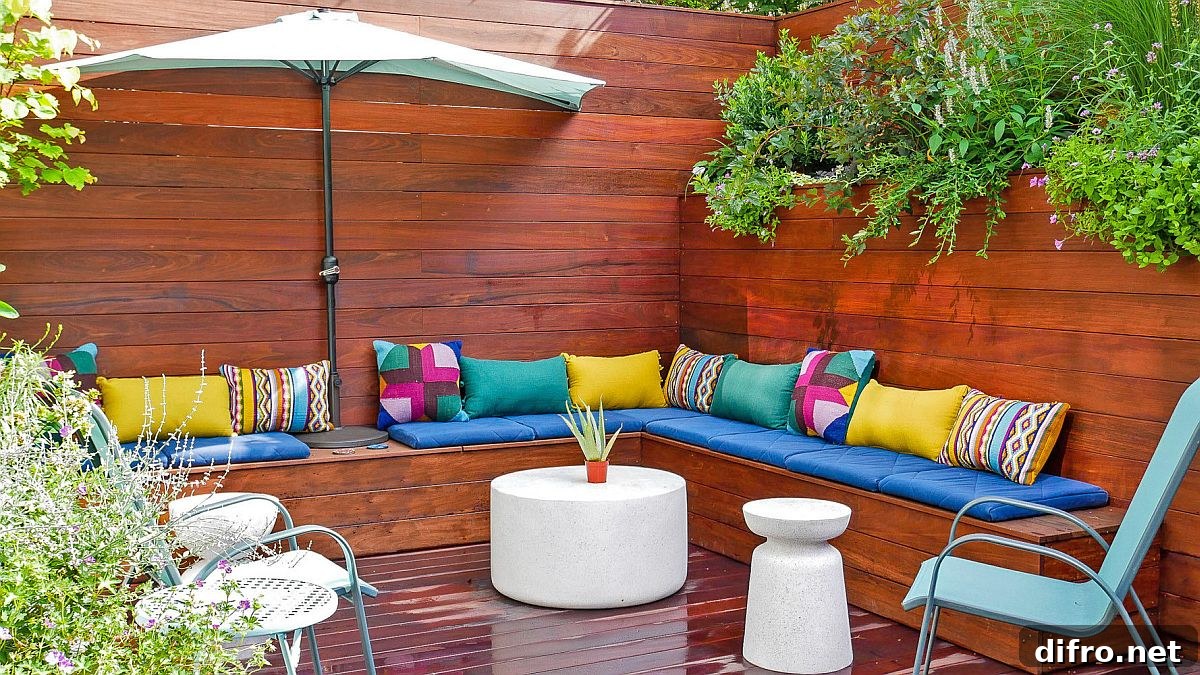
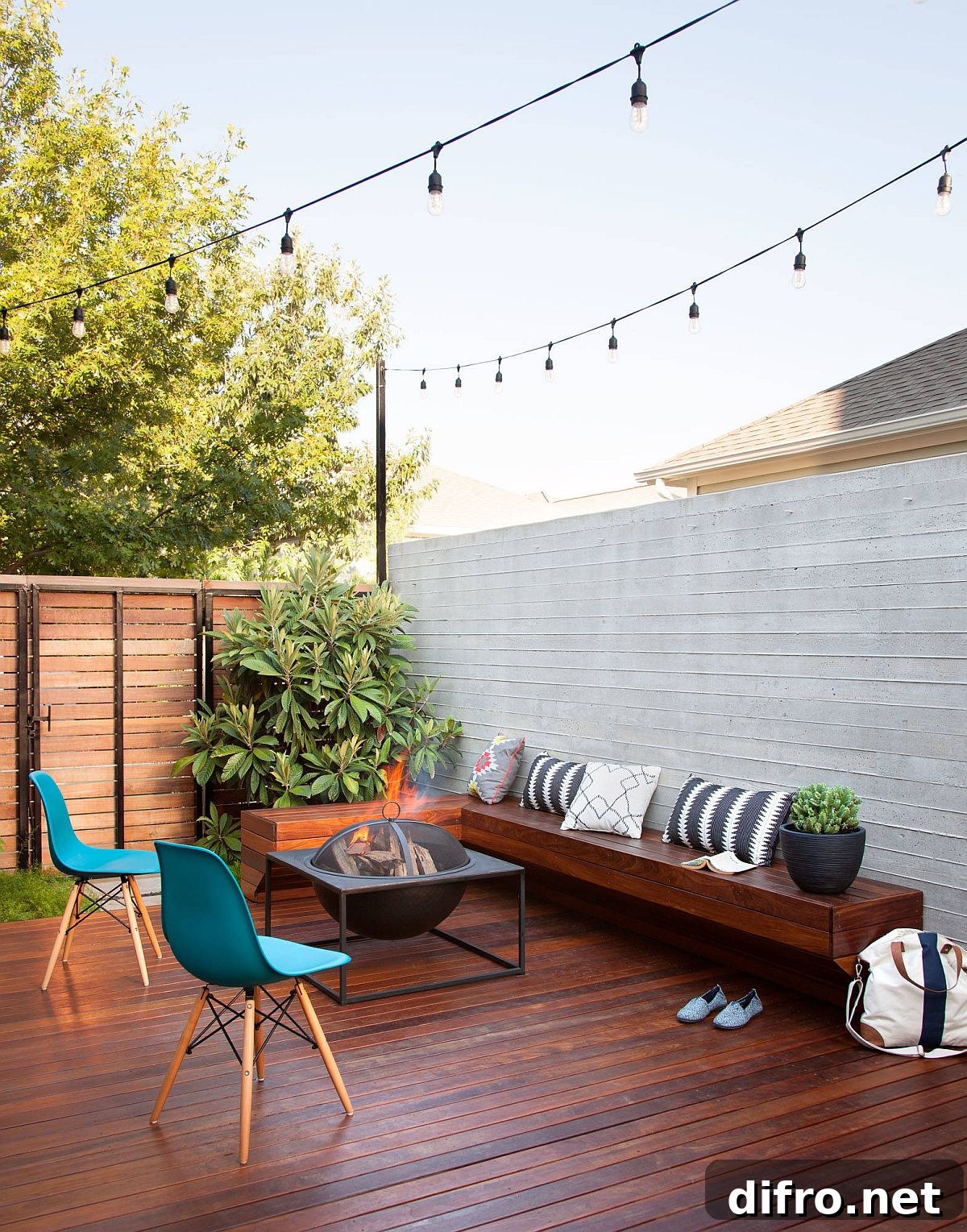
Seating is the core of any small deck. Start with one substantial piece—an outdoor loveseat or modular sofa—and add smaller chairs or stools as needed. Consider built-in benches to save floor space and incorporate storage beneath seats for cushions and accessories. Lightweight pieces like floor cushions, bean bags, or stackable chairs make it easy to reconfigure the space for dining or lounging. Pick weather-resistant fabrics and finishes to keep maintenance low.
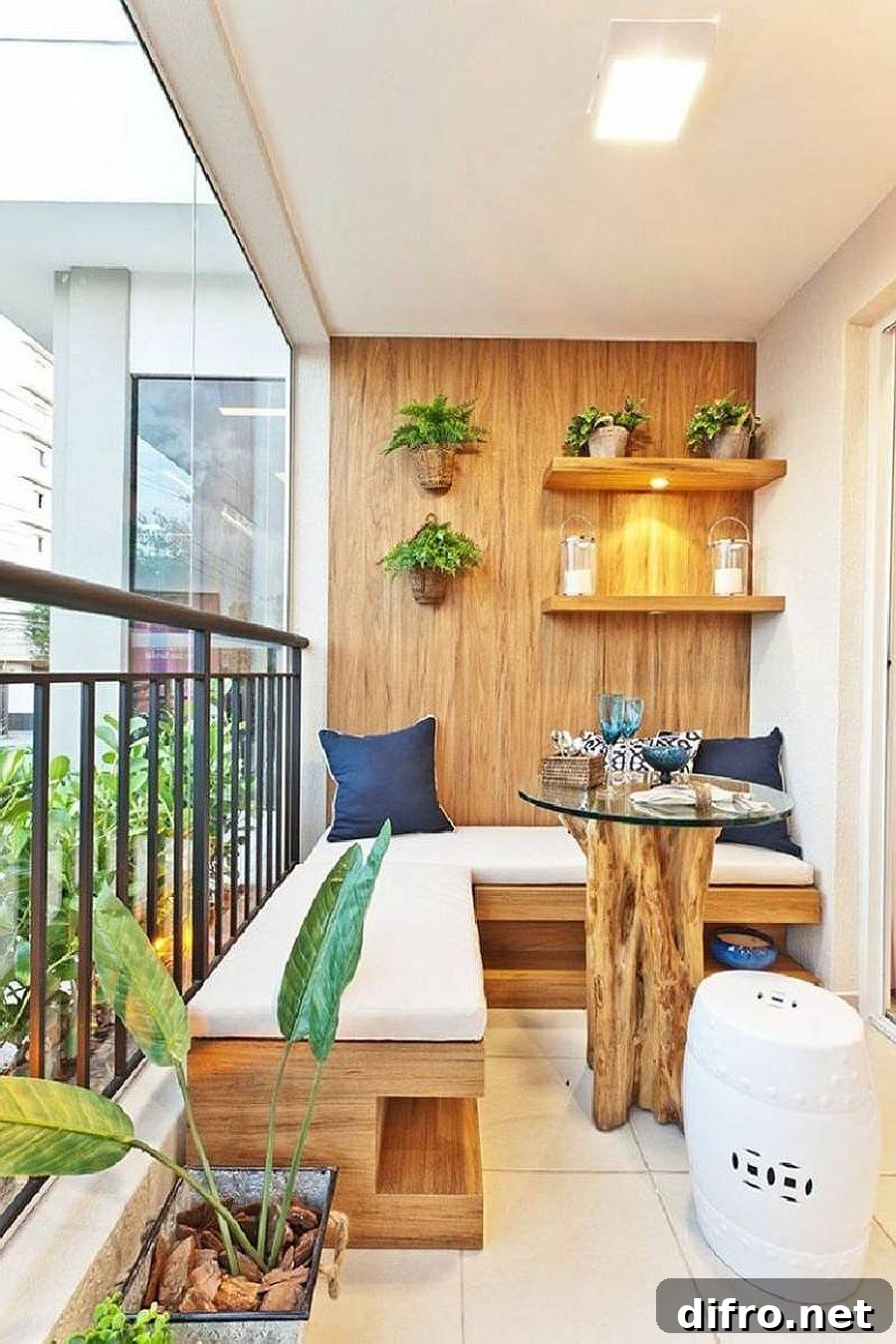
5. Connect to Adjacent Areas
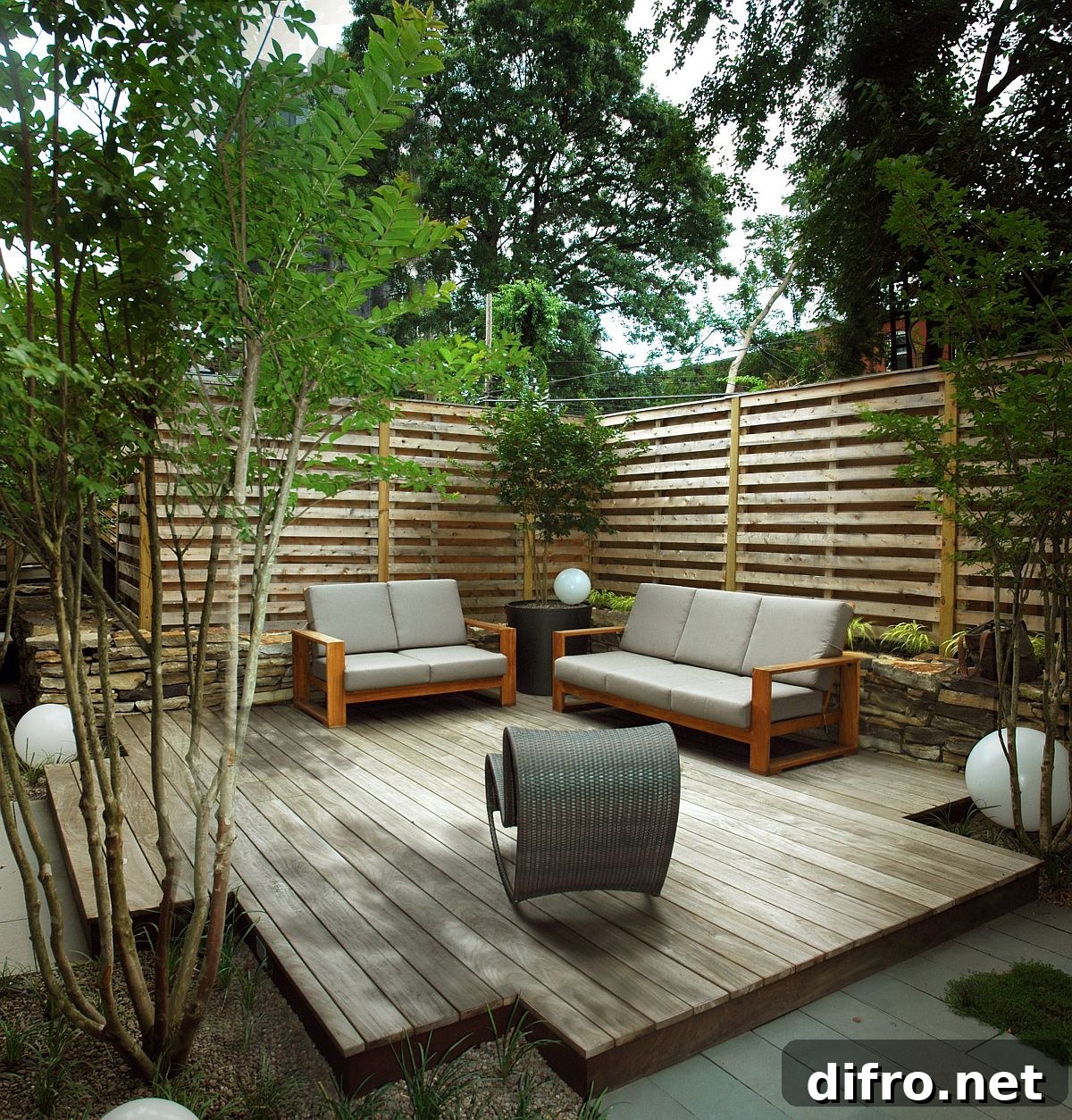
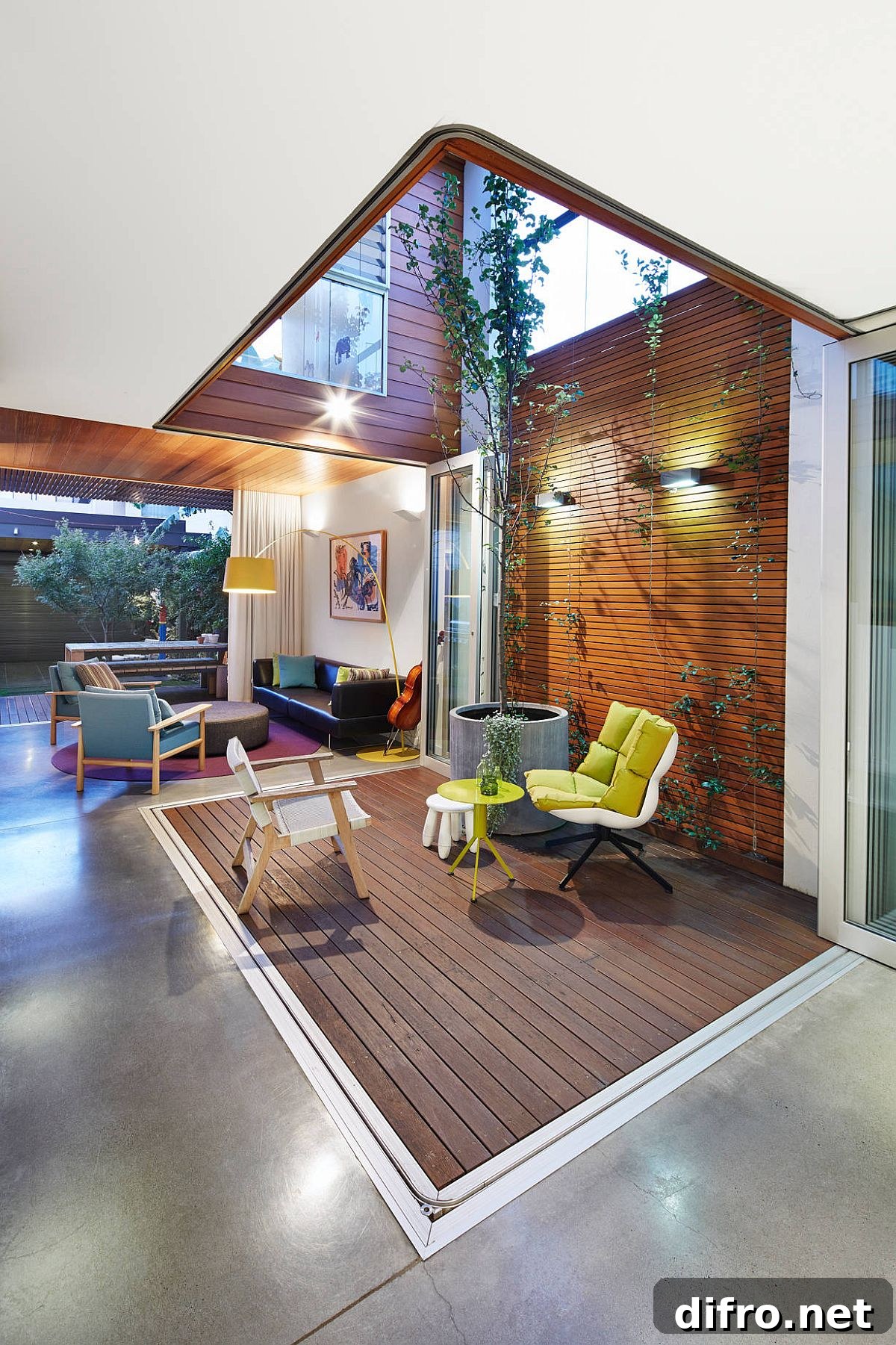
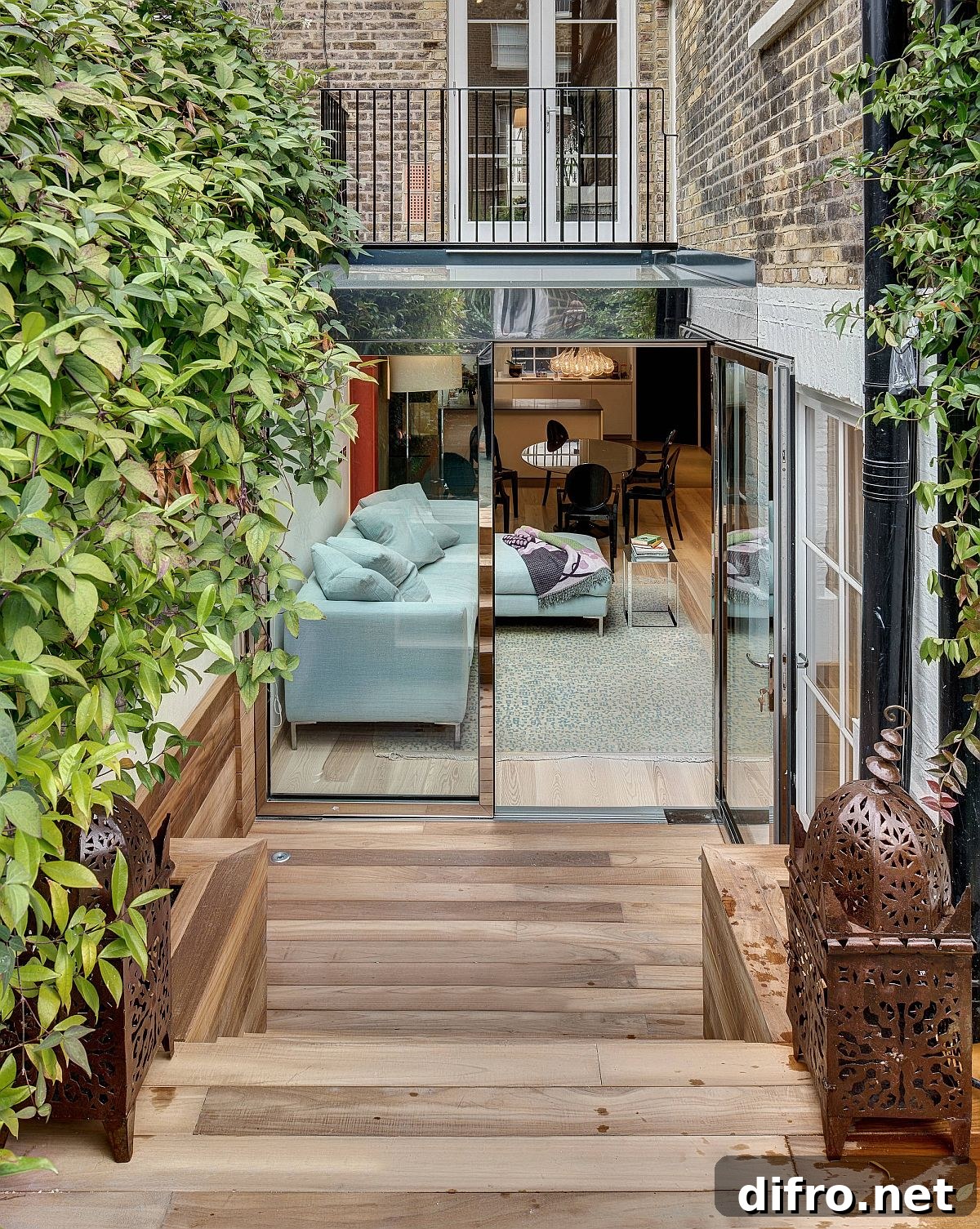
Use a small deck to bridge indoor spaces with a garden, pool, or yard. As a transitional zone, the deck should feel integrated with adjacent areas yet maintain its own identity. Design details like consistent decking materials, step levels, or a sunken seating area can define the deck while preserving visual flow. This makes the deck feel larger and more purposeful, especially in compact sites.
6. Lighting and Greenery
Lighting and plants complete a small deck. Plan layered lighting—string lights for atmosphere, in-floor or step lights for safety, and targeted spots for plants or a dining area. Lanterns or torches can add warmth and character; even contemporary decks benefit from a touch of eclectic lighting. Pair this with planters, a vertical green screen, or flowering vines to create privacy and soften hard edges. The right combination of light and greenery turns a compact deck into a welcoming, versatile outdoor room.